
filter_list Showing 3 results for "Woman" close Clear
search
dashboard All 178 museum exhibitions 110trending_up market 18article culture 16article news 9article local 8rate_review review 7candle obituary 6gavel restitution 3person people 1
date_range Range Today This Week This Month All
Subscribe

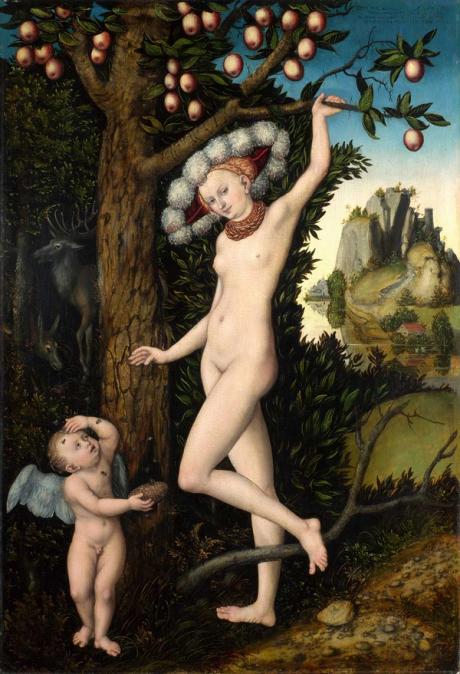
Famous Cranach painting spotted in rare photograph of Hitler’s apartment

A rare photograph from the early 1940s reveals that Lucas Cranach the Elder's painting *Cupid complaining to Venus* (1526-27), now a masterpiece in the National Gallery, London, once hung in Adolf Hitler's private Munich apartment. The image, previously published in Germany by provenance expert Birgit Schwarz, appears for the first time in an English-language publication. The painting was acquired by the National Gallery in 1963 from E. and A. Silberman Galleries in New York, which provided a false provenance. It had been taken from a warehouse of recovered art in 1945 by American journalist Patricia Lochridge, who smuggled it into the United States.


The Founders of Open Restitution Africa (ORA) on Their New Open Data Platform

On March 31, the research initiative Open Restitution Africa (ORA) launched the ORA Open Data Platform, a database providing information on the restitution of African artifacts and ancestral remains. Developed over six years by ORA’s all-woman, pan-African team, the site uses case histories and AI-powered tools to offer practical insights into the return process, available in French and English. It presents 25 case histories spanning 200 years, using data visualizations, essays, and interactive tools to help individuals and communities develop their own restitution strategies. ARTnews interviewed founders Chao Tayiana Maina and Molemo Moiloa about the project's origins and goals.

Heir says Cezanne watercolour in Basel show was lost due to Nazi persecution

A watercolor by Paul Cézanne (1888) shown at the Fondation Beyeler's recent exhibition once belonged to Gustav Schweitzer, a Jewish businessman who fled Berlin in 1935. Provenance researcher Willi Korte discovered documents in Basel's public archives showing Schweitzer loaned the work to the Kunsthalle Basel for a 1936 exhibition. Correspondence continued until 1939, when the work was returned to Schweitzer's secretary. How Schweitzer lost ownership remains unknown, but Korte says it was either sold under duress or looted in Nazi-occupied territory. The Fondation Beyeler has stated it will return the work to its current lender, an unnamed private collector based in the US.