filter_list Showing 8 results for "france" close Clear
search
dashboard All 359 museum exhibitions 203article news 33article policy 27article culture 25article local 19trending_up market 19candle obituary 11person people 11gavel restitution 8rate_review review 3
date_range Range Today This Week This Month All
Subscribe

France Passes Landmark Restitution Law for Looted Art

France has passed a landmark restitution law for looted art, marking a significant shift in the country's approach to addressing Nazi-era confiscations and colonial-era acquisitions. The legislation establishes a legal framework for returning artworks and cultural objects to their rightful owners or heirs, streamlining a process that previously required case-by-case parliamentary approval. This law is expected to accelerate the return of thousands of items held in French museums and public collections.
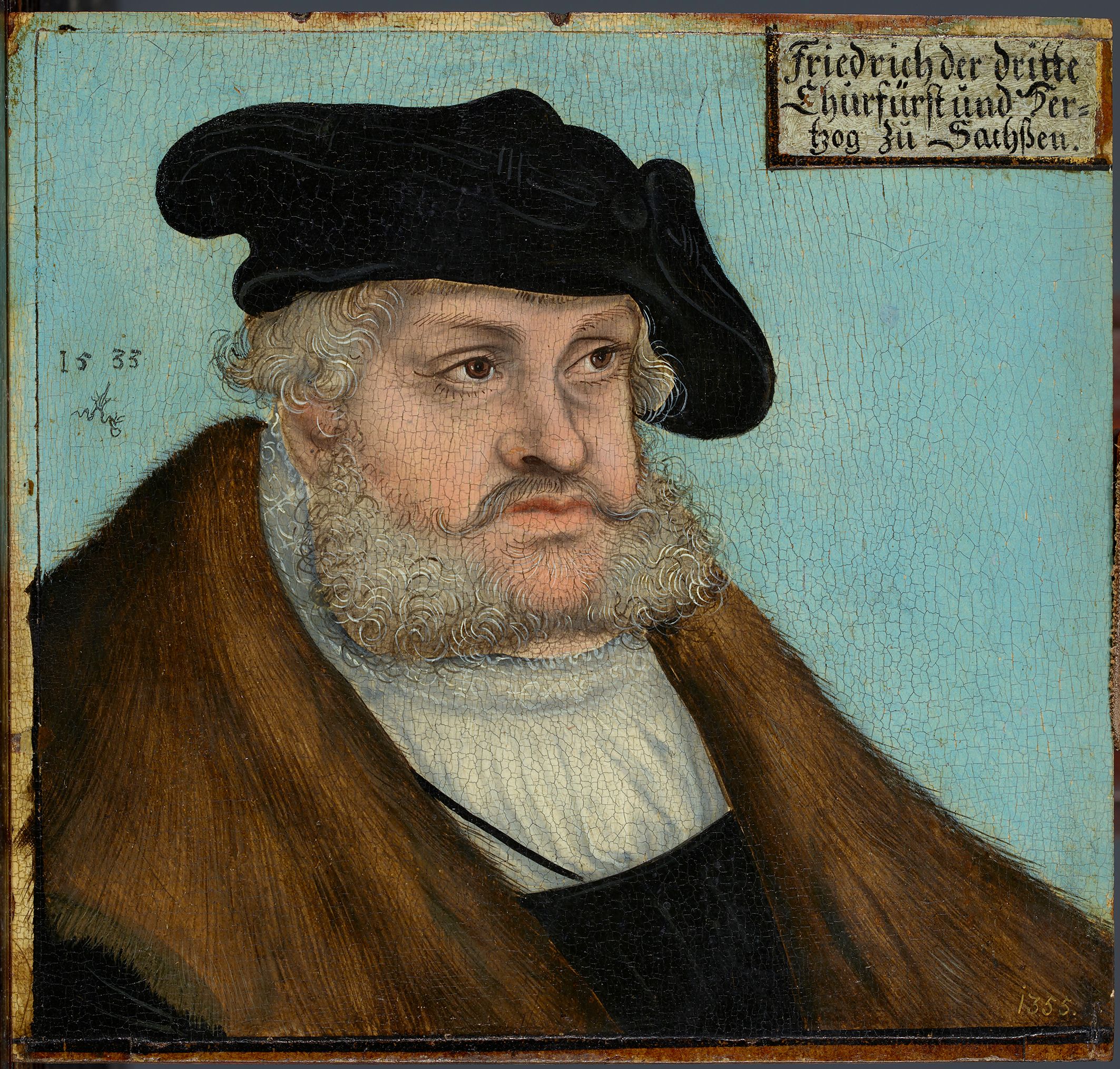
Tiny Cranach Painting That Vanished During WWII Returns to Dresden

A miniature portrait of Friedrich III (Frederick the Wise) by Lucas Cranach the Elder, missing since World War II, has been returned to the State Art Collections of Dresden, Germany. The painting was last documented in May 1945 in a limestone quarry shelter near Pockau-Lengefeld before vanishing. It resurfaced in 2024 when consigned to Parisian auction house Artcurial, whose provenance investigation revealed a matching inventory number from 1722–1728. The Dreyfus family in France, the modern owners, returned the work after negotiations and a financial agreement. It is now on view at the Coin Cabinet of the Royal Palace in a special exhibition marking the 500th anniversary of Friedrich III's death, and will later be permanently displayed in the Semper Gallery.

France reckons with Nazi-looted art in a new Paris museum gallery

France has opened a new permanent gallery at the Musée d'Orsay in Paris dedicated to displaying Nazi-looted artworks that remain unclaimed. The gallery features 13 works from the MNR (Musées Nationaux Récupération) collection, including a painting by Alfred Stevens originally destined for Hitler's planned museum in Linz. The display is the first in the museum's history to show the backs of paintings, revealing stamps, labels, and inventory marks that trace how each piece moved from private Jewish homes into Nazi hands. The museum also launched its first research unit to trace rightful heirs, led by Ines Rotermund-Reynard.

No, the courts have not cleared the way for contemporary stained-glass windows at Notre-Dame

Non, la justice n'a pas laissé la voie libre aux vitraux contemporains de Notre-Dame

The article clarifies that legal challenges against installing contemporary stained-glass windows in Notre-Dame Cathedral are still ongoing, contrary to misleading headlines. Two judicial procedures remain active: an appeal by the heritage association Sites & Monuments after losing a first-instance ruling on procedural grounds, and a separate case contesting the legitimacy of the works themselves. Although an emergency injunction was denied because the judge found no urgency, the core legal arguments—that replacing Viollet-le-Duc's windows is not conservation or restoration—remain strong. The author warns that if the windows are installed before the appeals are resolved, they may later have to be removed at great expense.

Musée d’Orsay displays Renoir and Degas works looted by Nazis

The Musée d’Orsay in Paris has opened a new gallery dedicated exclusively to artworks suspected of being looted or forcibly sold during the Nazi occupation of France. Among the 13 works on display is Edgar Degas's *Dinner at the Ball* (1919), originally owned by Jewish collector Fernand Ochsé, who was deported to Auschwitz with his wife in 1941. The painting passed through multiple hands before being identified as one of over 100,000 artworks plundered by the Nazis. The museum has assembled a team of six provenance researchers to spend three years tracing the original owners of these works, which are part of the "MNR" (Musées nationaux récupération) collection—some 2,200 pieces deemed too important to sell but whose owners remain unknown.

Who Owns These Artworks? Musée d’Orsay Hopes Visitors Can Help Find Out.

The Musée d’Orsay in Paris has opened a new room in its permanent display featuring 13 artworks recovered from Germany and Austria after World War II, whose provenance remains unknown. The museum is inviting visitors to help identify the original owners of these pieces, which were looted or displaced during the war and later restituted to France.

Une souscription pour la Maison-atelier Lurçat

The Académie des beaux-arts has launched a subscription campaign to acquire a monumental tapestry by Jean Lurçat, recently rediscovered by Christie's. The tapestry, titled *Bestiaire* (1930), measures 3 by 6.45 meters and was originally created for the artist's home-studio in Paris's 14th arrondissement. It will be publicly unveiled at Christie's Paris on May 6–7, 2025, before a private sale between the Académie and the auction house for €110,000. Donations are being collected online or by check to fund the purchase.

France Passes Law Easing Process of Returning Looted Art

France has passed a new law that simplifies the process of returning looted art and cultural artifacts to their countries of origin. The legislation, championed by President Emmanuel Macron, is seen as a major step in addressing colonial-era acquisitions, particularly for African artworks held in French museums. Experts describe the law as a seismic shift in restitution policy, enabling faster and more systematic returns without requiring individual parliamentary approvals for each item.