filter_list Showing 50 results for "the Art Newspaper" close Clear
search
dashboard All 945 museum exhibitions 298article news 219trending_up market 115article policy 94article culture 61person people 58gavel restitution 50article local 17candle obituary 17rate_review review 12article event 2article museums & heritage 1article museums 1
date_range Range Today This Week This Month All
Subscribe

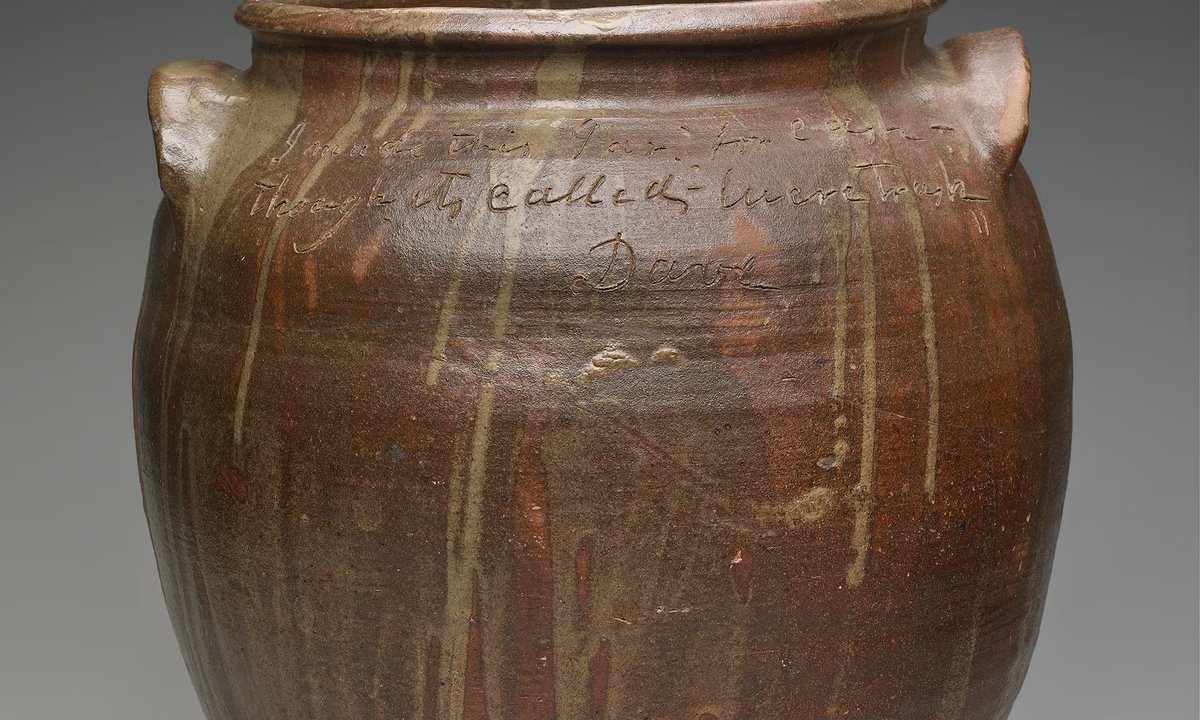
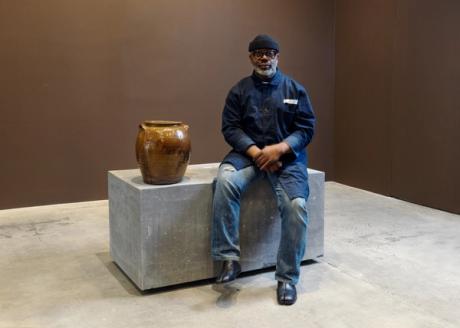
Theaster Gates gifts David Drake pot from his collection to enslaved ceramicist’s descendants

Artist Theaster Gates has gifted a 19th-century ceramic vessel by the enslaved potter David Drake, known as Dave the Potter, to Drake's descendants. The gesture is part of Gates's exhibition "Dave: All My Relations" at Gagosian in New York, which also features a second Drake pot recently restituted by the Museum of Fine Arts, Boston. Gates pulverized 45 of his own ceramic works to create a plinth for the vessel, framing the act as a "poetic justice" that elevates Drake's legacy above his own.

Mexico’s art community calls for greater transparency in management of treasured collection

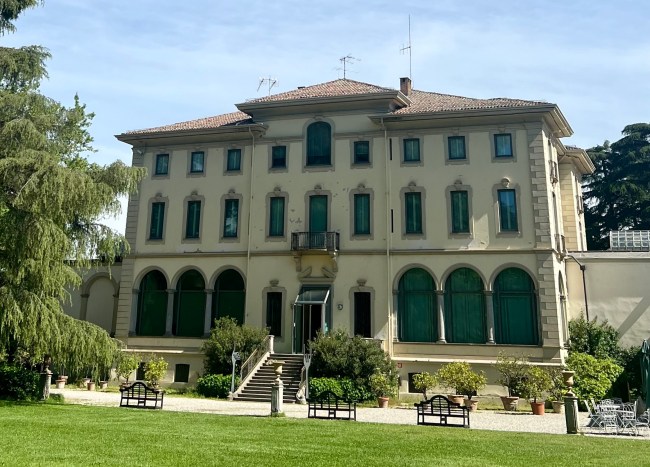
Over 350 Mexican cultural professionals have signed an open letter demanding greater transparency from the Instituto Nacional de Bellas Artes y Literatura (INBAL) regarding the management and export of the Gelman Collection. The collection, recently acquired by the Zambrano family and rebranded as the Gelman Santander Collection, includes 18 works by Frida Kahlo and other major 20th-century Mexican artists, with 30 pieces designated as national artistic monuments requiring state oversight.

Works by Renoir, Cézanne, and Matisse Snatched in Major Italian Art Heist

Four hooded thieves stole three valuable paintings from the Magnani-Rocca Foundation in Parma, Italy, in a swift nighttime heist. The stolen works include Paul Cézanne's 'Still Life with Cherries,' Henri Matisse's 'Odalisque on the Terrace, 1922,' and Pierre-Auguste Renoir's 'Les Poissons (Fish), 1917,' collectively worth millions of euros. The operation, described as highly structured and organized, took less than three minutes.

Heir says Cezanne watercolour in Basel show was lost due to Nazi persecution

A watercolor by Paul Cézanne (1888) shown at the Fondation Beyeler's recent exhibition once belonged to Gustav Schweitzer, a Jewish businessman who fled Berlin in 1935. Provenance researcher Willi Korte discovered documents in Basel's public archives showing Schweitzer loaned the work to the Kunsthalle Basel for a 1936 exhibition. Correspondence continued until 1939, when the work was returned to Schweitzer's secretary. How Schweitzer lost ownership remains unknown, but Korte says it was either sold under duress or looted in Nazi-occupied territory. The Fondation Beyeler has stated it will return the work to its current lender, an unnamed private collector based in the US.

One of Donatello’s most important bronze statues is being restored: should it ever be shown outdoors again?

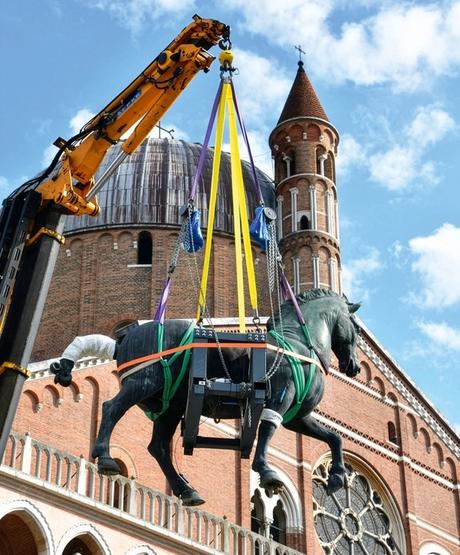
Donatello's monumental 1453 bronze equestrian statue, Gattamelata, has been moved from its outdoor plinth in Padua to a nearby indoor hall for a major €1 million restoration. This marks only the third time the statue has been moved indoors in nearly 600 years, prompted by severe corrosion known as "bronze cancer" and structural concerns about its stone pedestal. The restoration is funded by two American non-profit organizations, Friends of Florence and Save Venice.

British artist says the Met ‘should take responsibility’ for dress copyright dispute

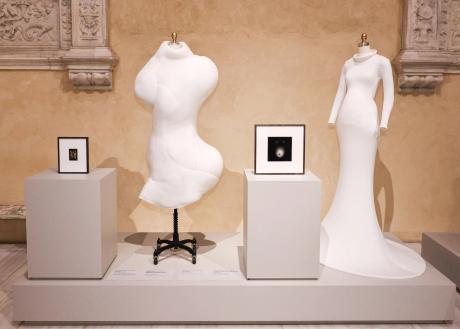
British artist Anouska Samms has publicly criticized the Metropolitan Museum of Art in New York over a copyright dispute involving a dress displayed in the Met Gala opening exhibition. Samms claims the museum included a garment called the Nervina Hair Dress, which she says is a copy of her collaborative work Hair Dress, created with fashion designer Yoav Hadari during their residency at the Sarabande Foundation. The Met had expressed interest in acquiring the original dress for its Costume Art exhibition but shelved those plans in December. Samms says she was not credited or paid, while Hadari acknowledges her IP rights over the textile but asserts the design and construction are his own. The Met has declined to comment, directing the artists to resolve the matter themselves.

A Lucas Cranach the Elder Masterpiece Once Hung in Hitler’s Munich Apartment

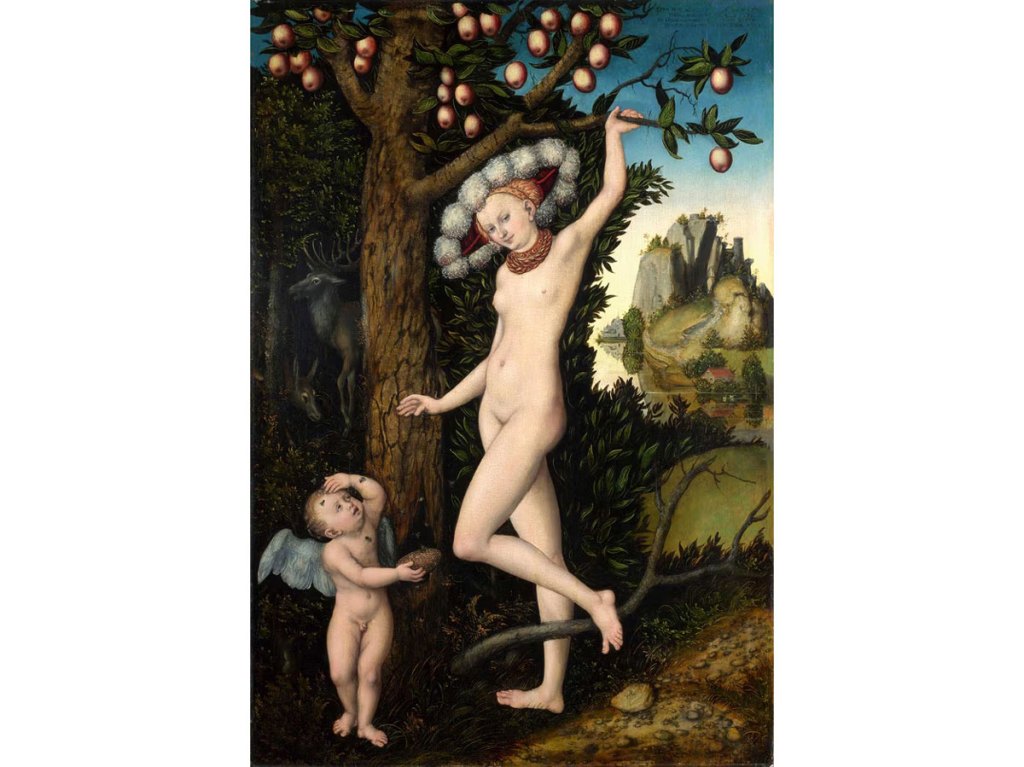
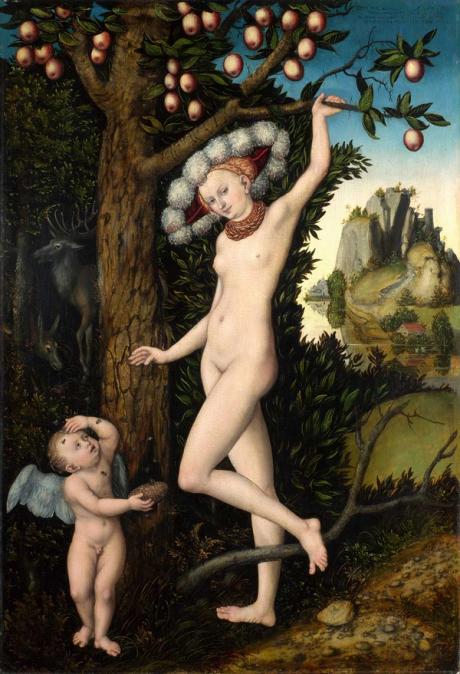
A Lucas Cranach the Elder painting, *Cupid complaining to Venus* (1526–27), once hung in Adolf Hitler's Munich apartment, according to a report by the Art Newspaper. The work was identified in a 1940s photograph published in a 1978 furniture catalog and later in a 2023 article by art historian Birgit Schwarz, who confirmed Hitler's ownership via a 2006 discovery of an album at the Library of Congress. After World War II, American journalist Patricia Lochridge took the painting from a warehouse in Berchtesgaden and smuggled it to the US. The National Gallery in London acquired it in 1963 from A. Silberman Galleries, which falsely claimed it came from the 1909 auction buyer's heir; it had actually been purchased from Lochridge.

Famous Cranach painting spotted in rare photograph of Hitler’s apartment

A rare photograph from the early 1940s reveals that Lucas Cranach the Elder's painting *Cupid complaining to Venus* (1526-27), now a masterpiece in the National Gallery, London, once hung in Adolf Hitler's private Munich apartment. The image, previously published in Germany by provenance expert Birgit Schwarz, appears for the first time in an English-language publication. The painting was acquired by the National Gallery in 1963 from E. and A. Silberman Galleries in New York, which provided a false provenance. It had been taken from a warehouse of recovered art in 1945 by American journalist Patricia Lochridge, who smuggled it into the United States.

London’s V&A launches webpage exploring provenance of its objects

The Victoria and Albert Museum (V&A) in London has launched a dedicated digital hub to document the provenance of its collection, specifically addressing objects acquired through violence, coercion, or looting. The initiative includes detailed research on controversial items such as the Maqdala material from Ethiopia, Asante Regalia from Ghana, and imperial Chinese jade. This transparency effort coincides with International Provenance Research Day and aims to provide public accountability regarding the museum's colonial-era acquisitions.

Dürer ‘copy’ at London’s National Gallery is the real thing, expert claims

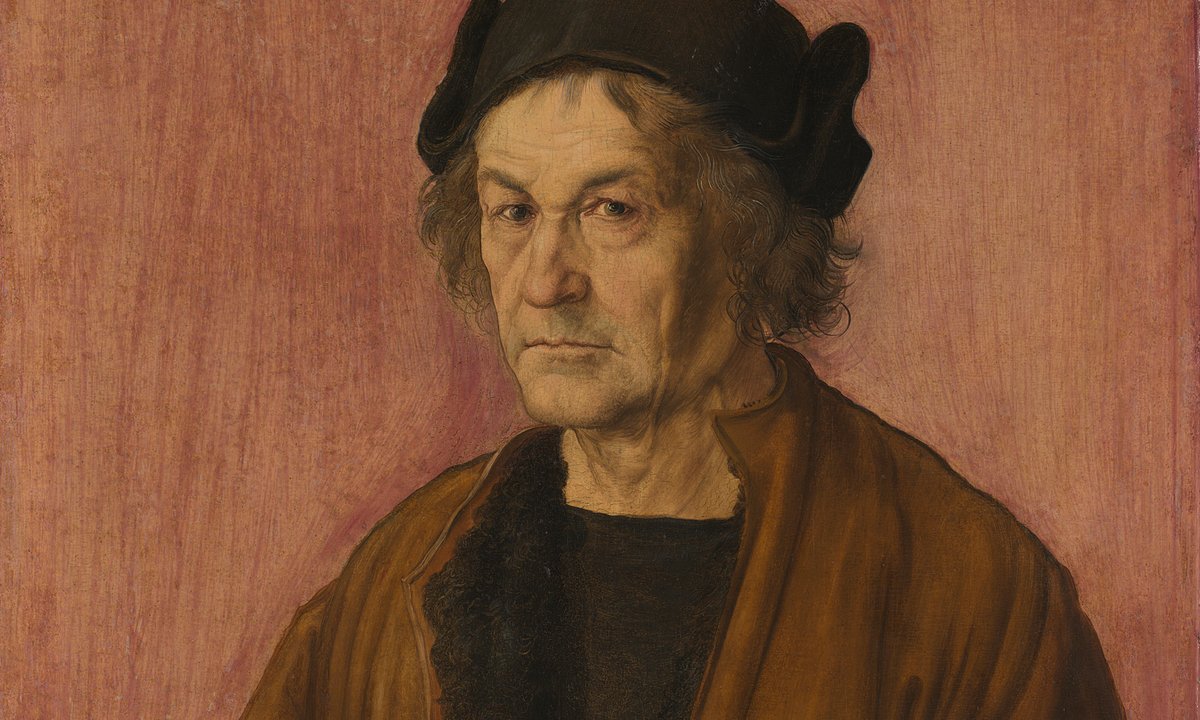
A German scholar, Christof Metzger, has published a new catalogue raisonné claiming that a portrait of Albrecht Dürer's father held by London's National Gallery is an authentic work by the master, painted in 1497. This directly challenges the gallery's long-standing position that the painting is a later copy made after a lost original.

Lebanese Artist Ali Cherri Files War Crimes Complaint Against Israel After 2024 Beirut Bombing

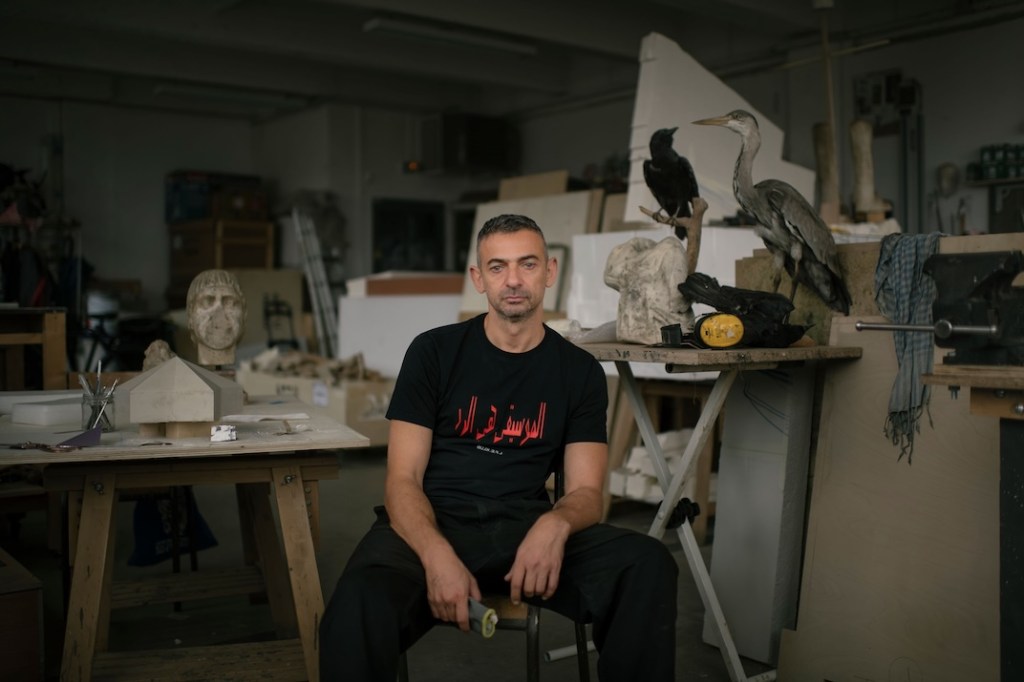
Lebanese artist Ali Cherri, with the International Federation for Human Rights (FIDH), has filed a civil complaint in France seeking an investigation into an Israeli airstrike on a Beirut residential building in November 2024. The strike killed seven civilians, including Cherri's parents. The complaint, supported by forensic analysis from Forensic Architecture and Amnesty International, alleges the attack used munitions documented as being employed by the Israeli air force and targeted a civilian object, potentially constituting a war crime.

After 11 Years in Court, Heir Reclaims a Modigliani Looted by the Nazis

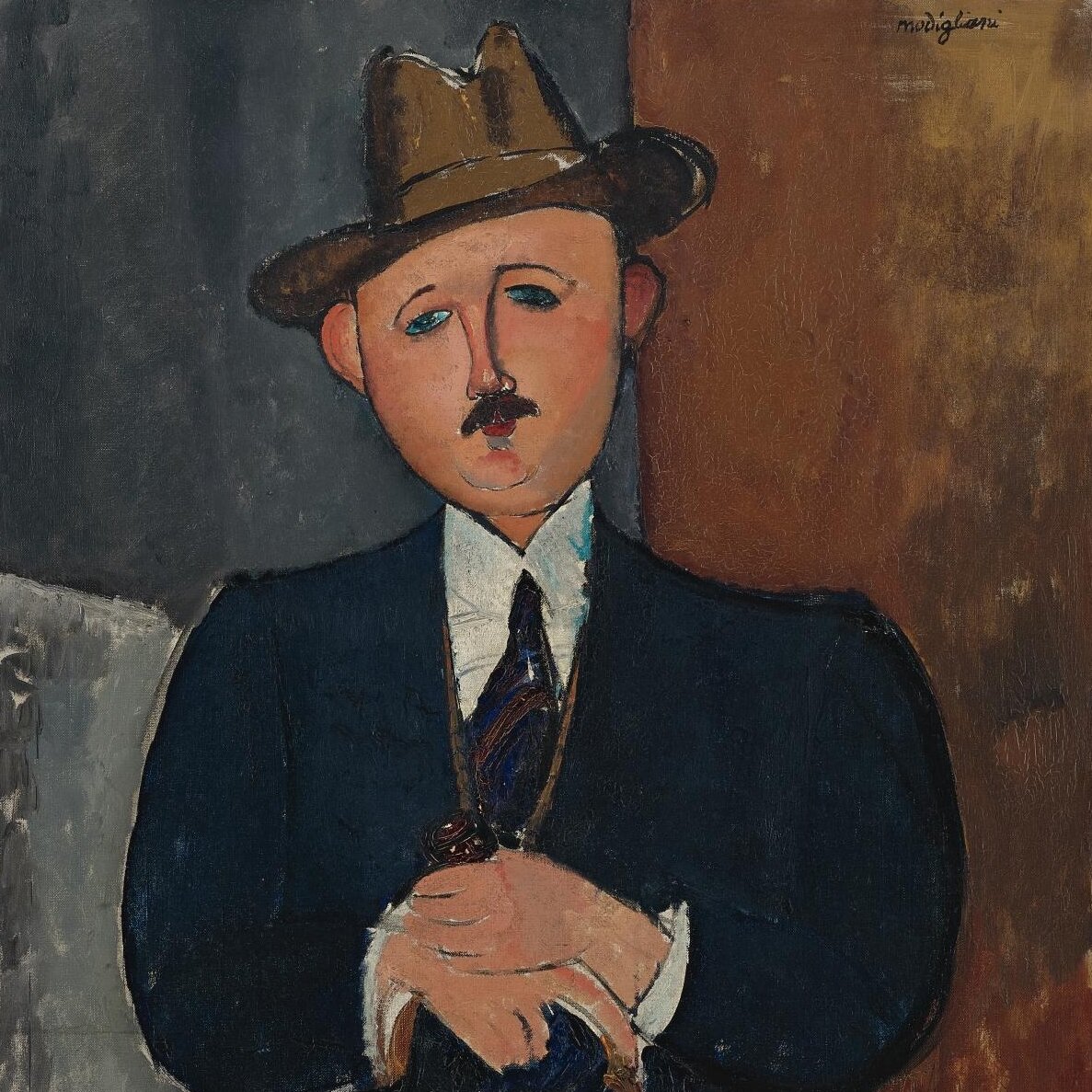
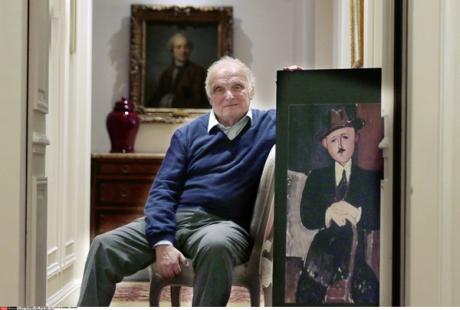
A French court has ordered the restitution of a 1918 Amedeo Modigliani painting, "Seated Man with a Cane," to the heir of its original Jewish owner. The artwork was looted by the Nazis in 1944 and had been held for decades by a holding company controlled by billionaire art dealer David Nahmad, who purchased it at auction in 1996.

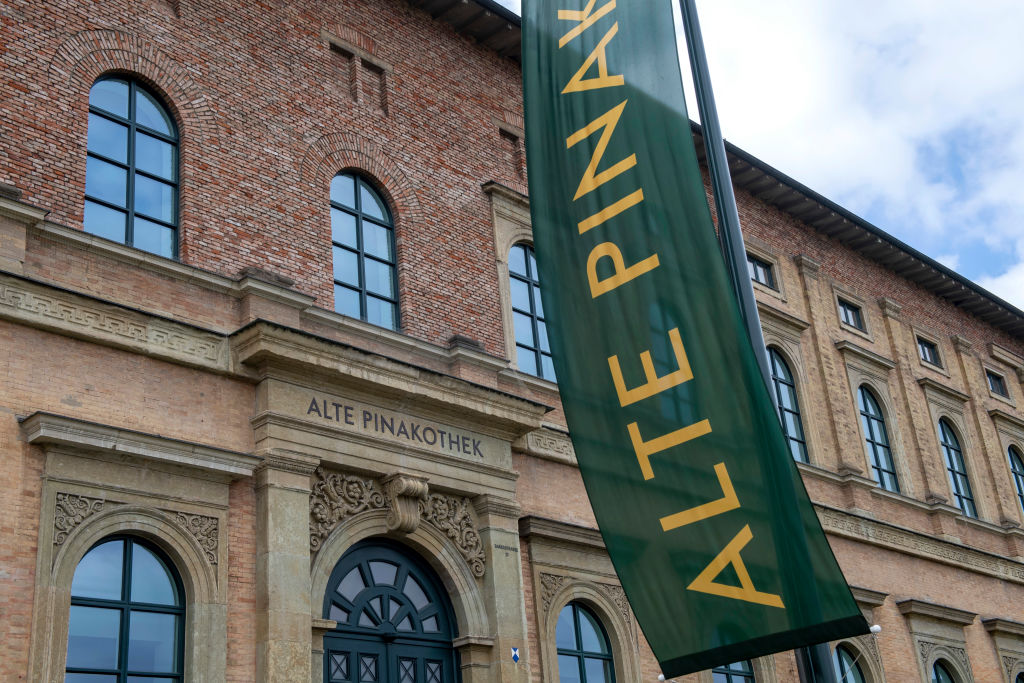
Pinakothek in Munich Returns Nazi-Looted Painting by Lesser Ury to Jewish Heirs

The Pinakothek museums in Munich have restituted a painting by German-Jewish Impressionist Lesser Ury to the heirs of its original owner, Berlin banker Curt Goldschmidt. The work, 'Interior with Children (The Siblings),' was sold at a forced auction in the 1930s after the Goldschmidt family bank collapsed under Nazi economic policies.

Congress Moves to Expand Holocaust Art Restitution Claims

The U.S. Congress has passed an extension of the Holocaust Expropriated Art Recovery (HEAR) Act, a 2016 law designed to help heirs of Holocaust victims recover looted art. The new legislation aims to limit the ability of museums and other current holders to use time-based legal defenses, such as statutes of limitations, to block restitution claims, thereby pushing more cases to be decided on their factual merits.

Dealer Yves Bouvier to stand trial in Paris over missing Picassos

Swiss dealer Yves Bouvier has been ordered to stand trial in a Paris criminal court over the alleged disappearance of dozens of works by Pablo Picasso from a storage unit. The unit was rented by Picasso's stepdaughter, Catherine Hutin, from Bouvier's company. Bouvier faces charges of concealing stolen goods and laundering, while his business partner, Olivier Thomas, is charged with breach of trust, embezzlement, and laundering. The investigation, triggered by Hutin's 2015 complaint, found that nearly 70 works went missing, with some, including two portraits and 60 drawings, later discovered to have been sold by Bouvier to Russian collector Dmitri Rybolovlev for €36 million.

Fifty years after Franco, Spain begins to give back art seized during the Civil War

A 2022 Spanish law has quietly triggered a wave of restitutions of art looted during the Spanish Civil War, more than 50 years after dictator Francisco Franco's death. The Museo del Prado has identified 166 confiscated artworks in its collection, including works by Joaquín Sorolla and Pedro Atanasio Bocanegra, and has begun returning pieces such as a panel painting by Maestro de Lupiana to the parish of Yebes. Scholar Arturo Colorado Castellary has uncovered over 26,000 confiscated objects, with around a third never returned to their owners, many deposited in museums, churches, and public administrations.

Catalan Museum Has Yet to Follow Through on Court Order to Return Contested Murals to Aragon Monastery

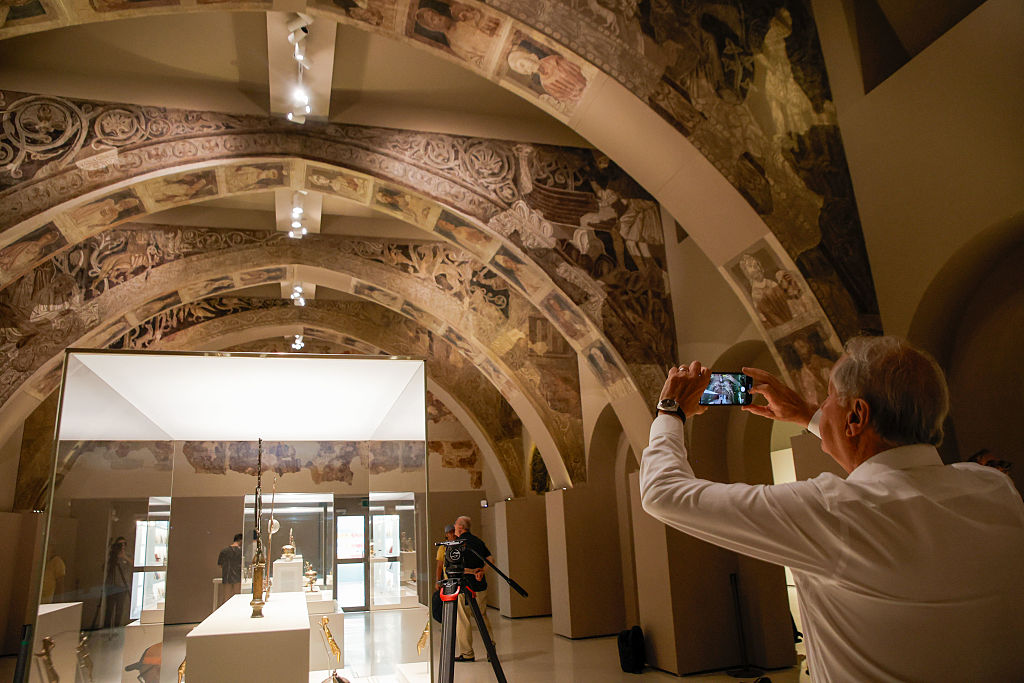
The National Art Museum of Catalonia (MNAC) in Barcelona has failed to comply with a May 2025 Spanish Supreme Court ruling ordering the return of 13th-century Romanesque murals to the Sijena Monastery in Aragon. Despite the legal mandate ending a decade-long dispute, the museum continues to house the works, citing significant technical and conservation risks associated with transporting the delicate canvases.

How did a 16th-century European basin end up as a sacred object in West Africa?

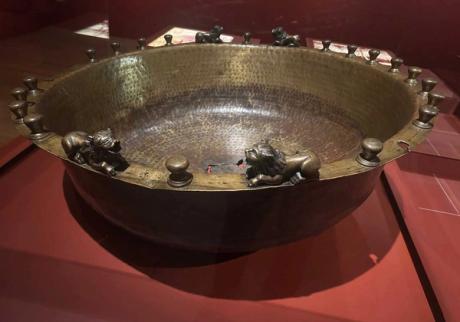
The Aya Kese, a massive 16th-century northern European brass basin, is currently on display at the British Museum while its complex history remains under scrutiny. Looted by British officer Robert Baden-Powell in 1896 from the Asante kingdom’s royal mausoleum in present-day Ghana, the object was long sensationalized by colonial accounts as a vessel for human sacrifice. Recent scholarship and historical records from Asante King Prempeh I contest these claims, asserting the basin’s sacred role as a spiritual repository for the souls of the Asante people.

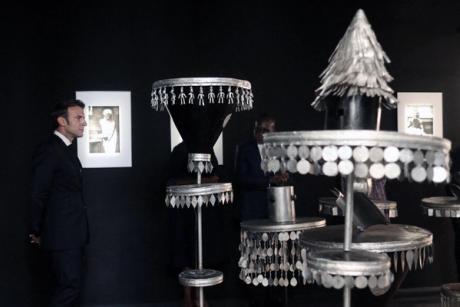
France’s new restitution law passes final vote

The French parliament has officially passed framework legislation establishing a legal pathway for the restitution of cultural artifacts looted from former colonies. This landmark law, inspired by a report from former Louvre director Jean-Luc Martinez, allows for the deaccession of items taken by force or under duress between 1815 and 1972. While the law fulfills a 2017 pledge by President Emmanuel Macron, it remains strictly supervised, requiring bilateral scientific committees to verify claims and excluding military archives and archaeological shares.

Canada returns 11 artefacts to Turkey in the first repatriation between the countries

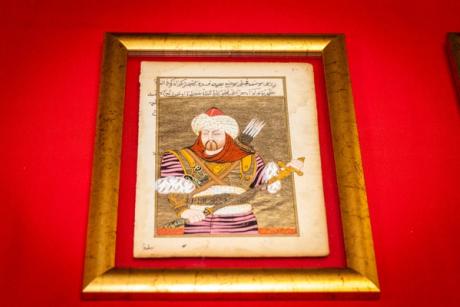
Canada has returned 11 Ottoman-era artefacts to Turkey, marking the first official repatriation of cultural property between the two nations. The items, which include manuscript pages and calligraphy works from the 17th to 19th centuries, were handed over in a ceremony at the Canadian Conservation Institute in Ottawa following a federal court ruling.

petition to block loan of bayeux tapestry to londons british museum garners 50000 signatures

Nearly 50,000 people have signed a petition to block the loan of the Bayeux Tapestry from France to the British Museum in London. The petition, launched in July by French art historian Didier Rykner, cites warnings from textile restorers that transporting the 1,000-year-old embroidered linen could cause irreparable damage. The tapestry is scheduled to be displayed at the British Museum from September 2026 to July 2027 while its home, the Bayeux Tapestry Museum in Normandy, undergoes renovation. The loan was announced by UK Prime Minister Keir Starmer and French President Emmanuel Macron. Prominent French cultural figures, including former Bayeux Tapestry Museum director Isabelle Attard, and British conservation watchdog ArtWatch UK director Michael Daley have voiced concerns. Rykner hopes to unite French and British opposition to stop the exchange, which also includes Anglo-Saxon and Medieval objects from the British Museum moving to France.

David Nahmad maintains that his Modigliani was not looted by the Nazis

David Nahmad is continuing his legal battle to prove that his Modigliani painting, *Seated Man with a Cane* (1918), was not looted by the Nazis from the Jewish dealer Oscar Stettiner. Despite a recent New York ruling against him, Nahmad’s lawyers have filed a motion to review the case based on new eyewitness testimony. Two witnesses claim the painting they saw in the Van der Klip family—which bought the Nazi-looted work in 1944—is completely different from Nahmad’s painting, lacking a seated man or a cane. Nahmad’s legal team also cites a 1946 French bailiff report and a recent catalogue raisonné by Marc Restellini to argue that Mondex, the restitution firm working for Stettiner’s heirs, misidentified the work.

Zurich's Museum Rietberg transfers 11 Benin Bronzes to Nigerian government

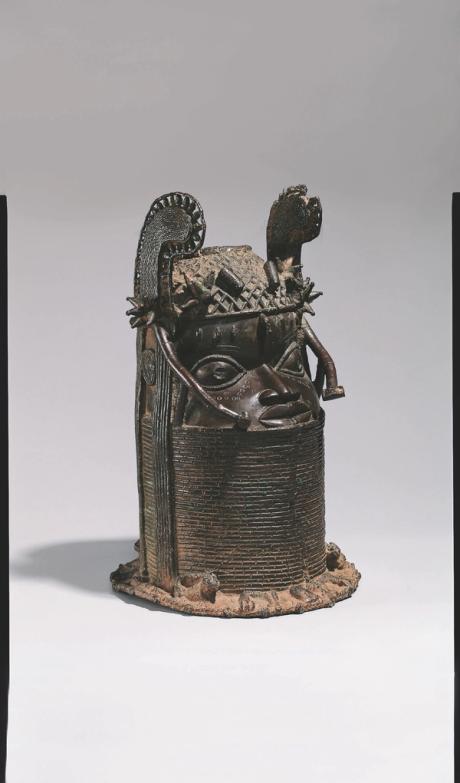
The Museum Rietberg in Zurich is transferring ownership of 11 Benin Bronzes to the Republic of Nigeria. The transfer includes a significant commemorative bronze head from around 1850 and an 18th-century ivory tusk, both looted during the British raid on Benin City in 1897, which will be physically returned to Nigeria this summer.

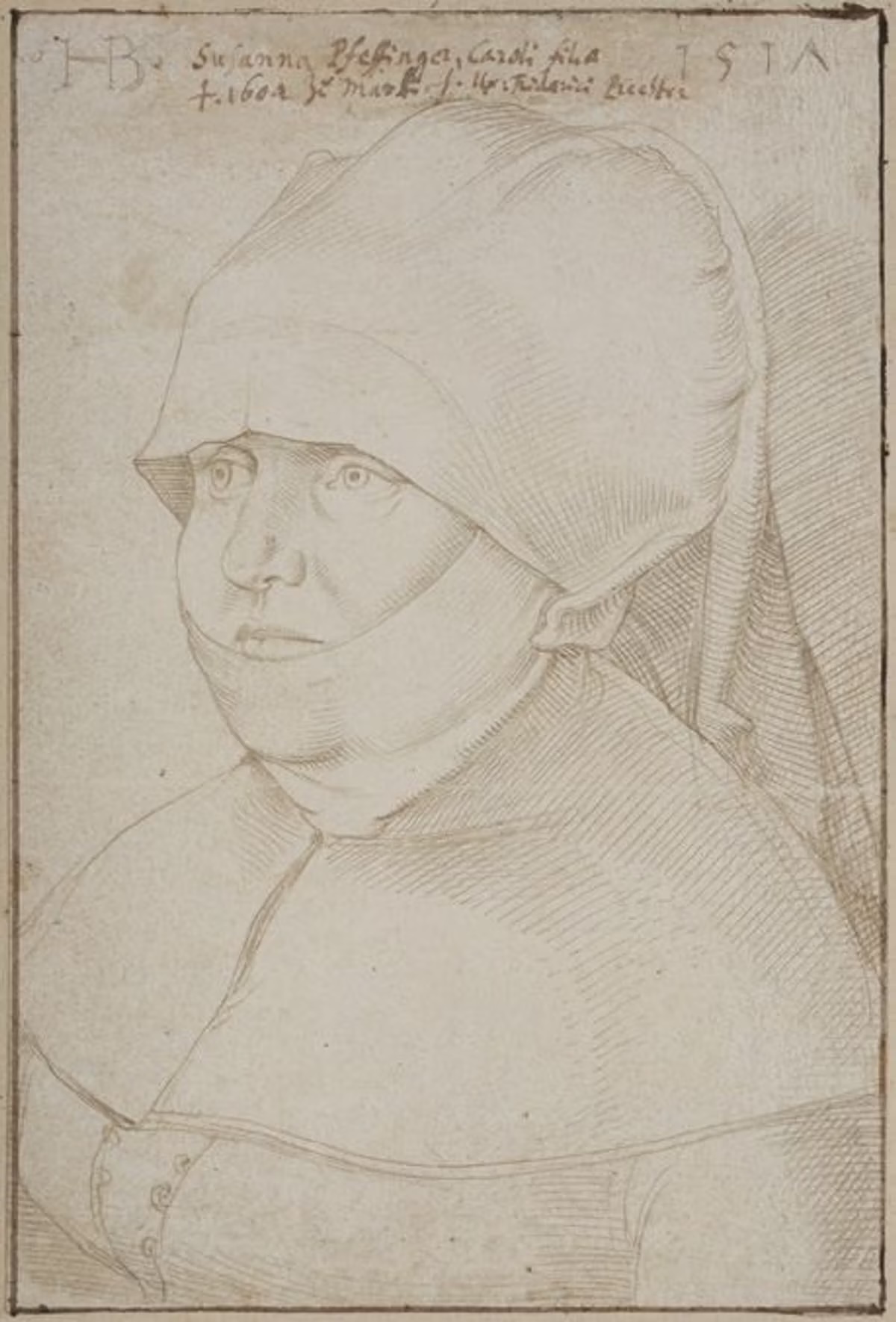
A Drawing by Hans Baldung Grien Classified as a National Treasure

Un dessin de Hans Baldung Grien classé trésor national

A 1517 silverpoint drawing by German Renaissance artist Hans Baldung Grien, titled 'Portrait of Susanna Pfeffinger,' has been classified as a French national treasure. The work, which was set to be auctioned at the Hôtel Drouot by Beaussant-Lefèvre, is now subject to an export ban, giving French museums like the Louvre a 30-month window to acquire it.

Meet the global taskforce working to recover stolen cultural heritage

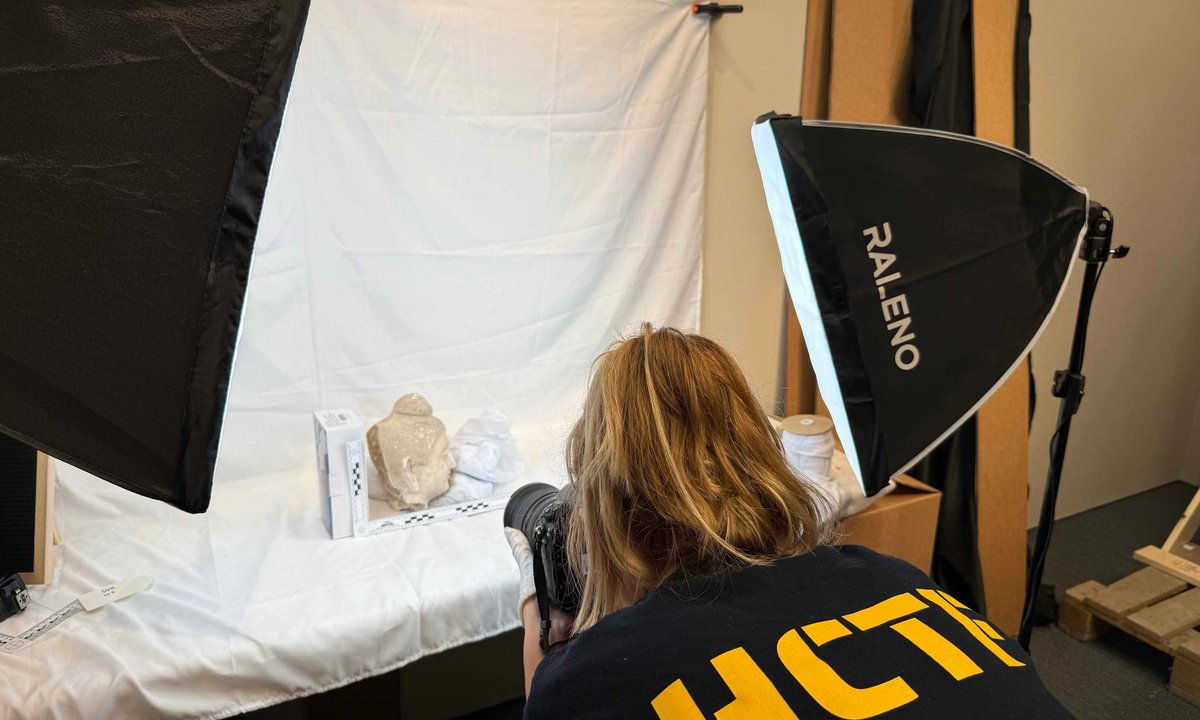
The London Metropolitan Police's Art and Antiques Unit, in collaboration with the Heritage Crime Task Force (HCTF) of the Organisation for Security and Co-operation in Europe (OSCE), is processing over 300 recovered cultural artefacts. The objects—including statues, frescoes, chainmail armour, and stucco heads—were voluntarily handed over by an individual who had kept them for over a decade. Experts are conducting forensic analysis, photography, and archaeological assessment to determine authenticity and origin, with initial findings suggesting items from Cambodia's Angkor Period, the Gandhara region of Pakistan and Afghanistan, the Indus Valley civilisation, and possibly a mosque in Syria or Iraq.

Did Qatar’s Courbet acquisition short-circuit French export licence process?

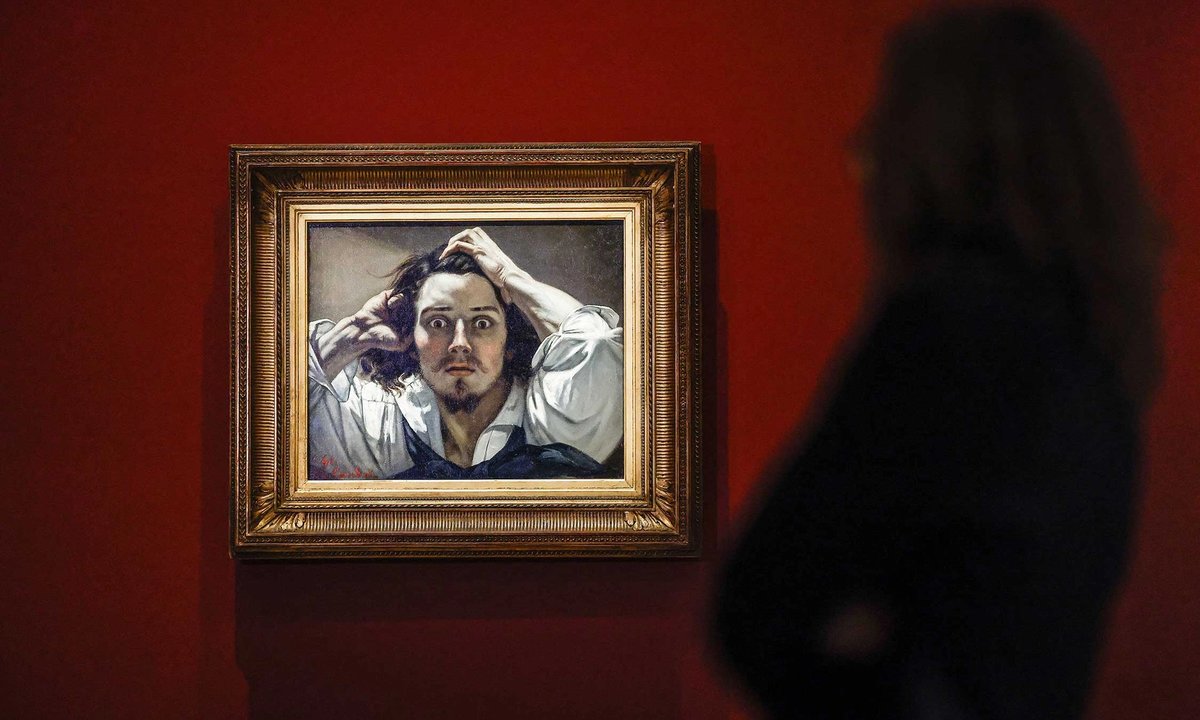
Qatar Museums has acquired Gustave Courbet's early self-portrait *Le Désespéré* (1843-45) from a French collector for €50 million, bypassing the standard French export licence process. The Musée d'Orsay revealed the purchase at a private event in October, announcing the painting will be lent to the museum for five years before moving to Qatar's future Art Mill Museum (opening by 2030). The sale was conducted without an export certificate, with the justification that the work will remain in France for most of the time, using temporary export licences for exhibitions in Doha. Critics, including heritage campaigner Julien Lacaze, argue this exemption is being misused, as it was intended for one-off exhibitions, not recurring rotations.

MFA Boston returns work by enslaved artist David Drake to his heirs, Wifredo Lam, Ghirlandaio’s Adoration of the Magi—podcast

The Museum of Fine Arts (MFA) in Boston has agreed to return two 1857 works by the enslaved potter David Drake to his descendants. One vessel will remain on loan to the museum for at least two years, while the other, known as the "Poem Jar," has been purchased back by the museum for an undisclosed sum, now carrying a certificate of ethical ownership. The episode also covers the opening of the exhibition "Wifredo Lam: When I Don’t Sleep, I Dream" at the Museum of Modern Art in New York, featuring the modernist painter of African and Chinese descent, and discusses Domenico Ghirlandaio's "Adoration of the Magi" (1488) in the context of a new book on Renaissance foundlings.

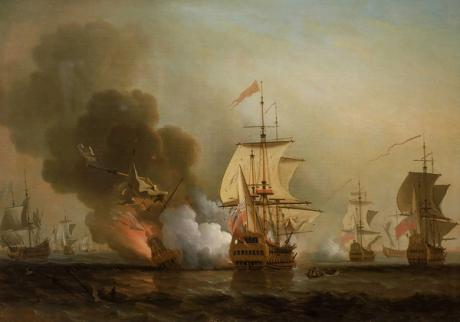
Controversy resurfaces in Colombia over treasure-filled San José shipwreck

Controversy has resurfaced in Colombia over the San José, a Spanish galleon that sank in 1708 with a cargo of gold, silver, and emeralds. The oversight group Veeduría Nacional para el Control Social del Patrimonio Cultural Sumergido de Colombia (VNPCS) issued an open letter to the attorney general, alleging a lack of transparency, looting, and unauthorized interventions at the wreck site in 2016 and 2022. The group claims that the site's coordinates, considered a state secret, have been disclosed. The dispute involves multiple parties, including the Swiss treasure-hunting firm Maritime Archaeology Consultants (MAC), which helped locate the ship in 2015 and is now seeking compensation, and the US-based salvage company Sea Search Armada, which claims to have found the galleon in the 1980s and is seeking $10 billion. The ship was designated a protected archaeological area in 2024, placing it under the jurisdiction of the Colombian Institute of Anthropology and History (ICANH), but critics argue that earlier allegations of looting were ignored.

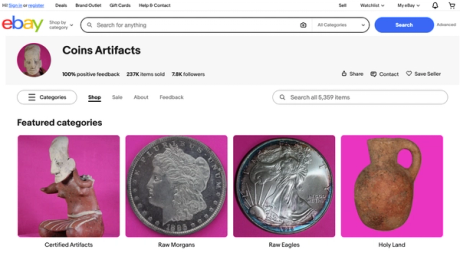
Mexico’s culture ministry urges eBay to halt sales of pre-Hispanic artefacts

Mexico's Ministry of Culture has identified 195 pre-Hispanic archaeological objects listed for sale on eBay by a US-based seller and has formally demanded the platform halt the sales and return the items. The ministry, through Secretary Claudia Curiel de Icaza, argues the sale is illegal as the export of such cultural heritage has been prohibited since 1827, and their presence abroad results from illicit extraction. Legal action has been initiated with Mexican and international authorities, including Interpol and US Homeland Security Investigations, to secure repatriation.

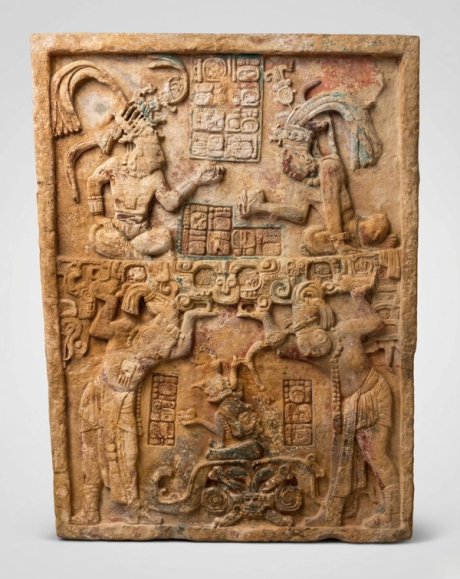
Guatemala stakes claim to stone lintel by 'the Michelangelo of the pre-Columbian era' that was repatriated to Mexico

A Maya stone lintel, dating from AD600-AD900 and depicting a ritual scene associated with the ruler Cheleew Chan K'inich, was repatriated to Mexico on April 16 after being turned over to the Mexican consulate in New York by an unnamed US businessman. However, hours after the ceremony, experts determined the lintel actually originated from Guatemala's Petén Basin. Guatemala's cultural ministry, led by minister Luis Méndez Salinas, has formally requested the object's return through diplomatic channels, citing technical analysis and consultations with archaeologists.