
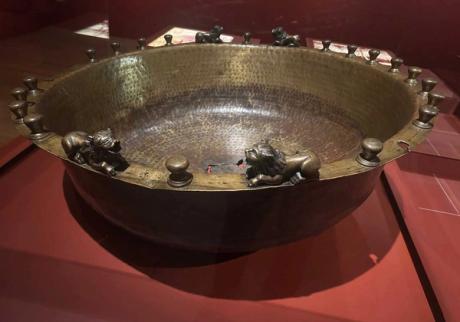
The Aya Kese, a massive 16th-century northern European brass basin, is currently on display at the British Museum while its complex history remains under scrutiny. Looted by British officer Robert Baden-Powell in 1896 from the Asante kingdom’s royal mausoleum in present-day Ghana, the object was long sensationalized by colonial accounts as a vessel for human sacrifice. Recent scholarship and historical records from Asante King Prempeh I contest these claims, asserting the basin’s sacred role as a spiritual repository for the souls of the Asante people.
This case highlights the ongoing tension surrounding colonial loot and the ethics of museum loans versus permanent restitution. Despite formal requests for its return dating back to 1930, the basin remains in the collection of London’s National Army Museum. The object’s journey from a European workshop to a West African sacred site serves as a powerful testament to early global trade and the enduring cultural significance of displaced heritage, fueling contemporary calls for its return to Kumasi.