filter_list Showing 6 results for "Early Work" close Clear
search
dashboard All 100 museum exhibitions 62trending_up market 18rate_review review 6person people 5article news 2article local 2article culture 2candle obituary 2gavel restitution 1
date_range Range Today This Week This Month All
Subscribe

stephen shore early work mack

The article reviews Stephen Shore's book *Early Work*, which collects photographs he took between the ages of 13 and 18, from 1960 to 1965. Despite his youth, the images display remarkable sophistication, a feat Shore attributes to an atypical childhood that included early access to cameras and a copy of Walker Evans's *American Photographs*. The book includes a "pre-history" essay in which Shore reflects on his formative influences, including time spent at Andy Warhol's Factory and a friendship with headmaster William Dexter, who deepened his interest in photography. The earliest image in the book is a portrait of Dexter taking a photograph, which Shore describes as a metanarrative of a photographer photographing a photographer.
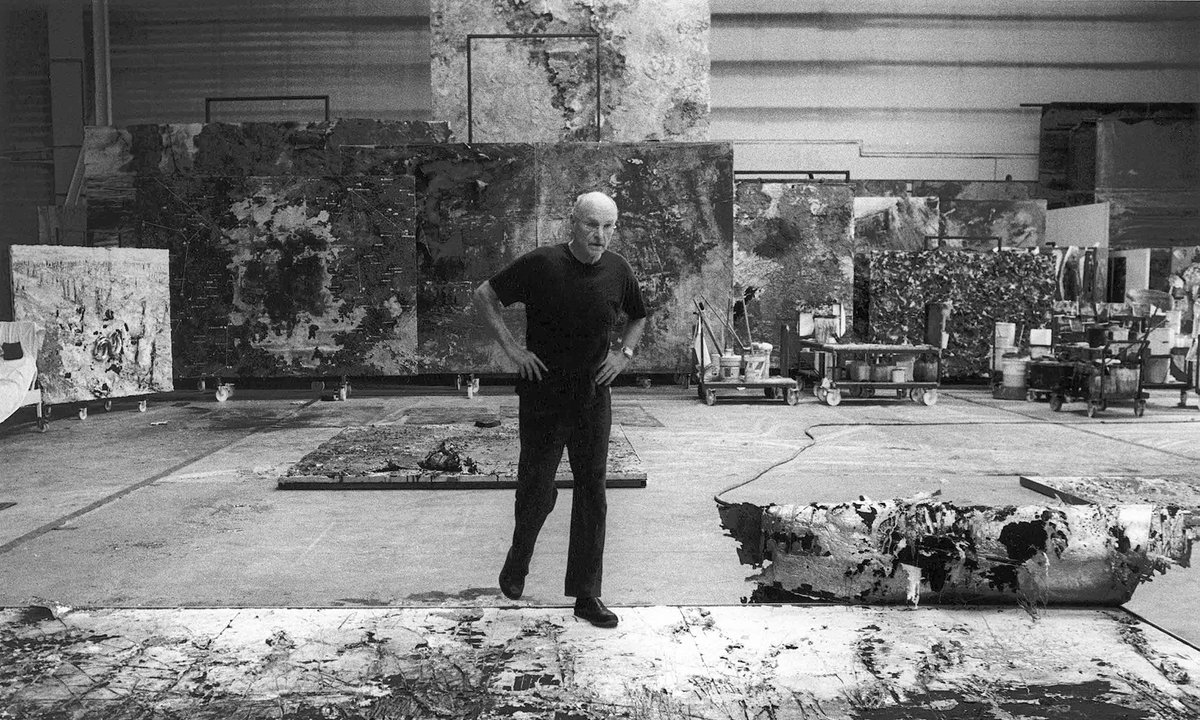
Comment | Perhaps artists do have only ‘ten good years’—but they can happen at any time in their career

The article reflects on the idea that artists may have only 'ten good years' of peak creativity, prompted by a visit to the exhibition "Anselm Kiefer: Early Works" at the Ashmolean Museum in Oxford. The author contrasts the young Kiefer's deft, emotionally intimate works from 1969–1982 with his later, more grandiose output, arguing that Kiefer's early period surpasses anything he has achieved since. The piece also revisits critic Douglas Cooper's harsh dismissal of late Picasso and former Tate director Alan Bowness's theory of artistic prime.

Exhibition Review: “Alan Davie: Paintings, 1959 - 1971” at A Hug from the Art World, Chelsea (long-term viewing, by appointment)

A Hug from the Art World in Chelsea is presenting a long-term exhibition of Scottish Abstract Expressionist Alan Davie (1920–2014), focusing on his work from 1959 to 1971. Gallery founder Adam Cohen, who discovered a Davie painting in his father Frank Cohen's collection, curated the show to highlight what he considers Davie's most influential period, when his style evolved into a psychedelic, complex visual language amid the rise of Pop Art and Minimalism.

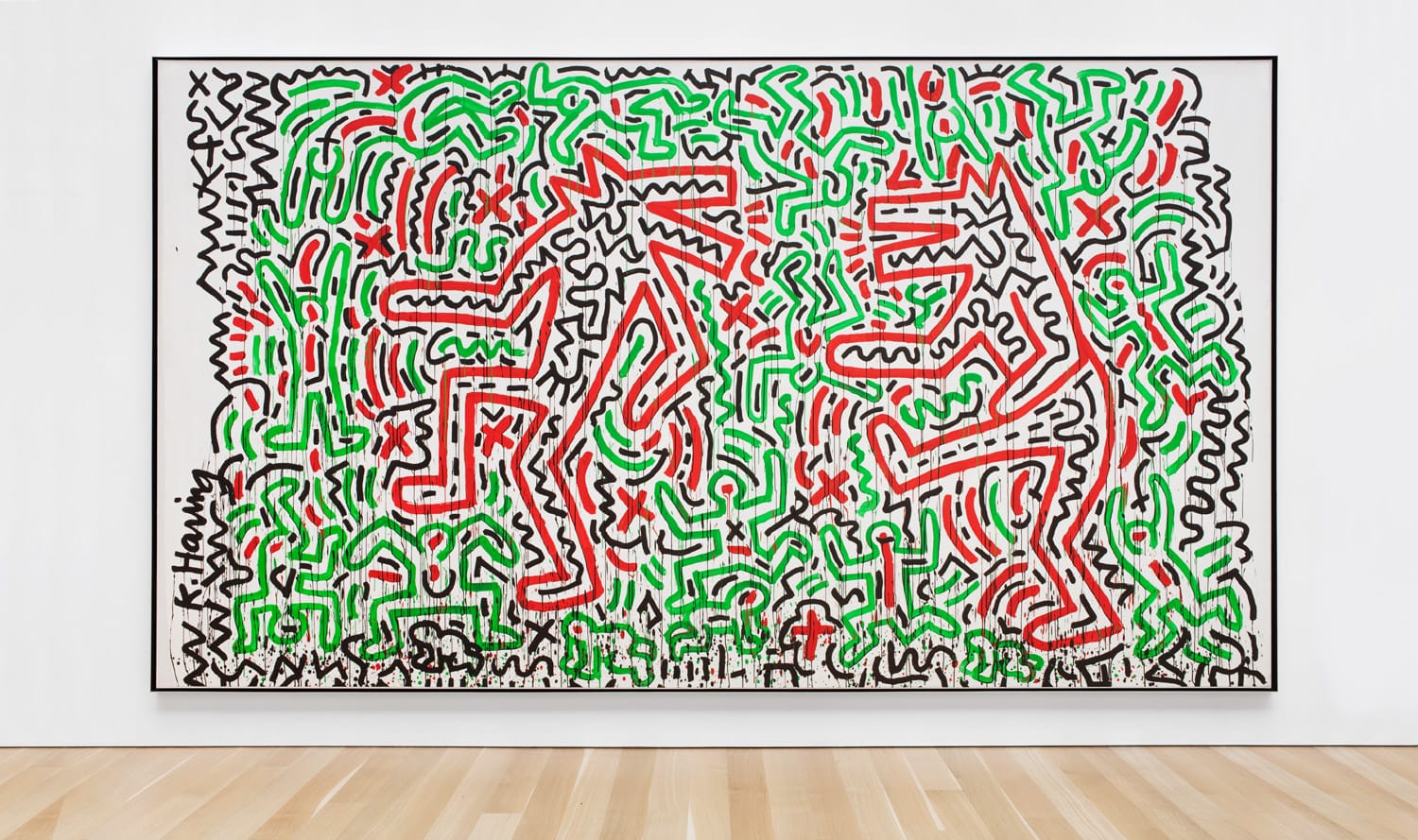
Keith Haring Before the End of the World

The article reviews Keith Haring's early work from 1980 to 1983, currently on view at the Brant Foundation in New York. The author reflects on initially dismissing Haring's graffiti-inspired style as trite and playful, but now sees darker, prophetic themes in pieces featuring apocalyptic imagery, UFOs, nuclear power, and mindless obedience to higher powers. The exhibition, curated by Dieter Buchhart and Anna Karina Hofbauer, runs through May 31.

Carole Harris’ Origin Story in “This Side of the River” at MOCAD

The article reviews Carole Harris's solo exhibition "This Side of the River" at the Museum of Contemporary Art Detroit (MOCAD), curated by Abel Gonzalez Fernandez. The show features twenty fiber pieces and archival materials spanning from 1966 to the present, tracing Harris's creative evolution and her responses to Detroit's social and urban changes. It highlights early works like "Potpourri" (1976) and "Black Jack" (1976) from her 1977 debut at Gallery 7, a Black Power-era space founded by Charles McGee, and later pieces such as "Down the Road a Piece" (2003) that mark her shift toward improvisational, abstract compositions.

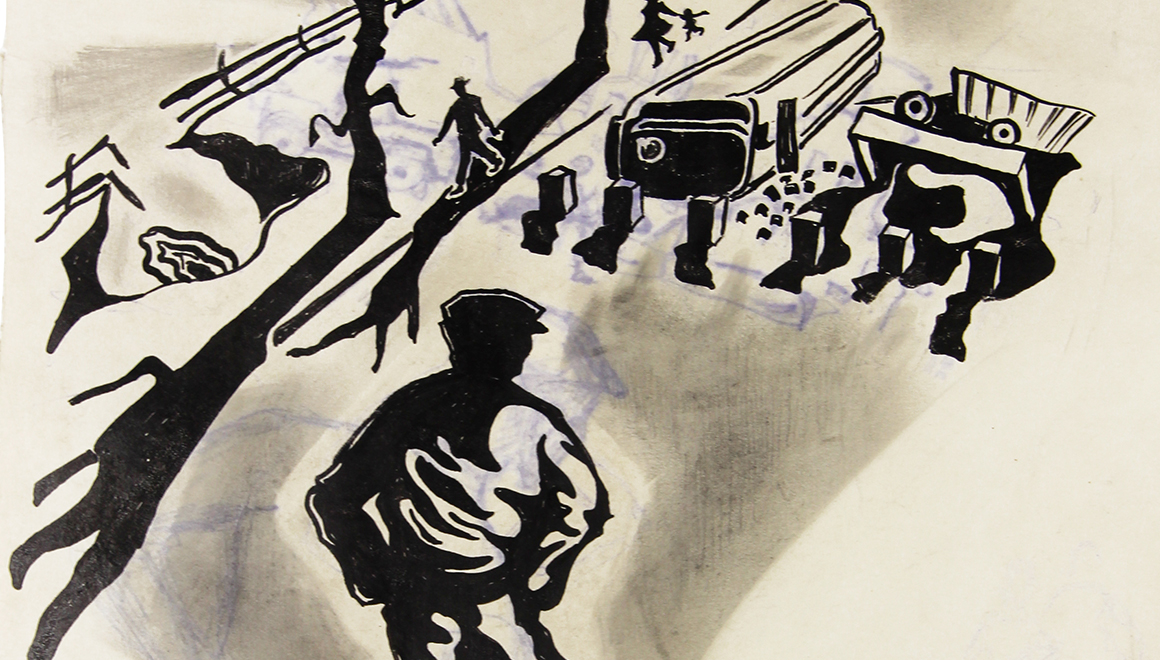
Review: “Boris Lurie: Nothing To Do But To Try” at the Holocaust Museum Houston

The Holocaust Museum Houston is currently hosting "Boris Lurie: Nothing To Do But To Try," an exhibition focusing on the early works of the Holocaust survivor and NO!art movement founder. Organized by the Museum of Jewish Heritage, the show highlights Lurie’s "War Series," featuring paintings, drawings, and never-before-seen ephemera created as a means of processing the trauma of his imprisonment in camps like Buchenwald. The works, ranging from the immediate post-war period to decades later, serve as a visceral record of memory and loss, including tributes to his family members murdered in the Rumbula Forest massacre.