search
dashboard All 1100 museum exhibitions 579article local 185article culture 90article news 78trending_up market 56person people 33candle obituary 28rate_review review 24article policy 21gavel restitution 6
date_range Range Today This Week This Month All
Subscribe

Marianna Simnett’s Furry Friends

Marianna Simnett’s exhibition at Société, Berlin, features a provocative mix of film, painting, and sculpture that revels in grotesque, erotic, and fantastical transformations. Works like *Hyena and Swan in the Midst of Sexual Congress* (2019) and the films *Leda was a Swan* (2025) and *Blue Moon* (2022) reimagine classical myths and fairy tales through a feminist, body-horror lens, using AI-assisted visuals and stop-motion to explore themes of animality, abjection, and pleasure. The show includes taxidermy-inspired animations, BDSM-inflected live-action shorts, and sculptures that ensnare human figures in animal forms.
Celia Paul Transcends Her Own Mythology

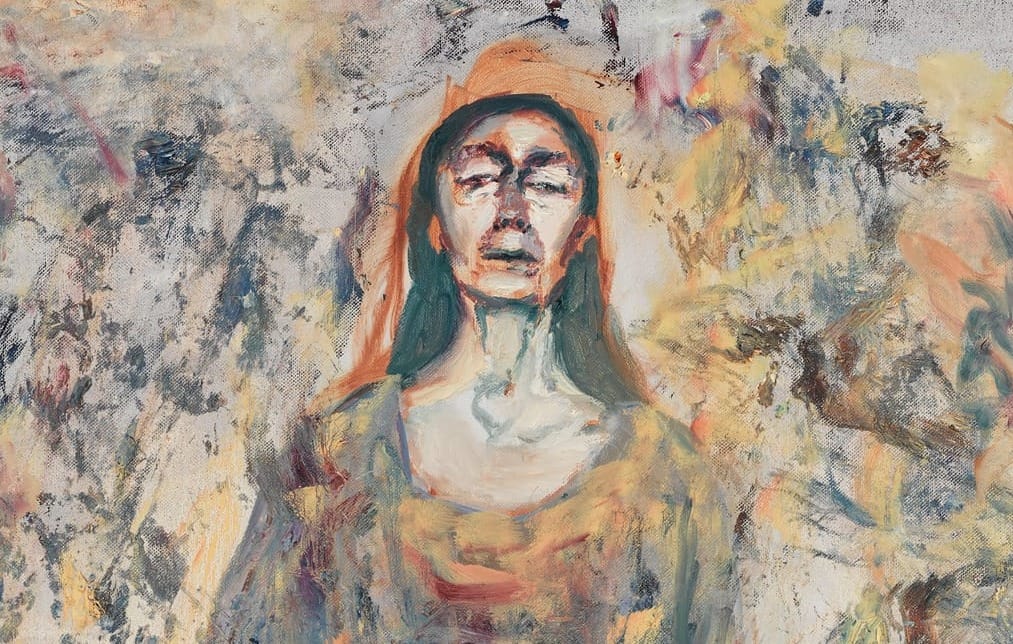
Celia Paul's exhibition "Innervisions" at Gladstone Gallery showcases her latest paintings, including works like "Cruciform Muse" (2025) and "Burning Painter" (2025). The show features her characteristic autobiographical approach, depicting family members, self-portraits, and ocean scenes, while also exploring themes of vulnerability and power through nude figures inspired by Gwen John. The exhibition builds on Paul's established reputation as a painter and memoirist, following her book "Letters to Gwen John" (2022) and a documentary by Jake Auerbach.

Don’t: Camille Henrot review – surreal sexual psychodrama for the digitally overwhelmed

The Guardian reviews Camille Henrot's latest exhibition "Don't" at a private museum in London, marking a shift from her earlier grand-scale works about the origins of humanity and the universe. The show features two bodies of work: a series of layered digital-abstract paintings titled "Dos and Don'ts" that blend screenshots, collaged paper, and brushstrokes, and a set of erotic drawings depicting surreal sexual psychodramas. Henrot, who won the Silver Lion at the Venice Biennale in 2014, turns inward here, exploring the mundane, personal, and intimate aspects of everyday life.

‘Moss & Freud’: Both Complaining and Explaining

A new biopic titled *Moss & Freud*, directed by James Lucas and released in 2025, fictionalizes the creation of Lucian Freud's 2002 painting *Naked Portrait* of Kate Moss. The film stars Derek Jacobi as Freud and Ellie Bamber as Moss, and opens with the pair discussing art at the National Gallery in London. Critic Philippa Snow argues that the film fails to capture the real Moss, portraying her as frivolous and airheaded rather than the savvy, enigmatic icon she is known to be. Snow notes that Moss's lifelong reluctance to give interviews and her mantra 'never complain, never explain' have contributed to her mystique, which the film undermines by attempting to explain her behavior as trauma-driven.

Art, Death, Duchamp

Marcel Duchamp, known for his nonchalant attitude toward the material status of his artworks, paradoxically exerted meticulous control over their afterlife. The article examines his detailed instructions for the posthumous installation of his secret sculptural environment *Étant donnés* (1946–66) at the Philadelphia Museum of Art, including a four-ring binder of notes specifying everything from architectural dimensions to lightbulb wattage. It also highlights his earlier role as cofounder of the Société Anonyme, Inc., where he balanced artistic control with delegation, selecting artists like Louis Eilshemius for exhibitions despite their differing sensibilities.

Celia Paul’s Paintings Speak to Loss, Solitude, and Identity

Celia Paul's paintings are the subject of a critical essay that describes her work as possessing a mystical, otherworldly quality. The article characterizes her figures as more akin to music than flesh, and notes the difficulty of comparing her to other artists, instead drawing parallels to the writing of Vikram Seth and Emily Dickinson. The essay coincides with an exhibition of her work at Gladstone Gallery, running from April 28 to June 13, 2026.

“In Minor Keys” Is the Biennale’s Crown Jewel

Hyperallergic's Editor-in-Chief Hakim Bishara reviews the main exhibition of the 2026 Venice Biennale, titled "In Minor Keys," calling it a triumph for the historically dispossessed and overlooked. The posthumous exhibition, curated by the late Koyo Kouoh, features 111 international artists and is described as a hymn to those who carry both melancholy and joy. Separately, Aruna d'Souza interviews Lebanese-born, Sydney-based artist Khaled Sabsabi, who was initially chosen for the Australian Pavilion but temporarily removed due to pressure from pro-Israel groups before being reinstated and also invited by Kouoh to participate in the main exhibition. The article also includes brief news items about a Swann auction, a Louvre jewel heist film adaptation, and a study on art museums slowing aging.

Leonora in the Morning Light review – pioneering British artist who fled convention for the surrealists

A new biopic titled *Leonora in the Morning Light* chronicles the life of British surrealist painter Leonora Carrington, who fled her aristocratic upbringing in London to join the surrealist circle in Paris. The film, adapted from Elena Poniatowska's biographical novel, follows Carrington from her affair with the older Max Ernst through her mental health crisis in Spain and eventual settlement in Mexico, where she created art on her own terms. Olivia Vinall portrays Carrington with a fierce, uncompromising spirit, though the film is criticized for uneven storytelling and clunky dialogue.

Nicola Florimbi’s Paintings Are Unsettling and Necessary

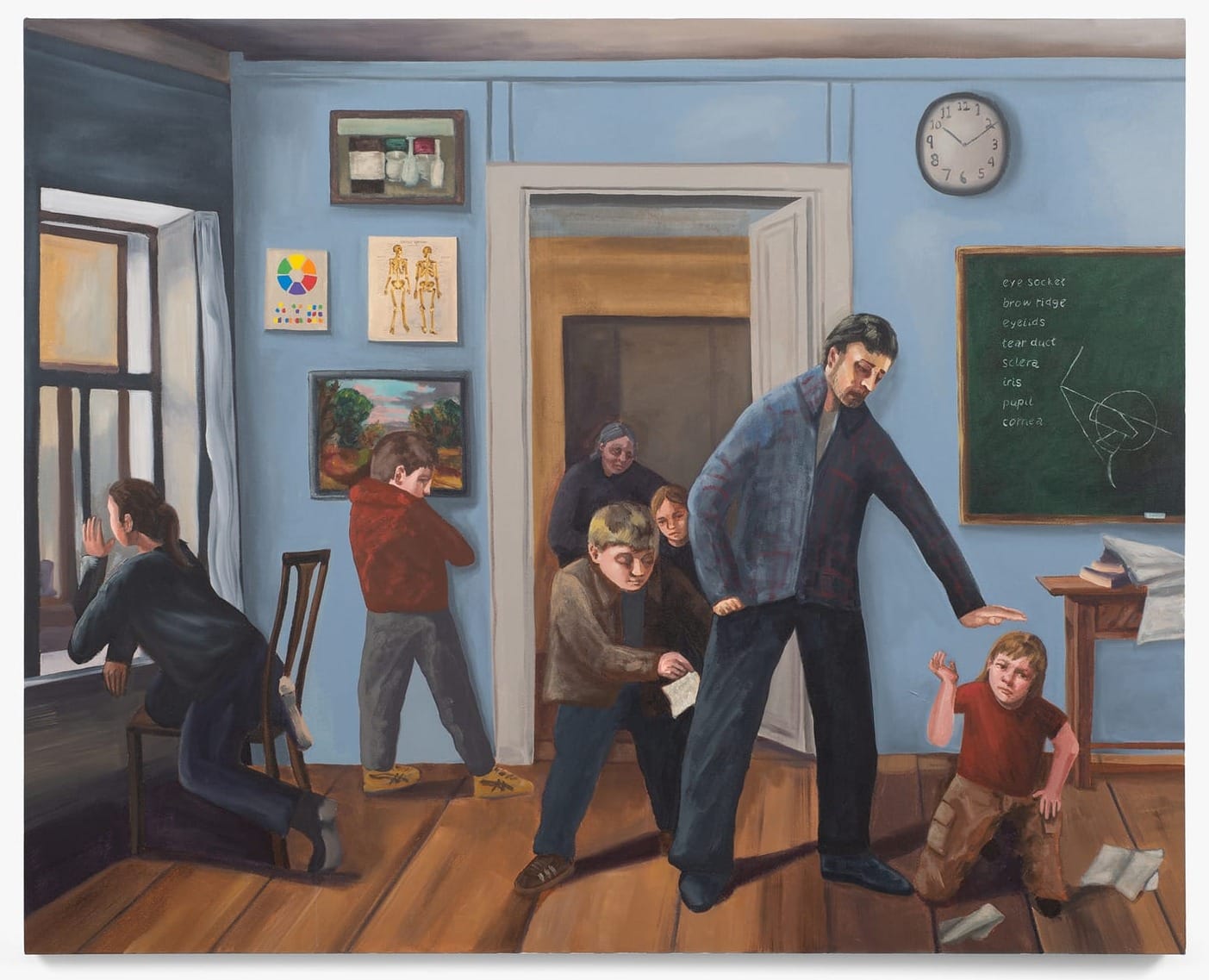
Hyperallergic reviews Nicola Florimbi's debut exhibition "Rooms" at Corbett vs. Dempsey in Chicago, featuring 10 acrylic paintings that depict individuals in ambiguous, theatrical interiors. The works reference Old Masters like Velázquez, Balthus, and Hopper, creating complex visual narratives that resist easy interpretation. Florimbi's figures—children and adults—interact in unsettling, stage-like settings that blend timelessness with contemporary unease.

A Visit to The Broad’s Engaging New Yoko Ono Exhibtion

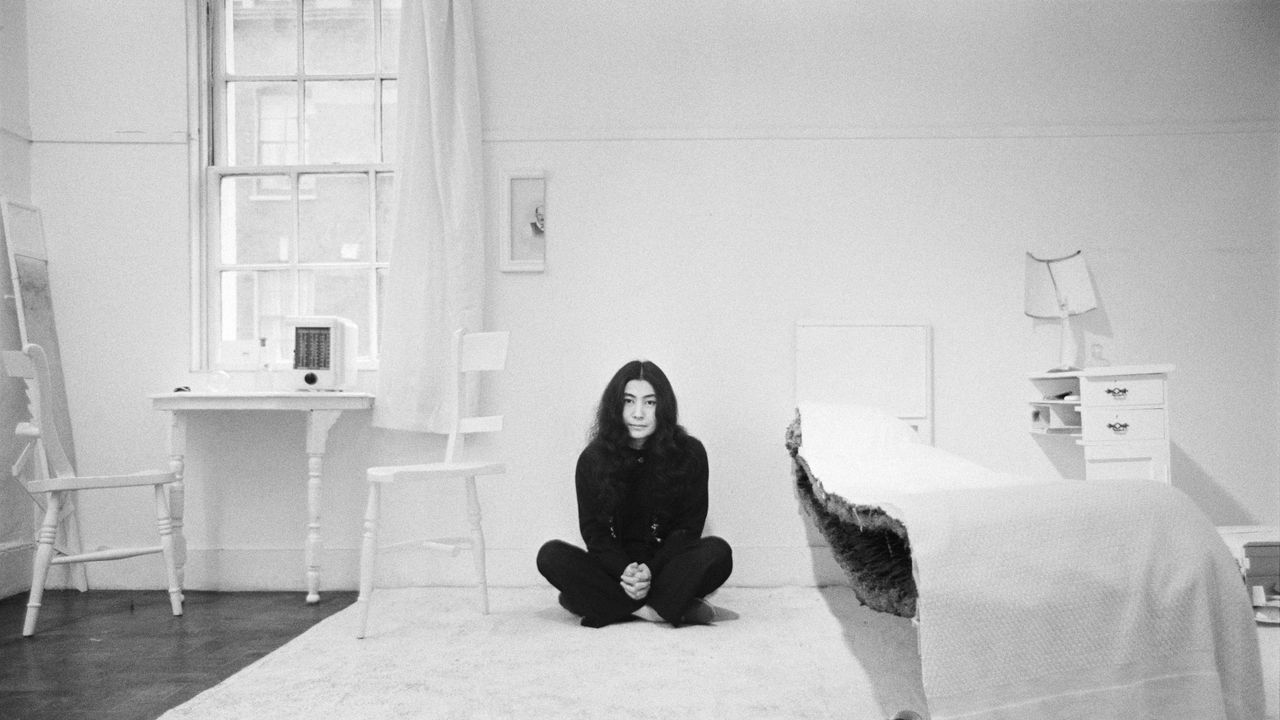
The article reviews "Yoko Ono: Music of the Mind" at The Broad in Los Angeles, the artist's first solo museum exhibition in Southern California, running through October 11. It highlights Ono's 1971 MoMA intervention where she released flies and invited the public to follow them, turning their reactions into the artwork itself. The exhibition surveys Ono's early work across conceptual art, music, film, installation, instruction pieces, and activism, including her childhood experience of imagining meals during wartime as a foundational artistic act.

Lionel Wendt: The Politics of the Male Nude

ArtReview publishes an essay by Qingyuan Deng analyzing the first US solo exhibition of Lionel Wendt's photographs at American Art Catalogues in Manhattan's West Village. The show presents Wendt's haunting gelatin silver prints of male nudes, still lifes, and solarized images, positioning him as a canonical figure of South Asian modernism. Deng argues that while the exhibition correctly identifies homoerotic desire in Wendt's work, it over-relies on queer theory's framework of opacity and fails to fully address the political radicality of Wendt's practice under British colonial rule in Ceylon, where homosexuality was criminalized under the 1883 Penal Code.

The Looter Who Built Your Favorite Museum

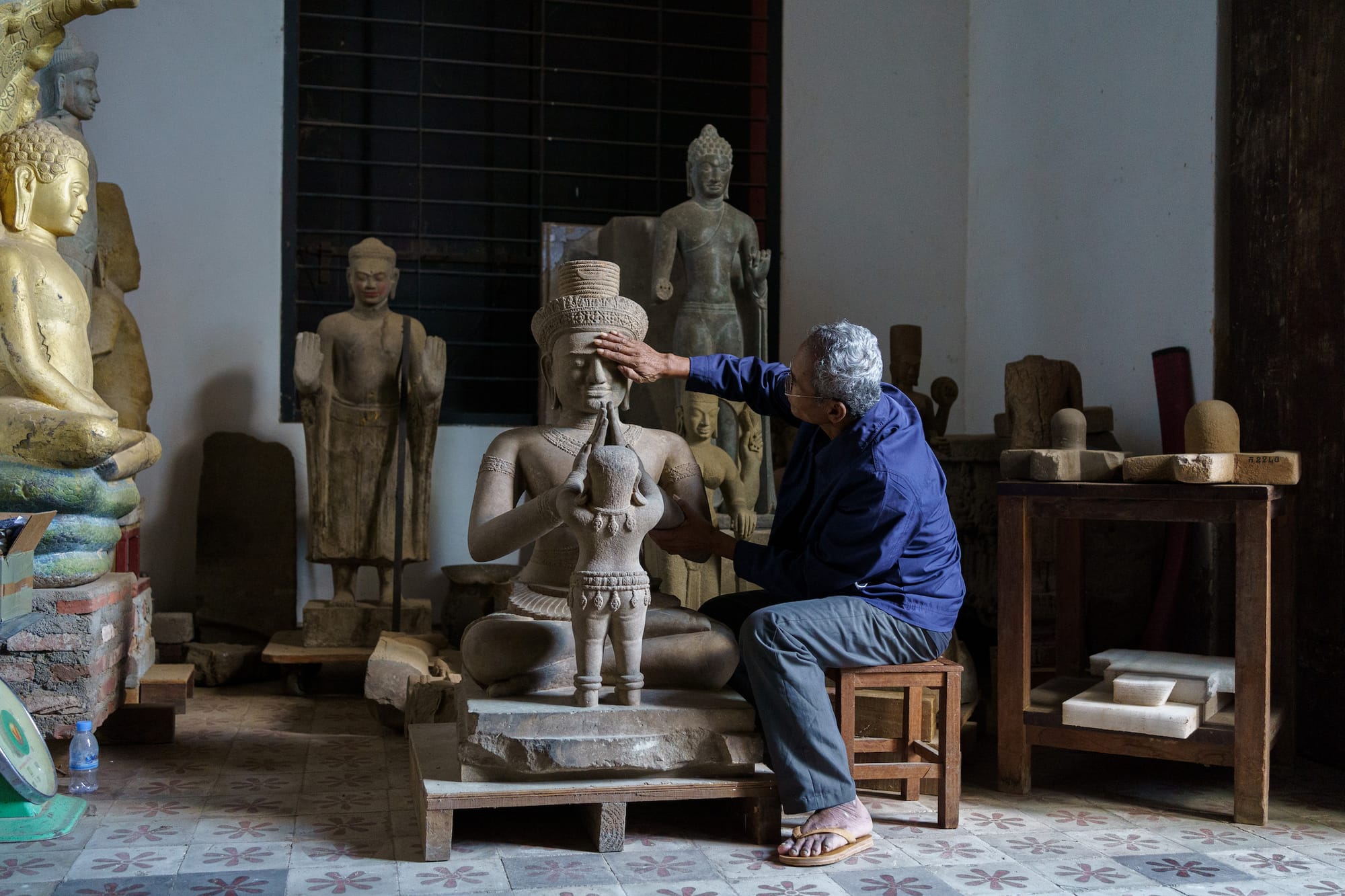
Matthew Campbell's book *The Man Who Stole the Gods* (2026) examines the network of British dealer Douglas Latchford, who trafficked looted Cambodian antiquities on a massive scale before his death in 2020. The book details how Latchford, with the code name "Lion" from a Cambodian looter named Toek Tik, decapitated and dismembered Khmer statues, stripping them from their sanctuaries and funneling them into Western institutions like the Metropolitan Museum of Art. Campbell portrays Latchford as a charismatic product of a global appetite for beautiful things, embedded within elite institutional structures that enabled the movement of looted cultural objects into the legitimate art market, aided by relationships with collectors, dealers, curators, and academics.

The In-Between Worlds of Larissa Borteh

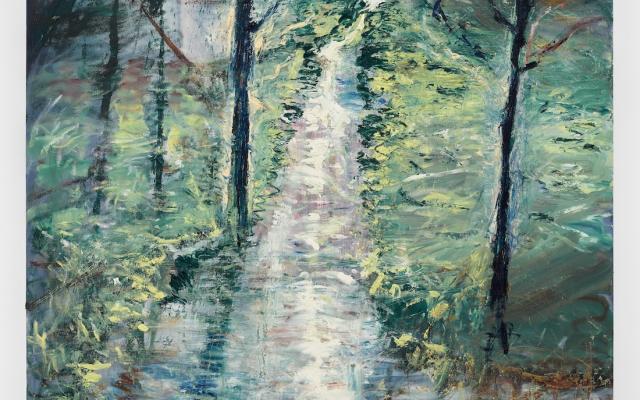
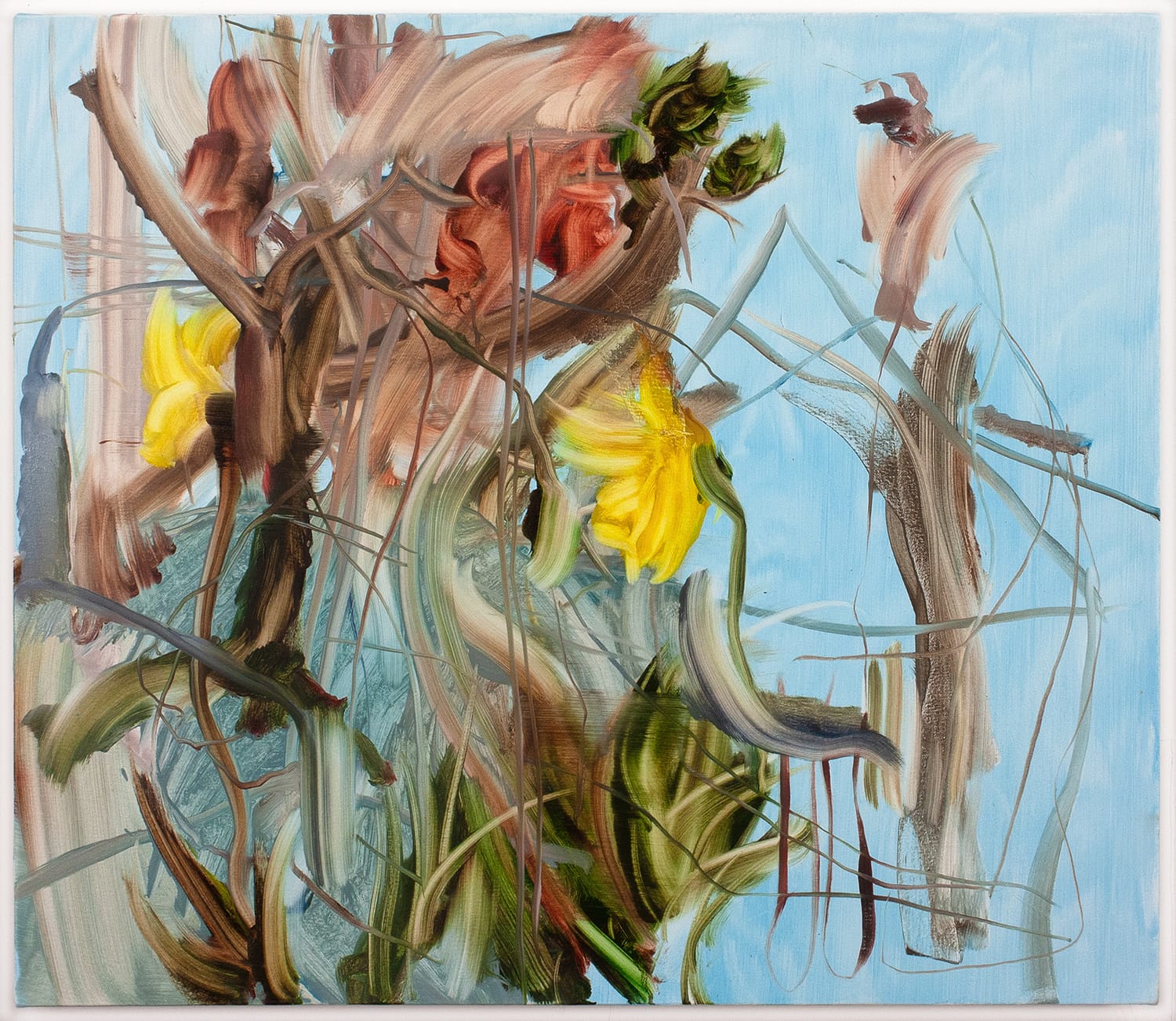
Hyperallergic reviews Larissa Borteh's solo exhibition "In the Wind" at Devening Projects in Chicago, featuring a dozen oil paintings that blur the line between still life and ethereal abstraction. The works, including "Glass House" (2025) and "Tending and Receiving" (2026), use thinned, viscous oil paint to create tactile surfaces that evoke plants in decay, ghosts, deities, or dreamlike visions. The review highlights Borteh's distinctive merging of image and elongated mark, reminiscent of fingerpainting, and her exploration of the spectrum between legibility and opacity.

Martha Cooper Captures How Urban Youth Made New York

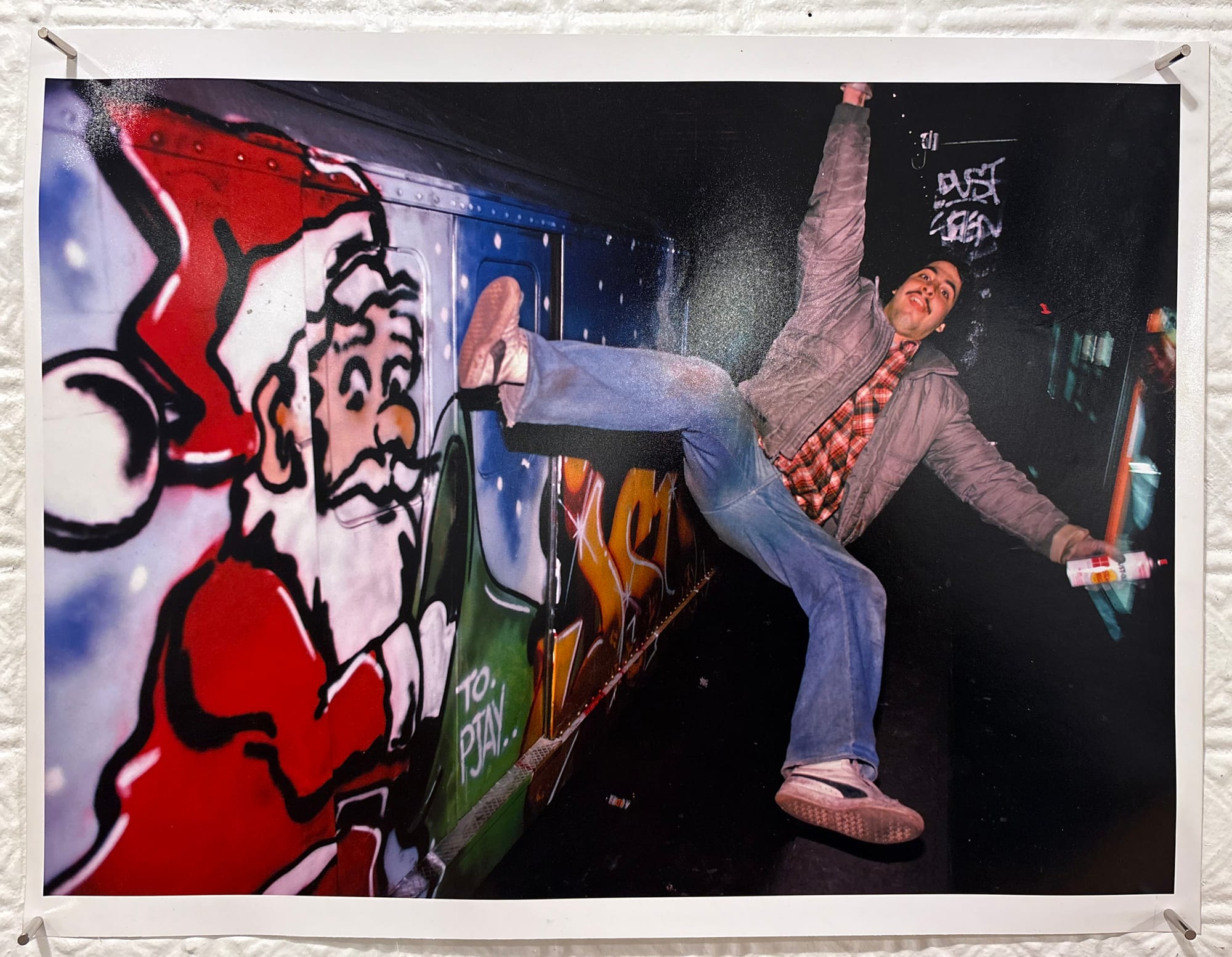
The article reviews the Bronx Documentary Center's exhibition "Martha Cooper: Streetwise," which surveys Cooper's career from the late 1970s through the 2010s, focusing on her iconic photographs of New York City's graffiti and breaking culture in the early 1980s. The exhibition includes images from New York, Baltimore, Tokyo, and Soweto, highlighting Cooper's documentation of urban youth, street play, and the physical relationship between inhabitants and the city, such as spray-painting subway cars and dancing on flattened boxes.

Haegue Yang’s Constellations for a Divided Korea

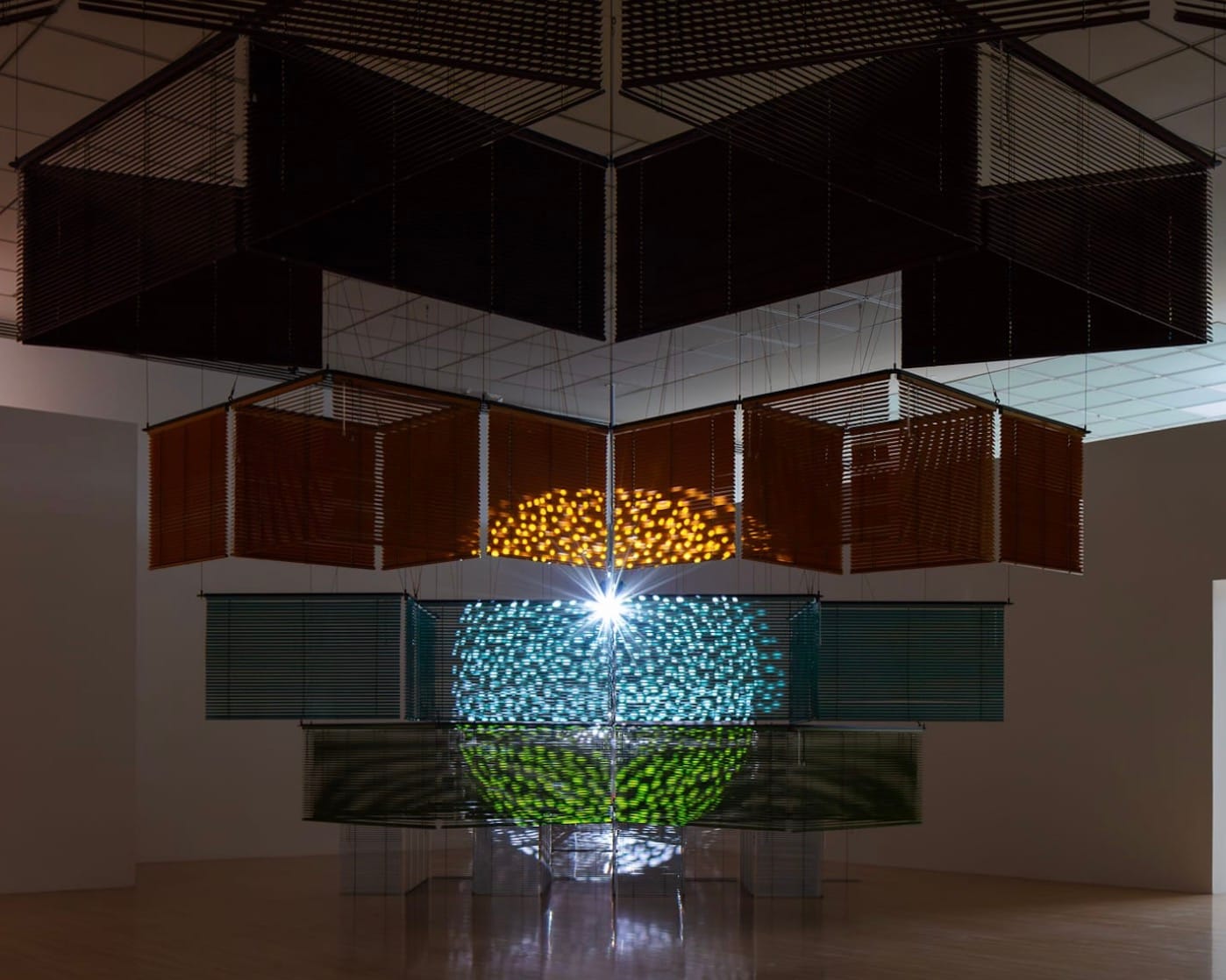
Haegue Yang's exhibition "Star-Crossed Rendezvous" at the Museum of Contemporary Art in Los Angeles features two large-scale Venetian blind installations that explore themes of division, exile, and reunification. The works draw on the arbitrary 1945 division of Korea by U.S. military officers and the life of composer Isang Yun, who was tortured and imprisoned by South Korean authorities. One installation mirrors and inverts a cube of white blinds inspired by Sol LeWitt, while the other uses colored blinds, projections, and Yun's "Double Concerto" to create a fragmented, shadow-filled meditation on longing and separation.

What Would Orwell Think of the Mormon ‘Animal Farm’?

A new 3D-animated adaptation of George Orwell's 'Animal Farm' has been released, directed by Andy Serkis and featuring a star-studded voice cast including Glenn Close, Woody Harrelson, Kathleen Turner, and Seth Rogen. The film is backed by Angel Studios, a Mormon-run company based in Provo, Utah, known for family-friendly content. The adaptation adds a modern father-son plot between a pig named Lucky and Napoleon, introduces an evil corporation CEO, and replaces Orwell's bleak ending with a happy one where the animals blow up a hydroelectric dam. ArtReview critic Travis Diehl describes the film as 'sheer propaganda' and 'horrifying,' noting its marketing campaign included a fictional glue product called Boxer's Glue.

Can collections alone define an exhibition’s identity and meaning?

The article critiques a recent exhibition at the Moco Museum in Barcelona that juxtaposes works by Salvador Dalí, Jeff Koons, CJ Hendry, Jean-Michel Basquiat, and Banksy, questioning whether a museum's collection alone can define an exhibition's identity and meaning. The author argues that the organizers' approach, which mixes disparate artistic movements and genres without critical coherence, reflects a narrow Catalan notion of contemporaneity and a condescending attitude toward viewers. Specific works discussed include CJ Hendry's enlarged doll 'Jojo' and Banksy's 'Happy Choppers (Crude Oil)', with the author noting that Banksy's street art loses its impact when displayed in a gallery setting.

Huet Lost in the Clouds

Huet perdu dans les nuages

The Musée de la vie romantique in Paris has reopened after a major renovation, but its inaugural exhibition, focused on the 19th-century painter Paul Huet (1803-1869), has been met with harsh criticism. The show examines Huet's depictions of skies and compares his work to contemporaries, yet the reviewer finds it neither a proper retrospective nor a coherent thematic exhibition. The cramped galleries, uneven selection of works, cluttered hanging, and garish scenography are all faulted, with many comparative pieces outshining Huet's own paintings.

“Show 8. Tributary: Margherita Raso and Michael Ray-Von” at Autokomanda, Belgrade

The article reviews "Show 8. Tributary: Margherita Raso and Michael Ray-Von" at Autokomanda in Belgrade, a two-person exhibition that draws on the ecological and sensory experience of riverside environments. The text opens with a poetic description of gnats and fertile ecosystems near a river, using water as a central metaphor to frame the artists' work.

A Velvet Ant, a Flower and a Bird

The article reviews 'A Velvet Ant, a Flower and a Bird,' an exhibition at the Potter Museum of Art at the University of Melbourne, guest curated by Chus Martínez. Running from February 19 to June 6, 2026, the show explores cognition beyond humans, featuring works like Joan Jonas's 'Merlo' (1974) and a progression from flowers to velvet ants to birds across the museum's three levels. The review, written by art writing students Chelsea Hopper and Rex Butler, critically examines the exhibition's lofty curatorial themes and its invitation to reimagine art as a secular pilgrimage.

Un grand spectacle, un petit récit

The article reviews the latest immersive exhibition at the Atelier des Lumières in Paris, titled "Renaissance. De Vinci, Raphaël, Michel-Ange." Set in a former foundry, the show uses 360-degree projections, lasers, and artificial fog to create a technically impressive visual spectacle. However, the narrative focuses solely on three Renaissance masters—Leonardo da Vinci, Raphael, and Michelangelo—leaving the historical and artistic context underexplored. The critic notes that the 50-minute presentation includes long contemplative pauses without commentary, which weakens its educational potential.

Death as Performance

Der Tod als Performance

The article reviews Maria Martínez Bayona's debut sci-fi comedy film "The End of It," which premiered in competition at the Cannes Film Festival. The film follows Claire, a 250-year-old artist who, in a future where medical advances have eliminated death, decides to stage her own suicide as a radical art performance. The story critiques a world obsessed with synthetic rejuvenation and explores themes of mortality, authenticity, and the commodification of art.

Vegas, your merciless universe

Vegas, ton univers impitoyable

The article reviews a performance titled "Showgirl" by the duo Marlène Saldana and Jonathan Drillet, staged at the Carreau du Temple in Paris on July 2-3, 2026. The show draws irreverent inspiration from Paul Verhoeven's 1995 cult film "Showgirls," using its plot and the fate of its lead actress to critique the objectification of women. Through kitschy costumes, bold sets, and humorous numbers, the performers subvert patriarchal narratives, with music by Rebeka Warrior amplifying the feminist revenge theme.

Review: Dallas artist's latest show is bold, vast and staggering

A review of a Dallas artist's latest exhibition describes the show as bold, vast, and staggering, though the specific artist and gallery are not named in the available text. The article appears to be a critical appraisal of the artist's new body of work, emphasizing its scale and ambition.