
filter_list Showing 4 results for "ben lerner" close Clear
search
dashboard All 10 article culture 4rate_review review 4museum exhibitions 2
date_range Range Today This Week This Month All
Subscribe

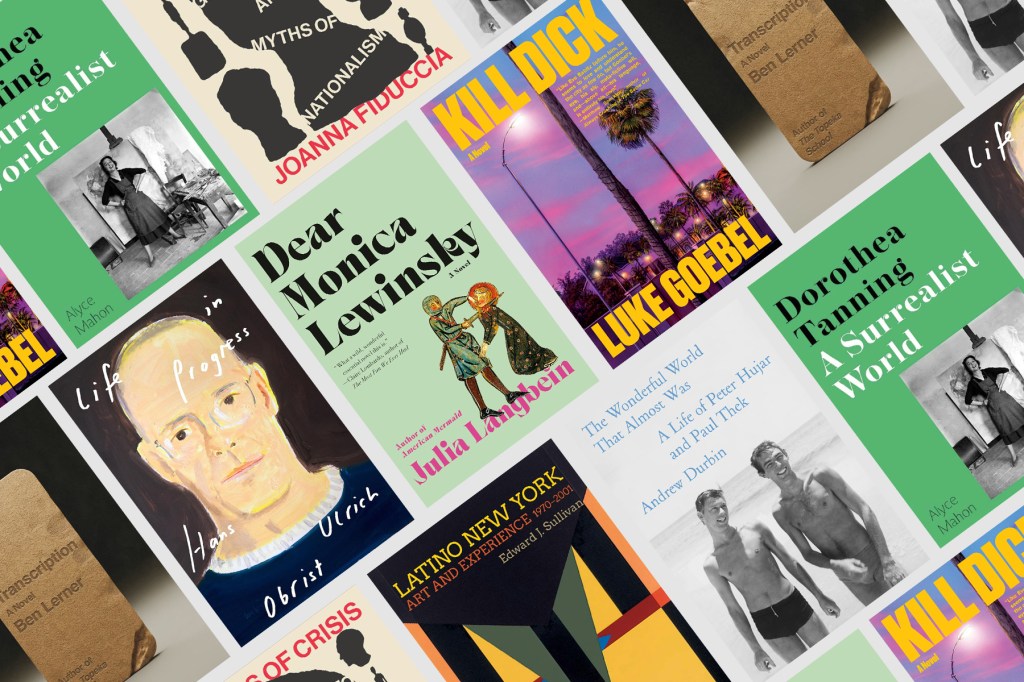
8 Books We’re Looking Forward to in April

ARTnews previews eight notable art and culture books scheduled for release in April 2026. The list includes Ben Lerner's novel "Transcription," a dual biography of artists Peter Hujar and Paul Thek by Andrew Durbin, Luke Goebel's art-world satire "Kill Dick," and an academic study of Alberto Giacometti's 1930s work by Joanna Fiduccia. Also featured are a memoir by curator Hans Ulrich Obrist, a book on Dorothea Tanning, and Julia Langbein's unconventional book about Monica Lewinsky.
‘Transcription’ by Ben Lerner Review: No Phones

Ben Lerner’s latest novel, Transcription, marks a departure from his previous sprawling autofiction like The Topeka School, opting instead for a spare, three-part structure set during the COVID-19 pandemic. The narrative unfolds through three pivotal conversations involving the protagonist, his aging mentor Thomas, a curator, and Thomas’s son Max. Central to the plot is the protagonist’s failure to record a final interview with Thomas due to a broken phone, forcing a reliance on fallible memory and reconstruction.

In “Discipline,” Larissa Pham Explores Predatory Art-World Mentorship

Larissa Pham’s debut novel, Discipline, follows Christina, a young writer and former painter grappling with the psychological aftermath of a formative affair with her art professor, Richard. Set against the backdrop of a book tour for her own autofictional novel, the narrative uses Christina’s observations of art—ranging from Helen Frankenthaler to Edward Hopper—to slowly peel back the layers of a relationship defined by power imbalances and predatory mentorship.

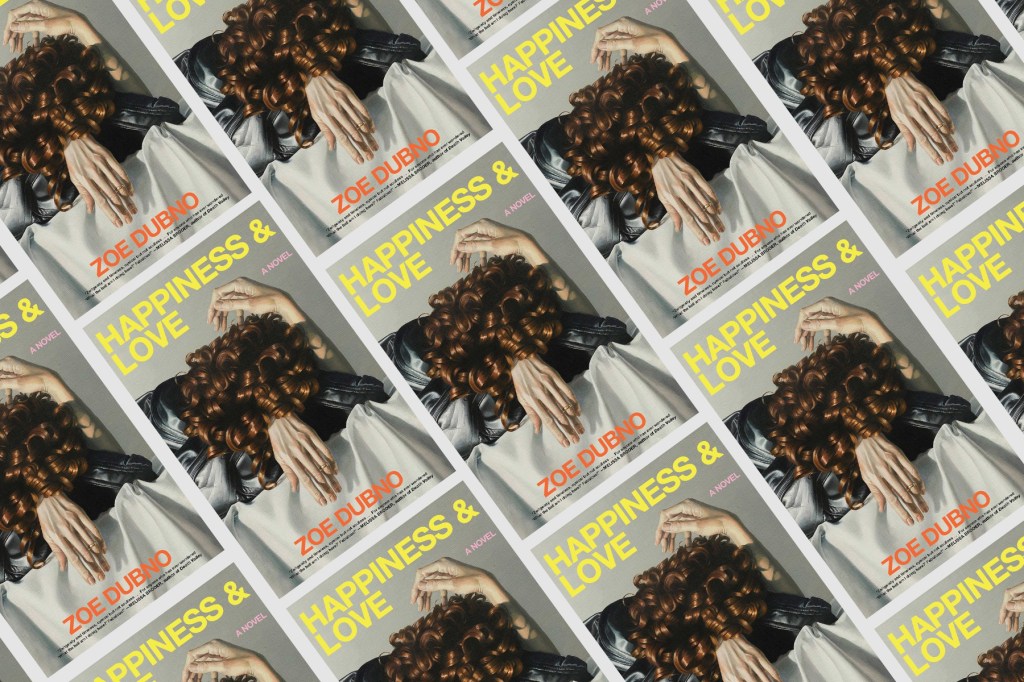
vapid art world novel dimes square zoe dubno happiness love

Zoe Dubno's novel *Happiness & Love* is a satire of the art world, heavily borrowing from Thomas Bernhard's 1984 novel *Woodcutters*. The book follows an unnamed narrator who relentlessly criticizes the vapid, social-climbing denizens of the downtown New York scene, using the word "stupid" over twenty times. The narrator laments the art world's obsession with wealth and clout over meaning and beauty, but her own hypocrisy and lack of self-awareness are evident. The novel has received superficial coverage from outlets like *New York Magazine*, focusing on the author's lifestyle rather than the book's content.