filter_list Showing 41 results for "Art Newspaper" close Clear
search
dashboard All 41 museum exhibitions 13article policy 7article culture 5article news 5gavel restitution 4trending_up market 4person people 2candle obituary 1
date_range Range Today This Week This Month All
Subscribe

Why did Van Gogh sign his paintings as ‘Vincent’?

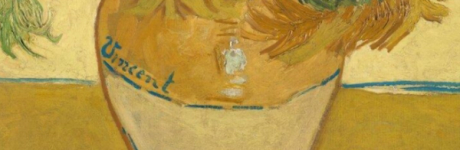
Art historian Julia Engelmayer has published a study titled 'Simply ‘Vincent’: An Overview of Van Gogh’s Signed Paintings' on the Van Gogh Museum's website, analyzing why and how Vincent van Gogh signed his works. The research reveals that only 133 of his 840 surviving paintings bear a signature (16%), an unusually low proportion for a 19th-century artist. Van Gogh signed with only his first name due to strained family relations and the difficulty non-Dutch speakers had pronouncing his surname. The study also highlights his predominant use of red signatures (on 75 works), angled signatures on over half of his signed pieces, and a distinctive horseshoe-shaped 'V' used during his Arles period.
Lisson Grove's galleries collaborate to promote London's unsung art district

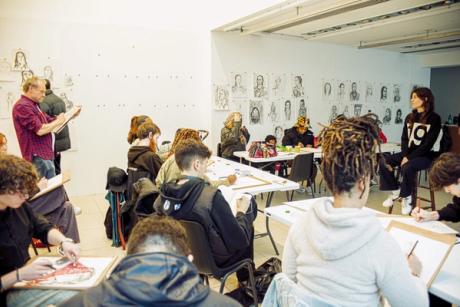
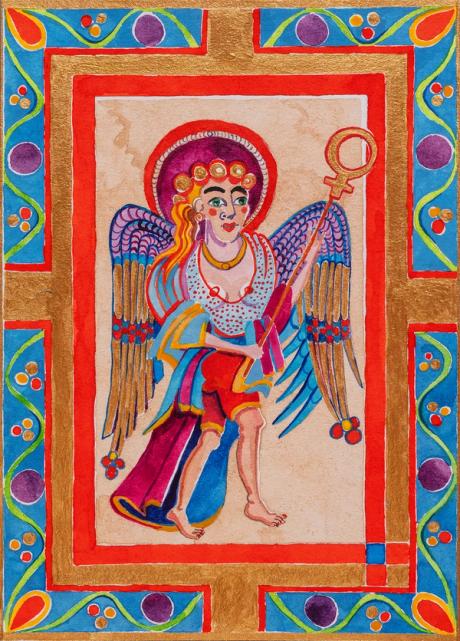
Lisson Gallery, The Showroom, The Bomb Factory Art Foundation, Patrick Heide Contemporary Art, and Palmer Gallery have formed the Lisson Grove Galleries initiative to promote the artistic activity of London's Lisson Grove district. The collaboration will launch during London Gallery Weekend (5-7 June 2025) with talks, tours, performances, and events, including discussions on collectivism, artist talks, and private views, with ongoing programming throughout the year.

London's Royal Society of Arts launches new annual summer exhibition

The Royal Society of Arts (RSA) and AOAP Projects (formerly Art on a Postcard) are launching a new annual summer exhibition in London titled "Illuminated." Running from 10-24 June at the RSA's headquarters on John Adam Street, the show features over 100 artists including Caroline Coon, Susie Hamilton, and Helen Beard, with all works limited to seven inches by seven inches. Artists receive 50% of sales proceeds, with the remainder funding the RSA's social impact programs. The exhibition marks AOAP Projects' strategic shift from its long-running postcard auction format toward curated exhibitions and broader fundraising initiatives.

Rocked on their heels: how exhibitions can change the course of artists’ lives

Alyce Mahon's new book, *Dorothea Tanning: A Surrealist World*, explores how the 1936 MoMA exhibition *Fantastic Art, Dada, Surrealism* profoundly transformed the young artist Dorothea Tanning, who described being "rocked on my run-over heels" by the experience. The article also recounts similar life-changing exhibition encounters for contemporary artists Lorna Simpson and Hurvin Anderson, as discussed on *The Week in Art* and *A brush with…* podcasts, highlighting how specific shows shaped their artistic trajectories.

Kelly Akashi and friends celebrate Altadena's resilience after Los Angeles wildfires

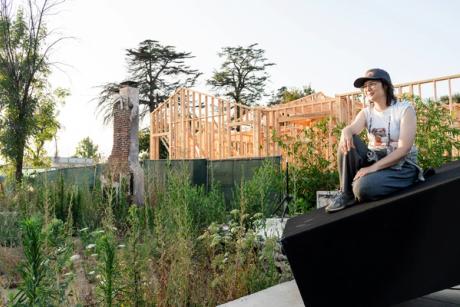
Artist Kelly Akashi created "Field Set," an installation and performance on the site of her former home and studio in Altadena, California, which was destroyed by the Eaton wildfire last year. The project, supported by the nonprofit Los Angeles Nomadic Division (Land), featured salvaged materials, hand-blown glass orbs, wildflower plantings, and a soundscape by artist Phil Peters, drawing around 500 visitors over two days. Akashi integrated remnants from the fire into her recent Lisson Gallery show and has been awarded the Hyundai Terrace Commission for the 2026 Whitney Biennial, where she will present a glass replica of her chimney titled "Monument (Altadena)."

Richter and Judd works top Christie's solid if not stellar sale of post-war and contemporary art

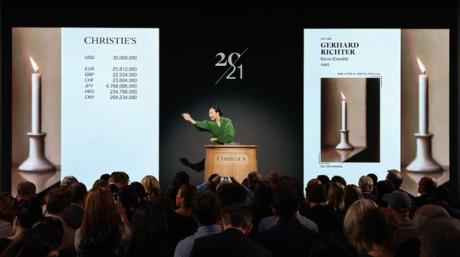
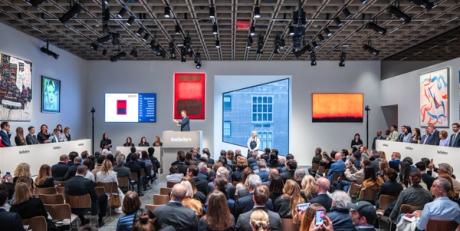
Christie’s held a two-part evening sale on May 20, featuring 42 lots from the estate of dealer Marian Goodman and the single-owner collection of Henry S. McNeil Jr. The auction achieved a hammer total of $132 million ($162.6 million with fees), just above the low end of its pre-sale estimate. The top lot was Donald Judd’s untitled plexiglass and copper stack sculpture, which sold for $12.8 million with fees, setting a new record for a Judd stack at auction. A surprise standout was Richard Artschwager’s Two-Part Invention (1967), which hammered at $500,000—more than six times its high estimate. The McNeil collection achieved a white-glove sale, while all but two of the eight Gerhard Richter works from the Goodman collection were guaranteed by third parties.

Tess Jaray, Influential Painter of Understated Abstractions, Dies at 88

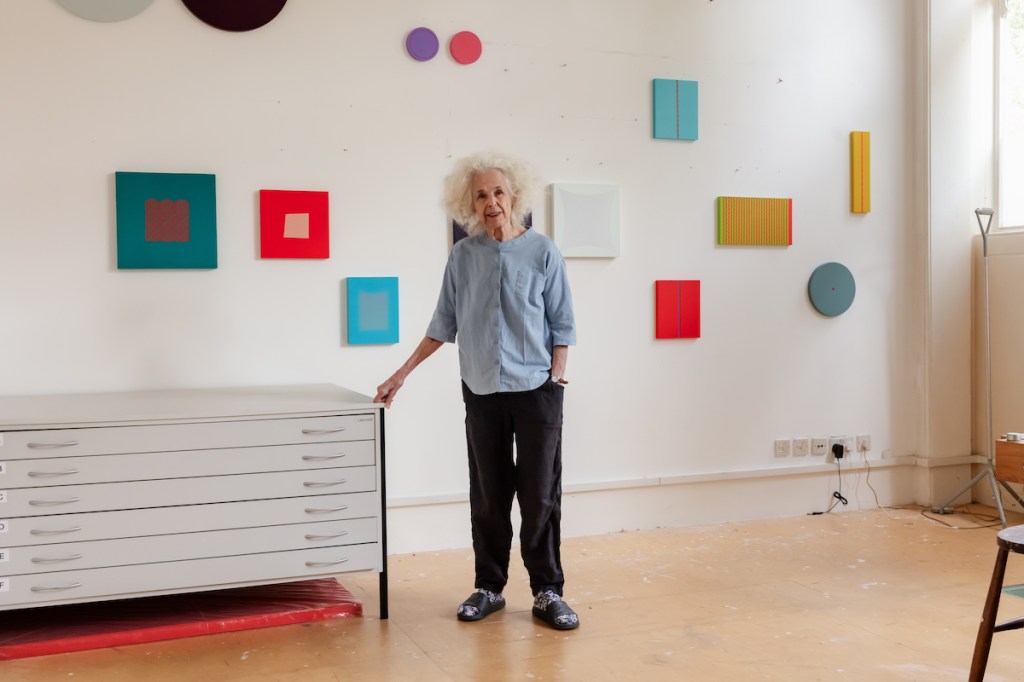
Tess Jaray, a British painter known for her understated abstract works featuring grids, cubes, and zigzags on pale backgrounds, died on Sunday at age 88, as announced on her official Instagram account. Born in Vienna in 1937, she fled the Nazi regime with her Jewish parents and later studied at Saint Martin's School of Art and Design and the Slade School of Fine Art, where she became the first female teacher in 1968. Her career included monumental commissions in the 1980s and '90s, a survey at Vienna's Secession in 2021, and an appearance at the Centre Pompidou that same year.

Finalists for the Sobey Art Award, Canada’s top contemporary art prize, revealed

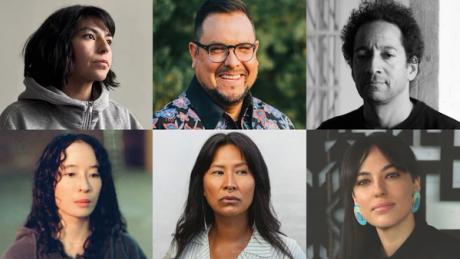
Six artists from across Canada have been shortlisted for the 2026 Sobey Art Award, the nation's top contemporary art prize. The finalists are Melaw Nakehk'o (Circumpolar), Samuel Roy-Bois (Pacific), Audie Murray (Prairies), Lotus L. Kang (Ontario), Caroline Monnet (Québec), and Shane Perley-Dutcher (Atlantic). Each finalist receives C$25,000 ($18,000), with a grand prize of C$100,000 ($72,000) to be announced at a ceremony in Ottawa on 14 November. An exhibition of their works will be held at the National Gallery of Canada later this year, and the 24 longlisted artists not among the finalists will each receive C$10,000 ($7,200).

Heffel’s spring sales, featuring rediscovered royal portrait and E.J. Hughes seascape, tally $16.2m

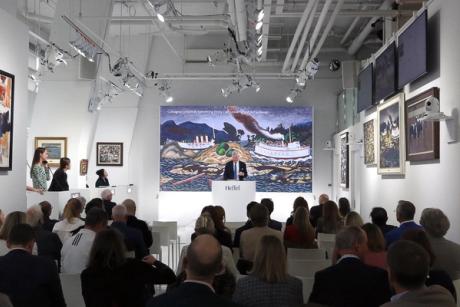
Heffel's spring auction in Toronto on 21 May achieved a total of C$22.4m ($16.2m), led by E.J. Hughes's seascape *Coastal Boats Near Sidney, BC (1948)*, which sold for C$5.7m ($4.1m)—more than tripling its high estimate and setting a new auction record for the artist. The painting was consigned by Emily Carr University of Art and Design, with proceeds benefiting student awards. Other highlights included works by Mary Pratt, Jean Paul Riopelle, Alex Colville, Takao Tanabe, Tom Thomson, Arthur Lismer, and A.J. Casson, with four lots crossing the million-dollar mark and a 93.75% sell-through rate.

Untitled Art will launch four new prizes at Houston fair's second edition

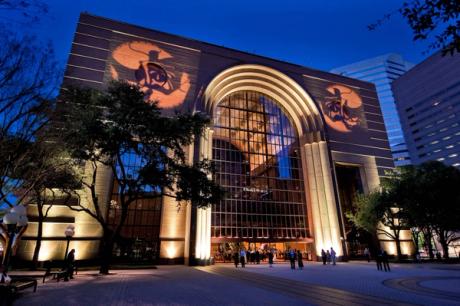
Untitled Art Houston, returning for its second edition from October 2 to 4 at the George R. Brown Convention Center, has announced four new prizes for exhibitors and artists, bringing the total potential prize value to $113,200. New sponsors include the University of Texas MD Anderson Cancer Center ($20,000 acquisition prize), Public Art of the University of Houston System ($25,000 acquisition prize), Hotel Daphne ($30,000–$50,000 for up to three works), and the Houston Grand Opera ($7,500–$10,000 plus a commission and residency). Two residency prizes from the fair’s debut—PAC Art Residency and Casa Santa Ana Residency—will continue.

Heir says Cezanne watercolour in Basel show was lost due to Nazi persecution

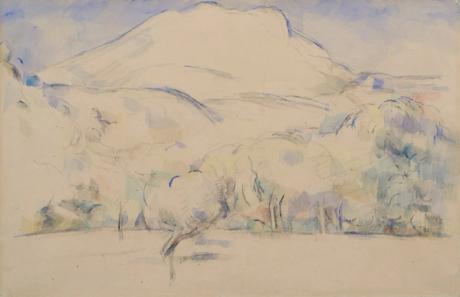
A watercolor by Paul Cézanne (1888) shown at the Fondation Beyeler's recent exhibition once belonged to Gustav Schweitzer, a Jewish businessman who fled Berlin in 1935. Provenance researcher Willi Korte discovered documents in Basel's public archives showing Schweitzer loaned the work to the Kunsthalle Basel for a 1936 exhibition. Correspondence continued until 1939, when the work was returned to Schweitzer's secretary. How Schweitzer lost ownership remains unknown, but Korte says it was either sold under duress or looted in Nazi-occupied territory. The Fondation Beyeler has stated it will return the work to its current lender, an unnamed private collector based in the US.

A modern Tower of Babel? Pope Leo XIV warns against artificial intelligence

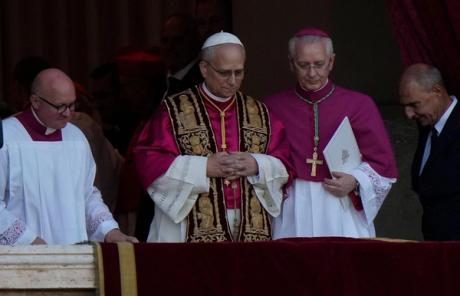
Pope Leo XIV has issued his first encyclical, titled *Magnifica Humanitas*, warning that artificial intelligence poses a major threat to humanity and could lead to a modern Tower of Babel. In the 43,000-word letter, he calls for disarming AI, establishing robust legal frameworks, and regulating tech giants like Meta. He also references Picasso's *Guernica* (1937) as a prophetic work denouncing dehumanization, alongside Beethoven's Ninth Symphony and the novel *Schindler's List*. Separately, the Vatican is expanding its contemporary art program, with a new space called Conciliazone 5 currently showing works by British artist George Rouy, and future exhibitions planned for Yan Pei-Ming and Vivian Suter.

Fee or free? How entry charges affect museums in the US

The article examines the financial impact of eliminating or reducing admission fees at US museums, using Baltimore's Walters Art Museum and Baltimore Museum of Art as case studies. While the Walters saw a 45% attendance increase and a tripling of minority participation after going free in 2006, the surge did not generate enough ancillary revenue from merchandise, food, or memberships to offset lost ticket income. Over time, attendance at both institutions declined—by 18.6% at the Walters and 12.7% at the BMA—according to a 2021 survey. Experts like former Met president Daniel Weiss and economist John Silvia argue that free admission often fails to meaningfully boost visitation and can strain museum finances.

New York auctions, James McNeill Whistler at Tate Britain, Edvard Munch—podcast

This episode of The Art Newspaper's podcast 'The Week in Art' covers three major stories: the spring auction results in New York, which saw record prices for works by Jackson Pollock, Constantin Brancusi, and Mark Rothko; the opening of the largest James McNeill Whistler exhibition in Europe in over 30 years at Tate Britain in London, which will later travel to the Van Gogh Museum and The Mesdag Collection in the Netherlands; and a feature on Edvard Munch's 1922 frieze from the Freia Chocolate Factory, currently on loan to the Munch museum in Oslo for the exhibition 'Edvard Munch and the Chocolate Factory.'

Chanel gives Centre Pompidou financial boost with new five-year partnership

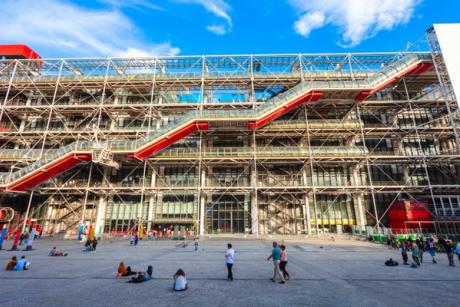
Chanel has announced a new five-year partnership with the Centre Pompidou in Paris, providing a confidential financial boost to the institution during its closure for major renovations until 2030. The partnership builds on previous collaborations, including the 2023 Assemble program and a 2025 initiative to expand the museum's collection of Chinese contemporary artists by over 30% by 2028, with works already acquired from artists like Chen Wei and Cui Jie.

A hated portrait and a forged masterpiece: two new thrillers with paintings at their centre

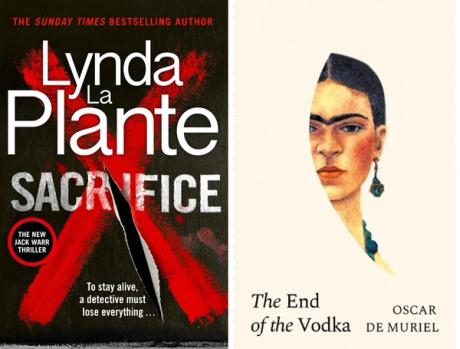
Two new thrillers center on paintings: "The End of the Vodka" by an unnamed author, which fictionalizes the real story of Frida Kahlo's commissioned portrait of Dorothy Hale—a painting that horrified its patron Clare Boothe Luce—and weaves an imagined conversation between Luce and Wallis Simpson amid the backdrop of World War II. The second, "Sacrifice" by Lynda La Plante, follows Detective Jack Warr as he investigates a possible forgery of a Jean-Michel Basquiat painting, leading to murder and a missing art forger.

India's Kiran Nadar Museum to take over Christie's London headquarters this summer

The Kiran Nadar Museum of Art (KNMA) in New Delhi will take over Christie’s London headquarters this summer for a month-long non-selling exhibition titled "The Meeting Ground: Scenes from the KNMA Collection" (16 July-21 August). The show will feature 180 works by 60 Indian, Pakistani, and Bangladeshi artists from the 1950s to the present, drawn from billionaire collector Kiran Nadar’s vast collection of South Asian Modern art. The exhibition anticipates the delayed relocation of KNMA to a new 100,000 sq. m building near Delhi airport, designed by David Adjaye and now about 60% complete, with former Louvre Abu Dhabi director Manuel Rabaté appointed to run the museum.

New residency in upstate New York will give Indigenous artists access to neon fabrication studio

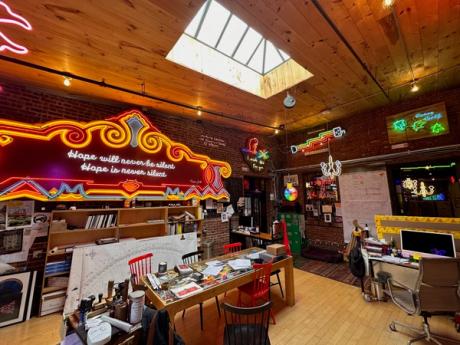
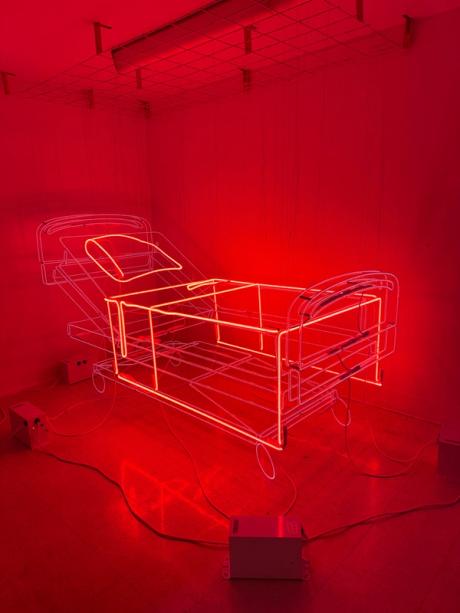
Lite Brite Neon Studio in Kingston, New York, has partnered with the Walker Youngbird Foundation to launch Native Neon, a residency program providing Indigenous artists with access to neon fabrication. The inaugural recipient is Sarah Rowe, an enrolled member of the Ponca Tribe of Nebraska and of Lakota descent, who receives $50,000, a $10,000 stipend, and a week-long residency to create an immersive neon environment. The studio, known for collaborations with artists like Glenn Ligon and Jeffrey Gibson, aims to lower the technical and financial barriers to working with neon.

A brush with... Elyse Gonzales, director of San Antonio's Ruby City art centre

Elyse Gonzales, director of San Antonio's Ruby City art centre, is featured in The Art Newspaper's 'A brush with...' interview series. She discusses her formative experience working at Devin Borden Hiram Butler Gallery in Houston as a high school senior, which led to an internship at the Menil Collection and a master's degree at Williams College. Gonzales also shares her curatorial interests, including a forthcoming show of Tracey Rose's drawing and video works, and reveals that Ruby City was born from founder Linda Pace's dream of the building, which she sketched and commissioned David Adjaye to realize in 2007.

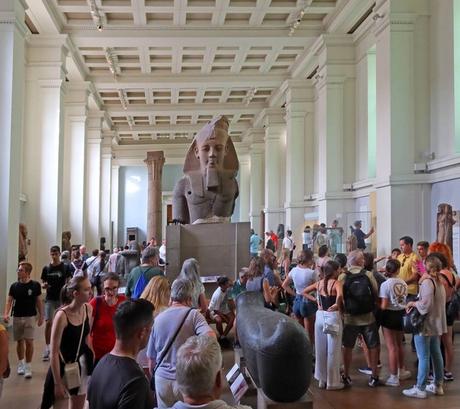
Museums in England largely oppose proposal to charge admission for foreign tourists

The UK government is exploring a proposal to charge admission fees for foreign tourists at national museums in England, sparking widespread opposition from cultural institutions. The idea was raised in a review of Arts Council England by Labour peer Margaret Hodge, who suggested digital ID checks could enable such a system, though she noted it would bring in less than £10 million and may not be worth the hassle. Museums like the Royal Armouries have condemned the plan as undermining universal access and projecting a lack of generosity, while the Cultural Policy Unit warns it would be logistically complex and ideologically problematic given the colonial origins of many collections.

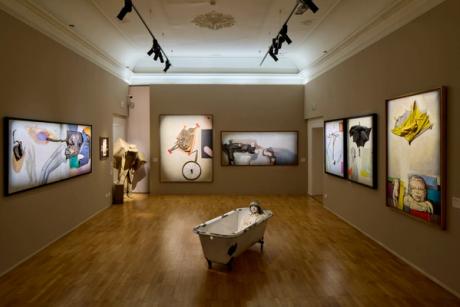
Venice show brings together two leading figures from the Polish avant-garde

A collateral exhibition at the 2024 Venice Biennale, titled "Tadeusz Kantor (1915-1990) Emballage Cricotage and Madame Jarema," brings together two towering figures of the Polish avant-garde: Tadeusz Kantor and Maria Jarema. Organized by the Starak Family Foundation at the Procuratie Vecchie, the show features over 60 works spanning paintings, monotypes, sculptures, theatre props, and costumes, culminating in a room dedicated to Kantor's seminal theatre piece "The Dead Class" (1975). Jarema's work was shown at the 1958 Venice Biennale, and Kantor exhibited in the Polish pavilion in 1960; the exhibition highlights their intertwined, interdisciplinary practice and their foundational role in post-war Polish avant-garde art.

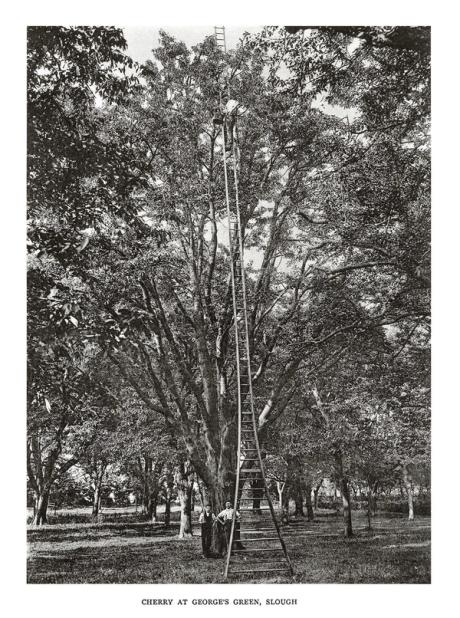
Shoot and branch: new photography book highlights the enduring majesty of trees

A new photography book, *Trees of Great Britain and Ireland*, reproduces over 60 photographs originally taken between 1906 and 1913 for Henry John Elwes and Augustine Henry's ambitious seven-volume catalogue of tree species. The images, mostly by uncredited photographers, were printed using a collotype process by the Autotype Company and are now newly lithoprinted to preserve their tonal subtlety. The book includes an introduction by Michael Pritchard and notes by photographic historian Björn Andersson, highlighting the historical and aesthetic significance of these botanical photographs.

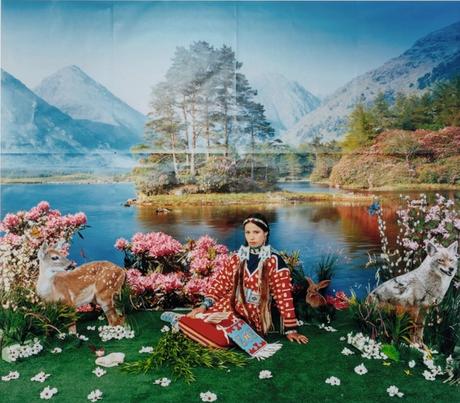
Flash back: The artists creating new stories from archival photos

Nanina Guyer, curator of photography at Zurich's Museum Rietberg, has organized the exhibition "A Kind of Paradise: Colonial-Era Photography in Contemporary Art," which examines how contemporary artists repurpose archival colonial-era photographs. The show features 20 artists, including Sammy Baloji, Rosana Paulino, Sasha Huber, Dinh Q. Lê, Wendy Red Star, Omar Victor Diop, and Zenaéca Singh, who transform these historical images into sculptures, films, and recontextualized works. The exhibition is divided into four sections: artists as archivists, confronting stereotypes, healing, and a final section on repair.

Fifty years after Franco, Spain begins to give back art seized during the Civil War

A 2022 Spanish law has quietly triggered a wave of restitutions of art looted during the Spanish Civil War, more than 50 years after dictator Francisco Franco's death. The Museo del Prado has identified 166 confiscated artworks in its collection, including works by Joaquín Sorolla and Pedro Atanasio Bocanegra, and has begun returning pieces such as a panel painting by Maestro de Lupiana to the parish of Yebes. Scholar Arturo Colorado Castellary has uncovered over 26,000 confiscated objects, with around a third never returned to their owners, many deposited in museums, churches, and public administrations.

London exhibition explores untold history of how homelessness was criminalised

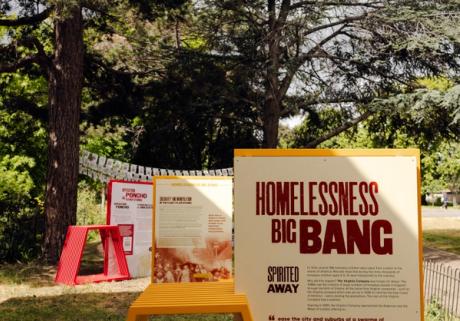
A new exhibition titled "Criminal: The Untold History of Homelessness" opens at the Museum of Homelessness in London, exploring the origins of homelessness in the UK and how it has been criminalized. The exhibition challenges the typical focus on the 19th-century Vagrancy Act, instead tracing the "Homelessness Big Bang" to the early 1600s, when land enclosures, economic shifts, and colonial expansion began penalizing unhoused people. Staged in a meadow at Finsbury Park, the show features artists and activists including the anonymous graffiti artist 10 Foot, designer Matt Bonner, and poet Gemma Lees, with works such as 10 Foot's first sculpture "Fairie Newbuild"—a skip-shaped object made from palisade fencing containing a hawthorn tree.

Los Angeles’s new Hospital of Emotions pop-up gives artists keys to the asylum

The Hospital of Emotions, a new pop-up exhibition in Los Angeles, has transformed the defunct St Vincent Medical Center into a sprawling art experience. Curator Yaara Sachs, founder of House of Art and Dreams, selected around 70 artists through an open call to take over 80 spaces—including examination rooms and operating chambers—in the building, which is slated for renovation into a behavioral health center. Each artist received $4,000 for their project and up to $10,000 for materials. The exhibition is organized into thematic "departments" dedicated to emotional states such as joy, fear, anger, and sadness, aiming to guide visitors toward catharsis. Featured artists include Kamil Cazpiga (Cosmodernism), Guy "Dioz" Bloom, Pablo Thomas, and Napo, among others.

Roberto Lugo brings monumental tribute to Puerto Rican culture to Manhattan park

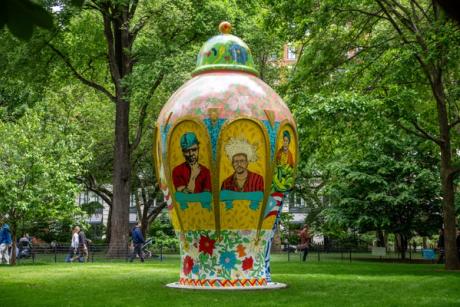
Roberto Lugo has unveiled a monumental 20ft-tall urn titled *Capicú de Cariño (I Heard It Both Ways)* (2026) in Manhattan’s Madison Square Park, as part of his exhibition *Alfarero del Barrio (Village Potter)* commissioned by the Madison Square Park Conservancy. The urn features portraits of prominent Puerto Rican figures including Bad Bunny, Sonia Sotomayor, Lin-Manuel Miranda, Roberto Clemente, and the artist’s own parents, Gilberto and Maribel Lugo. The installation also includes a 15ft-tall orange fire hydrant sculpture, *Para Los Días Caliente (This Is For The Hot Ones)* (2026), and several planters and domino tables, all designed to invite public interaction and community engagement.

Hole in one: artist-designed mini golf course heads to London

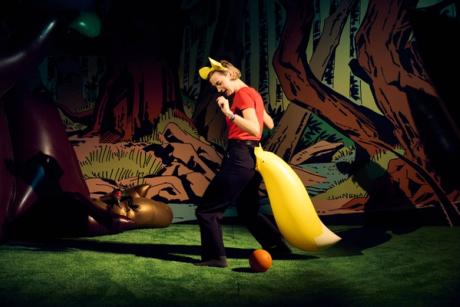
A playable exhibition titled 'The Art of Mini Golf' will open at Battersea Arts Centre in London from 17 June to 26 July, featuring nine interactive golf hole artworks. The show includes contributions from Turner Prize nominee Delaine Le Bas, US filmmaker Miranda July, Japanese artist Saeborg, and Berlin-based artist Danielle Brathwaite-Shirley, who created the ninth hole artwork 'Enough is Enough'. The UK iteration of the touring show, originally organized by the Rising festival in Melbourne, offers playful twists such as a square ball in Le Bas' hole and a strap-on latex animal tail in Saeborg's 'Animal Golf'.

‘Lost forever, all because of this new tax’: fears for UK church heritage as VAT relief ends

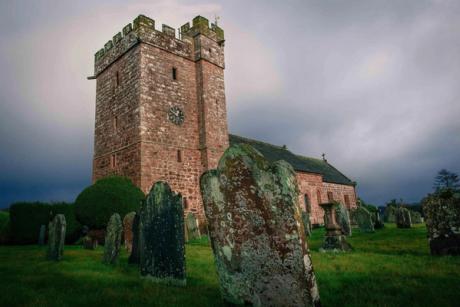
The UK government has ended the Listed Places of Worship Grant Scheme, a 25-year program that allowed churches to reclaim VAT on repair and maintenance work. Heritage experts warn that this policy change, which effectively adds a 20% surcharge to conservation projects, is causing delays, reassessments, and cancellations of restoration work. Immediate casualties include the Peel Tower at St Cuthbert’s Church in Cumbria and Phoebe Anna Traquair’s 1905 murals at St Peter’s Church in Nottinghamshire, both of which face funding shortfalls due to the new tax burden.

Controversy resurfaces in Colombia over treasure-filled San José shipwreck

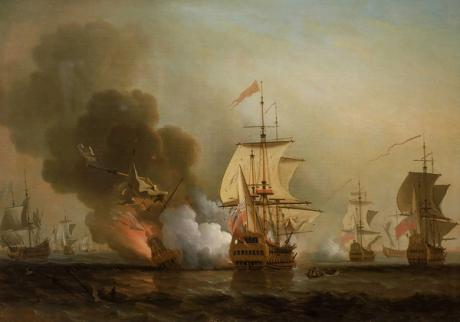
Controversy has resurfaced in Colombia over the San José, a Spanish galleon that sank in 1708 with a cargo of gold, silver, and emeralds. The oversight group Veeduría Nacional para el Control Social del Patrimonio Cultural Sumergido de Colombia (VNPCS) issued an open letter to the attorney general, alleging a lack of transparency, looting, and unauthorized interventions at the wreck site in 2016 and 2022. The group claims that the site's coordinates, considered a state secret, have been disclosed. The dispute involves multiple parties, including the Swiss treasure-hunting firm Maritime Archaeology Consultants (MAC), which helped locate the ship in 2015 and is now seeking compensation, and the US-based salvage company Sea Search Armada, which claims to have found the galleon in the 1980s and is seeking $10 billion. The ship was designated a protected archaeological area in 2024, placing it under the jurisdiction of the Colombian Institute of Anthropology and History (ICANH), but critics argue that earlier allegations of looting were ignored.