
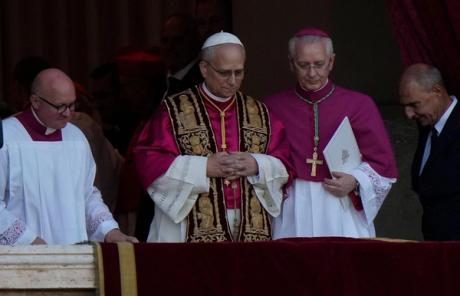
Pope Leo XIV has issued his first encyclical, titled *Magnifica Humanitas*, warning that artificial intelligence poses a major threat to humanity and could lead to a modern Tower of Babel. In the 43,000-word letter, he calls for disarming AI, establishing robust legal frameworks, and regulating tech giants like Meta. He also references Picasso's *Guernica* (1937) as a prophetic work denouncing dehumanization, alongside Beethoven's Ninth Symphony and the novel *Schindler's List*. Separately, the Vatican is expanding its contemporary art program, with a new space called Conciliazone 5 currently showing works by British artist George Rouy, and future exhibitions planned for Yan Pei-Ming and Vivian Suter.
This matters because it marks the first major papal statement on AI, framing the technology as a moral and societal crisis rather than merely a technical one. By linking AI to biblical narratives and citing modern art as a prophetic counterforce, the Pope positions the Vatican as a cultural and ethical voice in the digital age. The simultaneous expansion of the Vatican's contemporary art program—curated by a Louvre official and featuring high-profile artists—signals a deliberate effort to engage with contemporary culture and reinforce the Church's relevance in global artistic and technological debates.