filter_list Showing 54 results for "Minimal" close Clear
search
dashboard All 54 museum exhibitions 26candle obituary 9trending_up market 8article culture 4rate_review review 4article local 2article news 1
date_range Range Today This Week This Month All
Subscribe

5 Under-Recognized Artists Getting Their Due in New York This Season

The article highlights five under-recognized artists whose exhibitions are on view in New York this season, focusing on Domenico Gnoli at Lévy Gorvy Dayan and Raquel Rabinovich at Hutchinson Modern and Contemporary. Gnoli, an Italian painter who died in 1970, is known for his pallid, claustrophobic depictions of everyday subjects, while Rabinovich, who died at 102 in January 2026, created somber minimalist paintings exploring silence and withholding. The piece notes that New York galleries often use the pre-fair period to showcase less prominent artists of great promise.
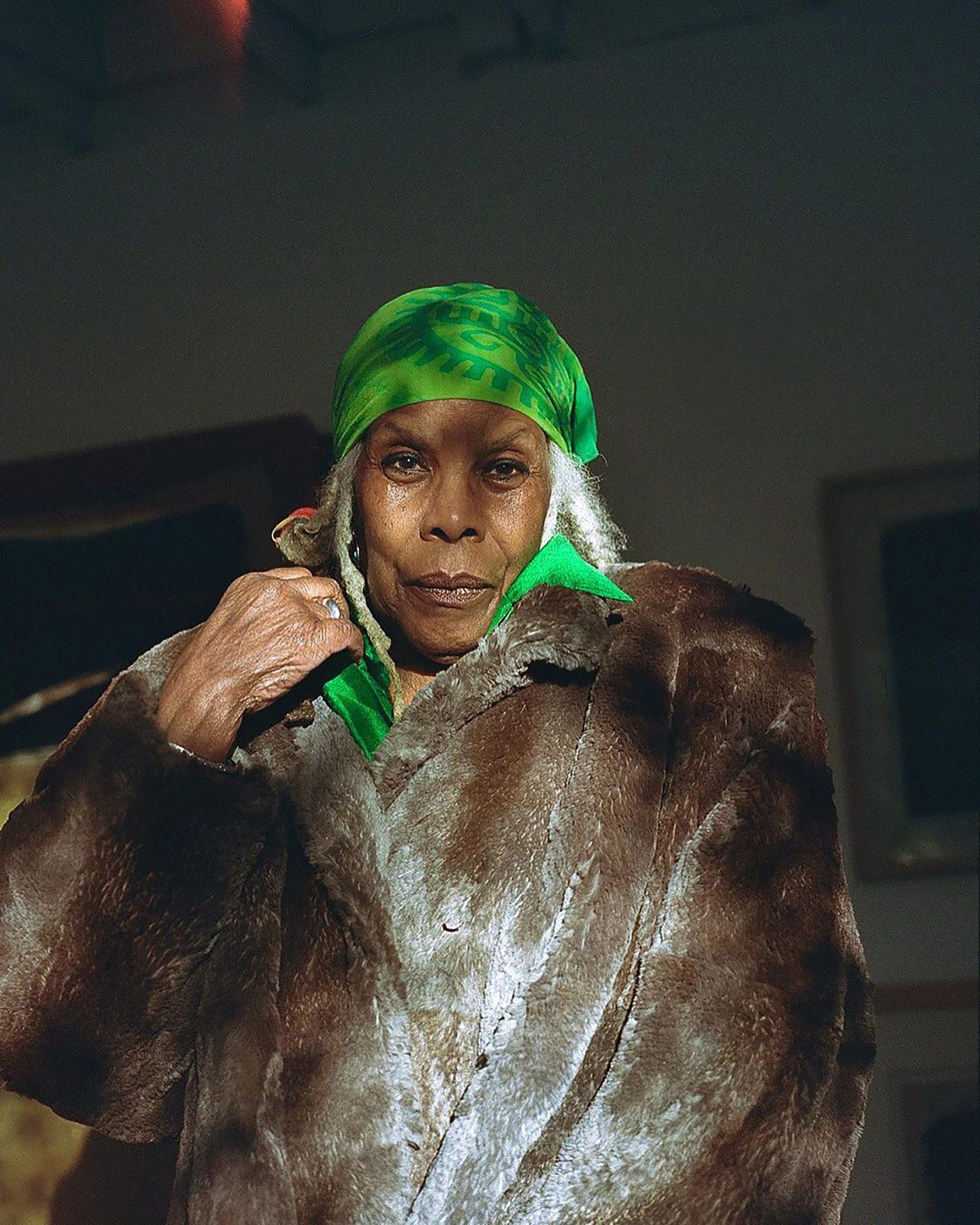
The 21st Century’s Biggest Art Trend is Not a Style. But Once You See It, You’ll Notice It Everywhere.

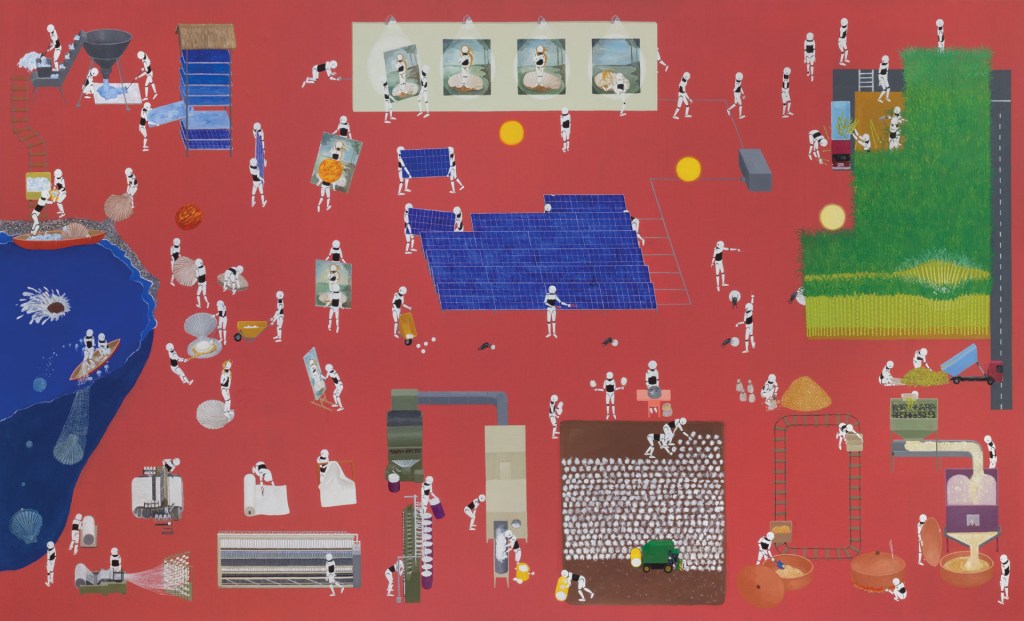
The article traces the evolution of "systems art," a term coined by critic Jack Burnham in 1968 to describe art that uses rules, seriality, and repetition to mirror and reveal the growing protocols of the Cold War era. It highlights early practitioners like Kenneth Noland, Robert Morris, Dan Flavin, and notably Hans Haacke and Adrian Piper, who shifted from atmospheric systems (e.g., Haacke's *Condensation Cube*) to social systems (e.g., Haacke's *Shapolsky et al. Manhattan Real Estate Holdings*). The piece argues that systems thinking has become unavoidable in contemporary life—from algorithms to systemic racism—and that art remains a crucial tool for making these invisible systems legible.

Venice Biennale 2026 Highlights: Arsenale & Giardini

ArtReview editors highlight the must-see national pavilions at the 61st Venice Biennale, running from 9 May to 22 November 2026. Notable presentations include Austria's Florentina Holzinger turning her pavilion into a toilet and sewage-treatment plant with naked performers, and Germany's pavilion featuring works by Sung Tieu and the late Henrike Naumann, who died in February 2026, exploring East German memory and conceptual minimalism.

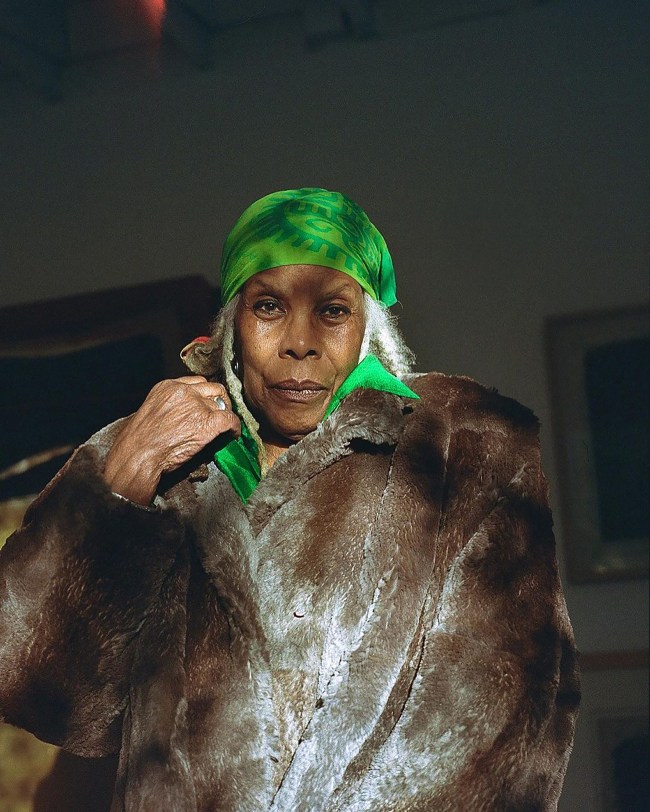
Mary Lovelace O’Neal, Painter Who Defied the Bounds of Abstraction, Dies at 84

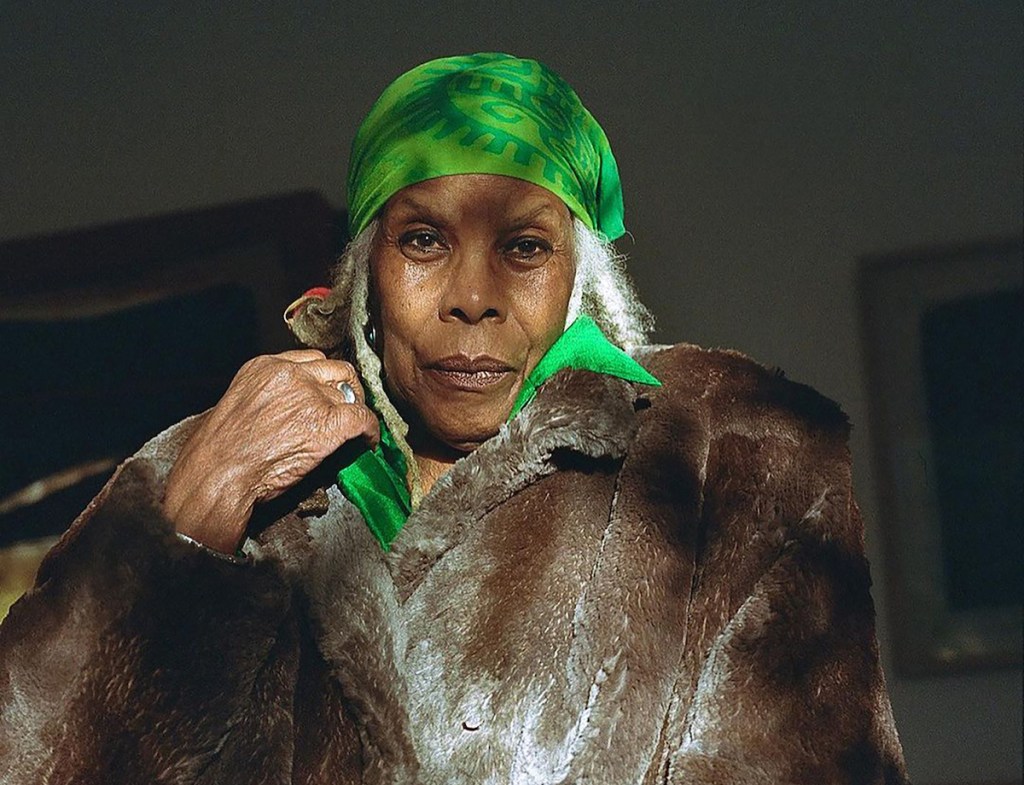
Mary Lovelace O’Neal, the American painter known for her large-scale abstract works that defied easy categorization, died in Mérida, Mexico, on May 10 at age 84. Her death was confirmed by her galleries, Jenkins Johnson and Marianne Boesky, on May 13. Active in the Civil Rights movement of the 1960s, O’Neal developed a distinctive practice that blended Minimalism, Abstract Expressionism, and figurative elements, most notably through her Lampblack series and later the "Whales Fucking" series. Her work gained renewed attention in the 21st century, with exhibitions at Mnuchin Gallery and the Museum of the African Diaspora, and her painting *Blue Whale a.k.a. #12* (1983) was selected for the 2024 Whitney Biennial.

Georg Baselitz, Lion of German Neo-Expressionism, Dead at 88

Georg Baselitz, the influential German Neo-Expressionist painter, printmaker, and sculptor, died on April 30 at age 88. His death was announced by Thaddaeus Ropac gallery, his longtime representative. Born Hans-Georg Kern in 1938 in Saxony, Baselitz was profoundly shaped by his childhood experience of war and the destruction of Nazi Germany. He was expelled from art school in East Berlin for "socio-political immaturity," moved to West Berlin, and adopted his pseudonym from his hometown. His first solo exhibition in 1963 was raided by police for obscenity, cementing his reputation as a provocateur. Known for his upside-down figures and fierce brushwork, he created series such as "Heroes" and "Fracture" that addressed trauma, violence, and the psychic toll of postwar life.

Sotheby’s Buoyant $303.4 Million Modern Art Evening Sale: By the Numbers

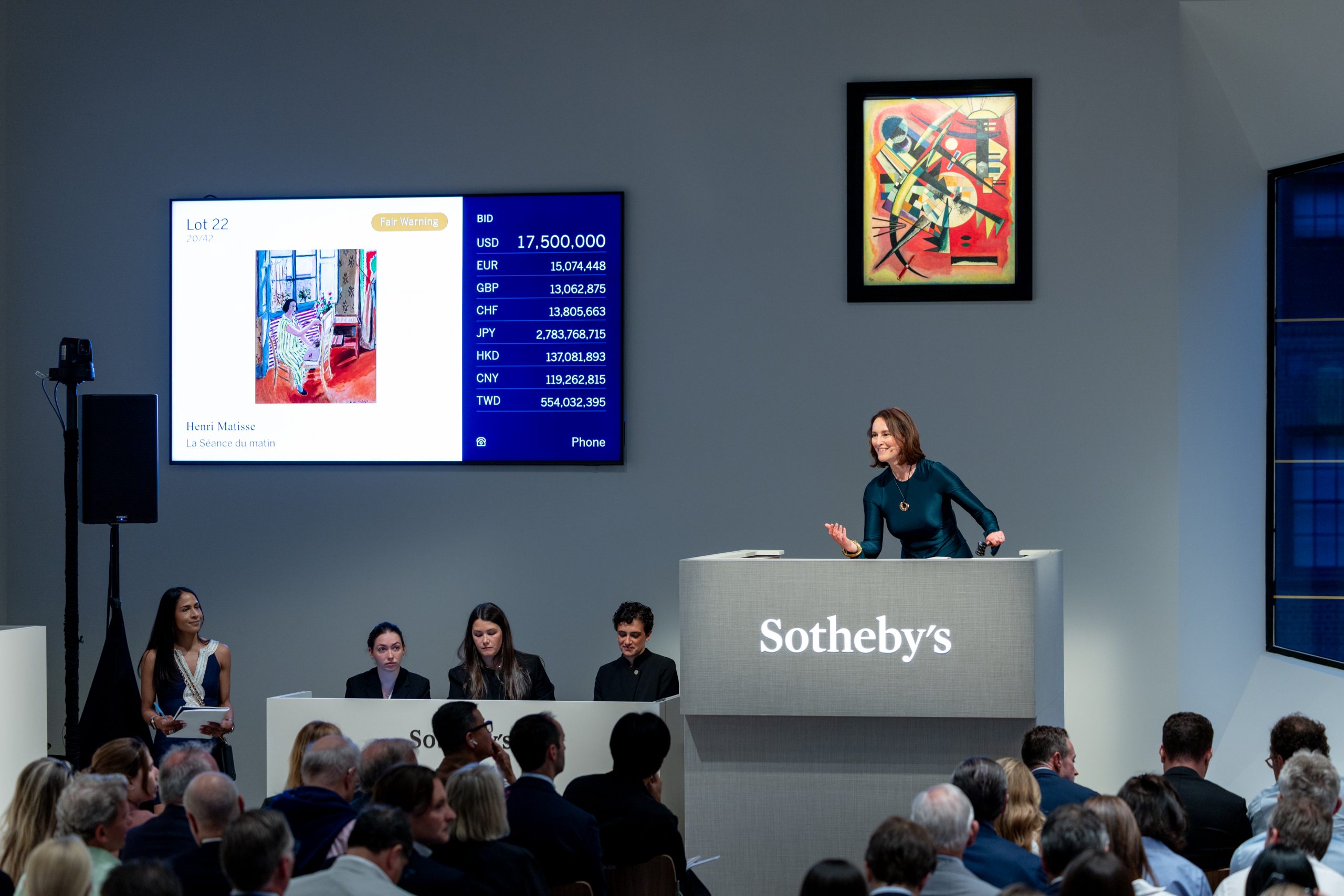
Sotheby’s modern art evening sale on Tuesday night generated $303.4 million, with a 97.6% sell-through rate and a hammer total of $256.5 million. The top lot was Henri Matisse’s *La Chaise Lorraine* (circa 1919), which sold for $48.4 million after a prolonged bidding war. The house withdrew three lots before the sale to improve optics, and 85% of the lots were guaranteed, mostly by third parties. Asian collectors were active at seven-figure price points, contrasting with sparse high-end bidding at Christie’s the previous night.

Frank Stella’s Personal Collection of Navajo Textiles Goes on View for the First Time

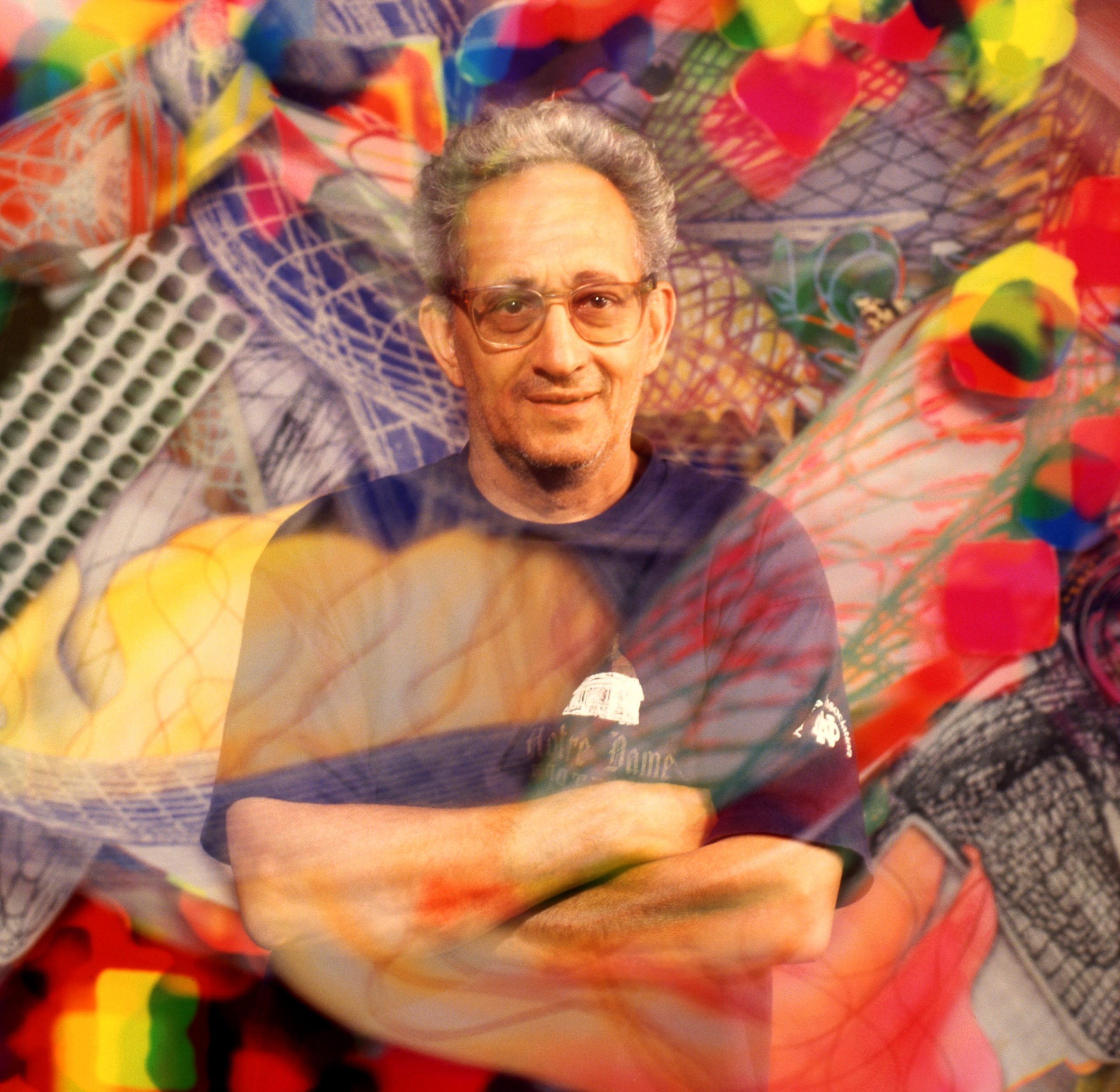
A selection of Navajo textiles from the personal collection of minimalist artist Frank Stella is being exhibited and sold for the first time. The 55 textiles, dating from the late 19th and early 20th centuries, will be on view at Arader Galleries in New York from May 15 to June 10, then travel to Peter Pap Rugs in New Hampshire in June. Priced between $6,500 and $25,000, the collection includes a large 19th-century blanket that Stella lent to a seminal 1972 exhibition at LACMA. Stella began collecting these works in the mid-1960s after being introduced to Navajo art by Donald Judd and Tony Berlant.

“Primary Structures,” Turns 60

On April 28, 1966, The New York Times published a review by conservative critic Hilton Kramer of the Jewish Museum's exhibition “Primary Structures,” organized by curator Kynaston McShine. Kramer, disdainful of contemporary art, described the 42 American and British artists as rejecting personal expression and subjective inflection, yet he acknowledged the show as the first comprehensive glimpse of a style that would define the 1960s. The exhibition featured then-little-known artists including Carl Andre, Dan Flavin, Donald Judd, Sol LeWitt, Walter De Maria, Robert Morris, Anne Truitt, John McCracken, Larry Bell, Robert Smithson, Judy Chicago, Philip King, Michael Bolus, and David Annesley, and is now recognized as the ur-survey of Minimalism—a term McShine deliberately avoided.

A Joan Mitchell diptych and a rare stack by Donald Judd: our pick of the May auctions

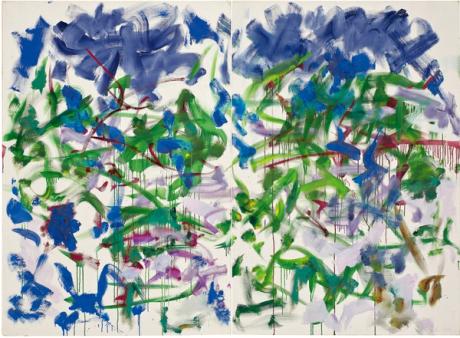
The Art Newspaper highlights five major lots from New York's May 2025 auctions. Phillips offers Joan Mitchell's diptych 'Plain' (1989), estimated at $5-7 million, from the collection of late Miami art patron Tina Hills. Christie's presents Donald Judd's rare copper and red Plexiglas 'Untitled (Stack)' (1969), estimated at $10-15 million, from the Minimalist collection of the late Henry S. McNeil Jr. Sotheby's leads with Jean-Michel Basquiat's 'Museum Security (Broadway Meltdown)' (1983), estimated above $45 million, and Mark Rothko's 'Brown and Blacks in Reds' (1957), estimated at $70-100 million from the collection of late dealer Robert Mnuchin.

Nicholas Pope, sculptor whose career came in two acts, 1949–2026

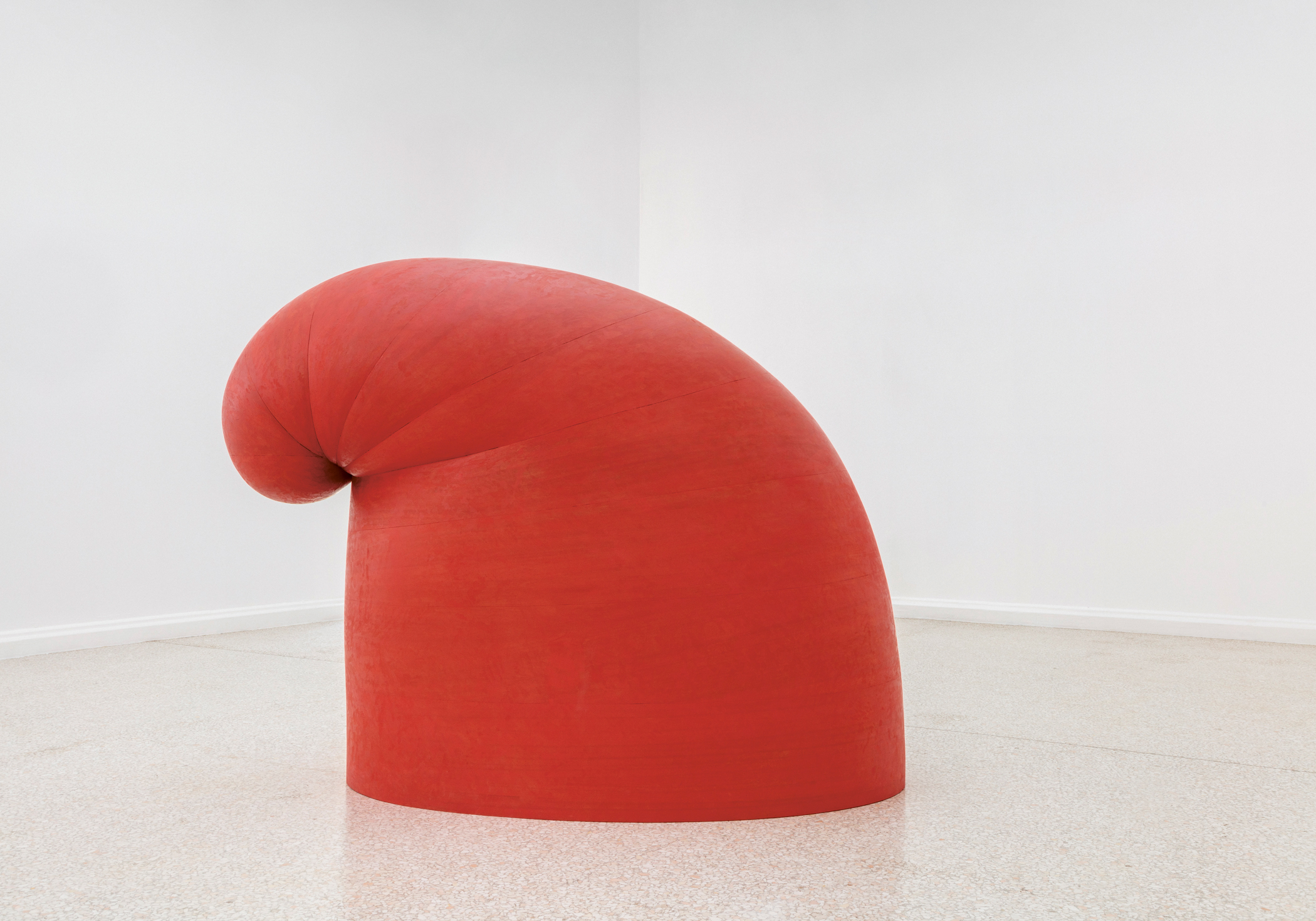
Nicholas Pope, a British sculptor known for his organic, post-minimalist works, has died at age 76. His career unfolded in two distinct acts: an early phase in the 1970s producing roughly-hewn wooden columns like *Oak Tree Column* (1973) and *Drooping Column* (1975), which earned him a spot in the British Pavilion at the 1980 Venice Biennale, followed by a decades-long hiatus after contracting viral encephalitis in Tanzania. He later returned to sculpture with brighter, brasher works in ceramic, glass, and felt, including *The Apostles Speaking in Tongues Lit By Their Own Lamps* (1993–96) and collaborations like *The Conundrum of the Chalices of the Seven Deadly Sins and Seven Virtues* (2015) with James Maskrey.

How to Buy Minimalist Art

Artsy Editorial offers a guide on buying Minimalist art, explaining the movement's core principles of geometric shapes, limited color palettes, and material reduction. The article highlights key artists such as Carl Andre and Polly Apfelbaum, and emphasizes that Minimalism focuses on the idea behind the work rather than the artist's technical skill.

Mary Lovelace O’Neal, Author of Uncategorizable Abstractions, Dies at 84

Mary Lovelace O’Neal, an activist, educator, and artist known for her monumental lampblack paintings that expanded the possibilities of abstraction, died on May 10 in Mérida, Mexico, at age 84. Despite a six-decade career, she was long considered an "artist's artist" before gaining international acclaim in recent years, with major exhibitions at Mnuchin Gallery, Marianne Boesky Gallery, the San Francisco Museum of Modern Art, and inclusion in the 2024 Whitney Biennial and the 2025 group show "Paris Noir" at the Centre Pompidou.

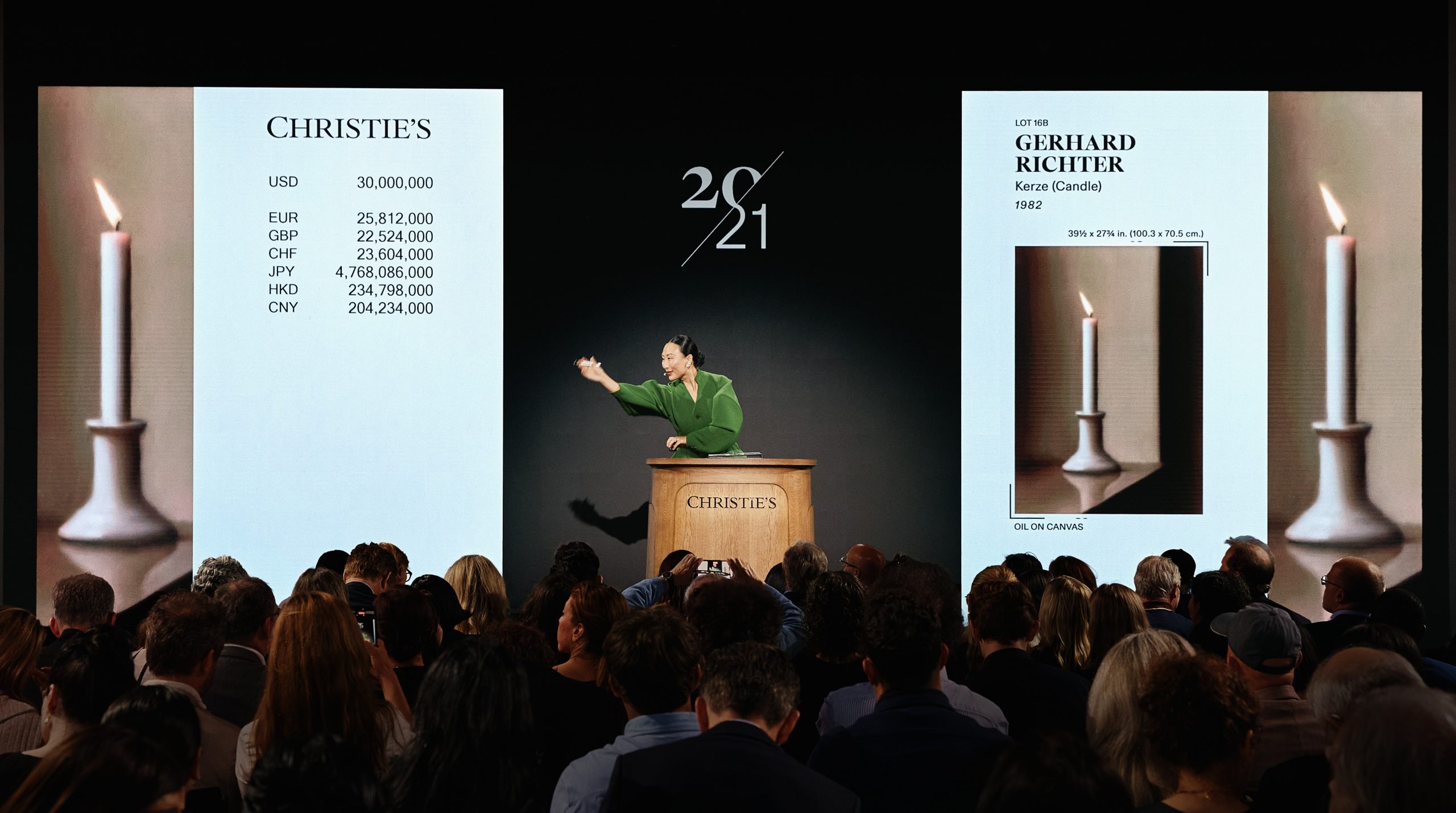
Christie’s Posts ‘Rock Solid’ Contemporary Sale, Led by Marian Goodman’s Gerhard Richters

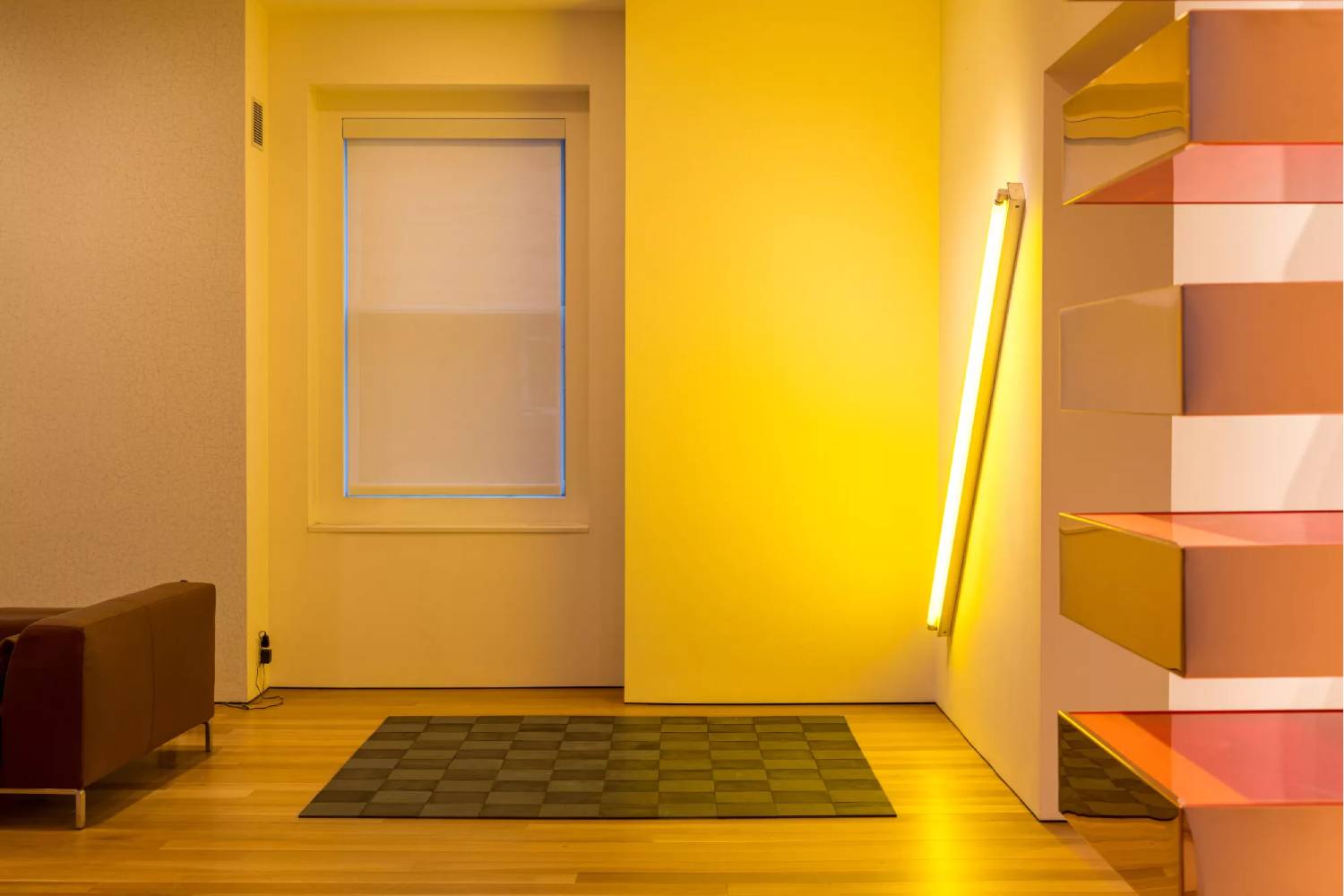
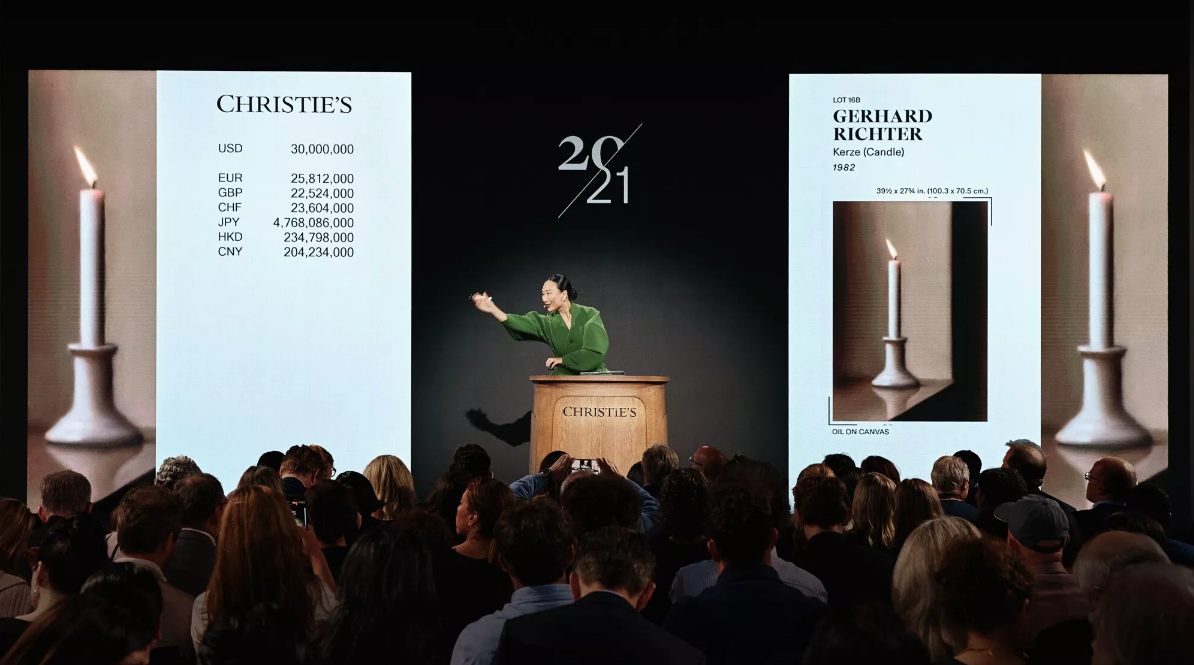
Christie’s 21st-century evening auction in New York on May 20 brought in $162.7 million, a 69 percent increase from the same sale last year and the house’s highest New York evening total in the category since 2021. The sale featured 42 lots, including a single-owner collection of Minimalist works owned by Henry S. McNeil Jr. and eight Gerhard Richter works from the collection of the late gallerist Marian Goodman. The top lot was Richter’s photorealistic painting *Kerze (Candle)* (1982), which sold for $35.1 million, falling short of its $50 million high estimate. Other notable results included a Donald Judd Plexiglas stack that sold for $12.8 million and works by Richard Artschwager and Carl Andre that far exceeded their low estimates.

Richter and Judd works top Christie's solid if not stellar sale of post-war and contemporary art

Christie’s held a two-part evening sale on May 20, featuring 42 lots from the estate of dealer Marian Goodman and the single-owner collection of Henry S. McNeil Jr. The auction achieved a hammer total of $132 million ($162.6 million with fees), just above the low end of its pre-sale estimate. The top lot was Donald Judd’s untitled plexiglass and copper stack sculpture, which sold for $12.8 million with fees, setting a new record for a Judd stack at auction. A surprise standout was Richard Artschwager’s Two-Part Invention (1967), which hammered at $500,000—more than six times its high estimate. The McNeil collection achieved a white-glove sale, while all but two of the eight Gerhard Richter works from the Goodman collection were guaranteed by third parties.

‘America’s Mona Lisa’: how chance, genius and cheap paint made the masterpiece Whistler’s Mother

James Abbott McNeill Whistler's iconic painting of his mother, Anna, known as 'Whistler’s Mother' or 'Arrangement in Grey and Black No 1', is returning to London for the first time in nearly two generations as part of a Tate Britain exhibition. The article recounts how the portrait was painted in 1871 in Whistler's Chelsea studio during a low point in his career, using cheap paint and a used canvas after a young sitter canceled. The author, who restored the painting for the Musée d'Orsay, details the work's accidental genesis, Whistler's radical minimalist aesthetic, and the initial critical confusion it caused.

A Major Martin Puryear Retrospective Reveals an Artist Who Has Never Stopped Evolving

The Cleveland Museum of Art has opened "Nexus," a major retrospective of Martin Puryear featuring over 50 works, the first comprehensive survey of the artist's career in some time. The exhibition includes rarely displayed early pieces from Puryear's personal collection alongside recent works, organized in consultation with the 84-year-old artist. Highlights include the titular 1979 piece "Nexus" made of Alaskan yellow cedar, and other works like "Night and Day" and "Alien Huddle" that showcase his mastery of wood and cold-molding techniques.

Expanded Vocabulary: Revisiting Deborah Kass’ Studio

The article recounts the author's visit to Deborah Kass's Brooklyn studio, which she shares with her wife, artist Patricia Cronin. The visit was prompted by logistical issues related to the author's exhibition "Social Minimalism" (2025). During the visit, the author and Kass revisited themes central to Kass's work over three decades: the exclusion of women from art history, Jewish identity, queer voice, lesbian subjectivity, and postwar American art. The conversation also touched on Kass's series including the Warhol Project, Feel Good Paintings, No Kidding, and the large painting/sculpture installation "Everybody" (2019), which was recently featured in a conversation between Kass and Titus Kaphar in Interview magazine.

Mary Lovelace O’Neal, Abstract Painter Who Refused to Conform, Dies at 84

Mary Lovelace O’Neal, an abstract painter known for her gestural, unruly works that defied categorization, died on Sunday in Mérida, Mexico, at age 84. Her galleries, Jenkins Johnson and Marianne Boesky, announced her passing. O’Neal produced sprawling paintings characterized by tangles of drippy strokes, often using lamp black pigment to create intensely black canvases. She rejected labels like Abstract Expressionist or Minimalist, insisting she was simply a painter. Her series "Whales Fucking" (1979) and a 2020 exhibition at Mnuchin Gallery revived her profile, leading to inclusion in the 2024 Whitney Biennial.

Artist Mel Kendrick Is Mining New Possibilities From Wood and Color

American artist Mel Kendrick, who began his career in the early 1970s integrating Minimalism and architecture, presents his ninth solo exhibition at David Nolan Gallery in New York. Titled “Mel Kendrick: Tilt,” the show runs through June 6, 2026, and features new and recent wood sculptures alongside older works, including pieces like *Walnut Shelf* (2026), *Gemstone* (2026), and *Yellow Drum* (2025). Kendrick works without pre-planning, allowing the material to guide his process, and treats color as a material with its own weight, inspired by Gothic and medieval architecture.

Derrick Adams’ maximalist exhibition at the ICA delights, critiques

Derrick Adams has opened a maximalist exhibition at the Institute of Contemporary Art (ICA), featuring vibrant, densely layered works that blend pop culture references with social commentary. The show presents a bold visual experience, combining painting, sculpture, and mixed-media installations that celebrate Black joy and resilience while critiquing systemic inequities.

Exhibition | Meg Webster, 'Thicket' at Paula Cooper Gallery, 521 West 21st Street, New York, United States

Meg Webster's exhibition 'Thicket' opens May 9 at Paula Cooper Gallery, 521 West 21st Street, New York, featuring new sculptures and drawings. The centerpiece is a large spiral installation made from plant cuttings, inviting viewers inside for an immersive sensory experience. The show follows Webster's major presentation at Dia Beacon (2024–2026) and her inclusion in 'Minimal' at Bourse de Commerce - Pinault Collection, Paris (2025–2026). Also on view are monochromatic works on paper made by rubbing organic materials onto the surface, and a three-part beeswax relief.

What’s on for spring? Spiritualism and symbolic systems

This article surveys several spring exhibitions in Chicago that explore themes of spiritualism, symbolic systems, and interconnected consciousness. Featured shows include Mindy Rose Schwartz's "Countersealed" at M. LeBlanc, which uses deconstructed fur coats, wands, and twisted fiber sculptures to evoke rituals addressing ecological disaster and historical subjugation. Daniel G. Baird's "Margin" at Patron examines thresholds between material and spiritual realms through a gilded canoe, wax arm cast, and birchwood oar. Leah Ke Yi Zheng's "Change, I Ching (64 Paintings)" at the Renaissance Society presents 64 hexagram paintings on silk, connecting abstract minimalism with Eastern silk painting traditions.

Richter works from gallerist Marian Goodman and Donald Judd pieces lead Christie's New York auctions

I lavori di Richter della gallerista Marian Goodman e le opere Donald Judd guidano le aste di Christie’s a New York

Christie's New York spring sales opened on May 20, 2026, with two major collections: the minimalist art collection of Henry S. McNeil Jr. and works by Gerhard Richter from the collection of legendary gallerist Marian Goodman. The 42-lot session achieved $162.7 million, with 98% sold by lot. The 21st Century Evening Sale alone reached $136.8 million, a 42% increase over May 2025 and Christie's highest result for the category in five years. Top lots included Donald Judd's "Untitled" (1969) at $12.8 million—a new auction record for a Judd stack—and Richard Artschwager's "Two-Part Invention" (1967) which soared to $635,000 from an estimate of $60,000–80,000. The Goodman collection of eight Richter works, all guaranteed, generated $78.8 million, exceeding expectations.

Vanités contemporaines

The article explores the enduring relevance of still life and vanitas in contemporary art, tracing their evolution from the biblical proclamation "Vanity of vanities; all is vanity" through modern masters like Paul Cézanne, Pablo Picasso, and Giorgio Morandi to contemporary practitioners such as Claudio Parmiggiani. It highlights how artists continue to use everyday objects—compotes, skulls, pitchers, apples—as vehicles for formal experimentation and philosophical reflection, with still life serving as a minimalist device that allows infinite plastic research.

Jack Goldstein “Pictures, Sounds and Movies” at Kunst Museum Winterthur

Jack Goldstein (1945–2003), a Canadian-born artist and CalArts graduate, is the subject of the exhibition "Pictures, Sounds and Movies" at Kunst Museum Winterthur. The show highlights his role in the Pictures Generation, a group that in the 1970s rejected traditional art forms by appropriating images from advertising, television, and popular culture, while Goldstein also explored the autonomy of Minimal Art objects.

The Must-See Biennale Exhibitions in Venice

The 61st International Art Exhibition of La Biennale di Venezia, titled "In Minor Keys," opens May 9 as a tribute to its late curator Koyo Kouoh. Alongside the Biennale, Venice hosts numerous concurrent exhibitions: Marina Abramović's "Transforming Energy" at Gallerie dell'Accademia (the only living female artist with a major show there); the Matthew Wong Foundation's inaugural exhibition "Interiors" featuring unseen works by the late Chinese Canadian artist; retrospectives of Michael Armitage at Palazzo Grassi and Lorna Simpson at Punta della Dogana; Hernan Bas's new paintings at Ca' Pesaro; Lu Yang's "DOKU The Illusion" at Espaces Louis Vuitton Venezia; and "Minimal Legends" at the Vincenzo de Cotiis Foundation, staging a dialogue among Minimalist masters.

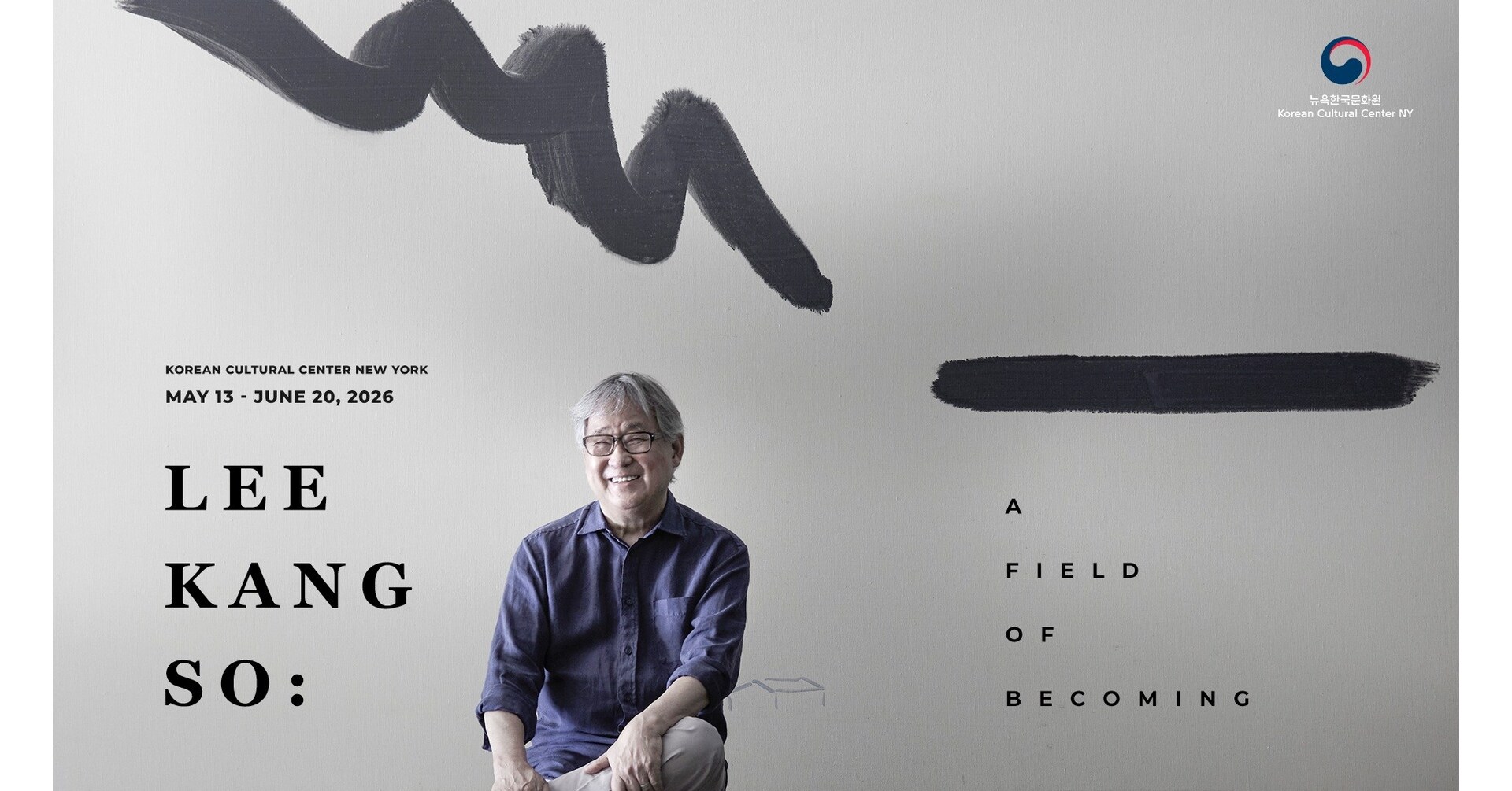
Korean Cultural Center New York Presents the Major Exhibition "Lee Kang So: A Field of Becoming"

The Korean Cultural Center New York (KCCNY) presents the major exhibition "Lee Kang So: A Field of Becoming," on view from May 13 to June 20, 2026. The show features the work of pioneering Korean contemporary artist Lee Kang So (b. 1943), who since the 1970s has worked across photography, painting, sculpture, installation, and performance, resisting fixed forms to explore how art emerges through process, material, and context. The exhibition includes key works from his 1970s performances and installations, as well as later sculptures and paintings that foreground gravity, chance, and bodily gesture. Lee, who was active in New York in the 1980s and participated in MoMA PS1's Studio Artist Program, returns to the city with this exhibition at KCCNY's expanded venue.

Georg Baselitz, German Neo-Expressionist Painter, Dies at 88

Georg Baselitz, the German Neo-Expressionist painter known for his provocative, upside-down figurative works, has died at age 88. Along with contemporaries like Anselm Kiefer, Baselitz led a frontal assault on the dominant Minimalist and Conceptualist art movements of the 1970s, reviving expressive, gestural painting in postwar Germany.

The 90 Years of Legendary Italian Artist Giorgio Griffa. All the Exhibitions Celebrating the Master's Birthday

I 90 anni del mitico artista italiano Giorgio Griffa. Tutte le mostre per celebrare il compleanno del maestro

Giorgio Griffa, the Italian painter known for his radical and minimalist approach, turned 90 on March 29, 2026. A comprehensive program of celebrations includes the exhibition "Summer 69" at the Fondazione Giorgio Griffa in Turin (through July 2, 2026), which revisits his breakthrough summer of 1969 with photographs by Paolo Mussat Sartor alongside his early and recent works. The Castello di Rivoli Museo d’Arte Contemporanea has opened a monographic room with works from its permanent collection, and the Galleria Civica d’Arte Moderna e Contemporanea di Torino will dedicate a similar space in May. The MAXXI – Museo Nazionale delle Arti del XXI secolo has acquired six monumental works spanning over thirty years of Griffa's career, from the 1970s to the early 2000s.

Ruminations on Rashid Johnson’s “A Poem for Deep Thinkers”

The article is a reflective review of Rashid Johnson's exhibition "A Poem for Deep Thinkers" at the Modern Art Museum of Fort Worth. The author describes standing before Johnson's work "Falling Man" (2016), a piece incorporating broken mirrors, burned wood, and personal objects like a copy of Harry Haywood's "Black Bolshevik" and shea butter, which prompts meditations on visibility, identity, and Frantz Fanon's "Black Skin, White Masks." The review also examines Johnson's large-scale installation "Antoine's Organ" (2016/2026), which fills a gallery typically reserved for Ellsworth Kelly's minimalist canvases, transforming the space with scaffolding, plants, books, and video monitors.