filter_list Showing 12675 results for "Can" close Clear
search
dashboard All 12675 museum exhibitions 6101article news 1437trending_up market 1323article local 1308article culture 784person people 542article policy 511rate_review review 255candle obituary 208gavel restitution 182article event 16article museum 3article events 2article museums 1article school 1article architecture 1
date_range Range Today This Week This Month All
Subscribe

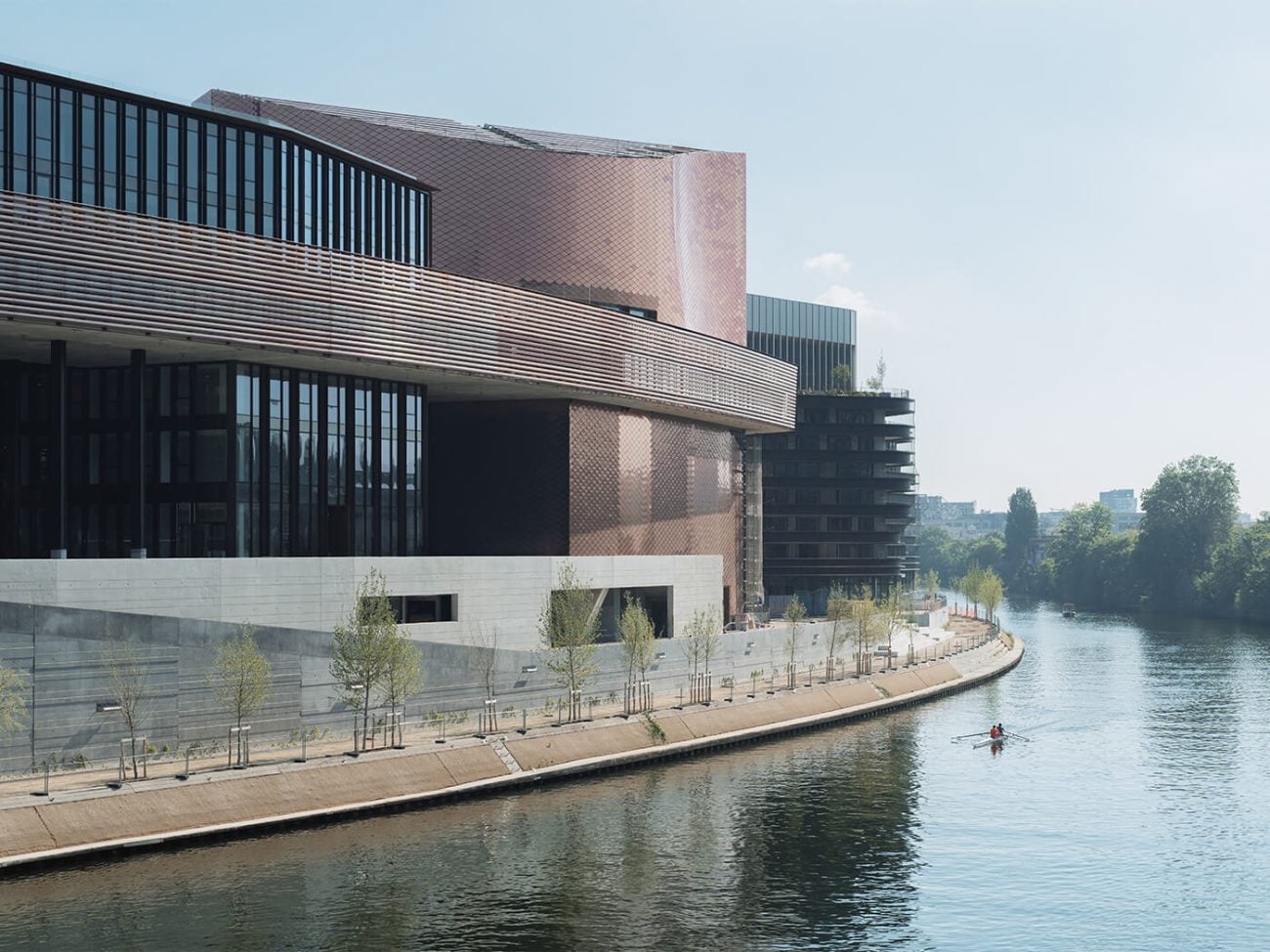
On Île Seguin, the new art center Large unveils its spectacular building and a first exhibition focused on Renault's history

Sur l’île Seguin, le nouveau centre d’art Large dévoile son bâtiment spectaculaire et une première expo tournée vers l’histoire de Renault

On Île Seguin, the new contemporary art center Large unveiled its spectacular building designed by Catalan firm RCR Arquitectes during a press preview on May 21. The center, backed by real estate developer Emerige and its president Laurent Dumas, will open to the public on October 17. Its inaugural exhibition, curated by Cecilia Alemani, explores the history of the automobile and the island's industrial past as the site of Renault factories from 1929 to 1992, featuring works by 55 contemporary artists including Julio Le Parc, Nina Beier, Thomas Bayrle, Mohamed El Khatib, and Giulia Andreani.
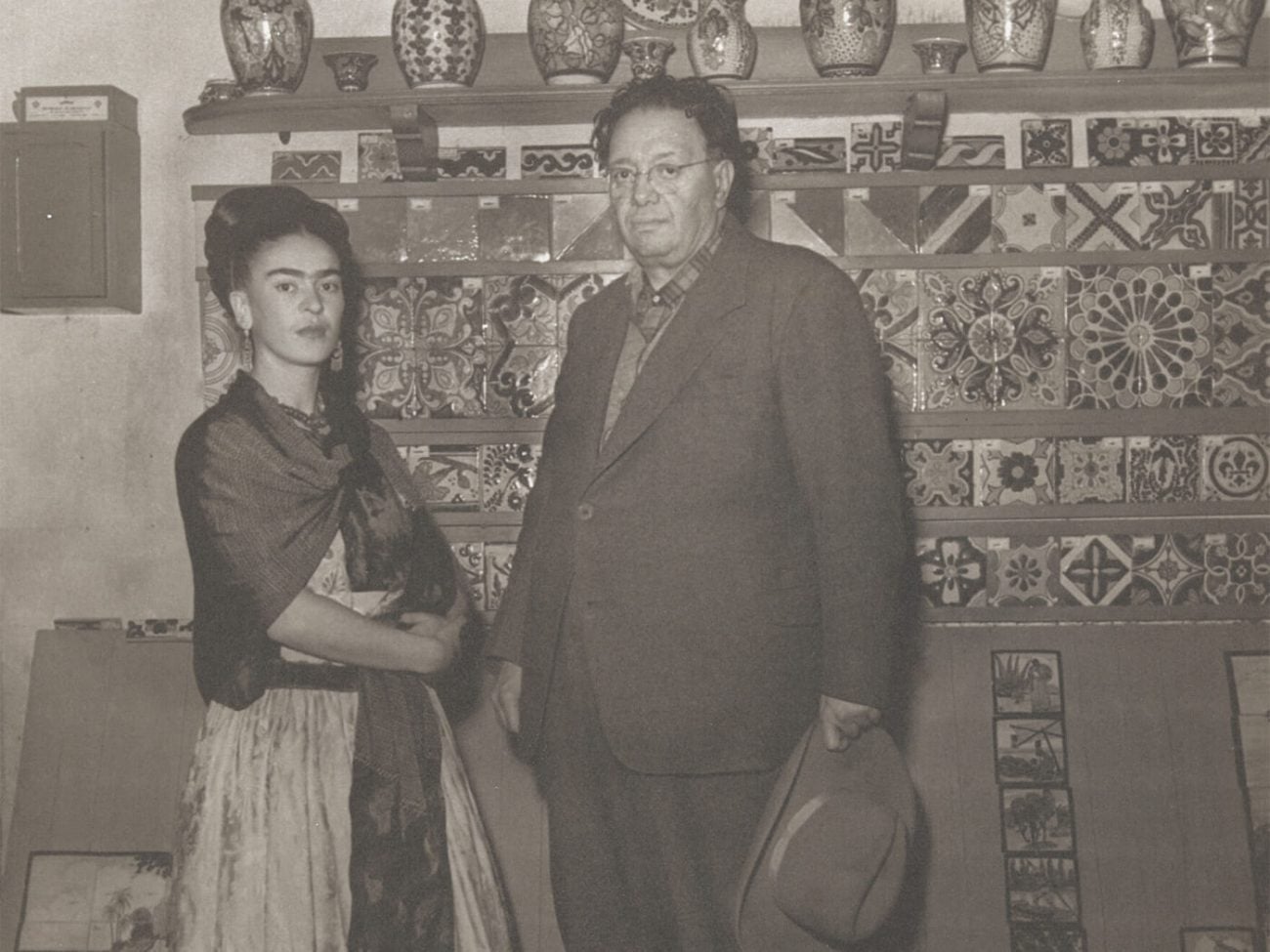
Frida Kahlo and Diego Rivera at MoMA in New York in a Passionate Theatrical Dialogue

Frida Kahlo et Diego Rivera au MoMA de New York dans un dialogue théâtral plein d’ardeur

The Museum of Modern Art (MoMA) in New York has opened a theatrical exhibition titled "Frida and Diego: The Last Dream," curated by Beverly Adams, the museum's curator of Latin American art. The show features around twenty paintings and drawings by Frida Kahlo and Diego Rivera from MoMA's collection, alongside photographic portraits. The exhibition's dramatic staging, designed by British set designer Jon Bausor—who also worked on the Metropolitan Opera's concurrent production of "El Último Sueño de Frida y Diego"—creates a tense dialogue between the artists' contrasting styles: Rivera's political murals and Kahlo's intimate, colorful self-portraits. Highlights include Kahlo's "Self-Portrait with Cropped Hair" (1940) and Rivera's "Zapata, Agricultural Leader" (1931).

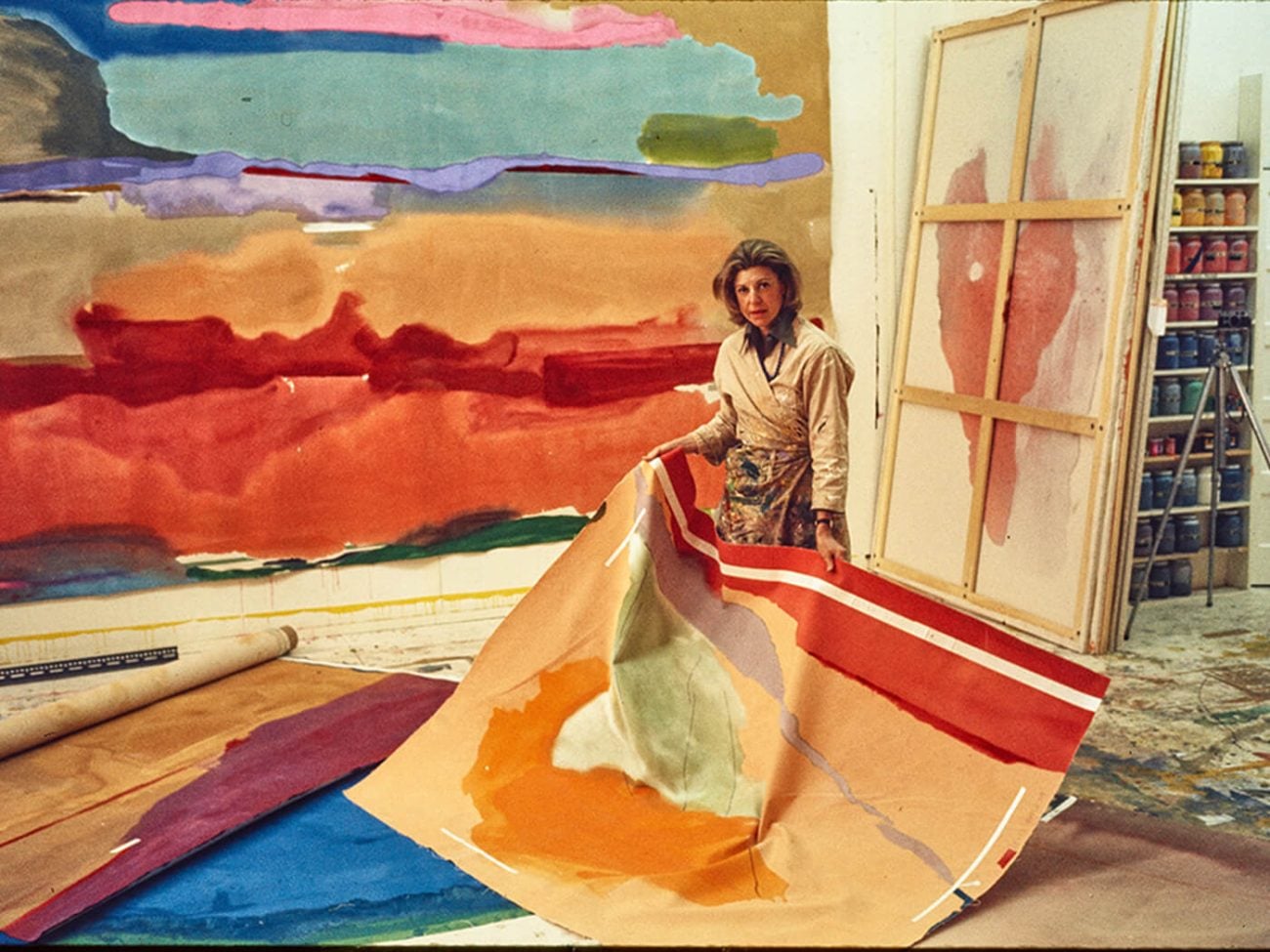
In Basel, a Dive into the Great Bath of Colors of Helen Frankenthaler

À Bâle, plongée dans le grand bain de couleurs d’Helen Frankenthaler

The Kunstmuseum Basel has opened a major retrospective of American painter Helen Frankenthaler (1928–2011), a key figure in Color Field painting who is less known in Europe than her contemporaries Jackson Pollock and Mark Rothko. The exhibition was sparked by a 2024 donation of Frankenthaler's 1963 painting "Riverhead" from the Helen Frankenthaler Foundation, and features around fifty works showcasing her signature soak-stain technique, in which she applied thinned paint to unprimed canvas using sponges, brooms, and scrapers. The show traces her career chronologically, highlighting influences from Old Masters and her physical approach to painting on the floor.

À New York, le Metropolitan Museum of Art absorbe la Neue Galerie et sa collection de Klimt, Schiele, Kokoschka…

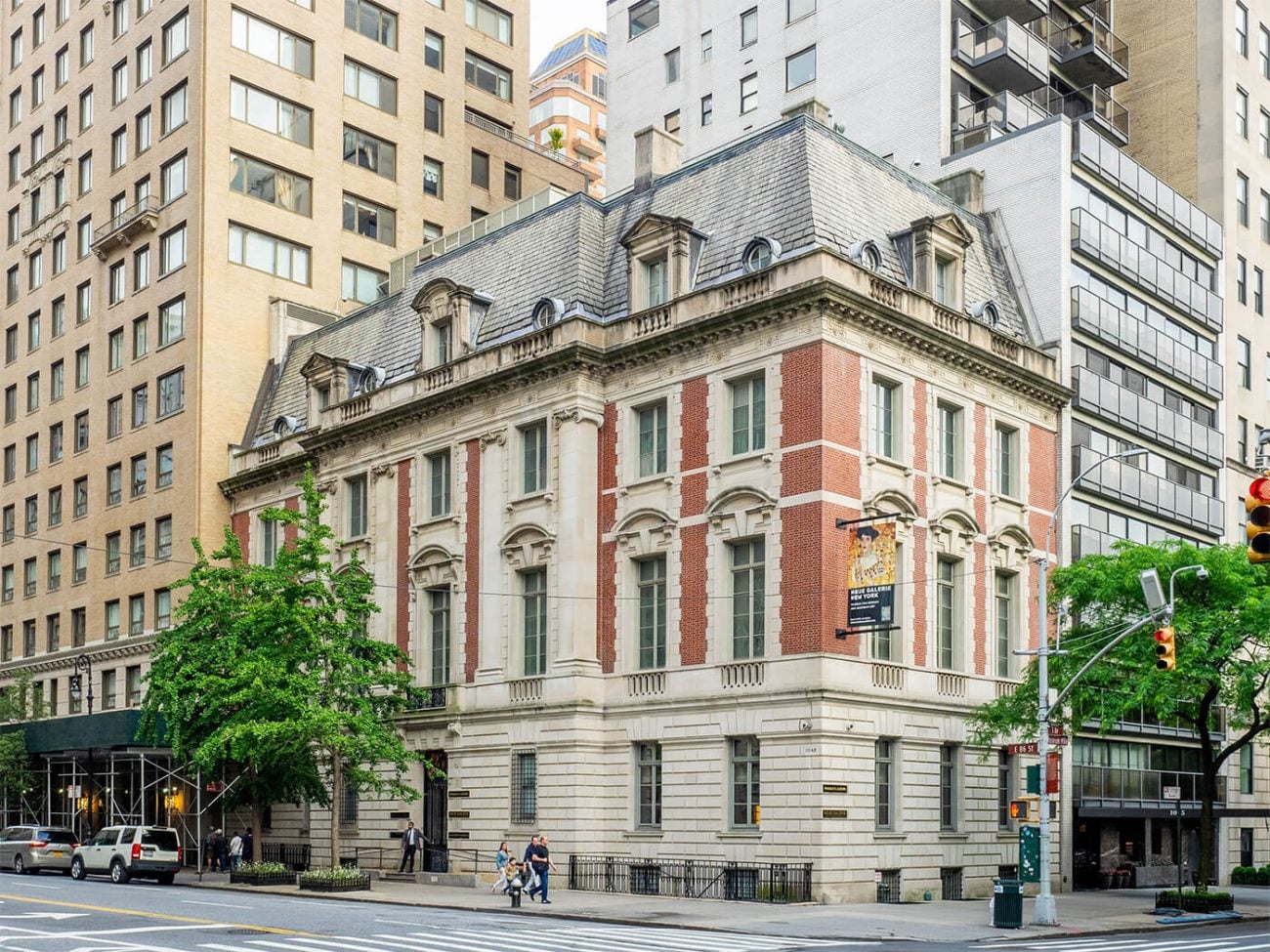
On May 14, the Metropolitan Museum of Art and the Neue Galerie in New York announced a historic merger set for 2028. The Neue Galerie, founded in 2001 by billionaire Ronald Lauder in a Fifth Avenue mansion, will become part of the Met under the name The Met Ronald S. Lauder Neue Galerie, modeled after the Met's Cloisters. The transfer includes the historic building and a collection of 600 works valued at over $1.5 billion, featuring artists such as Gustav Klimt, Egon Schiele, Ludwig Kirchner, Max Beckmann, and Oskar Kokoschka. Lauder and his daughter Aerin Lauder Zinterhofer are also donating thirteen works from their personal collection, and a $200 million endowment fund has been established.

« Caïn » de Fernand Cormon : aux origines de la conscience humaine ?

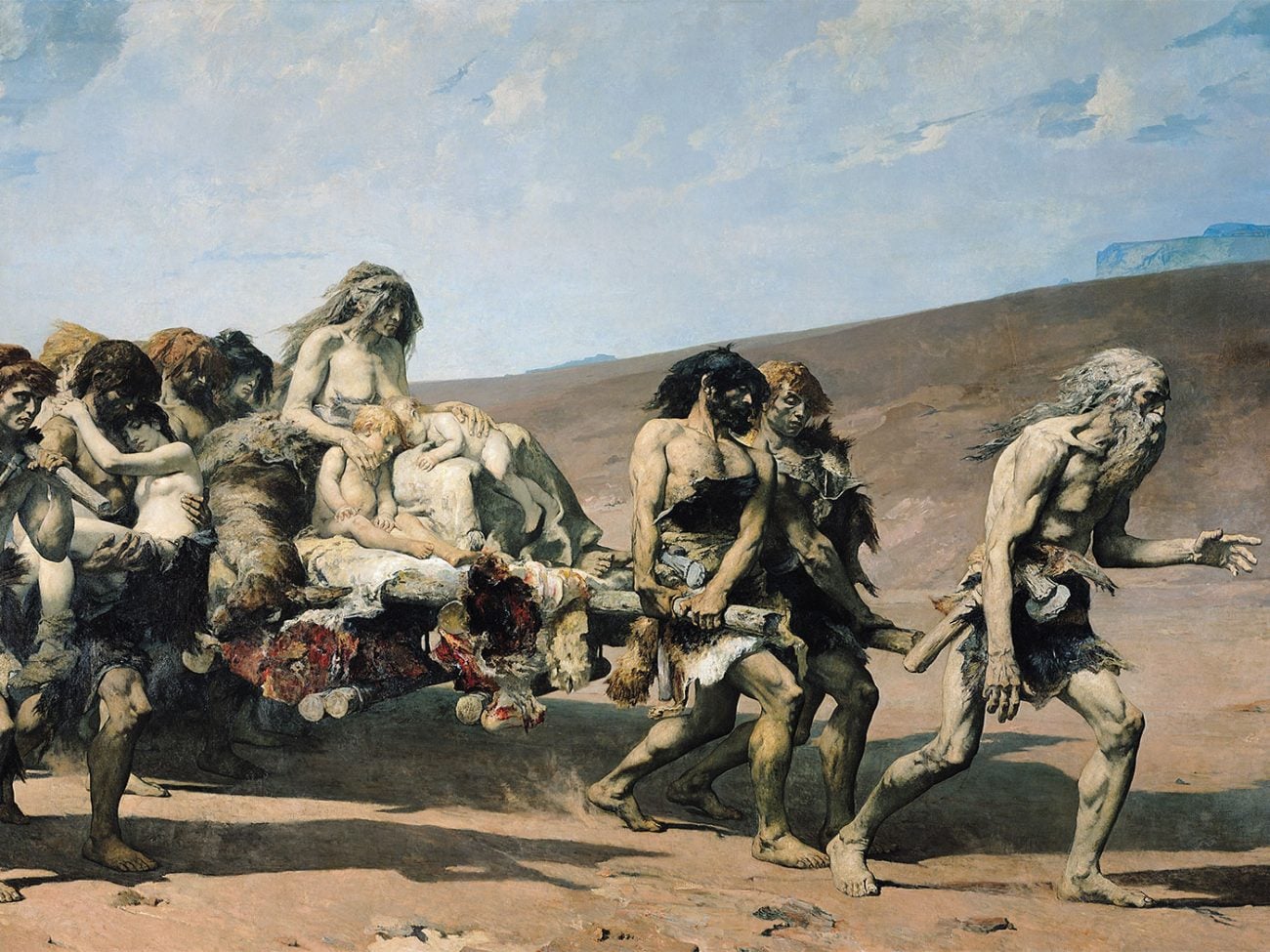
Beaux Arts Magazine analyzes Fernand Cormon's monumental 1880 painting "Caïn," currently held at the Musée d'Orsay. The article describes the scene: a prehistoric, weary clan trudges through a desert, led by a haggard patriarch, with a tired mother on a litter and hunters carrying game. Cormon's work is presented as the antithesis of classical triumph, evoking a melancholic, post-traumatic atmosphere. The painting is linked to the biblical story of Cain, who killed his brother Abel and was condemned to exile, and is accompanied by verses from Victor Hugo's poem "Conscience."

At the Louvre Museum, ORLAN will give a free art history lecture this Friday

Au musée du Louvre, ORLAN donnera ce vendredi un cours d’histoire de l’art (gratuit)

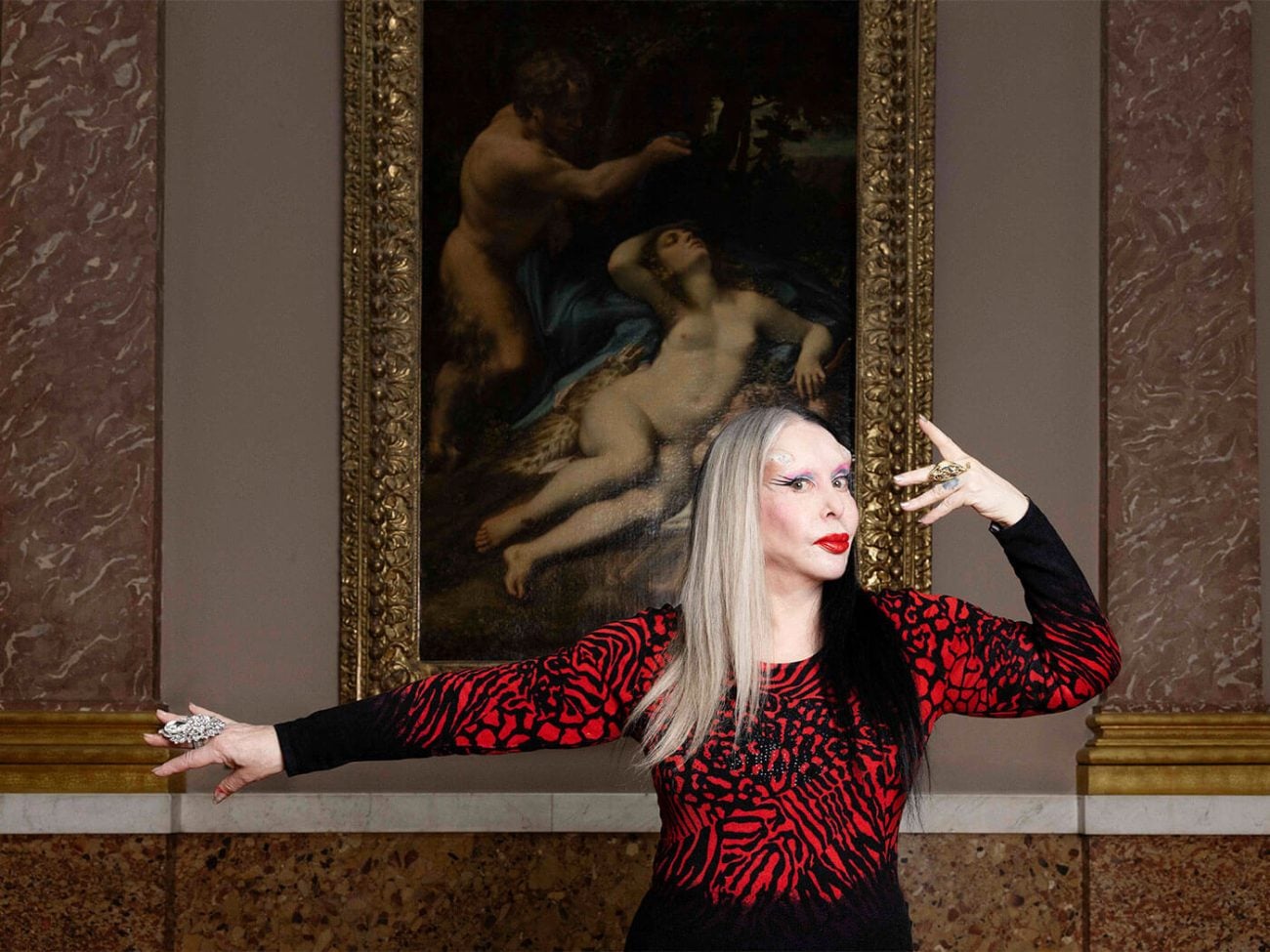
French artist ORLAN will deliver a free art history lecture at the Musée du Louvre on Friday, May 22, 2026, as part of the fourth edition of the museum's "Leçons d'artiste" lecture series. Titled "Le musée et l'histoire de l'art cellules souches de nos nouvelles images," the talk will examine how museums like the Louvre shape art history—with its omissions, censures, and rewritings—and how new technologies, including artificial intelligence, feed on existing imagery. Two additional lectures will follow on June 12 (on body representation) and September 25 (on artists' responsibility in times of war and oppression).

What will the future Louvre museum look like? The architects of the century's construction site have been chosen

À quoi ressemblera le futur musée du Louvre ? Les architectes du chantier du siècle désignés

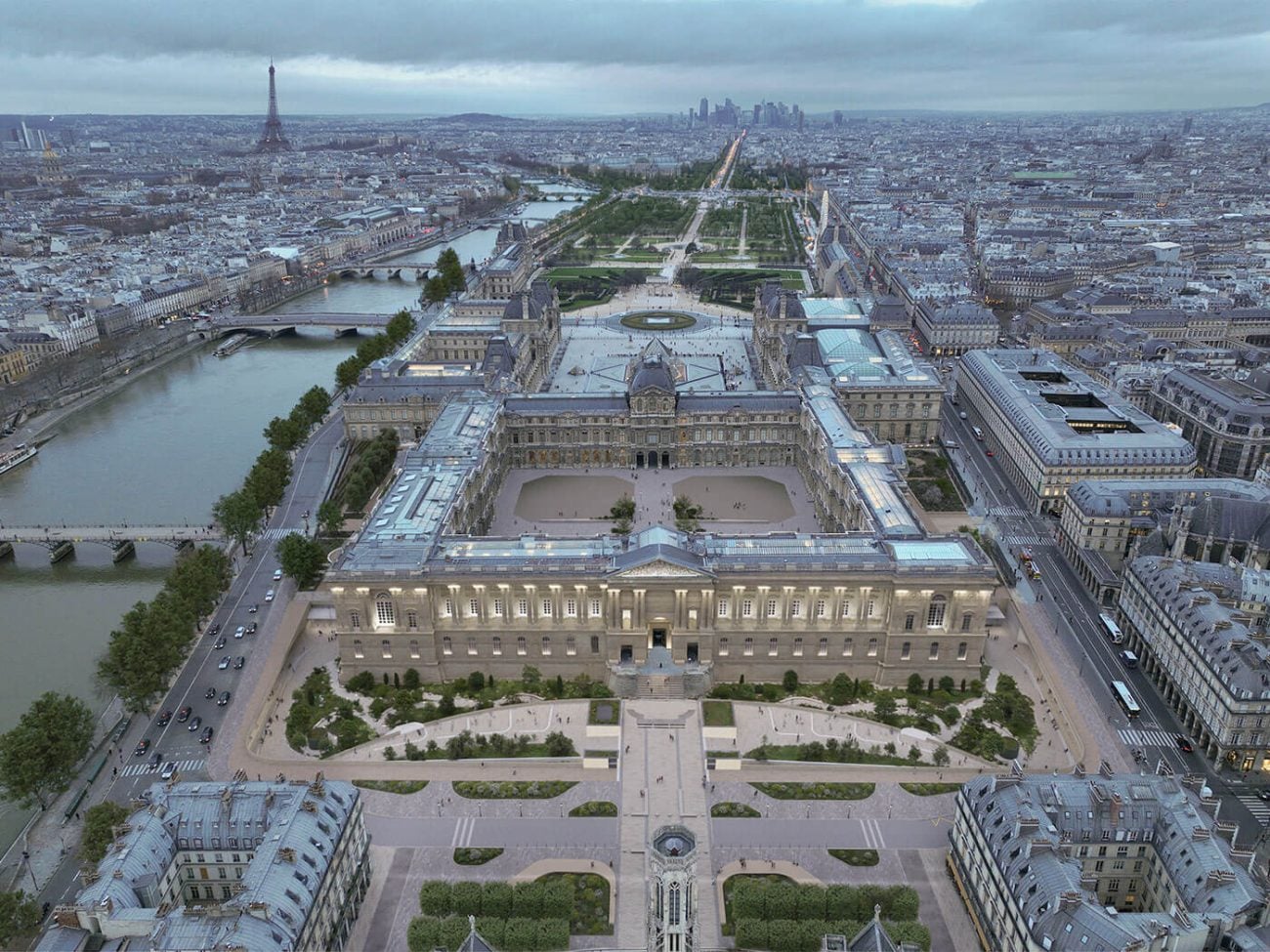
On May 18, the French Ministry of Culture announced the winner of the international competition for the 'Louvre Nouvelle Renaissance' plan, championed by President Emmanuel Macron in January 2025. The winning consortium, led by Studios Architecture Paris and Selldorf Architects with landscape firm Base, will design a major renovation of the Louvre. The project includes a new entrance on the east side near Saint-Germain-l’Auxerrois to relieve congestion at the pyramid, a belvedere overlooking vegetated moats, and a new 3,000-square-meter gallery dedicated to the Mona Lisa. Construction is not expected to begin before 2028.

Sheila Hicks en 2 minutes

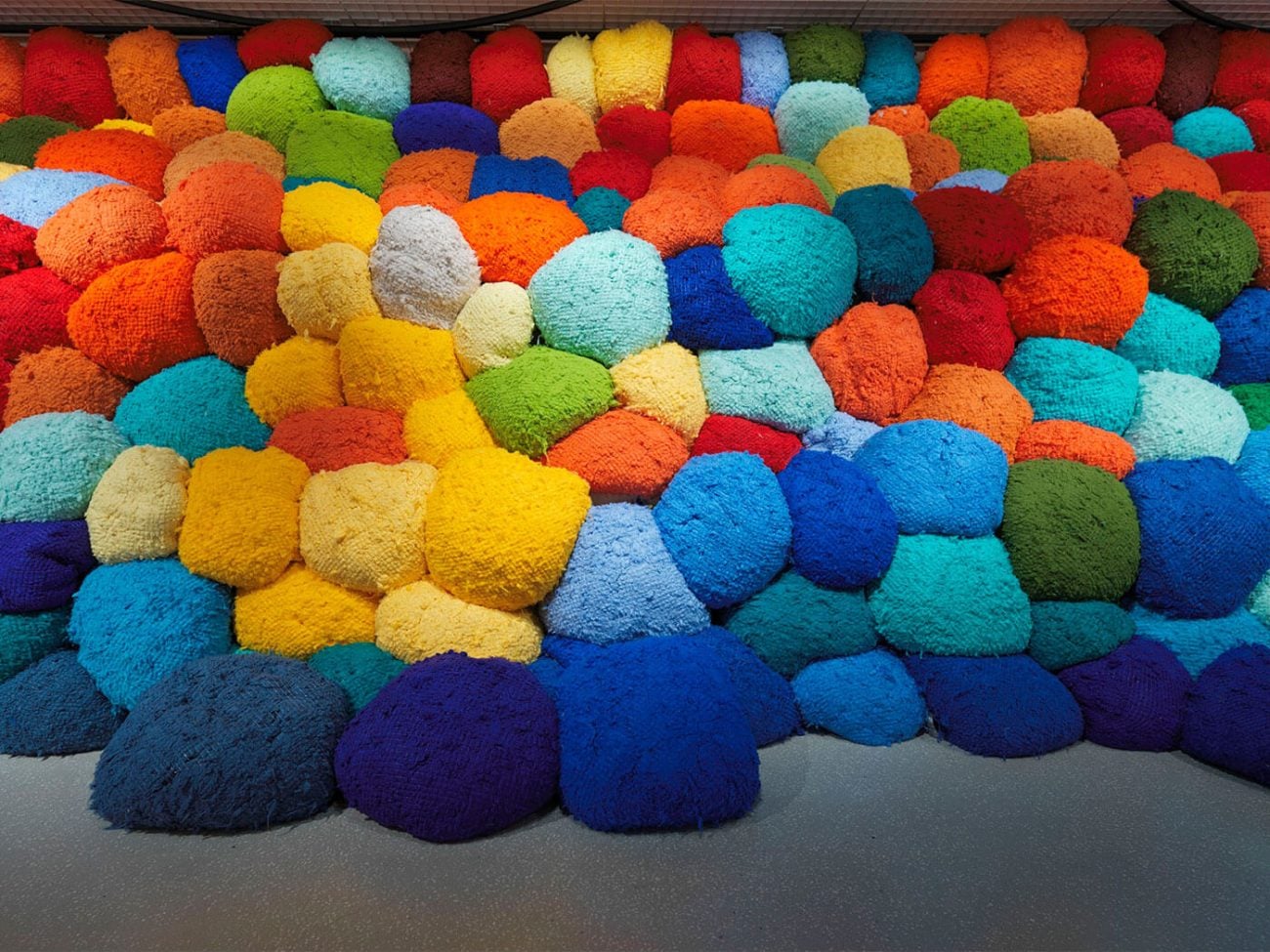
Sheila Hicks, the American textile artist born in 1934, is profiled in a concise overview of her career. The article traces her journey from studying under Josef Albers at Yale and learning weaving from Andean artisans in Chile, to establishing her studio in Mexico and later Paris. It highlights her monumental commissions for hotels, embassies, and public spaces, as well as her intimate "Minimes" works. Key milestones include her 2014 piece "Pillar of Inquiry/Supple Column" at the Whitney Biennial, her 2017 installation at the Venice Biennale, and a major retrospective at the Centre Pompidou in 2018.

6 musées incontournables à visiter à Venise

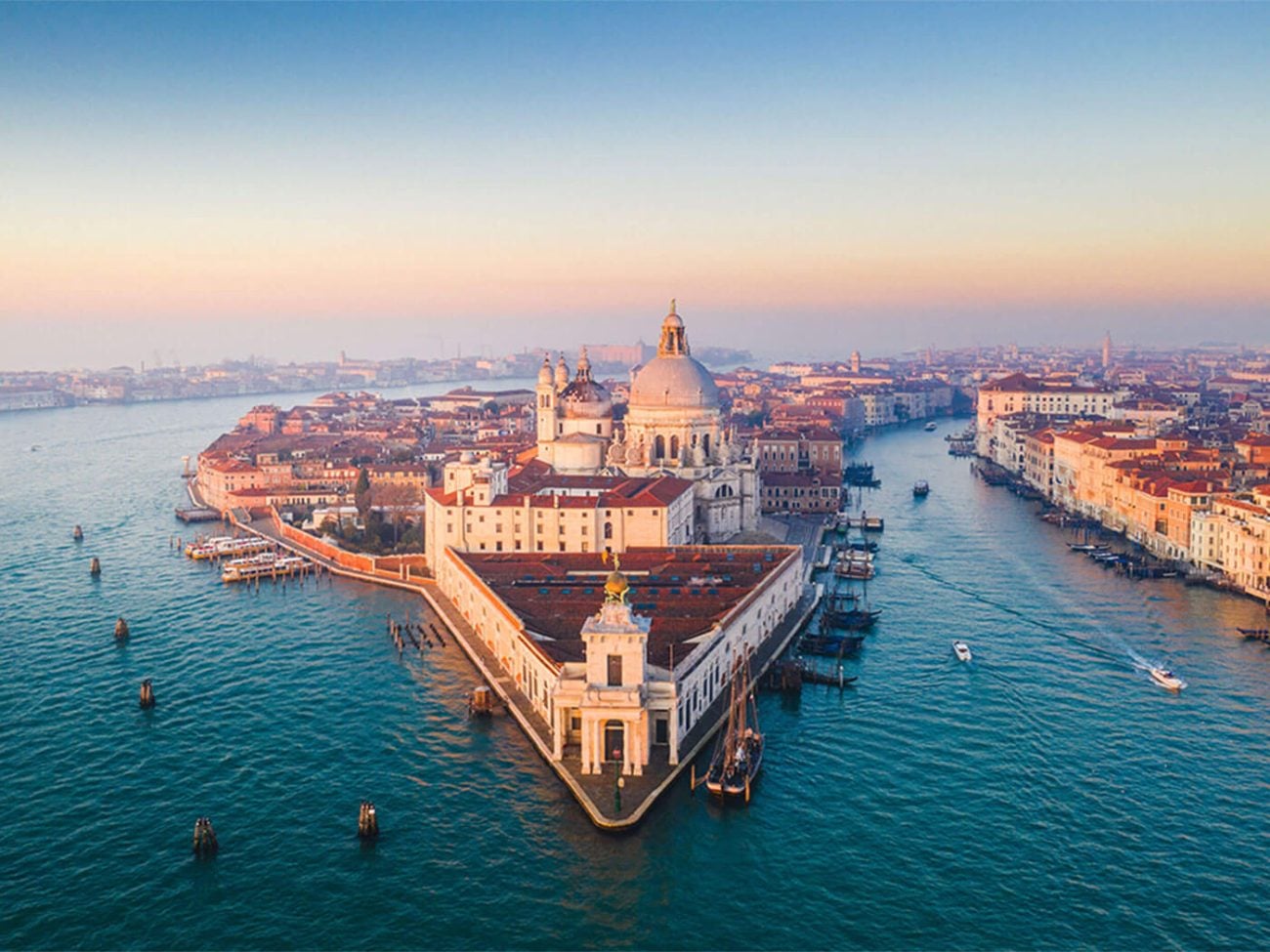
Beaux Arts Magazine highlights six must-visit museums in Venice, including the Palazzo Ducale, Gallerie dell'Accademia, Peggy Guggenheim Collection, and the Pinault Collection venues Palazzo Grassi and Punta della Dogana. The article notes that during the Biennale, the city is filled with free pavilions, but the main museums have high entry fees, offset by passes like the Venice Museum Pass (€59) and Venice City Pass (€119). It also mentions a current Marina Abramović exhibition at the Gallerie dell'Accademia, marking her as the first living female artist honored there.

Photographs of Victorine Meurent who posed for 'Le Déjeuner sur l'herbe' discovered by chance in Grenoble

Les photos de Victorine Meurent qui ont servi de modèle au « Déjeuner sur l’herbe » retrouvées par hasard à Grenoble

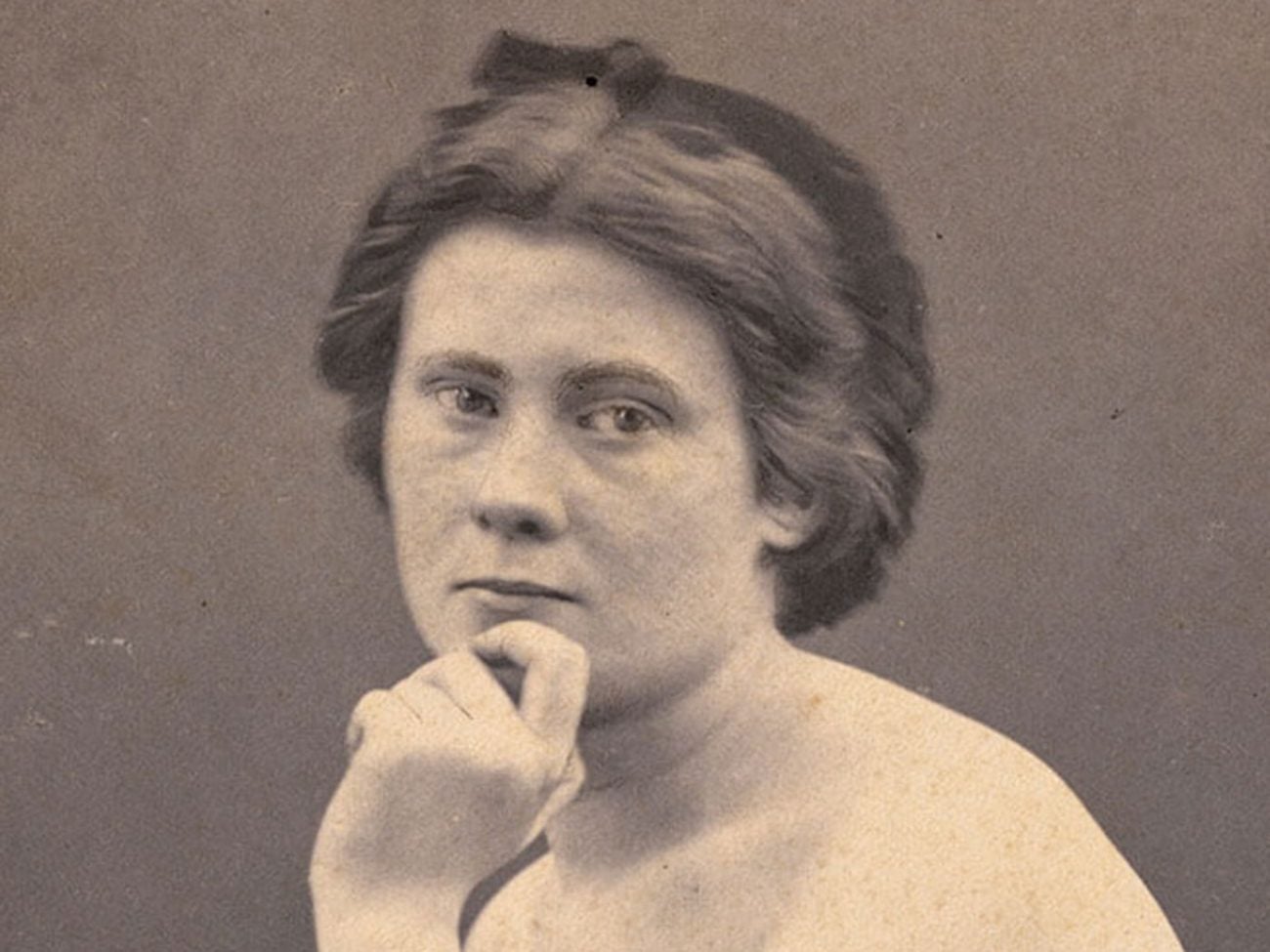
A chance discovery at the Musée de Grenoble has unearthed two previously unknown photographs of Victorine Meurent, the favorite model of Édouard Manet, taken by Gaudenzio Marconi in 1863. Art historian Laure Boyer, while researching a different subject, recognized Meurent in the images and realized they directly served as studies for Manet's iconic paintings *Le Déjeuner sur l'herbe* and *Olympia*. The photographs show Meurent in poses nearly identical to the figures in both works, with only the orientation reversed in one case and facial expressions swapped between the two paintings.

« La Boule » de Villeroy & Boch : l’art explosif et pop du pique-nique

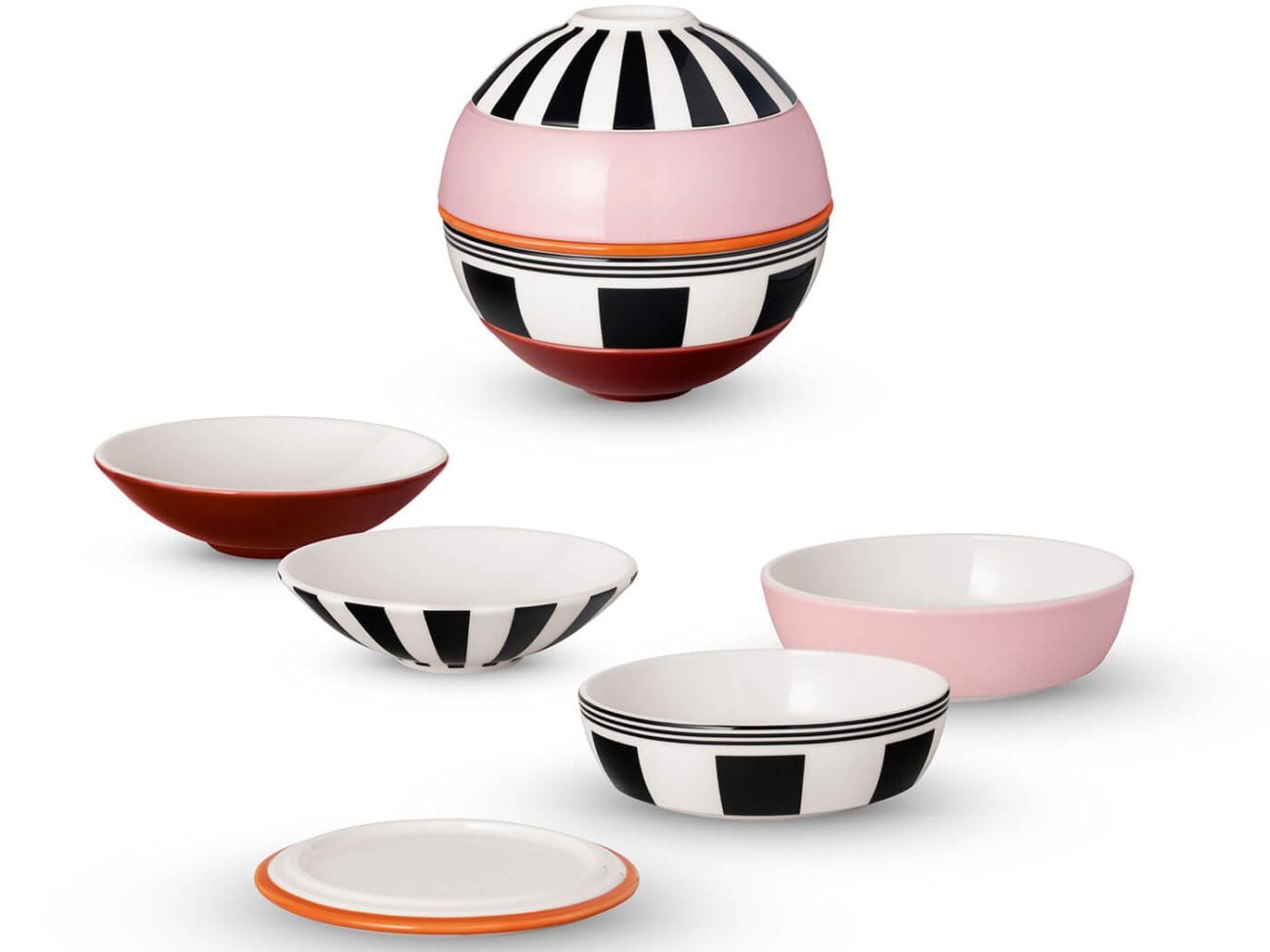
Villeroy & Boch, the historic German porcelain manufacturer founded in 1748, launched "La Boule" ("Die Kugel") in 1971—a stackable 19-piece porcelain dinner service for four that compacts into a colorful decorative sphere. Designed by Helen von Boch, the eighth-generation family director, the set was part of a pop-design wave and came in original color variants that have since become collectors' items. The article also highlights related designs like the "La Bomba" picnic cutlery set (1968) and melamine set (1972), both held by MoMA, and notes Villeroy & Boch's collaborations with artists such as Keith Haring, Paloma Picasso, and Luigi Colani.

Au musée Marmottan Monet, la peinture de Giovanni Segantini hisse la modernité au sommet des Alpes

The Musée Marmottan Monet in Paris is hosting the first retrospective in France of Giovanni Segantini (1858–1899), a major but little-known figure of Symbolism. The exhibition traces his career through the lens of his geographical ascent into the Alps, from his early success with "Ave Maria à la traversée" (1886–1888) to his final triptych "La Vie, La Nature, La Mort," which he was working on when he died at age 41. Segantini's divisionist technique, which Vassily Kandinsky considered a precursor to abstraction, is highlighted as a means of expressing a dematerialized vision of the world.

The invisible worlds of Hilma af Klint, pioneer of abstraction, finally revealed at the Grand Palais

Les mondes invisibles d’Hilma af Klint, pionnière de l’abstraction, enfin révélés au Grand Palais

The article reveals the long-overlooked story of Hilma af Klint (1862–1944), the Swedish artist who created abstract paintings years before Kandinsky, Mondrian, and Malevich, yet kept her work secret until 20 years after her death. Her monumental output—1,600 abstract paintings and 124 notebooks—was first publicly shown in 1986 at the Los Angeles exhibition 'The Spiritual in Art, Abstract Painting, 1890–1985'. A 2019 retrospective at the Guggenheim Museum in New York drew 600,000 visitors, a museum record. Now, the Grand Palais in Paris presents the first-ever French exhibition of her work, focusing on her 'Paintings for the Temple' cycle (1906–1915), a series of 193 works that synthesize her spiritual quest.

Which exhibitions and museums to visit in the evening this May in Paris?

Quels expos et musées voir en nocturne en ce mois de mai à Paris ?

Paris museums and galleries are extending their hours for evening visits in May, with many offering late-night openings on specific weekdays. The Palais de Tokyo is open until 10pm daily except Tuesday, the Musée du Luxembourg stays open until 10pm on Mondays, and the BnF Richelieu site is open until 8pm on Tuesdays. The Fondation Cartier pour l'art contemporain, newly relocated near the Louvre, welcomes visitors until 10pm on Tuesdays, while the Jeu de Paume stays open until 9pm on Tuesdays. On Wednesdays, the Musée du Louvre extends its hours until 9pm, alongside other museums. Current exhibitions include shows dedicated to Leonora Carrington, Martin Parr, and Nan Goldin, among others.

Georg Baselitz, grande figure de l’art allemand, est mort à l’âge de 88 ans : retour sur sa vie et son œuvre

Georg Baselitz, one of Germany's most significant post-war artists, has died at age 88. Born Hans-Georg Kern in 1938, he grew up in Nazi-era Saxony and later rejected his father's ideology, fleeing to West Berlin in 1957. Known for his provocative, expressionist works and signature upside-down paintings, Baselitz challenged artistic conventions with brutalist techniques—attacking wood with chainsaws and axes—and created scandalous pieces like "Die große Nacht im Eimer" (1962–1963), which was banned from exhibition. His career included major retrospectives at the Musée d'Art Moderne de la Ville de Paris (2011) and Centre Pompidou (2021), and commissions for the Reichstag.

Venice Biennale 2026: What are the major trends that will mark the 99 national pavilions?

Biennale de Venise 2026 : quelles sont les grandes tendances qui vont marquer les 99 pavillons nationaux ?

The article previews the 2026 Venice Biennale, highlighting key trends across its 99 national pavilions. Major themes include the hybridization of theater, dance, and performance, particularly in pavilions from Austria, Luxembourg, Belgium, and Lithuania, where artists like Florentina Holzinger, Aline Bouvy, Miet Warlop, and Eglė Budvytytė use radical, body-centric works. Geopolitical engagement is also central, with the Ukrainian pavilion featuring Zhanna Kadyrova's work on resistance and the British pavilion exploring themes of exile and migration. Other notable pavilions include Spain's focus on imagery, a sound installation for the Vatican, a polyphonic piece for Romania, and a film on sign language song for Poland.

Which museums are free on the first Sunday of the month in Paris and Île-de-France?

Quels musées sont gratuits ce 1er dimanche du mois à Paris et en Île-de-France ?

This article from Beaux Arts Magazine lists museums in Paris and Île-de-France that offer free admission on the first Sunday of each month, including the Musée de l'Orangerie, Musée national Picasso-Paris, Musée des Arts et Métiers, Musée de la Chasse et de la Nature, Musée Carnavalet, Musée Cognacq-Jay, Crypte archéologique de l'île de la Cité, Maison Victor Hugo, and Musée de Cluny. It also notes that municipal museums in Paris are free year-round, and provides practical tips such as booking online and taking advantage of free entry for visitors under 18 or 26.

Martin Schongauer in 2 Minutes

Martin Schongauer en 2 minutes

Martin Schongauer (c. 1445–1491), the Alsatian painter, draftsman, and engraver, is celebrated as the greatest German copperplate engraver before Albrecht Dürer and one of the first artists to achieve pan-European fame in his lifetime. The article outlines his life and career, from his early training in his father's goldsmith workshop in Colmar to his studies at the University of Leipzig and travels through Flanders, where he absorbed the influence of Rogier van der Weyden and Dirk Bouts. It highlights his 116 copper engravings, signed with the monogram 'M+S', which elevated engraving to a high art and circulated from Spain to Bohemia, inspiring Dürer and the young Michelangelo. Key works discussed include the painting 'La Vierge au buisson de roses' (1473) and the engraving 'La Tentation de saint Antoine' (c. 1470–1475).

Aboriginal art unfurls its colors and coded messages in a major exhibition in Lodève

L’art aborigène déploie ses couleurs et ses messages codés dans une grande expo à Lodève

A major exhibition of Aboriginal art has opened at the Musée de Lodève in France, featuring over one hundred works primarily from the collection of Alison and Peter Klein. The show presents paintings, painted totems, and trunks, showcasing the rich colors, hypnotic dot painting techniques, and coded symbolism characteristic of this art form.

« L’Angélus » de Millet : une notification à l’humanité hors sol ?

Beaux Arts Magazine publishes a detailed visual analysis of Jean-François Millet's painting "L'Angélus" (1857–1859), housed at the Musée d'Orsay in Paris. The article describes the scene of two peasants pausing their potato harvest to pray at dusk, examining the composition, color, and spiritual resonance of the work. It also traces Millet's biography—from his peasant origins in the Cotentin region to his training under Langlois and Paul Delaroche, and his early career painting portraits and nudes before turning to rural subjects.

What Works of Art Sank Aboard the Titanic?

Quelles sont les œuvres d’art englouties à bord du Titanic ?

The RMS Titanic, which sank in 1912, was carrying over 300 paintings, drawings, prints, and art objects according to its cargo manifest. The most famous artwork lost was the 1814 neoclassical painting 'La Circassienne au bain' by French artist Merry-Joseph Blondel, owned by Swedish businessman Mauritz Håkan Björnström-Steffansson, which was insured for $100,000. Also lost was the legendary 'Grand Omar,' a jewel-encrusted luxury edition of the Rubaiyat of Omar Khayyam, created by the London bindery Sangorski & Sutcliffe.

A Titanic Face-to-Face Brings Together the Vibrant Bodies of Rodin and Michelangelo at the Louvre

Un face-à-face titanesque réunit les corps vibrants de Rodin et Michel-Ange au Louvre

The Louvre has mounted an exhibition that places the works of Auguste Rodin in direct dialogue with those of Michelangelo, focusing on the profound influence of the Renaissance master on the 19th-century sculptor. Key sculptures like Rodin's 'Adam' and 'The Age of Bronze' are juxtaposed with Michelangelo's 'Dying Slave' and 'Rebellious Slave', highlighting shared themes of contorted male forms and masterful use of contrapposto.

Jo Ractliffe at the Jeu de Paume: “I am not a militant photographer, but when you work in South Africa you cannot escape stories of violence”

Jo Ractliffe au Jeu de Paume : « Je ne suis pas une photographe militante, mais quand on travaille en Afrique du Sud on ne peut échapper aux histoires de violence »

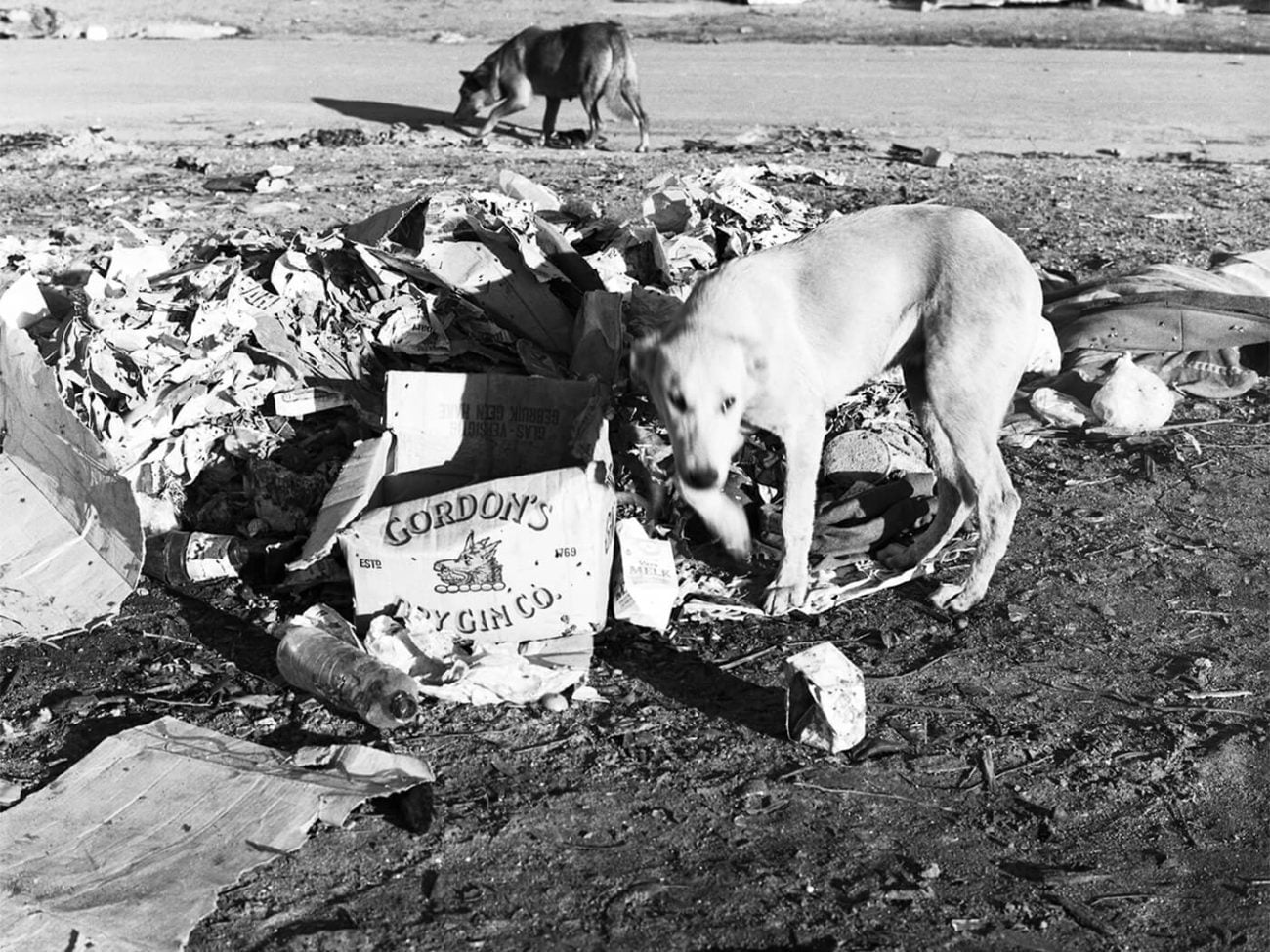
South African photographer Jo Ractliffe discusses her upcoming retrospective at the Jeu de Paume, reflecting on her career path that began during the isolation of the apartheid era. Eschewing traditional photojournalism, Ractliffe developed a singular poetic language focused on landscapes and animals to address the heavy histories of violence, ownership, and displacement in Southern Africa.

Everything you need to know about Henri Matisse, star of the Grand Palais this spring

Tout ce qu’il faut savoir sur Henri Matisse, star du Grand Palais ce printemps

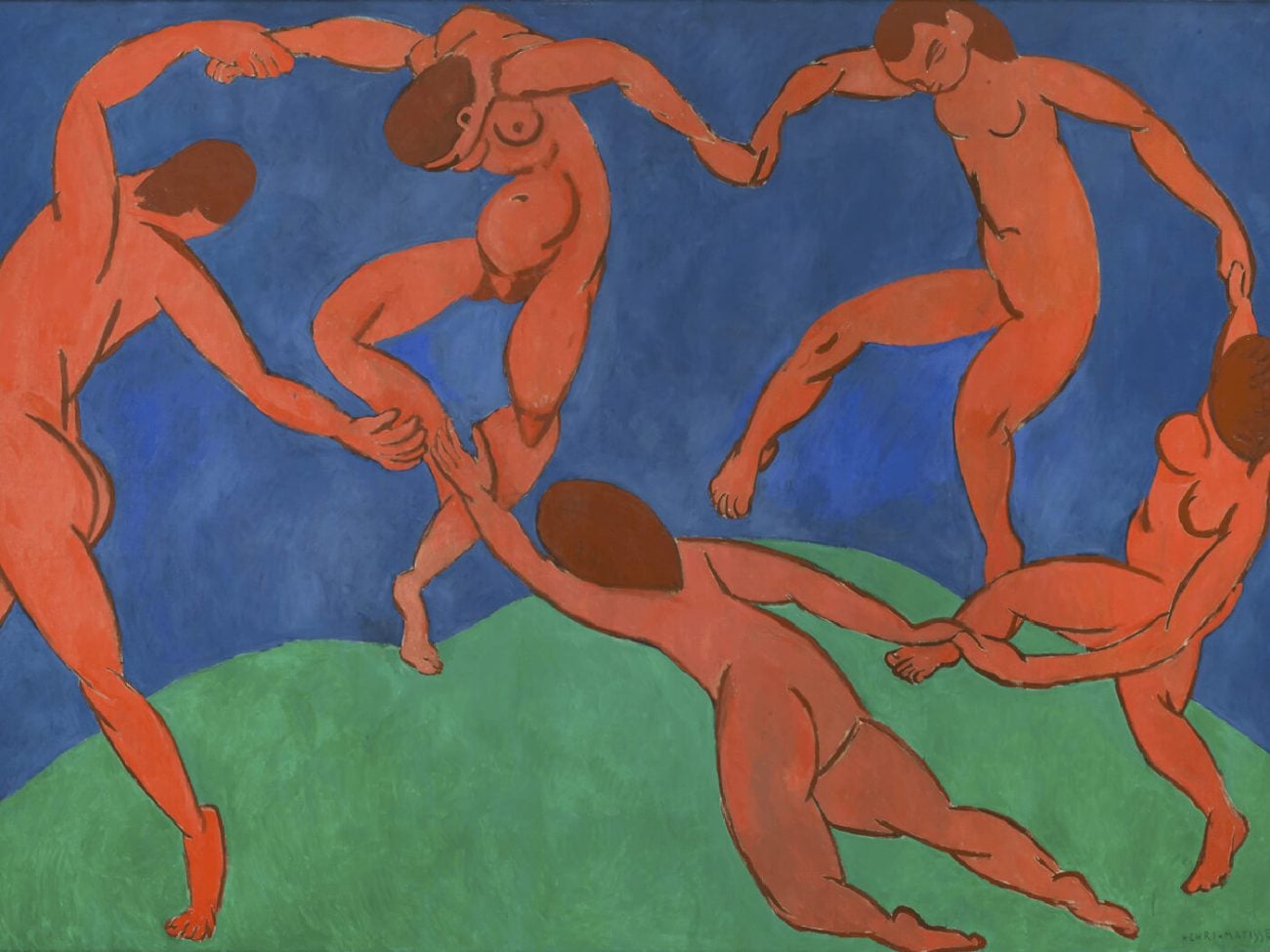
The Grand Palais in Paris is hosting a major retrospective focusing on the final masterpieces of Henri Matisse, the pioneer of Fauvism. The exhibition highlights the artist's late-career reinvention between 1941 and 1954, featuring his innovative gouache cut-outs, illustrated books, and stained glass designs created while he was bedridden in Nice.

The True Story of César's Forger Currently Featured in a Canal+ Documentary Series

L’histoire vraie du faussaire de César actuellement dans une série documentaire sur Canal+

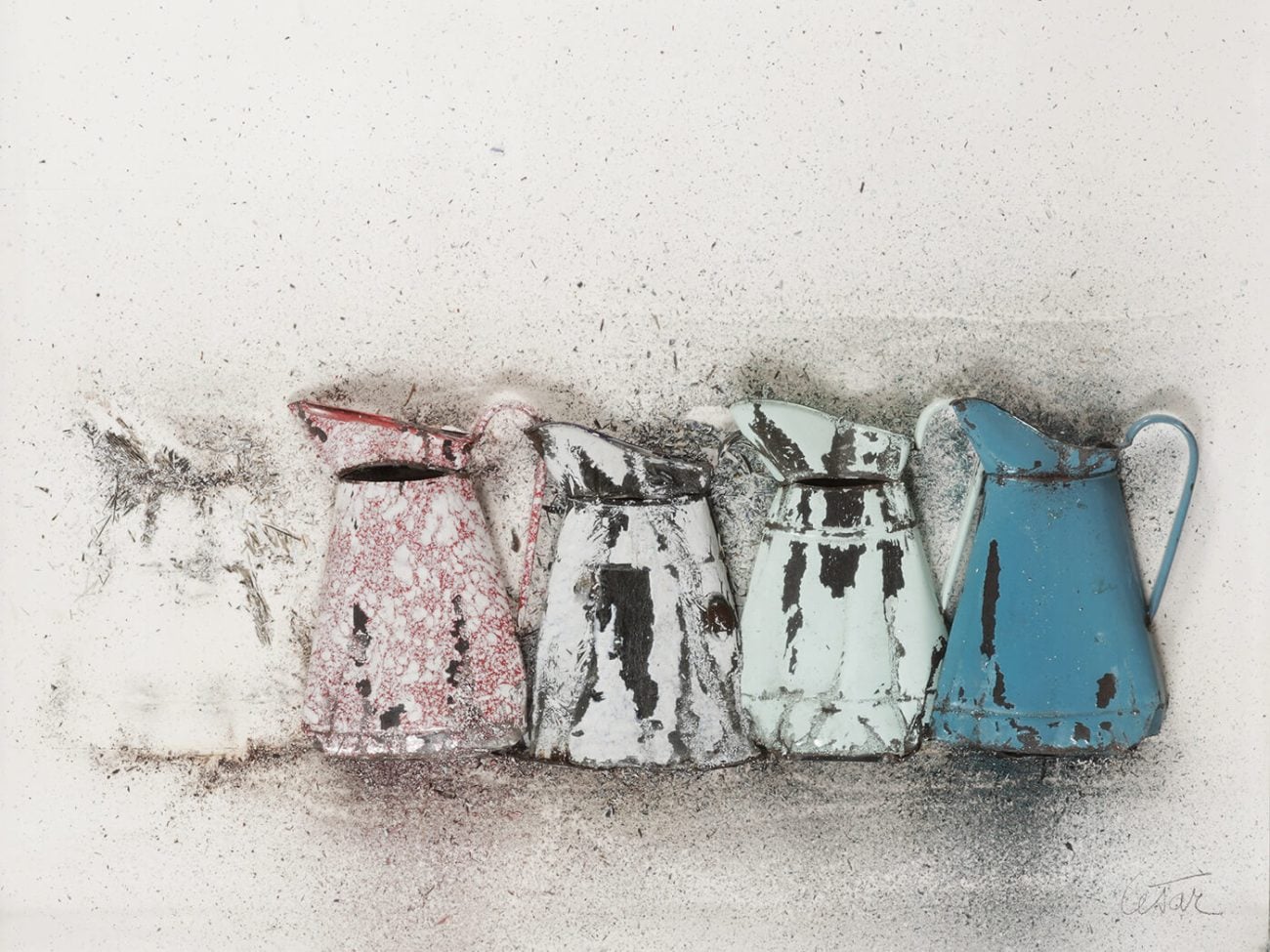
The French documentary series on Canal+ explores the life of Éric Piedoie Le Tiec, a prolific art forger who flooded the market with thousands of fake works. Based in the French Riviera, Le Tiec specialized in creating pieces "in the style of" modern masters like Raoul Dufy and César Baldaccini. Following César's death in 1998, Le Tiec partnered with Jean-Charles Villa to mass-produce fake "compressions" using industrial car crushers, exploiting the artist's rising market value and lack of a definitive catalogue raisonné.

Alexander Calder, Brilliant Sculptor of Air and Color Celebrated at the Fondation Vuitton

Alexander Calder, génial sculpteur de l’air et de la couleur célébré à la fondation Vuitton

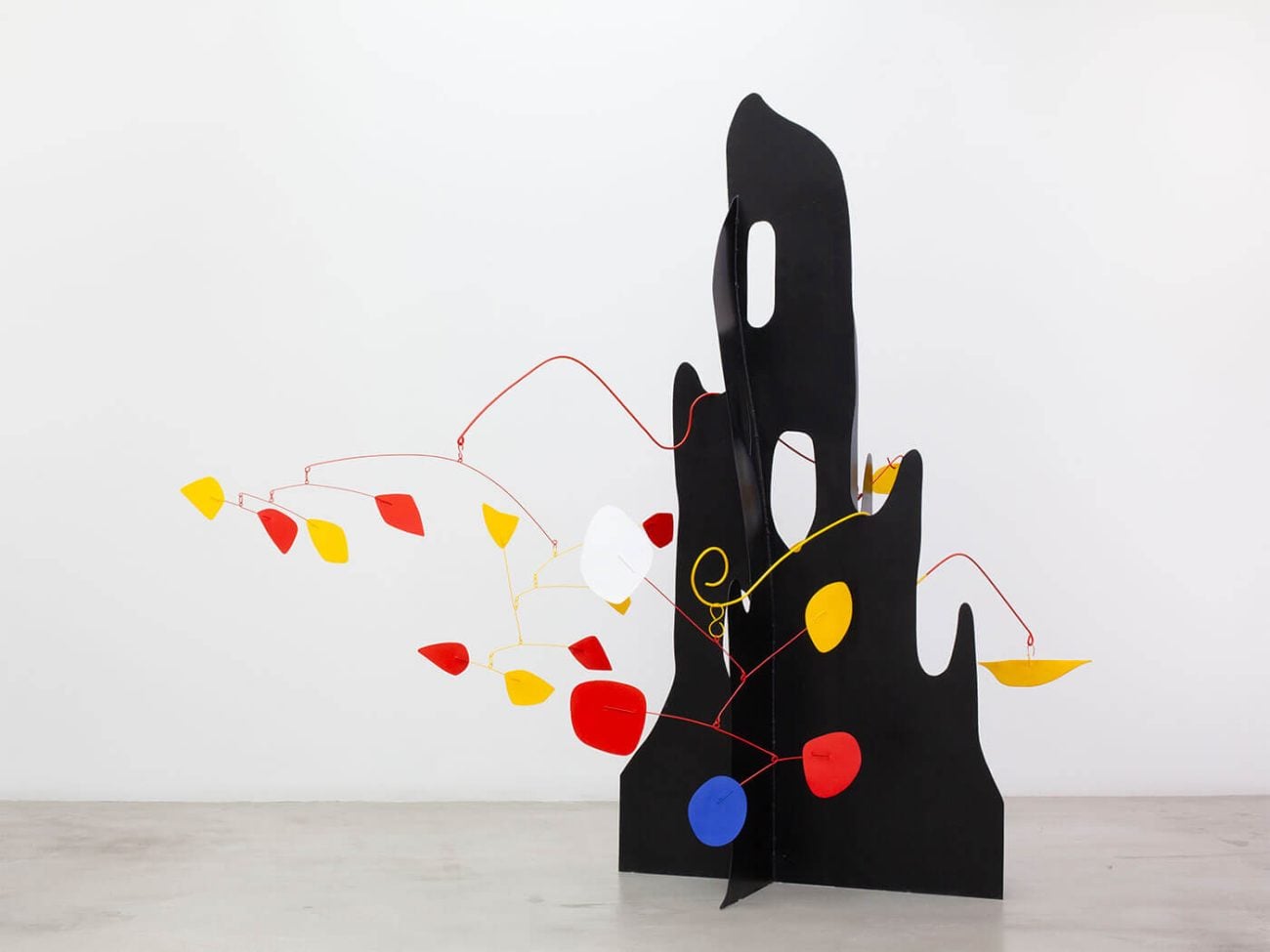
The Fondation Louis Vuitton is hosting a major celebration of Alexander Calder, the American sculptor who revolutionized 20th-century art by introducing movement and play into the medium. The article traces Calder's formative years in Paris starting in 1926, where the young engineer-turned-artist gained avant-garde fame with his 'Cirque Calder'—a miniature circus of wire and fabric figurines. This period marked his transition from traditional painting to his signature 'drawings in space,' featuring wire sculptures of figures like Josephine Baker that projected dancing shadows and captured the kinetic energy of the era.

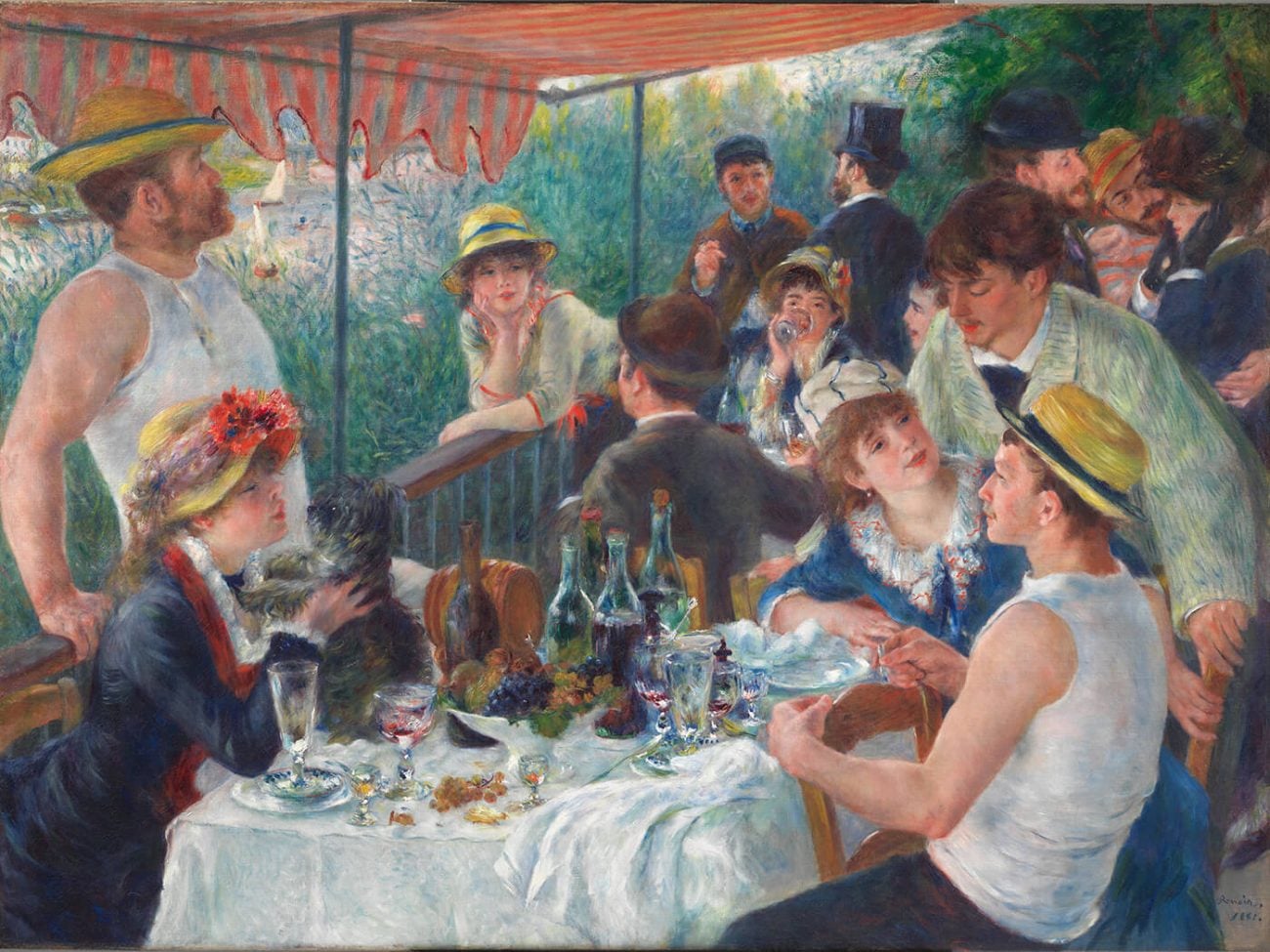
Near Paris, this mythical restaurant transports us into a Renoir masterpiece

Près de Paris, ce mythique restaurant nous transporte dans un chef-d’œuvre de Renoir

The historic Maison Fournaise in Chatou, a legendary riverside restaurant and inn near Paris, has been meticulously restored to its 19th-century glory. Once a central hub for the Impressionist movement, the site served as the specific setting for Pierre-Auguste Renoir’s 1881 masterpiece, "Luncheon of the Boating Party." The restoration, led by the Ludéric group and featuring a menu by Michelin-starred chef Christian Le Squer, coincides with major Renoir exhibitions at the Musée d’Orsay.

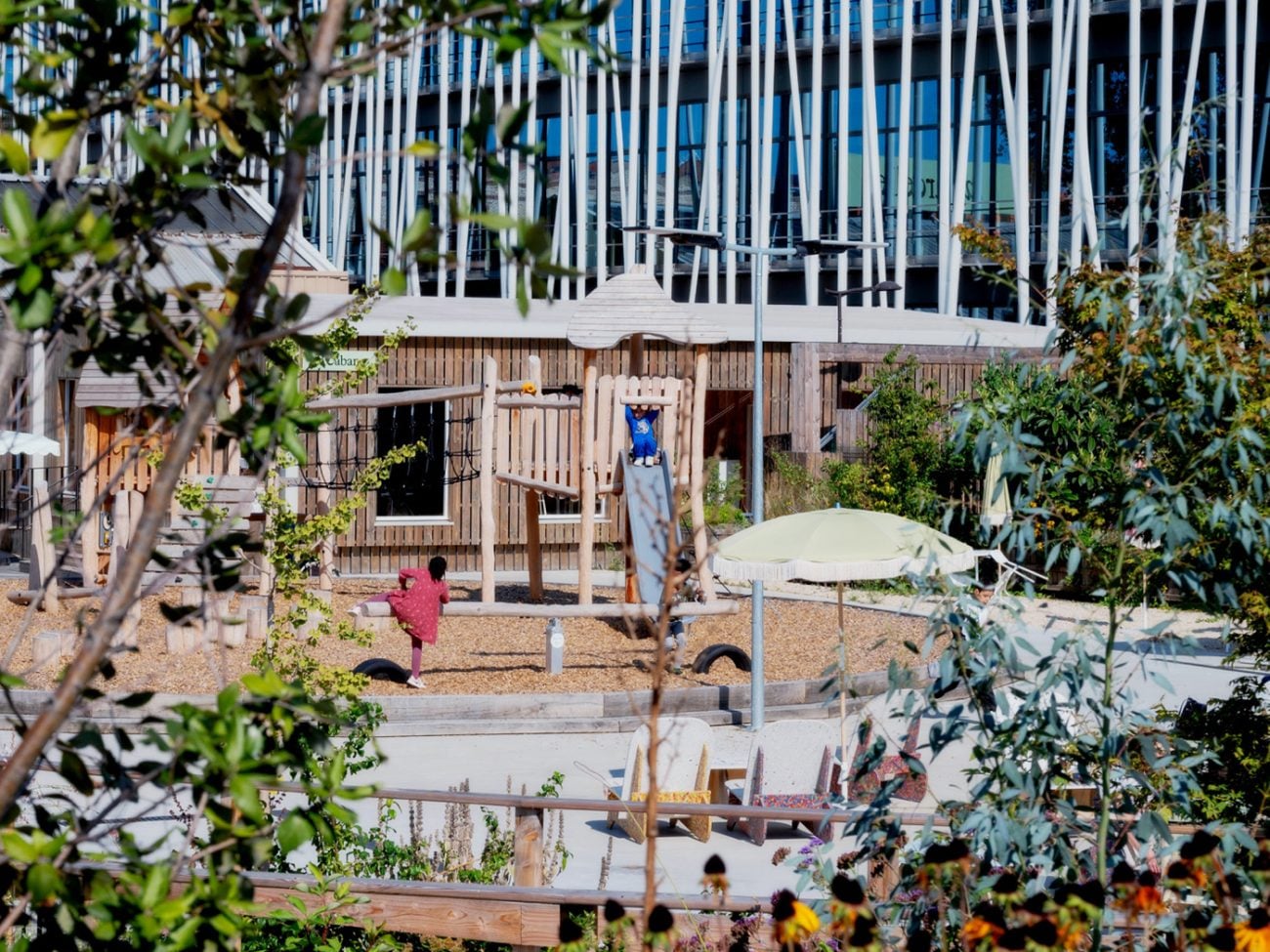
Exhibitions, workshops, festivals… 7 family cultural outings in Paris to grow creativity during the holidays

Expos, ateliers, festivals… 7 sorties culturelles en famille à Paris pour faire pousser la créativité durant les vacances

Paris and the Île-de-France region are hosting a diverse array of family-oriented cultural events for the spring 2026 holiday season. Key highlights include the inauguration of the Manufacture at the Fondation Cartier, a Japanese-themed spring festival at le 19M, and the relocation of the Centre Pompidou’s Studio 13/16 for teenagers to the Gaîté Lyrique. Other notable activities include aerospace-themed workshops at the Musée de l’Air et de l’Espace and the fifth anniversary of the Atelier Rodin.

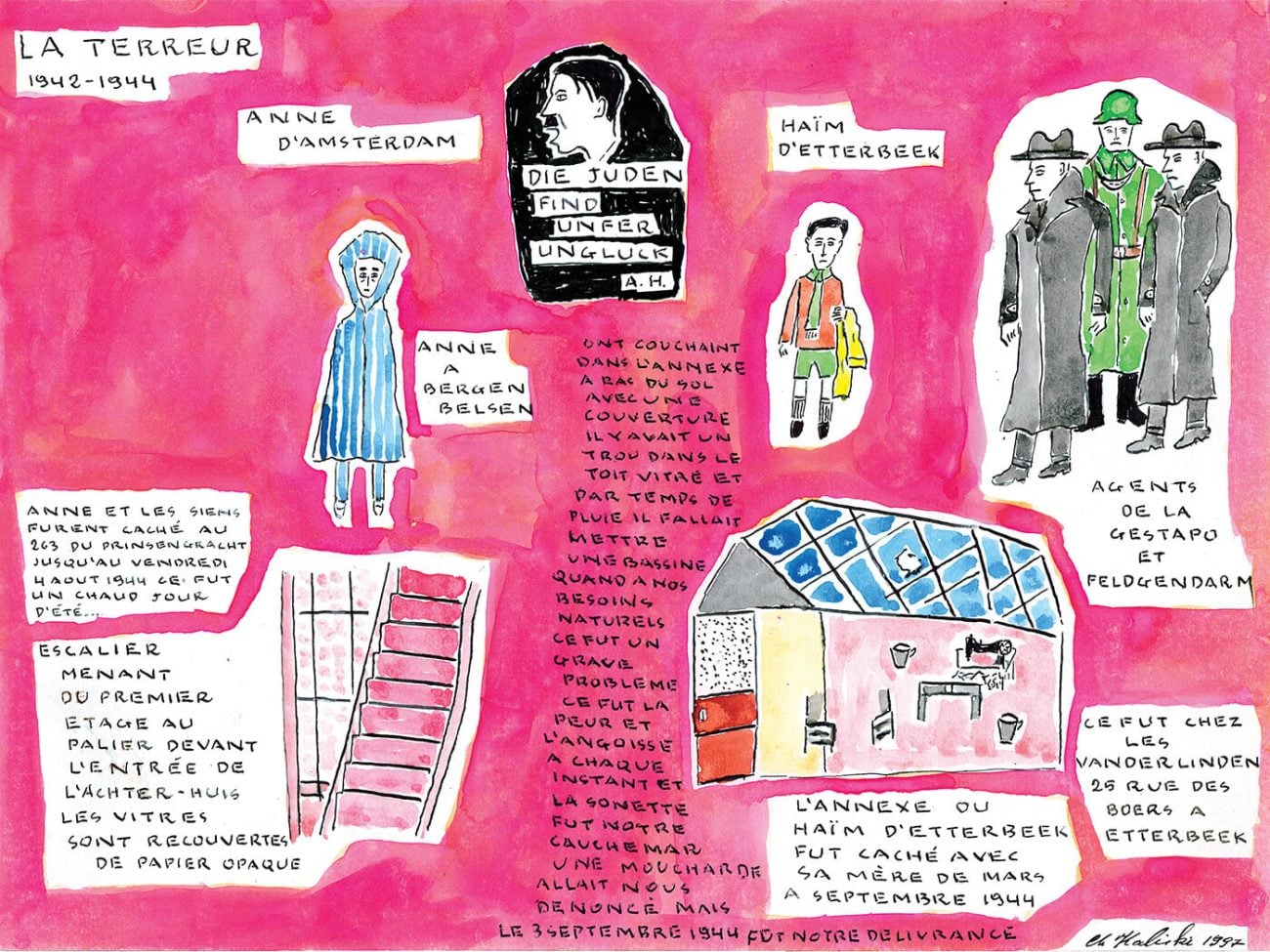
Chaïm Kaliski’s Drawings Haunted by the Shoah Revealed in an Exhibition at mahJ

Les dessins hantés par la Shoah de Chaïm Kaliski se révèlent dans une expo au mahJ

The Musée d’Art et d’Histoire du Judaïsme (mahJ) in Paris is hosting the first monographic exhibition dedicated to Chaïm Kaliski, a Belgian artist who began drawing at the age of 60 to process the trauma of the Holocaust. After his death in 2015, thousands of drawings were discovered in his Brussels apartment, documenting his family's history and the fate of Polish Jews in Belgium. The exhibition features 120 works that blend childlike aesthetics with haunting historical narratives, including poignant depictions of his parents' final moments at Auschwitz.

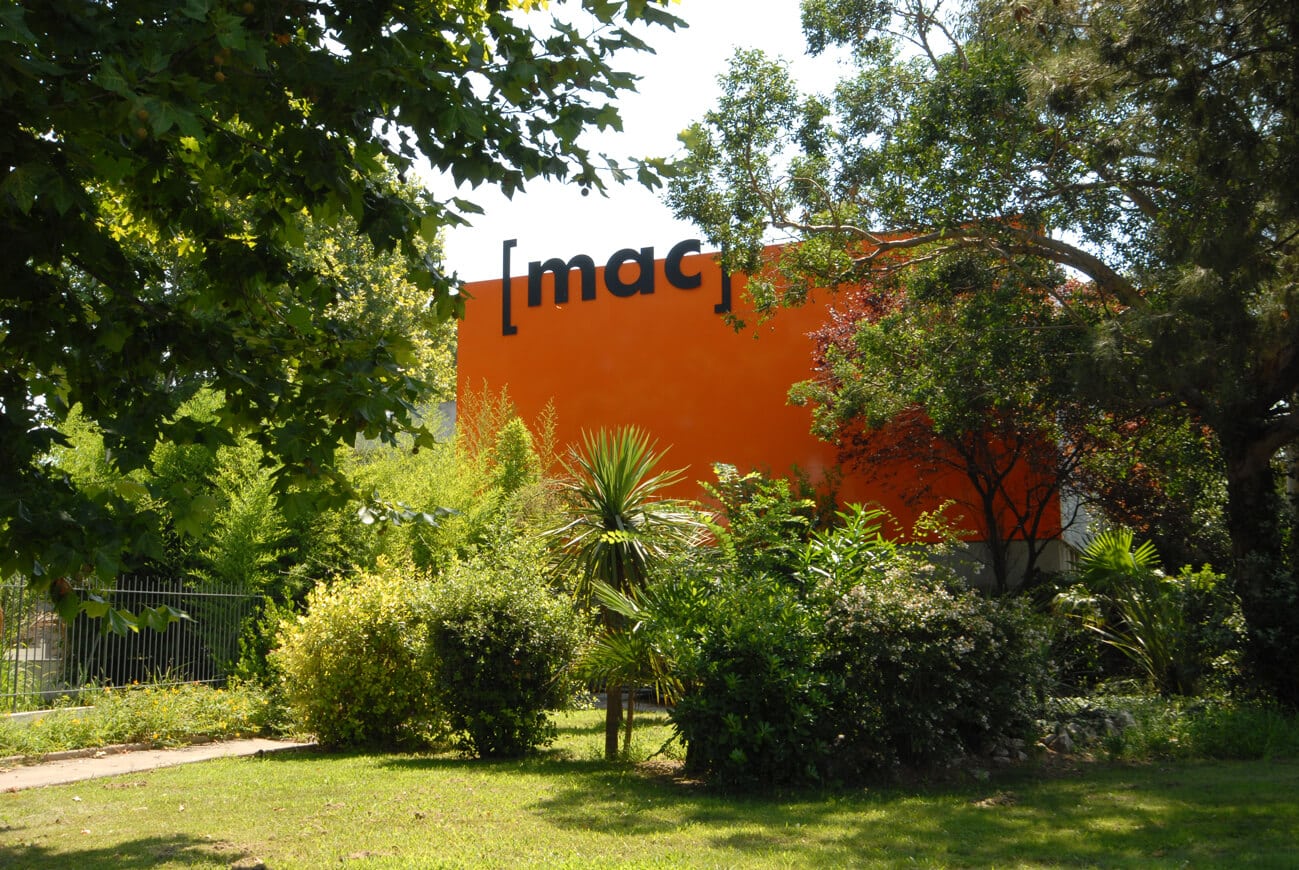
The Beautiful Renaissance of the [mac] in Marseille

La belle renaissance du [mac] à Marseille

The [mac] (Musée d’Art Contemporain) in Marseille is undergoing a significant revival following years of stagnation and underfunding. Under the new leadership of Stéphanie Airaud, who was appointed in 2023, the museum has completed major renovations including updated storage facilities, a new rooftop terrace, and a reorganized gallery layout. The institution is leveraging its impressive but previously underutilized collection of over 1,000 works—featuring masters like Basquiat, Klein, and Saint Phalle—while actively working to correct historical gender imbalances and strengthen ties to Mediterranean contemporary art.