filter_list Showing 1644 results for "PAIN" close Clear
search
dashboard All 1644 museum exhibitions 952article local 277trending_up market 135article culture 93article news 53candle obituary 42rate_review review 39person people 25gavel restitution 18article policy 10
date_range Range Today This Week This Month All
Subscribe

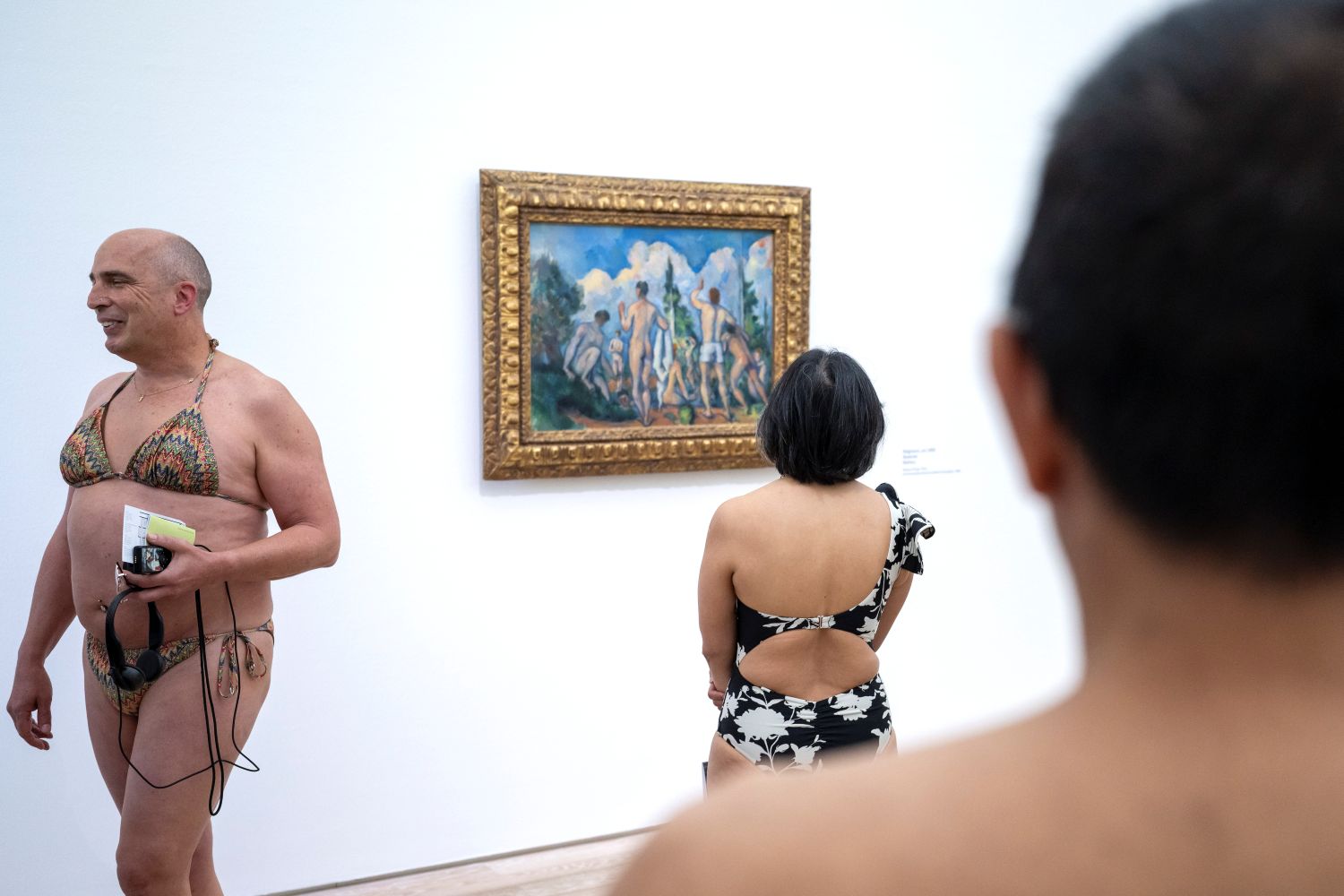
Fondation Beyeler: Freier Eintritt im Bikini

The Fondation Beyeler in Riehen, Switzerland, invited visitors to enter the museum for free if they came wearing swimwear, as part of a "Bathing Day" promotion. The event was inspired by Paul Cézanne, whose famous paintings of bathers are the subject of a current exhibition at the museum. The museum reported strong attendance and stated that the unusual setting brings art and visitors closer together, changing perception and reducing distance.
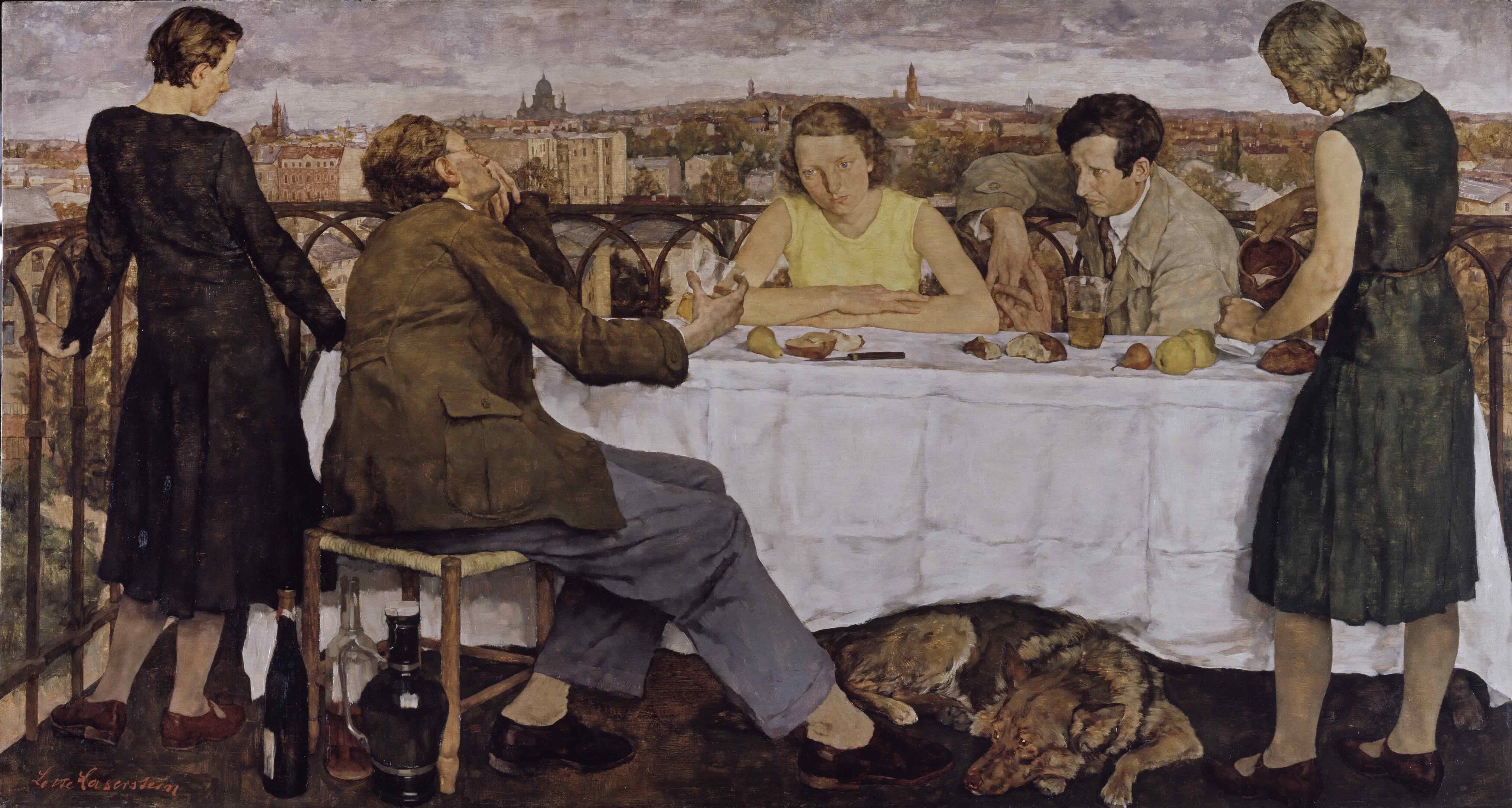
How much Berlin fits on 230 square meters?

Wie viel Berlin passt auf 230 Quadratmeter?

The Neue Nationalgalerie in Berlin has opened a compact exhibition titled "Ruin und Rausch: Berlin 1910–1930," featuring 35 works across just 230 square meters in a side cabinet of the lower floor. The show uses paintings, sculptures, film clips, and audio poems to tell the story of Berlin between World War I and the Nazi takeover, contrasting themes of excess and poverty, emancipation and extremism. It is structured in three chapters: "Berlin im Taumel" (Berlin in Frenzy), "Schatten der Großstadt" (Shadows of the Big City), and "Die Urbane Frau" (The Urban Woman), with works by artists such as Ernst Ludwig Kirchner, Otto Dix, and Otto Nagel.

Bruno Bischofberger, gallerist to Warhol and Basquiat, 1940–2026

Bruno Bischofberger, the influential Swiss gallerist who founded his eponymous gallery in 1963, has died at age 86. He was best known for his decades-long relationship with Andy Warhol, securing right of first refusal on all of Warhol's new works after purchasing eleven early paintings in 1968. Bischofberger also represented Jean-Michel Basquiat internationally from 1982 and gave solo exhibitions to a generation of major artists including Julian Schnabel, David Salle, George Condo, and Francesco Clemente. In 2013, his gallery relocated to a former factory in Männedorf, Switzerland, redeveloped by his daughter and son-in-law.

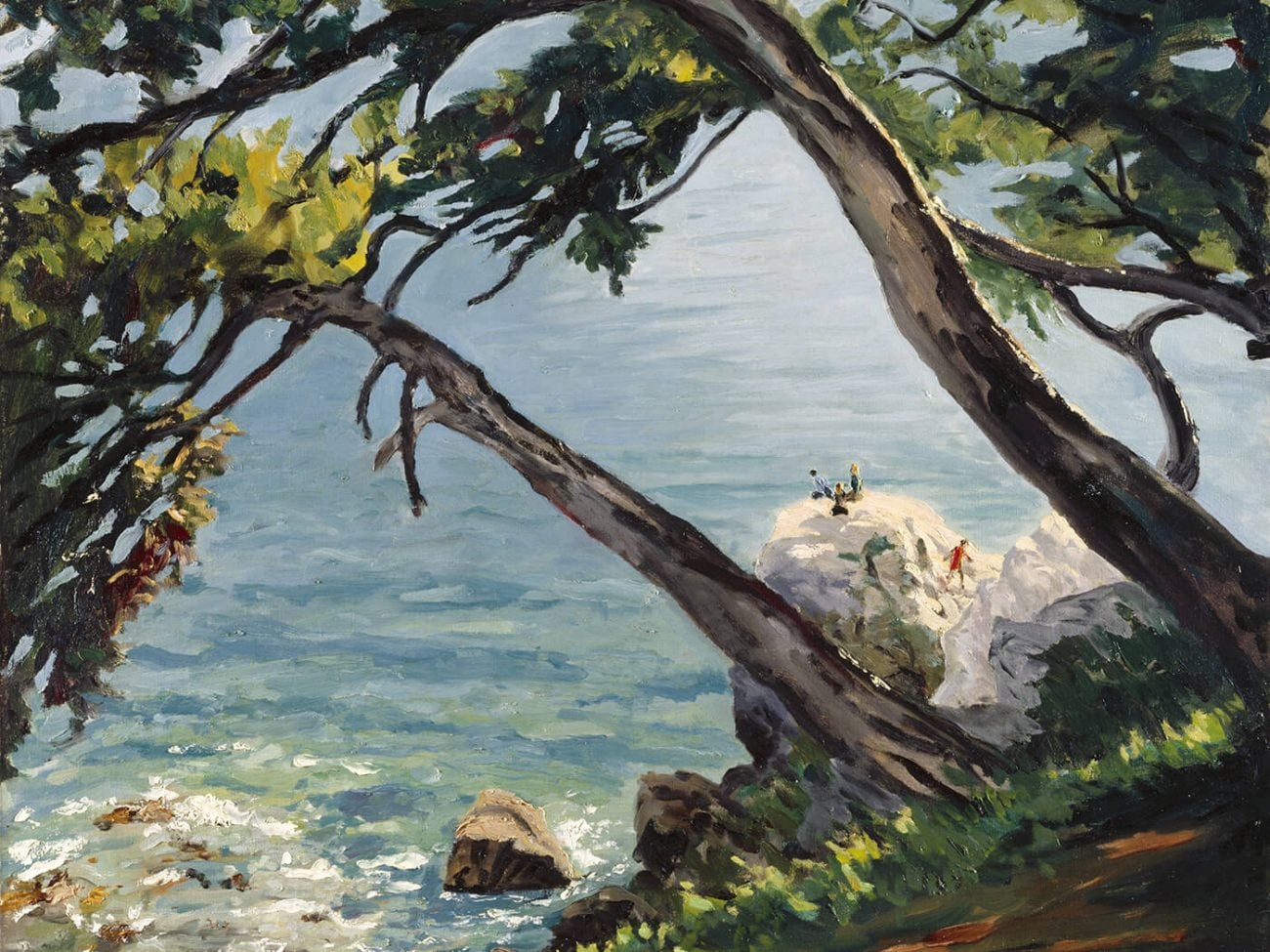
In London, Churchill's astonishing talent as a painter celebrated by an unprecedented retrospective

À Londres, l’étonnant talent de peintre de Churchill célébré par une rétrospective inédite

The Wallace Collection in London is hosting the first major posthumous retrospective of Winston Churchill's paintings, titled "Winston Churchill: The Painter." Running until November 29, 2026, the exhibition features nearly 60 still lifes and landscapes, many from private collections rarely shown publicly. Churchill took up painting in 1915 after the Dardanelles disaster and used art as a therapeutic escape from the pressures of politics and war, producing luminous, impressionistic works inspired by Monet, Cézanne, and Renoir.

What You (Maybe) Didn't Know About Édouard Manet

Ce que vous ne saviez (peut-être) pas sur Édouard Manet

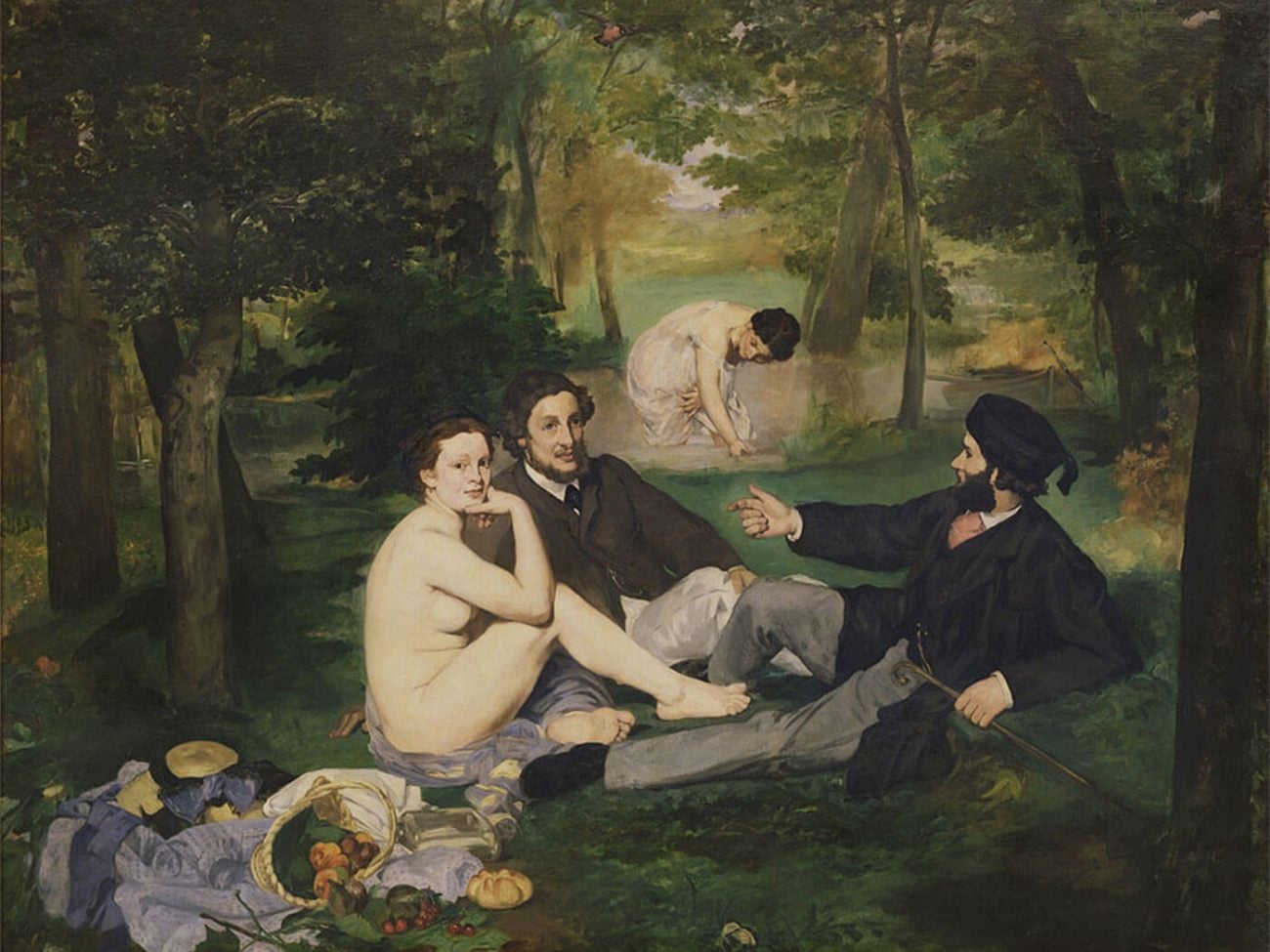
Édouard Manet (1832–1883), a pivotal figure bridging realism and impressionism, is the subject of a feature article in Beaux Arts Magazine. The piece explores lesser-known aspects of his life and career, including his near-miss as a naval officer, his rivalry with Gustave Courbet, his refusal to join the impressionist exhibitions despite close ties to the movement, and his deep fascination with Spanish culture. It highlights his scandalous works like *Le Déjeuner sur l'herbe* (1863) and *Olympia*, the latter entering the Louvre after a subscription launched by Claude Monet in 1889.

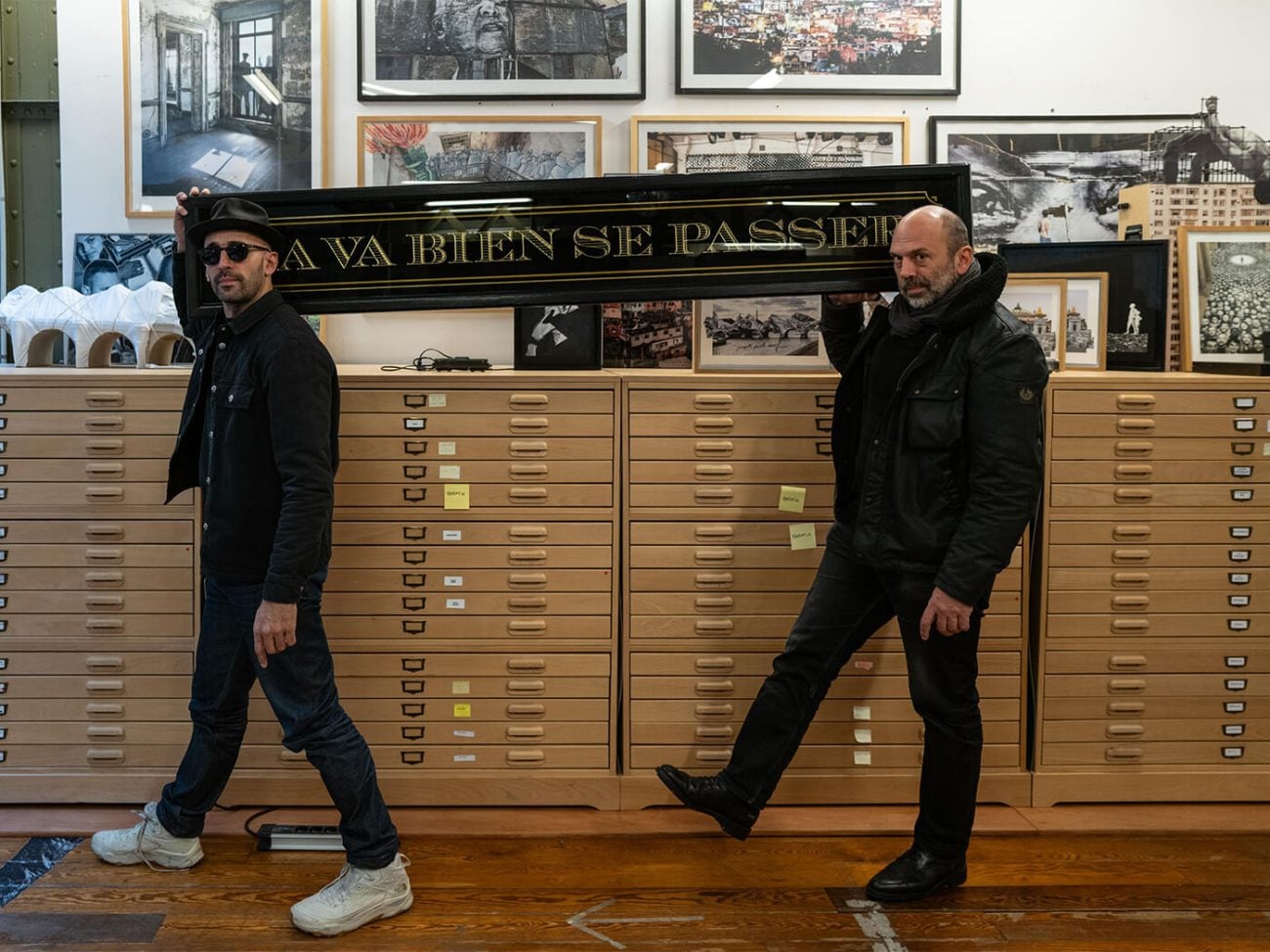
JR: 'Reflecting on the cave is to look at our deep humanity, our origins, art in general'

JR : « Réfléchir à la caverne, c’est se pencher sur notre humanité profonde, sur nos origines, sur l’art en général »

French artist JR is transforming the Pont-Neuf in Paris into a giant inflatable cave structure, titled "La Caverne du Pont-Neuf," set to debut on May 23, 2026. The project, conceived with producer Vladimir Yavachev, pays homage to Christo and Jeanne-Claude's 1985 wrapped Pont-Neuf, using inflatable techniques inspired by Christo's unrealized designs. JR's team built a prototype in a hangar at Orly, and the work involves complex permissions from the French president, the Paris mayor, and local authorities.

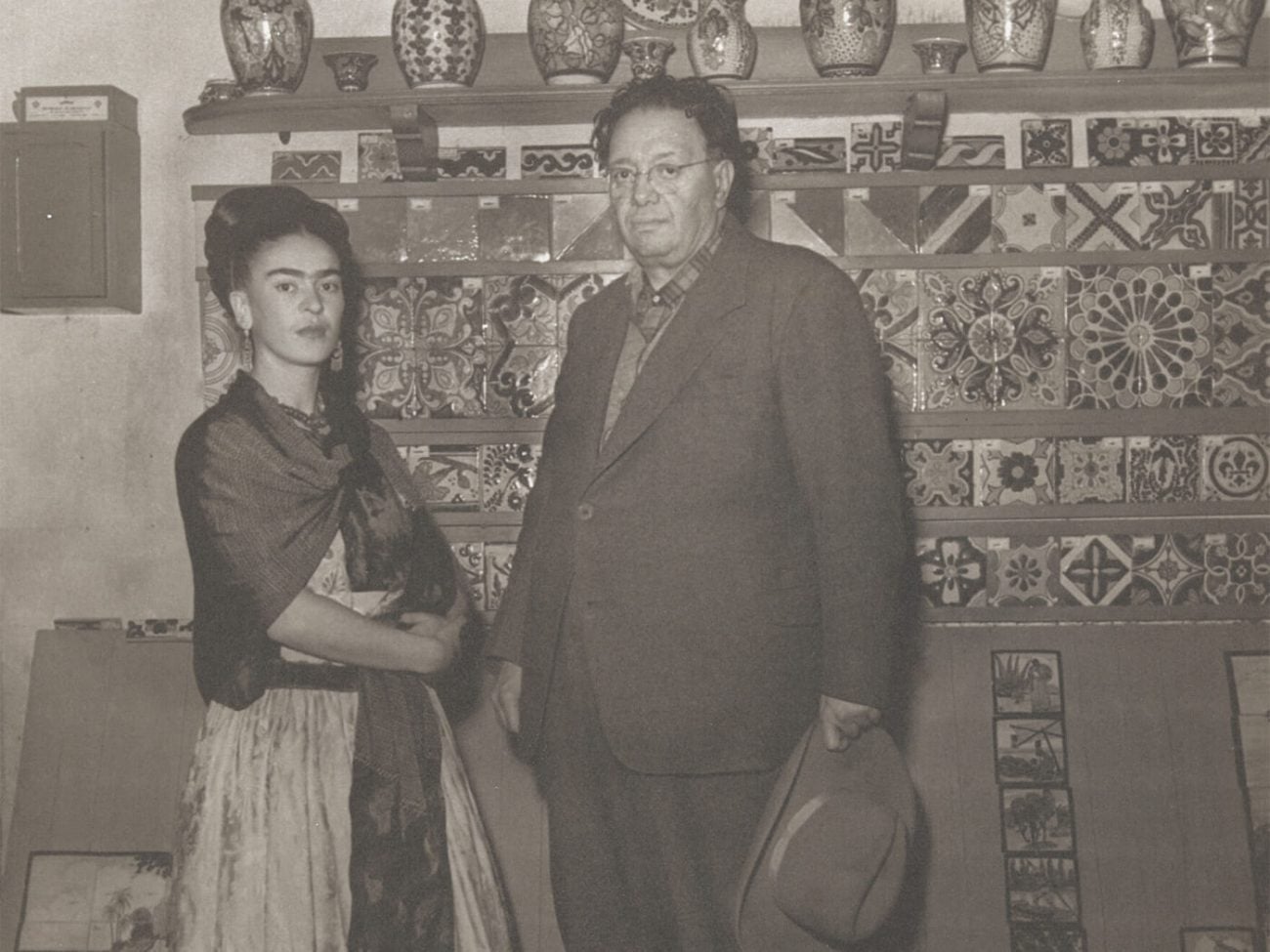
Frida Kahlo and Diego Rivera at MoMA in New York in a Passionate Theatrical Dialogue

Frida Kahlo et Diego Rivera au MoMA de New York dans un dialogue théâtral plein d’ardeur

The Museum of Modern Art (MoMA) in New York has opened a theatrical exhibition titled "Frida and Diego: The Last Dream," curated by Beverly Adams, the museum's curator of Latin American art. The show features around twenty paintings and drawings by Frida Kahlo and Diego Rivera from MoMA's collection, alongside photographic portraits. The exhibition's dramatic staging, designed by British set designer Jon Bausor—who also worked on the Metropolitan Opera's concurrent production of "El Último Sueño de Frida y Diego"—creates a tense dialogue between the artists' contrasting styles: Rivera's political murals and Kahlo's intimate, colorful self-portraits. Highlights include Kahlo's "Self-Portrait with Cropped Hair" (1940) and Rivera's "Zapata, Agricultural Leader" (1931).

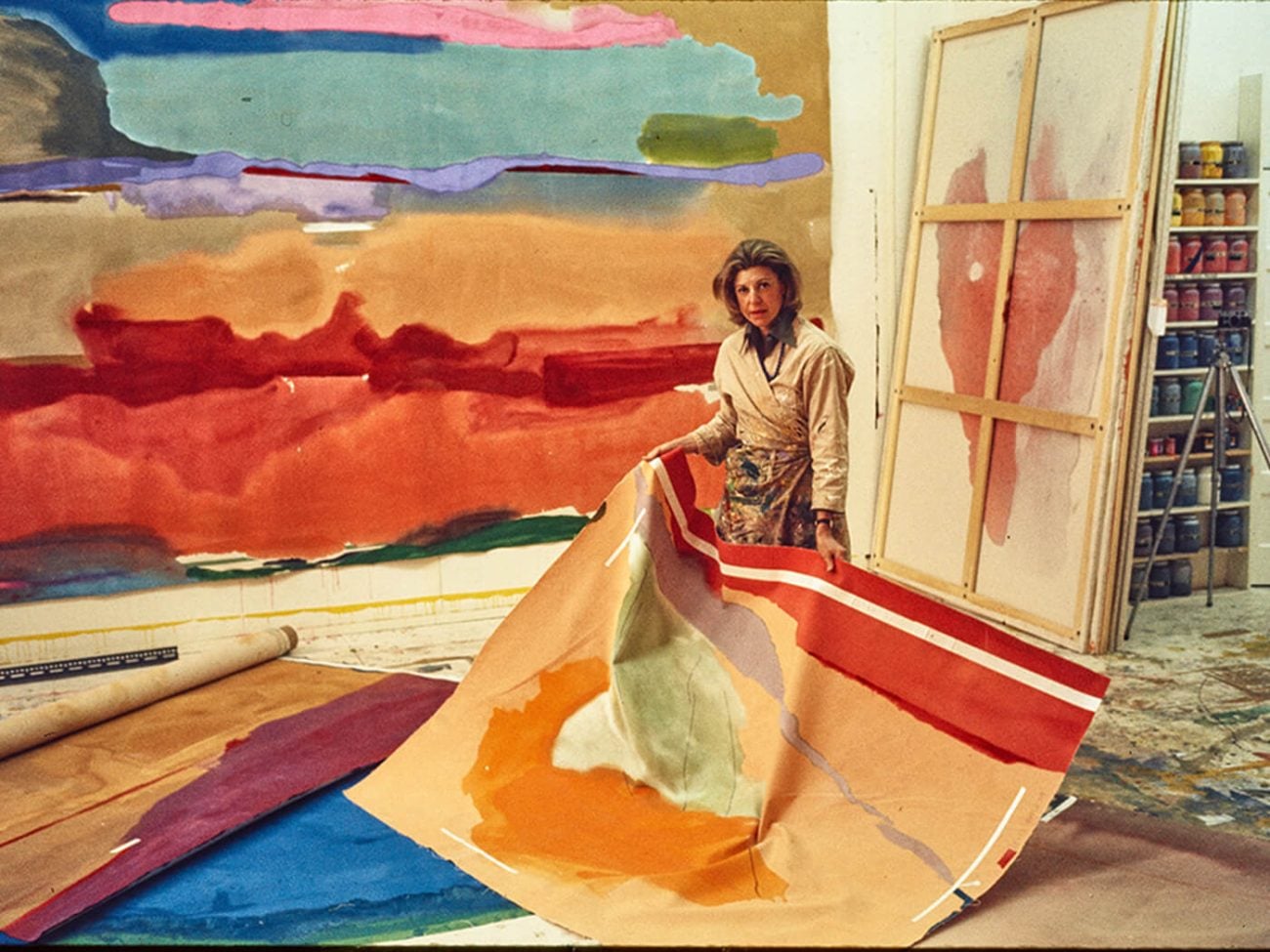
In Basel, a Dive into the Great Bath of Colors of Helen Frankenthaler

À Bâle, plongée dans le grand bain de couleurs d’Helen Frankenthaler

The Kunstmuseum Basel has opened a major retrospective of American painter Helen Frankenthaler (1928–2011), a key figure in Color Field painting who is less known in Europe than her contemporaries Jackson Pollock and Mark Rothko. The exhibition was sparked by a 2024 donation of Frankenthaler's 1963 painting "Riverhead" from the Helen Frankenthaler Foundation, and features around fifty works showcasing her signature soak-stain technique, in which she applied thinned paint to unprimed canvas using sponges, brooms, and scrapers. The show traces her career chronologically, highlighting influences from Old Masters and her physical approach to painting on the floor.

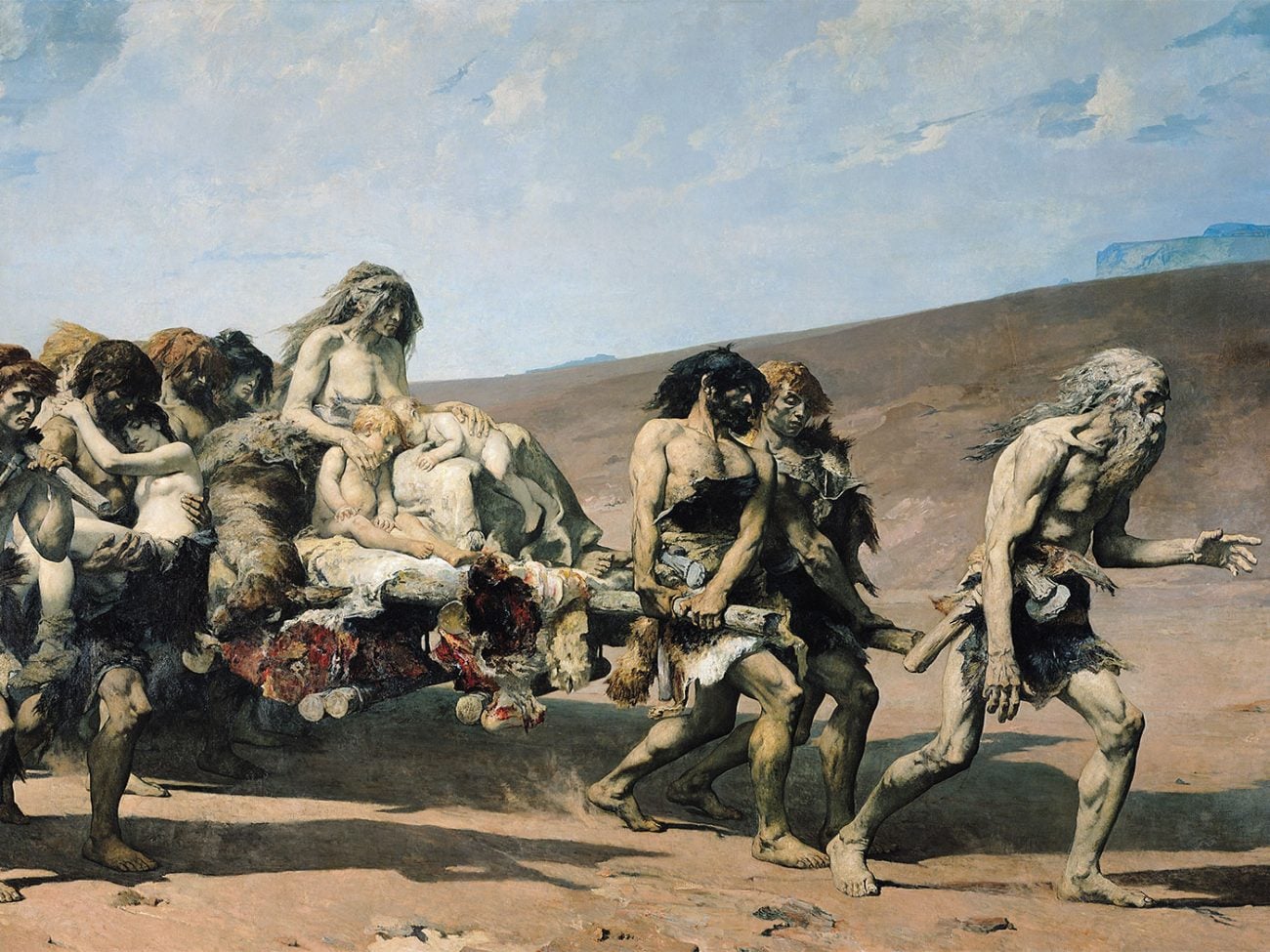
« Caïn » de Fernand Cormon : aux origines de la conscience humaine ?

Beaux Arts Magazine analyzes Fernand Cormon's monumental 1880 painting "Caïn," currently held at the Musée d'Orsay. The article describes the scene: a prehistoric, weary clan trudges through a desert, led by a haggard patriarch, with a tired mother on a litter and hunters carrying game. Cormon's work is presented as the antithesis of classical triumph, evoking a melancholic, post-traumatic atmosphere. The painting is linked to the biblical story of Cain, who killed his brother Abel and was condemned to exile, and is accompanied by verses from Victor Hugo's poem "Conscience."

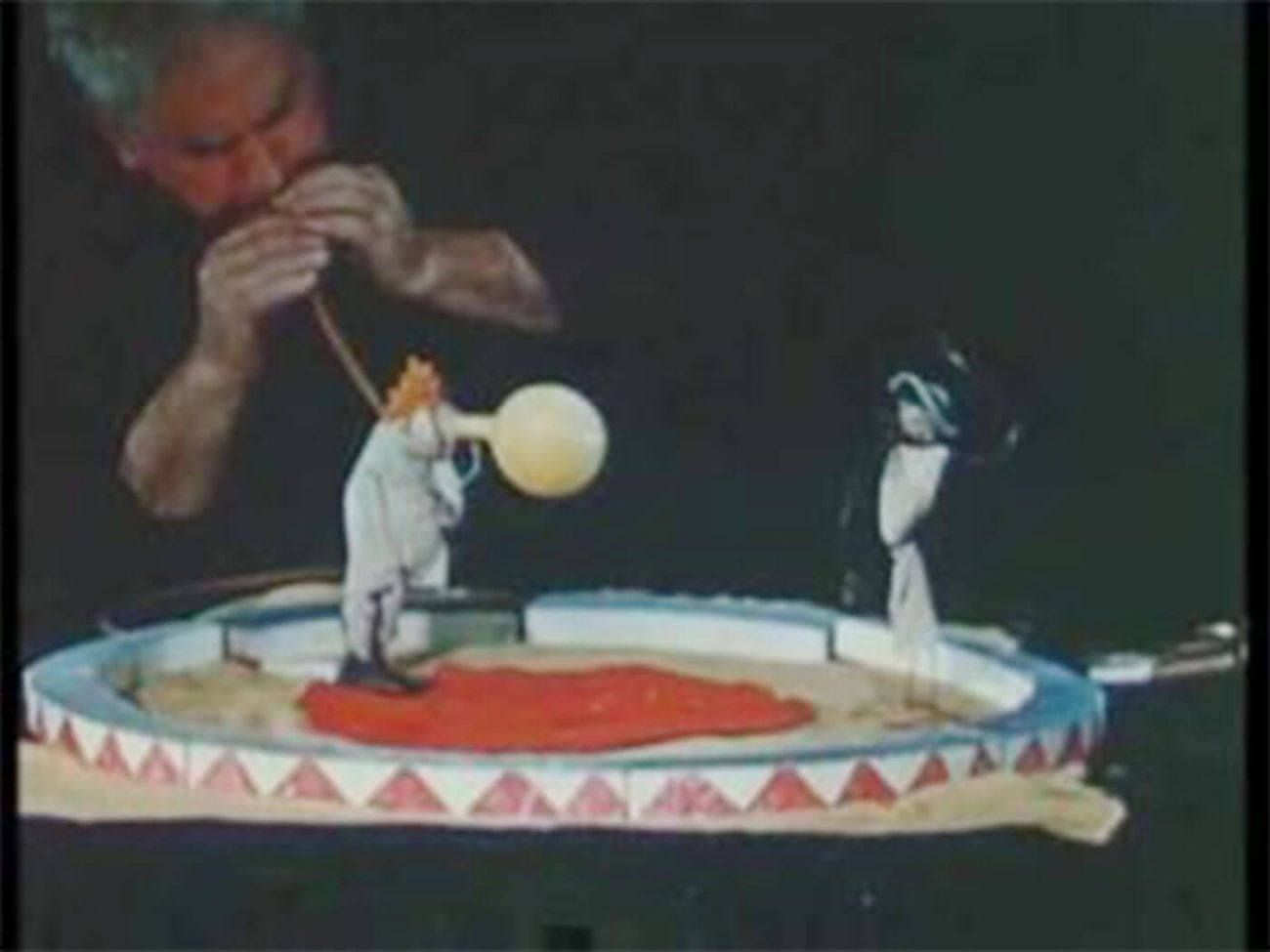
In 1955, Calder brings his famous 'Cirque' to life in front of Jean Painlevé's camera

En 1955, Calder active son célèbre « Cirque » face à la caméra de Jean Painlevé

A 1955 film by Jean Painlevé captures Alexander Calder performing his famous "Cirque" (Circus), a handmade miniature circus he created between 1926 and 1931 in Paris. The film shows Calder manipulating fragile wire-and-wood figures—weightlifters, trapeze artists, clowns, and dancers—while a gramophone plays. The work, now preserved at the Whitney Museum of New York, is on loan for a major Calder retrospective at the Fondation Louis Vuitton in Paris (April 15–August 16, 2026). Painlevé's film is also the subject of a concurrent exhibition at the Musée de Pont-Aven (February 7–May 31, 2026).

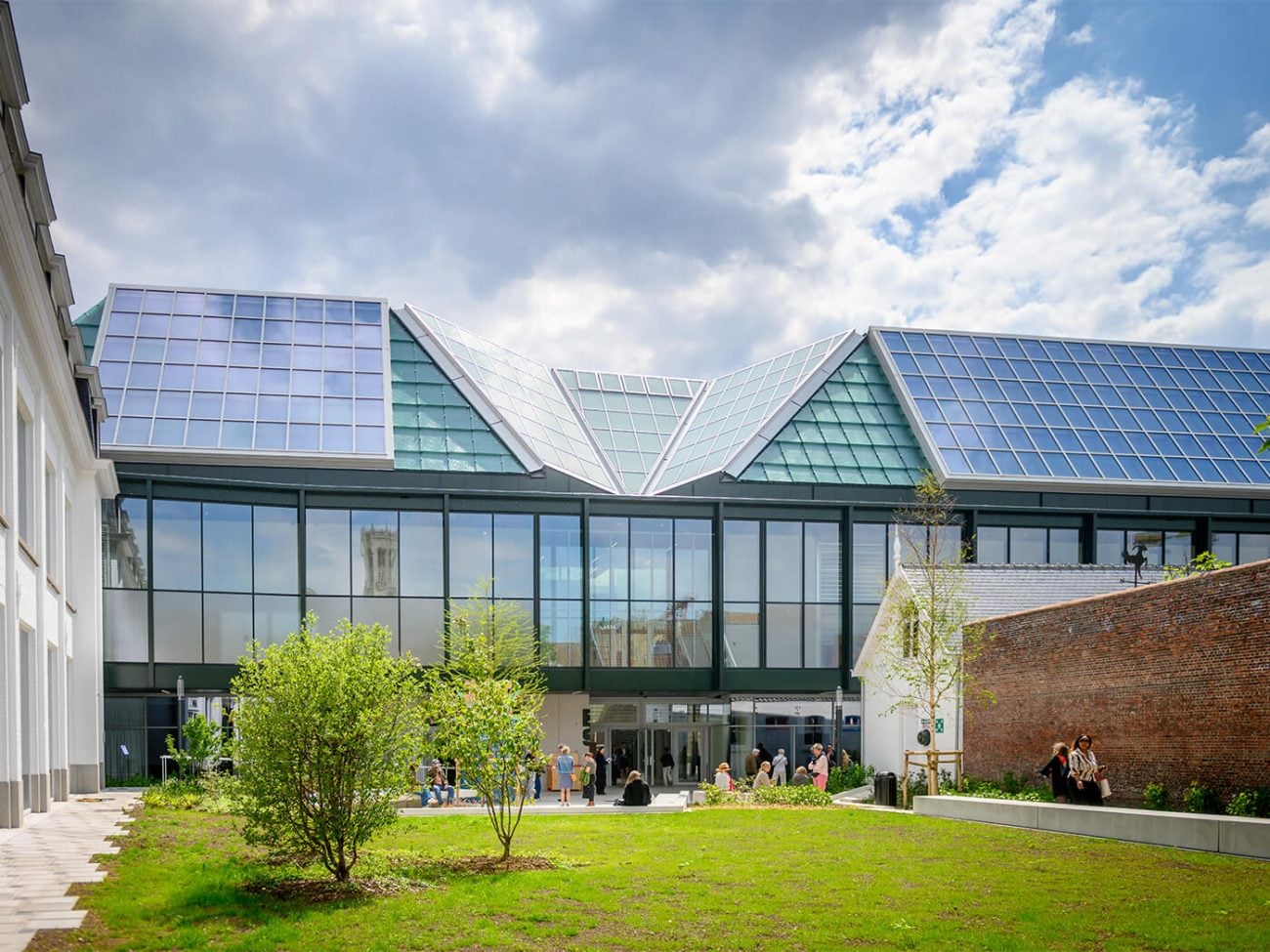
New Art Center and Hidden Gems: A Weekend Full of Surprises in Bruges

Nouveau centre d’art et pépites cachées : un week-end plein de surprises à Bruges

Bruges, the Flemish city known for its medieval charm and UNESCO World Heritage status, has inaugurated a new art center called BRUSK in spring 2026. Located in the museum district, the building designed by Robbrecht en Daem and Olivier Salens features a monumental 350-square-meter fresco by French artist Laure Prouvost titled "The Whispering Walls Rêve," which references the city's past and present. The center also includes a conservation and research facility, with free access to the ground floor. The article proposes a weekend itinerary starting at the Grand-Place (Markt) and highlights Bruges as a hub for contemporary creation alongside its historic treasures.

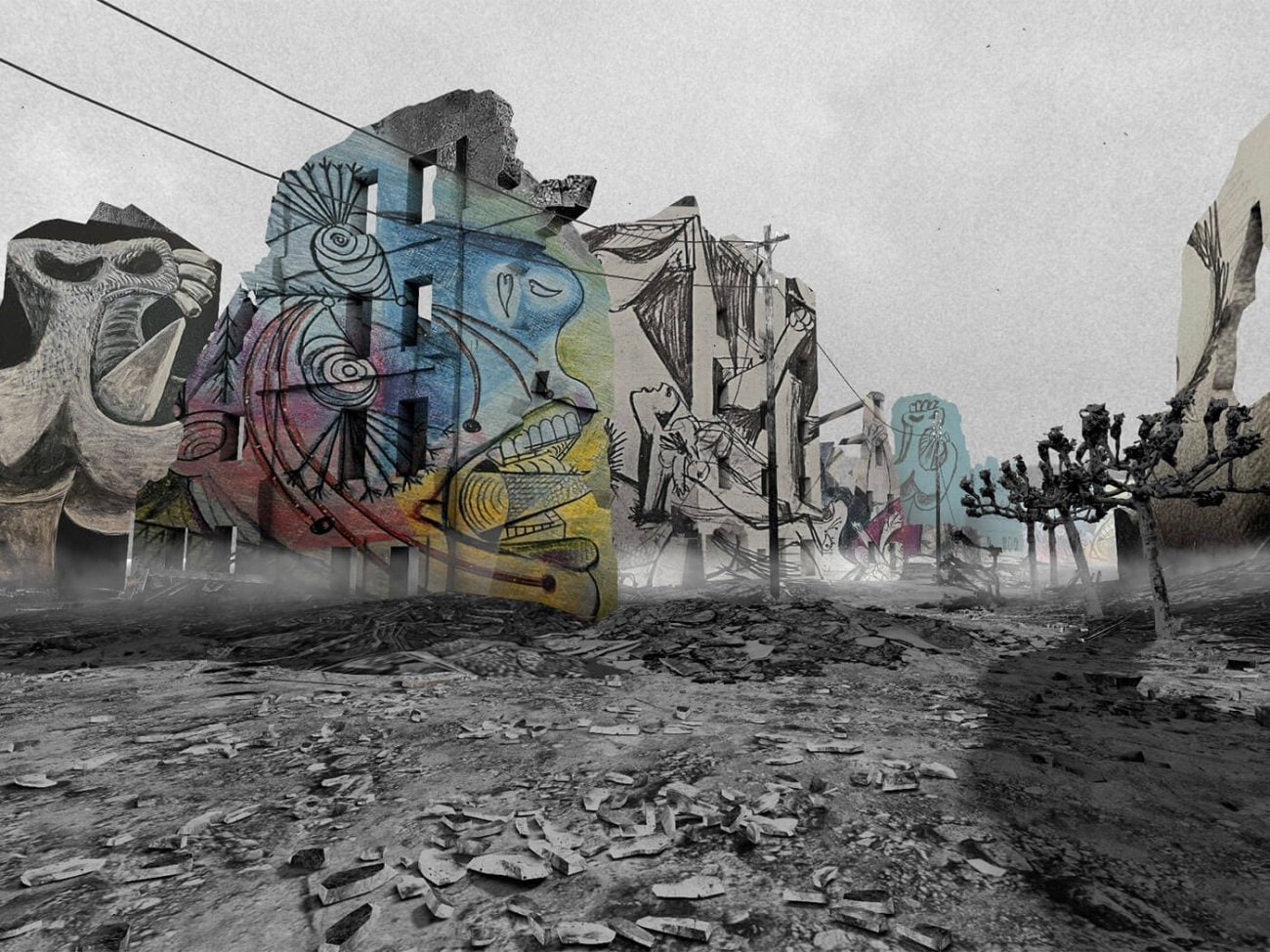
The fate of 'Guernica', a political icon born under bombs, traced in virtual reality at the Musée Picasso

Le destin de « Guernica », icône politique née sous les bombes, retracé en réalité virtuelle au musée Picasso

The Musée Picasso-Paris is launching a virtual reality experience that traces the epic journey of Pablo Picasso's "Guernica," one of the most iconic political paintings of the 20th century. Guided by the voices of writer Juan Larrea and photographer Dora Maar, visitors are transported to Picasso's Paris studio and the bombed ruins of Gernika, reliving the creation of the masterpiece commissioned for the Spanish Republic's pavilion at the 1937 International Exposition in Paris. The VR experience covers the painting's genesis, its global tour, and its eventual exile at MoMA in New York until 1981.

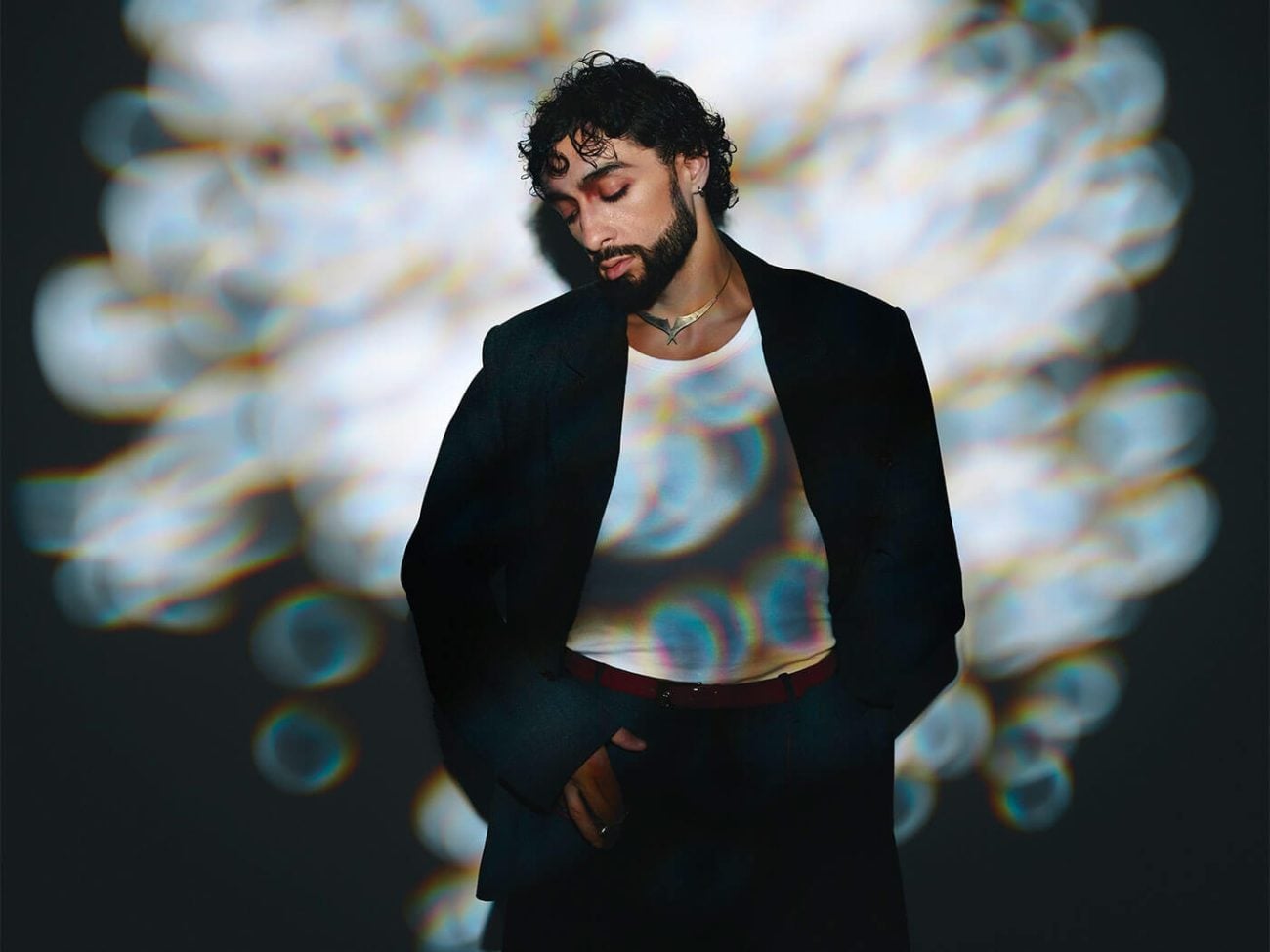
Sofiane Pamart: 'With my piano, I sculpt sound matter'

Sofiane Pamart : « Avec mon piano, je sculpte la matière sonore »

French pianist Sofiane Pamart discusses his creative process in an interview with Beaux Arts Magazine, explaining how his music is inspired by contemplative cinema, particularly the films of Takeshi Kitano and Wong Kar-wai. He describes his approach to composition as sculpting sound, drawing parallels to impressionist painting and the works of sculptors Auguste Rodin and Camille Claudel. Pamart also expresses a preference for art that interacts with nature, citing the open-air museum of sculptor Anachar Basbous in Lebanon as an example.

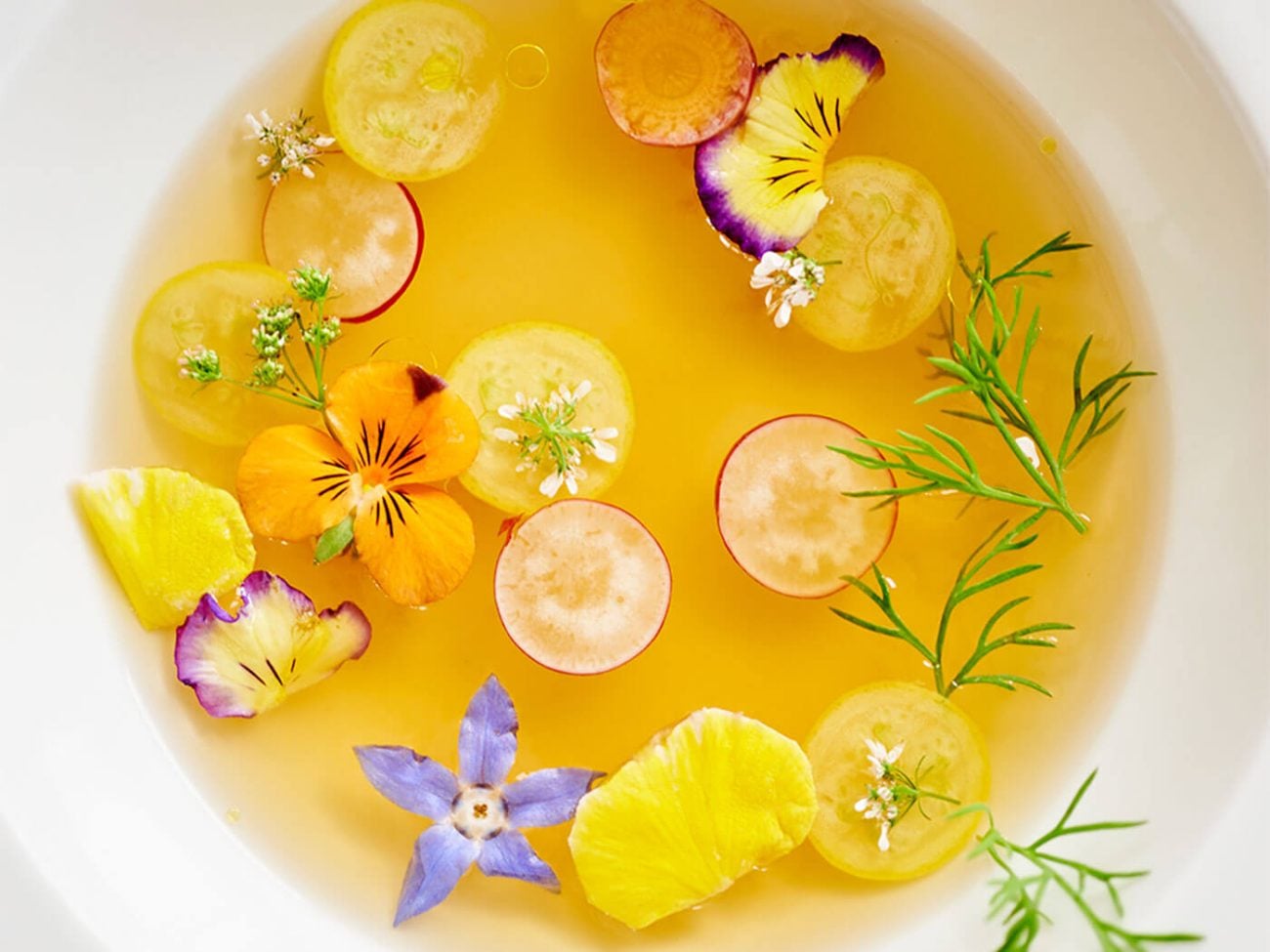
Alain Passard's Art Recipe: Monet's Sublime 'Water Lilies' Invade the Plate

La recette d’art d’Alain Passard : les sublimes « Nymphéas » de Monet s’invitent dans l’assiette

Chef Alain Passard shares a recipe inspired by Claude Monet's "Nymphéas" (Water Lilies) series, connecting the painter's obsessive depictions of his Giverny water garden to a spring consommé decorated with flower petals. The article recounts Monet's move to Giverny in 1883, his creation of a water garden, and his decades-long focus on painting the pond's surface, light, and reflections—culminating in the immersive panoramic panels gifted to France in 1918 and now housed at the Musée de l'Orangerie in Paris.

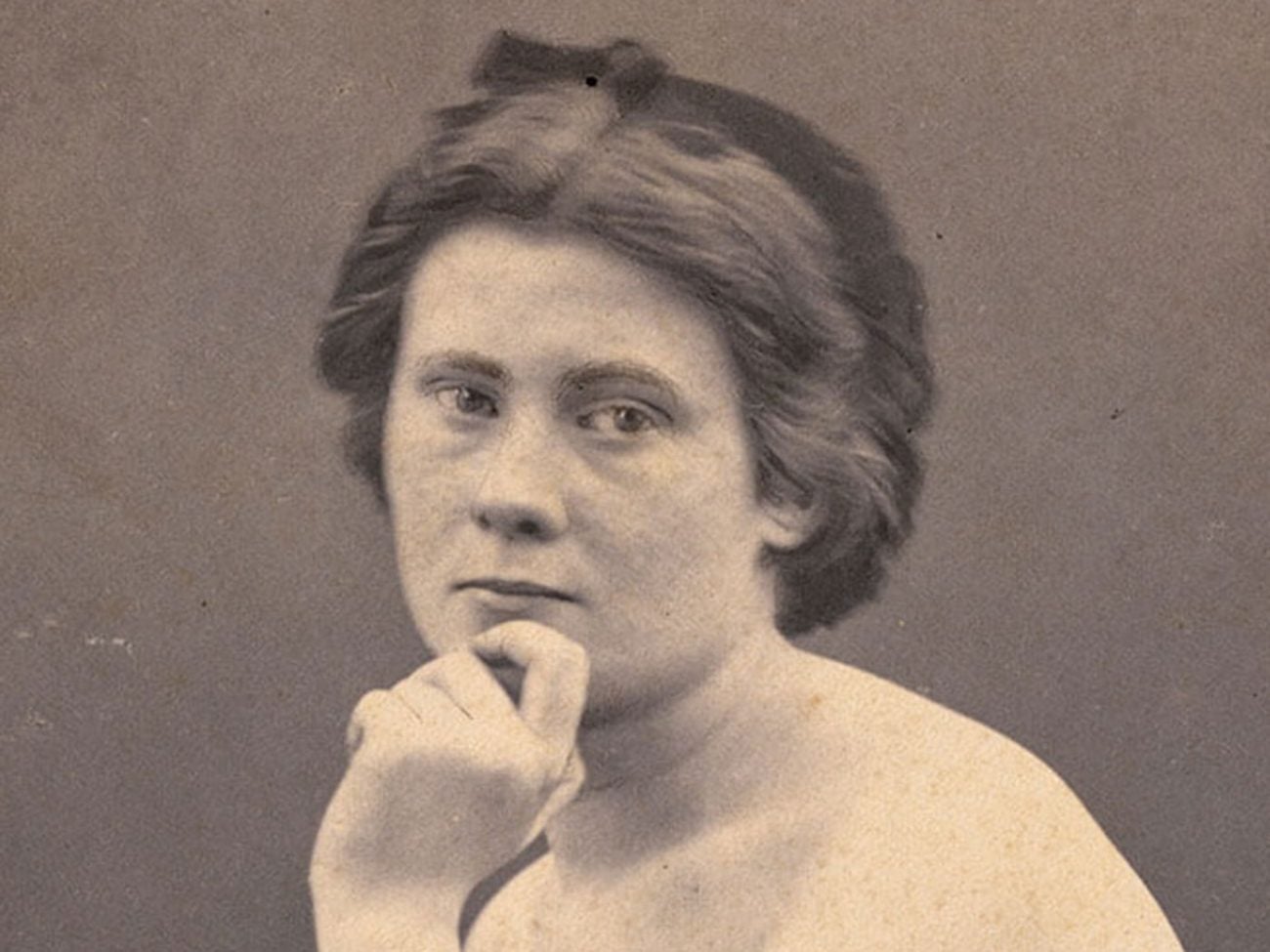
Photographs of Victorine Meurent who posed for 'Le Déjeuner sur l'herbe' discovered by chance in Grenoble

Les photos de Victorine Meurent qui ont servi de modèle au « Déjeuner sur l’herbe » retrouvées par hasard à Grenoble

A chance discovery at the Musée de Grenoble has unearthed two previously unknown photographs of Victorine Meurent, the favorite model of Édouard Manet, taken by Gaudenzio Marconi in 1863. Art historian Laure Boyer, while researching a different subject, recognized Meurent in the images and realized they directly served as studies for Manet's iconic paintings *Le Déjeuner sur l'herbe* and *Olympia*. The photographs show Meurent in poses nearly identical to the figures in both works, with only the orientation reversed in one case and facial expressions swapped between the two paintings.

Au musée Marmottan Monet, la peinture de Giovanni Segantini hisse la modernité au sommet des Alpes

The Musée Marmottan Monet in Paris is hosting the first retrospective in France of Giovanni Segantini (1858–1899), a major but little-known figure of Symbolism. The exhibition traces his career through the lens of his geographical ascent into the Alps, from his early success with "Ave Maria à la traversée" (1886–1888) to his final triptych "La Vie, La Nature, La Mort," which he was working on when he died at age 41. Segantini's divisionist technique, which Vassily Kandinsky considered a precursor to abstraction, is highlighted as a means of expressing a dematerialized vision of the world.

« À qui appartiennent ces œuvres ? » : le destin des biens culturels spoliés par les nazis au cœur d’un nouvel espace au musée d’Orsay

On May 5, the Musée d'Orsay in Paris inaugurated a new dedicated space in the Pavillon Amont for artworks looted during World War II that remain unclaimed by their owners or heirs. The room, titled "À qui appartiennent ces œuvres ?" ("Who owns these works?"), features thirteen pieces including sculptures by Auguste Rodin and paintings by Auguste Renoir, Edgar Degas, and Eugène Boudin. These represent a fraction of the museum's 225 MNR (Musées nationaux récupération) holdings, part of a national legacy of approximately 2,000 looted works still held in French museums.

The invisible worlds of Hilma af Klint, pioneer of abstraction, finally revealed at the Grand Palais

Les mondes invisibles d’Hilma af Klint, pionnière de l’abstraction, enfin révélés au Grand Palais

The article reveals the long-overlooked story of Hilma af Klint (1862–1944), the Swedish artist who created abstract paintings years before Kandinsky, Mondrian, and Malevich, yet kept her work secret until 20 years after her death. Her monumental output—1,600 abstract paintings and 124 notebooks—was first publicly shown in 1986 at the Los Angeles exhibition 'The Spiritual in Art, Abstract Painting, 1890–1985'. A 2019 retrospective at the Guggenheim Museum in New York drew 600,000 visitors, a museum record. Now, the Grand Palais in Paris presents the first-ever French exhibition of her work, focusing on her 'Paintings for the Temple' cycle (1906–1915), a series of 193 works that synthesize her spiritual quest.

From the beaches of Valencia to the gardens of Andalusia, the virtuoso Joaquín Sorolla celebrated by a luminous exhibition in Toulouse

Des plages de Valence aux jardins andalous, le virtuose Joaquín Sorolla célébré par une exposition lumineuse à Toulouse

The article announces a luminous exhibition in Toulouse celebrating the Spanish painter Joaquín Sorolla (1863–1923), known for his radiant beach scenes and masterful use of light. Co-curated by Ana Debenedetti of the Bemberg collection and Enrique Varela Agüí, director of the Museo Sorolla in Madrid, the show features iconic works such as *Contre-jour, Maria à Biarritz* (1906) and *Sur le sable, plage de Zarautz* (1910), alongside a reconstruction of Sorolla’s studio. The exhibition highlights his unique style blending realism, impressionism, and luminism, with energetic brushwork, bold compositions, and photographic framing.

Georg Baselitz, grande figure de l’art allemand, est mort à l’âge de 88 ans : retour sur sa vie et son œuvre

Georg Baselitz, one of Germany's most significant post-war artists, has died at age 88. Born Hans-Georg Kern in 1938, he grew up in Nazi-era Saxony and later rejected his father's ideology, fleeing to West Berlin in 1957. Known for his provocative, expressionist works and signature upside-down paintings, Baselitz challenged artistic conventions with brutalist techniques—attacking wood with chainsaws and axes—and created scandalous pieces like "Die große Nacht im Eimer" (1962–1963), which was banned from exhibition. His career included major retrospectives at the Musée d'Art Moderne de la Ville de Paris (2011) and Centre Pompidou (2021), and commissions for the Reichstag.

Immersive exhibitions and visits not to miss from spring to summer in France

Les expos et visites immersives à ne pas rater du printemps à l’été en France

The article from Beaux Arts Magazine highlights a selection of immersive art exhibitions and experiences across France for spring and summer 2026. Featured attractions include "Passion Japon" at Parc de la Villette in Paris, a journey through Japanese culture with Hokusai and Hiroshige projections; "L'Odyssée Céleste" at Église Saint-Eustache, a 3D light spectacle with live choral music; "Frissons" at the Musée d'Orsay, an interactive light installation by artist Adrien M responding to visitors' movements; and a Picasso immersive experience at Les Baux-de-Provence.

Venice Biennale 2026: What are the major trends that will mark the 99 national pavilions?

Biennale de Venise 2026 : quelles sont les grandes tendances qui vont marquer les 99 pavillons nationaux ?

The article previews the 2026 Venice Biennale, highlighting key trends across its 99 national pavilions. Major themes include the hybridization of theater, dance, and performance, particularly in pavilions from Austria, Luxembourg, Belgium, and Lithuania, where artists like Florentina Holzinger, Aline Bouvy, Miet Warlop, and Eglė Budvytytė use radical, body-centric works. Geopolitical engagement is also central, with the Ukrainian pavilion featuring Zhanna Kadyrova's work on resistance and the British pavilion exploring themes of exile and migration. Other notable pavilions include Spain's focus on imagery, a sound installation for the Vatican, a polyphonic piece for Romania, and a film on sign language song for Poland.

Martin Schongauer in 2 Minutes

Martin Schongauer en 2 minutes

Martin Schongauer (c. 1445–1491), the Alsatian painter, draftsman, and engraver, is celebrated as the greatest German copperplate engraver before Albrecht Dürer and one of the first artists to achieve pan-European fame in his lifetime. The article outlines his life and career, from his early training in his father's goldsmith workshop in Colmar to his studies at the University of Leipzig and travels through Flanders, where he absorbed the influence of Rogier van der Weyden and Dirk Bouts. It highlights his 116 copper engravings, signed with the monogram 'M+S', which elevated engraving to a high art and circulated from Spain to Bohemia, inspiring Dürer and the young Michelangelo. Key works discussed include the painting 'La Vierge au buisson de roses' (1473) and the engraving 'La Tentation de saint Antoine' (c. 1470–1475).

La nature morte : une exposition novatrice

Le Journal des Arts reports on a new exhibition titled "La nature morte" (Still Life), presented by a gallery as a continuation of its previous monographic shows on Boetti and Burri and the thematic exhibition "On Fire." The exhibition focuses on the classical genre of still life, positioning it as a field of experimentation that accompanies the renewal of painting in the 20th century. It brings together three artists—Picasso, Morandi, and Parmiggiani—who, though not from the same school or direct lineage, each explore the subject through distinct artistic languages: Picasso asserts the presence of the object, Morandi delves into its meditative and silent dimension, and Parmiggiani pushes the reflection toward a form of disappearance. The show is curated by Cécile Debray, president of the Musée national Picasso-Paris, and involves collaborations with institutions such as the Museo Morandi.

Au Louvre, l’ambitieuse restauration du cycle de Marie de Médicis

The Louvre Museum in Paris is undertaking an ambitious restoration of Peter Paul Rubens's monumental cycle of 24 paintings depicting the life of Marie de Médicis. The project, which will take four years and cost €4 million funded by the Société des Amis du Louvre, begins this autumn with the paintings being restored in situ in the Médicis Gallery. The gallery will close in May to prepare the space as a restoration workshop, where two teams of 10–15 restorers will work simultaneously on cleaning, relining, and filling gaps. The last major restoration of the cycle dates to the 1950s, and recent diagnostics revealed yellowed varnish, discordant repaints, and flaking paint layers that risk irreversible loss.

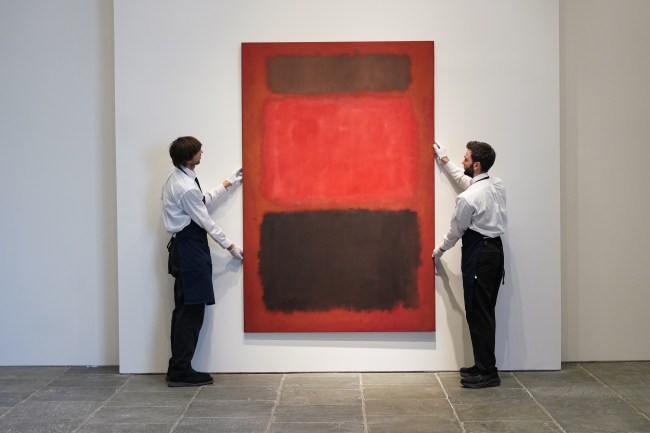
Rothko Sells for $85.8 Million, Almost Surpasses Auction Record

Sotheby’s New York sold Mark Rothko’s painting *Brown and Blacks in Reds* (1957) for $85.8 million on Thursday, making it the second-highest price ever achieved for the artist at auction. The work, part of Rothko’s postwar Color Field series, was offered from the private collection of the late art dealer Robert Mnuchin, whose estate also included works by Willem de Kooning. The Mnuchin sale totaled $166.3 million, with de Kooning’s *Untitled* (1970) fetching $8.8 million and *Untitled XLII* (1983) reaching $10.2 million. Bidding lasted about four minutes, with the winning bid placed via phone with Helena Newman, chairman of Sotheby’s Europe.

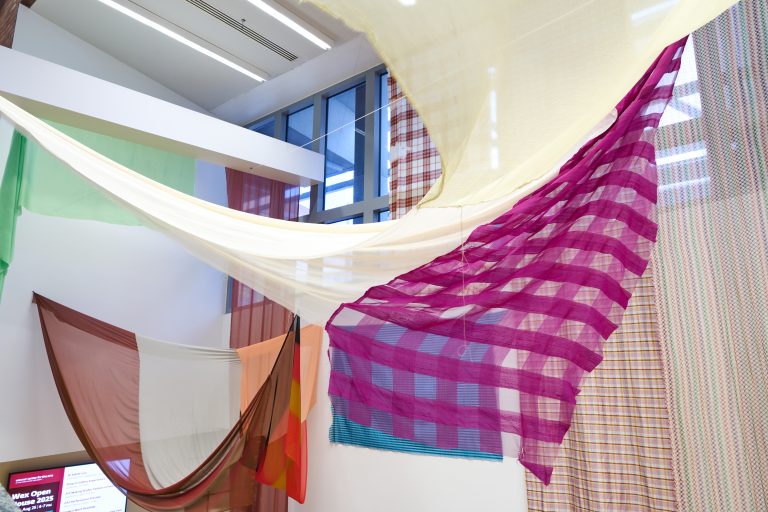
Eric N. Mack “A Whole New Thing” at Wexner Center for the Arts, Columbus

Eric N. Mack has created a site-responsive installation titled "A Whole New Thing" for the lobby commission at the Wexner Center for the Arts in Columbus. The work continues his exploration of abstraction, foregrounding fabric as an expressive, atmospheric, structural, and social medium that reveals a painterly sensibility.

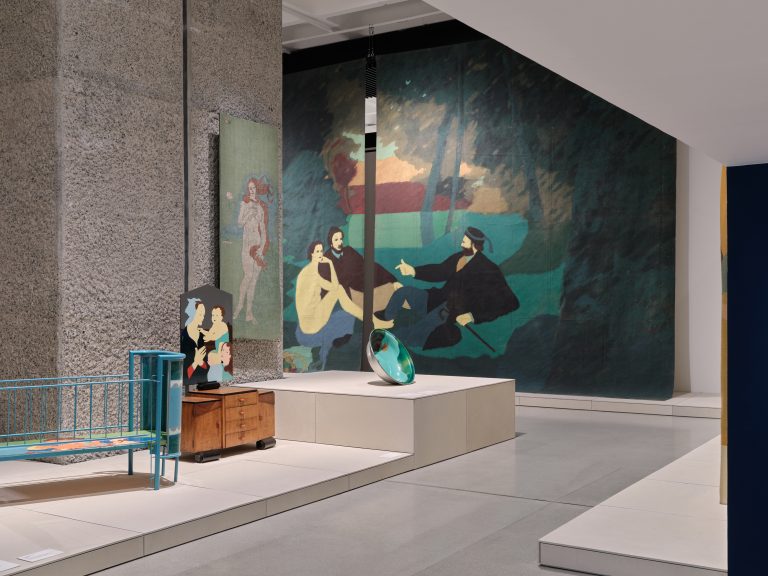
Beatriz González at Barbican Art Gallery, London

The Barbican Art Gallery in London is presenting a major retrospective of Colombian artist Beatriz González, marking her first solo show in the UK and her largest-ever exhibition in Europe. The exhibition spans six decades of her work, from the 1960s to the present, showcasing her roles as an artist, curator, art historian, and educator.

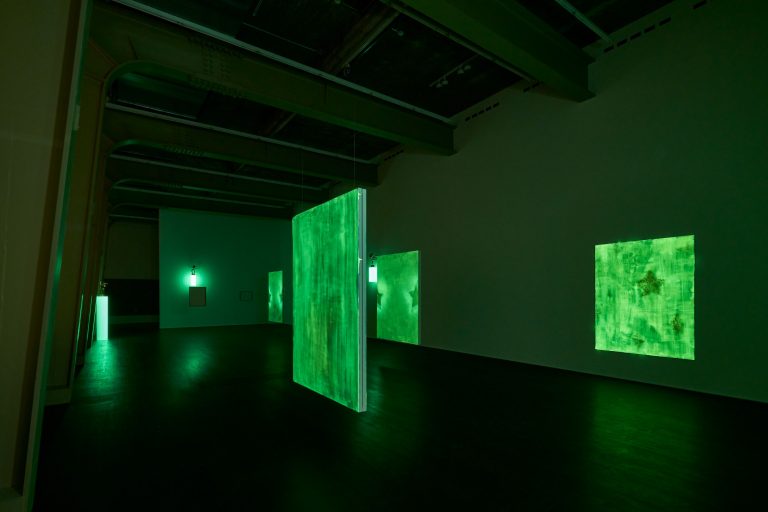
KOO JEONG A “KANGSE X” at Hauser & Wirth, Zurich

Koo Jeong A presents "KANGSE X" at Hauser & Wirth in Zurich, an exhibition that extends from her previous show "ODORAMA CITIES" at the Korean Pavilion of the 60th Venice Biennale. The title derives from the Korean term "KANGSE," meaning spatial strength, and the show encompasses her multifaceted practice across drawing, painting, sculpture, installation, film, and animation, including her earlier work "MYSTERIOUSSS" (2017).

Inside Burger Collection: Tadanori Yokoo: A Visionary Renegade

The article profiles Tadanori Yokoo, the 89-year-old Japanese artist and graphic designer, who remains active despite a recent bout of Covid-19. It details his early life in Nishiwaki, his failed attempts to enter art school and the postal service, and his eventual career in commercial printing, which shaped his innovative approach to graphic design and painting. The piece highlights his ongoing exhibition at Tokyo's Setagaya Art Museum and his enduring influence in Japan's cultural world, including the Yokoo Tadanori Museum of Contemporary Art in Kobe.