filter_list Showing 1299 results for "Europe" close Clear
search
dashboard All 1299 museum exhibitions 640article news 179trending_up market 166article policy 82article culture 61person people 49candle obituary 38gavel restitution 31article local 29rate_review review 22article event 2
date_range Range Today This Week This Month All
Subscribe

Christie’s Third Arab Art Summer Exhibition Marwan: A Soul in Exile 16 July – 22 August - Christie's

Christie’s will host its third annual Arab Art Exhibition, titled "Marwan: A Soul in Exile," at its London headquarters from 16 July to 22 August 2025. The non-selling retrospective features over 150 works on loan from museums, institutions, and private collections across Europe and the Middle East, spanning paintings, drawings, works on paper, and editions. Curated by Dr. Ridha Moumni, Chairman of Christie’s Middle East & Africa, the exhibition traces the six-decade career of Syrian-born artist Marwan Kassab Bachi (1934–2016), known for his facial landscapes that blend German expressionism with Syrian identity and Arab political themes.
Sargent and Paris

The article announces an exhibition titled "Sargent and Paris" at The Metropolitan Museum of Art, focusing on John Singer Sargent's formative decade in Paris from his arrival in 1874 through the mid-1880s. It traces his rapid rise as a young American art student who studied under Carolus-Duran at the École des Beaux-Arts, immersed himself in Parisian cultural life, and produced daring portraits of cosmopolitan subjects. The exhibition highlights key works including his scandalous success "Madame X" and other canvases that captured Parisian society, culminating in his reputation as the era's greatest portrait painter.

Members of European Parliament call on EU to pull Venice Biennale funding over Russian participation

At least 34 Members of the European Parliament have signed a letter demanding the suspension of all EU funding to the Venice Biennale Foundation if Russia's participation proceeds. The letter, addressed to top EU officials, argues that allowing a state under extensive sanctions to participate in an EU-funded event contradicts the bloc's values and weakens its credibility.

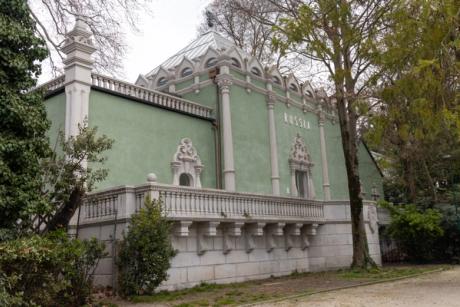
Russia’s pavilion at Venice Biennale will be closed if it features propaganda, city’s mayor says

Luigi Brugnaro, the mayor of Venice, has stated that Russia's pavilion at the upcoming Venice Biennale will be closed if it engages in propaganda. This declaration comes amid controversy over Russia's planned participation, its first since the 2022 invasion of Ukraine, and internal disputes between Biennale president Pietrangelo Buttafuoco and Italy's culture minister, Alessandro Giuli, who has threatened to withdraw ministry support.

art market minute jun 9

The article reports on a new European Union regulation, Regulation 2019/880, set to take effect on June 28, which will impose stricter import requirements on antiquities and artworks over 200 years old and valued above €18,000. Importers must now prove that such objects were legally exported from their country of origin, even if the export occurred decades ago. This comes amid ongoing tariff confusion in the U.S., adding another layer of complexity for the international art trade. The article also teases a rediscovered J.M.W. Turner painting bought for $500 that could sell for $500,000, and highlights upcoming art hot spots for summer.

Raghu Rai, pioneering Indian photographer, 1942–2026

Raghu Rai, the pioneering Indian photographer and photojournalist, has died at age 84. Over his career, he produced more than 30 books covering subjects such as Tibetan exile, Mother Teresa, Indira Gandhi, and Sikhs in India. His most famous work documented the 1984 Bhopal chemical disaster, first for India Today and later for Greenpeace, resulting in the book *Exposure: A Corporate Crime* and exhibitions that toured Europe, the US, and Bangladesh. Rai began his career at The Statesman in 1966, joined India Today in 1982, and became a member of Magnum Photos in 1977 under the patronage of Henri Cartier-Bresson. He was awarded the Padma Shri in 1972 for his coverage of the 1971 India-Pakistan War and the plight of Bangladeshi refugees.

Manifesta 16 Ruhr announces list of artists

Manifesta 16, the nomadic European biennial, has revealed the full list of 106 artists from 30 countries who will participate in its 2026 edition. The event will open on 21 June and take place across 12 decommissioned modernist churches in four cities in Germany's Ruhr region: Bochum, Essen, Duisburg, and Gelsenkirchen. The program includes 64 new commissions.

Monika Baer at Kölnischer Kunstverein

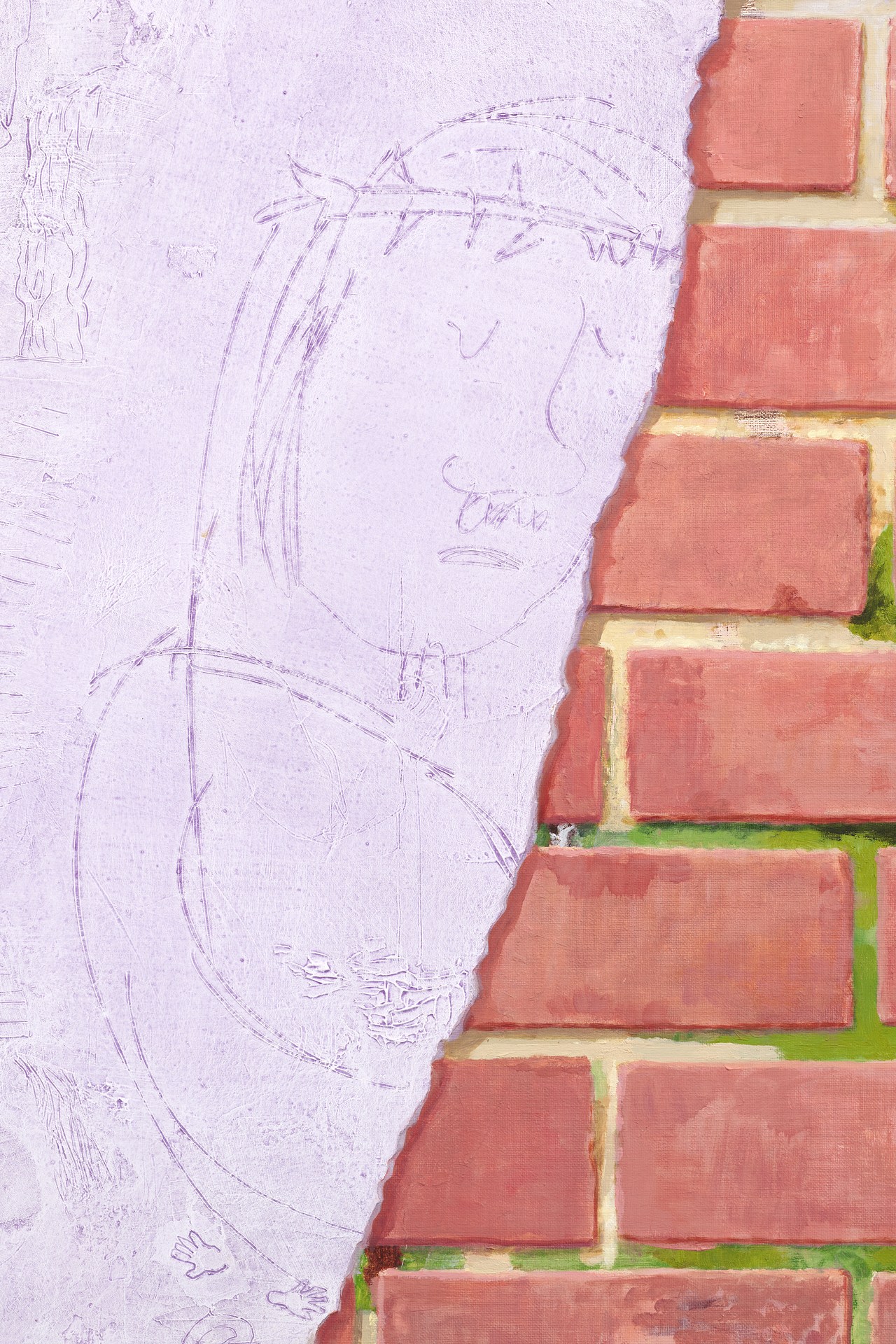
The Kölnischer Kunstverein in Cologne is hosting a solo exhibition by German artist Monika Baer titled "Defection." Running from February 27 through May 3, 2026, the presentation features new and recent works supported by Greene Naftali and Trautwein Herleth. The exhibition continues Baer’s long-standing exploration of the boundaries of painting, utilizing her signature blend of technical precision and surrealist-inflected imagery.

Economic growth supports the art market in Warsaw

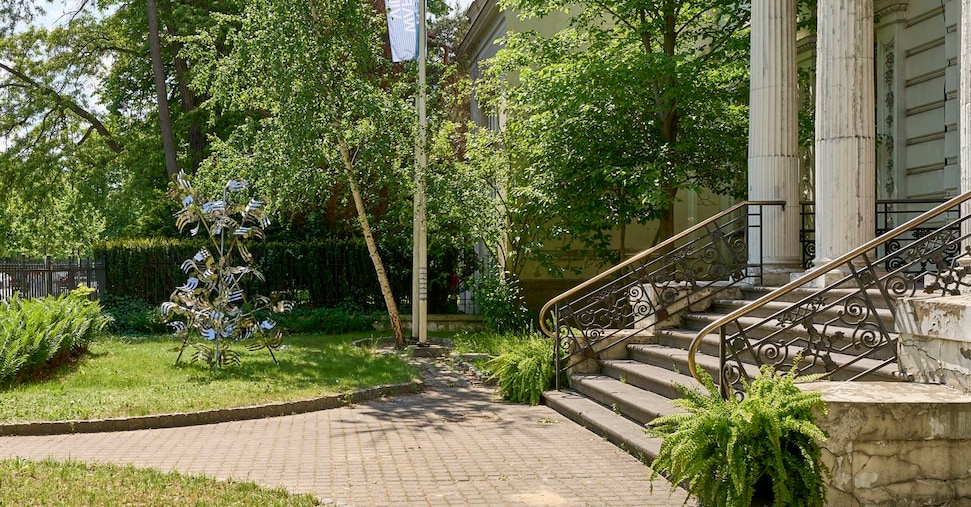
The Warsaw art market is expanding rapidly, driven by Poland's strong economic growth (3.6% GDP in 2025). Two new art fairs have emerged: Art Warsaw (May 21–24), organized by Joanna Witek-Lipka and Michał Kaczyński, and the Hotel Warszawa Art Fair (September), organized by four galleries. These join the established Warsaw Gallery Weekend, now in its 15th year. The fairs cater to a growing collector base increasingly seeking international artists, while still featuring Polish talent. Notable participants include Ada gallery from Rome, Coulisse Gallery from Stockholm, and 52 galleries total, with booth fees ranging from €1,000 to €4,000. The venue, Villa Róż, a 19th-century palace with layered historical features, adds to the fair's appeal.

Bones in the Canal and Other Photographs

David Kordansky Gallery in New York is presenting 'Bones in the Canal and Other Photographs,' a solo exhibition of new work by Norwegian artist Torbjørn Rødland. This marks his first New York gallery show in nearly a decade. The exhibition features two distinct series, including a significant new body of smaller-format 35mm photographs that represent a major shift in his 30-year practice. The show runs from March 12 to April 25, 2026, at the gallery's West 20th Street location.

At London's Barbican, Lucy Raven chronicles the destruction of a California dam

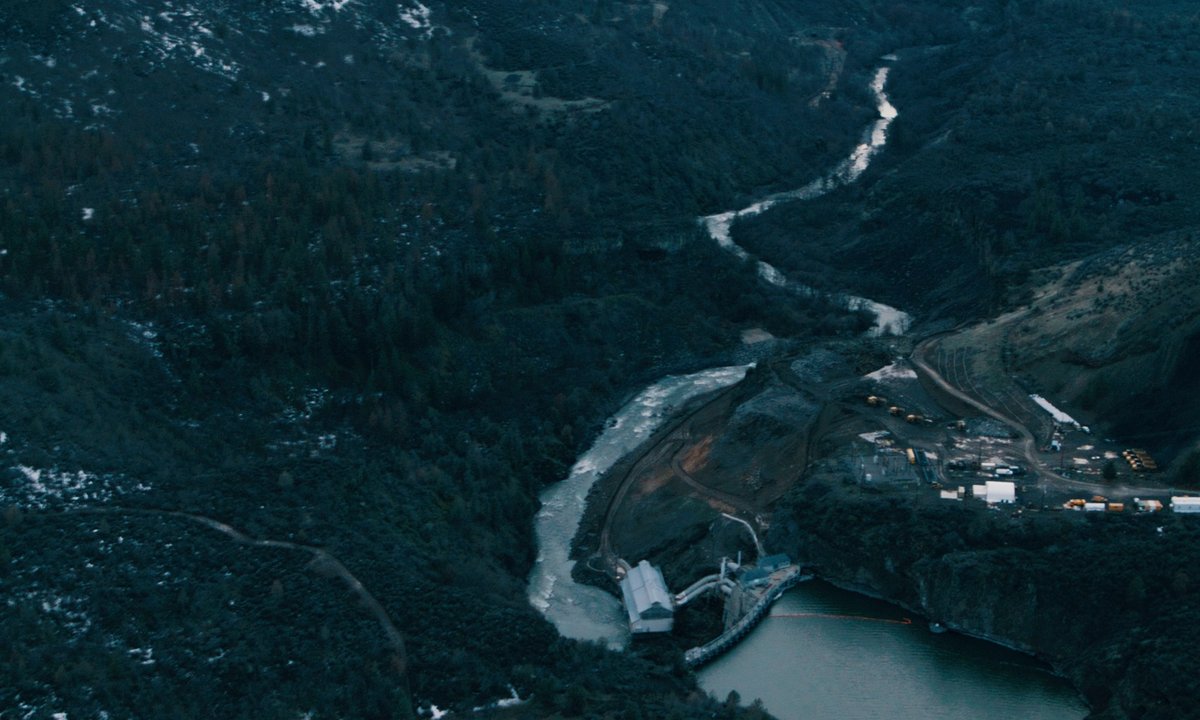
Lucy Raven's video installation "Murderers Bar" (2025) has its European premiere at the Barbican's Curve gallery in London. The work documents the 2023-2024 demolition of four dams on the Klamath River in Oregon and California, focusing on the destruction of the Copco No. 1 dam built in 1918. The film is the final part of Raven's trilogy "The Drumfire," exploring themes of pressure, release, and material transformation. It uses aerial photography, drones, lidar, and sonar animations to capture the river's reclamation of its course after the dam's removal, following decades of activism by Indigenous communities including the Yurok, Karuk, Klamath, Hoopa, and Shasta Indian Nation. The exhibition also includes a new kinetic sculpture, "Hardpan" (2025), that physically manifests ideas of force and pressure.

What is it like to be a young artist in Milan today? Denise Ceragioli answers

Com’è oggi essere una giovane artista a Milano? Risponde Denise Ceragioli

The article features an interview with young Milan-based artist Denise Ceragioli, who discusses the challenges and realities of sustaining an artistic practice in the city after graduating from the Brera Academy. She details her journey of finding a studio, the evolution of her painting from figurative to highly material-based work involving wax, and the importance of building relationships within Milan's art ecosystem of institutions, galleries, and independent spaces.

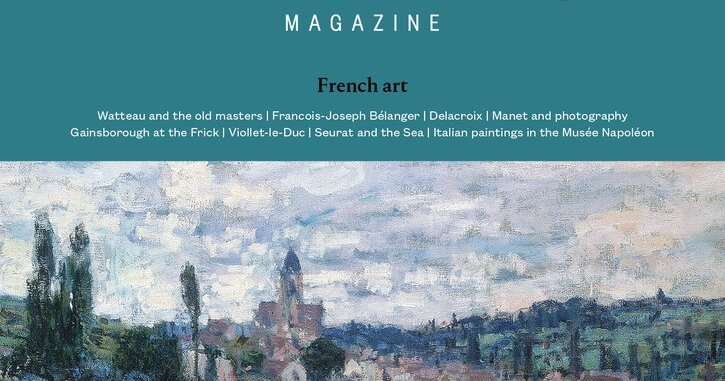
The Burlington Magazine - n°1478 vol CLXVIII - May 2026

The May 2026 issue of The Burlington Magazine (n°1478, vol. CLXVIII) presents a rich array of scholarly articles, exhibition reviews, and book reviews covering European art from the medieval period to the 20th century. Highlights include Laure Boyer's study of two photographs of Victorine Meurent linked to Manet's 'Le Déjeuner sur l'herbe' and 'Olympia', Axel Moulinier's analysis of Watteau's copies after old masters, and Richard Thomson's essay on a century of Monet in print. Exhibition reviews cover shows on Monet's Étretat coast, Orazio Gentileschi, Cornelius Jonson van Ceulen, Gainsborough, Seurat, Italian Symbolism, and Iliazd. Book reviews range from medieval art and Pietro Bellotti to Helene Schjerfbeck, Roberto Matta, and contemporary jewelry at the Dallas Museum of Art.

Two Sales at Bonhams in Paris

Deux ventes chez Bonhams à Paris

Bonhams has launched its annual "Classic Week" in Paris, featuring two distinct yet complementary auctions. The sales showcase a diverse range of works, most notably a previously unknown drawing of Marie Serre, the mother of the celebrated painter Hyacinthe Rigaud. This rare portrait adds a new dimension to the iconography of Serre, who was famously depicted by both her son and the sculptor Antoine Coysevox.

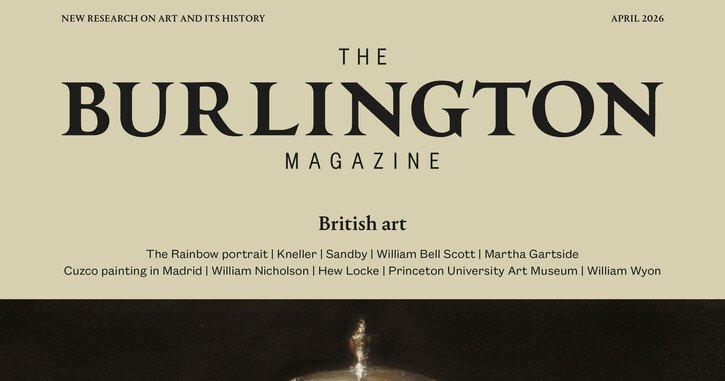
The Burlington Magazine - No. 1477 Vol. CLXVIII - April 2026

The Burlington Magazine - n°1477 vol CLXVIII - April 2026

The April 2026 issue of The Burlington Magazine presents a wealth of new scholarship, highlighted by significant discoveries regarding the 'Rainbow' portrait of Queen Elizabeth I and a previously unpublished portrait of Sarah Churchill by Godfrey Kneller. The edition spans centuries of art history, featuring research on 18th-century color theorist Mary Gartside, the pottery windows of William Bell Scott, and newly identified drawings by Marcellus Laroon the Younger.

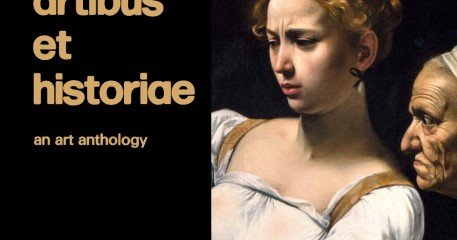
Artibus et Historiae - An Art Anthology - No. 92, 2025

Artibus et Historiae - An art anthologie - n°92, 2025

The latest issue of the academic journal 'Artibus et Historiae' has been published, featuring a collection of scholarly articles focused on European art from the Renaissance to the early 19th century. The volume includes research on topics such as the translation of classical imagery in colonial Peru, investigations into women artists in Bologna, new attributions and provenance studies for works by artists like Ludovico Carracci and Caravaggio, and analyses of drawings and artistic education.

‘We refuse_d’: rehearsing refusal as method, memory, and possibility.

Marking the fifteenth anniversary of Mathaf: Arab Museum of Modern Art, the traveling exhibition ‘we refuse_d’ has opened at M HKA in Antwerp. Curated by Nadia Radwan and Vasif Kortun, the project draws on the intellectual lineage of Hannah Arendt’s reflections on displacement and the historical precedent of the Salon des Refusés. The exhibition features a constellation of works by artists including Khalil Rabah, Barış Doğrusöz, and Nour Shantout, exploring refusal not as a simple negation, but as a complex strategy for survival, dignity, and the preservation of memory.

Post-Mortemism: An Autopsy of “Nigerian Modernism: Art and Independence” at Tate Modern.

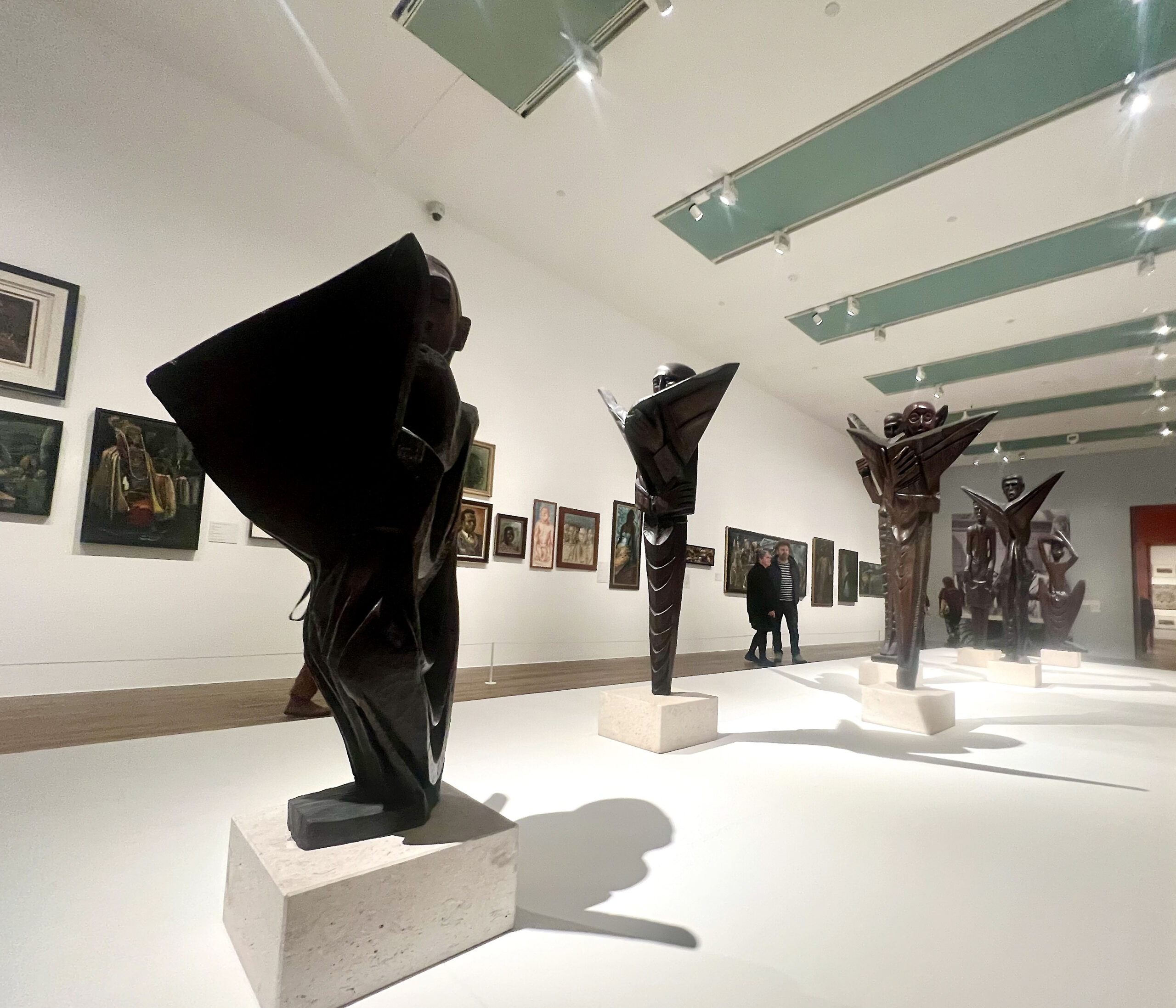
A critical essay by Ayọ̀ Akínwándé performs a forensic 'autopsy' of the Tate Modern exhibition 'Nigerian Modernism: Art and Independence.' The review dissects the show's structure, arguing it fails in its curatorial framework by isolating Nigerian artists within a regional category, using ethnographic display methods, relying on incomplete research, and excluding key artists and historical context.

Why Did the Met Opera Decide to Exhume Frida Kahlo and Diego Rivera’s Marital Strife?

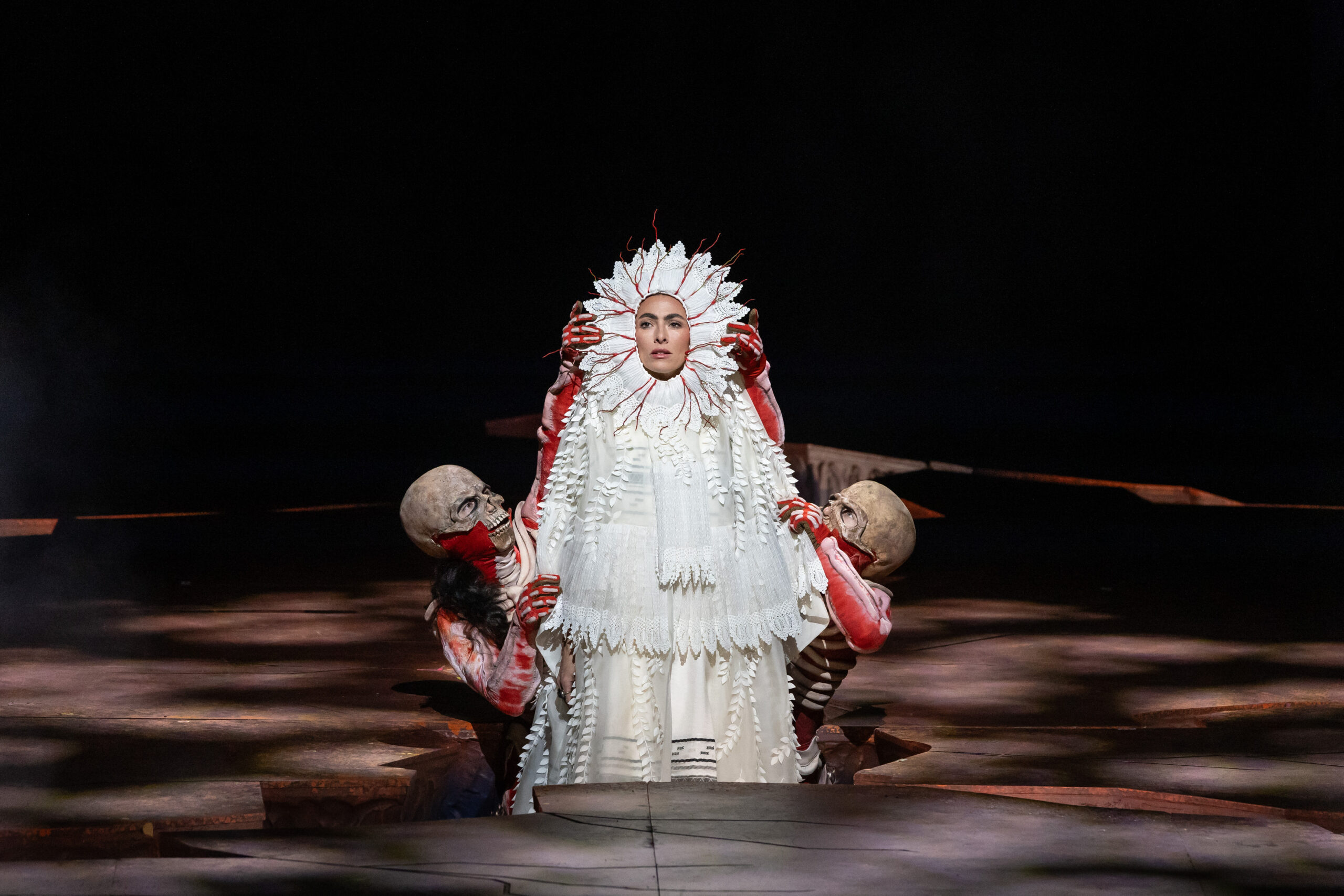
The Metropolitan Opera has staged Gabriela Lena Frank's first opera, *El Último Sueño de Frida y Diego*, which imagines a supernatural reunion between Frida Kahlo and Diego Rivera on Día de los Muertos. The production, conducted by Yannick Nézet-Séguin and starring Isabel Leonard and Carlos Álvarez, uses magical realism to explore the couple's turbulent relationship, though it largely sidelines their Communist activism and Kahlo's queer affairs in favor of a simplified reconciliation narrative.

How Does an Art Fair Stand Apart? TEFAF NY Has an Answer.

TEFAF New York returns to the Park Avenue Armory from May 15-19, featuring 88 dealers and galleries from 14 countries across four continents. The fair distinguishes itself from competitors like Frieze, NADA, and Independent by offering an unusually broad range of works—from Modernist paintings and contemporary sculpture to ancient artifacts, fine jewelry, and design. Notable exhibitors include Gagosian showing Kathleen Ryan’s bejeweled fruit sculptures, Thaddaeus Ropac presenting newcomer Eva Helene Pade, and Belgian dealer David Lévy pairing Keith Haring with Willem de Kooning. Design is a particular highlight this year, with galleries such as Sarah Myerscough, Gomide&Co, and Modernity Stockholm showcasing everything from Shaker-inspired chairs to Brazilian modernist furniture and Scandinavian classics.

Who’s The Next Obsession? 12 European Collectors Reveal How They Discover New Talent

Cultured magazine asked 12 European collectors how they discover new talent, timed to the 61st Venice Biennale. Collectors like Nicole Saikalis Bay, Amélie du Chalard, Belma Gaudio, and Laurent Asscher share their personal approaches—ranging from emotional resonance and dialogue with existing works to long-term obsession with an artist before acquiring a piece. The responses reveal a diversity of methods, from instinct-driven buying to conceptual and technical evaluation.

art abortion warsaw artists feminism

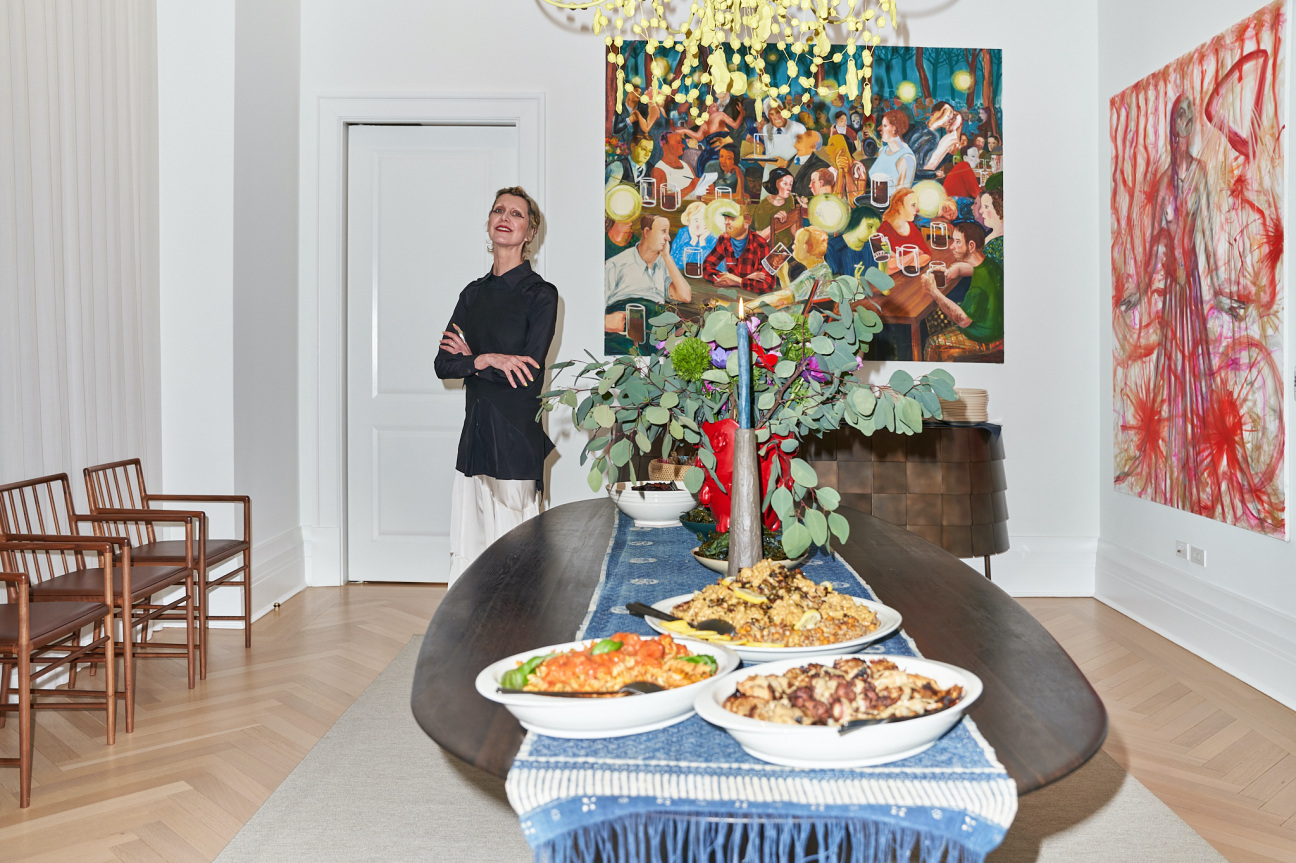
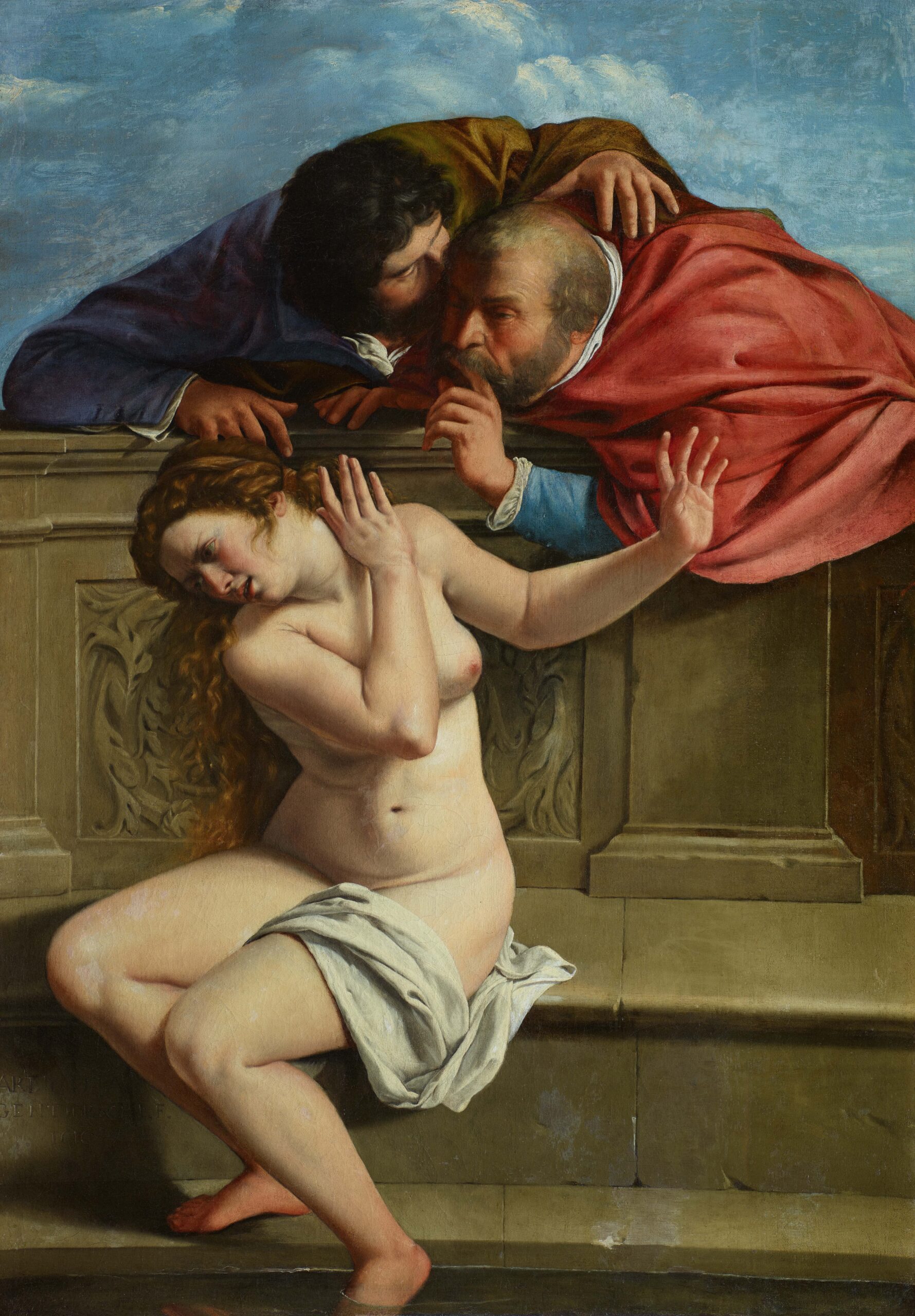
Art critic and writer Jarrett Earnest travels to Warsaw for the opening of "The Woman Question 1550–2025," a major survey of women artists curated by Alison M. Gingeras at the Museum of Modern Art (MSN Warsaw). The exhibition features nearly 200 works spanning from Renaissance to contemporary art, including pieces by Artemisia Gentileschi, Frida Kahlo, Lisa Yuskavage, and many Eastern European artists. Earnest reflects on the enduring theme of the female nude and the political context of Poland, where far-right policies have restricted women's rights.

dorchester frieze london breakfast cultured magazine

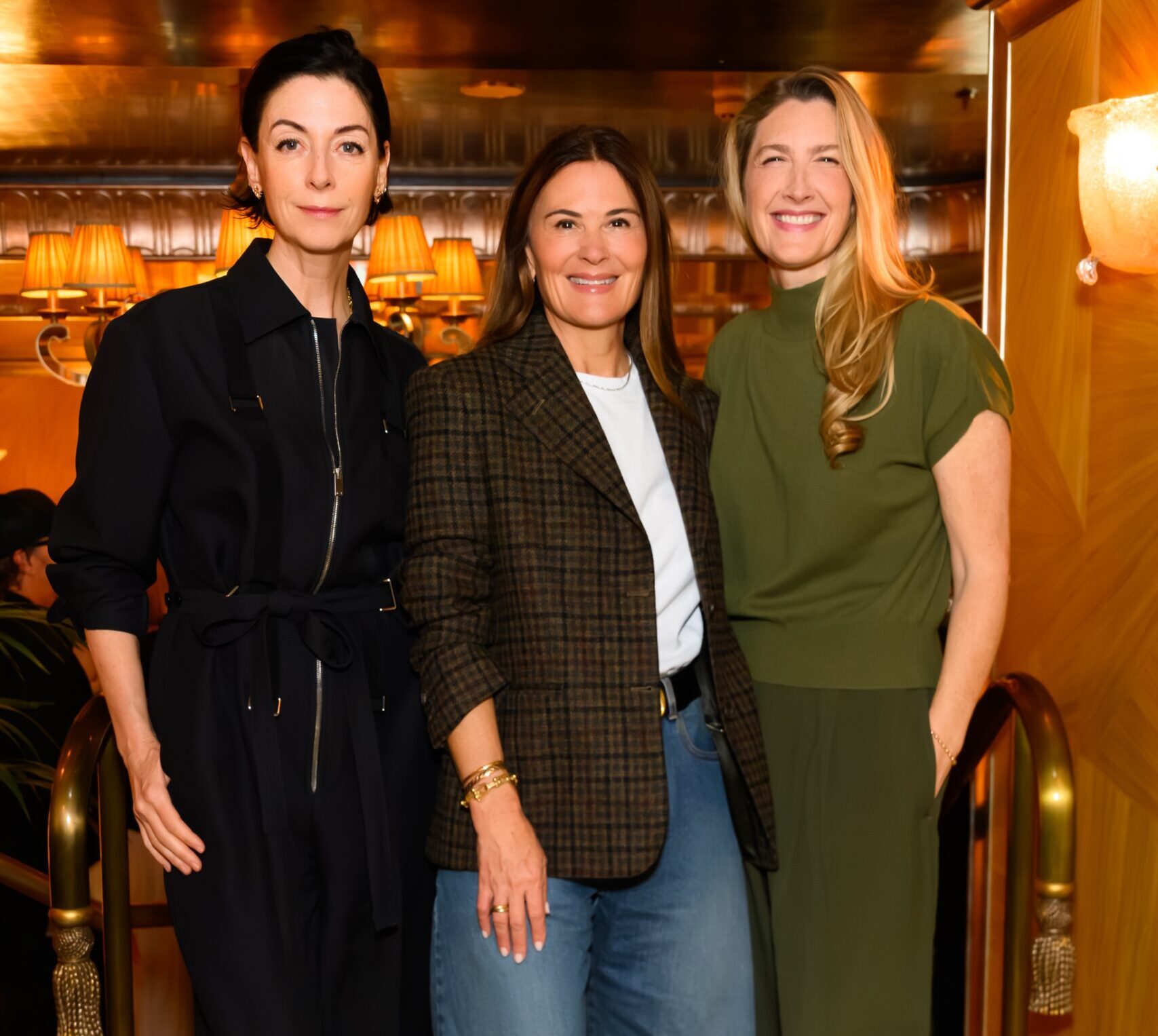
CULTURED magazine hosted its third annual Frieze London breakfast at the Dorchester hotel, co-hosted by Editor-in-Chief Sarah Harrelson, European Contributor Georgina Cohen, and photographer Mary McCartney. The event drew a mix of art-world figures, celebrities, and cultural tastemakers, including actor Richard E. Grant, Tate director Maria Balshaw, musicians Jess Glynne and Sophie Ellis-Bextor, gallerists Lucy Chadwick and Pilar Corrias, and collectors Laura de Gunzburg and George Wells. Guests enjoyed a plant-based breakfast and copies of CULTURED's September issue amid the buzz of Frieze London.

Venice Biennale Jury Resigns in the Wake of Controversial Prize Ban

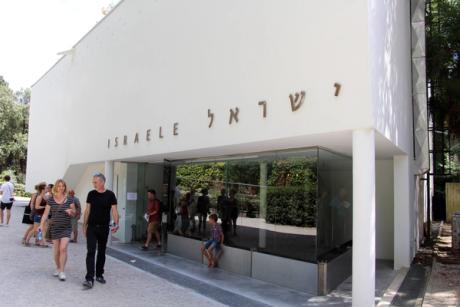
The jury for the 2026 Venice Biennale has resigned just days before the public opening on May 9, after announcing on April 22 that it would not consider artists from countries accused of crimes against humanity for the Golden and Silver Lion prizes. The jury, consisting of Solange Oliveira Farks (president), Zoe Butt, Elvira Dyangani Ose, Marta Kuzma, and Giovanna Zapperi, cited its earlier statement of intention in its resignation, which directly impacted the participation of Russia and Israel—both subject to International Criminal Court warrants. In response, the Biennale postponed the awards ceremony from May 9 to November 22 and replaced the traditional jury with a public vote for best participant and best national participation, framing the move as upholding openness and rejecting censorship.

EU imposes sanctions on Mikhail Piotrovsky, director of Russia's State Hermitage Museum

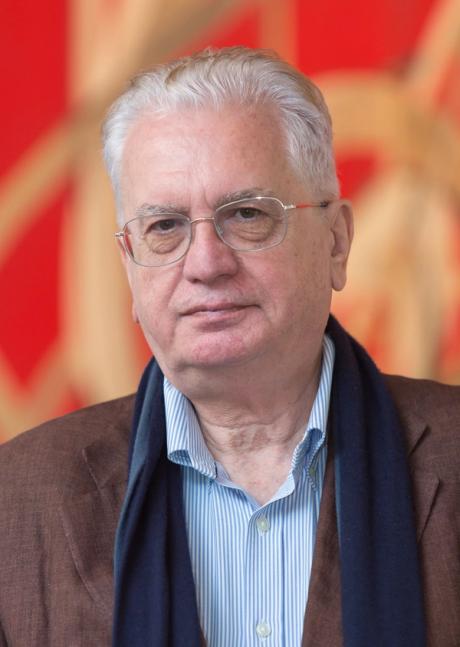
The European Union has imposed sanctions on Mikhail Piotrovsky, the director of Russia's State Hermitage Museum, as part of its 20th sanctions package adopted on 23 April. Piotrovsky, a vocal supporter of Russia's full-scale invasion of Ukraine, is cited for being a close associate of Vladimir Putin and for actively supporting the war, including justifying Russian cultural policies that incorporate Ukrainian museum items into Russia's State Museum Fund and enabling unauthorized archaeological excavations in occupied Crimea. The sanctions also target three other cultural officials involved in the Crimean digs. Meanwhile, Hermitage archaeologist Alexander Butyagin, arrested in Poland in December 2025 at Ukraine's request, was released in a prisoner exchange on 28 April.

The Newest Docent at This Historic Italian Palace Is a Robot

Palazzo Madama in Turin, Italy, has introduced a four-foot-tall robot named R1 as a docent for its Baroque collection. The robot, developed by the Italian Institute of Technology (IIT) under Project Convince with €4 million in EU funding, guides visitors through the former royal apartments, narrating the history of the House of Savoy and detailing paintings, tapestries, and furniture. R1 can interact with visitors via LED eyes, answer questions, and autonomously navigate the museum's first floor, though it cannot climb stairs. It has been learning on the job since 2025, completing 30 tours in December 2025, and uses corrective software to relocalize itself if lost.

Israel’s foreign ministry accuses Venice Biennale's jury of ‘politicising’ exhibition

Israel’s foreign ministry has accused the Venice Biennale's jury of politicizing the exhibition after jurors announced they would not consider for prizes countries whose leaders face International Criminal Court charges for crimes against humanity. The jury’s statement, which did not name specific nations, is broadly understood to apply to Israel and Russia, both returning to the Biennale for the first time since the Gaza war and the Ukraine invasion, respectively. The Israeli ministry posted on X that the jury had decided to 'boycott' Israeli sculptor Belu-Simion Fainaru, calling it 'a contamination of the art world.' The Biennale distanced itself from the jury’s announcement, stating the jury acts autonomously, while the Russian pavilion is reportedly set to open only for a limited pre-opening period due to budget constraints amid sanctions.

Russian Pavilion Will Be Closed to the Public During Venice Biennale: Report

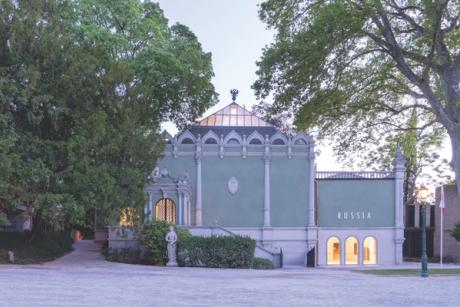
The Russian Pavilion will be closed to the public for most of the 2025 Venice Biennale, opening only during the pre-opening vernissage (May 5–8) for live performances tied to the exhibition “The Tree Is Rooted in the Sky.” After May 9, the pavilion will remain closed, with digital documentation displayed in the windows. The compromise follows weeks of pressure from European cultural and political figures—including Italy’s culture minister—to shutter the pavilion due to Russia’s ongoing war in Ukraine. Plans were confirmed via email correspondence between Biennale Foundation president Pietrangelo Buttafuoco, general director Andrea Del Mercato, and Russian Pavilion commissioner Anastasia Karneeva, as reported by Italian outlets Open and La Repubblica.

Tourist Damages Florence’s Neptune Fountain in Pre-Wedding Stunt

A 28-year-old tourist in Florence climbed the Neptune Fountain in Piazza della Signoria and caused €5,000 ($5,800) in damage while attempting to touch the statue's genitals as part of a pre-wedding challenge. Police intervened, and specialists from the Fabbrica di Palazzo Vecchio later found damage to a horse's legs and a frieze. The woman has been reported to judicial authorities but is presumed innocent until a verdict.

How did a 16th-century European basin end up as a sacred object in West Africa?

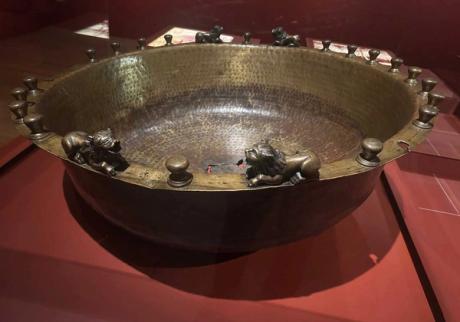
The Aya Kese, a massive 16th-century northern European brass basin, is currently on display at the British Museum while its complex history remains under scrutiny. Looted by British officer Robert Baden-Powell in 1896 from the Asante kingdom’s royal mausoleum in present-day Ghana, the object was long sensationalized by colonial accounts as a vessel for human sacrifice. Recent scholarship and historical records from Asante King Prempeh I contest these claims, asserting the basin’s sacred role as a spiritual repository for the souls of the Asante people.