filter_list Showing 152 results for "ARSENALE" close Clear
dashboard All 152 museum exhibitions 85article news 46rate_review review 8article culture 5article policy 5article local 2trending_up market 1
date_range Range Today This Week This Month All
Subscribe

diller scofidio and renfro venice canal water coffee wins golden lion 2643348

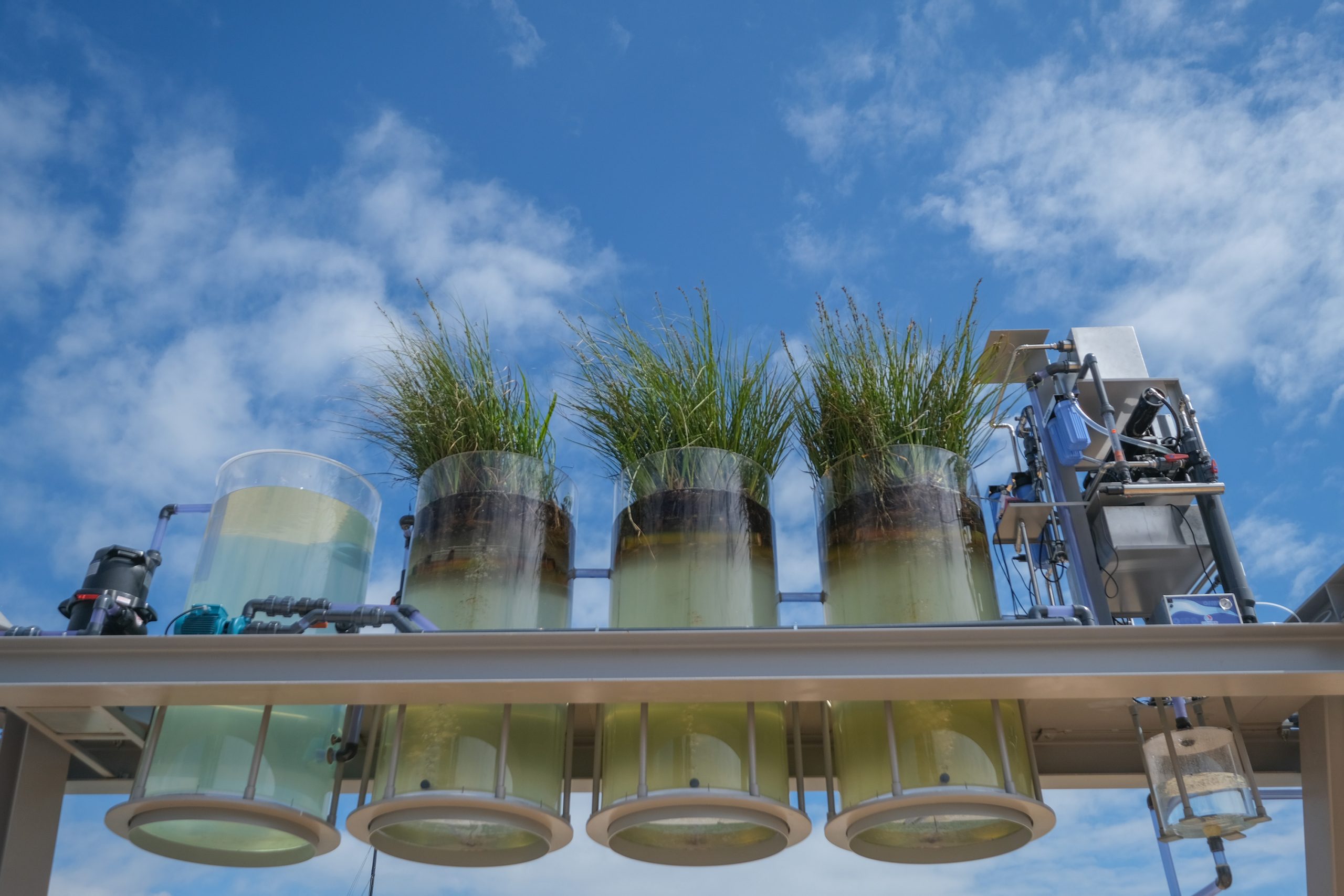
Diller Scofidio and Renfro (DS+R) has won a Golden Lion at the 2025 Venice Architecture Biennale for "Canal Café," a project that brews espresso using water filtered from the Venetian lagoon. The installation, part of the biennale's exhibition "Intelligens. Natural. Artificial. Collective," uses a combination of biological filtration by salt-tolerant halophytes and artificial methods like reverse osmosis to purify the polluted canal water. Michelin-starred chef Davide Oldani selected the coffee blend, and the espresso is sold for €1.20. Originally conceived for the 2008 biennale but delayed due to permit issues, the project was realized with improved filtration technology and support from engineering firms Natural Systems Utilities and SODAI, as well as Webuild.
There Has Never Been an Apolitical Venice Biennale

The Venice Biennale, with its national pavilion structure, has always been a platform for political expression and soft power, a reality evident from its early 20th-century origins. Contemporary critic Arturo Lancellotti's 1909 review of the German and British pavilions was steeped in geopolitical context, revealing how national artistic displays were interpreted through the lens of imperial power and military alliances.

Best in Show: 6 Standouts at the 2026 Venice Biennale

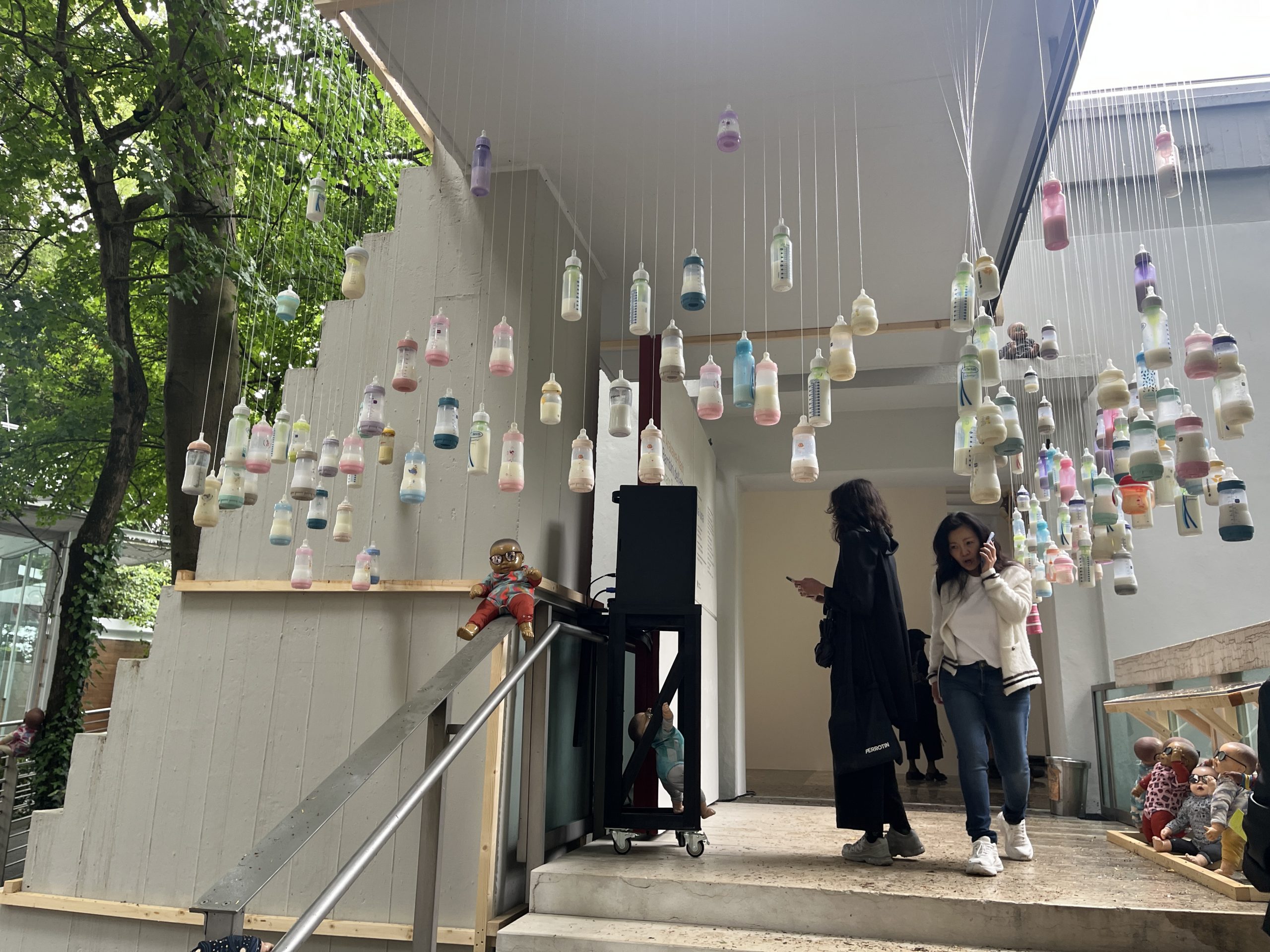
Artnet News writers highlight six standout exhibitions at the 2026 Venice Biennale, which opens to the public on May 9. Among the picks are Ei Arakawa-Nash's interactive installation "Grass Babies, Moon Babies" at the Japan Pavilion, featuring baby dolls and diaper-changing stations; Florentina Holzinger's provocative performance "Seaworld Venice" at the Austria Pavilion, involving nude performers, jet skis, and recycled wastewater; and Dayanita Singh's photographic exhibition "Archivio" at the State Archives of Venice, presenting intimate black-and-white images arranged as freestanding columns.

Banksy’s Venice mural has been restored and will now tour city

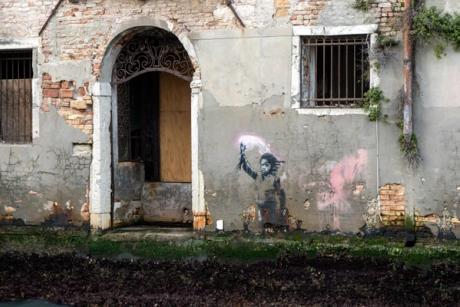
A Banksy mural titled "Migrant Child," originally sprayed onto a 17th-century palazzo in Venice in 2019, has been restored and will tour the city's canals this weekend. The work, which depicts a child holding a flare and wearing a life vest, was removed from the Palazzo San Pantalon after six years of neglect and environmental damage had caused about a third of it to deteriorate. The restoration was funded by Banca Ifis, which purchased the palazzo in 2024 and commissioned Zaha Hadid Architects for the building's renovation. The conservation was supervised by Federico Borgogni, who previously oversaw the removal of another Banksy work in Bristol.

What to See at the 2026 Venice Biennial

The 2026 Venice Biennale, opening May 9 and running through November 22, features a main exhibition titled "In Minor Keys" organized by the late Koyo Kouoh, alongside 99 national pavilions. The event spans the Giardini and Arsenale sites, with concurrent shows across the city, including a group exhibition at the Fondazione Dries Van Noten, Melissa McGill's installation "Marea" at Corte Nova, Illy's artist-designed espresso cups at Giardini Reali, and a solo exhibition of Hernan Bas's paintings at Ca' Pesaro International Gallery of Modern Art.

Welcome to Venice: the shows you won’t want to miss at the 61st Biennale

The 61st Venice Biennale, titled "In Minor Keys," opens with a keynote exhibition conceived by the late Koyo Kouoh and realized by her team after her sudden death in May 2025. The show spans the Central Pavilion in the Giardini and the Arsenale, featuring 110 artists and collectives. Highlights include Bracha L. Ettinger's installation at the Hotel Metropole, where she transforms a room where Sigmund Freud wrote part of *The Interpretation of Dreams* into a feminist 'borderspace,' and works by artists such as Arthur Jafa, Richard Prince, Issa Samb, Beverly Buchanan, and Daniel Lind-Ramos. The exhibition explores themes of history, colonialism, war, and environmental destruction, aiming for a 'sotto voce' tone that nonetheless delivers powerful, liberating statements.

The best and worst we saw at the Venice Art Biennale 2026. Artribune's hits and flops

Il meglio e il peggio che abbiamo visto alla Biennale d’Arte di Venezia 2026. Top e flop di Artribune

The 61st Venice Biennale, titled "In Minor Keys" and directed by Koyo Kouoh, opened amid significant turmoil: the death of a newly appointed curator, diplomatic tensions over the presence of Russia and Israel, political protests, and the unprecedented collective resignation of the jury, which led to the Golden Lions being awarded by public vote for the first time. Despite this chaotic backdrop, the exhibition—featuring a record 100 national pavilions—has been widely praised for avoiding moralistic pedagogy and instead embracing visual seduction, formal quality, and sensory joy while addressing themes of identity, memory, colonialism, ecological crisis, and violence. The article highlights top and flop moments from the opening week, including strong showings by Biennale president Pietrangelo Buttafuoco and a standout exhibition at Fondazione Prada.

Here is the first and for now only interview with the curators of the 2026 Venice Art Biennale

Ecco la prima e per ora unica intervista ai curatori della Biennale d’Arte di Venezia 2026

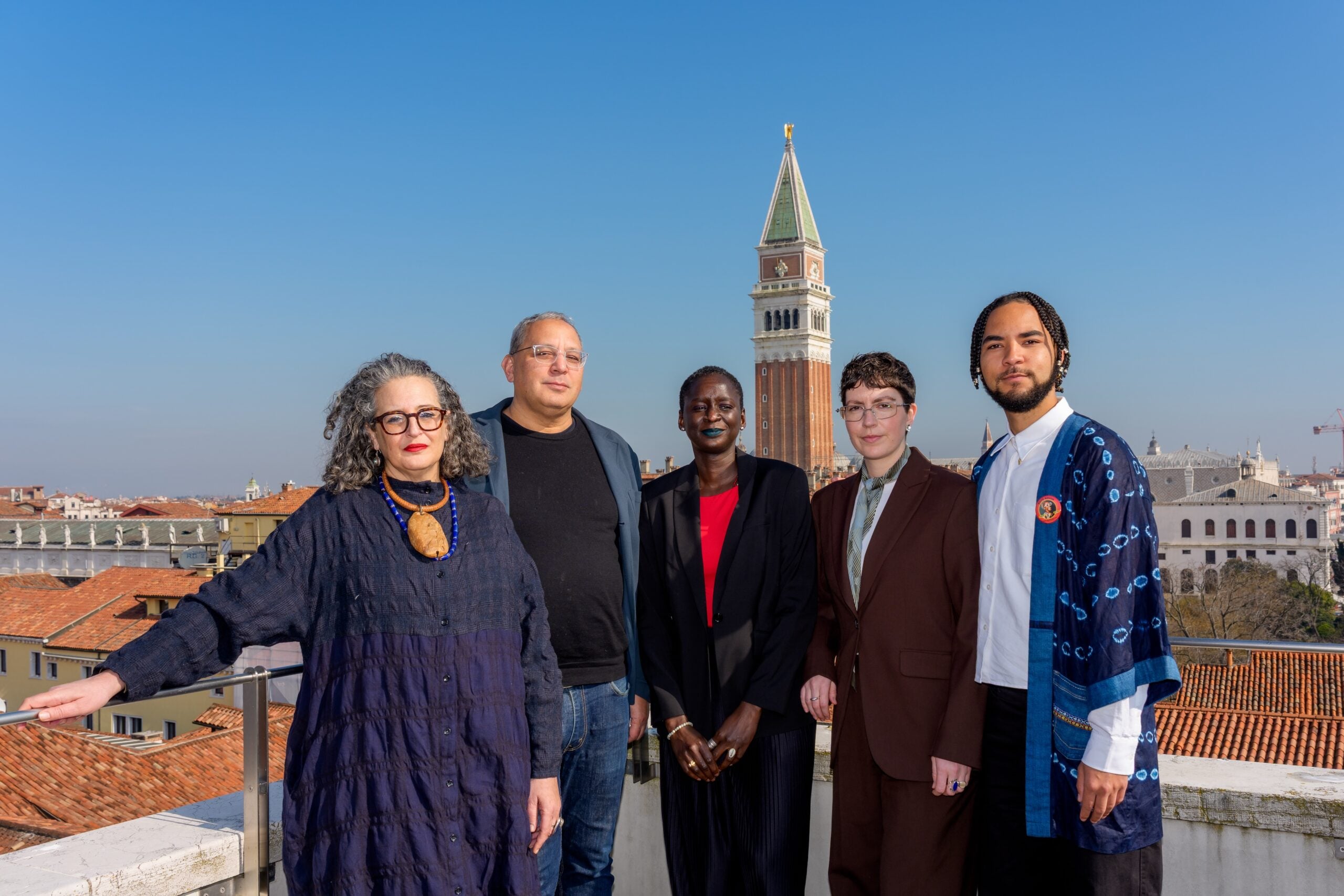
The team of the late curator Koyo Kouoh has completed the 61st International Art Exhibition of the Venice Biennale, titled "In Minor Keys," which opens to the public on May 9, 2026. In an exclusive interview, curators Gabe Beckhurst Feijoo, Marie Helene Pereira, Rasha Salti, Siddhartha Mitter, and Rory Tsapayia discuss the challenges of realizing Kouoh's vision after her death, including fundraising, installation design by Wolff Architects of Cape Town, and the use of cardboard as a non-invasive material to create thresholds between spaces.

Australian artist Khaled Sabsabi reveals details of presentations in the Australia Pavilion and in the International Exhibition In Minor Keys at Biennale Arte 2026 – News Hub

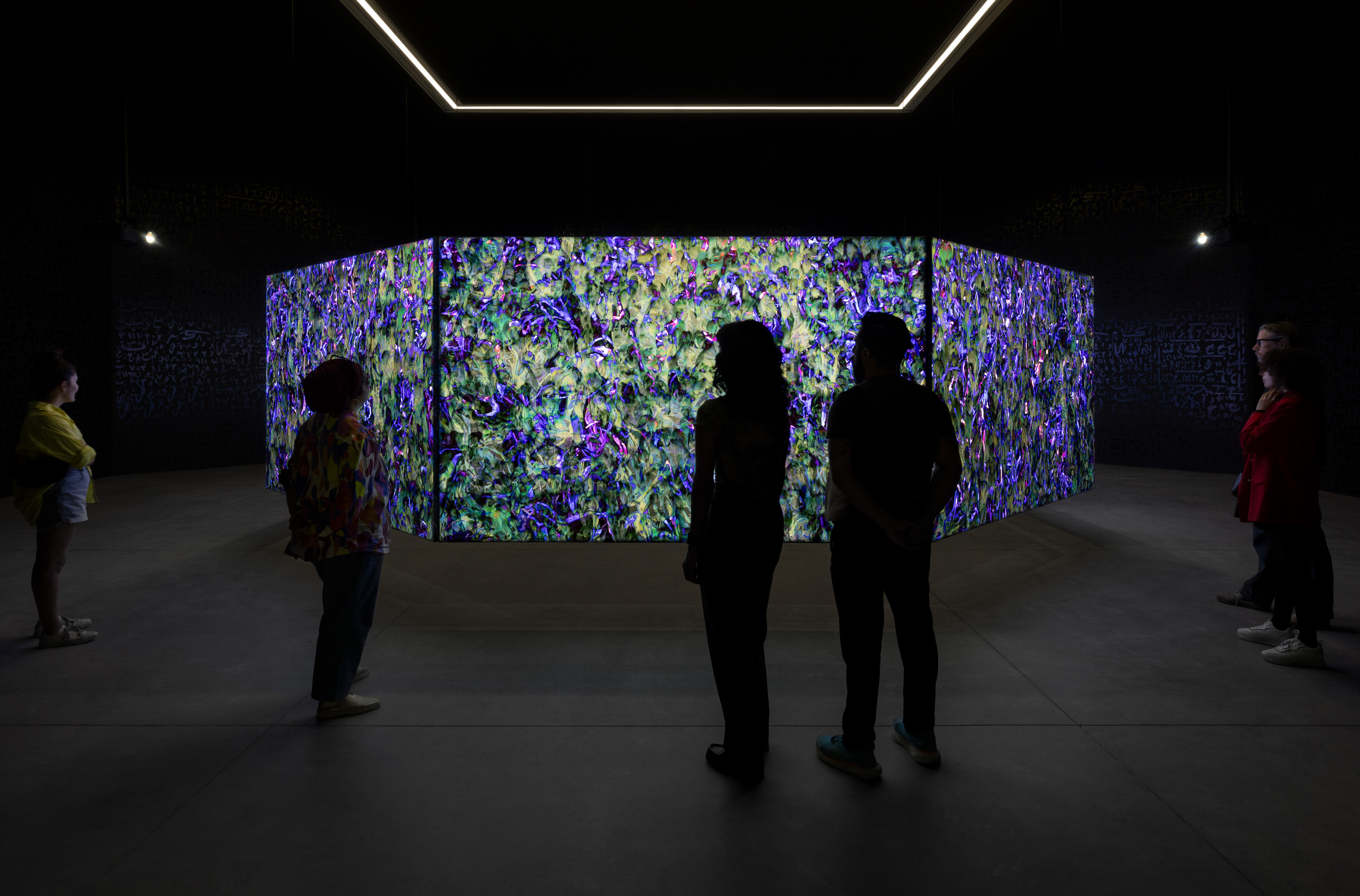
Australian artist Khaled Sabsabi will present two major installations at the 2026 Venice Biennale. At the Australia Pavilion, he unveils "conference of one’s self," an immersive multisensory work featuring eight monumental canvas paintings, video projections, and a soundscape inspired by a 12th-century Sufi allegory. Simultaneously, he becomes the first Australian artist to also exhibit in the International Exhibition, titled "In Minor Keys" curated by Koyo Kouoh, with a second installation called "khalil" at the Arsenale. Both works explore spirituality, migration, and shared humanity through a framework of Sufi thought.

Khaled Sabsabi Unveils Biennale Arte 2026 Showcase

Khaled Sabsabi will represent Australia at the 61st Venice Biennale in 2026 with two major installations. At the Australia Pavilion, he presents "conference of one's self," an immersive multisensory installation featuring eight monumental canvas paintings, suspended video projectors, and an analogue soundscape, all inspired by the 12th-century Sufi allegory "The Conference of the Birds." In a historic first for an Australian artist, Sabsabi also debuts a second work, "khalil," in the Biennale's main exhibition "In Minor Keys" curated by Koyo Kouoh at the Arsenale. Both works explore spirituality, migration, and shared humanity through a Sufi philosophical framework.

Derrick Adams to Install Monumental Portrait of Koyo Kouoh in Venice During the Biennale

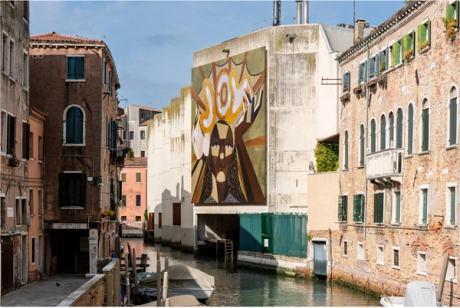
Artist Derrick Adams will install a monumental banner version of his collage "Heavy is the head that wears the crown" (2026) on the facade of the Palazzetto dello sport Giobatta Gianquinto in Venice, near the Arsenale, during the Venice Biennale. The work features a portrait of the late curator Koyo Kouoh, artistic director of the 2026 Venice Biennale, with the word "JOY" radiating golden rays above her head. The tribute was conceived by curator Francesco Bonami, who had invited Kouoh to serve on the Golden Lion jury for his 2003 Biennale, and developed after a studio visit with Adams.

What not to miss at the 2026 Venice Biennale

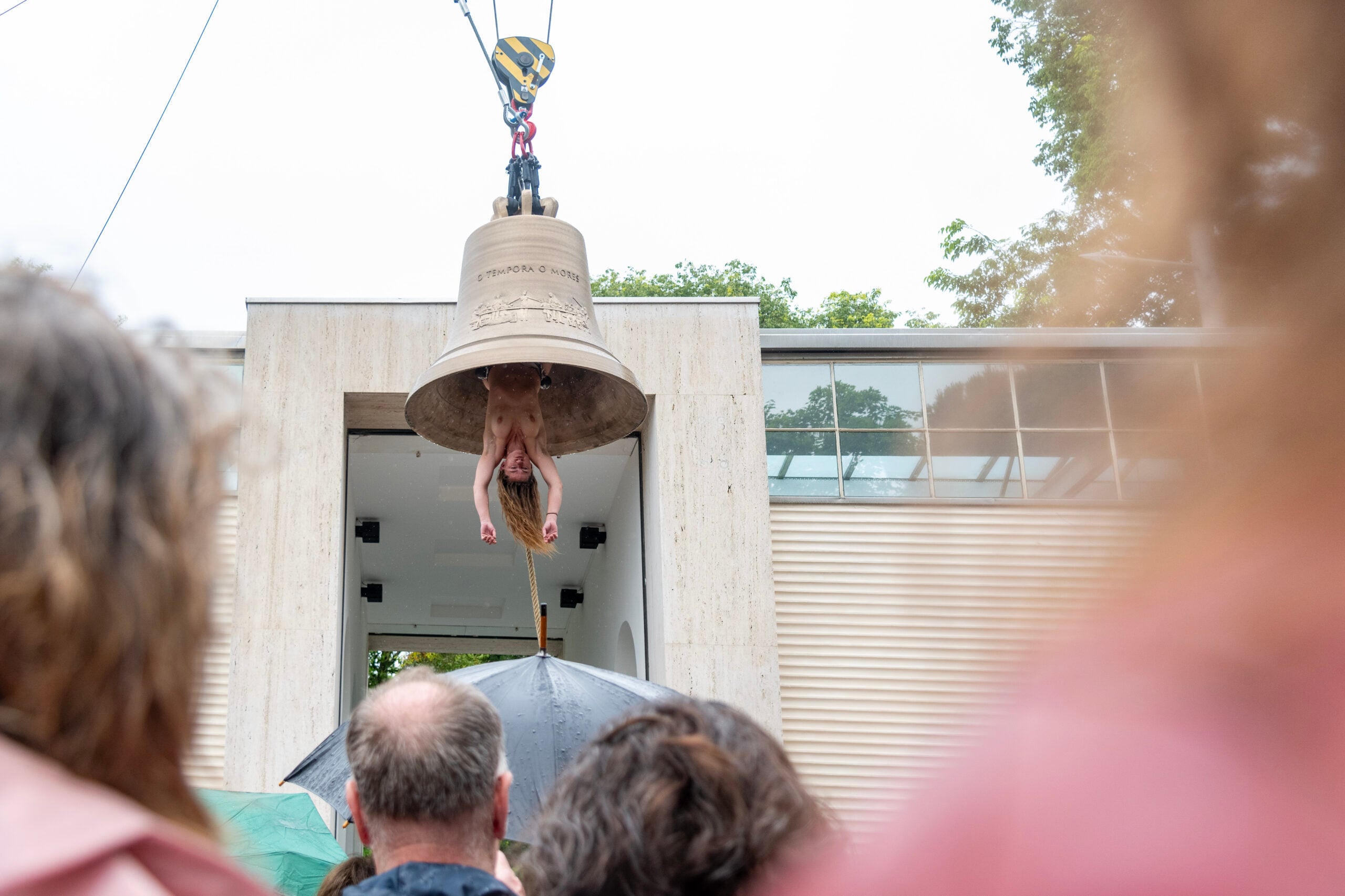
The article highlights five standout pavilions and installations at the 2026 Venice Biennale. Florentina Holzinger's Austrian pavilion features extreme, nude performances including a woman submerged in a urine-purified tank, drawing police attention. Sanya Kantarovsky presents eerie paintings and a Murano glass sculpture in a historic palazzo. Gabrielle Goliath's 'Elegy'—a hypnotic mourning performance for women killed in violence—was banned by South Africa but staged with London's Ibraaz. Carrie Schneider's 1.5km photographic curl in the Arsenale references Chris Marker's 'La Jetée'. Lydia Ourahmane's delicate sculptural show uses materials sourced from Venice, including a bead curtain made by inmates.

May 2026 Opportunities: Open Calls, Residencies, and Grants for Artists

Colossal's May 2026 opportunities roundup lists multiple open calls, residencies, and grants for artists worldwide. Featured opportunities include the Scenerium 2026 Art Award (deadline May 7), the Hopper Prize offering $4,500 and $1,000 artist grants (deadline May 12), and the SaveArtSpace Billboard Art Open Call curated by Gigi Chen (deadline May 7). Other listings include the YICCA Art Prize, CIFRA Award, Cass Art Prize for the U.K. and Ireland, Sunshine Coast National Art Prize in Australia, an opportunity to get published in Artistonish magazine, and the Abbey Mural Prize.

food quattro gatti gin venice biennale

Quattro Gatti has been named the official gin of the 61st Venice Biennale, which opens in May 2026. The Umbrian-crafted spirit will be the exclusive gin available across Biennale sites including the Giardini della Biennale and the Arsenale, with a special Biennale cocktail planned. The brand was founded in 2022 by the Mordant family, led by Simon Mordant, a British-born arts patron who served as Commissioner for the Australia Pavilion in 2013 and 2015 and is Global Ambassador for Australia in 2026. The Mordants also led the rebuilding campaign for the Australian Pavilion, which opened in 2015 as the first 21st-century pavilion in Venice.

Israeli Pavilion artist issued legal warnings before Biennale jury resignation

Belu-Simion Fainaru, the artist representing Israel at the 2026 Venice Biennale, issued legal warnings to the Biennale, the Italian Ministry of Culture, and the Italian Prime Minister’s office after the Golden Lion jury announced it would not consider pavilions from countries whose leaders are charged with crimes against humanity by the International Criminal Court, including Israel and Russia. Fainaru’s legal threats cited alleged antisemitism and nationality-based discrimination. Shortly after, the Biennale jury resigned, prompting organizers to postpone the awards ceremony to the closing day and replace the Golden and Silver Lions with two 'Visitors’ Lions' voted on by attendees, with all national participations eligible.

Lithuanian, Latvian, and Estonian Pavilions Stage Pro-Ukraine Procession During Venice Biennale

On May 6, 2026, the Lithuanian, Latvian, and Estonian pavilions at the Venice Biennale organized a procession in solidarity with Ukraine, walking approximately one and a half miles from the Lithuanian Pavilion in the Fucina del Futuro to the Estonian pavilion. The action honored Ukrainian cultural workers creating under war conditions and those who have died. It is one of several political protests at the contentious 2026 Biennale, including demonstrations by Pussy Riot and FEMEN at the Russian pavilion, a "Solidarity Drone Chorus" opposing Israel's inclusion, and a planned 24-hour strike by the Art Not Genocide Alliance.

An Unprecedented 24-Hour Strike Could Upend the Venice Biennale

An unprecedented 24-hour strike is set to interrupt the Venice Biennale's opening week on Friday, May 8, in protest of Israel's participation in the global art event. The action, organized by the activist group Art Not Genocide Alliance (ANGA), follows a letter signed by over 230 Biennale participants demanding Israel's exclusion. The strike has exposed divisions among participants, with some artists and pavilion teams weighing solidarity against the rare opportunity to platform their own political messages. The Slovenian pavilion, represented by Nika Grabar of the Nonument Group, has committed to the strike, while others like Ecuador's Tawna Collective remain undecided, balancing protest with their mission to highlight ecological crises in the Amazon.

‘Exclusion can only satisfy the ego’: Venice Biennale president hits out at critics amid Russia and Israel controversy

Venice Biennale president Pietrangelo Buttafuoco defended the institution against critics at a conference on May 6, three days before the public opening, amid controversy over Russia's return to the event for the first time since its 2022 invasion of Ukraine and ongoing disputes over Israel's participation. He accused critics of “narcissism” and “censorship,” while Italian culture minister Alessandro Giuli sent inspectors to investigate whether Russia's involvement breached sanctions; a report was submitted to Prime Minister Giorgia Meloni's office. Meanwhile, the Biennale faces legal threats from the artist representing Israel over alleged discrimination, and protests have erupted, including a demonstration by Art Not Genocide Alliance and a Pussy Riot action at the Russia pavilion.

Venice Diary Day 2: “In Minor Keys” Is a Major Statement on Perseverance and Play

The article is a diary entry from the 2026 Venice Biennale, focusing on the exhibition "In Minor Keys" curated by the late Koyo Kouoh. The author describes an emotional experience, beginning with a poem by Refaat Alareer on the Arsenale wall, and highlights works by Guadalupe Maravilla, Alexa Kumiko Hatanaka, and others that address themes of perseverance, healing, and survival. Maravilla's sculptures reference a child kidnapped by ICE, while Hatanaka's linocuts explore bipolar disorder as an adaptive trait. The show also features artist-led collectives like Denniston Hill and fierce pussy, emphasizing institution-building and world-making.

First Impressions of a Venice Biennale Torn Apart by the Present

The 61st Venice Biennale, titled "In Minor Keys," opens amid turmoil: its curator Koyo Kouoh died of cancer during planning, and the festival jury resigned after a controversial statement about excluding Israel and Russia from prizes, replaced by a Eurovision-style people's choice award. The main exhibition, completed by a team of five collaborators using Kouoh's plans, features over 110 artists and collectives, with highlights including works by Big Chief Demond Melanchon, Tammy Nguyen, Guadalupe Maravilla, Ayrson Heráclito, and a section focused on Michael Armitage's Nairobi Contemporary Art Institute.

Major protests take place at Venice Biennale previews

Major protests erupted during the preview days of the Venice Biennale, with multiple demonstrations targeting the Israeli and Russian pavilions. On Wednesday, the Art Not Genocide Alliance (ANGA) held a large protest outside the temporary Israeli pavilion in the Arsenale, attended by over 200 people calling for its closure. Separately, the Solidarity Drone Chorus performed a sound composition by Gazan artist Ahmed Muin, with 60 artists wearing T-shirts bearing names of artists from Gaza. Meanwhile, Pussy Riot and FEMEN protested Russian participation, forcing the Russian pavilion to shut its doors. These actions follow the resignation of the entire Golden Lion jury days before the opening, after they stated they would not consider pavilions from countries whose leaders are charged with crimes against humanity by the ICC—widely seen as a reference to Russia and Israel.

In Protest of Israeli Pavilion, Activists and Unions Plan Strike on Venice Biennale’s Opening Day

The Art Not Genocide Alliance (ANGA) has announced a 24-hour strike and rally on May 8, the day before the 2026 Venice Biennale opens to the public, in protest of the Israeli Pavilion. ANGA, formed in opposition to Israel's inclusion in the 2024 Biennale, refers to the current Israeli presentation—featuring Haifa-based artist Belu-Simion Fainaru—as the "Genocide Pavilion." Over 200 artists, curators, and culture workers have signed an open letter demanding Israel's exclusion, and a separate action called Solidarity Drone Chorus involved 60 artists. ANGA is collaborating with local labor and culture organizations including Biennalocene, Vogliamo Tutt'altro, S.a.L.E. Docks, and Mi Riconosci.

‘She had a fresh, informed eye’: mural depicting late Venice Biennale curator Koyo Kouoh displayed in lagoon city

A mural honoring Koyo Kouoh, the late curator of the 2025 Venice Biennale, has been unveiled in Venice. Created by US artist Derrick Adams, the collage titled "Heavy is the head that wears the crown" adorns the facade of the Palazzetto dello sport Giobatta Gianquinto near the Arsenale. Kouoh died on 10 May 2025 at age 57 after a cancer diagnosis. The tribute was organized by curator Francesco Bonami, who had invited Kouoh to join the jury for the 50th Venice Biennale in 2003.

Venice Biennale’s fierce pussy Group Says City Censored Posters About Queer and Trans People

The lesbian artist collective fierce pussy, comprising Nancy Brooks Brody, Joy Episalla, Zoe Leonard, and Carrie Yamaoka, claims that the city of Venice censored their posters for the Venice Biennale. The posters, which feature phrases like "Welcome queers and trans people" and "we are queers and trans people" alongside a list of occupations, were intended to be pasted across the city. After the city blocked the full-scale posting, the group created stickers and placed them on walls, windows, and advertising spaces. As a concession, La Biennale installed the original posters inside the Arsenale entrance.

What It Takes to Build the Venice Biennale

Three weeks before the Venice Biennale opens on May 5, the city remains a construction site, with the Giardini closed and parts of the Arsenale requiring special access. Artist Faustin Linyekula rehearses his performance *The Galeazze Project* in a 16th-century roofless complex, working with the existing gravel, natural light, and lagoon acoustics rather than imposing a structure. Geopolitical conflicts, supply chain disruptions, and the sudden resignation of the Biennale’s international jury via Instagram add pressure to the already challenging logistics of mounting the global exhibition.

Venice Bound? Here’s All the News You Need to Know About This Year’s Biennale

The 61st Venice Biennale is embroiled in geopolitical controversy over Russia's return to the event in 2026, which has sparked widespread backlash. Nearly 10,000 artists and cultural leaders signed an open letter opposing Russia's participation, and the European Union withdrew €2 million in funding for the 2028 edition. Leaked emails reveal Biennale officials worked with Russian pavilion commissioner Anastasia Karneeva to circumvent EU sanctions, while Italy's culture minister Alessandro Giuli plans to boycott the opening week. Meanwhile, activists continue to push for Israel's removal from the Biennale, though Israel will be accommodated in the Arsenale this year.

Pussy Riot protest at Venice Biennale forces Russian pavilion to briefly close

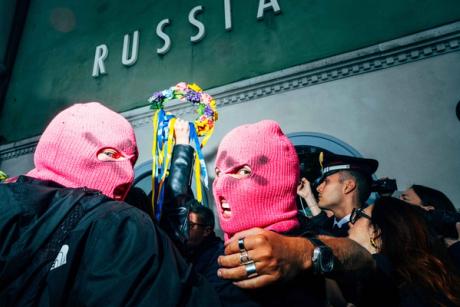
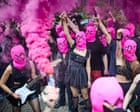
On the second day of the Venice Biennale preview, the activist group Pussy Riot staged a chaotic protest at the Russian pavilion, forcing it to temporarily close. Wearing pink balaclavas and carrying flares, about 40 activists—including members of Femen—gathered outside the pavilion, shouting slogans like "Blood is Russia's Art" and attempting to enter before being pushed back by police. Founding member Nadya Tolokonnikova led the protest, condemning Europe for allowing Russian participation despite the war in Ukraine. Separately, the Art Not Genocide Alliance (Anga) demonstrated outside the Israeli pavilion, which was locked from inside, over Israel's war in Gaza.

Dark clouds, protests and resignations dampen start of 61st Venice Biennale

The 61st Venice Biennale opened under grey skies and rain, with political tensions overshadowing the art world's premier event. The Russian pavilion, absent for two editions due to the Ukraine war, reappeared with a party atmosphere, though the Italian ministry of culture confirmed it would not be open to the public. The Ukrainian culture minister called Russia's symbolic presence powerful. The Iranian pavilion withdrew without explanation, and a protest by 60 artists from the In Minor Keys show marched through the Giardini humming in solidarity against Israel's participation. Over 200 artists, including Lubaina Himid and Alfredo Jaar, signed an open letter demanding the Israeli pavilion's cancellation. The event also proceeded without its curator, Koyo Kouoh, who died in May 2025; her curatorial team delivered the exhibition following her plans.

Dana Awartani on Representing Saudi Arabia at the 61st Venice Biennale

Dana Awartani, an artist based in Jeddah, will represent Saudi Arabia at the 61st Venice Biennale in 2026, with her pavilion located in the Arsenale under the theme 'Celebrating Visions.' In an interview with ArtReview, Awartani discusses her exhibition, which builds on her practice of foregrounding Arab cultural histories and preserving the region's material heritage. She connects her work to the Biennale's theme 'In Minor Keys' by focusing on repair, healing, and the quiet consequences of conflict, emphasizing craft as a form of quiet resistance against mechanization. The pavilion, she says, reflects the diversity of voices within Saudi Arabia's artistic community rather than a single national narrative.

Genti Korini on Representing Albania at the 61st Venice Biennale

Artist Genti Korini will represent Albania at the 61st Venice Biennale with a new moving-image installation titled 'A Place in the Sun.' Curated by Małgorzata Ludwisiak, the project utilizes 'Zaum'—a transrational language from the Russian Futurist movement—to explore themes of performance, puppetry, and animation. The work investigates Albania’s historical position as a 'somewhere place' often defined by external exoticism and orientalist perceptions rather than its own internal voice.