
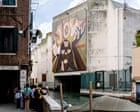
The 61st Venice Biennale opened under grey skies and rain, with political tensions overshadowing the art world's premier event. The Russian pavilion, absent for two editions due to the Ukraine war, reappeared with a party atmosphere, though the Italian ministry of culture confirmed it would not be open to the public. The Ukrainian culture minister called Russia's symbolic presence powerful. The Iranian pavilion withdrew without explanation, and a protest by 60 artists from the In Minor Keys show marched through the Giardini humming in solidarity against Israel's participation. Over 200 artists, including Lubaina Himid and Alfredo Jaar, signed an open letter demanding the Israeli pavilion's cancellation. The event also proceeded without its curator, Koyo Kouoh, who died in May 2025; her curatorial team delivered the exhibition following her plans.
This edition matters because it crystallizes the growing entanglement of geopolitics and major art exhibitions, where national pavilions become proxies for international conflicts. The mass resignation of the Golden Lion jury over arrest warrants for Russia and Israel, the protests, and the open letter signal that biennials can no longer separate art from global crises. The absence of Kouoh, a visionary curator, adds a layer of institutional fragility. The Biennale's handling of these pressures will set a precedent for how cultural events navigate censorship, representation, and protest in an increasingly polarized world.