filter_list Showing 42 results for "German pavilion" close Clear
search
dashboard All 42 museum exhibitions 19rate_review review 10article news 5candle obituary 4article culture 3person people 1
date_range Range Today This Week This Month All
Subscribe

What’s Showing in Chelsea During Frieze Week New York

This article is a critic's guide reviewing national pavilions during Frieze Week New York. Andrew Durbin contrasts a vacuous US presentation with incisive and moving installations from Britain and Germany, questioning the meaning and depth of the American contribution.

Arsenale Review: Where Voices Resist Erasure

At the 2026 Venice Biennale's Arsenale, critic Andrew Durbin reviews national pavilions, finding the US presentation vacuous and lacking meaning, while praising the British and German pavilions for their incisive and moving installations that resist erasure. The review highlights a stark contrast in curatorial ambition and political engagement among the participating nations.

National Pavilions Review: Porta-Potties, Porn and a Defiant Rave

Frieze critic Andrew Durbin reviews national pavilions at an unnamed biennial, contrasting a vacuous US presentation with incisive and moving installations from Britain and Germany. The US pavilion is criticized for lacking meaning, while the British and German pavilions feature incisive and moving works, including a defiant rave and provocative content like porta-potties and porn.

The Backlash Is Here

"Der Backlash ist da"

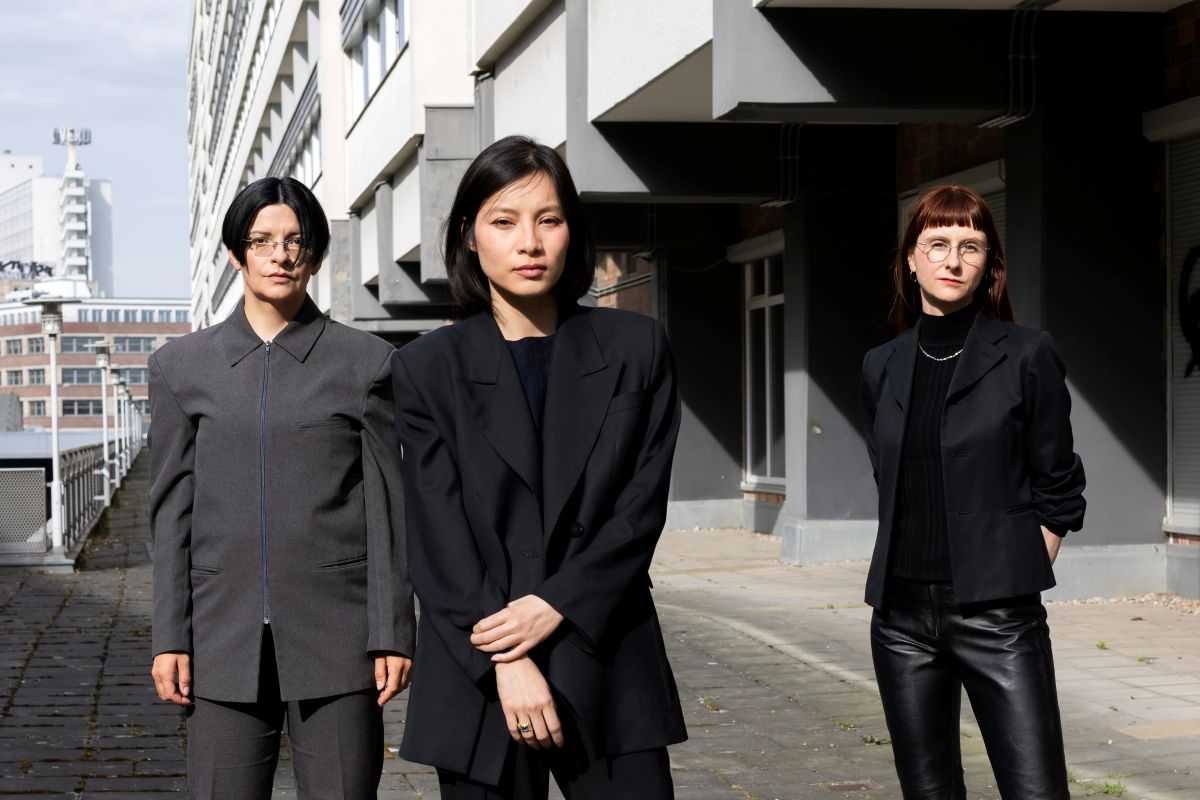
Kathleen Reinhardt, the curator of the German Pavilion at the Venice Biennale, has announced her concept featuring artists Sung Tieu and Henrike Naumann under the title "Ruin." The exhibition will use East Germany as a prism to explore themes of power, history, and the present. Reinhardt was invited to submit a concrete concept and specific artists for this edition of the pavilion.

History Made Material

Material gewordene Geschichte

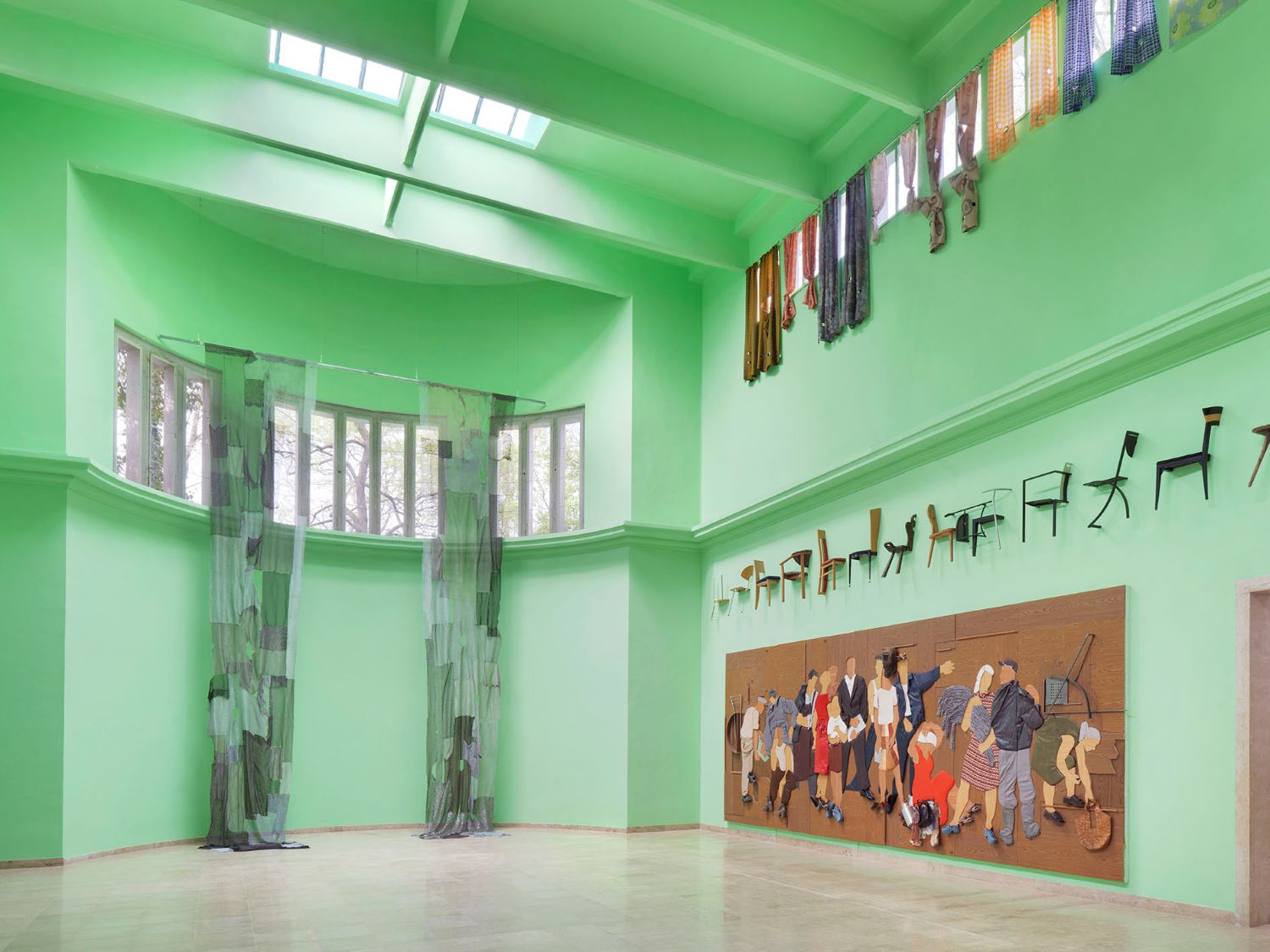
The German Pavilion at the 61st Venice Biennale has been transformed by artist Sung Tieu, who clad its Nazi-era facade with millions of small marble tiles to replicate the look of a prefabricated East German apartment block—specifically the Gehrenseestraße housing complex in Berlin where she spent part of her childhood. Inside, the exhibition features glass casts of her mother's limbs, aluminum beams evoking cramped living quarters, and works by the late Henrike Naumann, all curated by Kathleen Reinhardt to explore bureaucracy, migration, and systemic violence.

It's a Rollercoaster of Emotions

"Es ist ein Wechselbad der Gefühle"

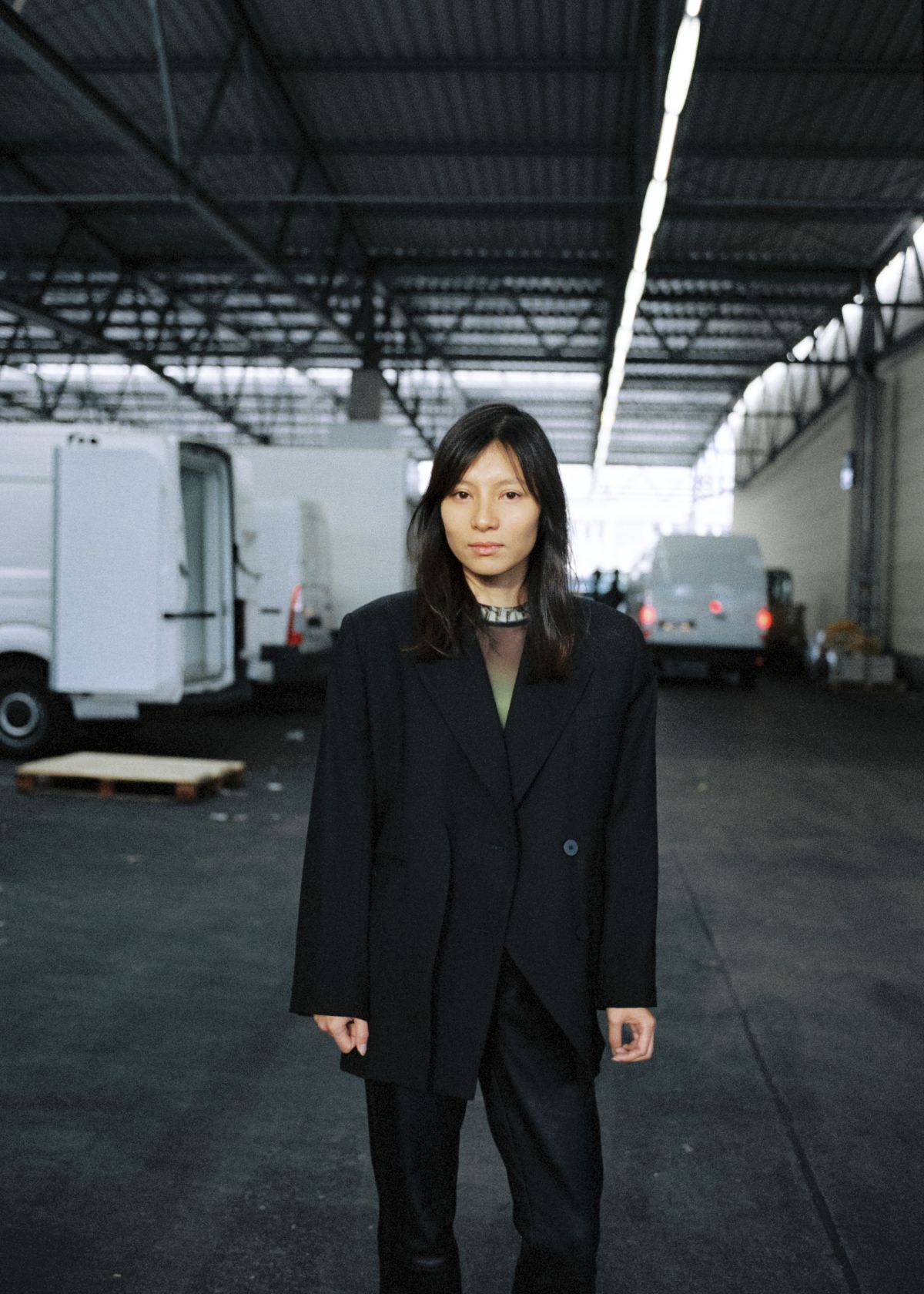
Sung Tieu has been selected to represent Germany at the Venice Biennale with a solo exhibition in the German Pavilion. In an interview with Monopol, she discusses how her personal biography—as a Vietnamese-German artist—informs her practice, which examines Vietnamese migration to East Germany, the rise of right-wing extremism, and the cold, bureaucratic language of state power. The exhibition will bring these themes to an international audience in Venice.

Henrike Naumanns langer Weg in den deutschen Pavillon

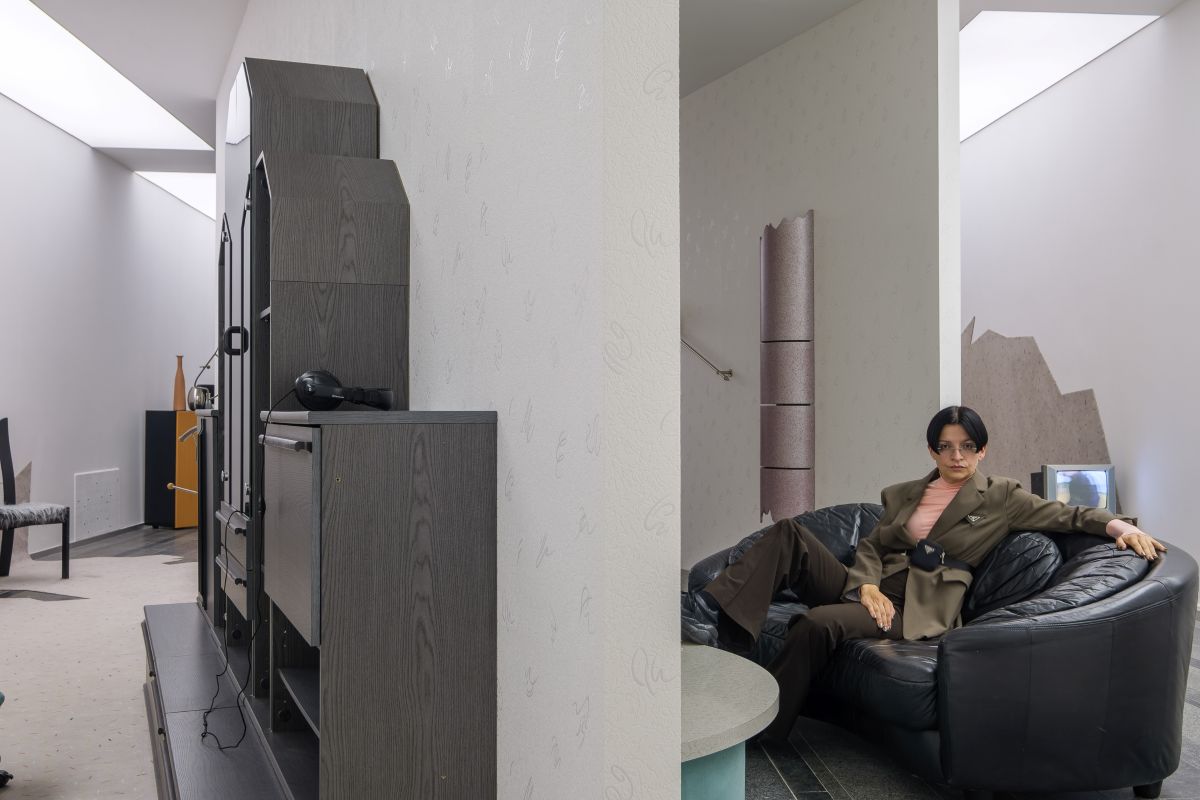
Henrike Naumann, a German artist who recently passed away, is being honored with a posthumous exhibition at the German Pavilion during the Venice Biennale. Her work, which explores recent German history, state art, and the absence of East German art in the pavilion, finds its ultimate context in this historically charged Nazi-era building.

Participatory Design or Processual Formalism? Frei Otto, the Ökohaus, and the Ökohäusler by Matthew Kennedy

The Ökohaus (Eco-House) project in Berlin stands as a radical experiment in participatory architecture, born from the 1987 Internationale Bauausstellung (IBA) urban renewal program. Designed by Frei Otto, the complex features three residential buildings characterized by a 'double informality' where dense foliage and a patchwork of diverse cladding materials—ranging from timber and metallic shingles to exposed concrete—create a ruin-like yet meticulously resolved aesthetic. The project challenged traditional housing models by allowing residents, or 'Ökohäusler,' to engage in a collective and individualized construction process.

The Venice Biennale of Art has begun! The pavilions you should not miss this year

The Venice Biennale of Art has officially opened, showcasing national pavilions and exhibitions from around the world. The article highlights key pavilions that visitors should prioritize this year, offering a curated guide to the most notable presentations at the prestigious international art event.

In Minor Keys and legacies held in common

The article reflects on the 61st Venice Biennale, curated by Koyo Kouoh, who passed away on 10 May 2025 at age 57 after a cancer diagnosis. Her curatorial concept, "In Minor Keys," will be realized posthumously by her team. The Biennale preview opens on 6 May 2026, with the public opening on 9 May. Additionally, artist Henrike Naumann, selected for the German Pavilion, died on 14 February 2025 at age 41, also from cancer; her work will be shown in her name.

Henrike Naumann—selected for this year's Germany pavilion at the Venice Biennale—has died

Artist Henrike Naumann, who was selected alongside Sung Tieu to represent Germany at the 2024 Venice Biennale, has died at age 39. She passed away on February 14 in Berlin after a short, serious illness, which her website specified was a late cancer diagnosis. The Institut für Auslandsbeziehungen (Ifa), which oversees the German Pavilion, confirmed her death and stated that her planned work for the Biennale will be realized posthumously according to her completed vision.

A Different Germany

Ein anderes Deutschland

The German Pavilion at the Venice Biennale, historically burdened by its Nazi-era origins, presents a new exhibition titled "Ruin." For the first time, the pavilion explicitly adopts an East German perspective, confronting its fraught past from a fresh angle. The show features massive pillars and a prominent "Germania" inscription above the entrance, directly engaging with the building's controversial history.