
Material gewordene Geschichte
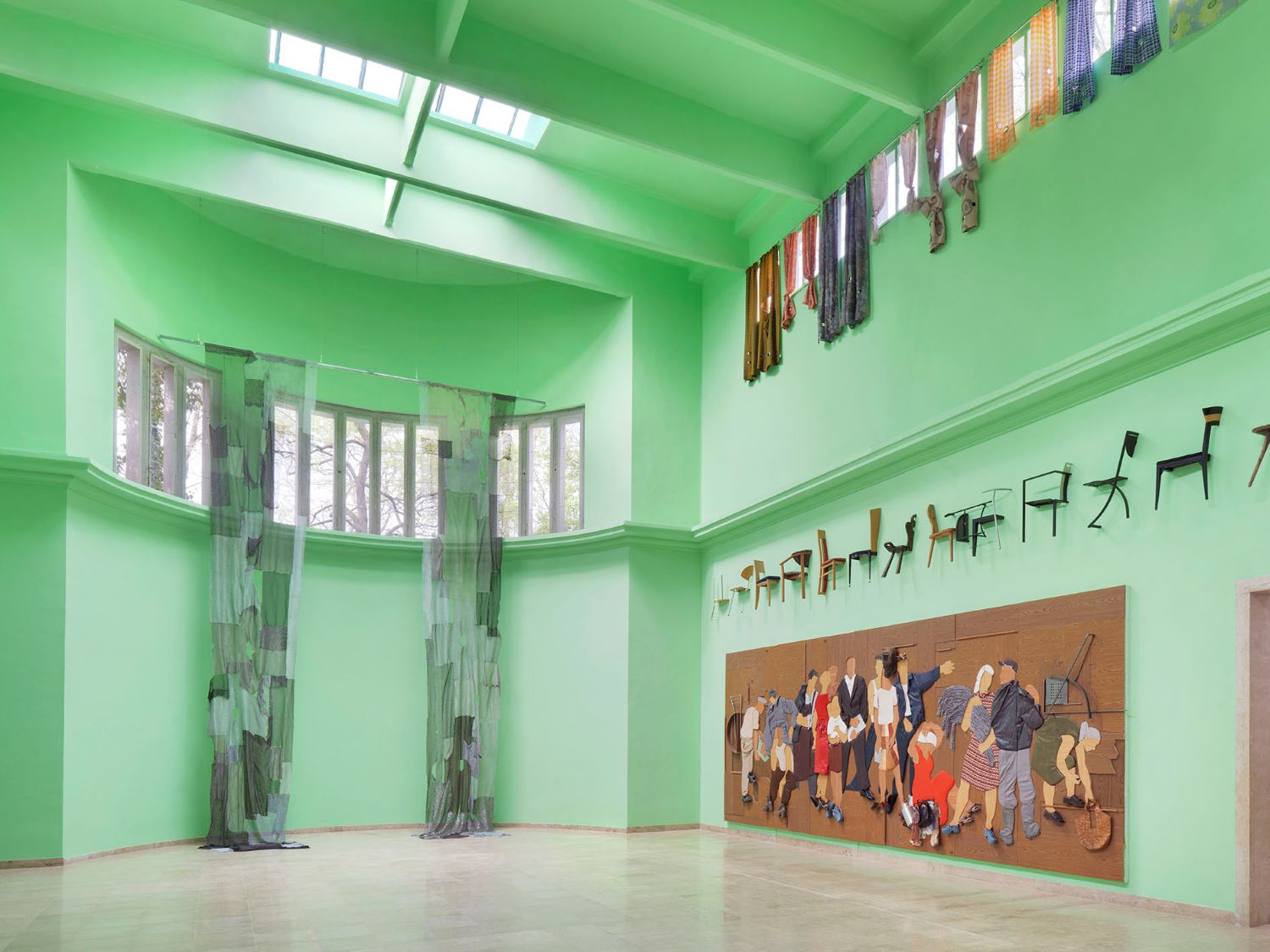
The German Pavilion at the 61st Venice Biennale has been transformed by artist Sung Tieu, who clad its Nazi-era facade with millions of small marble tiles to replicate the look of a prefabricated East German apartment block—specifically the Gehrenseestraße housing complex in Berlin where she spent part of her childhood. Inside, the exhibition features glass casts of her mother's limbs, aluminum beams evoking cramped living quarters, and works by the late Henrike Naumann, all curated by Kathleen Reinhardt to explore bureaucracy, migration, and systemic violence.
This presentation matters because it marks the first time the German Pavilion has directly addressed East German history and the experiences of Vietnamese contract workers and their families in the former GDR. Sung Tieu, who entered Germany illegally as a child and now represents the country at its national pavilion, uses everyday materials and bureaucratic forms to expose how state power is inscribed in architecture and objects. The exhibition also serves as a posthumous tribute to Henrike Naumann, whose research-driven practice is shown here for the first time in this context, making the pavilion a layered meditation on Germany's past and present.