filter_list Showing 43 results for "The Intern" close Clear
dashboard All 43 article news 17museum exhibitions 15person people 3article policy 3article local 2article culture 2rate_review review 1
date_range Range Today This Week This Month All
Subscribe

‘Still Breathing’ showcases Koh Sang-woo's artistic journey through the lives of wounded, abused animals

Artist Koh Sang-woo's solo exhibition "Still Breathing" opened at the Savina Museum of Contemporary Art in Seoul, featuring paintings of wounded, abused, and endangered animals. The show includes portraits of spotted seals from a project with WWF Korea, works from a partnership with Cheongju Zoo (including a vulture named Hana and a zebra named Sero), and a rabbit blinded in cosmetic testing. Koh uses a signature blue-inversion technique, and the exhibition is curated by museum director Lee Myung-ok.
Curiosities at the 2026 Venice Biennale: the Tanzania Pavilion is full of Italian artists

Curiosità alla Biennale di Venezia 2026: il Padiglione della Tanzania è pieno di artisti italiani

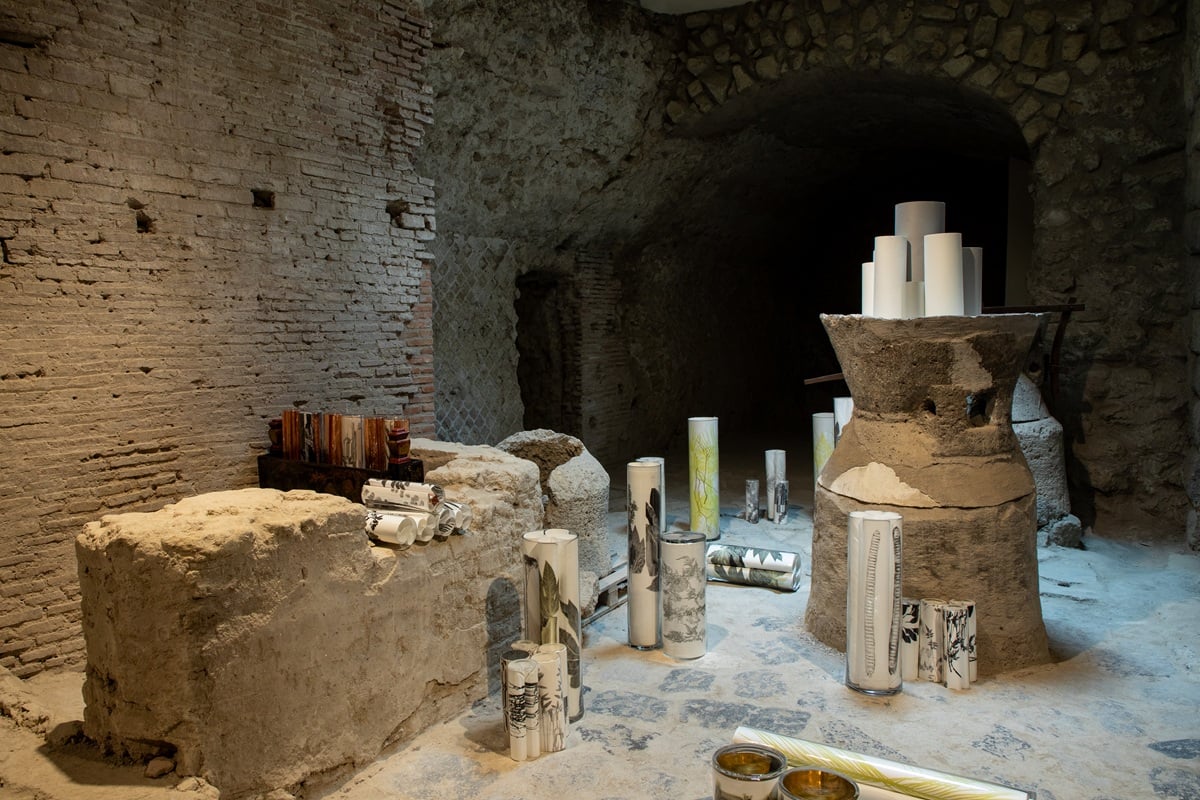
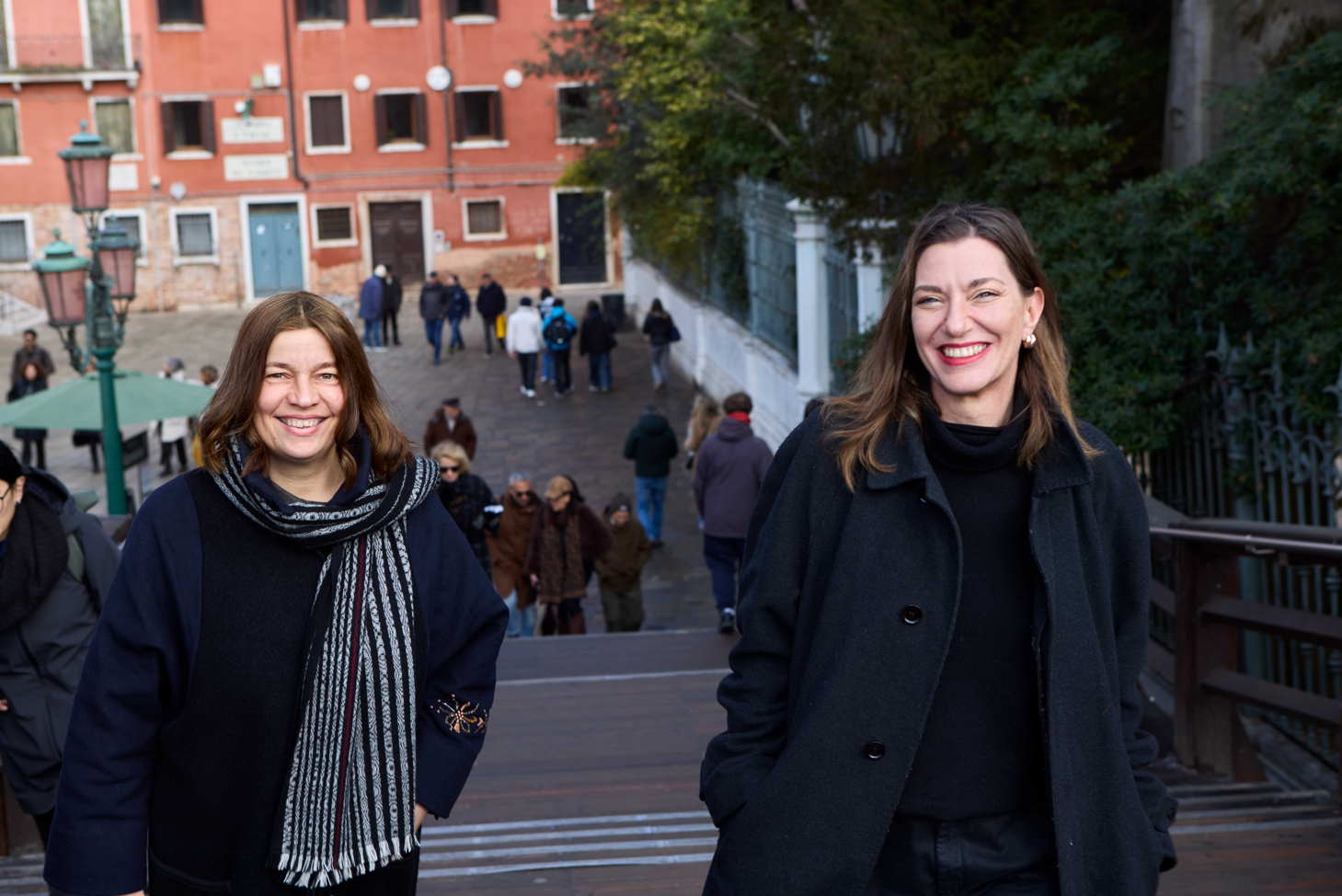
The Tanzania Pavilion at the 2026 Venice Biennale, titled "Minor Frequencies: The Inner Life of a Nation," features a significant number of Italian artists alongside Tanzanian voices. Curated by Lorna Benedict Mashiba and Martina Cavallarin, the exhibition is housed across the Gervasuti Foundation, Palazzo Canova, and Supernova in Cannaregio. It includes works by 14 Italian artists such as Alice Andreoli, Christian Balzano, and Silvia Canton, as well as artists from Europe and Asia, while centering the practices of Tanzanian artists like Turakella Editha Gyindo, Lazaro Samuel, Valerie Asiimwe Amani, and Amani Abeid.

Il Padiglione Italia alla Biennale? “Deve essere uno spazio di possibilità”. Intervista alla curatrice

The article announces Chiara Camoni's project "Con te con tutto" for the Italian Pavilion at the 61st Venice Biennale in 2026, curated by Cecilia Canziani. The project emphasizes relational and communal practices, rejecting the identity-driven rhetoric of national representation. It stems from a fifteen-year dialogue between artist and curator, incorporating workshops, shared readings, and collaborative works like "La Giusta Misura." The pavilion is conceived as an ecosystem of artworks, texts, and activations rather than a linear exhibition, with a catalog designed as a critical reader.

Israeli Pavilion Artist Made Legal Threats Before Venice Biennale Jury Resigned

New reports reveal that Israeli Pavilion artist Belu-Simion Fainaru issued legal threats against the Venice Biennale, alleging antisemitism and discrimination after the awards jury decided to exclude Israel and Russia from consideration due to human rights charges. The jury, which included Elvira Dyangani Ose, Zoe Butt, Marta Kuzma, Giovanna Zapperi, and Solange Farkas, initially stated on April 22 it would not consider nations whose leaders are charged with crimes against humanity by the International Criminal Court. Fainaru filed legal warnings with the Biennale, the Italian Ministry of Culture, and the Prime Minister's office. The jury abruptly resigned eight days later, leading the Biennale to scrap the Golden Lion awards and institute "Visitor Lions" decided by public vote. Reports indicate the Biennale's legal department warned jurors could be personally liable for damages, and Italian Culture Minister Alessandro Giuli promised to promote Fainaru's work.

The Biennale Must Remain Open – Also for Russia

Die Biennale muss offen bleiben – auch für Russland

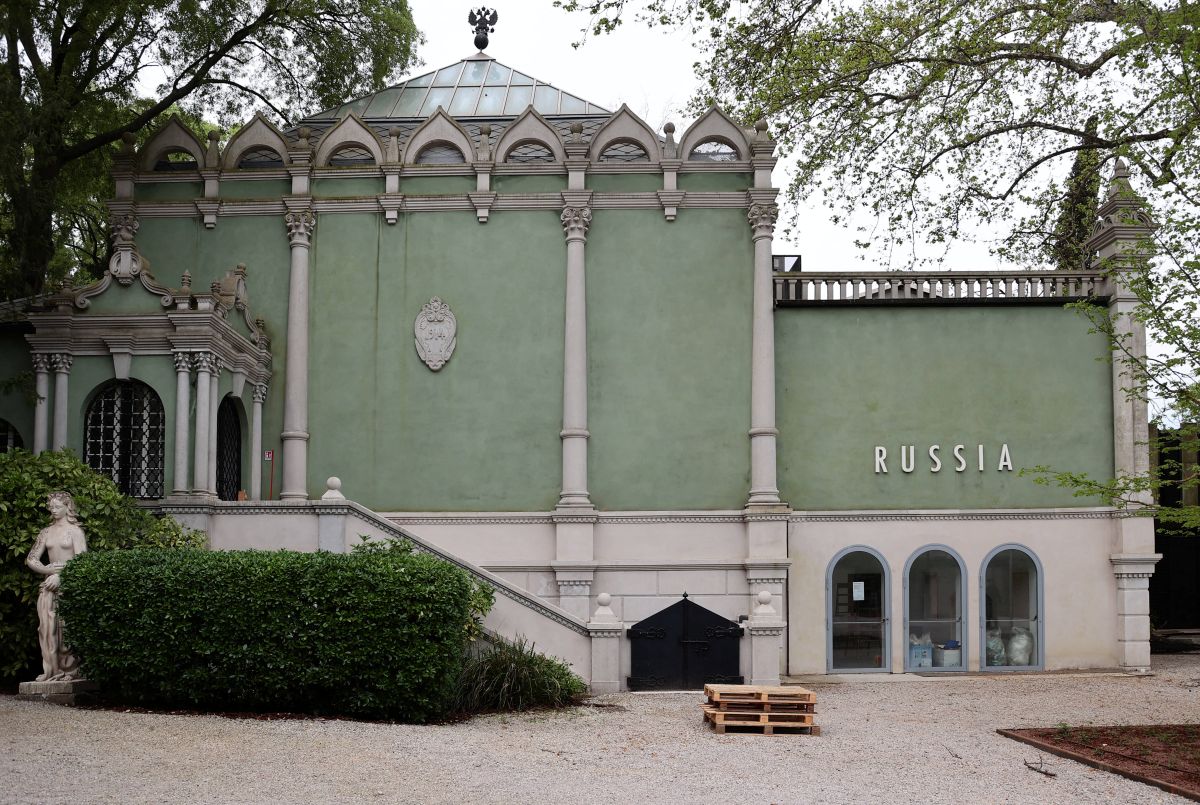
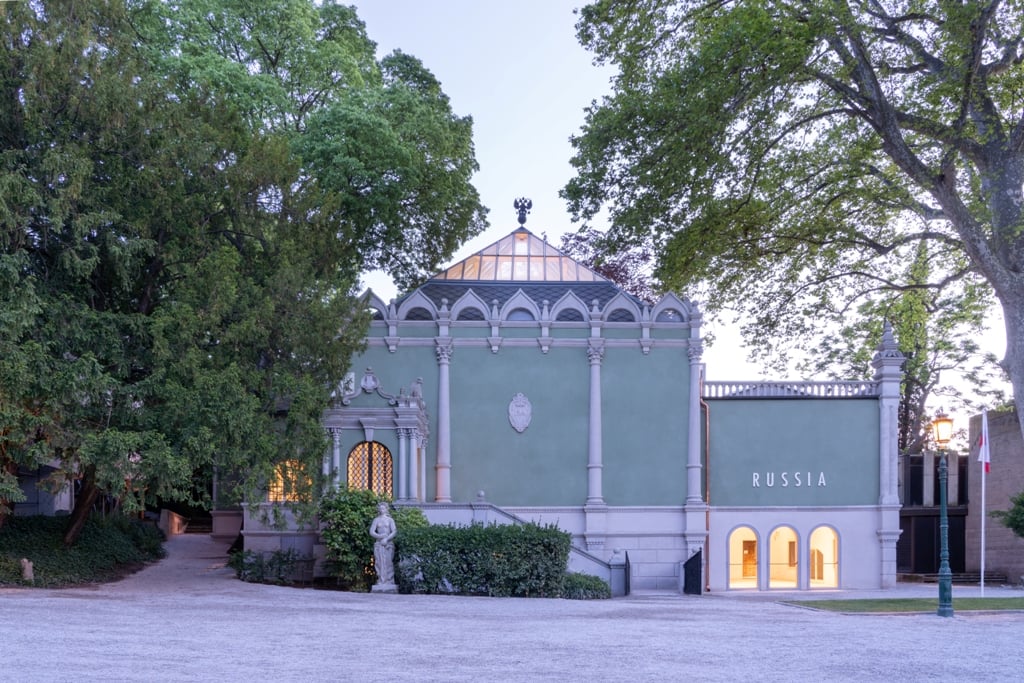
The article argues against calls to exclude Russia from the Venice Biennale, focusing on the controversy surrounding the Russian pavilion's planned exhibition titled "Der Baum ist im Himmel verwurzelt" (The Tree Is Rooted in Heaven). The pavilion is set to feature musicians from Russia, Argentina, Mali, and Mexico, and its theme revolves around the idea that politics is time-bound. The author contends that while the demand to exclude Russia is understandable given the geopolitical context, it is dangerous because once a biennial begins disinviting states, it undermines the very concept of the international exhibition.

From Minor Keys to Uproar: The Crisis of the Venice Biennale

DE LAS MINOR KEYS AL ESTRUENDO: LA CRISIS DE LA BIENAL DE VENECIA

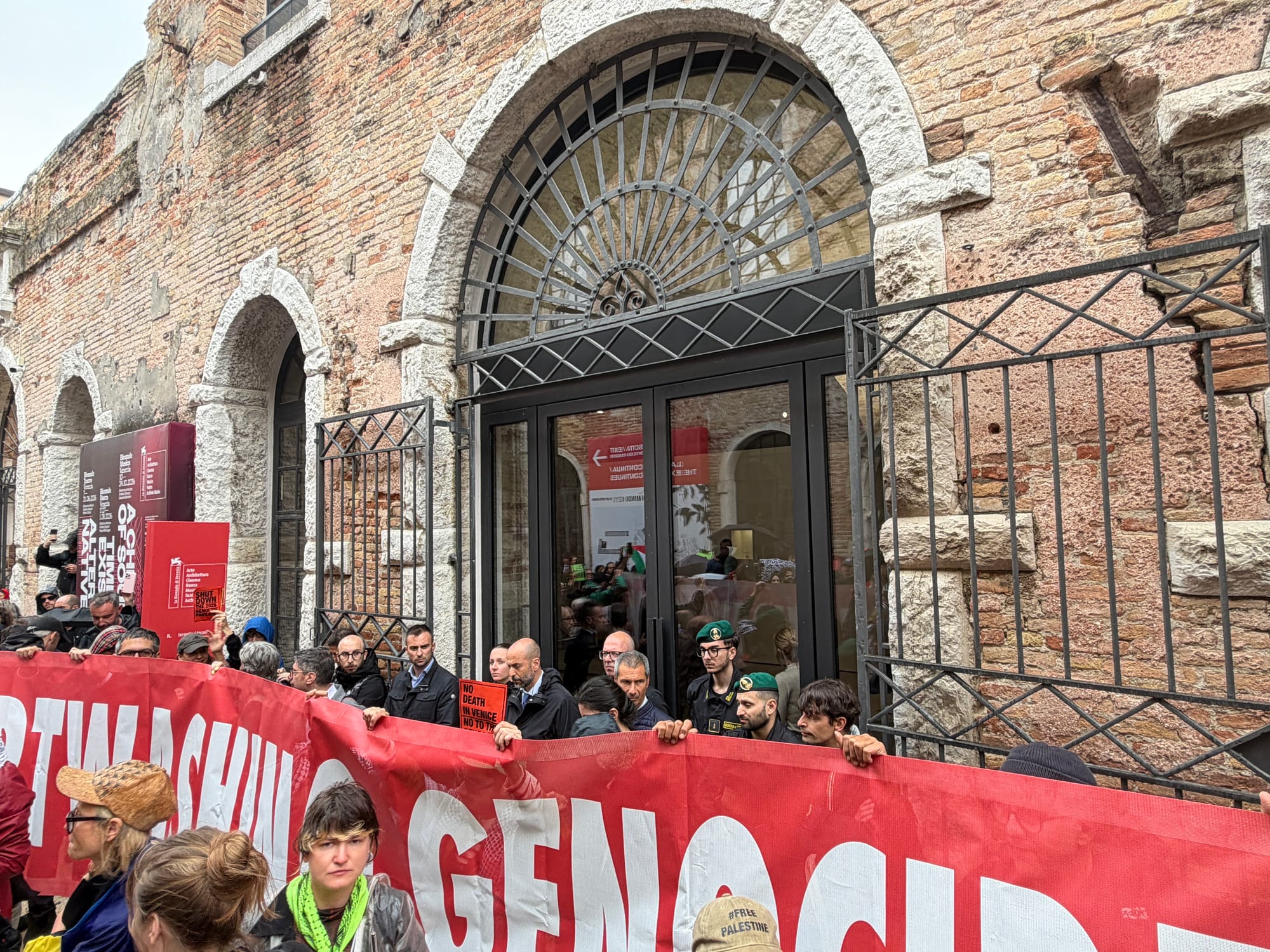
The 61st Venice Biennale is engulfed in a structural crisis, marked by geopolitical tensions over the inclusion of Russia (amid its invasion of Ukraine) and Israel (amid the Gaza genocide). The Biennale Foundation, led by Pietrangelo Buttafuoco, defended their participation on legalistic grounds, sparking outrage from over 200 artists, curators, and cultural workers who demanded Israel's exclusion, aligning with Art Not Genocide Alliance (ANGA). The international jury, chaired by Solange Farkas and including Zoe Butt, Elvira Dyangani Ose, Marta Kuzma, and Giovanna Zapperi, resigned collectively on April 30 after deciding not to award prizes to countries whose leaders face International Criminal Court arrest warrants. This led to the cancellation of the traditional Golden and Silver Lions, replaced by audience-voted "Visitor Lions," with awards deferred until November. The European Commission suspended a €2 million subsidy over Russia's participation, and Italian Culture Minister Alessandro Giuli notably skipped the May 9 opening.

How the Venice Biennale imploded over Israel

The 61st Venice Biennale, scheduled to open on May 9, has been thrown into turmoil after its International Jury announced that national pavilions and artists representing countries whose leaders are charged with crimes against humanity by the International Criminal Court will not be eligible for prizes. This excludes Israel, represented by sculptor Belu-Simion Fainaru, and Russia from competing for the Golden Lion. The decision follows an open letter signed by hundreds of artists and curators demanding Israel's exclusion over the war in Gaza, and comes amid ongoing geopolitical tensions, including Russia's absence from previous editions after its invasion of Ukraine. The Biennale's theme, 'In Minor Keys,' curated by the late Koyo Kouoh, aimed to focus on dignity and listening to marginalized voices, but the prize ban has sparked accusations that identity politics are overshadowing artistic merit.

A Forum for African Voices Draws Inspiration From a Former Champion

The African Art in Venice Forum is continuing its mission of addressing the continent’s artistic needs, even as it mourns the loss of Koyo Kouoh, a key supporter. The forum, which draws inspiration from a former champion, aims to amplify African voices in the global art scene, particularly during the Venice Biennale.

Ministry of Culture inspectors present report on Biennale: Russia pavilion will remain closed

Gli ispettori del Ministero della Cultura in Biennale presentano relazione: il padiglione Russia resterà chiuso

Italian Ministry of Culture inspectors have submitted a report to the Prime Minister's office regarding Russia's participation in the 2026 Venice Art Biennale. The report concludes that Russia did not receive a formal invitation from the Biennale Foundation to participate, nor did it sign the participation agreement—a situation shared by other countries with permanent pavilions. While Russia submitted a project and appointed a commissioner, its pavilion will remain closed to the public due to EU sanctions, though a private vernissage may proceed. The report finds no serious violations that would cancel Russia's participation, but notes critical issues that warranted more caution. The international jury resigned en masse after announcing it would not consider countries whose leaders are accused of crimes against humanity by the International Criminal Court, including Russia and Israel, and after an Israeli artist threatened a discrimination lawsuit.

Iran Absent from the Venice Biennale

L’Iran absent de la Biennale de Venise

Iran will be absent from the 2026 Venice Biennale, marking a notable gap in the international art exhibition. The decision reflects ongoing geopolitical tensions and logistical challenges that have prevented the country from participating in one of the world's most prestigious cultural events.

MARGARET WHYTE TURNS FRAGILITY INTO LANGUAGE AT THE 2026 VENICE BIENNALE

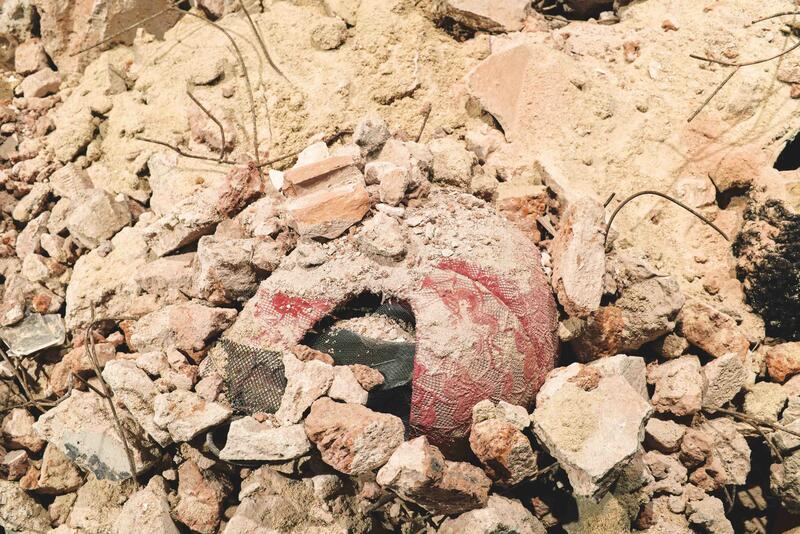
The Uruguay Pavilion at the 2026 Venice Biennale presents "ANTIFRAGIL," a new installation by artist Margaret Whyte, curated by Patricia Bentancur. The work combines textiles with obsolete technological objects such as old machines, motorcycle helmets, and waste fragments, embodying the concept of antifragility developed by Nassim Taleb—systems that grow stronger through disorder and instability. Whyte's practice transforms fragility and vulnerability into poetic resistance, challenging traditional hierarchies between craft and contemporary art.

A Milano esiste una community di illustratori che racconta la città disegnandola dal vivo

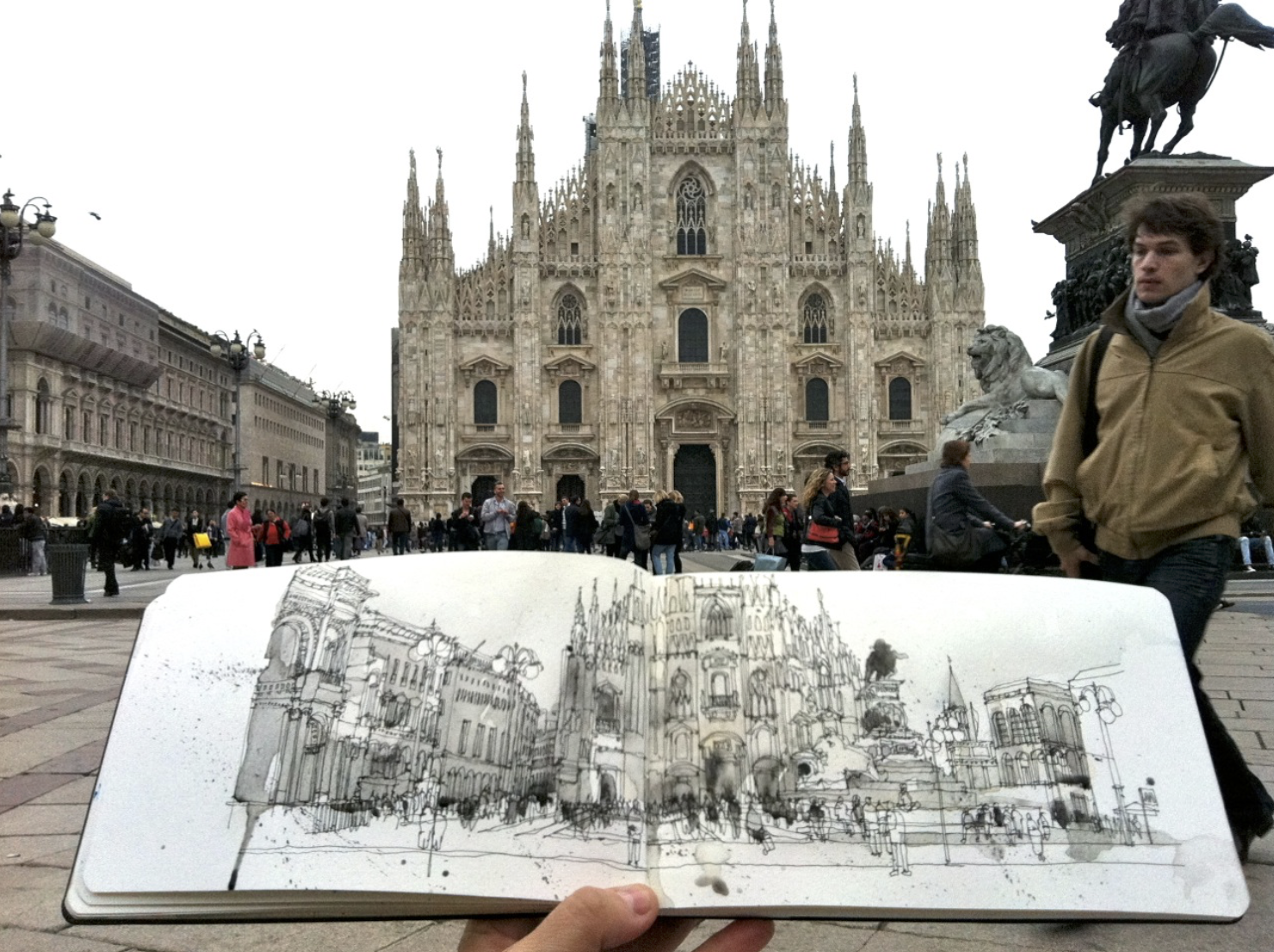
Urban Sketchers Milano, a local chapter of the international Urban Sketchers community, recently held an event at Casa Galimberti, a notable Liberty-style building in Milan. The group, founded in 2007 by journalist and illustrator Gabriel Campanario in Seattle, brings together illustrators who draw urban scenes directly from life, on location. The Milan chapter, active since March 2008, is currently managed by Valentín Di Salvo, Stefano Ziffarelli, and Daniela Paglia, and organizes events such as a recent gathering at the garden of Via San Martino, which drew over 90 artists.

Golden Lions of the Biennale voted by the public? 7 reasons why they cannot work

Leoni d’Oro della Biennale votati dal pubblico? 7 motivi per cui non possono funzionare

On April 30, 2026, the International Jury of the Venice Art Biennale resigned en masse. In response, the Biennale Foundation hastily announced a new initiative called the "Visitor Lions" (Leoni dei Visitatori), where paying visitors would vote to award the Golden Lions for best artist and best national participation. The voting system would rely on ticket tracking to verify attendance at the main venues, the Giardini and the Arsenale. However, just a week before the public opening, no further details had been released, raising numerous practical concerns about the mechanism's feasibility.