
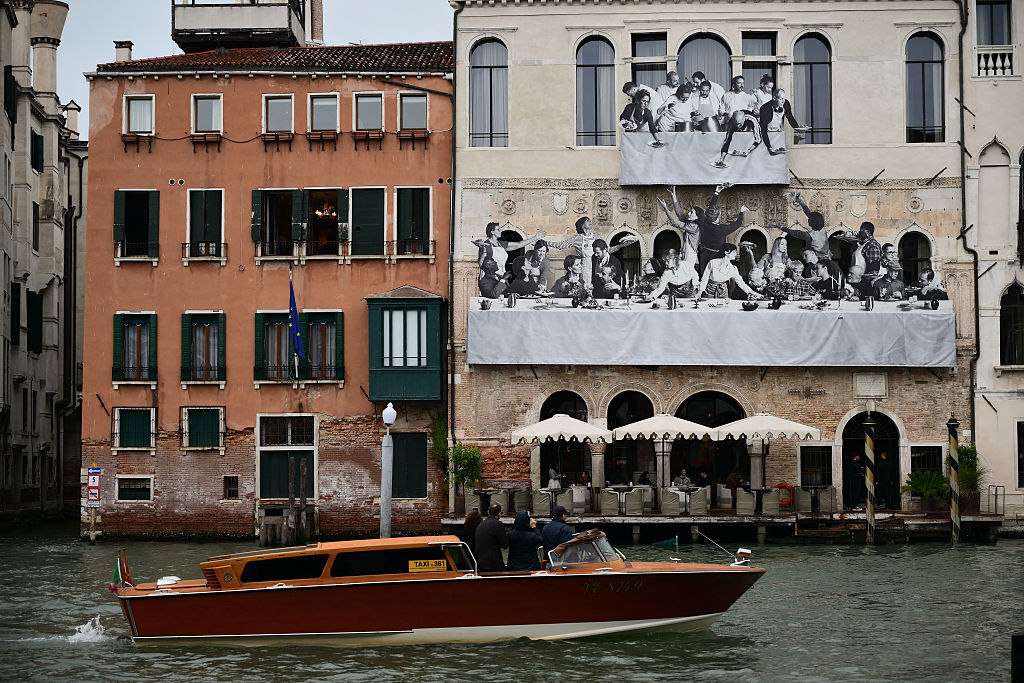
The 61st Venice Biennale, scheduled to open on May 9, has been thrown into turmoil after its International Jury announced that national pavilions and artists representing countries whose leaders are charged with crimes against humanity by the International Criminal Court will not be eligible for prizes. This excludes Israel, represented by sculptor Belu-Simion Fainaru, and Russia from competing for the Golden Lion. The decision follows an open letter signed by hundreds of artists and curators demanding Israel's exclusion over the war in Gaza, and comes amid ongoing geopolitical tensions, including Russia's absence from previous editions after its invasion of Ukraine. The Biennale's theme, 'In Minor Keys,' curated by the late Koyo Kouoh, aimed to focus on dignity and listening to marginalized voices, but the prize ban has sparked accusations that identity politics are overshadowing artistic merit.
This controversy matters because the Venice Biennale is the world's most prestigious contemporary art exhibition, and its handling of geopolitical conflicts sets a precedent for how international cultural events navigate political boycotts and free expression. The exclusion of Israel and Russia from prize consideration threatens to politicize the awards and alienate participating nations, while also risking funding cuts—the European Union has vowed to withdraw its €2 million grant over Russia's return. The situation echoes the 2024 Biennale, when Israeli artist Ruth Patir's pavilion remained closed in protest of the Gaza war, and highlights the growing tension between artistic freedom and institutional responses to global crises. The outcome could reshape how biennials address human rights issues and national representation in the future.