filter_list Showing 36 results for "grotesque" close Clear
search
dashboard All 36 museum exhibitions 21candle obituary 4article culture 3rate_review review 3article news 2article local 1person people 1trending_up market 1
date_range Range Today This Week This Month All
Subscribe

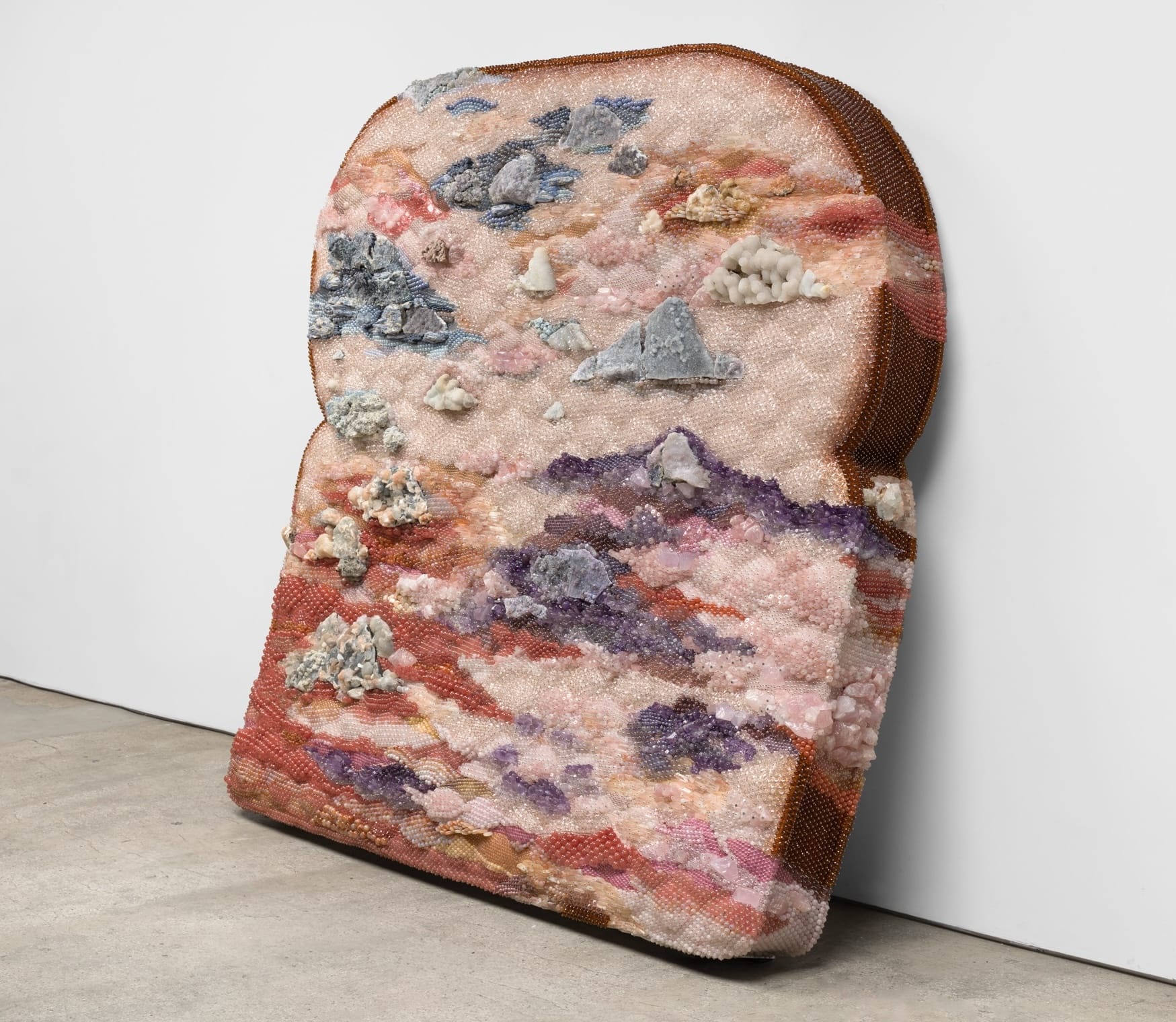
Semiprecious Stones Coat Kathleen Ryan’s Oversized Sculptures of Rotting Food

Artist Kathleen Ryan creates large-scale sculptures of rotting fruit and food items, meticulously covering them with thousands of semiprecious stones and beads to mimic the textures and colors of mold and decay. Works like "Bad Lemon (Slice of Paradise)" and "Screwdriver" juxtapose luxurious materials like amethyst, turquoise, and serpentine with salvaged metal from vintage cars, creating a dual personality of hidden beauty and grotesque rot.
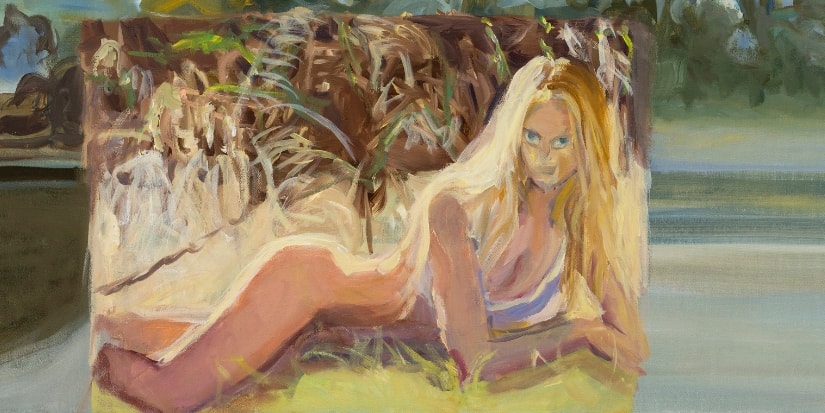
Janet Werner Is Distorting Fashion’s Beauty Ideals Through Painting

Janet Werner, an artist with a nearly four-decade career, has created a new body of work titled "Landscape with Legs" that distorts fashion imagery from Vogue archives and vintage campaigns by Marc Jacobs. Her paintings transform archetypal fashion models—thin, blonde, and emblematic of privilege—into unsettling, complex figures that expose a tension between glamor and the grotesque. The exhibition runs from May 1 to June 12, 2026, at Anat Ebgi Gallery in New York, marking her second solo show there. In an interview, Werner discusses her background as a dancer, her creative process of collaging photographic images with art historical references like Watteau and Caspar David Friedrich, and the political moment that makes the show feel urgent.

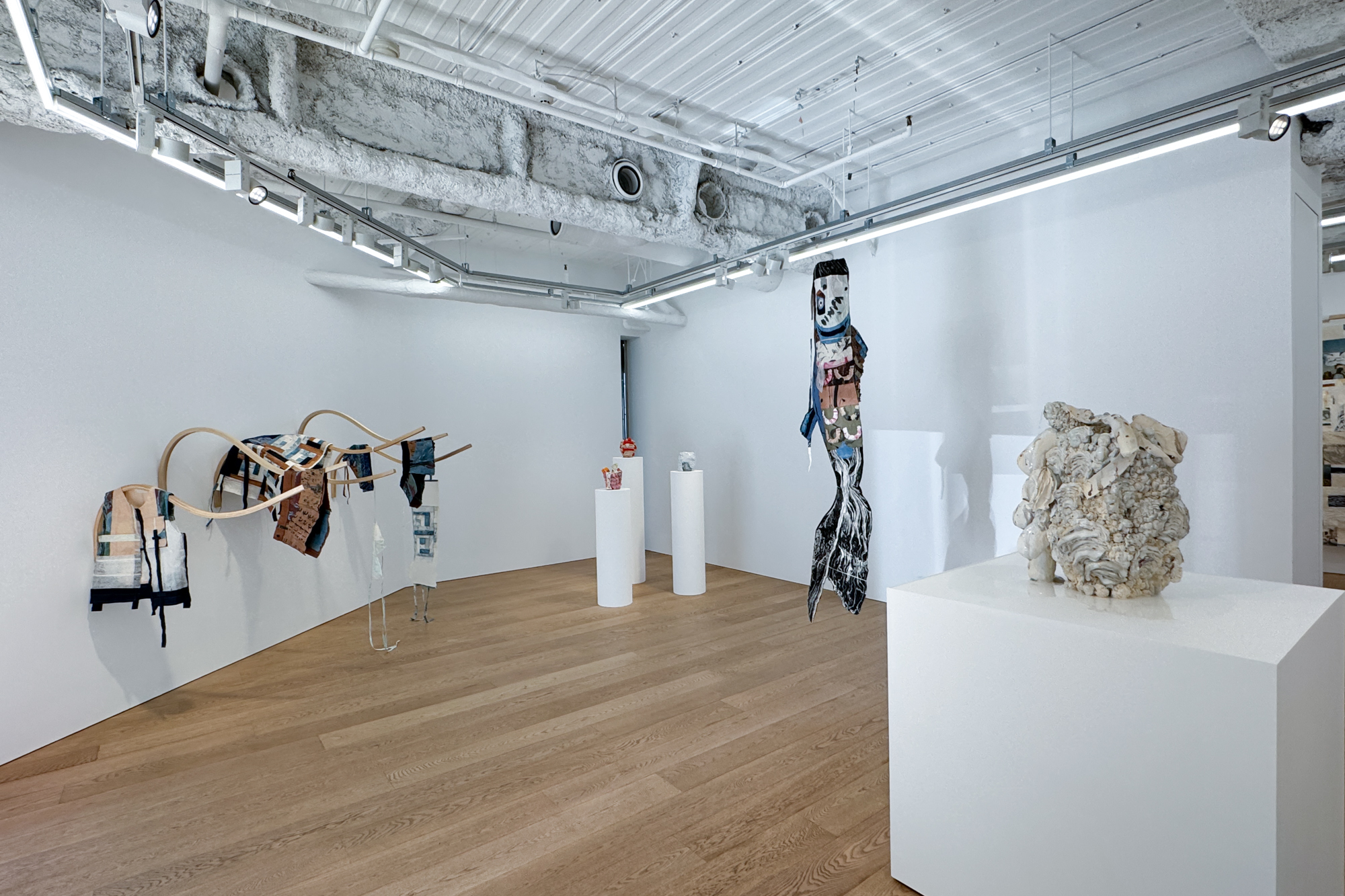
Kazuhito Kawai & Alexa Kumiko Hatanaka "Tsuitayo: Becoming by Making" @ KOTARO NUKAGA (Roppongi)

川井雄仁&アレクサ・クミコ・ハタナカ「ついたよ:Becoming by Making」@ KOTARO NUKAGA(六本木)

Artists Kazuhito Kawai and Alexa Kumiko Hatanaka are presenting a joint exhibition titled "Tsuitayo: Becoming by Making" at KOTARO NUKAGA in Roppongi, Tokyo. Running from March 14 to April 10, 2026, the show features Kawai’s expressive ceramic sculptures alongside Hatanaka’s textile-based works, including her signature "Noren" and "Tabi" pieces. The exhibition highlights a dialogue between Kawai’s tactile, often grotesque ceramic forms and Hatanaka’s exploration of heritage and craft through traditional Japanese materials.

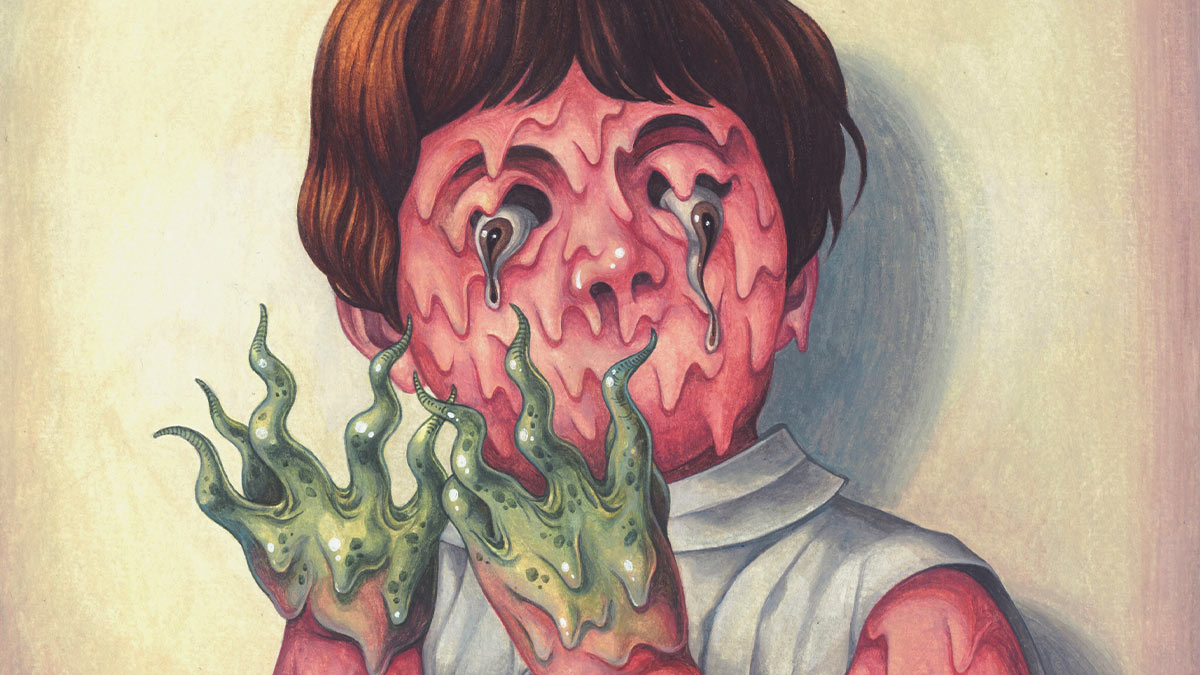
Slow Rot at Method Delhi Explores Human Fragility and Psychological Unrest Through Art

Method Delhi is presenting 'Slow Rot', a group exhibition featuring ten contemporary Indian artists whose works explore human fragility, psychological unrest, and the grotesque. The show runs from May 9 to July 3, 2026, at Method's New Delhi space in Defence Colony, with free entry. Participating artists include Aditya Dhabhai, Dhruvi Jain, M. Imran Ahamed, Milan Sharma, Mitali Das, Priyesh T., Revant Dasgupta, Riya Chandwani, Sajid Wajid Shaikh, and Tithi Das, working across painting, sculpture, and mixed media.

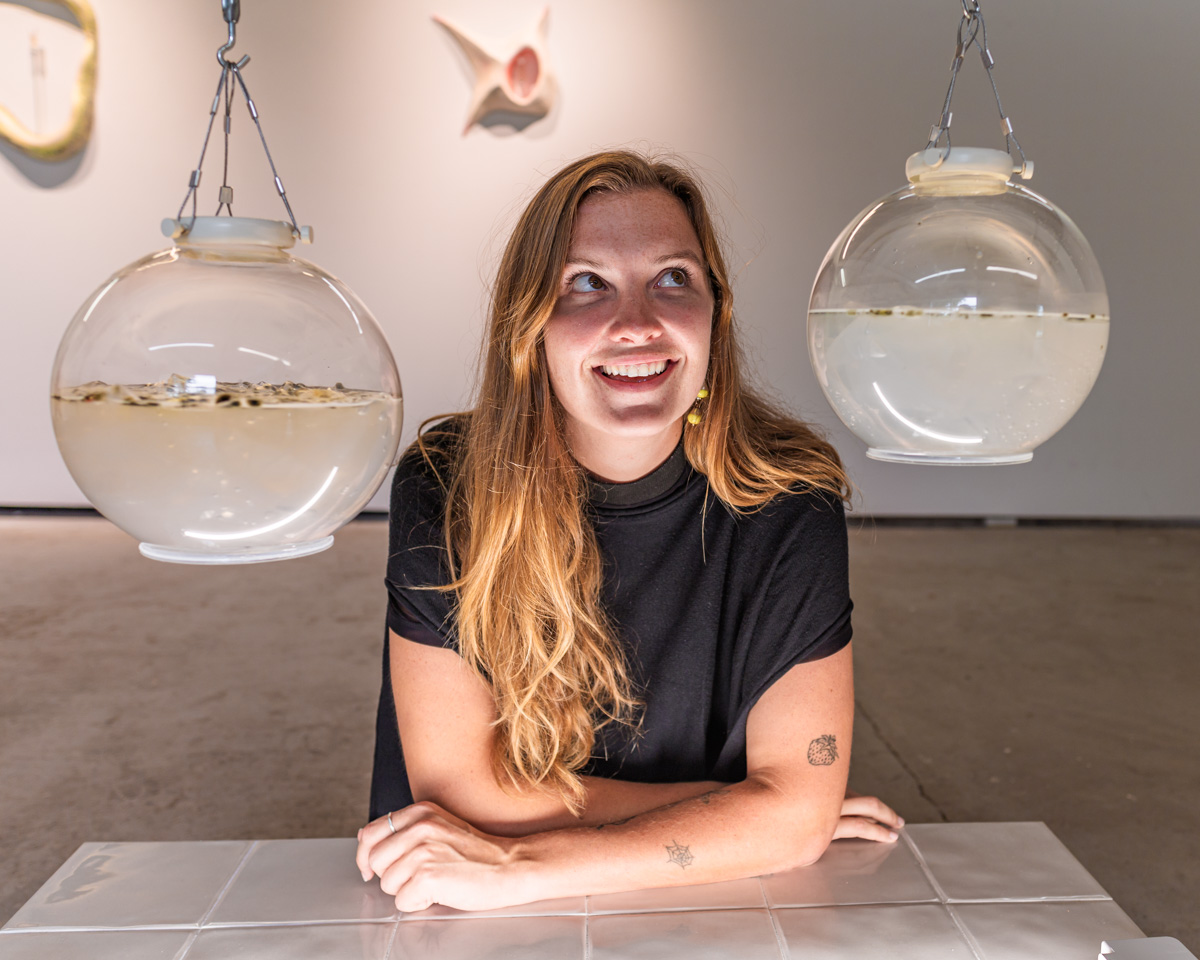
Art exhibition preserves a moment in time using historical scientific research, microbiology and macabre curiosity

Artist Emily Mulvaney has opened her debut solo exhibition, "Preservation of Bodies," at Off-Site Art Space, exploring themes of preservation and degradation through a blend of art and science. The show features bioplastics, mold, vacuum-sealed bags, and synthetic organ-like forms, drawing on historical scientific research from the Kenneth Spencer Research Library and the Linda Hall Library. Mulvaney, who was the Lance Williams Art and Science Artist-in-Residence at the University of Kansas, uses materials like bioplastics to address ethical and environmental concerns, collaborating with PhD student Eryk Yarkosky on bacterial communication pieces.

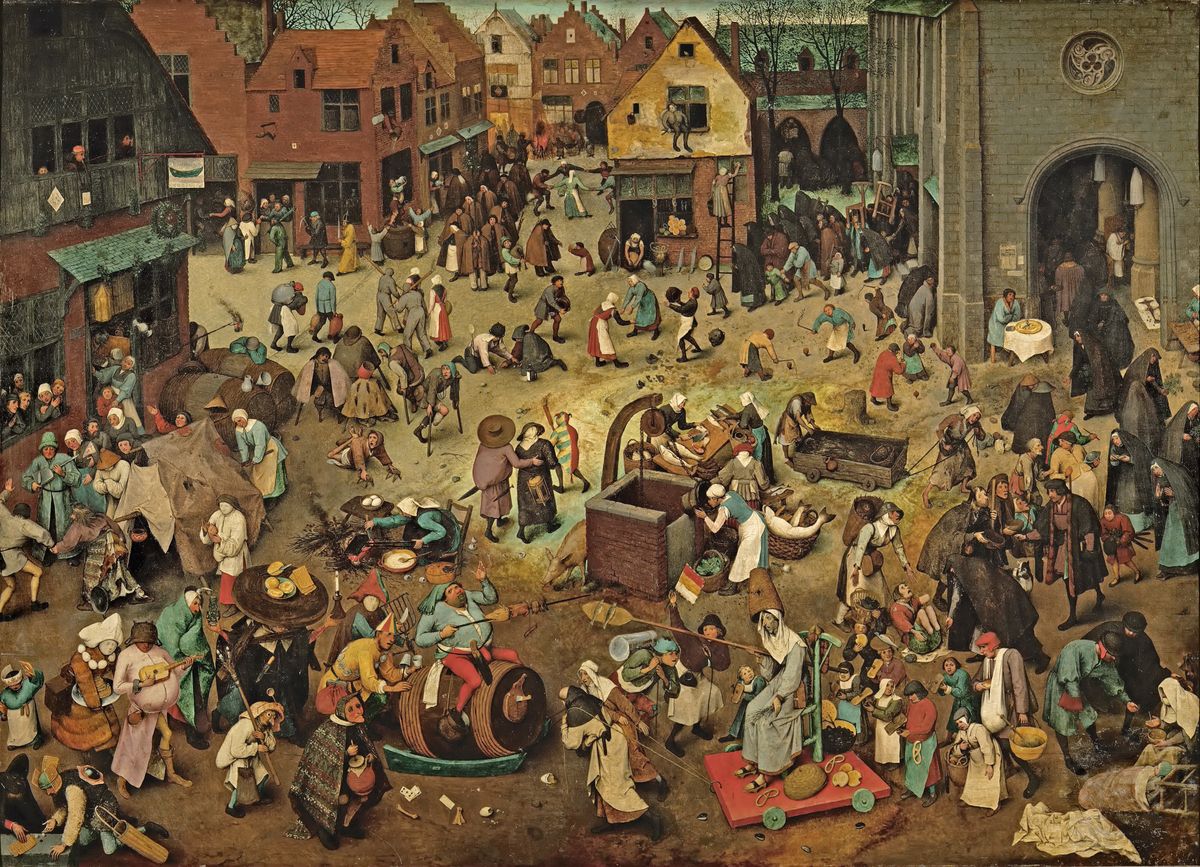
A New Look at Rabelais and His World

The article examines the philosophical and literary significance of laughter in François Rabelais's work, particularly *Gargantua and Pantagruel*, contrasting his celebratory view with the predominantly negative assessments of laughter in Western philosophy from Plato to Hobbes. It highlights how Rabelais channels a durable tradition of folk humor as a form of affirmative relief from oppression and official solemnity.