filter_list Showing 43 results for "herzog & de meuron" close Clear
search
dashboard All 43 museum exhibitions 13trending_up market 13article news 10article culture 4candle obituary 2article policy 1
date_range Range Today This Week This Month All
Subscribe

Alexander Calder finally gets hometown space in Philadelphia

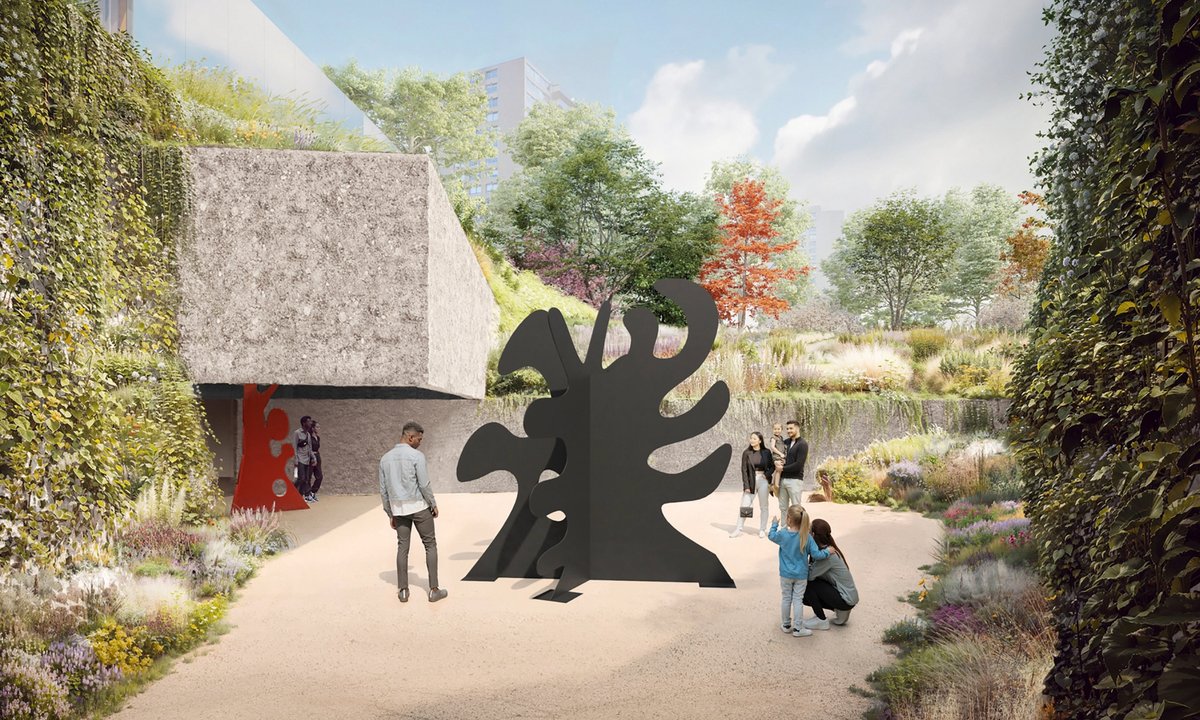
Calder Gardens, a $70 million space dedicated to Alexander Calder, will open on September 21 in Philadelphia, the artist's hometown. Designed by Herzog & de Meuron, the complex features subterranean galleries and open-air pavilions surrounded by gardens, with no wall labels and rotating works from the Calder Foundation, MoMA, and the Whitney Museum. The project, led by Calder's grandson Alexander S. C. Rower and philanthropist Joseph Neubauer, revives a plan that stalled in the mid-2000s.
Ahead of new fair in 2026, Qatar takes centre stage at Art Basel

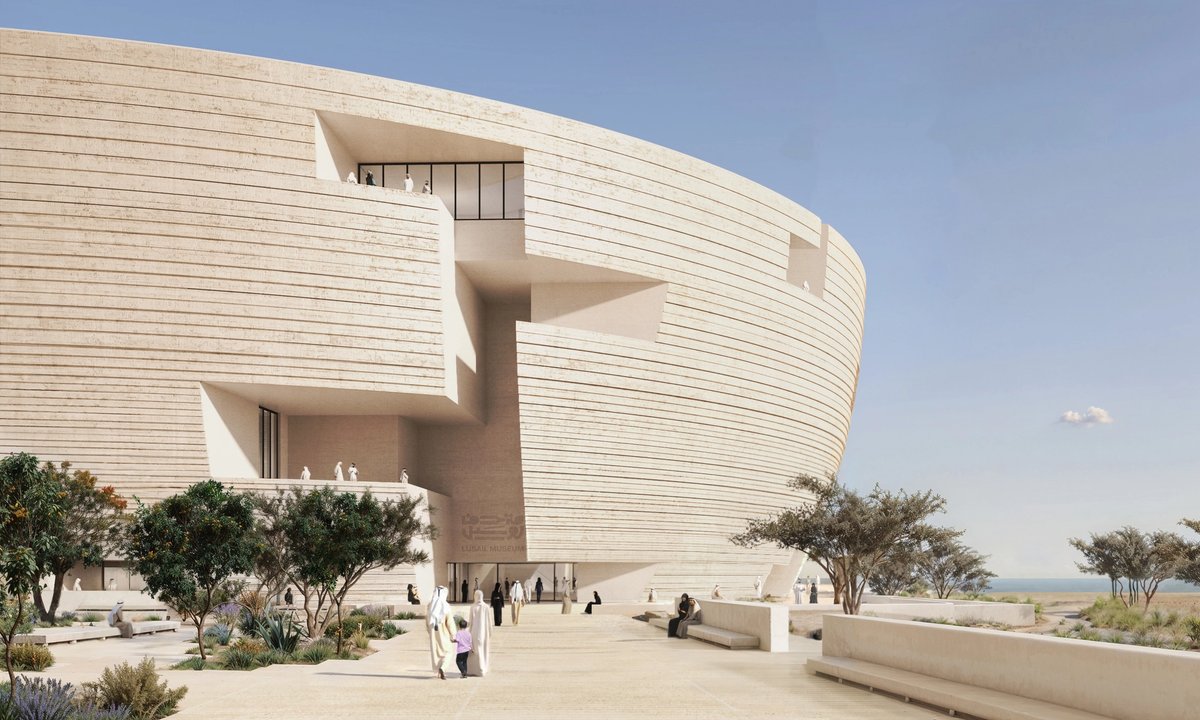
Qatar is making a major push at Art Basel this week, highlighted by the announcement of Art Basel Qatar, a new fair launching in February 2026. Models of upcoming cultural venues, including the Herzog & de Meuron-designed Lusail Museum, are on display in the Collectors Lounge, while Qatar Airways has announced a global partnership with Art Basel. Sheikha Al-Mayassa bint Hamad bin Khalifa Al Thani made a rare public appearance, speaking on a panel about the country's cultural ambitions and the role of art in addressing post-colonial identity and conflict.

"Trevor Yeung: Courtyard of Detachments", a new configuration of the artist's solo exhibition representing Hong Kong in the 60th International Art Exhibition – La Biennale di Venezia, opens at M+ on Saturday, 14 June 2025

A new configuration of Trevor Yeung's solo exhibition "Courtyard of Detachments," originally representing Hong Kong at the 60th Venice Biennale, will open at M+ museum in Hong Kong on June 14, 2025. The presentation reimagines the artist's acclaimed Biennale project for the museum context.

Tate Modern, the ‘cathedral to contemporary art’, celebrates 25 years

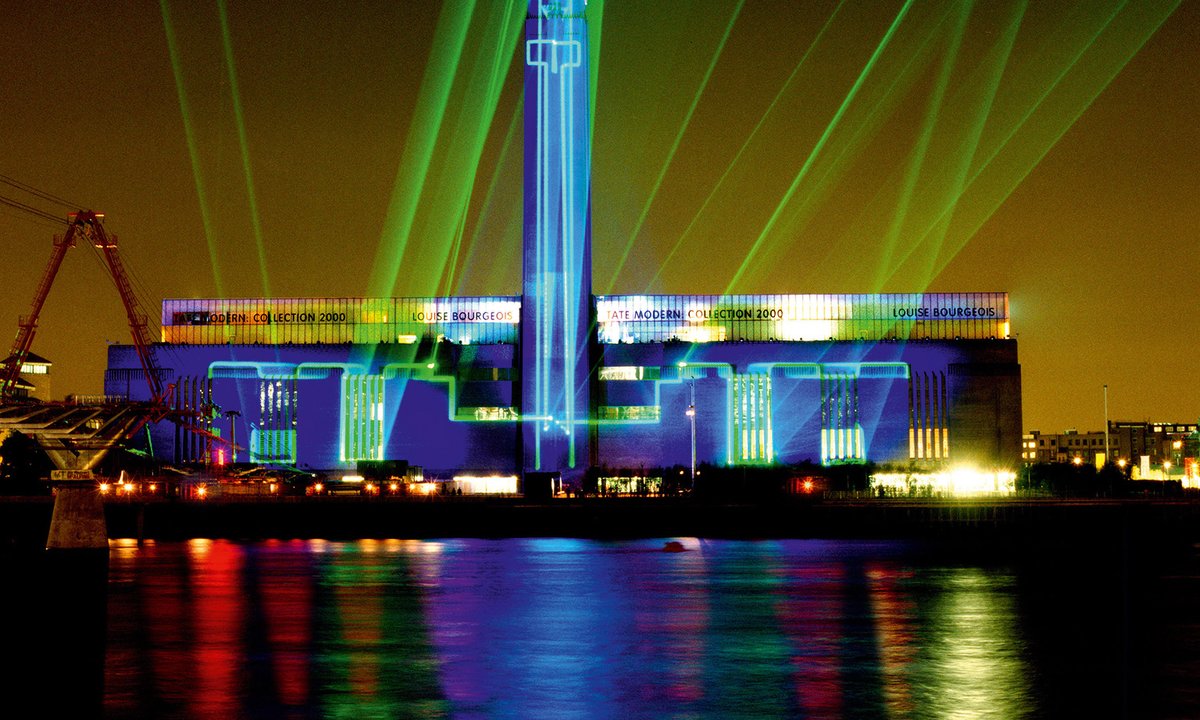
Tate Modern in London celebrates its 25th anniversary this month, marking the transformation of a derelict Bankside power station into a landmark contemporary art museum. Designed by Herzog & de Meuron, the museum opened on 11 May 2000 and quickly reshaped London's art landscape, catalyzing the launch of the Frieze London art fair in 2003 and attracting international commercial galleries. Artist Michael Craig-Martin, a former trustee, recalls how the project was driven by then-director Nicholas Serota's ambitious vision to elevate modern art from its status as 'art's poor cousin.' The museum pioneered free-admission thematic collection displays and a global curatorial approach, though its inaugural exhibition 'Century City' was widely criticized as overambitious.

Madrid: Hypnotic Laugh Track by Manga Ngcobo

Writer Manga Ngcobo reflects on the architectural and cultural landscape of Madrid in early 2025, juxtaposing the city's historic art institutions with its rapid technological and commercial evolution. Drawing on Ben Lerner’s novel 'Leaving the Atocha Station', the piece explores the growing disconnect between the profound emotional experiences promised by masters like Velázquez and Goya and the reality of a city increasingly designed for content creation, retail aesthetics, and digital consumption.

Sotheby’s will open its new Breuer Building HQ in New York on November 8th.

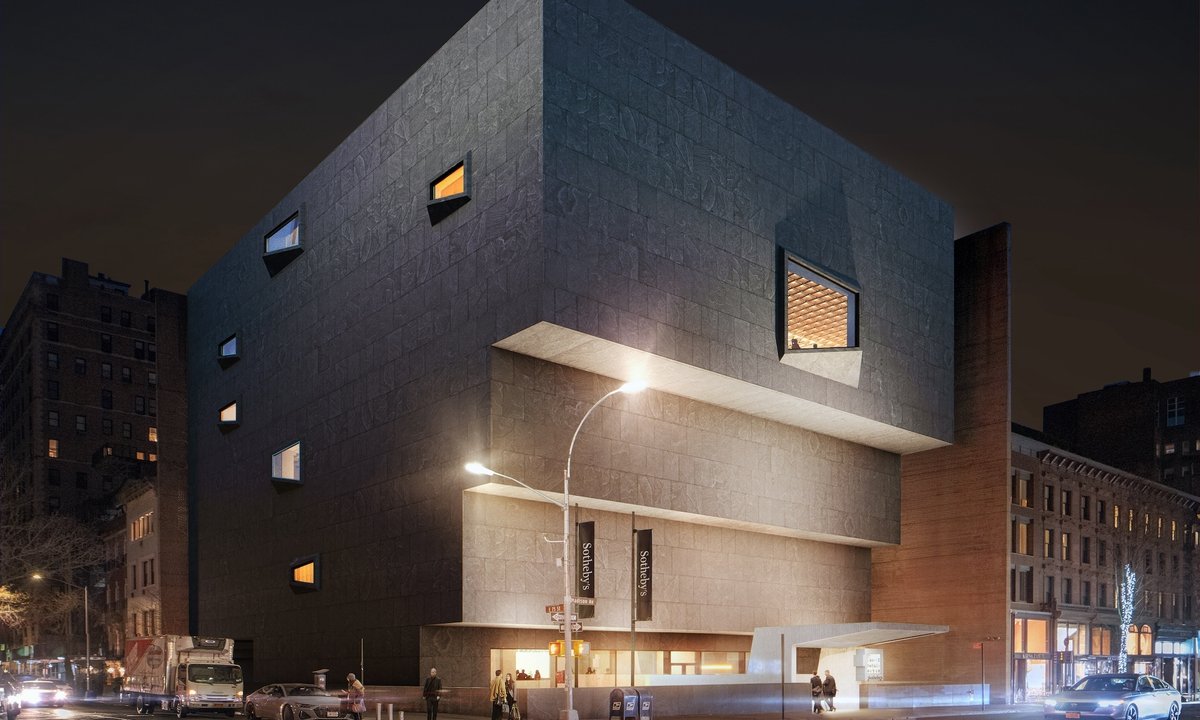
Sotheby's announced it will open its new global headquarters at the Breuer Building on Madison Avenue in New York on November 8th. The inaugural weekend will feature a major exhibition of modern and contemporary art, with marquee auctions scheduled for the week of November 17th. The building, originally designed by Bauhaus architect Marcel Breuer for the Whitney Museum, has been renovated by Herzog & de Meuron in collaboration with PBDW Architects, adding new salesrooms, climate control, and a second-floor gallery while preserving the original design.

Vancouver Art Gallery selects architects for second attempt at new building

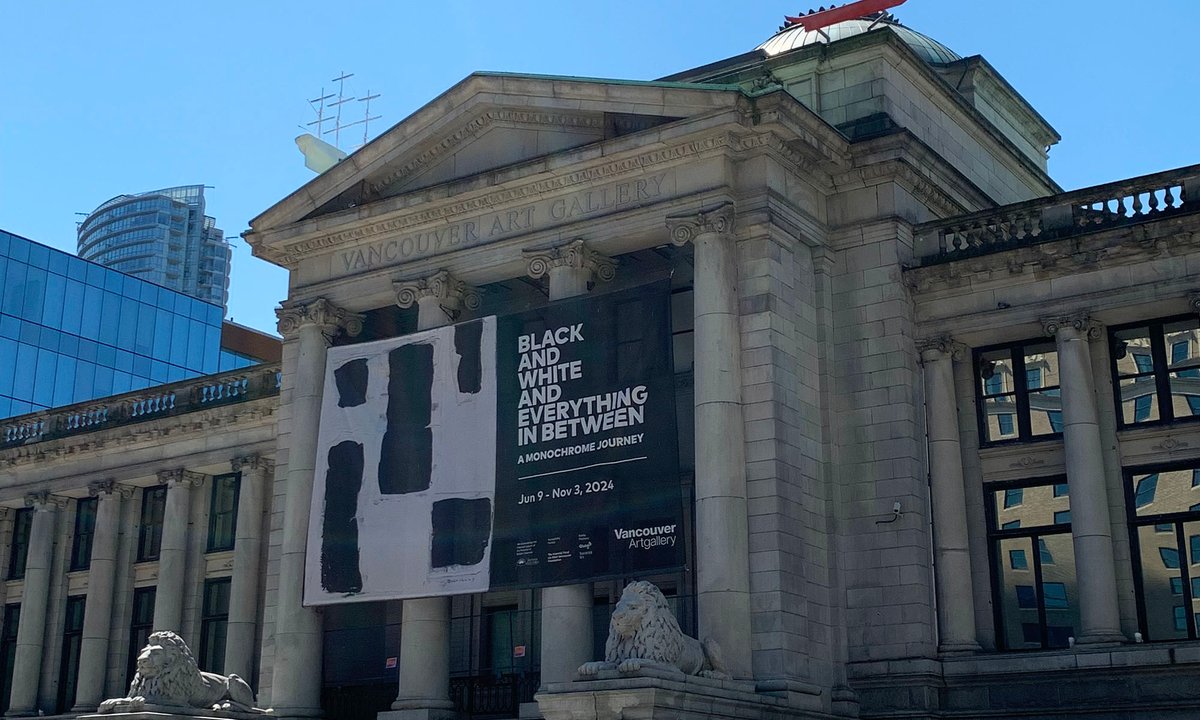
The Vancouver Art Gallery (VAG) has selected Formline Architecture and Urbanism, based in Vancouver, and KPMB Architects, based in Toronto, to design its new building at Larwill Park in downtown Vancouver. The announcement comes ten months after the museum abandoned a Herzog & de Meuron design due to a 50% cost increase, and after parting ways with director Anthony Kiendl. The VAG has outgrown its current 1913 courthouse home, and the new project was initiated 13 years ago by former director Kathleen Bartels. A preliminary design is expected next year, though no budget, timeline, or opening date has been revealed.

Independent 20th Century fair will move to Sotheby’s Breuer Building in 2026

The Independent 20th Century art fair will move to the Breuer Building in New York, soon to become Sotheby’s headquarters, for its 2026 edition running September 24–27. The fair, previously held at Casa Cipriani, will expand to accommodate over 50 galleries. Sotheby’s acquired the landmarked building in 2023 and has made subtle renovations led by Herzog & de Meuron, with the new headquarters opening November 8.

Sotheby’s Has Set a Debut Date for Its Landmark Breuer Building Headquarters

Sotheby's has announced that its new headquarters in the iconic Breuer Building at 945 Madison Avenue will open on November 8. Originally designed by Marcel Breuer for the Whitney Museum of American Art in 1966, the building later housed the Met Breuer and the Frick Collection during its renovation. Sotheby's purchased the Brutalist landmark from the Whitney two years ago and has renovated it with Pritzker Prize-winning architects Herzog & de Meuron and PBDW Architects, adding auction rooms and state-of-the-art gallery spaces while preserving original features like bluestone floors and concrete walls. The opening will coincide with a major modern and contemporary art exhibition, followed by fall marquee sales the week of November 17.

Are All Crises Equal? A Conversation with MOS’s Michael Meredith and Hilary Sample by ANY

Architects Michael Meredith and Hilary Sample of the firm MOS discuss the concept of "polycrisis"—the intersection of economic, political, and ecological failures—and its impact on architectural form. The conversation highlights a growing void between the formal aesthetic project of architecture and the urgent political realities of the modern world. Sample specifically addresses how the dominance of political and regulatory restrictions in collective housing has stifled formal innovation, often reducing architecture to a mere byproduct of governance rather than a tool for social or cultural expression.

Berlin Modern Museum Construction Delayed Until 2030

Museumsbau Berlin Modern verzögert sich bis 2030

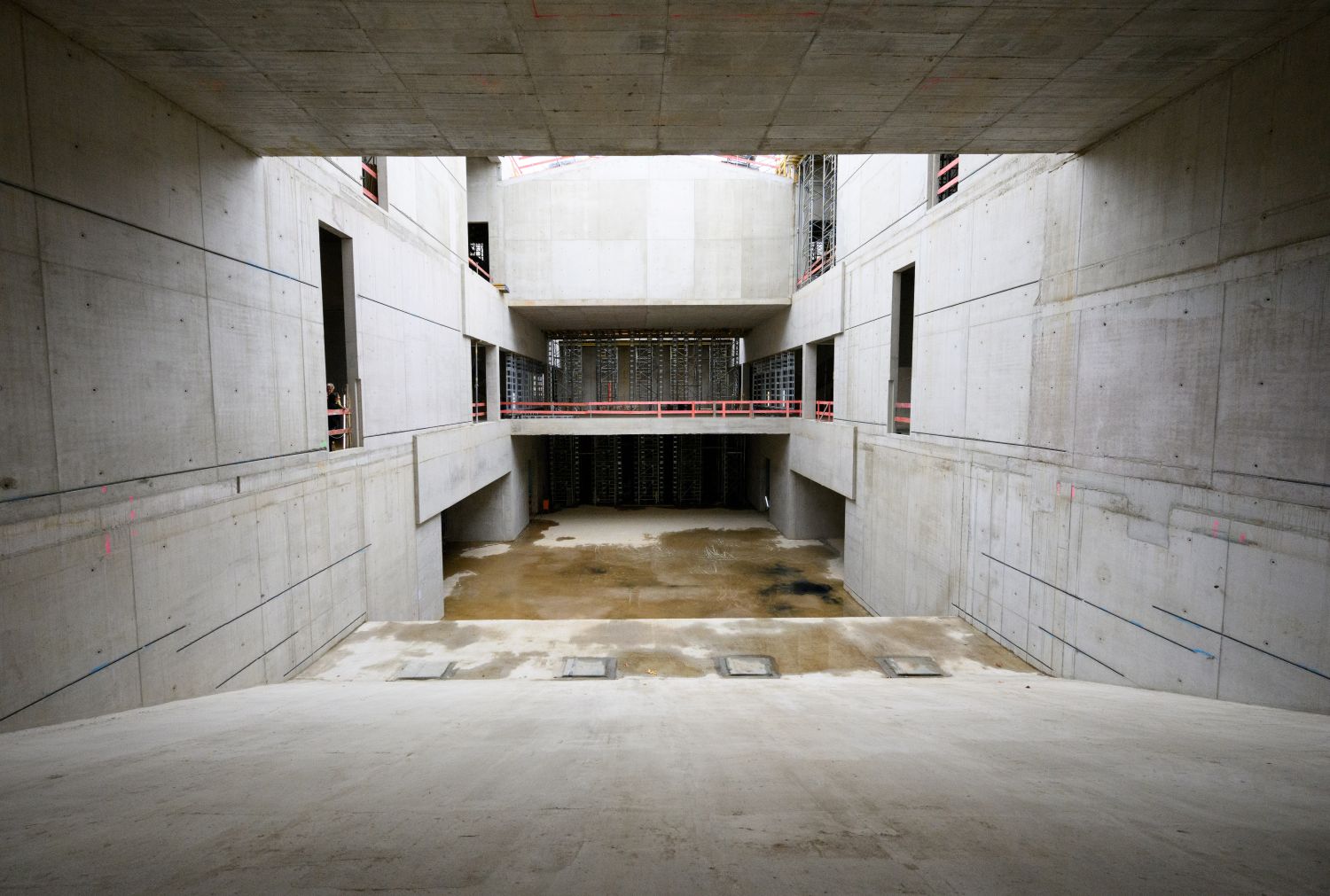
The completion of Berlin Modern, a major new museum in Berlin, has been delayed again until 2030 due to moisture damage and microbial infestation found in parts of the raw structure. The Stiftung Preußischer Kulturbesitz (SPK) announced an estimated eight-month postponement, though no construction stop was required. The museum, designed by Herzog & de Meuron, is being built near Potsdamer Platz to expand the Neue Nationalgalerie's exhibition space. Costs have risen from an initial €200 million to a projected €507 million.

The portrait

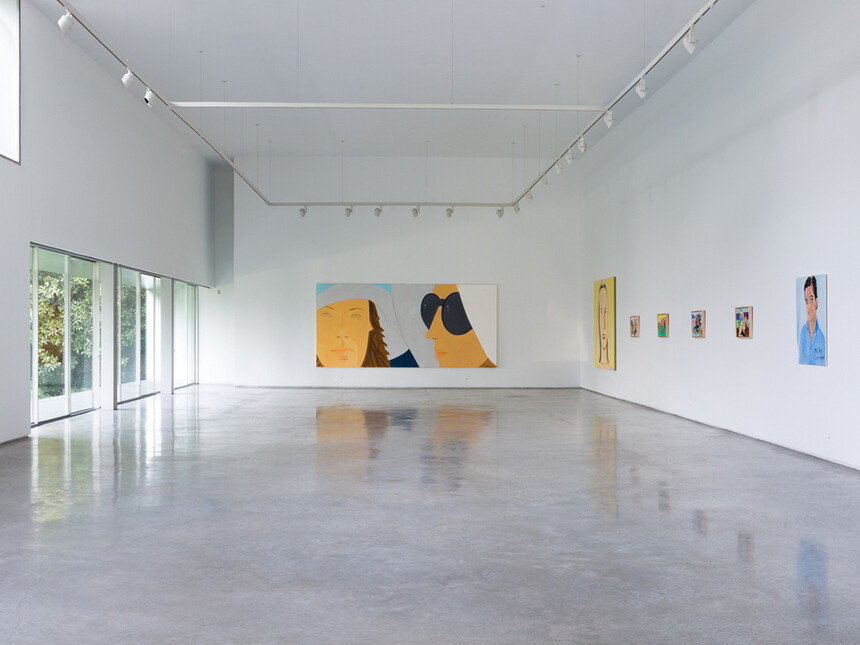
López de la Serna CAC has launched a collective exhibition exploring the evolution of portraiture through the works of four major contemporary artists: Francesco Clemente, Alex Katz, David Salle, and Henry Taylor. The exhibition moves beyond traditional representation to examine how identity is constructed in the postmodern era, utilizing diverse approaches ranging from Clemente’s mystical pastels and Katz’s flat, vibrant aesthetics to Salle’s fragmented collages and Taylor’s socially conscious figuration.

Zurich: Peripheral Presence. by Tibor Bielicky and Ellena Ehrl

Zurich’s urban landscape is defined by functionalist structures from the 1990s and early 2000s that serve as the 'understated backdrop' to daily life. These buildings, including the Signal Box by Gigon Guyer and the Telecap 2000 by Hans Ulrich Imesch, act as navigational markers at the city’s geographic choke points. Despite their significance in shaping the city's rhythm and internal choreography, many of these structures are now reaching the end of their first lifecycle and face the threat of demolition due to real estate speculation.