filter_list Showing 850 results for "DOCUMENT" close Clear
dashboard All 850 museum exhibitions 387article news 150article culture 82trending_up market 56person people 40article local 35gavel restitution 32rate_review review 23candle obituary 22article policy 21article museum 1article event 1
date_range Range Today This Week This Month All
Subscribe

Two exhibits trace the origins of the Sarasota Artist Colony

Two exhibitions in Sarasota trace the origins of the Sarasota Artist Colony, which flourished between 1945 and 1965. One is at Ringling College of Art and Design, titled “Origins: Sarasota Artist Colony, 1945-1965,” co-curated by Tim Jaeger and Bill Hartman. The other is at the downtown offices of Michael Saunders & Co. The Ringling College show features 36 works by colony artists, including Jon Corbino, Ben Stahl, Syd Solomon, and Craig Rubadoux, and places them in the context of post-World War II America, when the GI Bill and cheap rents attracted hundreds of artists to the small beach community.
UCR ARTS presents Transgresoras: Mail Art and Messages, 1960s–2020s

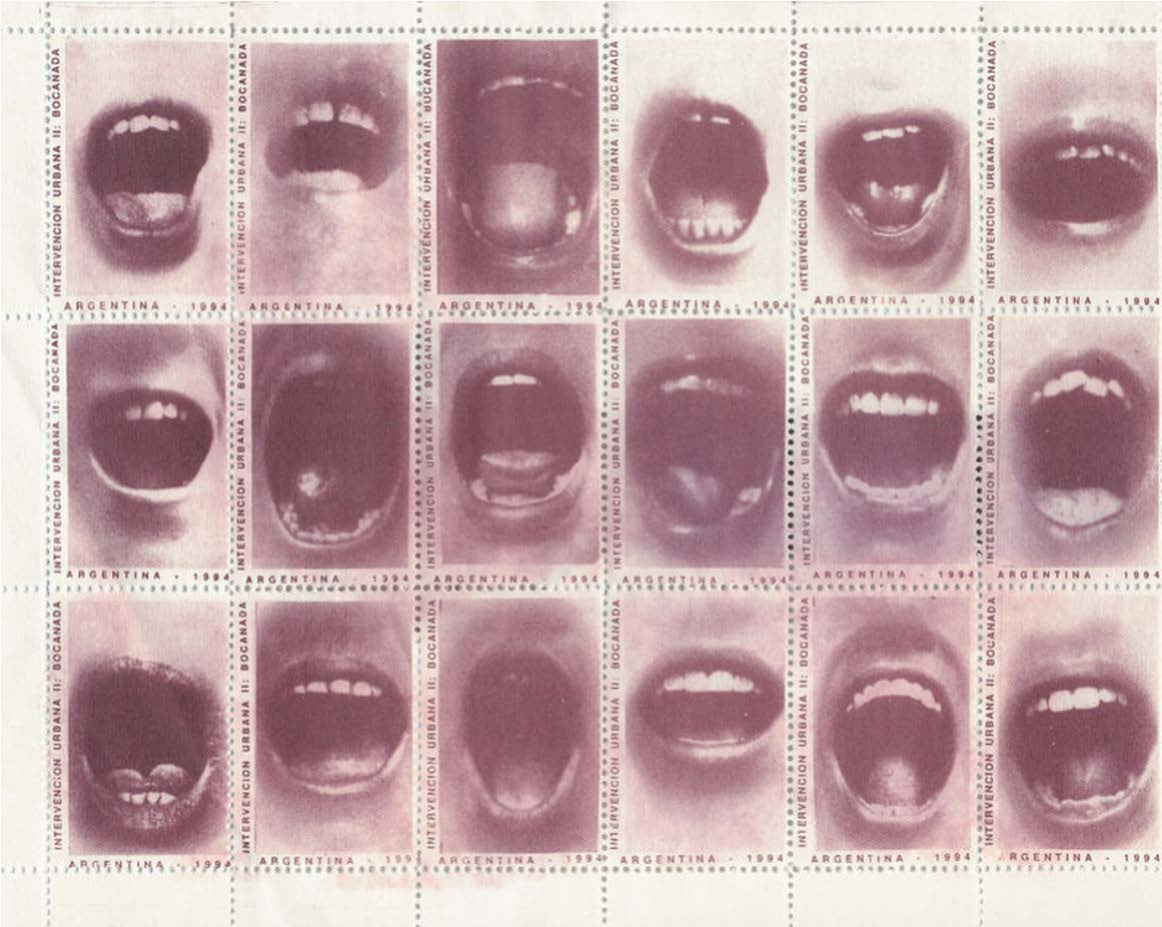
UCR ARTS' California Museum of Photography presents "Transgresoras: Mail Art and Messages, 1960s–2020s," an exhibition guest co-curated by Zanna Gilbert of the Getty Research Institute and Elena Shtromberg of the University of Utah. Running from September 13, 2025, to February 15, 2026, the show features over 50 Latinx and Latin American women artists who used mail art to subvert authoritarian censorship, turning the government's own postal system into a tool for creative expression across militarized borders. The exhibition includes video, sculpture, paintings, prints, and installations, organized into thematic sections addressing state control, gender, migration, colonialism, and ecology.

A haunting portrait of the Everglades appears in Miami

Artist Isabelle Brourman, known for courtroom sketches of high-profile figures like Donald Trump and Johnny Depp, has unveiled a new painting titled "No Rest for the Wicked" (2025). The work synthesizes her observations from documenting the Trump administration's immigration crackdown in courtrooms across the country, incorporating imagery from the Everglades and the detention facility nicknamed Alligator Alcatraz in southwest Florida. The painting is featured in the exhibition "The Body is the Body," curated by Simon Brewer and Nathalie Martin at the Rice Hotel, a renovated former hotel in downtown Miami now used as an art studio and exhibition space.

Art Deco: A Modern Vision exhibition opening

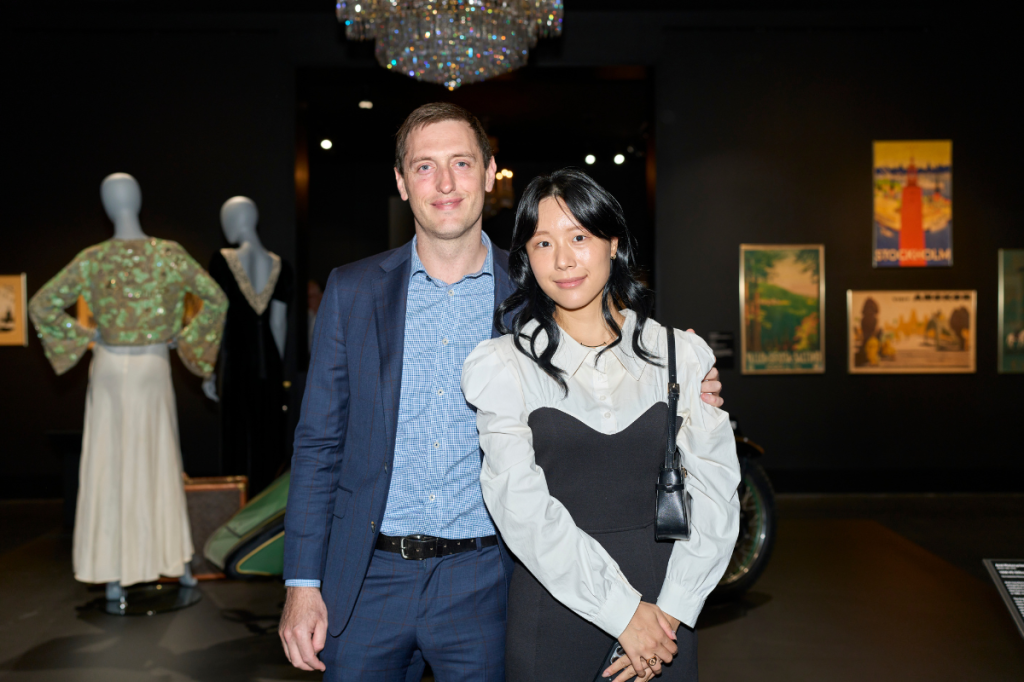
An exhibition titled "Art Deco: A Modern Vision" has opened, featuring a series of social photographs capturing attendees at the event. The images show various pairs and groups of visitors, including Mary Abbott and Katie Abbott, Penelope Curtin and Janet Worth, and others, documenting the opening night's social scene.

Magnum Gallery Celebrates the Enduring Vision of Martin Parr

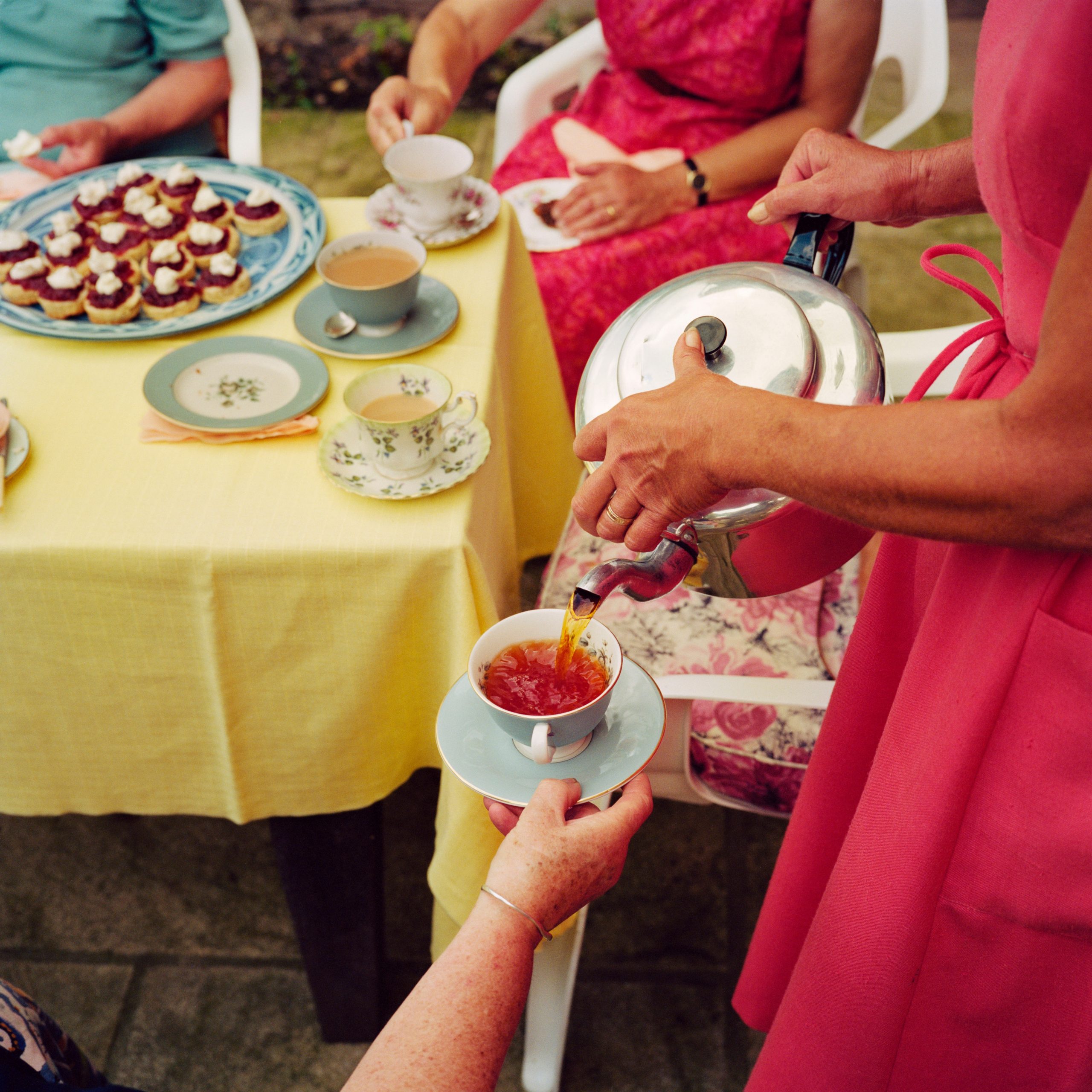
Magnum Gallery in Paris is opening a solo exhibition titled "Martin Parr: In Plain View" from March 28 to June 6, 2026, dedicated to the late English photographer Martin Parr. The show features works from his three-decade tenure with the Magnum Photos cooperative, tracing his evolution from black-and-white documentary work to his influential color photography, and includes archival materials and interactive experiences.

easter island 3d map carved statues 2721596

Researchers from Binghamton University, at the request of an indigenous community group on Easter Island, have created a high-resolution 3D model of the Rono Raraku quarry, where 95 percent of the island's moai statues were carved. Using drone flights and over 11,000 overlapping photographs stitched together via photogrammetry, the model documents the quarry in unprecedented detail, including 133 quarried voids, 400-plus unfinished moai, and evidence of 30 distinct clan-based carving areas. The model is freely available online and was motivated by a 2022 wildfire that threatened the site.

‘We are trying to preserve the memory of our people’: archaeologists create map tracking damage to Iran heritage sites

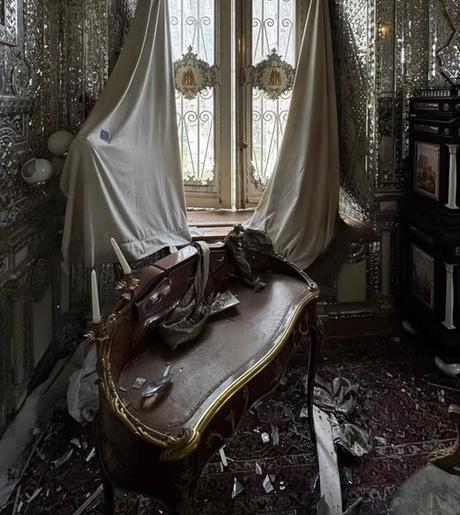
Iranian archaeologists Sepideh Maziar and Mehrnoush Soroush have launched an interactive online map to document and geolocate cultural heritage sites in Iran damaged by military strikes. The map, hosted by the University of Chicago's CAMEL Lab, currently lists 69 verified sites, including the historic Sa'dabad Palace complex in Tehran, and is updated as new information becomes available.

Comment | Climate change is forcing tough choices—how much heritage can we save before it is too late?

Climate change is accelerating the degradation of archaeological sites worldwide, forcing archaeologists to make urgent, difficult choices about what to save. From thawing permafrost in the Canadian Arctic threatening Inuit heritage to landslides endangering ancient Buddhist temples in Nepal, researchers are now deploying innovative technologies like ground-penetrating radar, 3D scanning, and even cosmic-ray muon detectors to digitally document and monitor at-risk sites before they are lost.

LensCulture portrait awards 2026 – in pictures

The LensCulture Portrait Awards 2026 have announced their winning and shortlisted photographers, showcasing a diverse range of styles from documentary realism to conceptual invention. Highlights include an Australian photographer's winning portrait of a 'barefoot volcanologist' and poignant series documenting the ongoing conflict in Ukraine and the reclamation of identity in post-colonial contexts.

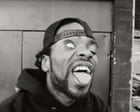
Method Man turns his eyeball inside out: Eddie Otchere’s best photograph

Photographer Eddie Otchere recounts capturing his iconic 1994 black-and-white portrait of Wu-Tang Clan's Method Man in London. Otchere, then a 19-year-old fan, boldly asked to join the group's coach after spotting them, leading to a spontaneous shoot where Method Man performed his "new trick" of contorting his eye.

The language of termites: Liss Fenwick’s The Colony – in pictures

Artist Liss Fenwick has created a photobook titled 'The Colony' by feeding a collection of historical Australian novels, described as 'settler fan fiction,' to a colony of termites. The insects consumed the books over several years, leaving behind hollowed, sculptural remains that Fenwick photographed. The resulting work documents this process of organic transformation, where the physical texts are digested and reshaped.

A Holy Week procession, white pelicans and apricot blossoms: photos of the day – Tuesday

The Guardian's picture editors curated a selection of global photographs for Tuesday, March 31, 2026. The images include a Holy Week procession by the Trabajo y Luz brotherhood in Granada, Spain; white pelicans at Lake Çavuşçu in Turkey; apricot blossoms in Gilgit-Baltistan, Pakistan; and scenes from California, Lebanon, India, Israel, Ukraine, the West Bank, and France, capturing moments of nature, conflict, displacement, and commemoration.

Parades, art installations and ruined rooms filled with rubble: photos of the day – Monday

The Guardian's picture editors curated a global selection of photographs from March 30, 2026. The images depict a wide range of events, including a carnival parade in Mexico City, a Palm Sunday procession in Madrid, an art installation at California's Bombay Beach Biennale, scenes of conflict and its aftermath in Gaza, Tehran, and Lebanon, and political moments like Donald Trump showing renderings onboard Air Force One.

Why your moon photos look so bad (and how to fix it): the best Australian photos of March - video

Guardian Australia's picture editor Carly Earl selected the publication's top three photographs for March, highlighting a total lunar eclipse, the Iranian women's football team's tense departure, and a portrait of a man displaced by Cyclone Narelle. The monthly series provides insight into the craft of photojournalism, showcasing the technical skill and narrative power behind compelling images while elevating the work of Australian photographers and the stories they capture.

‘The happiness on their faces pulled me back to my own childhood’: Mark Linel Padecio’s best phone picture

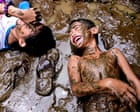
Photographer Mark Linel Padecio captured his 10-year-old daughter, Xianthee, and her five-year-old cousin, Zack, playing joyfully in the mud of a riverbed on the family farm in Dapdap, Philippines. The moment occurred after a brief rainfall ended a severe drought, transforming a landscape of hardship into one of relief. Padecio, initially surprised by his usually serious city-dwelling daughter's abandon, was moved by the children's authentic happiness to document the scene with his phone instead of stopping them.

The shot that shows the absurdity of war: Peter van Agtmael’s best photograph

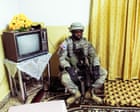
Photographer Peter van Agtmael reflects on a photograph he took 20 years ago while embedded with the U.S. military in Iraq. The image, captured during his first experience of war, depicts a dejected American soldier sitting in an ordinary Iraqi living room, a scene he describes as showing the vast military machine mobilized in the Middle East.

White stuff: capturing a land without colour – in pictures

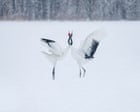
Photographer Elizabeth Sanjuan has released a new book titled 'Silent Snow,' featuring 40 monochrome images captured over four winters in Hokkaido, Japan. The work focuses on the island's snow-covered landscape, which remains white for half the year, and explores the visual and emotional qualities of this extreme environment.

University challenges: how students changed one Ohio town – in pictures

Photographer Rich-Joseph Facun documents life in Athens, Ohio, in his project '1804,' focusing on the profound influence of Ohio University on the town. His images and interviews capture the socioeconomic and cultural dynamics, including strained housing markets, a nightlife economy driven by students, and the town's identity as a "company town" shaped by the university's calendar and employment.

A total hoot! Beautiful birds – in pictures

Photographer Claire Rosen has released a series of portraits featuring live birds, ranging from fluffy owlets to rosy flamingos. The project documents various avian species through a carefully composed, artistic lens.

‘Jimmy & the Demons’ Review

A new documentary film by Cindy Meehl, titled 'Jimmy & the Demons,' profiles the life and work of artist James Grashow. The film explores his whimsical yet profound sculptural practice and delves into the dynamics of his long-lasting marriage, offering an intimate portrait of the artist's personal and creative world.

On a Majorcan Estate, a Collage Made Over Hundreds of Summer Holidays

A descendant of one of Majorca's oldest families has preserved and now showcases a unique, sprawling collage within her 18th-century family estate. The artwork was created over hundreds of summer holidays by her mother and aunt, who meticulously assembled it using materials like magazine clippings, postcards, and fabric.

“Jeffrey Epstein Walk of Shame” Appears in Washington, DC Public Park

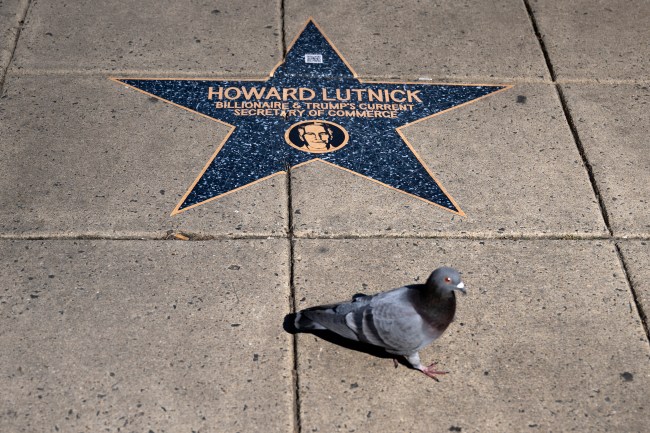
A guerrilla art installation called the "Jeffrey Epstein Walk of Shame" appeared in Washington, DC's Farragut Square. It consists of sidewalk stickers resembling Hollywood stars, bearing the names and images of twenty public figures linked to convicted sex offender Jeffrey Epstein, including Prince Andrew, Ghislaine Maxwell, Harvey Weinstein, Bill Gates, and Bill Clinton. Each sticker features a QR code linking to Department of Justice evidence or the Epstein Files.

On the Familial Turn in Photography

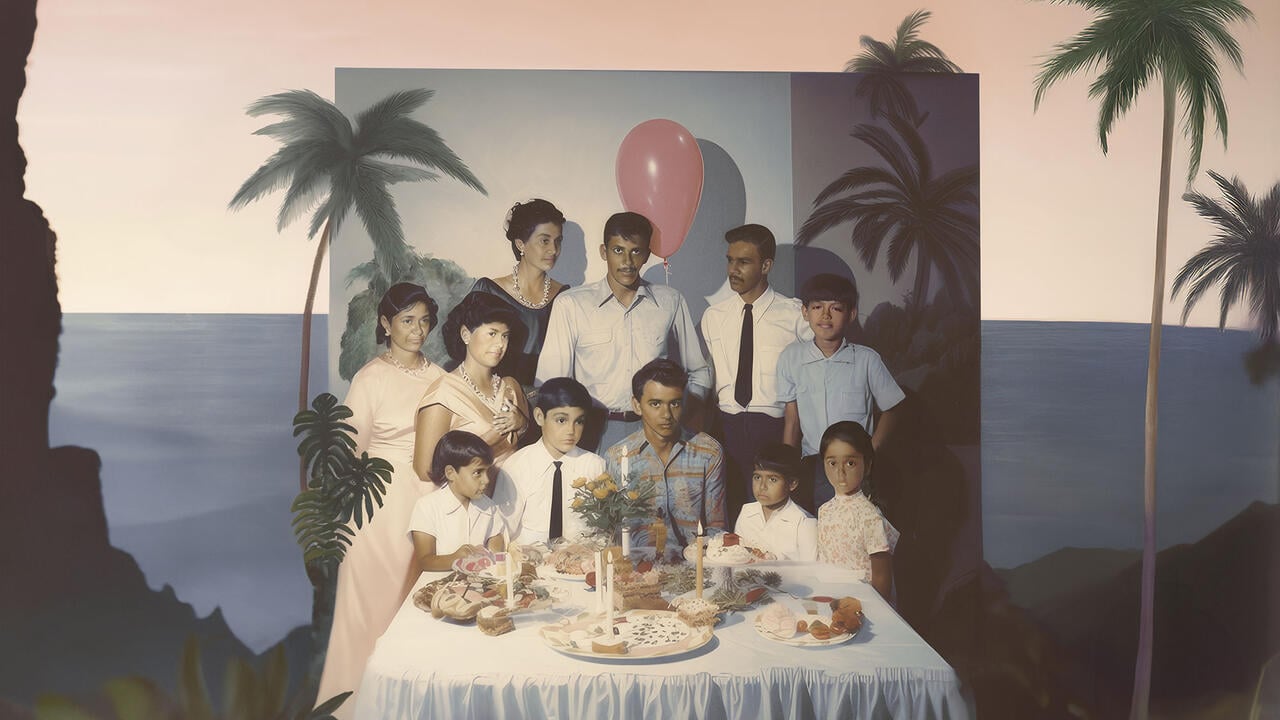
A growing number of contemporary photographers are shifting their focus from traditional documentary subjects to their own personal and familial archives. This movement, termed the 'familial turn,' sees artists using intimate, domestic materials as primary sources for artistic exploration and narrative construction.

MARCELO BRODSKY IN WIESBADEN MEMORY AS AN ACTIVE PRACTICE

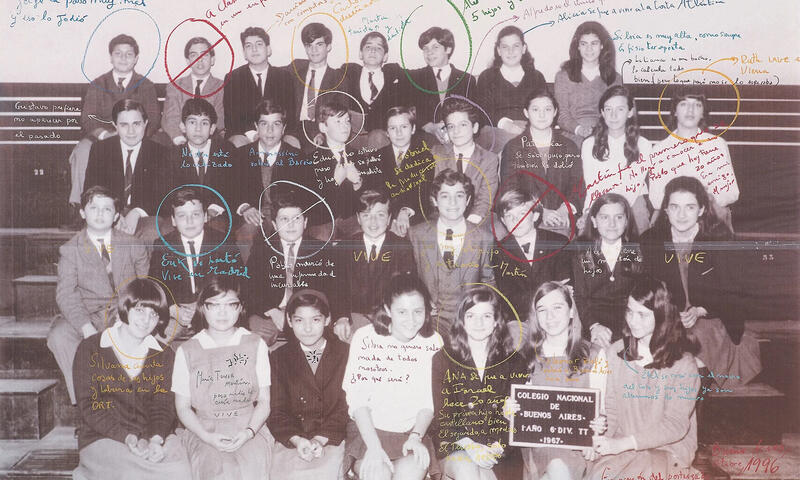
The Kunsthaus Wiesbaden is hosting a comprehensive exhibition of Argentine artist Marcelo Brodsky titled "Memory in Action," running through June 2026. The show features key series such as "1968: The Fire of Ideas" and "Migrants," showcasing Brodsky’s signature technique of intervening in archival photographs with hand-written text and color to document state violence and social resistance.

Rare documents from National Archives’ Freedom Plane tour draw history buffs and more to USC Fisher Museum

The USC Fisher Museum of Art is hosting the "Freedom Plane National Tour: Documents That Forged a Nation," a traveling exhibition of rare founding-era documents from the U.S. National Archives. The show, which runs through May 3, includes items such as a rare engraved copy of the Declaration of Independence, the Treaty of Paris (1783), and a Senate markup of the Bill of Rights (1789). USC is the only university stop on the eight-city national tour, and the documents arrived in Los Angeles on a special Boeing 737. The exhibition has drawn history students, faculty, and the public, with USC Distinguished Professor Peter C. Mancall bringing his class to study the documents up close.

Treviso is a Painted City: The Benetton Foundation Details Its Research

Treviso è una città dipinta. La Fondazione Benetton racconta tutto nelle sue ricerche

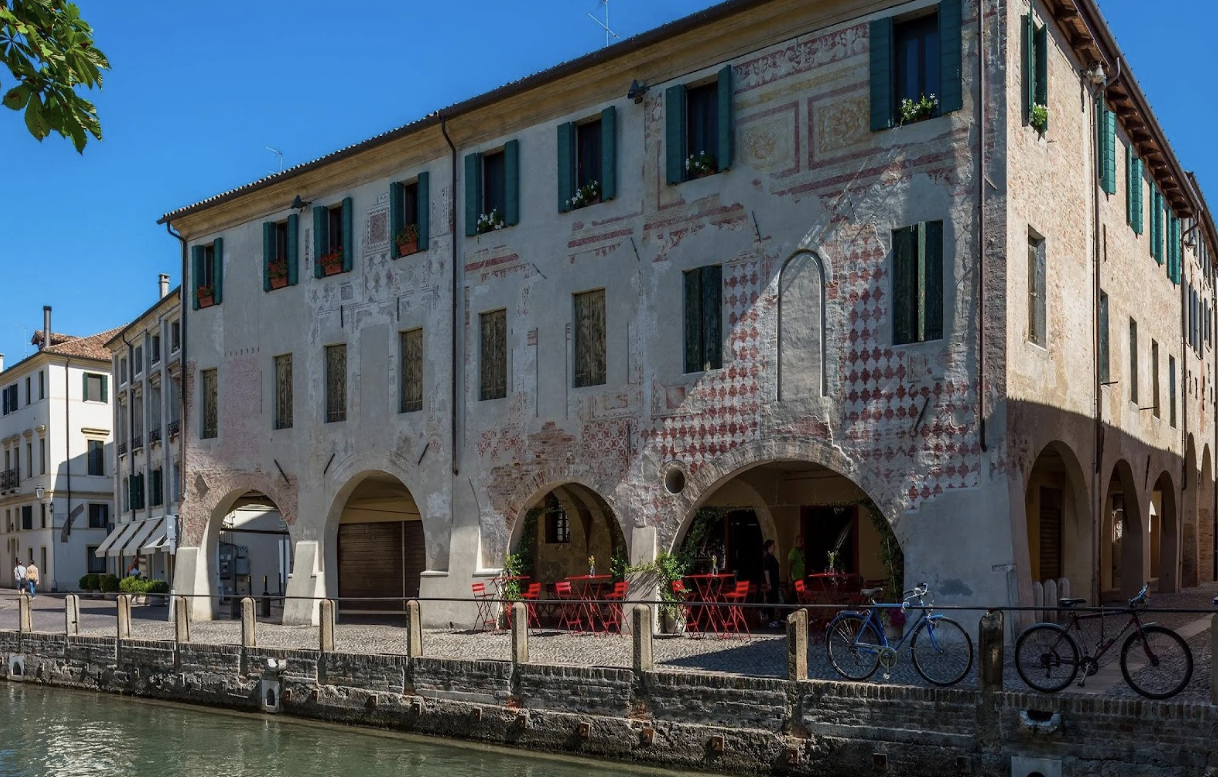
The Fondazione Benetton Studi Ricerche has unveiled the results of its decade-long multidisciplinary project, "Treviso urbs picta," which documents the extensive history of frescoed facades in Treviso, Italy. Spanning the 13th to the 21st centuries, the initiative has produced a comprehensive database of 614 buildings, a scholarly publication, and a topographical map. The project includes a digital archive featuring professional photography and historical mapping to track the evolution and current state of the city's unique painted architecture.

The Invisible Pain: The Story of the Asylum in Alessandro Bencivenga's Latest Film

Il dolore che non si vede: il racconto del manicomio nell’ultimo film di Alessandro Bencivenga

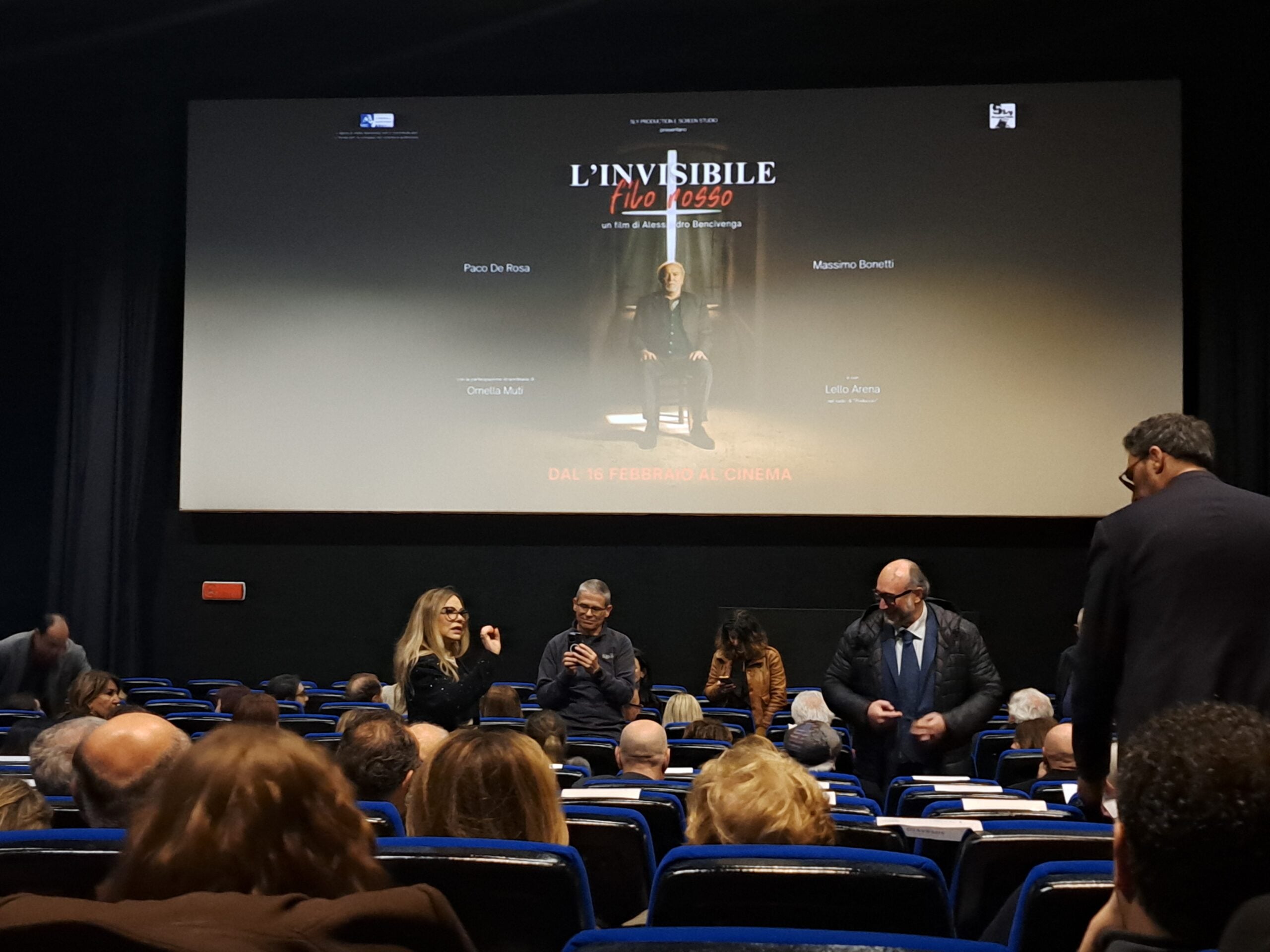
Director Alessandro Bencivenga’s new film, L’invisibile filo rosso, debuted out of competition at the 82nd Venice Film Festival, offering a poignant look at the Pergine Valsugana psychiatric hospital in the 1950s. Based on extensive archival research, the narrative follows a young nurse from Ischia who witnesses the hidden horrors and human dignity within the asylum. The film features a notable cast including Massimo Bonetti, who portrays the real-life figure Giovanni Giulio Anesini, and Ornella Muti as Ida Dalser, the persecuted first wife of Benito Mussolini.

Sound Archives Open in Ravenna: The Best of National and International Performing Arts Now Available

A Ravenna aprono gli Archivi Sonori: a disposizione il meglio delle arti performative nazionali e internazionali

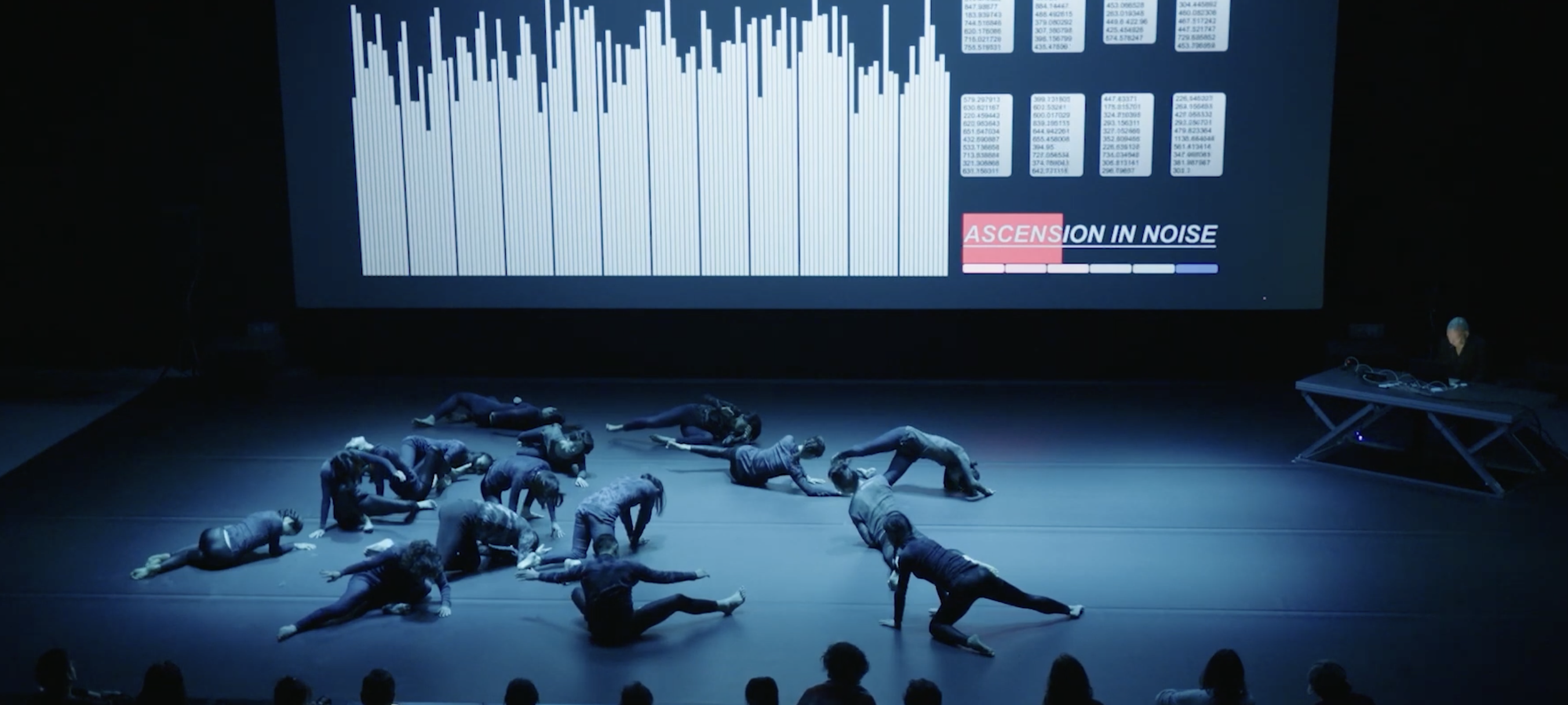
The city of Ravenna has officially inaugurated the Archivi Sonori (Sound Archives) at Palazzo Malagola, a new international center dedicated to vocal and sonic research. Founded by actress Ermanna Montanari and scholar Enrico Pitozzi, the archives offer public access to a vast collection of audio and video materials documenting the experimental work of 33 influential Italian and international performers, including Demetrio Stratos, Joan La Barbara, and Alvin Curran. The facility features specialized listening and viewing rooms, including an immersive sonic chamber and a cinema hall, all navigated via touchscreens featuring anatomical heart motifs designed by artist Stefano Ricci.

Hugo the Decorator

Hugo décorateur

An exhibition and accompanying book explore Victor Hugo's lesser-known role as an interior decorator, focusing on the elaborate interiors he created for his homes in Paris and during his exile on the island of Guernsey. Curator Gérard Audinet conducted extensive research to reconstruct these lost environments, which were filled with eclectic objects, artworks by friends, and prestigious gifts.

‘Out of Place’ : The Afterlives of Landscape.

The major retrospective ‘Out of Place’ at ART AFRICA showcases over 200 images by South African photographer Jo Ractliff, spanning four decades of her career. The exhibition traces Ractliff’s evolution from her early 1980s street photography to her mature, atmospheric landscapes that examine the scars of colonialism, apartheid, and regional conflicts in Southern Africa. By focusing on the 'afterlife' of violence rather than the events themselves, the collection highlights her unique ability to capture how history sediments within the physical terrain.