filter_list Showing 4165 results for "Men" close Clear
search
dashboard All 4165 museum exhibitions 2214article local 652article news 355article culture 284trending_up market 206person people 132article policy 113rate_review review 99candle obituary 74gavel restitution 33article events 1article gallery 1article event 1
date_range Range Today This Week This Month All
Subscribe

The Pain Behind the Colors

Der Schmerz hinter den Farben

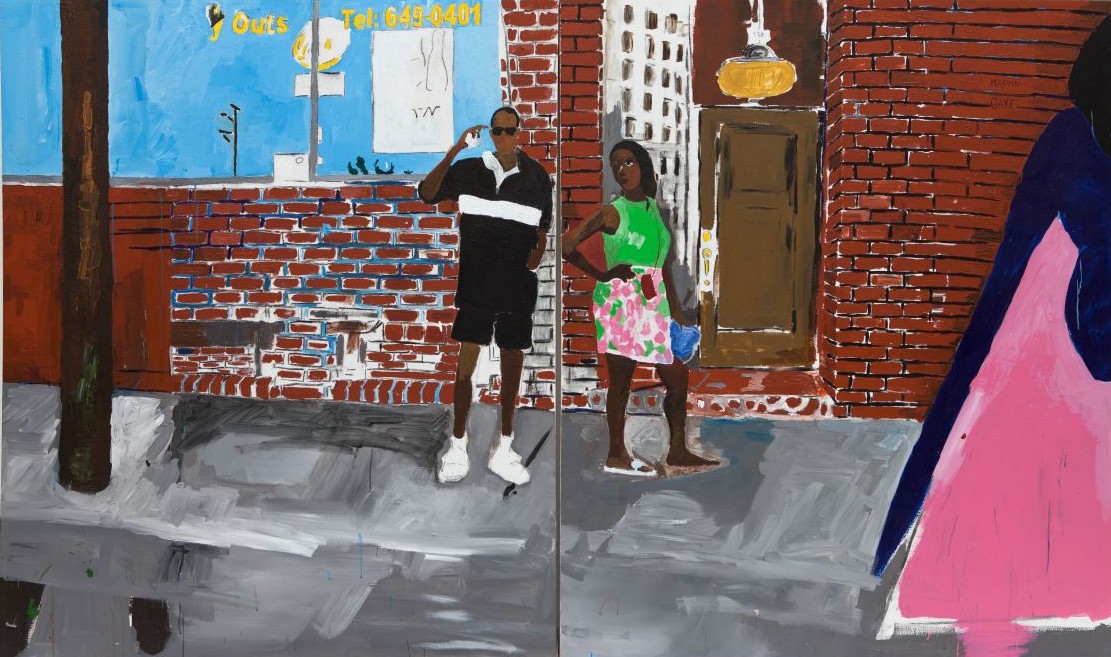
Henry Taylor is the subject of a major exhibition at the Musée Picasso in Paris, where his monumental paintings addressing racism, poverty, hope, and pain are displayed in dialogue with art history. The article describes a key work featuring Martin Luther King Jr. in a park scene, with small adult-faced figures and a limousine of white men watching, highlighting Taylor's narrative style.

Werke von Pollock und Brancusi für Rekordsummen versteigert

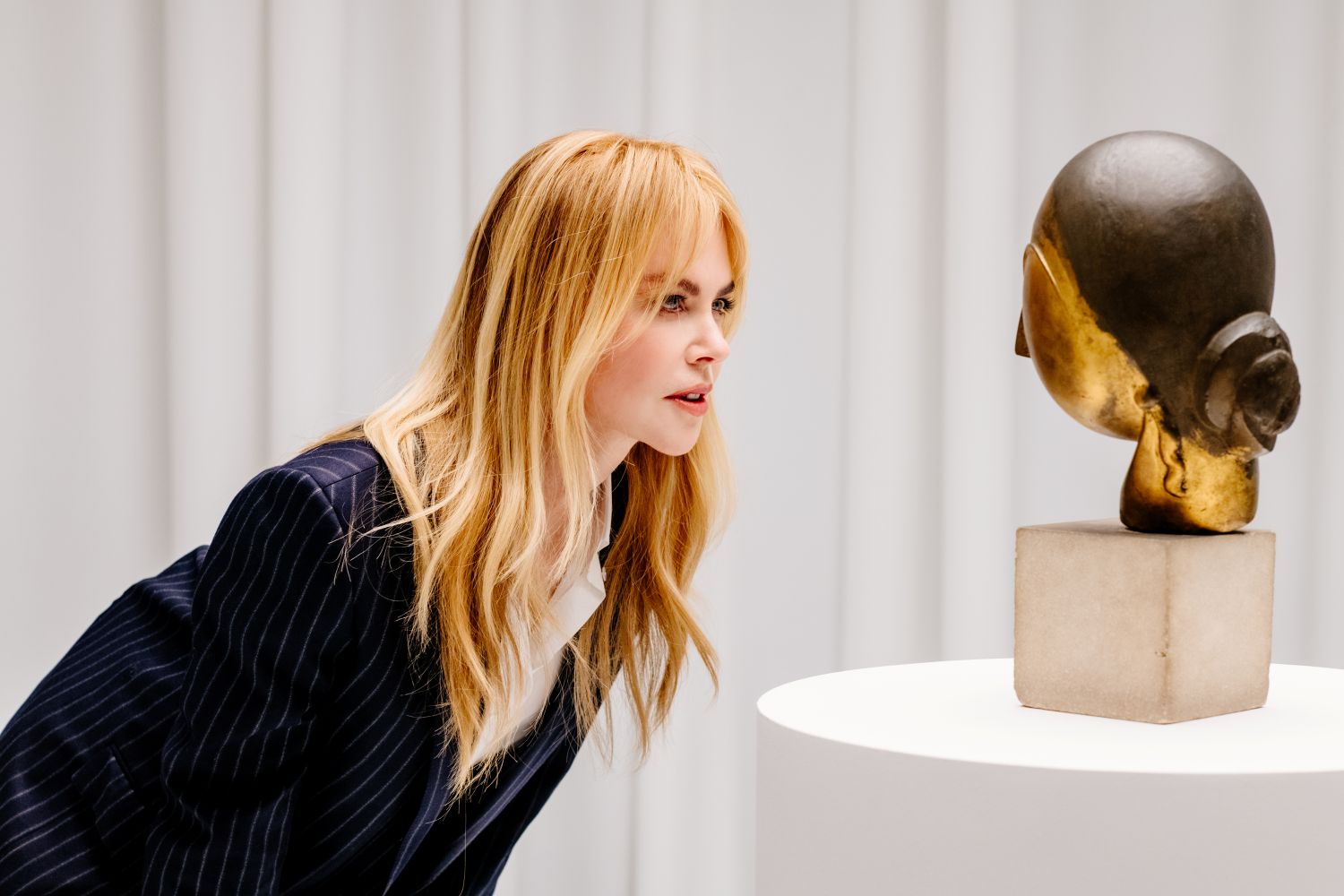
At Christie's spring auctions in New York, Jackson Pollock's painting "Number 7A" sold for approximately $181 million and Constantin Brancusi's sculpture "Danaïde" fetched around $108 million, both setting records. The works came from the estate of publisher S. I. Newhouse, who died in 2017. Christie's total sales for the evening exceeded $1 billion, while rival Sotheby's had sold several hundred million dollars' worth of art the previous week. Christie's enlisted actress Nicole Kidman to promote the Brancusi piece.

Faces of Russian Art

Gesichter der russischen Kunst

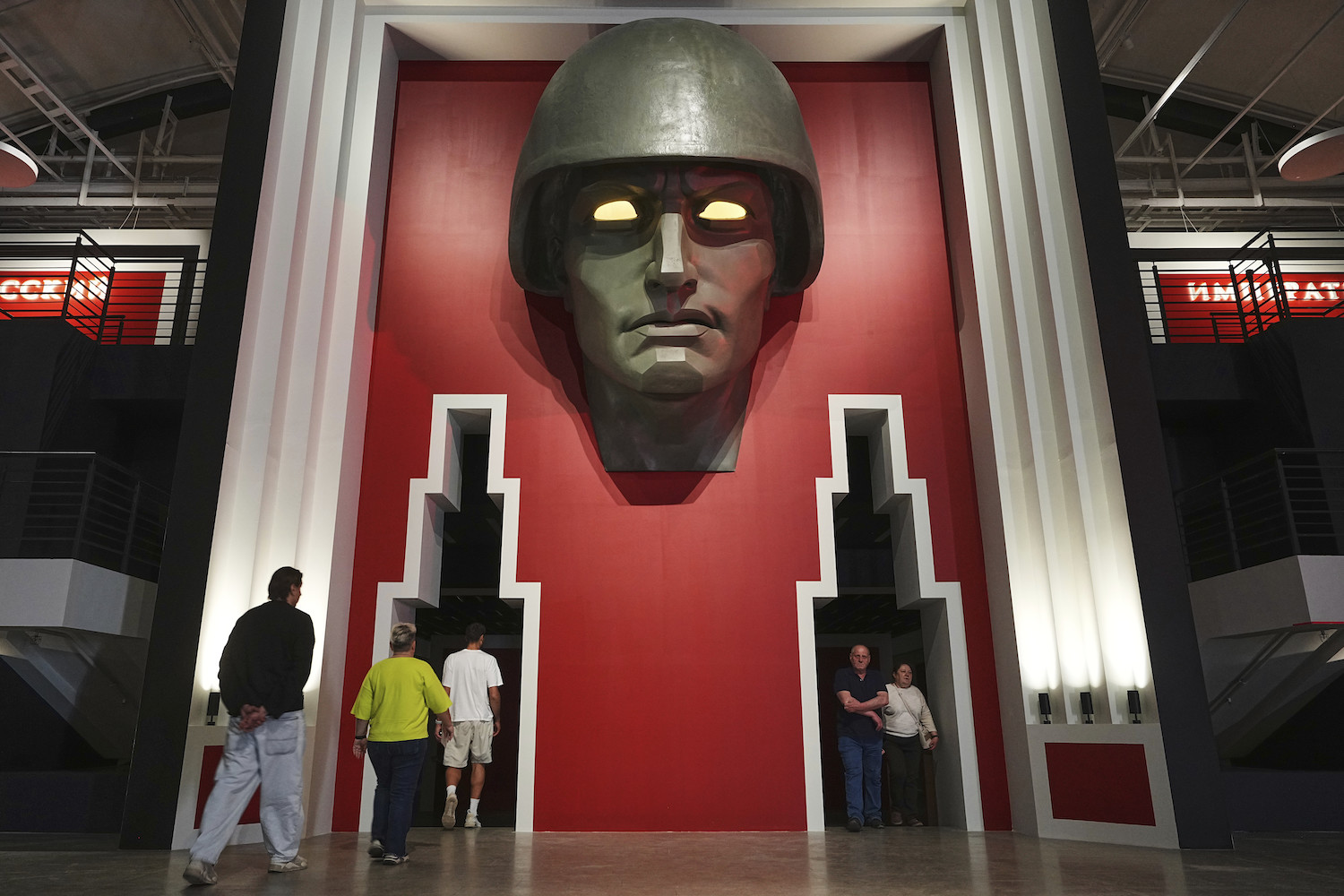
On the Venice Biennale, the Russian Pavilion presents itself as a space for dialogue, while simultaneously a major exhibition in St. Petersburg titled "Russischer Imperativ" (Russian Imperative) opened on May 8 at the Manezh exhibition hall, glorifying war as a historical imperative of Russian identity. Curated by Anton Belikov, a Moscow artist and former Russian soldier who fought in Ukraine, the show features works from state museums like the Tretyakov Gallery, blending historical battles with the current war in Ukraine, and includes a monumental, fascistoid design with a ten-meter-tall installation of a soldier's head. The exhibition has sparked outrage on social media and in Russian exile media for its militaristic propaganda.

Künstler Harald Metzkes ist tot

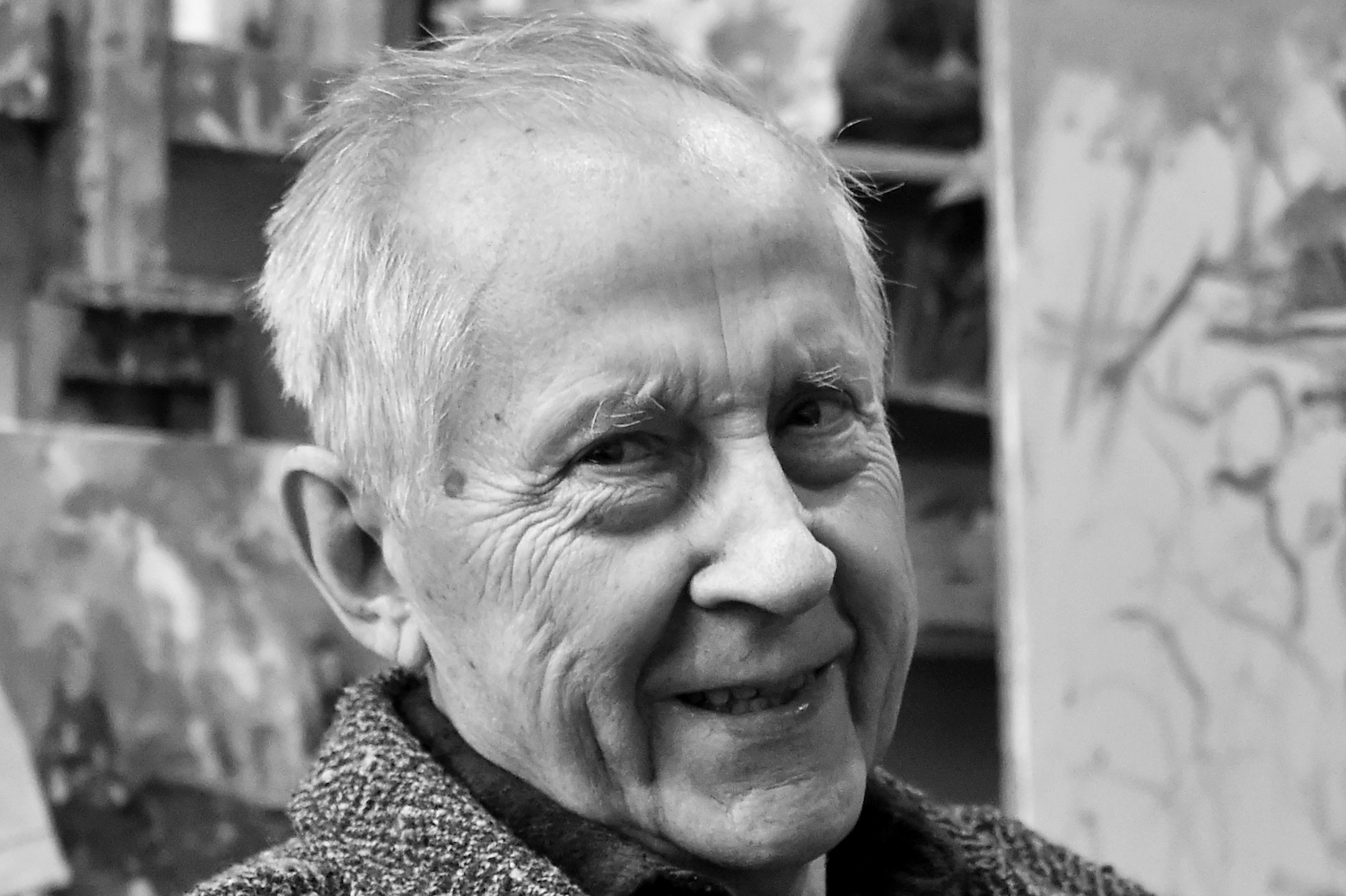
German painter Harald Metzkes has died at the age of 97 in Wegendorf, Brandenburg, surrounded by his family. His son, sculptor Robert Metzkes, confirmed the news to the German Press Agency. Metzkes, who grew up in East Germany, was a leading figure of the Berlin School of painting and resisted the official doctrine of socialist realism, instead creating a personal "world theatre" of harlequins, circus scenes, and theatrical figures inspired by Rembrandt, Velázquez, and Paul Cézanne. His best-known work includes "Der Abtransport der sechsarmigen Göttin." After training as a stonemason and studying at the Dresden Academy of Fine Arts, he worked as a freelance artist in Berlin, supporting himself with book illustrations. His work gained international attention when one of his paintings was sent to the Venice Biennale in 1984, and after the fall of the Berlin Wall he built connections with Western collectors.

Watching the Great Form Shatter

Der großen Form beim Zerbrechen zuschauen

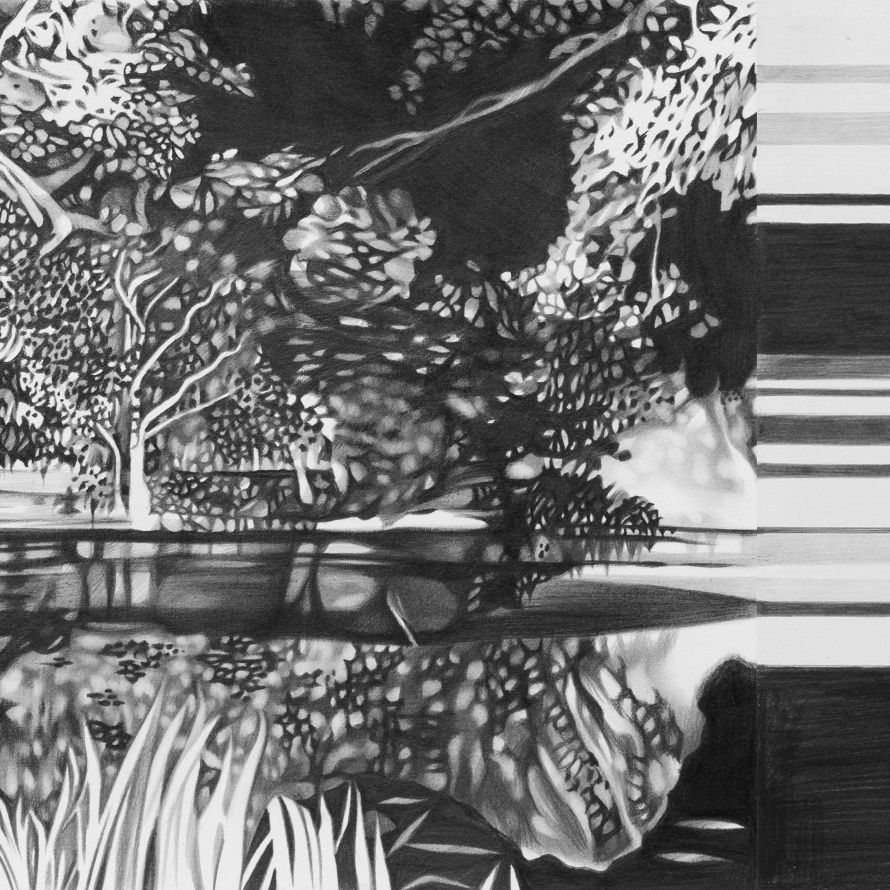
Marc Brandenburg, a Berlin-based artist born in 1965, is the subject of a comprehensive survey exhibition titled "20th Century Debris" at the Berlinische Galerie. The show presents his meticulous pencil drawings on paper, which invert light and dark and are viewed under blacklight to create ghostly, dissolving images. Brandenburg's works fragment urban spaces, faces, and everyday objects into shimmering, unstable forms, drawing on photography and photocopying to produce a sense of eerie stillness and motion. The exhibition also includes his first films, tracing his stylistic evolution from early 1990s fragmented portraits to large-scale panoramic works with metallic surfaces.

Some cry censorship, others cry antisemitism

"Die einen schreien Zensur, die anderen Antisemitismus"

A constitutional law scholar, Christoph Möllers, warns in an interview with Die Zeit about the dangerous escalation of cultural policy conflicts, sparked by Documenta 15, where accusations of censorship and antisemitism collide. In Poland, Adam Budak was removed as director of MOCAK in Krakow after just a few months, facing 79 allegations including mobbing and problematic leadership. Meanwhile, the New York spring auctions have launched, and Jason Farago's review of the Venice Biennale in the New York Times criticizes the shift from aesthetic innovation toward identity-driven art. Robin Pogrebin also reports on the merger of the Met and the Neue Galerie, described as a rare convergence of two museum models.

Valie Export ist tot

Valie Export, the pioneering Austrian media and performance artist, has died at age 85 in Vienna. Born Waltraud Lehner in Linz in 1940, she adopted the name Valie Export in the late 1960s, derived from a cigarette brand, and became internationally known for provocative works such as "Tapp- und Tastkino" (1968) and "Aktionshose: Genitalpanik." Her practice critically examined gender roles, power structures, and the representation of the female body through film, video, photography, and performance. She participated in major exhibitions including Documenta, the Centre Pompidou, and the Museum of Modern Art, and represented Austria at the Venice Biennale in 1980 alongside Maria Lassnig. She also taught as a professor of media and performance art in Berlin and Cologne, and the VALIE EXPORT Center opened in Linz in 2017.

Was in den Museen läuft

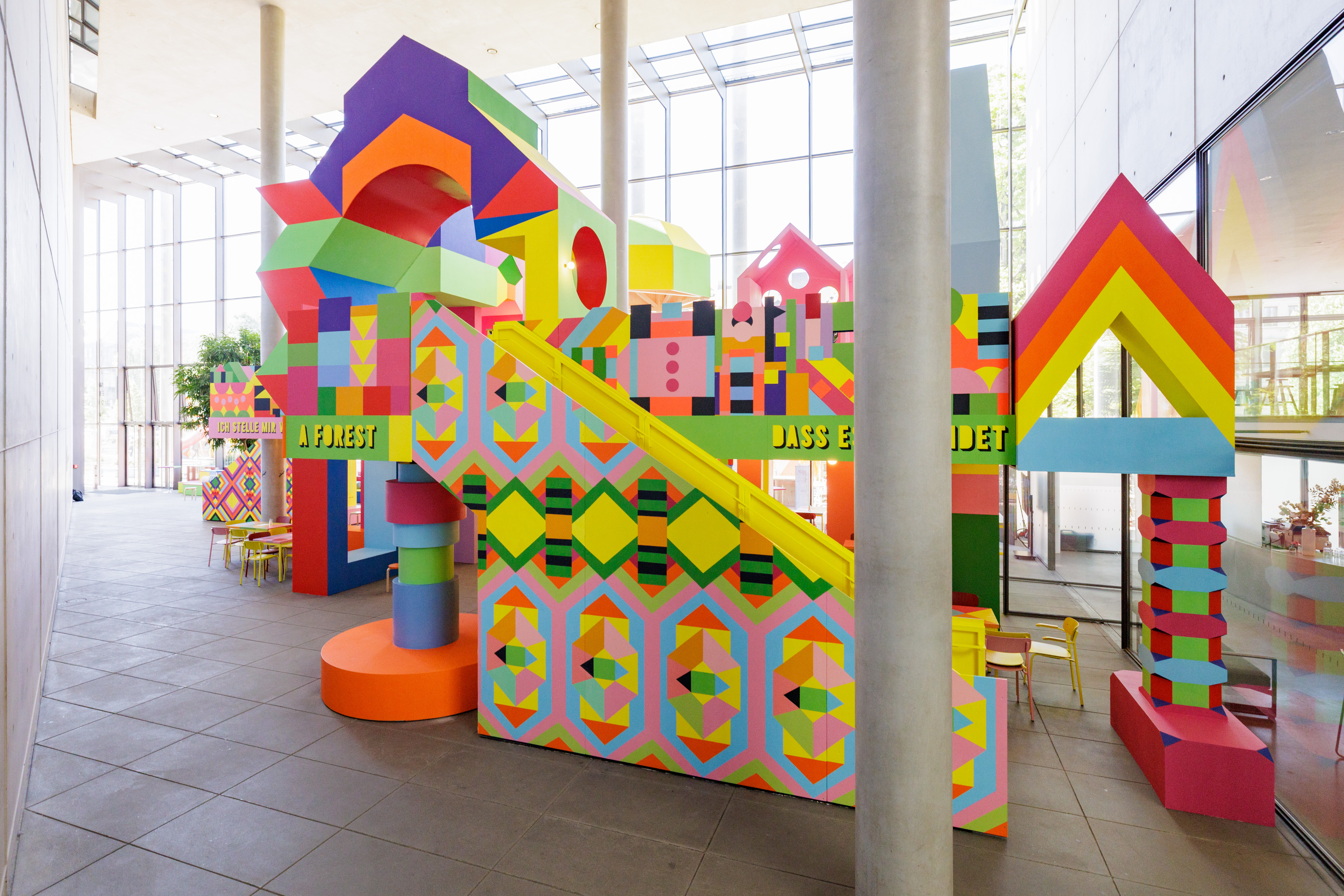
Munich's art festival "Various Others" kicks off this week with major city museums participating. The Pinakothek der Moderne presents "Reflexion," a group show of 100 works across fine art, architecture, graphic design, and design by artists including Isa Genzken, Ludwig Mies van der Rohe, Piet Zwart, and Ettore Sottsass. The Alexander-Tutsek-Stiftung celebrates its 25th anniversary with a glass-focused exhibition featuring Monica Bonvicini, Tony Cragg, and Laure Prouvost. The Villa Stuck reopens after renovation with four shows: Philipp Messner's sculptures, Ilit Azoulay's macro-film installation, a returning Franz von Stuck painting, and Delschad Numan Khorschid and Jan-Hendrik Pelz's migration-themed "Zehn Leben." The Lenbachhaus presents "Ein Ferngespräch. Szenen aus der Weimarer Republik" with works by Jeanne Mammen, Gabriele Münter, and Christian Schad. Museum Brandhorst's "Carrying" addresses the history of the Maxvorstadt art district, once site of a military barracks built by Ottoman prisoners. The Eres Stiftung continues "Seeing the Unseen" on quantum physics. The Flux meeting space, designed by Morag Myerscough, moves indoors at the Pinakothek der Moderne.

Überraschende Begegnungen

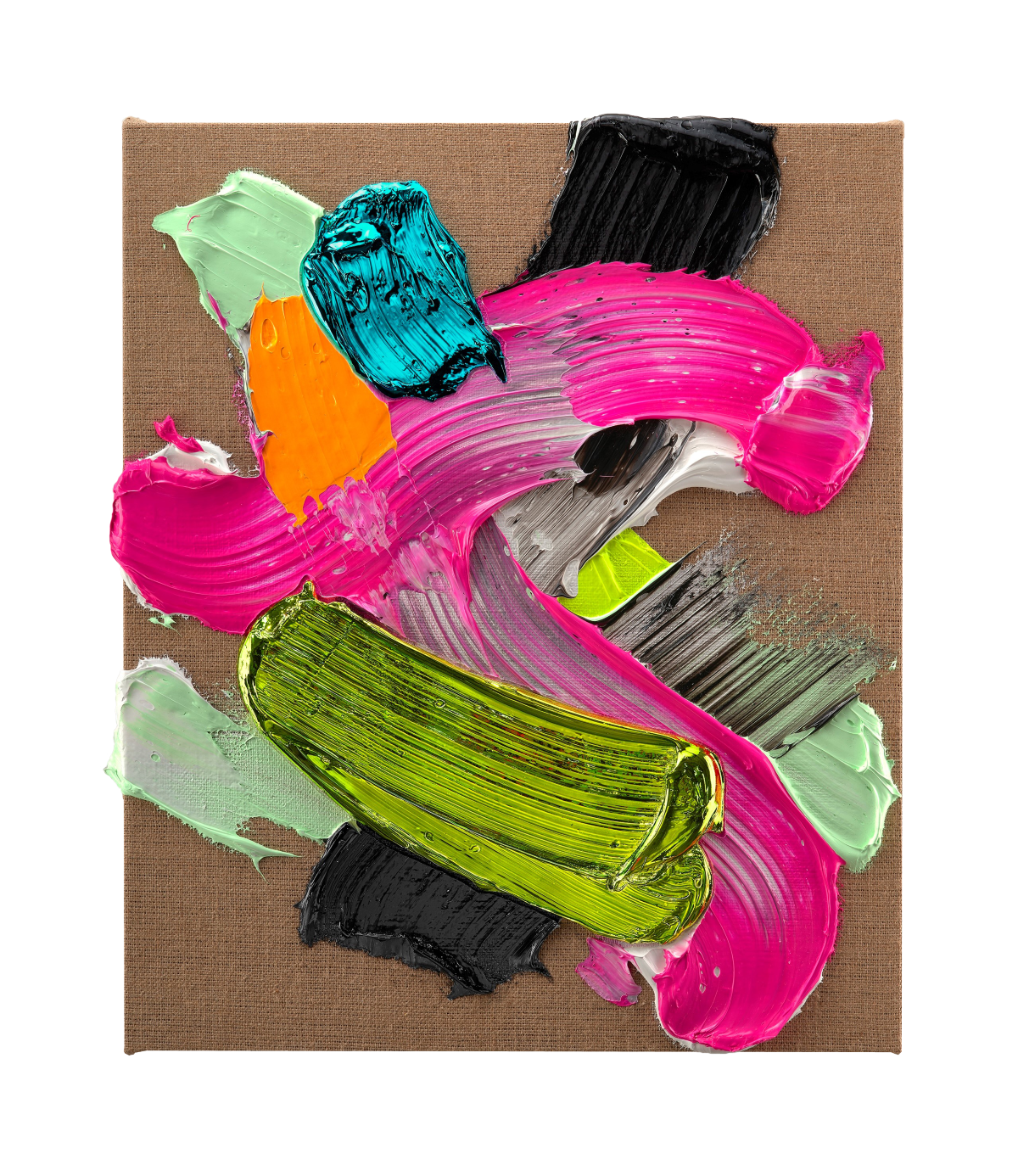
The ninth edition of the "Various Others" festival in Munich brings together institutions, off-spaces, and galleries for a city-wide series of exhibitions in May. Highlights include Walter Storms Galerie presenting Anselm Reyle's first Munich solo show with Istanbul's Dirimart; Kraupa-Tuskany Zeidler collaborating with Rome's T293 to show Simon Denny's tech-critical works; Max Goelitz pairing Lukas Heerich and Rindon Johnson with Eva Hesse in dialogue with Hauser & Wirth; Lohaus Sominsky and Paris's Mennour featuring Ilit Azoulay and Alicja Kwade; and Rüdiger Schöttle hosting Milena Muzquiz and Elif Saydam. A new parcours exhibition, "Vectors," inspired by Jan Hoet's "Chambres d'Amis," places contemporary art in tech company offices across Munich.

"Man besitzt Kunst nicht, man ist nur ihr Verwalter"

The 61st Venice Biennale opened on Saturday without ceremony or an opening celebration, amid political turmoil over the participation of Russia and Israel. Italy's Culture Minister Alessandro Giuli criticized Biennale director Pietrangelo Buttafuoco for not informing the government about Russia's participation request, suggesting it could have been used as leverage for a ceasefire in Ukraine. The entire jury resigned after attempting to exclude both Russia and Israel from prize awards, leading to the cancellation of the traditional jury decision in favor of a public vote, which over 70 participating artists have protested by withdrawing from this year's prizes. Separately, a rare photograph from the early 1940s has surfaced showing Lucas Cranach the Elder's painting "Venus with Cupid as Honey Thief" in Adolf Hitler's Munich apartment, raising unresolved questions about whether the work was looted from Jewish owners before 1935.

10 Highlights You Shouldn't Miss in Venice

10 Highlights, die Sie in Venedig nicht verpassen sollten

The article presents ten must-see highlights of the 61st Venice Biennale, curated by the editors of Monopol magazine. It covers the main exhibition at the Arsenale, national pavilions, and collateral events, including Sandra Knecht's beehouse installation, Isabel Nolan's Irish Pavilion exploring dreams and late medieval humanism, Chiara Camoni's Italian Pavilion blending ceramics and found materials, and Asim Waqif's bamboo construction in the Indian Pavilion. Other featured works include a church filled with surveillance cameras and the new Fondazione Dries Van Noten.

How Tech Billionaires Turn Couture into Content

Wie Tech-Milliardäre Couture zu Content machen

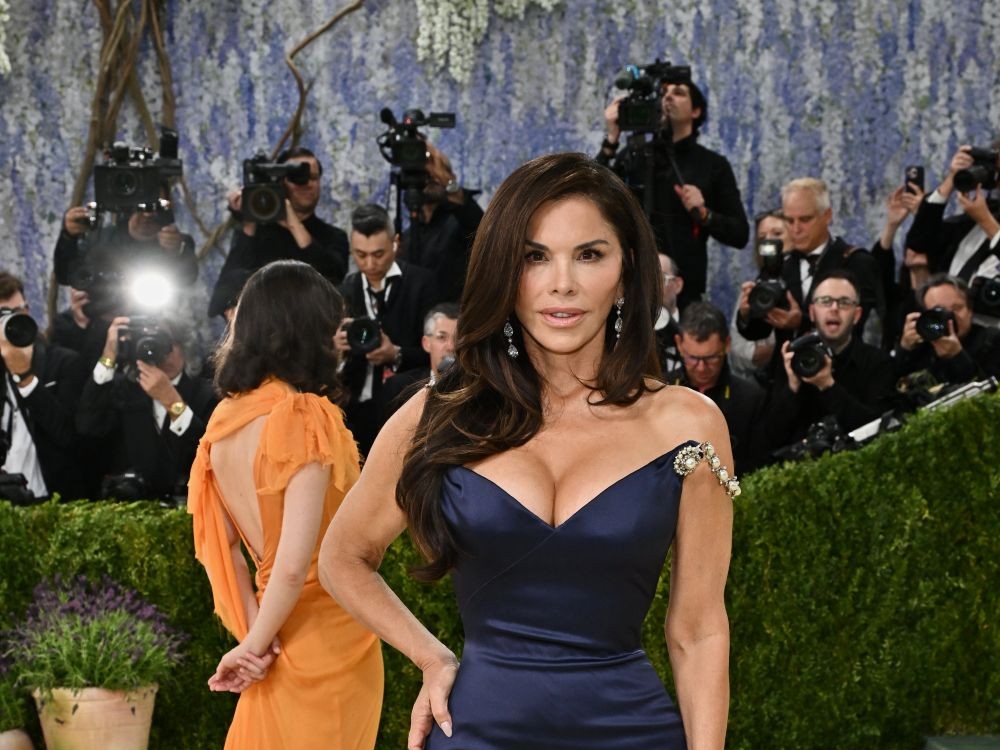
The Met Gala, long considered the premier event for fashion and cultural influence, has become increasingly dominated by tech billionaires. This year, Jeff Bezos and Lauren Sánchez Bezos purchased their role as co-hosts, sparking protests in New York and raising questions about whether money alone now buys entry into the highest echelons of fashion. Individual tickets cost $10,000 and a table $350,000, with sponsors including OpenAI, Snapchat, and Meta. The event, organized by Anna Wintour to raise funds for the Costume Institute at the Metropolitan Museum of Art, raised $31 million last year but has transformed from a benefit into a spectacle optimized for viral moments and algorithmic appeal.

Master of Madonnas and the Market

Meister der Madonnen und des Marktes

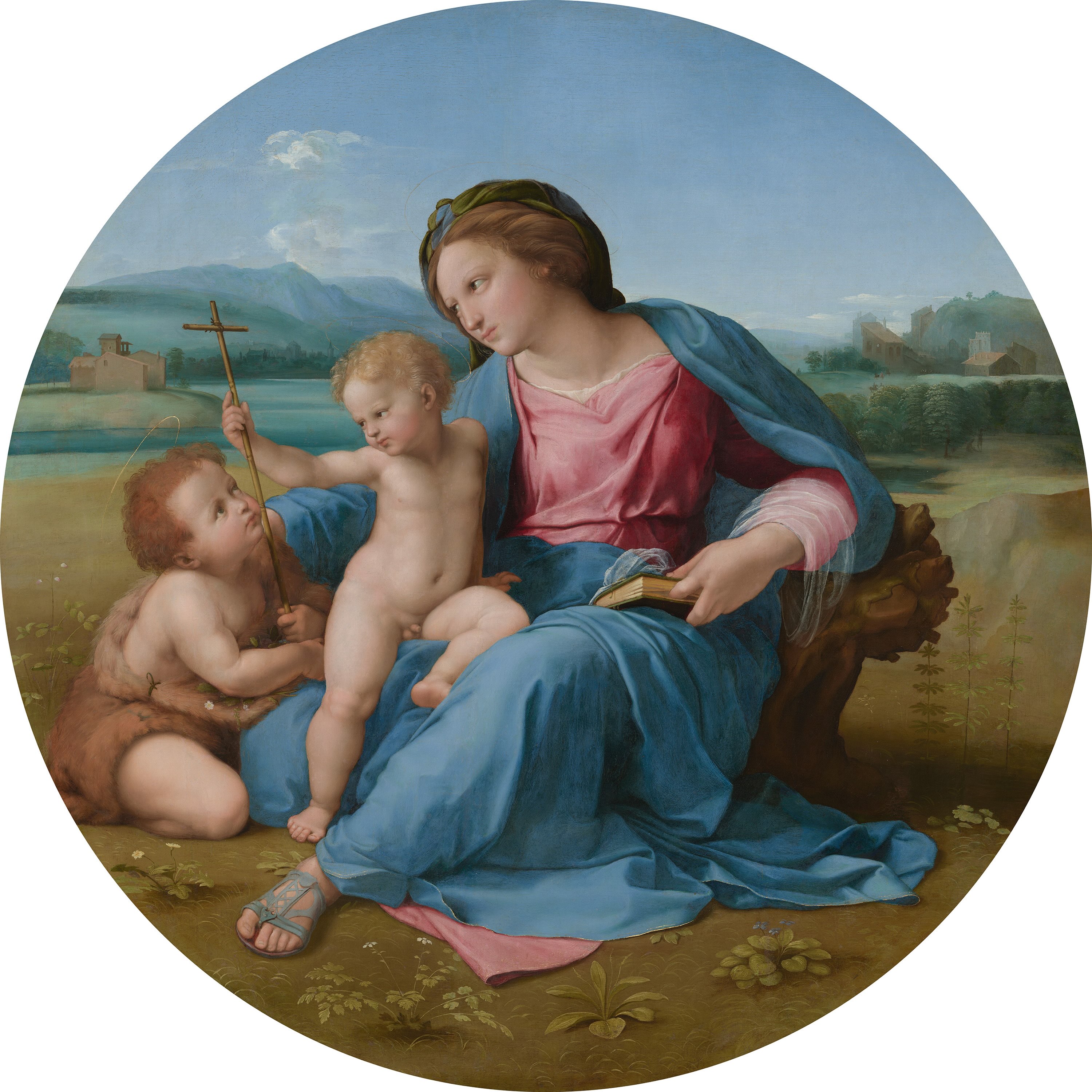
A major exhibition titled "Raphael: Sublime Poetry" has opened at the Metropolitan Museum of Art in New York, exploring how the Renaissance master Raphael's work was deeply intertwined with money, prestige, and patronage. The show traces his career from early mentorship under his father and influences from Leonardo da Vinci to his rivalry with Michelangelo, highlighting commissions from wealthy supporters like the aristocrat Elena Duglioli and Pope Leo X, who commissioned Raphael's extravagant tapestries for the Sistine Chapel.

Fondation Beyeler: Freier Eintritt im Bikini

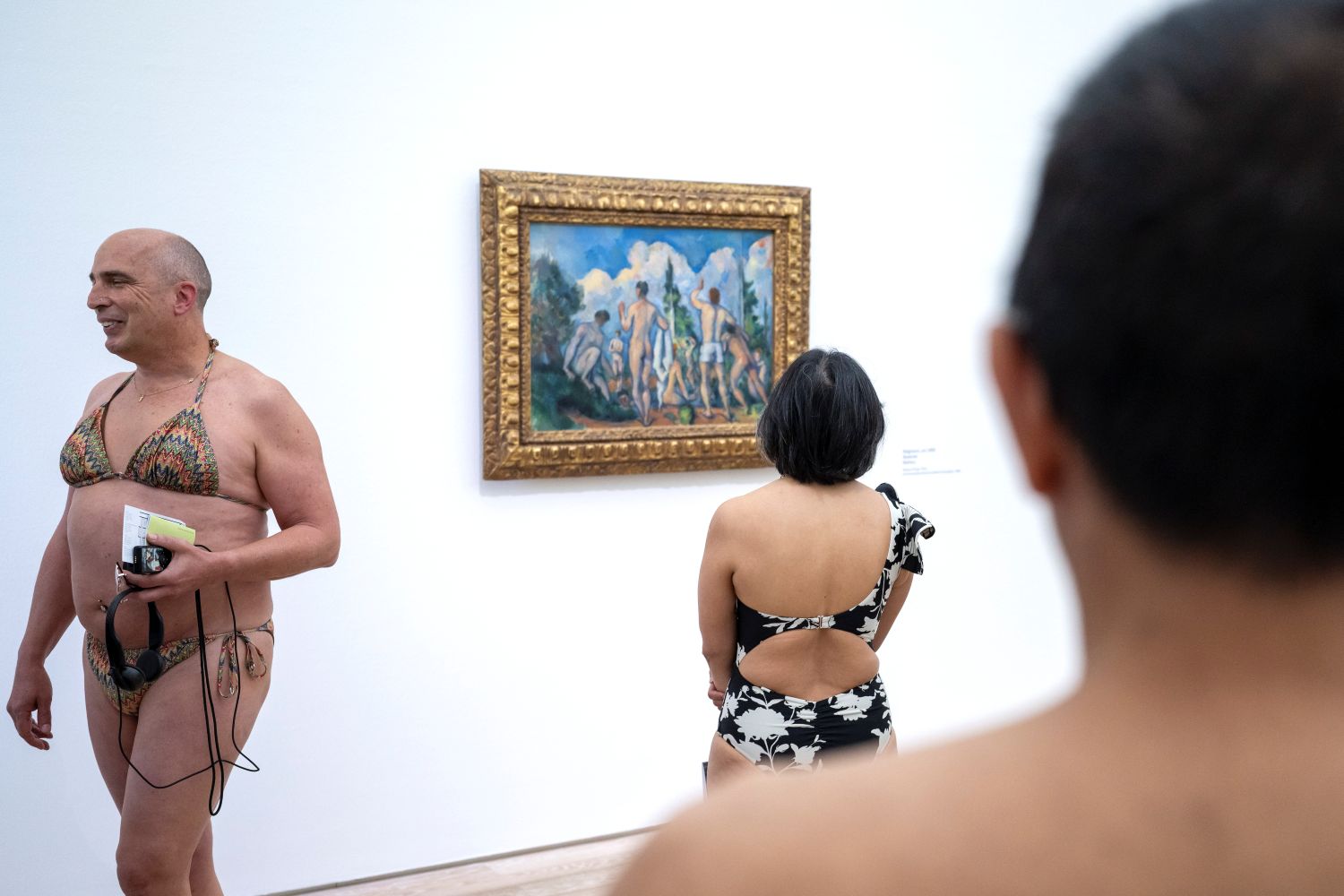
The Fondation Beyeler in Riehen, Switzerland, invited visitors to enter the museum for free if they came wearing swimwear, as part of a "Bathing Day" promotion. The event was inspired by Paul Cézanne, whose famous paintings of bathers are the subject of a current exhibition at the museum. The museum reported strong attendance and stated that the unusual setting brings art and visitors closer together, changing perception and reducing distance.

Gropius Bau öffnet abends länger

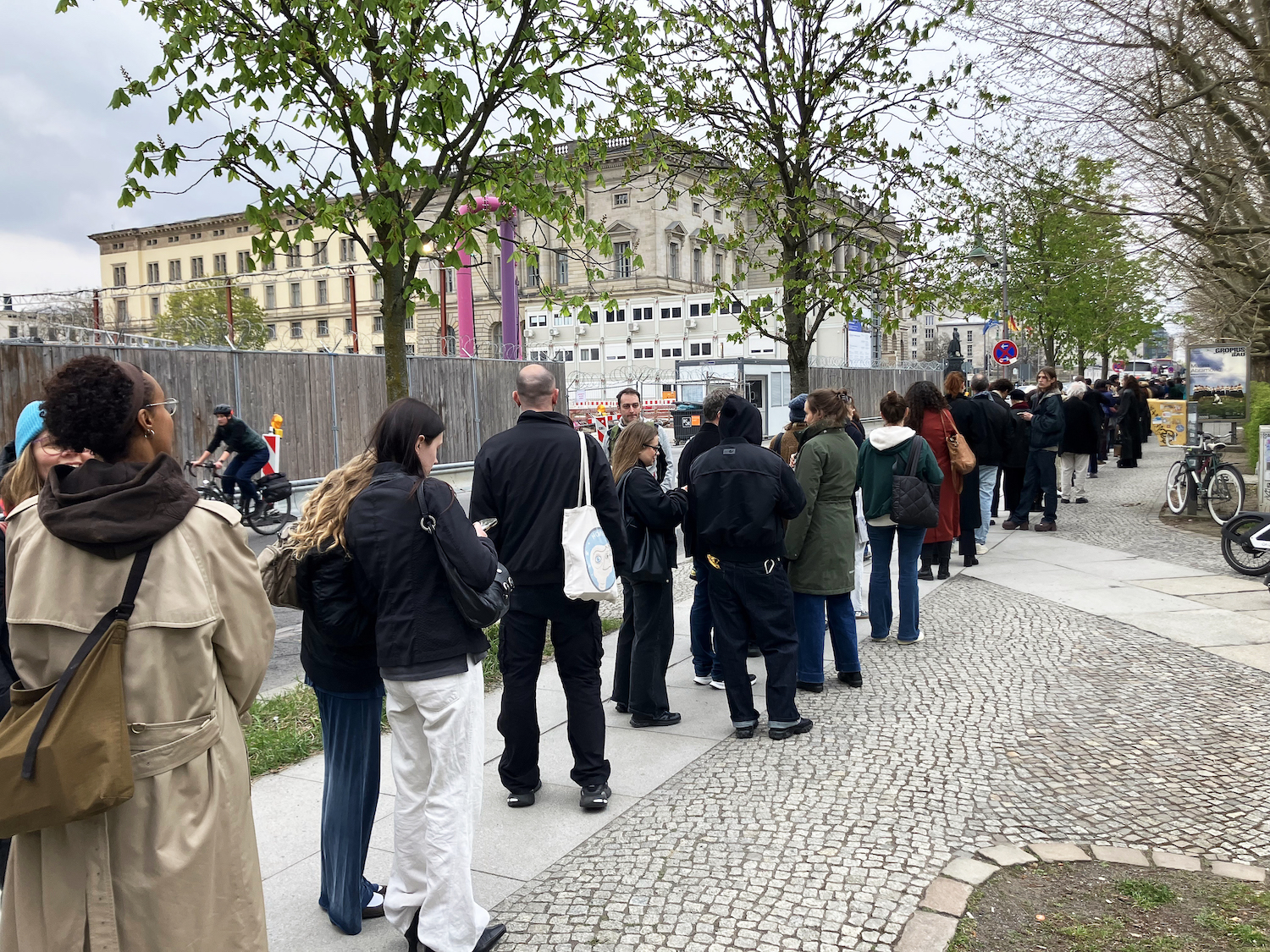
The Gropius Bau in Berlin has extended its evening opening hours by one hour, now open until 8 PM (closed Tuesdays), due to high demand for its exhibition of performance artist Marina Abramović. The show, titled "Balkan Erotic Epic," opened two weeks ago and drew long queues from the start. It features both new and older works, including performances where Abramović carved a star into her abdomen or lay in a burning installation until losing consciousness. The exhibition explores eroticism, politics, Balkan folklore, sexual energy, death, the political dimension of the body, and the Yugoslav wars.

Monopol gives away 5 × 2 tickets for Peter Hujar and Liz Deschenes at the Gropius Bau

Monopol verlost 5 × 2 Tickets für Peter Hujar und Liz Deschenes im Gropius Bau

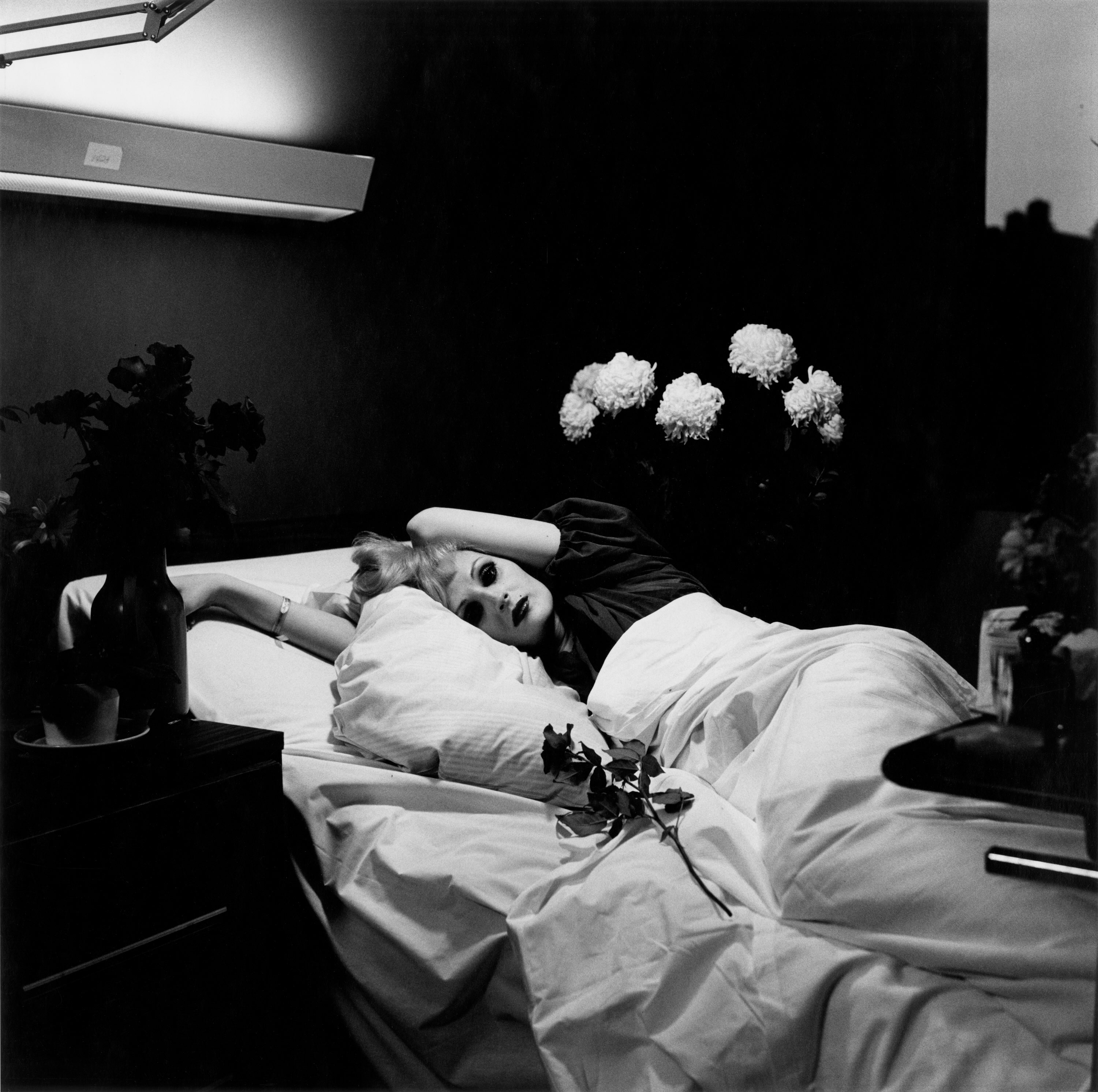
Monopol magazine is giving away 5 × 2 tickets to the exhibition "Peter Hujar / Liz Deschenes: Persistence of Vision" at the Gropius Bau in Berlin. The show pairs Hujar's iconic black-and-white photographs of New York's downtown scene—featuring figures like Susan Sontag, Divine, and David Wojnarowicz—with Liz Deschenes' abstract, material-focused works on glass and photosensitive paper. To enter, readers must email their name with the subject line "Hujar" by May 30.

"Wir wollen Rücknahme von Kürzungen"

Berlin's cultural senator Sarah Wedl-Wilson resigned on Friday after the Berlin Court of Auditors ruled that millions in funding for antisemitism prevention projects were illegal. The resignation has sparked a political debate, with CDU general secretary Ottilie Klein defending governing mayor Kai Wegner against opposition criticism, while Franziska Stoff of the Berlin Culture Conference demands stability and a reversal of budget cuts. Thomas Fehrle, director of the Deutsche Oper Berlin, expressed personal regret over Wedl-Wilson's departure, praising her competence and engagement.

"Etwas zaghaft, etwas ängstlich, etwas sicher"

The article surveys recent art-world commentary, focusing on a critical review of the Turner Prize shortlist in The Guardian, where Eddy Frankel calls the selection "timid, anxious, safe" and laments a self-perpetuating, elitist system. It also covers a Hyperallergic essay by Lisa Siraganian questioning whether artworks can possess personhood, sparked by Pierre Huyghe's Venice exhibition. Additionally, it reports on controversy at the Venice Biennale, where the jury preemptively excluded countries whose leaders are sought by the International Criminal Court—namely Russia and Israel—drawing sharp criticism from Die Welt's Marcus Woeller. A podcast interview with US sculptor Alma Allen, selected for the US Pavilion, rounds out the coverage.

"Du bist nun in die ewigen Jagdgründe der Kunst entschwunden"

This week's art news roundup covers several stories: Jonathan Meese publishes an obituary for his mother Brigitte Meese in Der Spiegel, describing her as a central figure in his life and work. Pussy Riot seeks to take over the Russian Pavilion at the Venice Biennale. The European Media Art Festival (EMAF) in Osnabrück faces controversy over antisemitism allegations linked to Palestinian-American filmmaker Basma al-Sharif, leading the city and state government to distance themselves from the festival. In the NZZ, Christian Wildhagen reports on conflicts over official political portraits, citing examples like Swiss councilor Martin Neukom rejecting paintings and Donald Trump criticizing his portrait. Art historian Horst Bredekamp pays tribute to Italian philosopher Federico Vercellone (1955–2026) in the FAZ, highlighting his theory of the 'self-activity of form.'

Salon des Refusés 2.0

Salon des Refusés 2.0

A group exhibition titled "we refuse_d" has opened at the Museum van Hedendaagse Kunst (M HKA) in Antwerp, bringing together 15 artists, many of whom faced cancellations or disinvitations from exhibitions following the October 7, 2023 attacks. The show, referencing the historic 1863 Salon des Refusés, aims to reclaim reputation and amplify marginalized voices, specifically focusing on Palestinian history and artists affected by the cultural fallout.

Dubai wants to put on a brave face by announcing a new digital art museum

Dubaï veut donner le change en annonçant un nouveau musée d’art numérique

Dubai has announced plans for a new Museum of Digital Art (MODA), designed by Adrian Smith + Gordon Gill Architecture, the firm behind the Burj Khalifa. The five-story museum will be located in the DIFC Zabeel District and feature permanent and temporary exhibitions, immersive experiences, educational spaces, and a digital twin for global access. The announcement comes amid regional turmoil, including Iranian missile and drone strikes on the UAE in March 2025 that damaged infrastructure, disrupted tourism, and reduced the 20th edition of Art Dubai from 120 galleries to just 50 stands.

1,1 milliard de dollars

The Journal des Arts' issue No. 677, dated May 15, 2026, leads with the opening of the Venice Biennale amid a tense climate. Other top stories include the final adoption of a French law on the restitution of cultural property looted during colonization, the V&A East museum's strategy to attract younger audiences, a report on how Monet's legacy in Giverny does not benefit everyone locally, and an analysis of the structuring market for the Nabis artists.

Record pour Pollock

The Journal des Arts' May 15, 2026 issue (No. 677) covers a range of art-world developments: the Venice Biennale opens amid controversy, a French law on the restitution of cultural property looted during colonization is definitively adopted, the V&A East museum targets younger audiences, the town of Giverny struggles to benefit from Monet's legacy, and the market for Nabis artists is becoming more structured.

Venice Biennale: A Silent US Pavilion

Biennale de Venise : un Pavillon US silencieux

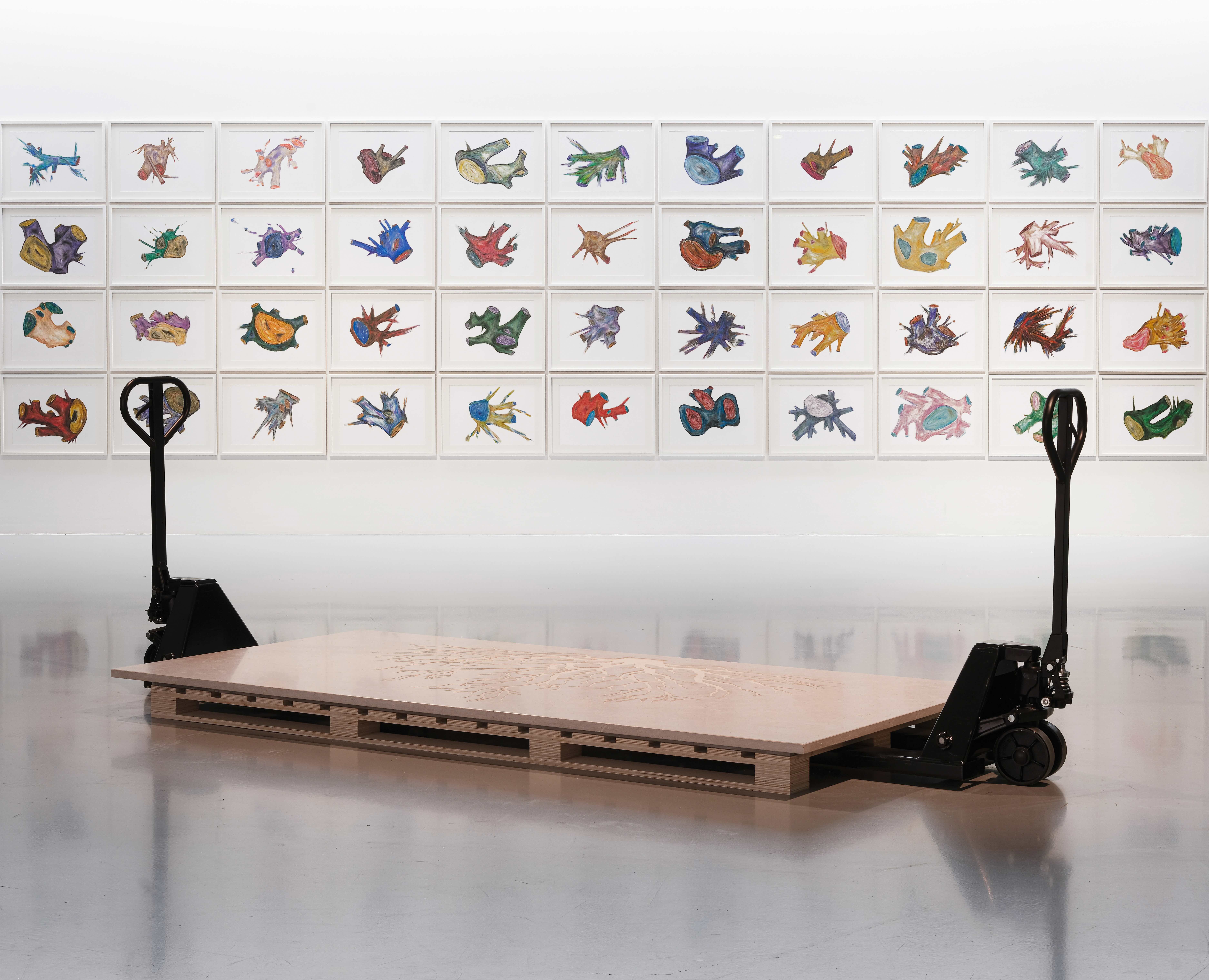
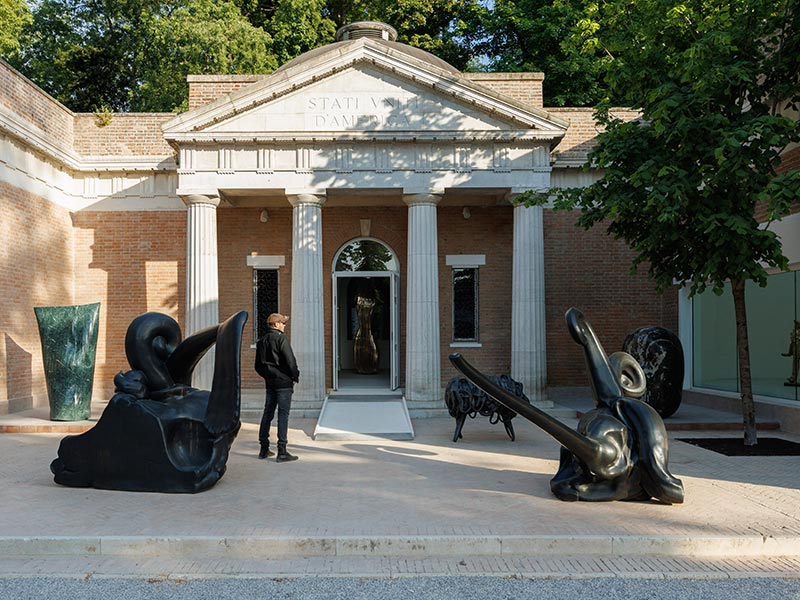
The US Pavilion at the 2026 Venice Biennale, featuring artist Alma Allen, opened to sparse crowds despite a 10% overall attendance increase at the Biennale. The pavilion was embroiled in controversy before opening: Allen was selected by the American Arts Conservancy (AAC), a private entity created in 2025 at the initiative of Donald Trump after the dissolution of the federal committee that previously oversaw the pavilion. AAC head Jenni Parido, a former pet food executive, chose the self-taught, little-known artist who had never had a solo museum exhibition. Major funders the Ford and Mellon Foundations withdrew, forcing the AAC to launch a public donation appeal. The exhibition features 25 abstract bronze, stone, and burl-wood sculptures that the artist describes as biomorphic landscapes, but critics find them pleasant yet silent, lacking the promised political or visceral resonance.

Le coup d’envoi des ventes de New York

Le Journal des Arts' issue n°677 (May 15, 2026) leads with the opening of the Venice Biennale amid a tense climate. Other top stories include the final adoption of a French law on the restitution of cultural property looted during colonization, the V&A East museum's strategy to attract younger audiences, a report on how Monet's legacy in Giverny does not benefit everyone locally, and an analysis of the structuring market for works by the Nabis artists.

Orsay inaugure une salle destinée aux œuvres « MNR »

The Musée d'Orsay in Paris has opened a new dedicated gallery, Room 10b, to display works from its MNR (Musées nationaux Récupération) collection—artworks looted or acquired under dubious circumstances during the Nazi era. The room features detailed labels and educational texts, with some works shown verso to reveal provenance labels. The initiative is funded by the American Friends of the Musée d'Orsay and the Musée de l'Orangerie with €1 million over four years, and includes a fake Monet, a Degas subject to a restitution claim, a Rodin sculpture, and a debated Cézanne. The museum's provenance research team, led by Inès Rotermund-Reynard, collaborates with the French Ministry of Culture's M2RS mission.

Les jardins de Monet à l’épreuve du surtourisme

Claude Monet's gardens in Giverny, France, which were recreated in 1980 after being abandoned in the 1950s, are now suffering from severe overtourism. The site, which attracted 70,000 visitors in its first year, is expected to exceed one million visitors in 2026, the centenary of Monet's death. Crowds are so dense that visitors report feeling unable to experience any emotion, and gardeners spend hours each morning repairing damage from trampling. The gardens have become a kind of industrial product, with 15,000 plants propagated each season to replace those destroyed.

La Biennale de Venise s’ouvre dans un climat houleux

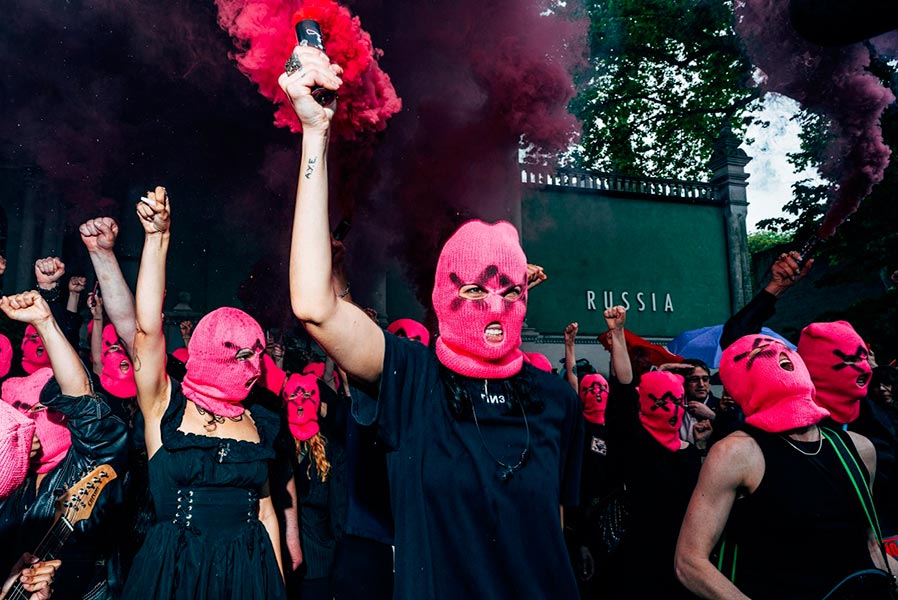
The 61st Venice Biennale opened amid intense controversy after its president, Pietrangelo Buttafuoco, announced the return of the Russian pavilion, which had been absent since the start of the Ukraine war. The European Commission suspended its €2 million subsidy for the 2028 edition, and the entire Biennale jury resigned on April 30. Buttafuoco later declared the Russian pavilion would remain closed, but protests erupted during the pre-opening days (May 6–8), drawing 28,000 professionals. Pussy Riot members, Femen activists, and the Free Nations League staged demonstrations, while the Israeli pavilion remained open despite a letter signed by nearly 200 artists calling for its exclusion.

Michelangelo and Rodin as an 'Artistic Couple'

Michel-Ange et Rodin en « couple artistique »

The Louvre Museum in Paris presents a major exhibition pairing Michelangelo and Auguste Rodin as an "artistic couple," curated by Chloé Ariot of the Musée Rodin and Marc Bormand of the Louvre. The show features over 200 works, including three marble sculptures by Michelangelo—the Slaves and a Christ on the Cross—alongside drawings, plaster casts, and works by Rodin such as the monumental Balzac. It also includes pieces by contemporaries and later artists like Joseph Beuys, Jana Sterbak, Giuseppe Penone, and Bruce Nauman to trace the sculptors' shared legacy.

Décès de Bruno Bischofberger

Bruno Bischofberger, the influential Swiss gallerist and art dealer, has died. Known for his Zurich gallery that represented major contemporary artists, Bischofberger played a pivotal role in the careers of figures like Jean-Michel Basquiat, Andy Warhol, and Francesco Clemente. His death marks the end of an era for the post-war and contemporary art market.