
Biennale de Venise : un Pavillon US silencieux
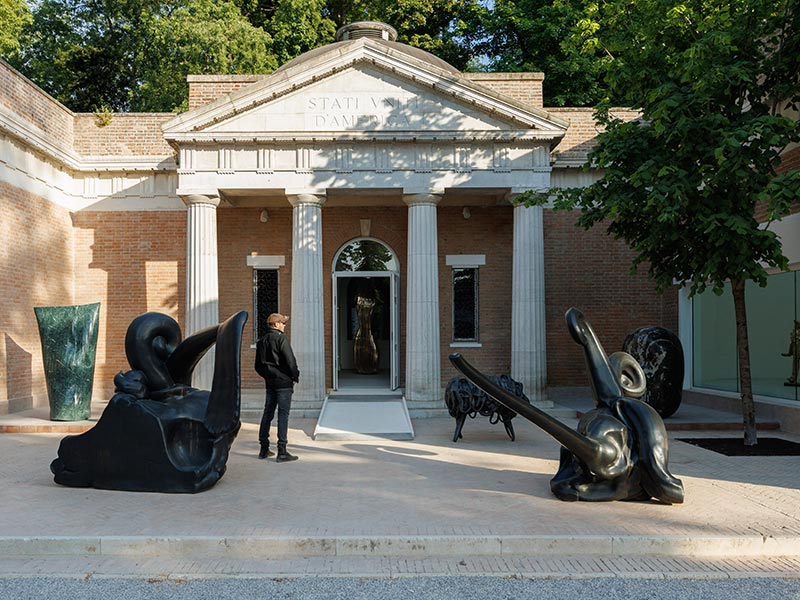
The US Pavilion at the 2026 Venice Biennale, featuring artist Alma Allen, opened to sparse crowds despite a 10% overall attendance increase at the Biennale. The pavilion was embroiled in controversy before opening: Allen was selected by the American Arts Conservancy (AAC), a private entity created in 2025 at the initiative of Donald Trump after the dissolution of the federal committee that previously oversaw the pavilion. AAC head Jenni Parido, a former pet food executive, chose the self-taught, little-known artist who had never had a solo museum exhibition. Major funders the Ford and Mellon Foundations withdrew, forcing the AAC to launch a public donation appeal. The exhibition features 25 abstract bronze, stone, and burl-wood sculptures that the artist describes as biomorphic landscapes, but critics find them pleasant yet silent, lacking the promised political or visceral resonance.
This matters because the US Pavilion's muted reception and organizational turmoil reflect a broader shift in American cultural diplomacy under the Trump administration, with private entities replacing federal oversight. The controversy highlights tensions between artistic merit and political appointments, as well as the withdrawal of traditional philanthropic support. Meanwhile, the vibrant American presence at the Biennale has moved to the 'off' program, with major shows by Lorna Simpson, Arthur Jaffa, Richard Prince, Patti Smith, Brian Eno, and Judy Chicago elsewhere in Venice, suggesting that the most politically engaged US art is now being shown outside the official pavilion system.