filter_list Showing 92 results for "US pavilion" close Clear
search
dashboard All 92 article news 37museum exhibitions 25rate_review review 23article policy 3candle obituary 2trending_up market 1article culture 1
date_range Range Today This Week This Month All
Subscribe

My NADA Sketchbook

Lehman College Art Gallery is presenting the 2026 Thesis Exhibition, running from May 20 to 28. The show features over thirty undergraduate and graduate artists, showcasing a wide range of conceptual approaches and material experimentation.

A Whole Lot of Nothing at the US Pavilion

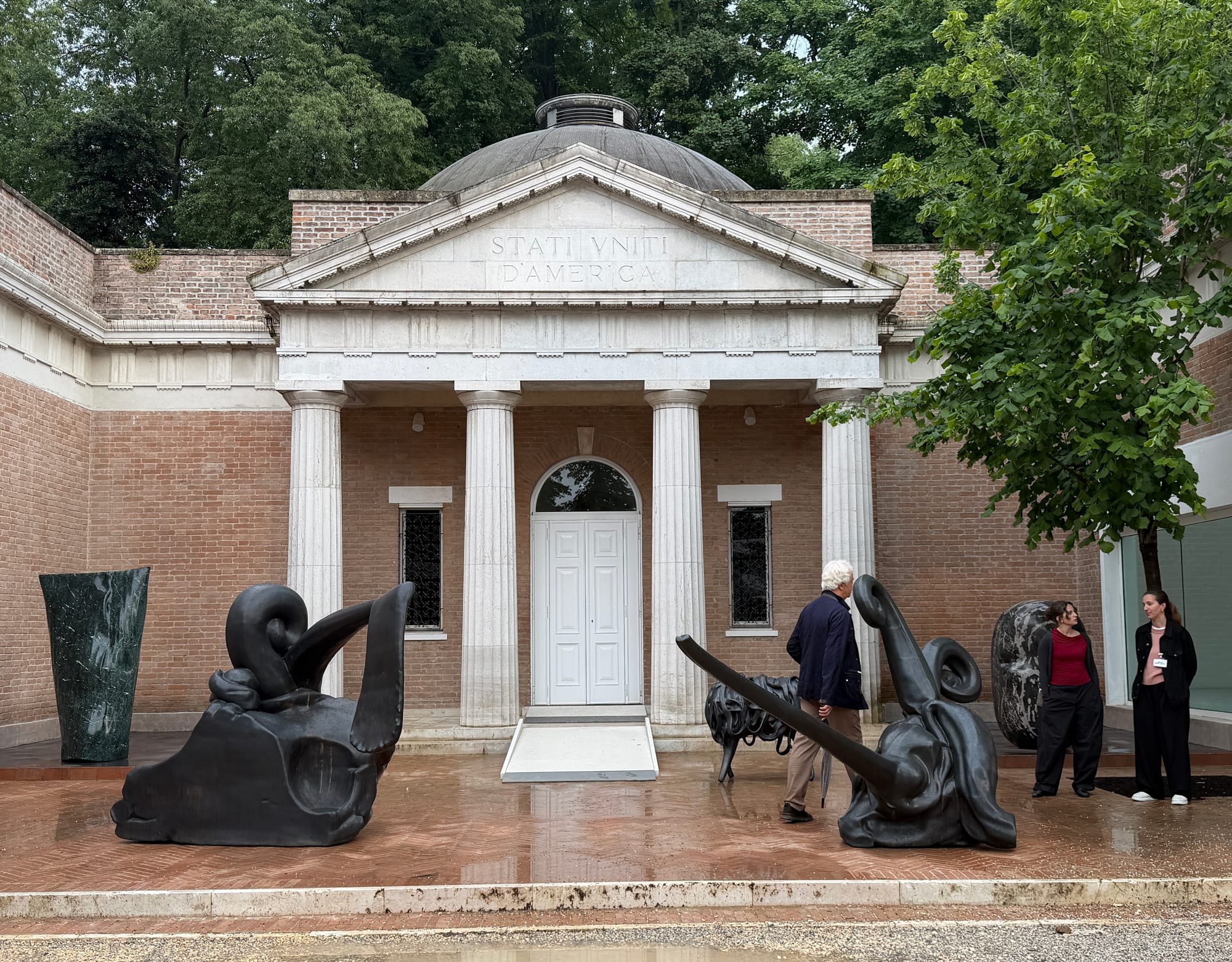
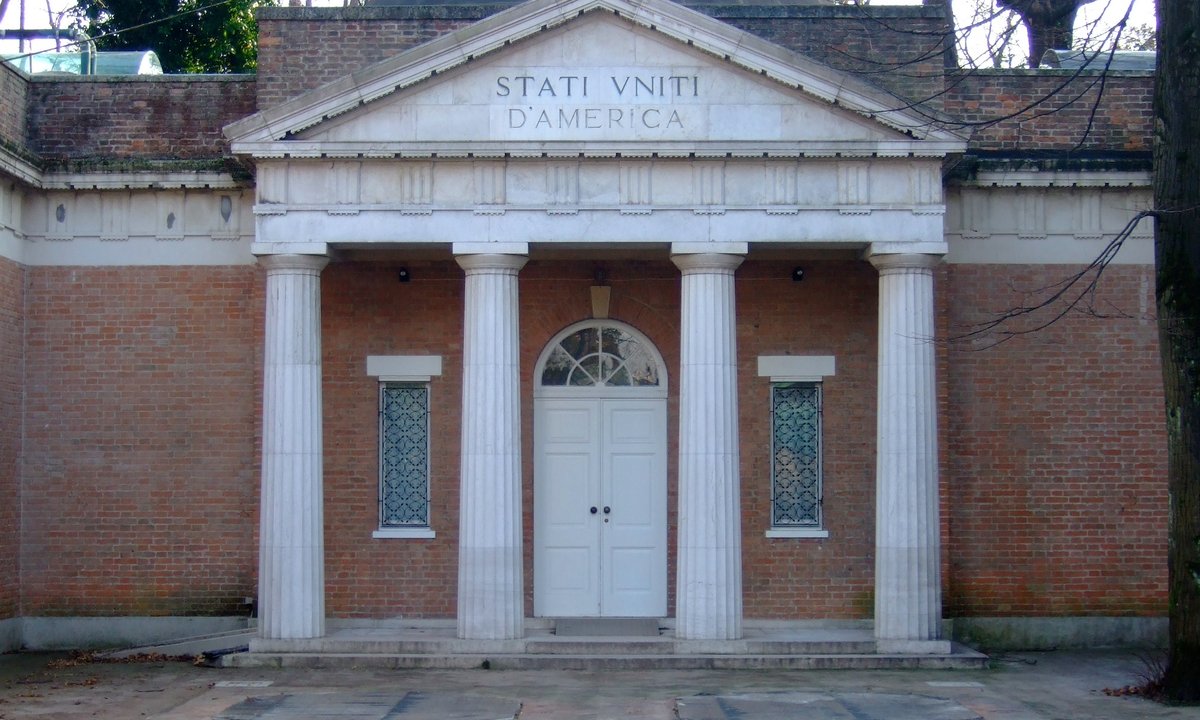
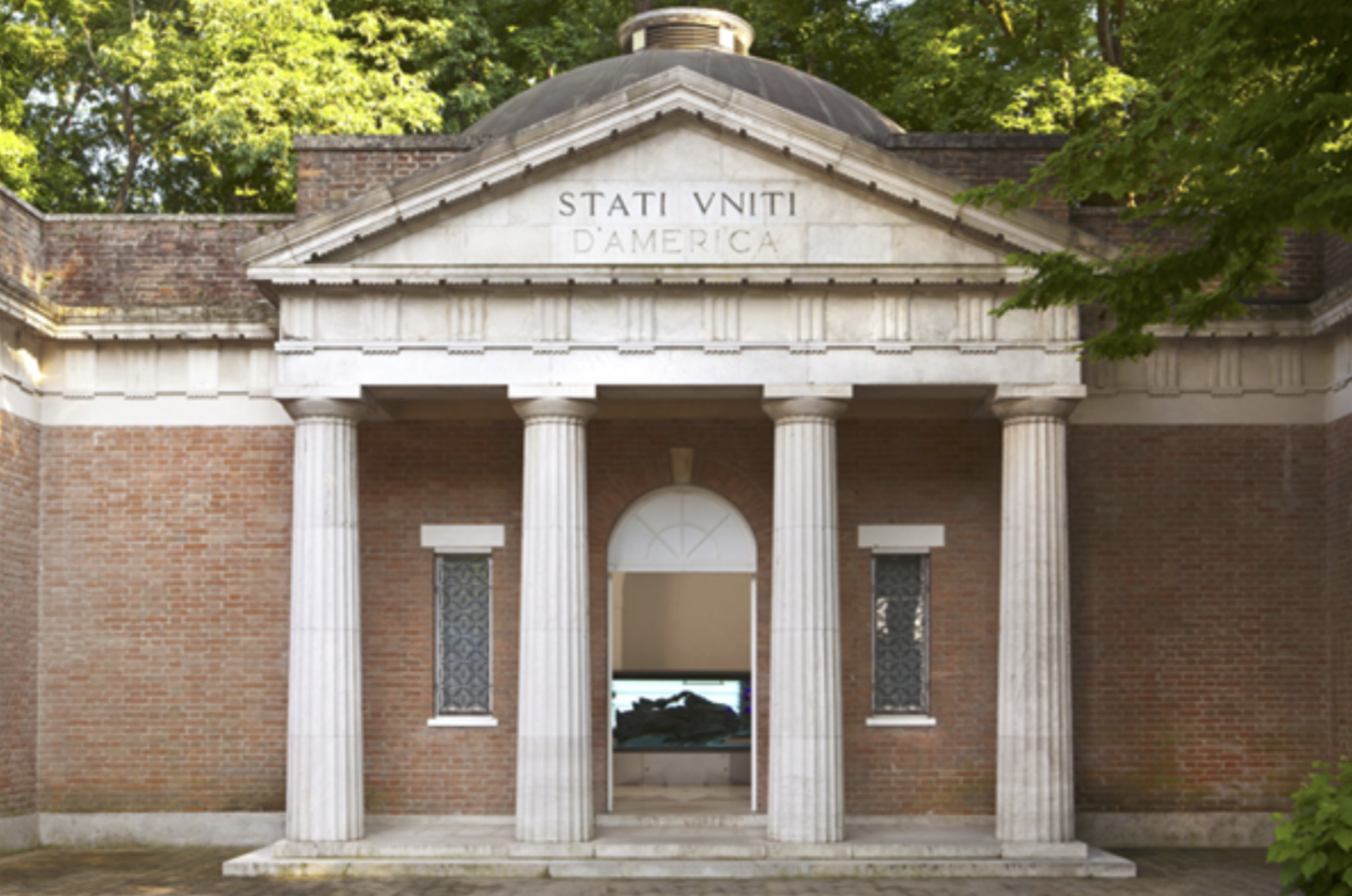
The US Pavilion at the 2026 Venice Biennale features sculptor Alma Allen's exhibition "Call Me the Breeze," curated by Jeffrey Uslip. The show presents untitled, amorphous sculptures in bronze, wood, and stone, including Colorado Yule marble. The selection process was controversial: after the Trump administration excluded the National Endowment for the Arts, the State Department initially picked artist Robert Lazzarini and curator John Ravenal, but that plan collapsed. The American Arts Conservancy, a new nonprofit led by Jenni Parido (a former pet food store operator with Mar-a-Lago ties), then took over, hiring Uslip, who approached Barbara Chase-Riboud and William Eggleston before settling on Allen. Donors include businessman John Phelan and fashion designer Tommy Hilfiger.

Culture Workers Announce Venice Biennale Strike in Israeli Pavilion Protest

Cultural workers, unions, and grassroots groups are planning a 24-hour strike on Friday, May 8, at the Venice Biennale to protest Israel's participation amid the ongoing genocide in Gaza. Organized by the Art Not Genocide Alliance (ANGA), the action includes a rally on Viale Garibaldi and calls for a boycott of Israel's "genocide pavilion." Participating groups include Biennaleocene, Sale Docks, Mi Riconosci, Vogliamo Tutt’altro, and several Italian trade unions. The strike follows months of activism, including a letter signed by over 200 event participants, and comes after the Biennale jury resigned over award eligibility rules that initially excluded Israel and Russia.

A sturdy soldier in a sequin dress

"Eine kräftige Soldatin im Paillettenkleid"

Media reviews of the Venice Biennale's opening week offer contrasting takes on the German and US pavilions. Critics describe the German pavilion, curated by Sung Tieu and Henrike Naumann, as a dense, ironic East-West narrative that layers Nazi architecture with DDR prefab construction, creating what Jörg Häntzschel calls a "shockingly seamless symbiosis." The US pavilion, featuring sculptures by Alma Allen, is panned by Maximilíano Durón in ArtNews as politically timid and empty, lacking the clear colonial critiques of previous editions by Simone Leigh and Jeffrey Gibson.

"Eine Idee, die gut ist, kann fast alles verändern"

Henrike Naumann's final major artistic project, the German Pavilion at the Venice Biennale, is completed posthumously by friends after her death from cancer at age 41. Meanwhile, the sudden death of curator Koyo Kouoh at 57 has left her team to finish the central exhibition "In Minor Keys" for the Biennale, opening May 9. The US Pavilion is openly crowdfunding for its 2026 presentation by sculptor Alma Allen, citing opaque funding under the Trump administration. Israel's foreign ministry has accused the Venice Biennale jury of boycotting its artist Belu-Simion Fainaru by excluding countries whose leaders face International Criminal Court charges.

Alison Roman’s Top Picks from the Frieze Viewing Room

Andrew Durbin reviews the national pavilions at the Venice Biennale, contrasting a vacuous US presentation with incisive and moving installations from Britain and Germany. The review highlights the thematic and emotional depth of the British and German pavilions while critiquing the lack of meaning in the US entry.

US SCULPTURES AMID CONTROVERSY AT THE VENICE BIENNALE

The United States Pavilion at the 61st Venice Biennale features sculptor Alma Allen's exhibition "Call Me the Breeze," which opened with no clear funding just ten days prior. Unlike previous pavilions supported by major foundations like Ford and Mellon, Allen's show relies on a $375,000 US government contribution and public donations via the American Arts Conservancy. The selection process was unconventional: the State Department, which took over after Trump's NEA budget cuts, imposed restrictions on DEI policies and required proposals promoting "American exceptionalism." Curator Jeffrey Uslip directly approached Allen without a formal proposal, leading the artist's two galleries—Olney Gleason and Mendes Wood DM—to drop him when he accepted the commission.

Dries Verhoeven on Representing the Netherlands at the 61st Venice Biennale

Dries Verhoeven will represent the Netherlands at the 61st Venice Biennale (2026) with a new work titled *The Fortress*, installed in the Dutch Rietveld Pavilion in the Giardini. The 25-minute performance piece transforms the sunlit pavilion into a darkened bunker, featuring a raw vocal composition using only false vocal cords. Verhoeven describes the work as a meditation on transition and self-preservation, reflecting a Western society caught between its enlightened self-image and a dark vision of the future. The piece responds to geopolitical unrest outside the Biennale grounds and is designed to be melancholic and confrontational, contrasting with the main exhibition's theme, *In Minor Keys*.

Marina Xenofontos on Representing Cyprus at the 61st Venice Biennale

Artist Marina Xenofontos will represent Cyprus at the 61st Venice Biennale in 2026. Her exhibition, centered on an animatronic sparrow titled 'Passer' and incorporating folk songs recorded by her grandmother and great-aunts, explores themes of memory, endurance, and the quiet persistence of culture.

‘Afterimages’: What Does It Mean to See Through Overload?

Andrew Durbin reviews the national pavilions at the Venice Biennale, contrasting a vacuous US presentation with incisive and moving installations from Britain and Germany. The article critiques the lack of meaningful engagement in the US pavilion while praising the depth and emotional resonance of the British and German contributions.

Seba Calfuqueo and the Colonized Body

Andrew Durbin reviews national pavilions at the 2026 Venice Biennale, critiquing the US presentation as vacuous while praising incisive and moving installations from Britain and Germany. The review highlights Seba Calfuqueo's work in the context of colonized bodies, though the article's main focus is on the comparative quality of the pavilions.

Frieze’s Christine Messineo Takes a Tour of Chelsea

Andrew Durbin reviews national pavilions at the Venice Biennale, contrasting a vacuous US presentation with incisive and moving installations from Britain and Germany. The review highlights the disparity in thematic depth and emotional resonance among the three pavilions.

Off-Site Exhibitions Review: The Politics of Listening

Andrew Durbin reviews the national pavilions at an unnamed biennial, contrasting a vacuous US presentation with incisive and moving installations from Britain and Germany. The review critiques the lack of meaningful engagement in the US pavilion while praising the depth and emotional resonance of the British and German contributions.

Ayotunde Ojo Maps Interiority Under the Public Gaze

The article, a critic's guide review by Andrew Durbin, contrasts the US national pavilion presentation at an unspecified biennial with those of Britain and Germany. The US presentation is described as vacuous and lacking in meaning, while the British and German installations are praised for being incisive and moving. The review critically examines the thematic and conceptual approaches of each national pavilion, highlighting a disparity in artistic depth and engagement.

‘YBA & BEYOND’ Exports British Cool

Frieze critic Andrew Durbin reviews the national pavilions at the Venice Biennale, contrasting a vacuous US presentation with incisive and moving installations from Britain and Germany. The British pavilion, titled 'YBA & BEYOND,' exports British cool by showcasing works from Young British Artists and their successors, while the German pavilion offers a deeply resonant experience. The US pavilion is criticized for lacking meaningful content, raising questions about curatorial direction and national representation.

What’s Showing in Chelsea During Frieze Week New York

This article is a critic's guide reviewing national pavilions during Frieze Week New York. Andrew Durbin contrasts a vacuous US presentation with incisive and moving installations from Britain and Germany, questioning the meaning and depth of the American contribution.

Venice Biennale Diary: An Editor on the Ground

Andrew Durbin reviews national pavilions at the Venice Biennale, contrasting a vacuous US presentation with incisive and moving installations from Britain and Germany. The article is part of Frieze's Critic's Guides series, published on May 6, 2026.

Ariel West Probes Our Desire for Oil

Andrew Durbin reviews the national pavilions at the 2026 Venice Biennale, contrasting a vacuous US presentation with incisive and moving installations from Britain and Germany. The review critiques the US pavilion for lacking meaningful content, while praising the British and German contributions for their depth and emotional resonance.

‘In Minor Keys’ Review: Its Best Moments Live in the Institutions Koyo Kouoh Built

Andrew Durbin reviews the national pavilions at the 2026 Venice Biennale, contrasting a vacuous US presentation with incisive and moving installations from Britain and Germany. The review highlights how the best moments of the exhibition live in the institutions built by curator Koyo Kouoh, who organized the Biennale's main exhibition.

Arsenale Review: Where Voices Resist Erasure

At the 2026 Venice Biennale's Arsenale, critic Andrew Durbin reviews national pavilions, finding the US presentation vacuous and lacking meaning, while praising the British and German pavilions for their incisive and moving installations that resist erasure. The review highlights a stark contrast in curatorial ambition and political engagement among the participating nations.

Seven Shows to Catch Across the US This May

Art critic Andrew Durbin reviews national pavilion presentations at the Venice Biennale, contrasting a vacuous US exhibition with incisive and moving installations from Britain and Germany. The review highlights the disparity in thematic depth and emotional resonance among the three pavilions.

How to Have the Perfect Day at Frieze New York 2026

Andrew Durbin reviews the national pavilions at Frieze New York 2026, contrasting a vacuous US presentation with incisive and moving installations from Britain and Germany. The review highlights the disparity in conceptual depth and emotional resonance among the three pavilions, with the US offering little meaning while the British and German contributions engage seriously with contemporary issues.

The Books That Influence Sohrab Hura

Andrew Durbin reviews the national pavilions at an unnamed biennial, contrasting a vacuous US presentation with incisive and moving installations from Britain and Germany. The review critiques the lack of meaning in the US pavilion while praising the depth and emotional resonance of the British and German contributions.

Jerald Cooper’s Top Picks from Frieze New York 2026

Andrew Durbin reviews the national pavilions at the 2026 Venice Biennale, contrasting a vacuous US presentation with incisive and moving installations from Britain and Germany. The article critiques the lack of meaning in the American pavilion while praising the depth and emotional resonance of the British and German contributions.

National Pavilions Review: Porta-Potties, Porn and a Defiant Rave

Frieze critic Andrew Durbin reviews national pavilions at an unnamed biennial, contrasting a vacuous US presentation with incisive and moving installations from Britain and Germany. The US pavilion is criticized for lacking meaning, while the British and German pavilions feature incisive and moving works, including a defiant rave and provocative content like porta-potties and porn.

National Pavilions Review: Who’s Afraid of Meaning?

Andrew Durbin reviews national pavilions at a major biennial, contrasting a vacuous US presentation with incisive and moving installations from Britain and Germany. The review critiques the lack of meaningful content in the US pavilion while praising the depth and emotional resonance of the British and German contributions.

US participation in 2026 Venice Biennale in limbo amid Trump's arts defunding

The United States' participation in the 2026 Venice Biennale is in jeopardy due to the Trump administration's campaign to defund the arts. According to a Vanity Fair report by Nate Freeman, the US government's preparation is behind schedule, with the typical 18-month planning timeline now reduced to just 12 months before the opening. The National Endowment for the Arts (NEA) faces funding cuts, staff reductions, and a vacant position for coordinating biennale affairs, while the application process has been altered to emphasize "American values" and remove references to diversity, equity, and inclusion.

The Biomorphic Sculptures of Alma Allen in the U.S. Pavilion at the 2026 Venice Art Biennale (Amid Controversy)

Le sculture biomorfiche di Alma Allen nel Padiglione USA alla Biennale d’Arte di Venezia 2026 (tra le polemiche)

Alma Allen, a self-taught American sculptor, has been selected to represent the United States at the 61st Venice Biennale in 2026 with the exhibition "Call Me the Breeze." The pavilion, curated by Jeffrey Uslip, will feature site-specific biomorphic sculptures that explore the concept of "elevation" through a hybrid creative process combining pre-industrial carving and hand-modeling with advanced robotic sculpting. Works will incorporate local American materials such as walnut burl, Cantera green volcanic rock, and Yule marble from Colorado, and the pavilion is tied to America250, the celebration of the 250th anniversary of the U.S. Declaration of Independence.

curtis yarvin venice biennale

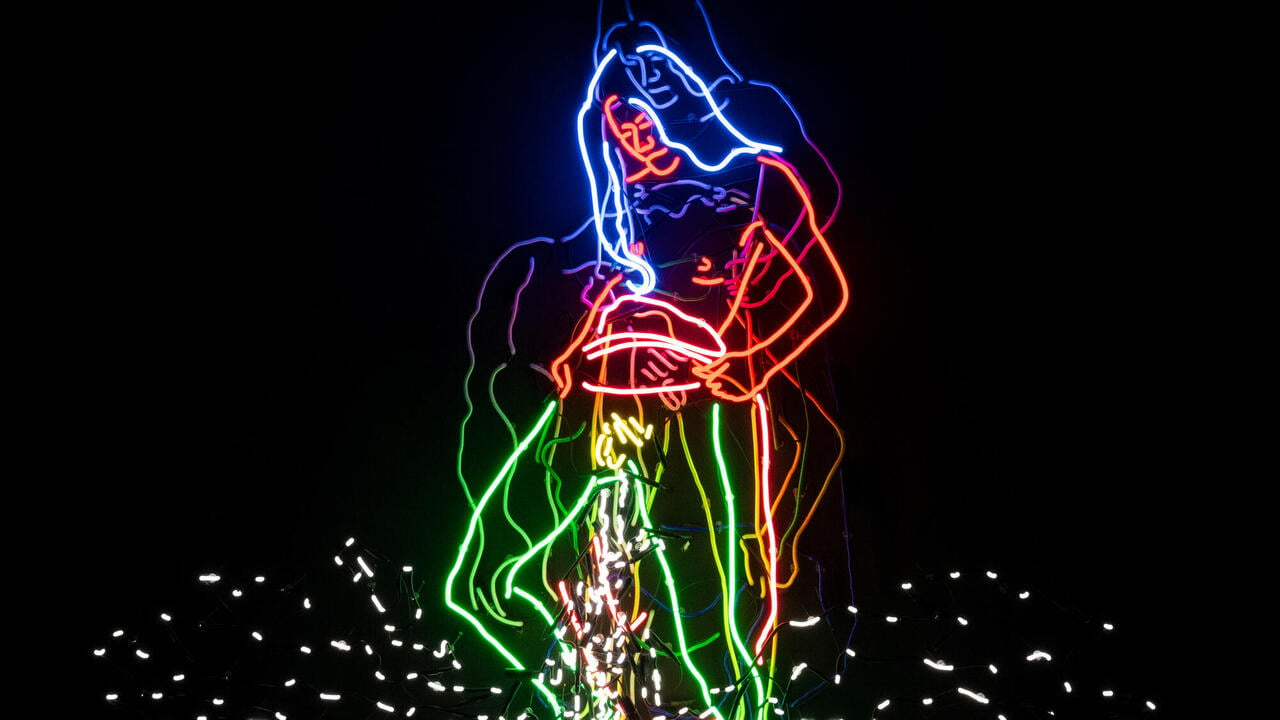
Far-right political blogger Curtis Yarvin has floated a proposal to take over the U.S. pavilion at the Venice Biennale with an "art ho"–themed exhibition centered on Titian's painting *The Rape of Europa* (1559–62). Yarvin discussed the idea in a New Yorker profile and promoted it in a YouTube video, which includes AI-generated imagery and a fake press release. He also reportedly rented a flat near Art Basel in Switzerland to host a party announcing the proposal. The article dismisses the initiative as a troll and a bid for MAGA cultural credibility, noting its lack of real momentum or institutional backing.

Frieze New Writers Pick Vienna’s Must-See Exhibitions

Andrew Durbin reviews national pavilions at a major art event, contrasting a vacuous US presentation with incisive and moving installations from Britain and Germany. The piece is part of Frieze's 'Critic's Guides' series, offering a pointed critique of the US pavilion's lack of meaning against the strength of its European counterparts.