filter_list Showing 179 results for "Cision" close Clear
search
dashboard All 179 article news 73museum exhibitions 40article policy 24trending_up market 11article culture 9rate_review review 6person people 6article local 5gavel restitution 4candle obituary 1
date_range Range Today This Week This Month All
Subscribe

Israel Criticizes Venice Biennale Jury over Pavilion’s Exclusion

The international jury of the 61st Venice Biennale has excluded the Israeli and Russian pavilions from consideration for official prizes, citing that countries whose leaders are charged with crimes against humanity by the International Criminal Court will not be eligible. Israel’s foreign ministry condemned the decision as a political boycott, and Israeli representative Belu-Simion Fainaru called it a hostile act that exceeds the jury’s mandate. The Biennale’s president, Pietrangelo Buttafuoco, has distanced the institution from the jury’s action, insisting the exhibition remain open to all nations recognized by Italy.
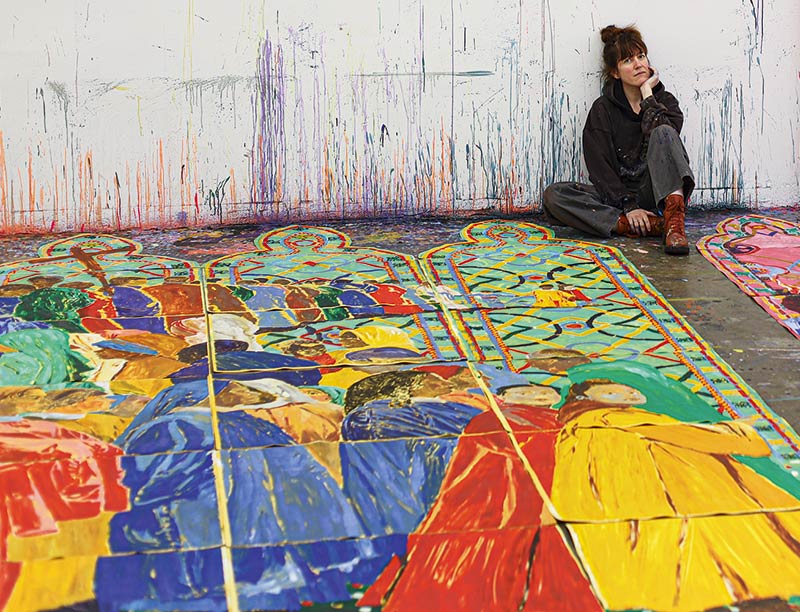
Notre-Dame : pas de suspension pour les vitraux !

On May 19, 2026, the Paris administrative court rejected requests from heritage associations Sites & Monuments and SOS Paris to suspend the removal and replacement of the stained-glass windows at Notre-Dame Cathedral. The associations had sought to block the prefect's authorization to remove the 19th-century windows by Alfred Gérente and install six new contemporary windows designed by Claire Tabouret, arguing legal doubts about the project. The judge ruled that the operation was reversible—since the new panels are the same size as the originals and the removed windows will be restored and displayed—thus no urgent suspension was warranted.

Venice Biennale, no prize for Russia or Israel

Biennale de Venise, pas de prix pour la Russie ou Israël

The Venice Biennale has announced that neither Russia nor Israel will receive awards at this year's edition. The decision reflects ongoing geopolitical tensions and controversies surrounding the participation of these nations in the prestigious international art exhibition.

Under pressure, the jury of the 61st Venice Biennale will exclude Russian and Israeli pavilions from the awards

Sous pression, le jury de la 61e Biennale de Venise exclura les pavillons russe et israélien du palmarès

The 61st Venice Biennale, titled "In Minor Keys" and running from May 9 to November 22, 2026, has been embroiled in political controversy after organizers decided to reinstate the Russian pavilion, which had been excluded since Russia's 2022 invasion of Ukraine. Under pressure from the European Commission, which threatened to suspend a €2 million grant, the jury announced it will exclude artists from the Russian and Israeli pavilions from winning prizes, citing that leaders Vladimir Putin and Benjamin Netanyahu face International Criminal Court charges for crimes against humanity. The Russian pavilion will remain closed to the public but open for VIP press previews, while the Israeli pavilion stays open to the public. Italian Culture Minister Alessandro Giuli has refused to attend the opening ceremony in protest.

SOL HENARO: “BAJAR LA VELOCIDAD ES POLÍTICO Y, AUNQUE CUESTA MUCHO, HAY QUE SEGUIR INTENTÁNDOLO”

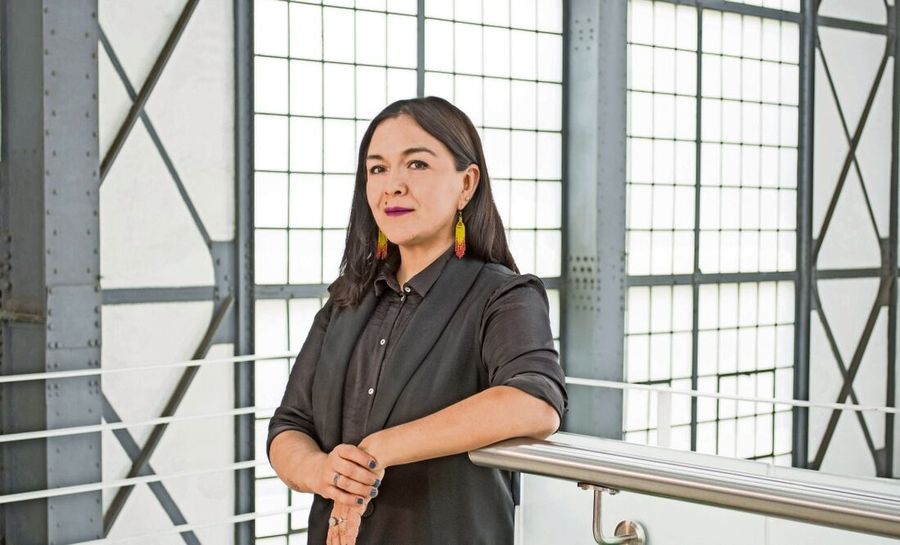
Sol Henaro, director of the Museo Universitario del Chopo in Mexico City, argues in an interview for Artishock Revista that museums must resist neoliberal pressures to accelerate production, spectacularize content, and convert cultural experience into immediate consumption. She advocates for the museum as a space of plurality, deceleration, and critical thought, emphasizing the need for horizontal, careful practices that allow for dissent and coexistence. The interview is part of a series on International Museum Day featuring directors from Latin American and Ibero-American institutions.

Dozens of Venice Biennale Artists Stage ‘Drone’ Perfomance in Protest of Israel’s Participation

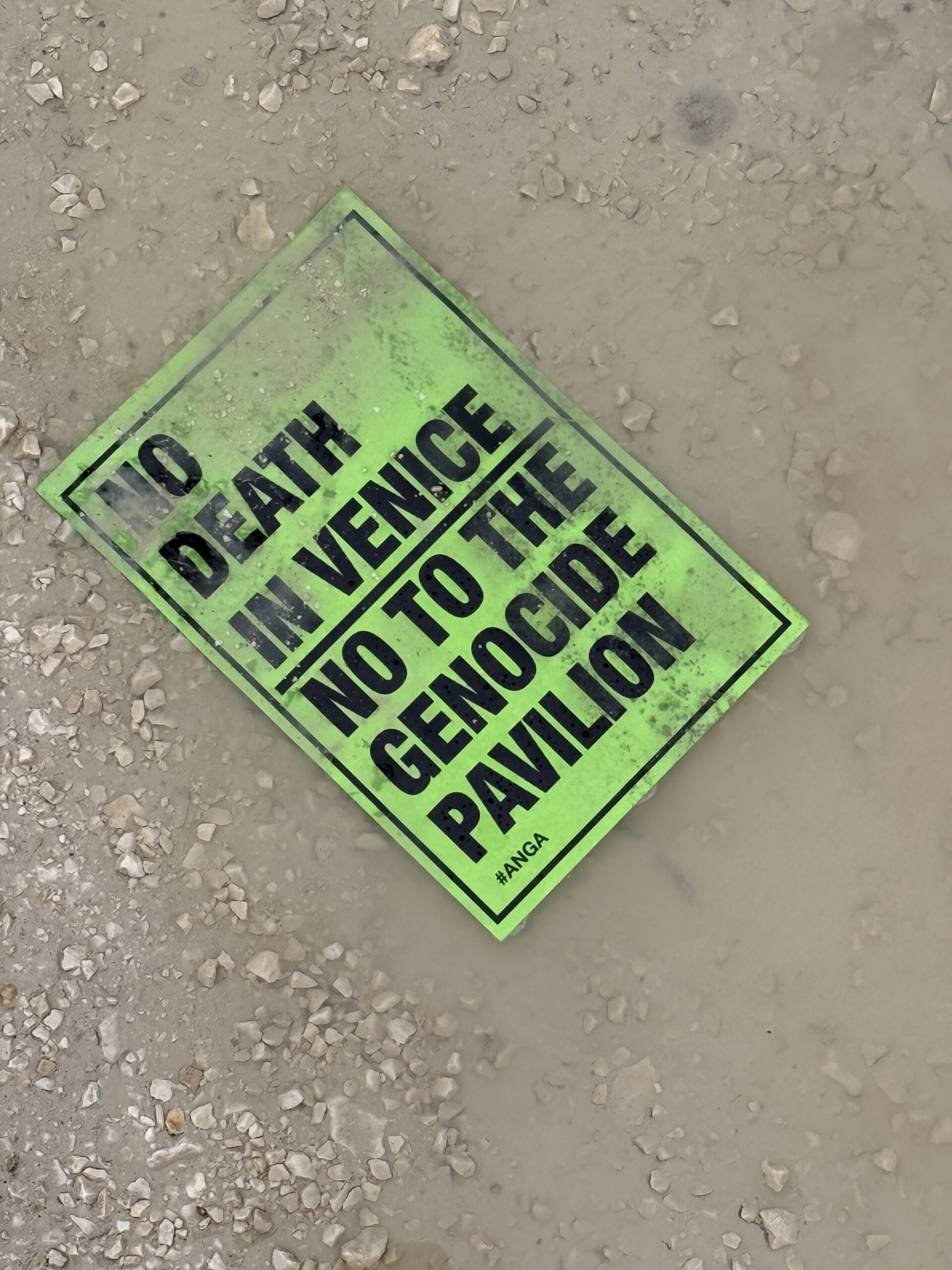
On the opening day of the Venice Biennale, around 60 artists and dozens of other participants staged a protest titled “Solidarity Drone Chorus” at the Giardini entrance, humming a viral song by Gazan composer Ahmed “Muin” Abu Amsha to sonically occupy the space. The action, organized by artists in the main exhibition over several months, protested Israel’s participation in the Biennale and expressed support for Palestine, with participants wearing T-shirts bearing the names and artworks of Gazan and Palestinian artists, many of whom have been killed. The protest follows an open letter from the Art Not Genocide Alliance demanding Israel’s exclusion.

Israel Addresses Venice Biennale Jury’s ‘Boycott’ of Pavilion: ‘A Contamination of the Art World’

Israel’s foreign ministry has condemned a statement by the Venice Biennale jury, in which the five curators declared they would not consider pavilions from countries charged with crimes against humanity by the International Criminal Court. The jury’s decision effectively boycotts Israel and Russia, whose leaders face ICC arrest warrants. Israel called the move a “contamination of the art world,” while the artist representing Israel, Belu-Simion Fainaru, also denounced the jury for creating a hostile environment. The Biennale’s organizers have distanced themselves from the jury, stating they cannot exclude any recognized state from the exhibition.

Venice Biennale Jury Says It Won’t Consider Countries Charged with Crimes Against Humanity, Including Israel and Russia

The Venice Biennale's jury announced it will not consider nations whose leaders are charged with crimes against humanity by the International Criminal Court, effectively excluding Israel and Russia from competing for top honors. The jury, led by Videobrasil founder Solange Farkas, stated this decision aligns with curator Koyo Kouoh's vision and the Biennale's historical role as a platform connecting art to urgent issues. The ICC has issued arrest warrants for Israeli Prime Minister Benjamin Netanyahu and Russian President Vladimir Putin, while other indicted leaders like Sudan's Omar al-Bashir and Afghan officials lack Biennale pavilions.

Venice Biennale jury ‘will not award artists from countries facing war crimes charges’

The jury of the Venice Biennale has announced it will not award prizes to artists from countries whose leaders face charges of crimes against humanity by the International Criminal Court, a decision widely seen as targeting Russia and Israel. The five-member jury, appointed by the late curator Koyo Kouoh, stated its commitment to human rights and will exclude artists from nations whose governments are under ICC investigation when selecting winners of the Golden and Silver Lion awards for the 2026 edition, which opens on 9 May. The move follows controversy over Russia’s participation in the biennale, with the European Commission threatening to suspend a €2m grant due to Russia’s involvement, and Italy’s far-right government opposing the decision.

Nations Charged With Crimes Against Humanity Will Not Be Considered for Venice Biennale Awards

The jury for the 2026 Venice Biennale announced it will not consider contributions from countries whose leaders are charged with crimes against humanity for the Golden and Silver Lion awards, effectively excluding Israel and Russia. The decision, framed as a commitment to human rights and aligned with curator Koyo Kouoh's vision, comes amid broader controversy over participating pavilions, including American artists declining to represent the US and the EU withdrawing a $2.3 million grant over Russia's involvement.

EU Cuts Venice Biennale Funding Over Russia Involvement

The European Commission has withdrawn a $2.3 million grant from the Venice Biennale, following through on a threat made last week. The funding cut is a direct response to the Biennale's decision to readmit Russian artists as a government-funded delegation for its 2026 edition, which the EU argues violates sanctions and provides Russia a cultural platform during its war against Ukraine.

The Ukrainian Pavilion’s Deer Seen Around the World

Zhanna Kadyrova's concrete sculpture "The Origami Deer" (2019) is prominently displayed at the entrance to the Giardini during the 61st Venice Biennale, part of her project "Security Guarantees" in the Ukrainian Pavilion. Originally installed in Pokrovsk, eastern Ukraine, the work was removed in 2024 as Russian forces advanced, then traveled through Vienna, Warsaw, Prague, Berlin, and Paris before reaching Venice—a journey mirroring the displacement of millions of Ukrainians. The sculpture, shaped like a deer and evoking folded paper, references the 1994 Budapest Memorandum, in which Russia, the UK, and US guaranteed Ukraine's security in exchange for its nuclear disarmament—guarantees that proved worthless after Russia's invasions.

At the Venice Biennale, the Armenian Pavilion Transforms into an Artist's Workshop: Works Are Born in Front of the Public

Alla Biennale di Venezia il Padiglione dell’Armenia si trasforma in bottega d’artista: le opere nascono di fronte al pubblico

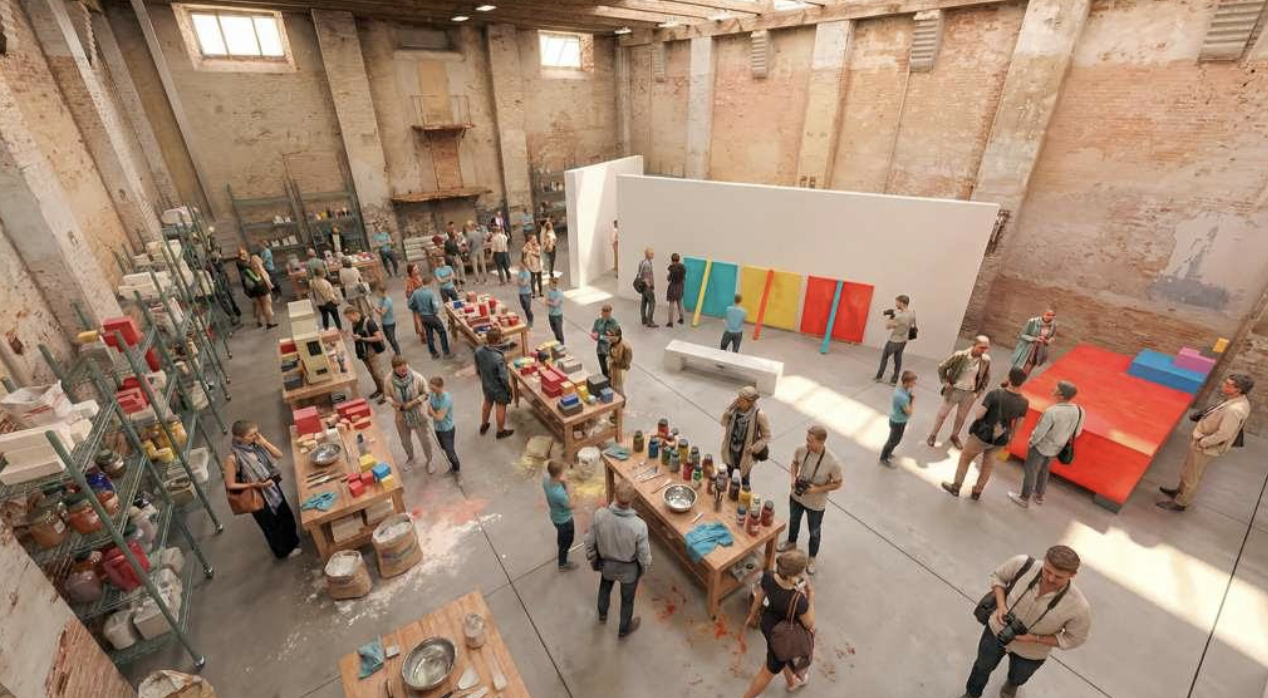
The Armenian Pavilion at the 2026 Venice Biennale will transform into a functioning artist's studio, where sculptor Zadik Zadikian will create works in real time before the public. Titled "The Studio," the project is curated by gallerist Tony Shafrazi and curator Tina Chakarian, and will operate daily from May 6 to November 22 at the Tesa 41 of the Arsenale. Zadikian, born in Yerevan in 1948 and now based in the US, will work with traditional Armenian plaster techniques alongside his son Aram and studio assistants, emphasizing the process of making over the finished object.

More Than 100 Seattle Art Museum Workers Plan to Unionize

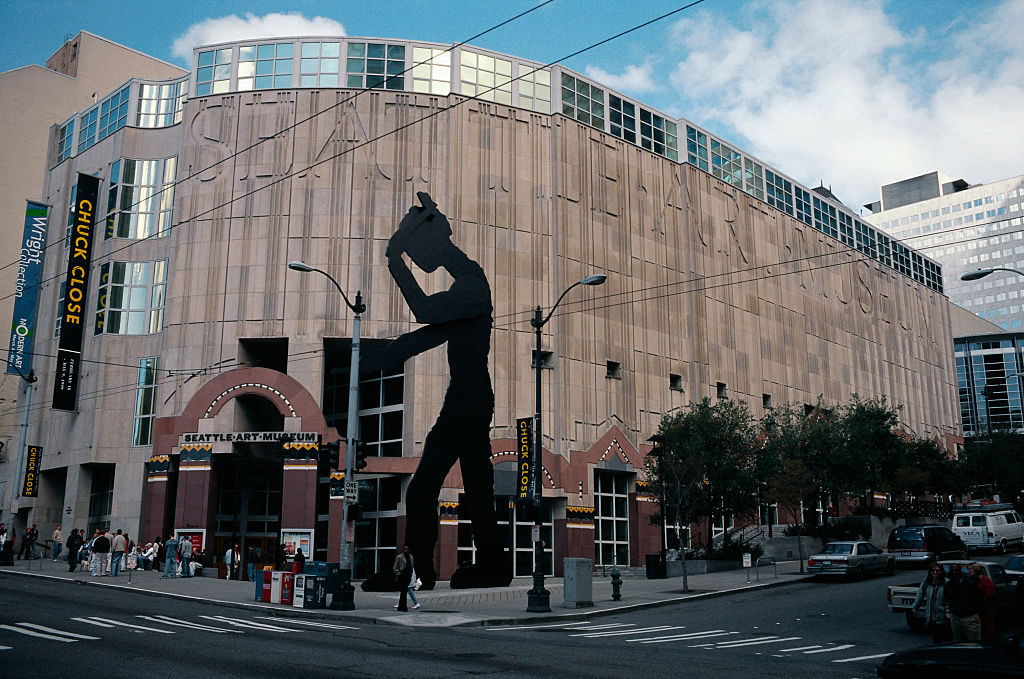
More than 100 Seattle Art Museum employees announced plans to unionize under the banner Seattle Art Museum Workers United (SAMWU), representing workers across over 20 front- and back-end departments including curatorial, education, and visitor experience. The union informed SAM director and CEO Scott Stulen of its formation in a letter citing unsustainable wages, subpar health benefits, and top-down decision-making. Organizers say they have a supermajority support among eligible workers. SAMWU has filed for an election with the National Labor Relations Board but is willing to withdraw if leadership voluntarily recognizes the union before May 27. The union has affiliated with the Washington Federation of State Employees/AFSCME Council 28. Security staff, who previously unionized as SAM VSO in 2022 and secured a contract after a 12-day strike in late 2024, will remain separate.

Currents of the 61st Biennale: Inside Venice’s Flow of Art and Power

The 61st Venice Biennale jury, composed of five curators—Solange Oliveira Farkas, Zoe Butt, Elvira Dyangani Ose, Marta Kuzma, and Giovanna Zapperi—resigned on April 30th amid internal tensions over decisions that conflicted with the late Koyo Kouoh's curatorial vision. The jury had previously stated it would refrain from considering countries whose leaders are charged with crimes against humanity by the International Criminal Court. Meanwhile, Filipino artist Jon Cuyson prepares to present his installation at the Philippine Pavilion, featuring works shipped 60 days before geopolitical conflict escalated, navigating unstable maritime routes. His project includes the film series "Sea of Love (Dagat ng Pag-ibig)" and a new fourth film, "Sea of Echoes," exploring themes of migration, queer experience, and ecological resilience through mussels as non-human protagonists.

ArtWonk: Budgets, Brouhahas, and Beowolff

Boston Art Review (BAR), an independent publication focused on contemporary art in Boston, has published an article titled 'ArtWonk: Budgets, Brouhahas, and Beowolff' that appears to cover a mix of art-world financial issues, controversies, and a reference to a figure or concept named 'Beowolff.' The piece is part of BAR's ongoing coverage of the local and broader art scene, including weekly happenings and programs.

Iran Will Not Participate in Venice Biennale, Organizers Say

Iran will not participate in the 61st Venice Biennale, which opens for previews this week, the Biennale Foundation announced on May 4. The decision comes two months after the United States and Israel launched strikes across Iran, and amid renewed tensions along the Strait of Hormuz. The Iranian pavilion was to be commissioned by Aydin Mehdizadeh Tehrani, director general of the visual arts office in the Iranian Ministry of Culture. Iran has had inconsistent attendance at the Biennale since 1958, with a long absence between the 1960s and 2003, but has participated semi-consistently over the last two decades, most recently in 2024.

Branchport Galleries presents "The New Botanical"

Branchport Galleries in Long Branch, New Jersey, presents "The New Botanical," an exhibition curated by Ellen Martin that reimagines traditional botanical art through contemporary works by Suzan Globus, Kevin Hinkle/Ellen Martin, Daniel Sroka, and Gao Yuan. The show, on view from May 14 to June 30, 2026, features techniques such as flower-pounding, extreme close-up photography, and photo-based wall sculptures, moving away from classical precision toward essence and abstraction. An opening reception and artist talk are scheduled.

Seattle Art Museum Workers Announce Unionization

More than one hundred employees at the Seattle Art Museum (SAM) announced their intent to unionize on May 13, delivering a letter to museum director and CEO Scott Stulen. Organizing as Seattle Art Museum Workers United (SAMWU) under the Washington Federation of State Employees/AFSCME Council 28, the staff—spanning over twenty departments—cited unsustainable wages, subpar health benefits, and top-down decision-making as key issues. They filed for an election with the National Labor Relations Board but will withdraw the petition if the museum voluntarily recognizes the union by May 27. Stulen acknowledged receipt of the letter and committed to good-faith negotiations.

Collectors' collective: Private art enthusiasts work together to bring world-renowned artists to Daejeon

Fourteen Korean collectors have formed a collective called Arche II to jointly acquire and display works by world-renowned artists in Daejeon, a city 140 km from Seoul. Their exhibition "Tracing the Unfinished" at the multidisciplinary complex Heredium features 30 works, including 14 jointly owned pieces, by artists such as Le Corbusier, Robert Longo, Olafur Eliasson, David Hockney, Yang Hae-gue, Anicka Yi, and Choi Byung-so. The group, founded in 2017 by business leaders including a radiologist and a former prosecutor, contributes a fixed annual budget to purchase three to five works at major art fairs, focusing on emerging artists rather than established names.

The Craziest Venice Biennale Ever: One Week Before Opening, the Jury Resigns (The Public Will Decide the Lions!)

La Biennale di Venezia più pazza di sempre: a una settimana dall’apertura si dimette la giuria (I Leoni li deciderà il pubblico!)

The entire international jury of the 61st Venice Biennale has resigned en masse just one week before the opening. The jury, chaired by Solange Oliveira Farkas and including Zoe Butt, Elvira Dyangani Ose, Marta Kuzma, and Giovanna Zapperi, had publicly announced they would not consider countries whose leaders are accused of crimes against humanity by the International Criminal Court—effectively excluding Russia and Israel from the Golden Lion competition. This decision came amid ongoing tensions between Italian Culture Minister Alessandro Giuli and Biennale President Pietrangelo Buttafuoco over Russia's participation, as well as controversy surrounding Israel's presence. After a meeting with Buttafuoco, the jury resigned, leaving the Biennale without a key body to award its top prizes.

Venice Biennale jury quits amid row over participation of Russia

The entire jury of the Venice Biennale resigned just days before the 61st international art exhibition's opening on May 9, following a dispute over the decision to allow Russia to participate. The five-member panel, led by Solange Farkas and including Zoe Butt, Elvira Dyangani Ose, Marta Kuzma, and Giovanna Zapperi, had previously stated it would not award prizes to artists from countries whose leaders face charges of crimes against humanity, a move seen as targeting Russia and Israel. The Biennale responded by postponing the award ceremony to November 22 and announcing it would give two awards, including one that could go to any national participation, citing its founding principles of openness and rejection of censorship.

Are the Visitors' Lions at the Venice Biennale an Opportunity for Art Criticism? Let's Seize It?

I Leoni dei Visitatori alla Biennale di Venezia sono un’opportunità per la critica d’arte. Cerchiamo di coglierla?

The article discusses the newly instituted "Leoni dei Visitatori" (Visitors' Lions) at the Venice Biennale, established after the resignation of the International Jury. The author, Alberto Villa, argues that this change shifts significant influence to art media and critics, as visitors will rely on reviews and recommendations from specialized magazines, websites, and social media to decide which pavilions to prioritize. Villa calls on critics to embrace this responsibility with heightened critical rigor, seeing it as an opportunity to revive the mediating role of art criticism.

Italian culture minister will not attend opening of Venice Biennale

Italian culture minister Alessandro Giuli has announced he will not attend the opening of the Venice Biennale next week, protesting Russia's involvement in the exhibition. Russia, which has a permanent pavilion in the Giardini, has been absent from the Biennale since 2022 but is returning this year, sparking widespread criticism. The European Union recently cut its €2 million grant to the Biennale following Russia's return, and Golden and Silver Lion jurors have stated they will not consider pavilions from countries whose leaders are charged with crimes against humanity by the International Criminal Court, effectively excluding Russia.

L'excellent rapport de la commission d'enquête sur la sûreté des musées est paru

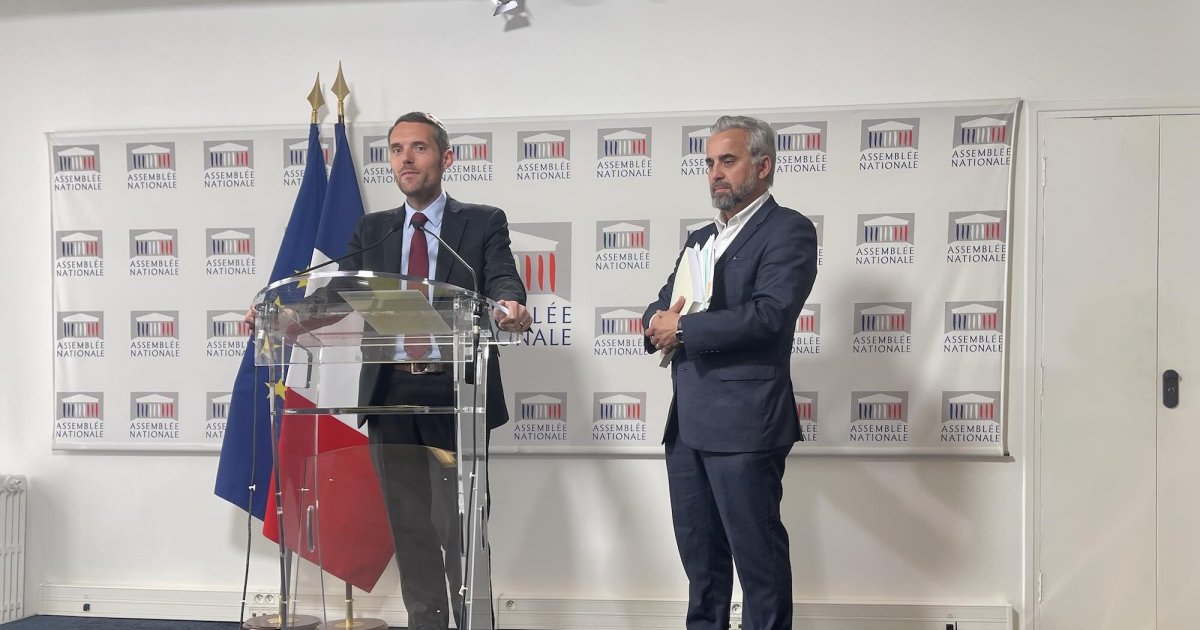
A French parliamentary commission of inquiry into museum security, initiated by Alexandre Portier (president) and reported by Alexis Corbière, has published its findings. The report, unanimously adopted across party lines, includes forty recommendations and is notably critical of the Louvre's management under director Laurence des Cars, accusing her of neglecting security priorities and causing significant delays in the museum's master plan. The commission validated earlier criticisms by La Tribune de l'Art, describing the Louvre as an "État dans l'État" (state within a state) and estimating that twenty to twenty-seven months were lost due to postponed decisions.

Notre-Dame Stained Glass: The Fight Continues!

Vitraux de Notre-Dame : le combat continue !

The French government has authorized the removal and replacement of the 19th-century stained-glass windows designed by Eugène Viollet-le-Duc in Notre-Dame Cathedral with new windows by contemporary artist Claire Tabouret. This decision, posted as a work permit on the cathedral, is being challenged in court by the heritage association Sites & Monuments, which argues the replacement is not a legitimate act of conservation or restoration.

Venice Biennale Opens Amid Strikes, Protests and Institutional Rupture.

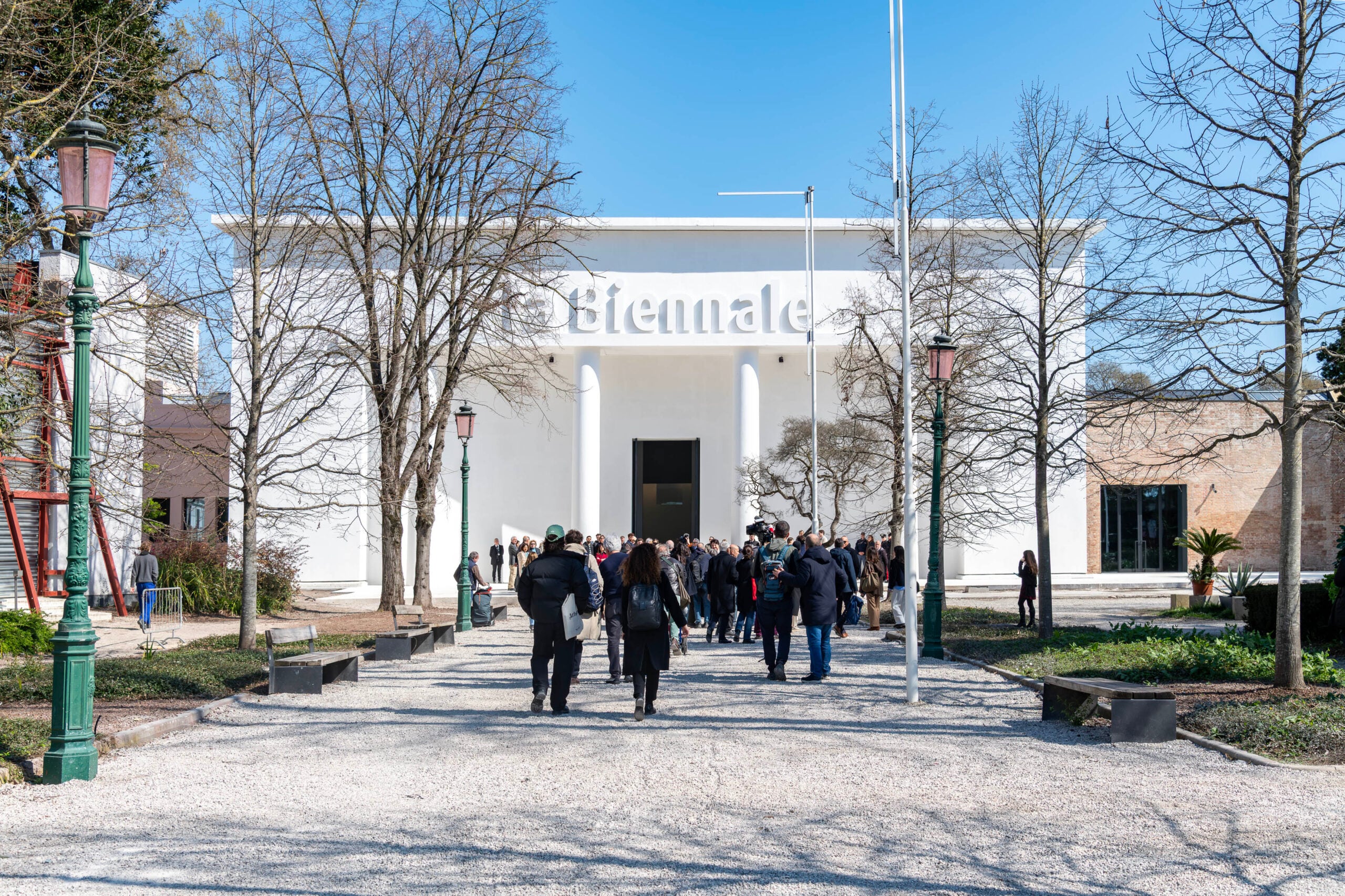
The 61st Venice Biennale opened in May 2026 amid strikes, protests, and political unrest, rather than celebration. Coordinated by Italian labor groups and transnational coalitions, demonstrators targeted the Biennale's decision to allow participation by Israel and Russia during the ongoing wars in Gaza and Ukraine. The Art Not Genocide Alliance (ANGA) led protests against Israel's participation, while Pussy Riot and FEMEN activists staged a protest outside the Russian pavilion. The Israeli pavilion's relocation from the Giardini to the Arsenale added symbolic weight, with critics viewing it as institutional endorsement. The late curator Koyo Kouoh's vision for the exhibition, titled "In Minor Keys," emphasized tenderness and complexity, contrasting with the volatile atmosphere.

Italian Culture Minister Launches Inspection of Venice Biennale’s Russian Pavilion

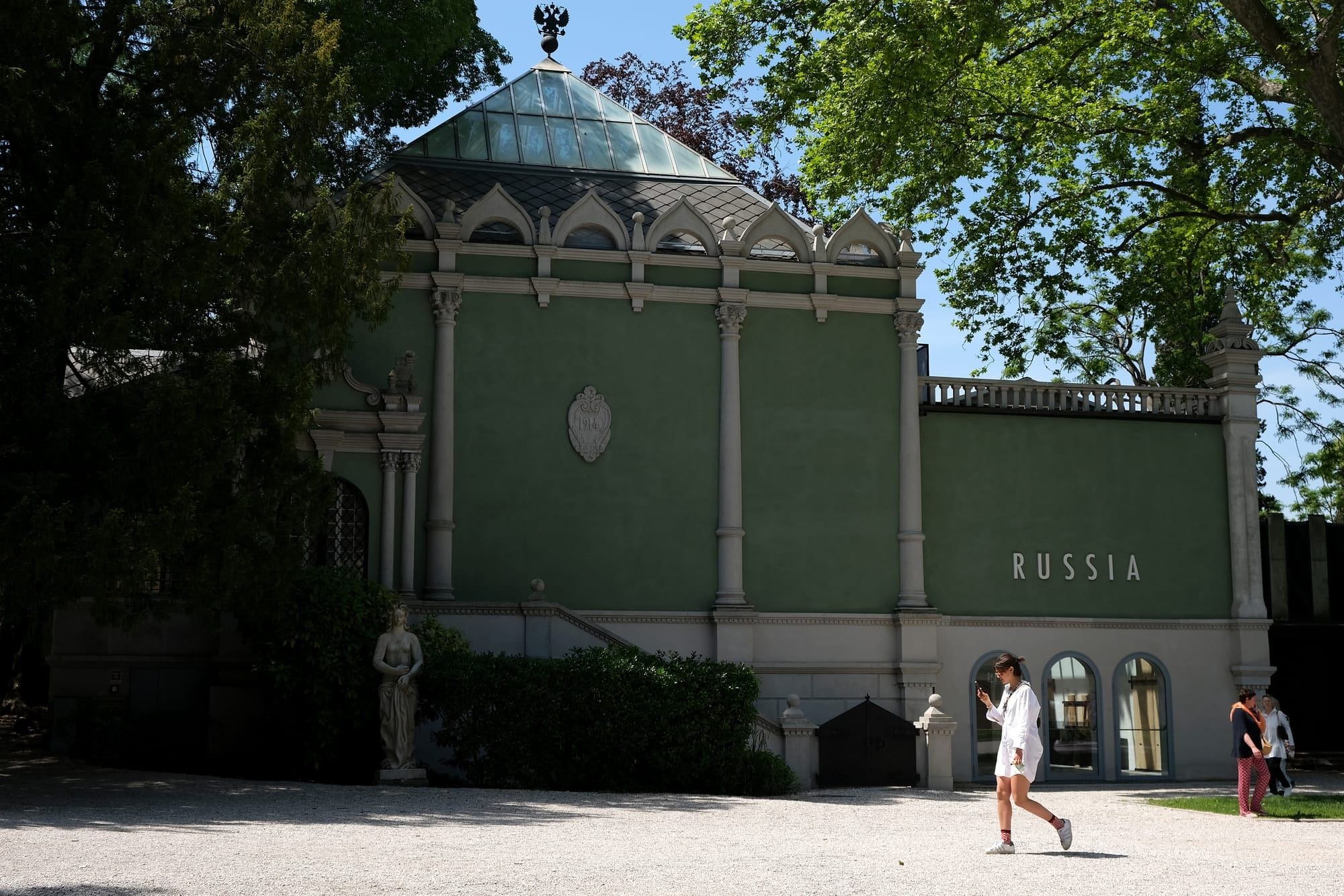
Italian Culture Minister Alessandro Giuli has launched an official inspection of the Russian Pavilion at the 61st Venice Biennale, just days before the exhibition opens. An inspector has been sent to Venice to review all documentation related to Russia's participation, focusing on potential irregularities such as visa issues for Russian artists and delegation members. The investigation follows the Biennale's international jury decision to exclude Russia and Israel from awards due to accusations of crimes against humanity. The Russian Pavilion will be open only during the pre-opening vernissage, after which it will close, with digital documentation displayed in its windows.

Russia's Venice Pavilion to Close to the Public in Compliance With Sanctions

Russia will return to the 61st Venice Biennale with its national pavilion, but the exhibition will only be physically open to the press and select guests during the vernissage dates of May 5–8. From May 9 onward, the pavilion will remain closed to the public, with multimedia documentation of performances displayed on screens at the windows. The arrangement follows leaked emails among Biennale Foundation President Pietrangelo Buttafuoco, General Director Andrea Del Mercato, and Russian Pavilion Commissioner Anastasia Karneeva, revealing efforts to comply with EU sanctions while still allowing Russia's participation after two consecutive absences since its invasion of Ukraine.

EU Says It ‘Intends’ to Cut Funding to Venice Biennale Because of Russian Pavilion

The European Union has declared its intention to cut its €2 million funding contribution to the Venice Biennale in response to the exhibition's decision to host a Russian national pavilion for the first time since Russia's 2022 invasion of Ukraine. EU foreign policy chief Kaja Kallas stated that allowing Russia to exhibit while it "bombs museums, destroys churches and seeks to erase Ukrainian culture" is morally wrong, marking the union's strongest condemnation to date.