filter_list Showing 205 results for "In minor key" close Clear
search
dashboard All 205 museum exhibitions 125article news 61rate_review review 9article culture 5person people 3trending_up market 1article policy 1
date_range Range Today This Week This Month All
Subscribe

Venice Biennale’s fierce pussy Group Says City Censored Posters About Queer and Trans People

The lesbian artist collective fierce pussy, comprising Nancy Brooks Brody, Joy Episalla, Zoe Leonard, and Carrie Yamaoka, claims that the city of Venice censored their posters for the Venice Biennale. The posters, which feature phrases like "Welcome queers and trans people" and "we are queers and trans people" alongside a list of occupations, were intended to be pasted across the city. After the city blocked the full-scale posting, the group created stickers and placed them on walls, windows, and advertising spaces. As a concession, La Biennale installed the original posters inside the Arsenale entrance.

Venice Bound? Here’s All the News You Need to Know About This Year’s Biennale

The 61st Venice Biennale is embroiled in geopolitical controversy over Russia's return to the event in 2026, which has sparked widespread backlash. Nearly 10,000 artists and cultural leaders signed an open letter opposing Russia's participation, and the European Union withdrew €2 million in funding for the 2028 edition. Leaked emails reveal Biennale officials worked with Russian pavilion commissioner Anastasia Karneeva to circumvent EU sanctions, while Italy's culture minister Alessandro Giuli plans to boycott the opening week. Meanwhile, activists continue to push for Israel's removal from the Biennale, though Israel will be accommodated in the Arsenale this year.

Li Yi-Fan “Screen Melancholy” at Palazzo delle Prigioni, Venice

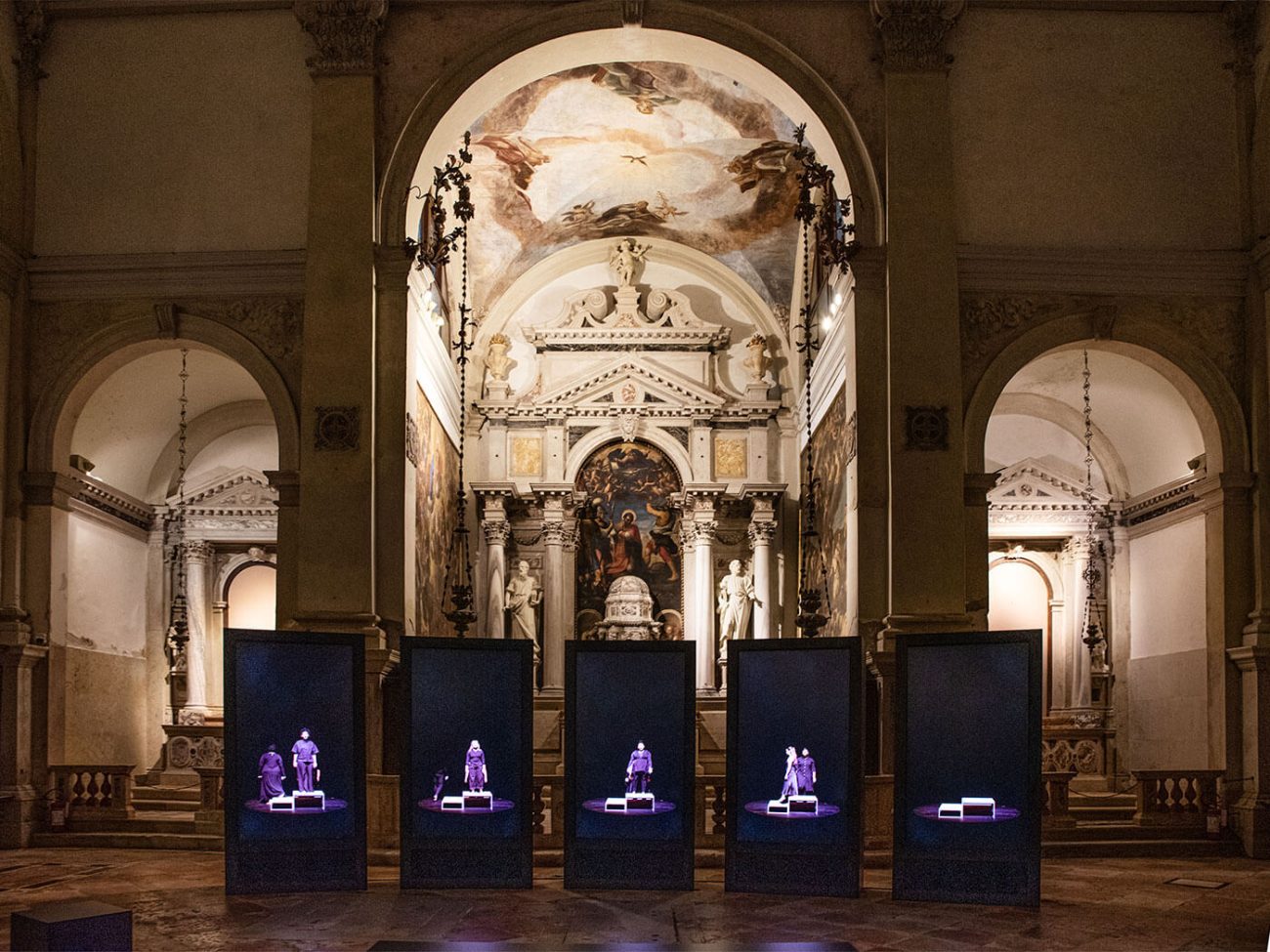
The Taipei Fine Arts Museum of Taiwan is presenting a collateral event titled "Screen Melancholy" by Taiwanese artist Li Yi-Fan at the 61st Venice Biennale. The exhibition will take place at the Palazzo delle Prigioni from May 9 to November 22, 2026, featuring a new work by the artist.

Alma Allen on Representing the US at the 61st Venice Biennale

ArtReview published a questionnaire sent to artists and curators participating in the 61st Venice Biennale (2026), featuring responses from Alma Allen, who is representing the United States at the Giardini pavilion. Allen gave cryptic, philosophical answers, declined to answer several questions, and criticized the art world establishment, calling outsider artists the most important and refusing to provide a framework for interpreting her work. The article includes details about her bronze sculpture "Not Yet Titled" (2023) and her reflections on US identity, violence, and bureaucracy.

Matías Duville on Representing Argentina at the 61st Venice Biennale

Matías Duville will represent Argentina at the 61st Venice Biennale in 2026 with a site-specific installation titled *Monitor Yin Yang*, transforming the Argentina Pavilion into a walkable landscape made of salt and charcoal. The work expands drawing into a spatial, sonic, and time-based experience, inspired by the natural environments of Mar del Plata and Patagonia. Duville discusses his approach in an interview with ArtReview, noting how early encounters with vast territories and geological time continue to shape his practice, and how the project relates to the Biennale's theme, *In Minor Keys*, by focusing on subtle intensities and open-ended evolution.

Dana Awartani on Representing Saudi Arabia at the 61st Venice Biennale

Dana Awartani, an artist based in Jeddah, will represent Saudi Arabia at the 61st Venice Biennale in 2026, with her pavilion located in the Arsenale under the theme 'Celebrating Visions.' In an interview with ArtReview, Awartani discusses her exhibition, which builds on her practice of foregrounding Arab cultural histories and preserving the region's material heritage. She connects her work to the Biennale's theme 'In Minor Keys' by focusing on repair, healing, and the quiet consequences of conflict, emphasizing craft as a form of quiet resistance against mechanization. The pavilion, she says, reflects the diversity of voices within Saudi Arabia's artistic community rather than a single national narrative.

81 artists withdraw from Venice Biennale competition

Venice Biennale opening marked by protests

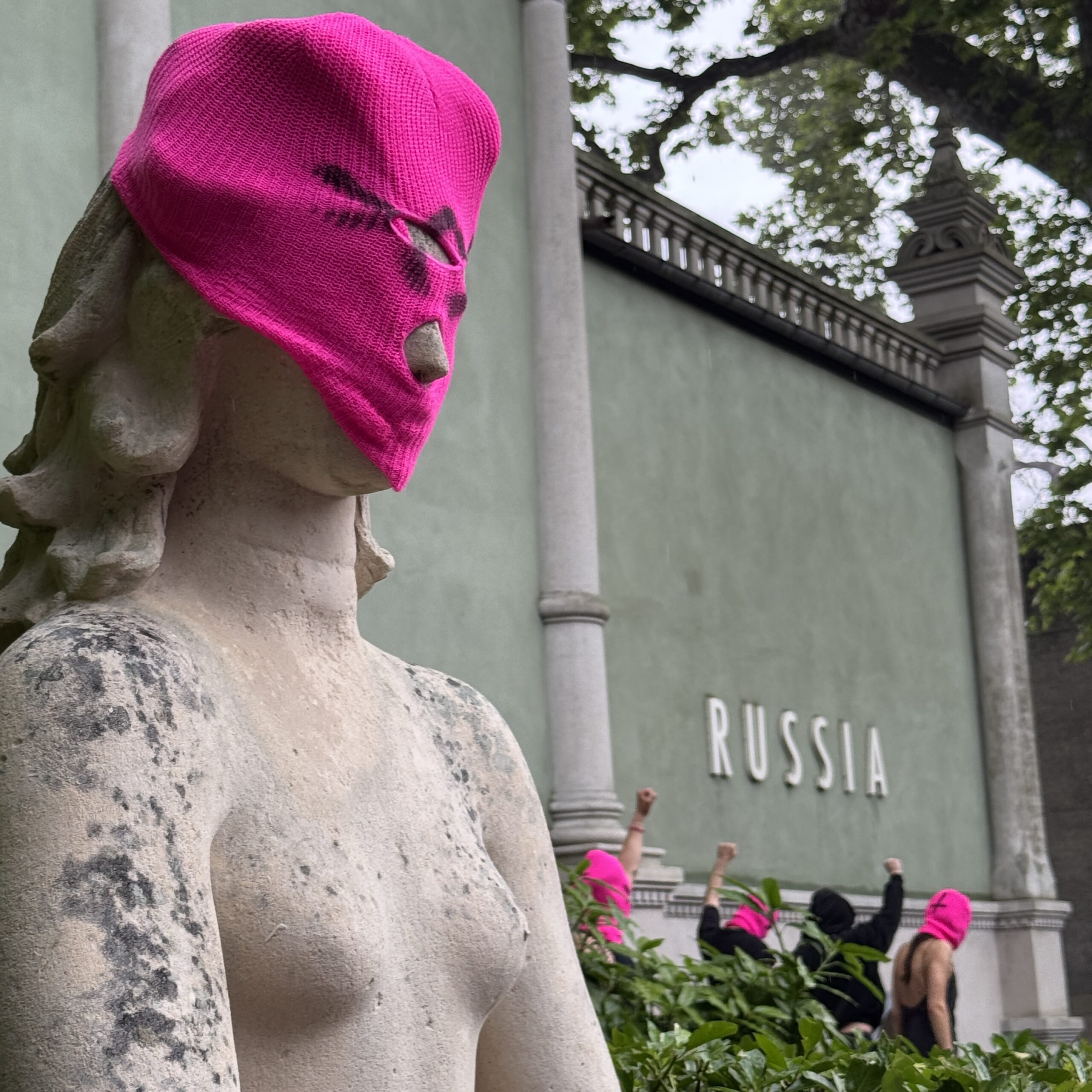
The 2026 Venice Biennale opened for professionals on Tuesday amid a series of protests, with more planned throughout the week. Around 60 artists from the exhibition "In Minor Keys" gathered at the Giardini for a collective action called "Solidarity Drone Chorus," inspired by Gazan composer Ahmed Muin's "Drone Song," to draw attention to genocide and war in Palestine. The Art Not Genocide Alliance (ANGA) organized a 24-hour strike for Friday 8 May, protesting Israel's participation. Pussy Riot staged a protest outside the Russian pavilion, and the Latvian pavilion launched a campaign against Russia's involvement. The protests follow a highly politicized lead-up, including calls for boycotts of the Russian, Israeli, and US pavilions, EU funding cuts over Russia's participation, and the resignation of the Biennale jury.

Goen Choi and Hyeree Ro on Representing South Korea at the 61st Venice Biennale

Goen Choi and Hyeree Ro are representing South Korea at the 61st Venice Biennale, which runs from 9 May to 22 November 2026. In an interview with ArtReview, Choi describes his sculptural installation "Meridian," featuring ruptured copper pipes that traverse the Korean Pavilion in the Giardini, exploring unseen infrastructures and unstable relations between fixed structures. Ro presents "Bearing," a membranelike waxed fabric installation with eight stations for mourning, remembering, and mending, inspired by Korean gardens and temples. Both artists respond to the Biennale's theme "In Minor Keys," emphasizing subtle forces, low vibrations, and contemplative spaces.

Strike Rocks Venice Biennale Ahead of Public Opening as Pavilions Close

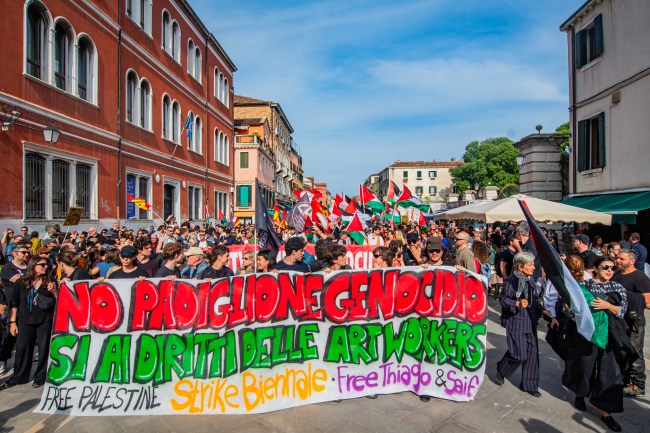
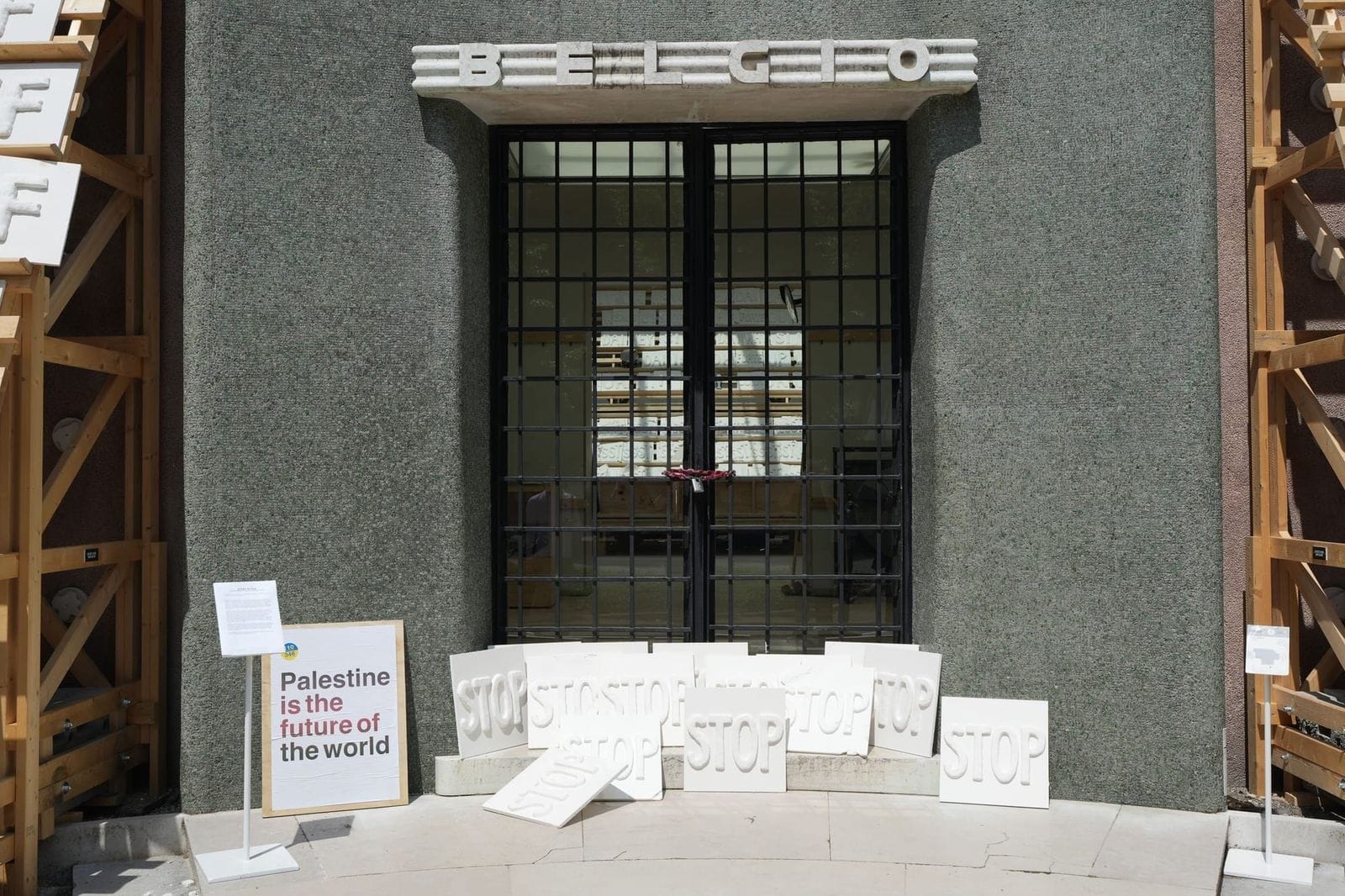
Thousands of protesters marched through Venice to demonstrate against Israel's presence at the Venice Biennale, leading many national pavilions to close in solidarity. Pavilions from Austria, Belgium, Egypt, Japan, the Netherlands, South Korea, and over a dozen other countries shut fully or partially, with some displaying signs reading "We Stand with Palestine." The Israeli pavilion remained closed for its exhibition opening, and armed police clashed with protesters. The main exhibition, curated by Koyo Kouoh, stayed open initially but the Arsenale closed by late afternoon with riot police outside. The 24-hour strike, organized by Art Not Genocide Alliance (ANGA) and Italian activist groups, was described as the largest protest in Biennale history.

Statement of Resignation

The international jury for the 61st edition of La Biennale di Venezia, titled “In Minor Keys” and curated by Koyo Kouoh, has resigned as of April 30, 2026. The jury members—Solange Oliveira Farkas, Zoe Butt, Elvira Dyangani Ose, Marta Kuzma, and Giovanna Zapperi—cite their earlier Statement of Intention issued on April 22, 2026, as the basis for their collective resignation.

In Pictures: The Highlights of the 2026 Venice Biennale

En images : les grands moments de la Biennale de Venise 2026

The 2026 Venice Biennale, titled "In Minor Keys" and curated by Koyo Kouoh, opened on May 9, 2026, at the Arsenale and Giardini venues. Kouoh, who died suddenly in May 2025 at age 57, conceived the event as a counterpoint to global noise and fury, inviting visitors to slow down and tune into minor tonalities. The exhibition features works addressing colonial memory, slavery, and Gaza, with a team of four curators executing her vision. Highlights include Maria Magdalena Campos-Pons's tribute to Kouoh and Toni Morrison, Hala Schoukair's installation, and Gabrielle Goliath's "Elegy," alongside collateral shows like the Dries van Noten Foundation at Palazzo Pisani Moretta and the Victor Pinchuk Foundation's "Still Joy – from Ukraine into the World."

Minor Keys and Major Silences: Yoshiko Shimada and the Art of Outrage

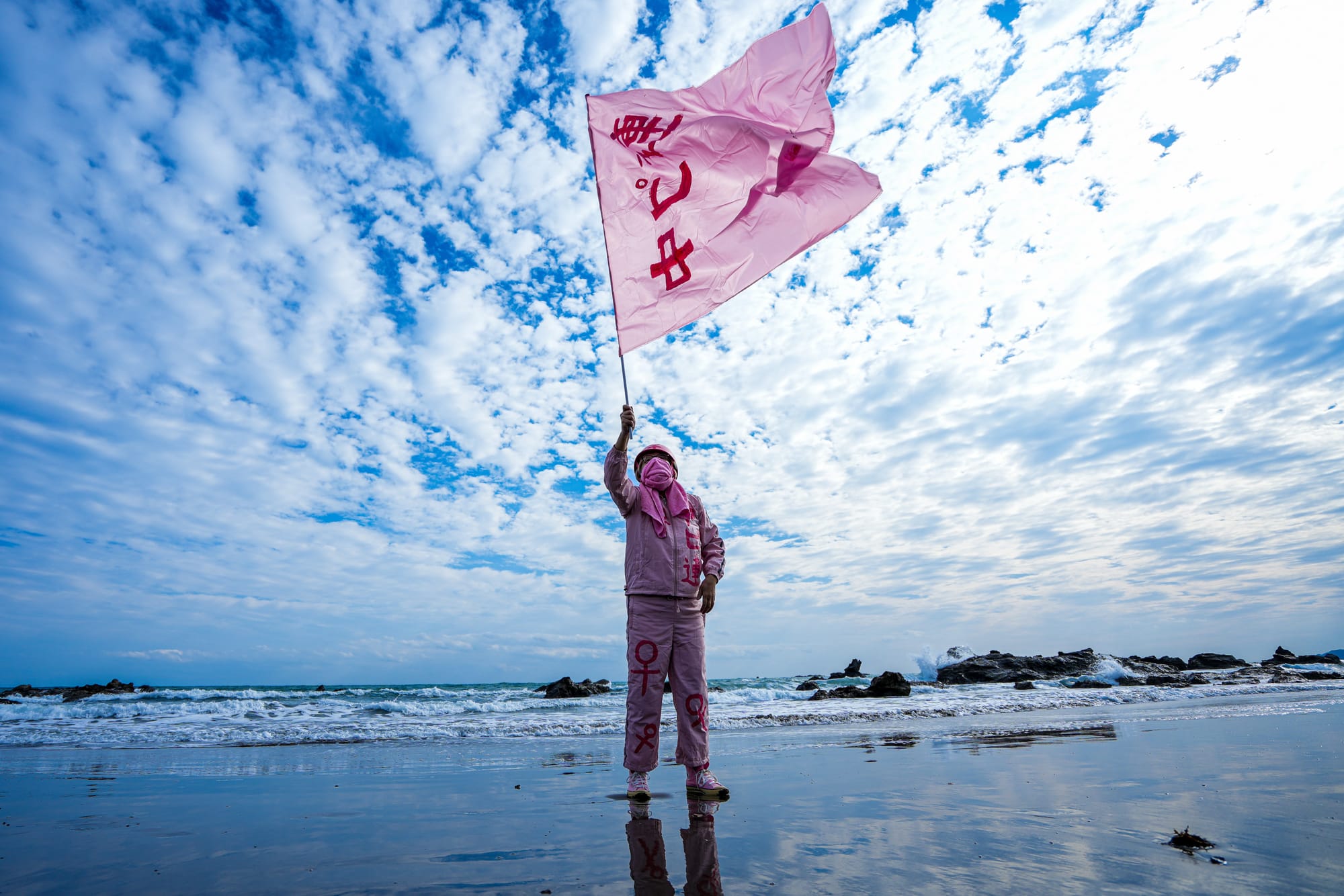
Yoshiko Shimada, a Japanese feminist and antiwar artist, is featured in a conversation with ArtAsiaPacific ahead of her inclusion in the 2026 Venice Biennale, curated by Koyo Kouoh under the theme "In Minor Keys." The article explores Shimada's decades-long practice of excavating the gendered scars of Japanese imperialism, focusing on her collaborative work with BuBu de la Madeleine, which uses drag and irony to critique imperial frameworks and the erasure of wartime atrocities. It also highlights her revival of the Chū-pi-ren movement, a 1970s feminist group that fought for abortion rights and access to birth control, arguing that their legacy remains urgent in 2026 given Japan's slow progress on women's bodily autonomy.

Chiara Camoni on Representing Italy at the 61st Venice Biennale

Chiara Camoni, the artist representing Italy at the 61st Venice Biennale, discusses her upcoming pavilion installation titled "Con te con tutto" in an interview with ArtReview. The single installation will fill the entire Italian Pavilion in the Arsenale, combining existing and new works that incorporate ceramic, stone, plant elements, industrial waste, plastics, and found objects. Camoni emphasizes the choral dimension of her practice, involving family, neighbors, friends, schools, and museum groups in the creative process, thereby expanding the concept of authorship. She notes that her project aligns with the Biennale's curatorial theme "In Minor Keys" by Koyo Kouoh, focusing on monumentality defined not by scale but by reiteration and presence.

Venice Biennale’s jury resigns

The entire jury of the 61st Venice Biennale, presided by Brazilian curator Solange Farkas and comprising four other curators, resigned just nine days before the exhibition's scheduled opening on 9 May 2026. The jury had announced it would not award prizes to countries whose leaders are charged with crimes against humanity by the International Criminal Court, a move widely understood to target Israel and Russia. In response, the Biennale's organisers cancelled the prize-giving ceremony and will instead award Golden Lions via a popular vote among ticketholders. The row escalated further when the Israeli representative, sculptor Belu-Simion Fainaru, accused the jury of discrimination and threatened legal action, prompting intervention from Italy's culture ministry.

Biennale Arte 2026: which national pavilions strike us and why

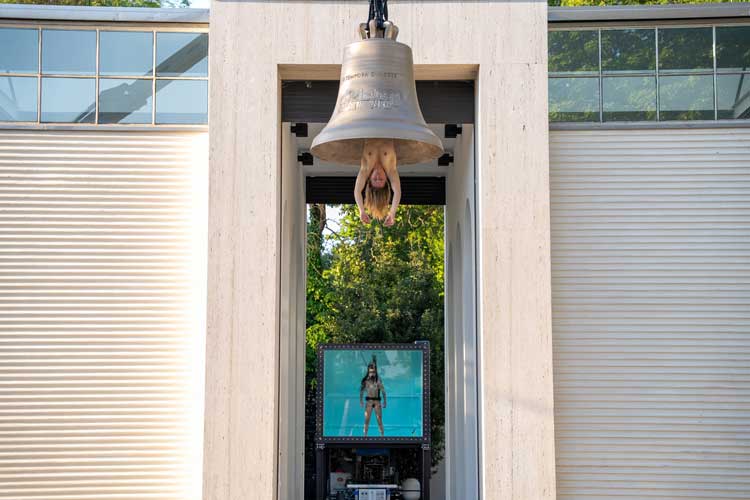
The 61st International Art Exhibition of La Biennale di Venezia, titled "In Minor Keys" and curated by Koyo Kouoh (who passed away in May 2025), opened amid intense controversy over its artist list and geopolitical tensions. Protests erupted against the participation of Israel and Russia, with a petition signed by 22 countries to exclude Russia, threats from the European Commission to suspend funding, and the resignation of the international jury. Around 18 national pavilions staged strikes and partial closures to denounce the normalization of Israel's presence and precarious labor in the art world. The Austria Pavilion's performance by Florentina Holzinger, featuring a girl hanging upside down inside a tilting bell, became a viral symbol refocusing attention on art itself.

Venice Biennale 2026 Roundup

The 61st Venice Biennale, titled "In Minor Keys" and curated by the late Koyo Kouoh, opened in May 2026 amid significant turmoil. The Austrian Pavilion features Florentina Holzinger's performance piece "Seaworld Venice," centered on a giant bell that chimes hourly. The biennale has been marked by the death of its curator, the resignation of the international jury over the inclusion of Russia and Israel, protests by Pussy Riot and the Art Not Genocide Alliance, and the cancellation of the South African Pavilion over Gabrielle Goliath's "Elegy," which honors murdered women including a Palestinian poet. The US Pavilion's state-sponsored offerings have also drawn criticism.

In Minor Keys A Cacophony At 61st Venice Biennale – Miranda Carroll

The 61st Venice Biennale, titled 'In Minor Keys,' opened with a central exhibition curated by the late Koyo Kouoh, who died in 2025. The show features 110 artists and collectives, realized by a team of five curators known as 'la squadra di Koyo.' The exhibition spans the Giardini and Arsenale venues, with works including Otobong Nkanga's living facade installation, Theo Eshetu's dying olive tree, and Nick Cave's vibrant sculptures. Poems and quotes by Refaat al-Areer, Etel Adnan, Toni Morrison, and Ben Okri punctuate the spaces, encouraging visitors to pause and reflect.

India pavilion returns to the Venice Art Biennale 2026 with a bang after seven-year hiatus

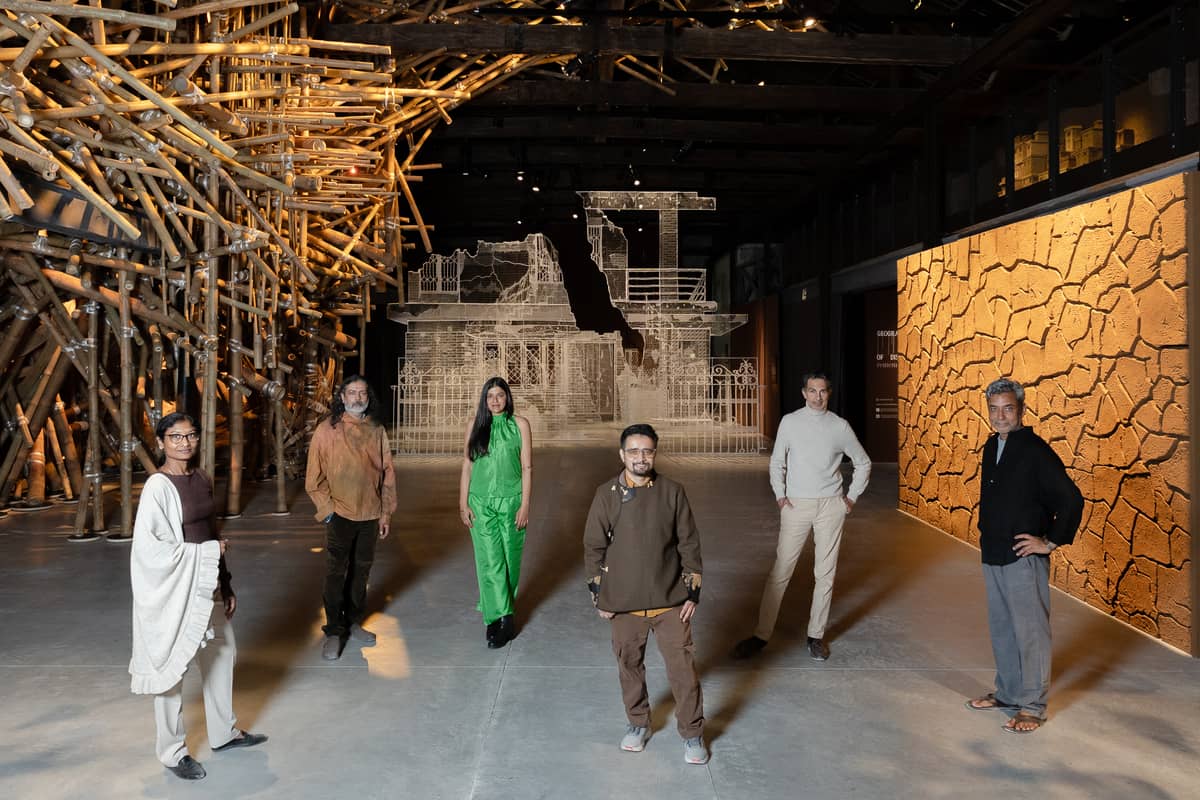
India has returned to the Venice Art Biennale with a national pavilion at the 61st International Art Exhibition, after a seven-year hiatus. The pavilion, titled "Geographies of Distance: Remembering Home," is presented by India's Ministry of Culture in partnership with the Nita Mukesh Ambani Cultural Centre and Serendipity Arts Foundation, curated by Amin Jaffer. It features five artists—Alwar Balasubramaniam, Sumakshi Singh, Ranjani Shettar, Skarma Sonam Tashi, and Asim Waqif—whose works explore themes of home, loss, displacement, and cultural memory through materials like soil, thread, bamboo, and clay.

At this year's Venice Biennale, a clash of politics and art exposes the need for a rethink

The 2026 Venice Biennale is plagued by controversy and structural issues. Curator Koyo Kouoh died of cancer in 2025, leaving her team to execute the main exhibition "In Minor Keys" without her. The Biennale's jury resigned after refusing to judge entries from countries charged with war crimes, and media coverage during preview week focused on protests against the Israeli and Russian pavilions rather than the art. The sprawling exhibition features 96 national pavilions and 110 artists, with works ranging from Daniel Lind-Ramos's found-material figures to María Magdalena Campos-Pons's tribute to Toni Morrison and Kouoh.

Ten Political Statements By Artists At The 2026 Venice Biennale

The 61st Venice Biennale opened with unprecedented political tension, set against the backdrop of the international jury's mass resignation, the death of curator Koyo Kouoh, Russia's closed pavilion, threats from the European Commission to withdraw funding, and Italy's culture minister boycotting the opening. The article highlights ten works and moments where art and power intersected most explicitly, including Alfredo Jaar's 'Red Room' installation in the Chilean pavilion confronting humanitarian crisis, and Ukraine's collateral event 'Still Joy' at Palazzo Contarini Polignac, which frames joy as an act of resistance amid war.

Patricia Li: An Art And Design Guide To Venice

Patricia Li, writing for Vogue Circle, shares a curated guide to art and design destinations in Venice beyond the main venues of the Venice Biennale. Her recommendations include the Peggy Guggenheim Collection, Gallerie dell’Accademia, Palazzo Grassi and Punta della Dogana (part of the Pinault Collection), the newly opened Fondazione Dries Van Noten, and Fondazione Prada, each hosting special exhibitions timed to the Biennale.

Monumental Portrait of Late Biennale Curator Koyo Kouoh Unveiled in Venice

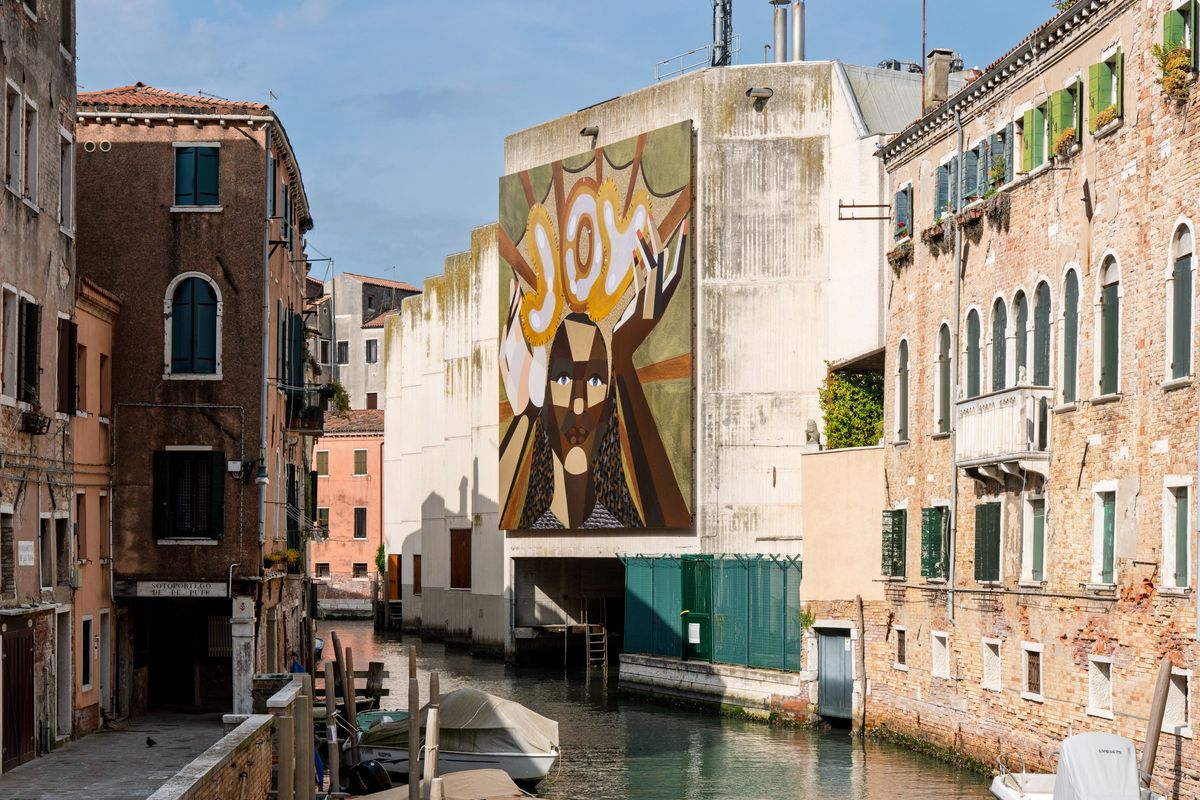
A monumental portrait of late Venice Biennale curator Koyo Kouoh, created by American artist Derrick Adams, has been unveiled in Venice ahead of the Biennale's public opening. The collage, titled *Heavy is the head that wears the crown* (2026), is displayed near the Arsenale until September 24. Kouoh, who died unexpectedly in May 2025 at age 57, was the first African woman to curate the Biennale. Adams' work uses golden hues and flattened forms to celebrate Kouoh's legacy, referencing the pressures of leadership and the joy she brought to the art world.

Venice Biennale jury resigns in latest politically charged controversy at art exhibition

The entire jury of the Venice Biennale has resigned, including president Solange Farkas and members Zoe Butt, Elvira Dyangani Ose, Marta Kuzma, and Giovanna Zapperi. The jury had announced it would not consider for prizes countries charged with crimes against humanity by the International Criminal Court, a stance that would affect Israel and Russia, both of which have national pavilions at the exhibition. As a result, the Biennale will not award several jury prizes, including the Golden Lion for best national pavilion and best artist in the group show, replacing them with visitor-voted awards.

THE VENICE BIENNALE IN AN EDITION MARKED BY POLITICAL GAMES

The Venice Biennale's 2024 edition is embroiled in political controversy surrounding its national pavilions, particularly those of Russia, South Africa, and Israel. The Russian pavilion's readmission amid the war in Ukraine drew sharp criticism from the artistic community and led the European Union to withdraw approximately two million euros in funding. The Israeli pavilion, which remained empty in 2024 to protest hostage situations, now features a proposal by sculptor Belu-Simion Fainaru, prompting protests from the Art Not Genocide Alliance and over 200 artists demanding its exclusion. The curatorial team, appointed by the late curator Koyo Kouoh, resigned collectively nine days before the opening, and the Biennale's directorship canceled the opening ceremony, postponing awards to November. Demonstrations led by Art Not Genocide Alliance, Pussy Riot, and FEMEN surrounded the Russian pavilion during the press opening, and a strike by cultural workers is planned for May 8th.

Dozens of Venice Biennale Artists Withdraw From Awards En Masse

Almost half of the artists in the 61st Venice Biennale's international exhibition, along with 16 national pavilion teams, have withdrawn from awards consideration in solidarity with the jury's resignation. The jury resigned on April 30 after stating it would not consider countries whose leaders are charged with crimes against humanity by the ICC, effectively disqualifying Israel and Russia. The Biennale Foundation then replaced the traditional Golden Lions with new "Visitor Lions" decided by public vote, reinstating all pavilions including Israel and Russia. The withdrawal follows protests at the Russian and Israeli pavilions and a historic labor strike that shuttered multiple pavilions.

Iran Withdraws From 2026 Venice Biennale

Iran has withdrawn from the 2026 Venice Biennale, the world's most important art event, organizers announced on May 4. No official reason was given, but the withdrawal comes amid an uncertain ceasefire in Iran's war with the United States and Israel. The Biennale confirmed the decision in a statement, noting that 100 countries will still participate, including newcomers Tanzania and Seychelles. This follows South Africa's withdrawal over a legal dispute concerning a Gaza-focused artwork, and the closure of the Russian Pavilion to the public after the EU withdrew €2 million in funding over Russia's involvement.

72 Hours in Venice: Palazzos, Protests, and a Biennale on the Brink

The article recounts a journalist's 72-hour visit to the Venice Biennale, beginning with a protest by Pussy Riot and Femen at the Russian Pavilion. The action features pink smoke, chants of "Blood is Russia's art," and a guerrilla performance of the song "Disobey," set against a backdrop of internal Biennale strife—including juror resignations over countries whose leaders face ICC arrest warrants (Netanyahu and Putin). The narrative also notes the presence of alt-right figures like Ryan Coyne and sculptor Alma Allen's troubled U.S. pavilion representation.

Artist appointed, axed then reinstated from Venice Biennale triumphs

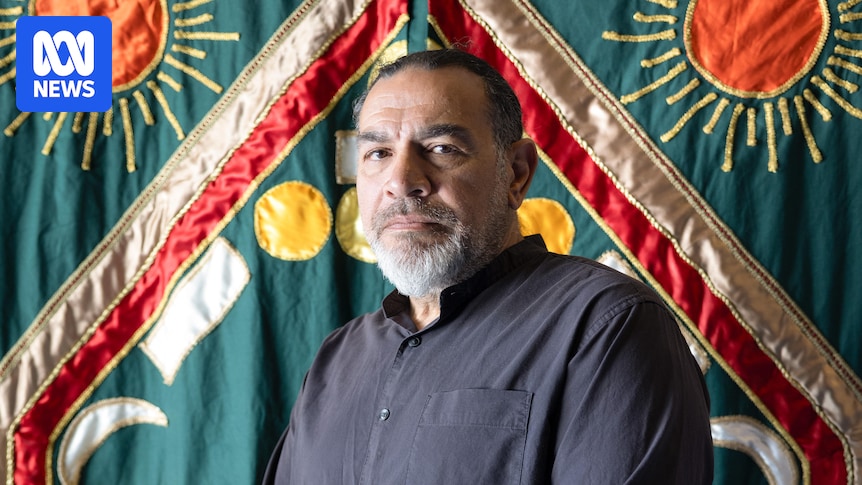
Khaled Sabsabi, a Lebanese Australian artist, presents his installation 'conference of one's self' at the Australia Pavilion of the Venice Biennale, alongside a second work 'khalil' in the main exhibition 'In Minor Keys' curated by Koyo Kouoh. His participation follows a tumultuous period in February 2025 when he was initially appointed to represent Australia, then controversially sacked by Creative Australia's board after a political dispute triggered by Senator Claire Chandler's comments, and later reinstated. Sabsabi is now one of only three artists in the Biennale's 131-year history to show in both a national pavilion and the main exhibition.

Pio Abad Explores Home and Diaspora for the 2026 Venice Biennale

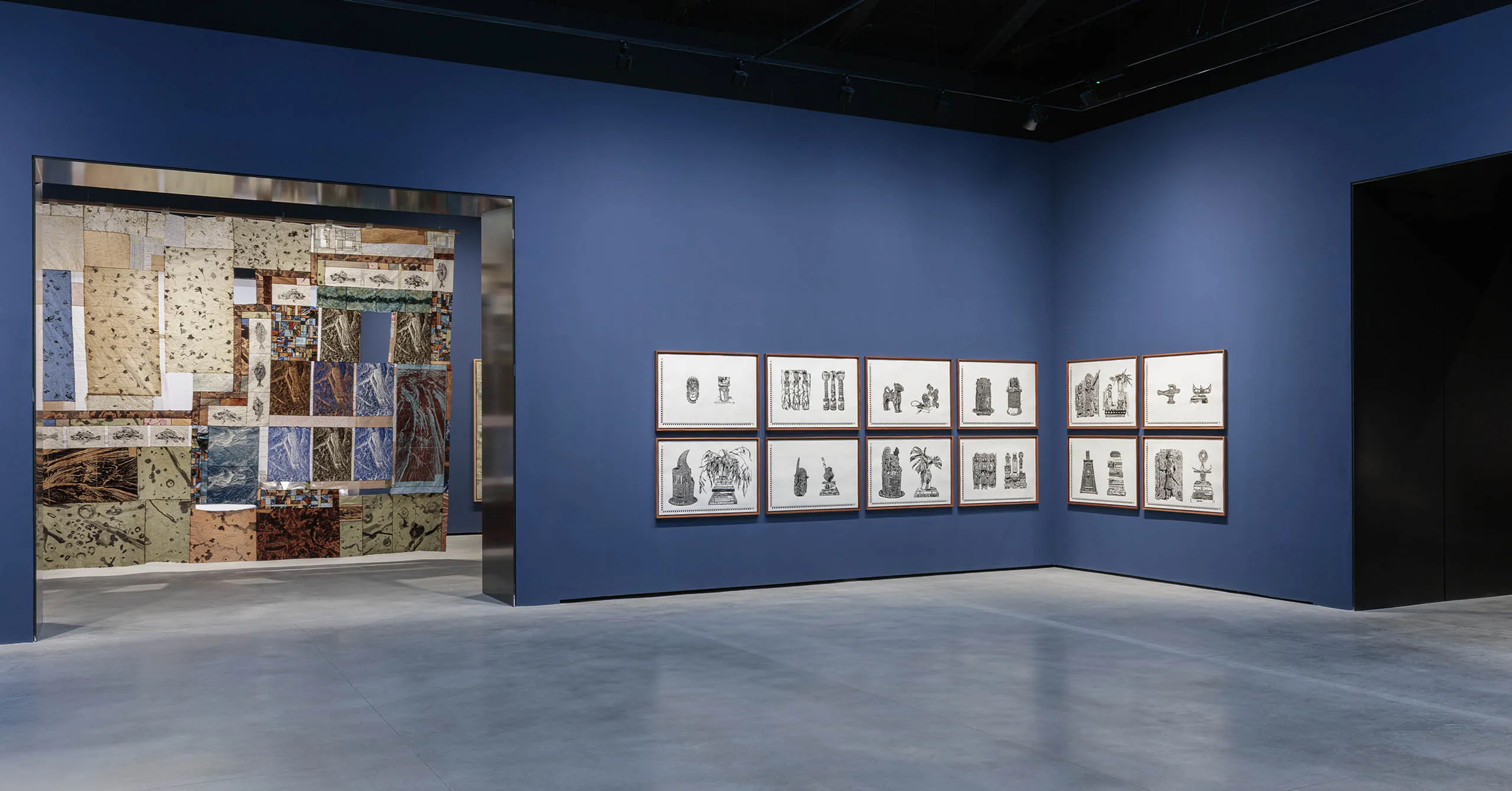
Filipino artist Pio Abad is presenting a series of intricate, hand-drawn works at the 2026 Venice Biennale as part of the exhibition "In Minor Keys," conceived by the late curator Koyo Kouoh. The works, created over four years with a 0.3-millimeter pen, include pieces such as "I’m Singing a Song That Can Only Be Born After Losing a Country" (first shown at the Ashmolean Museum in 2024), "Banua" (his first drawing on fabric), and "1897.76.36.18.6," which reflects on the looting of the Benin Bronzes. Abad, born in the Philippines and based in London, explores themes of migration, memory, exile, and the itinerant nature of objects and language.