filter_list Showing 401 results for "Resistance" close Clear
search
dashboard All 401 museum exhibitions 262article culture 39article news 28article local 19rate_review review 16person people 13article policy 8candle obituary 7trending_up market 7gavel restitution 2
date_range Range Today This Week This Month All
Subscribe

10 Art Shows to See in the Bay Area This Fall

The article presents a curated guide to 10 art exhibitions opening in the Bay Area this fall, highlighting shows by artists such as Mike Henderson, Julio César Morales, Auudi Dorsey, and Jim Melchert. It covers venues ranging from Haines Gallery and Gallery Wendi Norris to the Manetti Shrem Museum and di Rosa SF, with works addressing Black Oakland history, immigration, segregation-era Black leisure, and conceptual ceramic art.

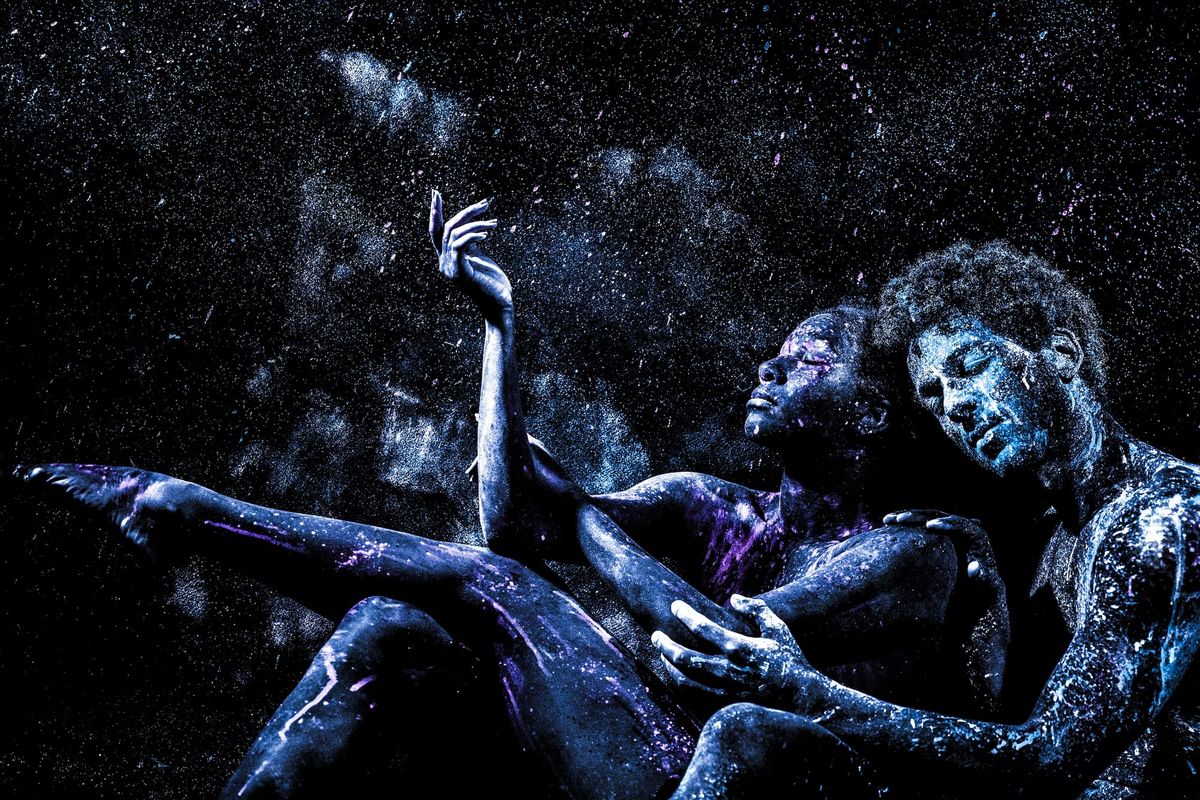
Powerful Photography Explores and Reimagines Black Identity Through Classical Art History

The National Museum of Women in the Arts (NMWA) in Washington, D.C., will present "Tawny Chatmon: Sanctuaries of Truth, Dissolution of Lies," a solo exhibition of over 25 large-scale photographs by artist Tawny Chatmon, running from October 15, 2025, to March 8, 2026. The works, drawn from series dating from 2019 to the present, blend photography with hand-applied paint, gold leaf, and precious materials, depicting Black children and families in gilded frames inspired by Gustav Klimt and medieval icons. This is Chatmon's first museum exhibition in the nation's capital.

Boulder County week in art: CU Art Museum’s new exhibit explores time as a notion

This article is a roundup of current and upcoming art exhibitions and events in the Boulder County area, featuring a wide range of venues from commercial galleries to nonprofit spaces and museums. Highlights include the Boulder Museum of Contemporary Art's immersive exhibition 'Divine Rest Nests,' the Dairy Arts Center's 'Matter Over Mind' exploring art-science intersections, and the CU Art Museum's new exhibit on time as a notion. The piece lists dozens of shows, including works by local artists like Lonny Granston, Liz Quan, and Melissa Stuart, as well as community-focused displays at libraries and cultural centers.

On View: 'Paris Noir' Exhibition at Centre Pompidou 'Retraces the Presence and Influence of Black Artists in France from 1950s to 2000'

The Centre Pompidou in Paris presents "Paris Noir: Artistic circulations and anti-colonial resistance, 1950-2000," an exhibition running from March 13 to June 30, 2025. Curated by Alicia Knock, the show features over 350 works by 150 Black artists from Africa, the Americas, and the Caribbean, tracing their presence and influence in France from the post-war era through the 1990s. The exhibition is organized into 15 thematic chapters, including Pan African Paris, Afro Atlantic Surrealism, and Paris Dakar Lagos, and includes public programming such as talks, film screenings, and performances.

RADICAL SOFTWARE: WOMEN, ART & COMPUTING 1960–1991

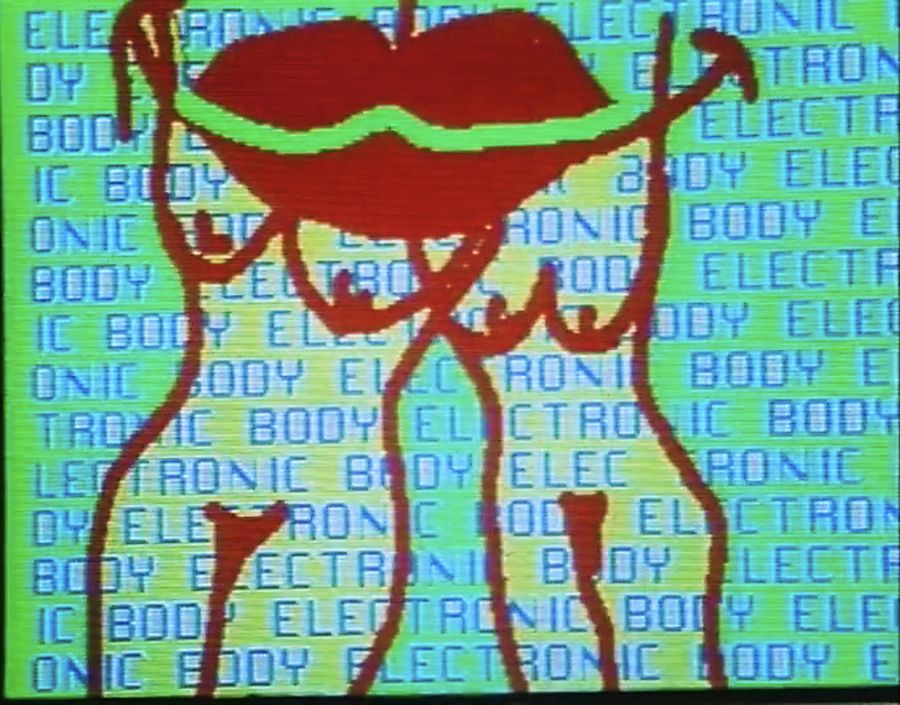
Kunsthalle Wien presents "Radical Software: Women, Art & Computing 1960–1991," a landmark exhibition foregrounding the pioneering role of women in early digital art. Organized with Mudam Luxembourg, the show brings together over one hundred works by fifty artists from European and U.S. collections, spanning painting, sculpture, installation, film, performance, and computer-generated works. The title references the 1970 magazine "Radical Software" by Beryl Korot, Phyllis Segura, and Ira Schneider, which envisioned decentralized access to information. The exhibition traces digital art from mainframe experiments in the 1960s through the microcomputer revolution, highlighting artists like Charlotte Johannesson, who traded a tapestry for an Apple II in 1978.

“Gaza Love” Monument Unveiled in Paterson, NJ

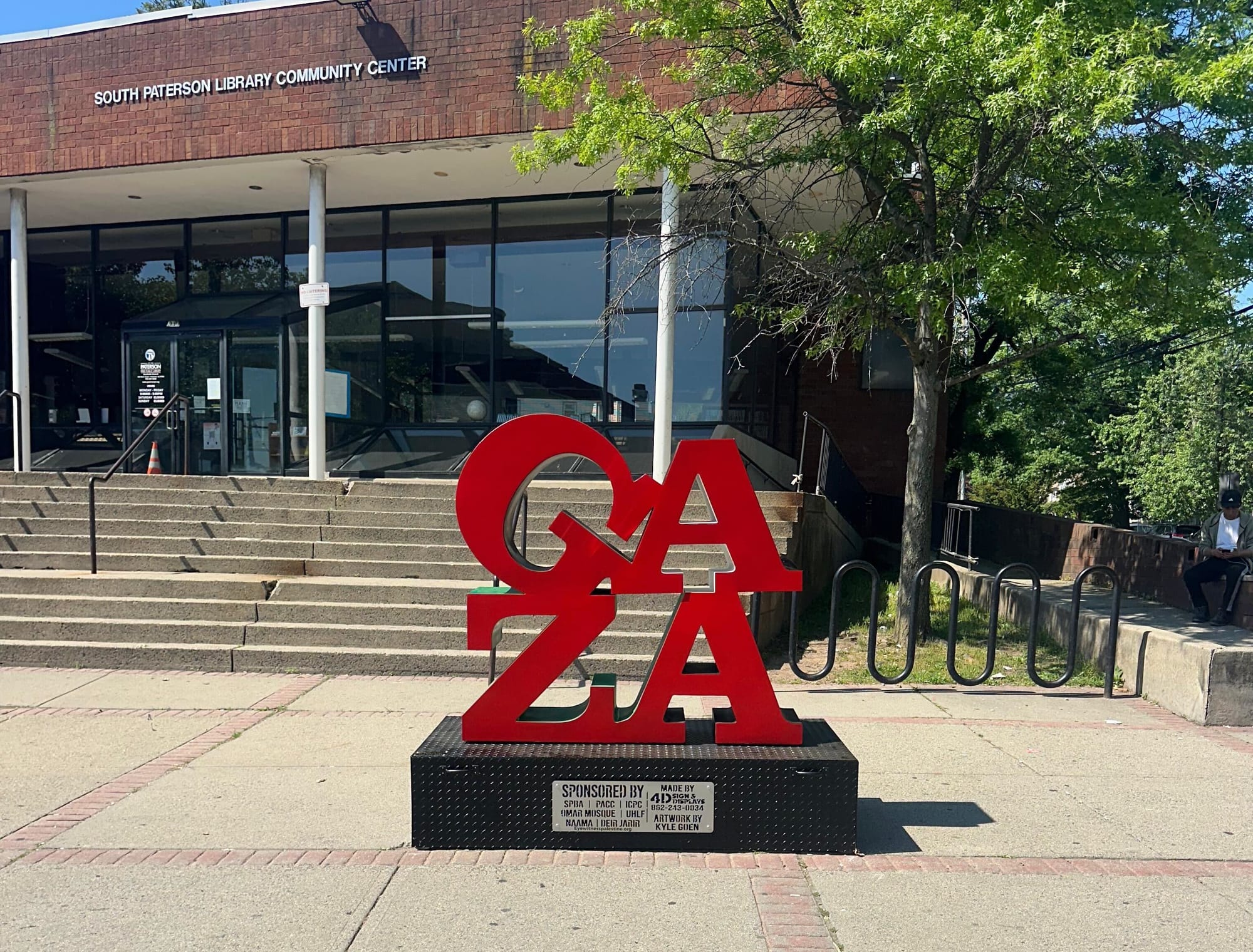
Artist and activist Kyle Goen's sculpture "Gaza Love" (2014) was permanently installed outside the South Paterson Library Community Center in Paterson, New Jersey, as part of the city's newly dedicated Gaza Square on Main Street. The unveiling took place on Palestine Day, May 17, and commemorates Paterson's large diasporic Palestinian community. The sculpture, which borrows the typography of Robert Indiana's LOVE series and the colors of the Palestinian flag, originated during protests against the 2014 Gaza War and has been used in organizing spaces for over a decade, including during the 2021 Strike MoMA movement.

Pussy Riot Storms Russia Pavilion at Venice Biennale

Pussy Riot staged a dramatic protest at the Russia Pavilion during the Venice Biennale, releasing pink smoke and waving Ukrainian flags while chanting slogans like 'Blood is Russia’s art.' Around 50 protesters, including members of Femen, occupied the area. Pussy Riot founder Nadya Tolokonnikova called for the pavilion to be closed and given to oppressed peoples, challenging Biennale president Pietrangelo Buttafuoco to meet her. The protest lasted about 20 minutes, with performers climbing the pavilion and exposing political slogans on their chests.

Pussy Riot and FEMEN Join Forces in Punk Protest in Venice: ‘Russia Kills! Biennale Exhibits!’

On Wednesday morning, Pussy Riot and FEMEN led a protest outside the Russian Pavilion at the 2026 Venice Biennale, chanting slogans like “Russia kills! Biennale exhibits!” and “Blood is Russia’s art!” Dozens of protesters, some in pink balaclavas and others bare-chested with floral crowns, gathered in the Giardini under light rain, carrying guitars and blasting punk rock and hip-hop. The action was organized by Nadya Tolokonnikova and other Pussy Riot members alongside FEMEN, a Ukrainian-founded women’s movement. They released pink, yellow, and blue smoke, and Tolokonnikova criticized the Biennale for allowing Russian participation while artists who oppose the war in Ukraine are imprisoned. She proposed an alternative exhibition, “Resistance Imprisoned,” currently on view in Strasbourg, featuring incarcerated artists.

In Minor Keys: how Venice's international exhibition was brought to life after the death of artistic director Koyo Kouoh

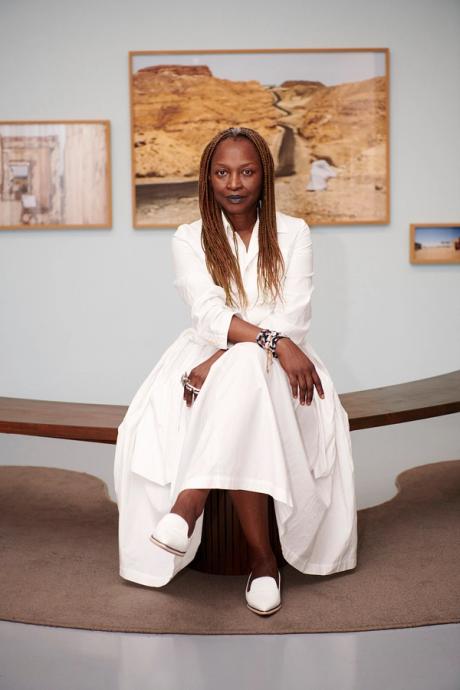
The 61st Venice Biennale's international exhibition, titled "In Minor Keys," was realized after the sudden death of its artistic director, Koyo Kouoh, in May 2025. A team of five of Kouoh's collaborators, known as "la squadra di Koyo Kouoh," worked with her before her death and finalized the exhibition's themes, artist list, and scenography. The exhibition features 111 invited artists, duos, collectives, and artist-led organizations, with the team emphasizing that this remains Kouoh's vision rather than a replacement.

Rollicking Protest Against Bezos's Met Gala Erupts in Manhattan

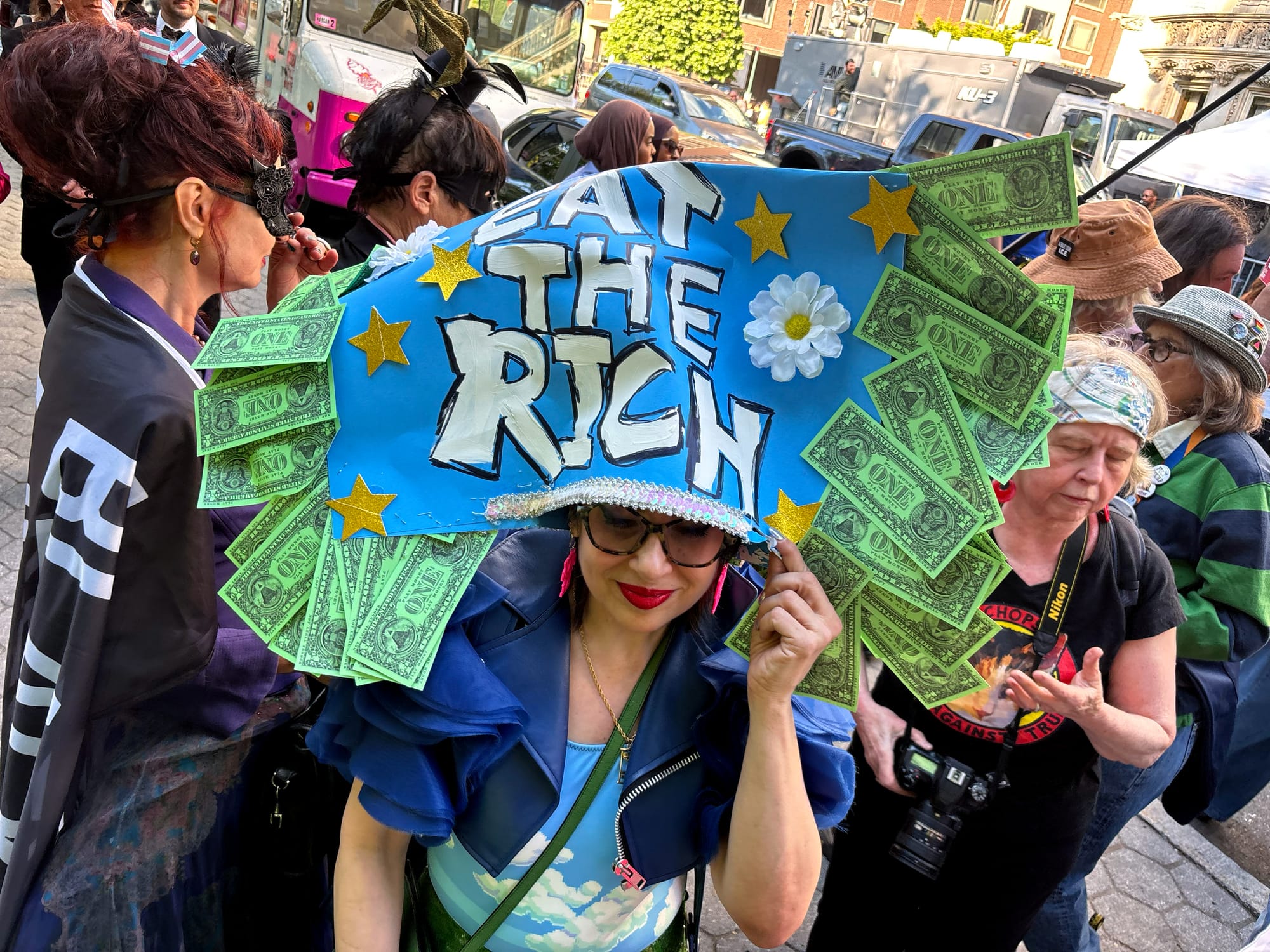
On May 4, 2026, a small but spirited protest organized by the advocacy group Rise and Resist erupted near the Metropolitan Museum of Art during the Met Gala. Dozens of costumed demonstrators gathered on a makeshift "Resistance Runway" to denounce billionaire Jeff Bezos, who co-chaired the event with his wife Lauren Sánchez Bezos. Participants held signs addressing trans rights, fascism, and wealth inequality, and danced to ABBA's "Money, Money, Money." The protest highlighted Bezos's role as co-chair, with activists criticizing his company Amazon's profits from immigration crackdowns and layoffs at the Washington Post. Bezos reportedly did not attend the gala, while his wife walked the red carpet alone.

Elucidating the Esoteric with Hilma's Ghost

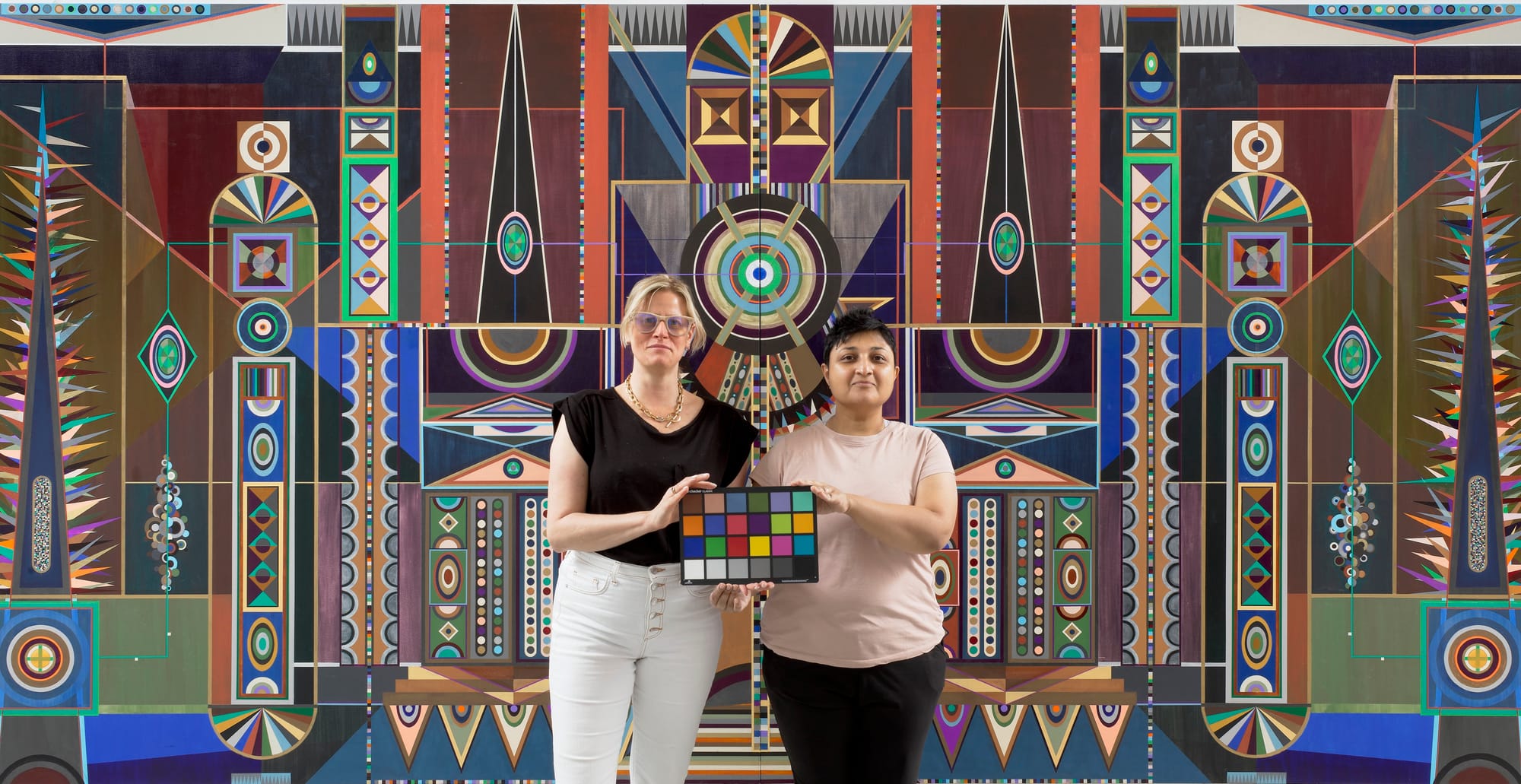
The feminist art collective Hilma’s Ghost, founded by artists Dannielle Tegeder and Sharmistha Ray, is reclaiming the role of alternative spiritualities and the occult within art history. Sparked by the 2018 Hilma af Klint retrospective at the Guggenheim, the collective emerged during the COVID-19 pandemic as a research-based project that bridges artmaking with esoteric practices like tarot, witchcraft, and neo-tantric cosmologies. Through workshops and collaborative paintings, the duo explores how women and queer artists have historically been erased from the canon due to their unconventional, mystical methods.

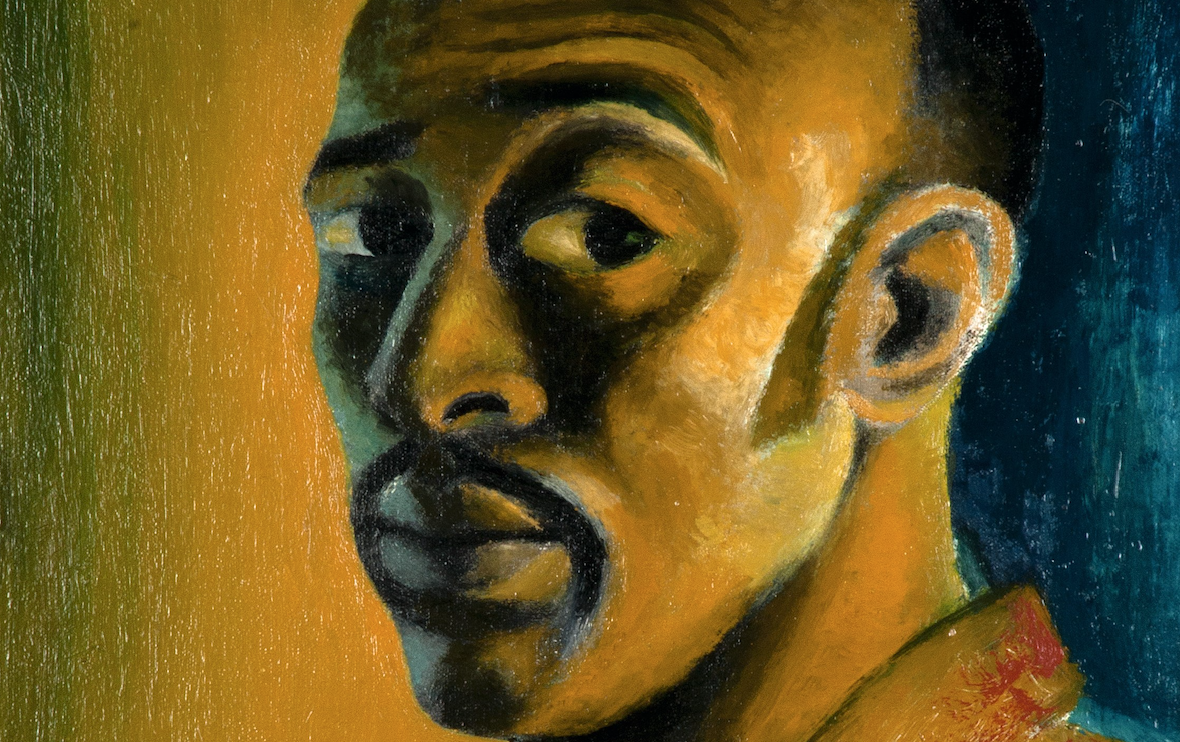
The Unbearable Strangeness of Being

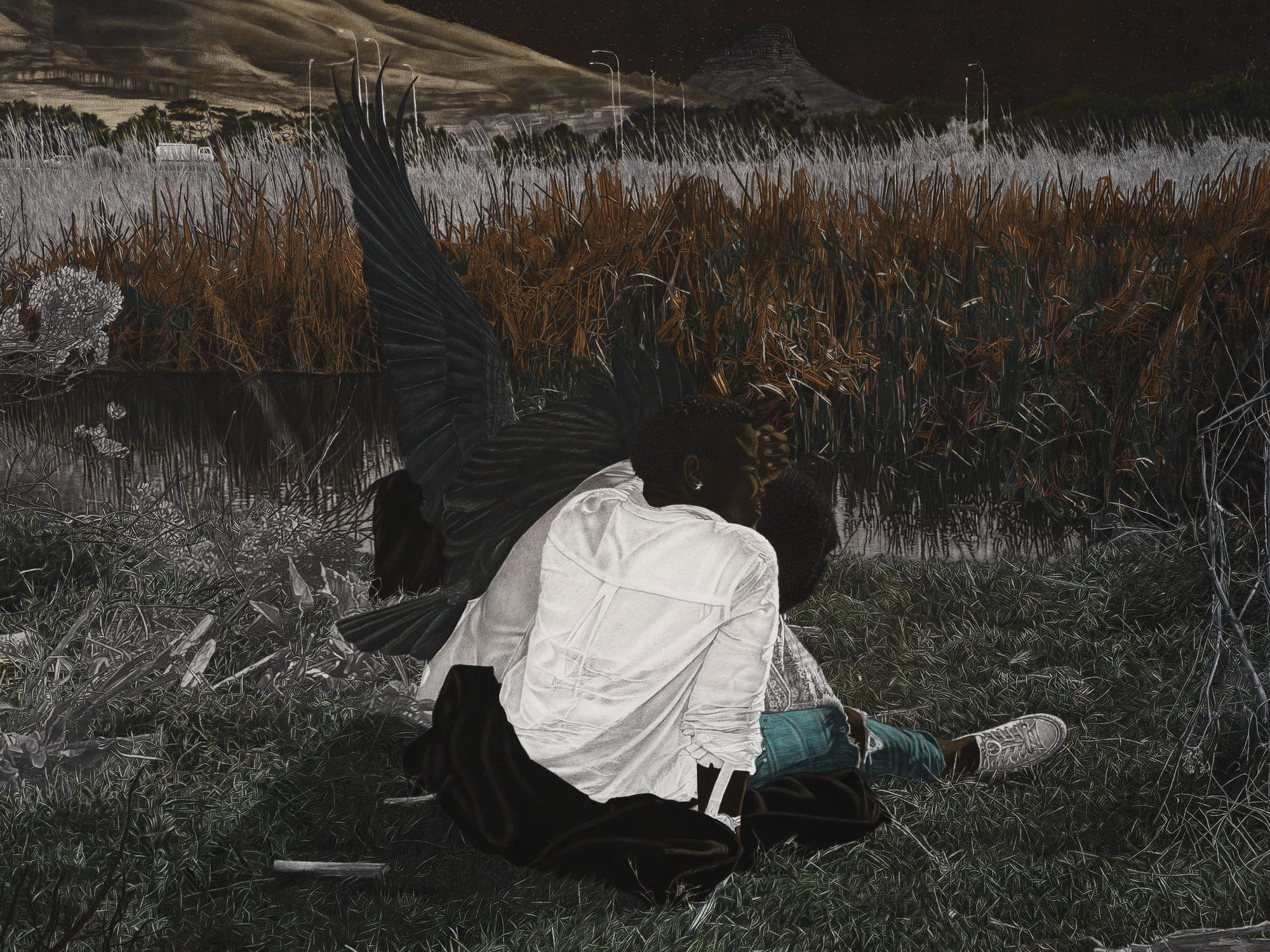
South African artist Cinga Samson makes his New York debut at White Cube with "Ukuphuthelwa," an exhibition of haunting, large-scale oil paintings. The works feature figures with distinctive white pupils engaged in enigmatic rituals within dark, crepuscular landscapes. Drawing from the isiXhosa concept of spiritual alertness during sleeplessness, Samson’s compositions blend the palpable with the unearthly, often depicting scenes that feel choreographed yet remain stubbornly illegible to the Western gaze.

Paul Klee: Other Possible Worlds

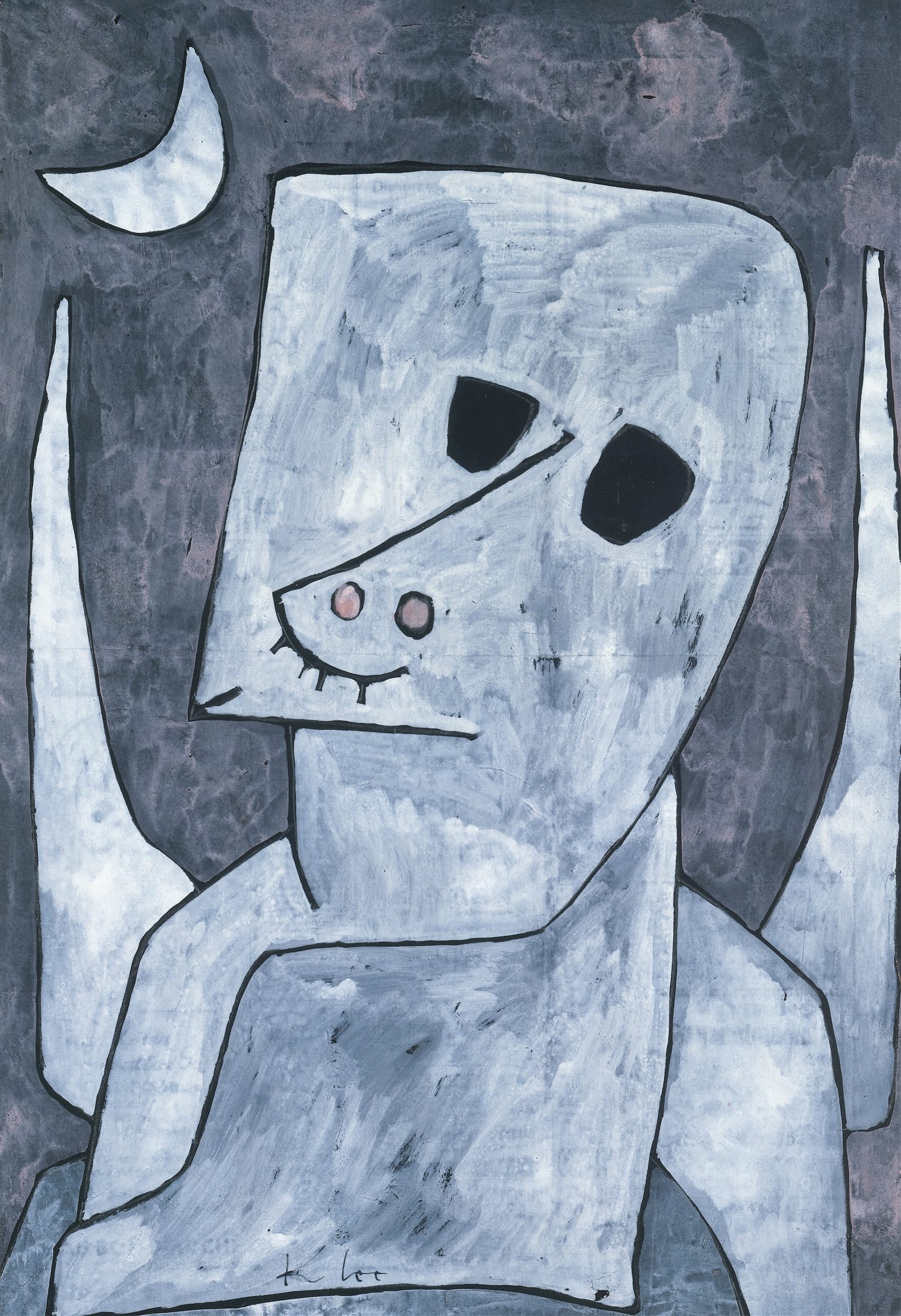
The Jewish Museum in New York has launched "Paul Klee: Other Possible Worlds," the first U.S. museum exhibition dedicated specifically to the artist’s late-period works. Featuring 100 paintings and drawings, the show focuses on the final decade of Klee’s life (1930–1940), a period marked by his dismissal from the Düsseldorf Academy by the Nazis, his exile to Switzerland, and his battle with a fatal autoimmune disease.

What Makes a Good Protest Sign?

The article's main feature is a guide on creating effective protest signs for the upcoming No Kings protest, compiled by comic artist Steven Weinberg with input from artists, writers, and curators including Hyperallergic's Editor-at-Large Hrag Vartanian. It offers practical advice for crafting visually and rhetorically powerful signs that challenge authority.

Archie Rand On the Irreducibility of Painting in a Post-Digital Age

Archie Rand, now in his late 70s, recently held his first extensive solo show in years at Jarvis Art in New York, featuring his new body of work titled "Heads." The exhibition reclaims painting's primordial function, emphasizing the connection between brain and hands, imagination and reality. Rand, who emerged from the downtown New York scene in the late 1970s and early '80s, has witnessed the full postwar evolution of American art. His career includes a pivotal synagogue mural commission that led to backlash from the Orthodox community and a break with critic Clement Greenberg, pushing him toward representational forms. He found allies in figures like Philip Guston and John Ashbery, and after his wife's death ten years ago, began reflecting on mortality and childhood influences.

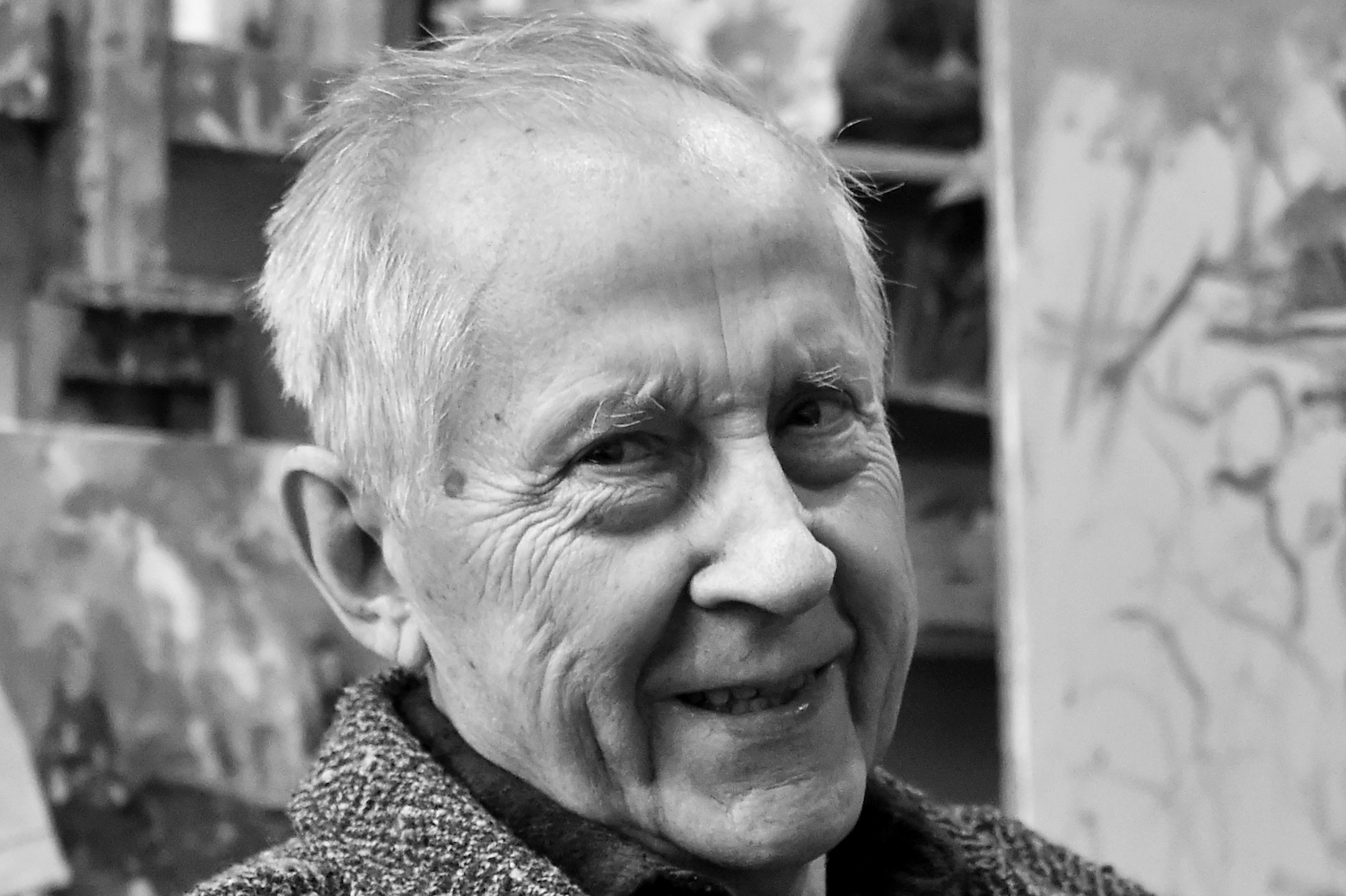
Künstler Harald Metzkes ist tot

German painter Harald Metzkes has died at the age of 97 in Wegendorf, Brandenburg, surrounded by his family. His son, sculptor Robert Metzkes, confirmed the news to the German Press Agency. Metzkes, who grew up in East Germany, was a leading figure of the Berlin School of painting and resisted the official doctrine of socialist realism, instead creating a personal "world theatre" of harlequins, circus scenes, and theatrical figures inspired by Rembrandt, Velázquez, and Paul Cézanne. His best-known work includes "Der Abtransport der sechsarmigen Göttin." After training as a stonemason and studying at the Dresden Academy of Fine Arts, he worked as a freelance artist in Berlin, supporting himself with book illustrations. His work gained international attention when one of his paintings was sent to the Venice Biennale in 1984, and after the fall of the Berlin Wall he built connections with Western collectors.

« À qui appartiennent ces œuvres ? » : le destin des biens culturels spoliés par les nazis au cœur d’un nouvel espace au musée d’Orsay

On May 5, the Musée d'Orsay in Paris inaugurated a new dedicated space in the Pavillon Amont for artworks looted during World War II that remain unclaimed by their owners or heirs. The room, titled "À qui appartiennent ces œuvres ?" ("Who owns these works?"), features thirteen pieces including sculptures by Auguste Rodin and paintings by Auguste Renoir, Edgar Degas, and Eugène Boudin. These represent a fraction of the museum's 225 MNR (Musées nationaux récupération) holdings, part of a national legacy of approximately 2,000 looted works still held in French museums.

Video: The secrets of the unicorn, a legendary creature at the heart of an exhibition at the Musée de Cluny

Vidéo : Les secrets de la licorne, créature légendaire au cœur d’une exposition au musée de Cluny

The Musée de Cluny in Paris is presenting an exhibition titled "Licornes!" from March 13 to July 12, 2026, exploring the history and symbolism of the unicorn from antiquity to the present day. Curated by Béatrice de Chancel-Bardelot, the show traces the creature's evolving depiction in literature, illuminated manuscripts, frescoes, tapestries, and contemporary art, highlighting its shifting meanings from a wild, aggressive beast to a symbol of purity, virtue, and, more recently, LGBTQIA+ pride and feminine power.

Venice Biennale 2026: What are the major trends that will mark the 99 national pavilions?

Biennale de Venise 2026 : quelles sont les grandes tendances qui vont marquer les 99 pavillons nationaux ?

The article previews the 2026 Venice Biennale, highlighting key trends across its 99 national pavilions. Major themes include the hybridization of theater, dance, and performance, particularly in pavilions from Austria, Luxembourg, Belgium, and Lithuania, where artists like Florentina Holzinger, Aline Bouvy, Miet Warlop, and Eglė Budvytytė use radical, body-centric works. Geopolitical engagement is also central, with the Ukrainian pavilion featuring Zhanna Kadyrova's work on resistance and the British pavilion exploring themes of exile and migration. Other notable pavilions include Spain's focus on imagery, a sound installation for the Vatican, a polyphonic piece for Romania, and a film on sign language song for Poland.

Muscle memory: Natasha Tontey’s wild Venice installation explodes perceptions of Indonesian history

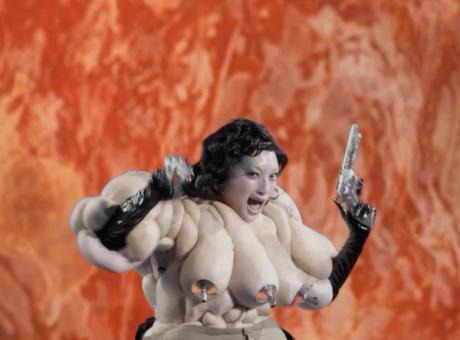
Natasha Tontey's new installation "The Phantom Combatants" at the Ateneo Veneto in Venice reimagines the story of Len Karamoy, a woman who was part of the CIA-funded Permesta resistance movement in North Sulawesi, Indonesia (1957-1961). The 22-minute film, commissioned by the LAS foundation and Amos Rex, features absurdly muscular mutant warriors and draws on Indigenous belief systems, video games, Indonesian soap operas, and B-movie aesthetics to explore themes of autonomy, resistance, and historical perspective.

The art of politics: how global conflicts are playing out in this year's Venice Biennale

Israel is making a controversial return to the 2025 Venice Art Biennale after its pavilion was locked in 2024 with a note demanding a ceasefire in Gaza. The artist representing Israel, Belu-Simion Fainaru, will present his project "Rose of Nothingness" in the Arsenale, while Russia also returns to the Biennale after its Giardini pavilion was reassigned to Bolivia in 2024. The Art Not Genocide Alliance (ANGA) has renewed calls for a boycott and is organizing strike action to disrupt the event, accusing Israel of genocide.

Natasha Tontey to Unveil Major New Immersive Installation Exploring Indigenous Resistance During Venice Biennale

Artist Natasha Tontey will unveil a major immersive installation titled "The Phantom Combatants and the Metabolism of Disobedient Organs" during the Venice Biennale at the Ateneo Veneto di Scienze, Lettere ed Arti. Jointly commissioned by Berlin’s LAS Art Foundation and Helsinki’s Amos Rex, the work combines video, sound, light, and sculpture to reimagine the story of Len Karamoy, a combatant in the CIA-supported Permesta movement that fought the Indonesian government from 1957 to 1961 in North Sulawesi. Tontey, a Minahasan Indigenous artist, uses LiDAR, quantum ghost imaging, and other technologies to explore Indigenous identity, ecology, and the blurring of history and myth.

A Think Tank and a Foundation Team Up On $1 M. in Accelerator Grants for Museum and Performing Arts Leaders—Timothée Chalamet Be Damned

A think tank and a philanthropic foundation have launched a $1 million accelerator grant program for museum and performing arts leaders. The initiative, a partnership between Remuseum (an initiative of Crystal Bridges Museum) and the Doris Duke Foundation, will award up to ten $100,000 grants and provide a year-long residency program to help leaders develop innovative strategies to boost relevance and financial stability.

sandy rodriguez ringling museum of art exhibition

Los Angeles-based artist and researcher Sandy Rodriguez has opened her most ambitious exhibition to date, "Currents of Resistance," at the Ringling Museum of Art in Sarasota, Florida, running through August 10. The centerpiece is "Resistance Map of the Gulf of Mexico" (2025), a 94.5-inch amate paper map from her ongoing "Codex Rodriguez-Mondragón" series. Rodriguez creates her own pigments from foraged minerals and botanical specimens, and uses handmade amate bark paper from San Pablito, Mexico, a sacred Mesoamerican material once outlawed during the colonial era. The map layers 500 years of cartographic tradition with historic and contemporary acts of resistance, including the Mixtón War, the Calusa resistance, and modern police violence in New Orleans. For this exhibition, she also introduced ocean water from the Gulf of Mexico to thin her pigments, referencing climate change as ongoing colonial aggression.

bint mbareh sound art palestinian resistance

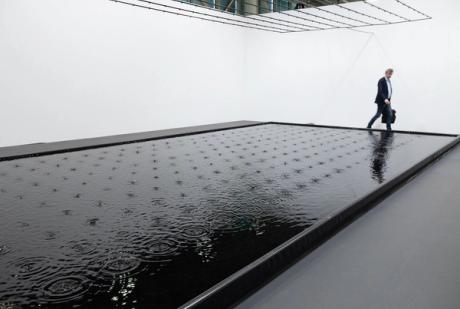
Bint Mbareh, a Palestinian sound artist and stage name assumed around 2019, creates installations and performances that use water and sound as metaphors for Palestinian experience. Growing up in Ramallah and later studying at Goldsmiths in London, she learned geographically specific Palestinian rain-summoning songs, which she twists and destabilizes using digital technology in works like *Time Flows in All Directions: Water Flows Through Me* (2020). After October 7, 2023, she expanded her practice to include a “choir” of collaborators performing collective grief, with appearances at an Artists for Aid benefit concert in London and at Tate Modern. Recent installation works such as *Bodies of Knowledge* (Royal College of Art) and *What’s Left?* (Sharjah Biennial) incorporate water tanks vibrated by sound, evoking both childhood and displacement.

art lauren quin young artist

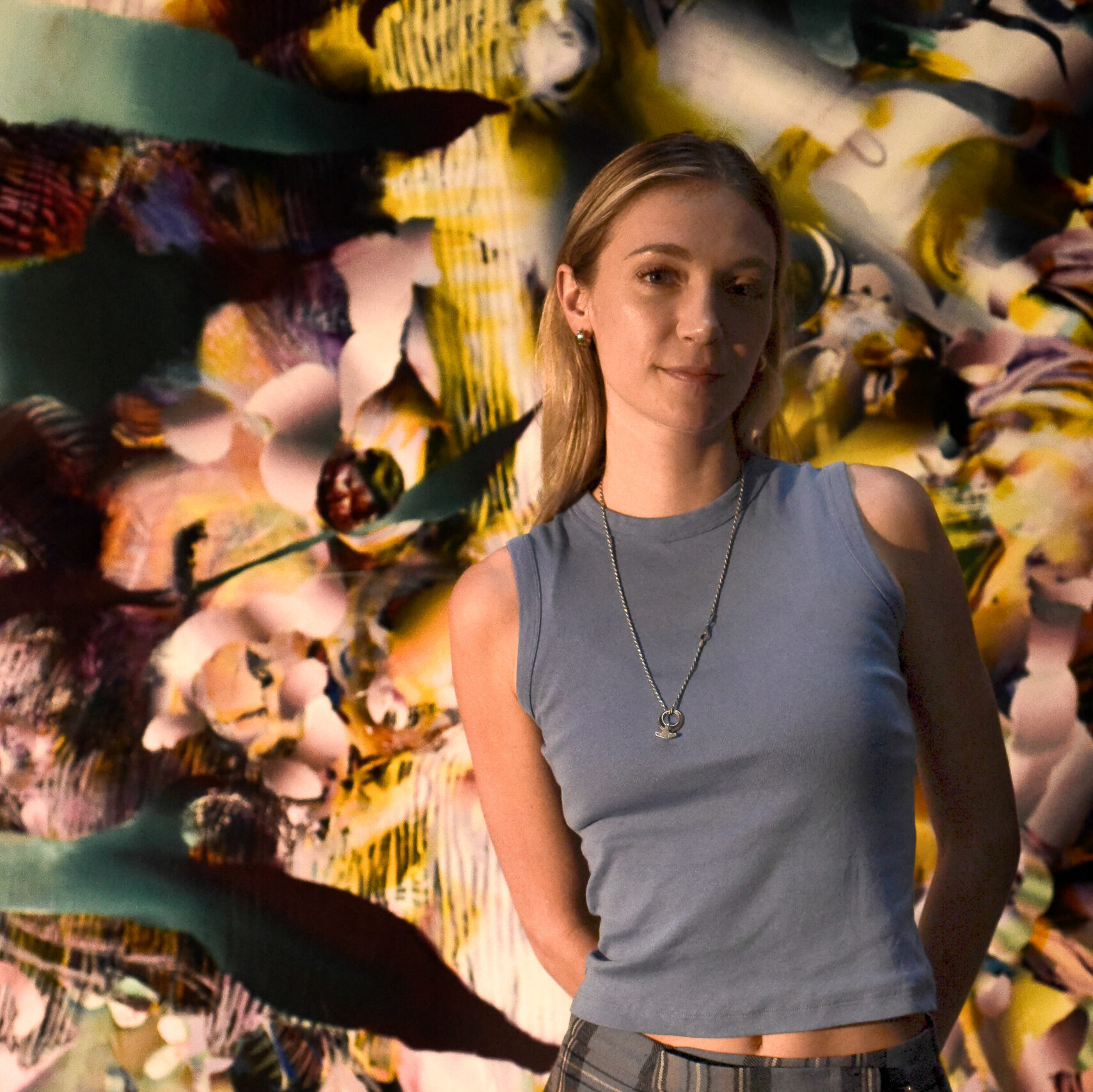
Pace Gallery announced representation of Los Angeles-based painter Lauren Quin in August 2024, following a solo show of her manic, neon-tinged abstractions at its downtown offshoot 125 Newbury. Quin, age 33, is slated for a solo exhibition at Pace's Los Angeles outpost opening in January. In an interview, she discusses her creative process, the struggle behind works like "Cub Cross," and her dream of building a sauna gallery in her backyard.

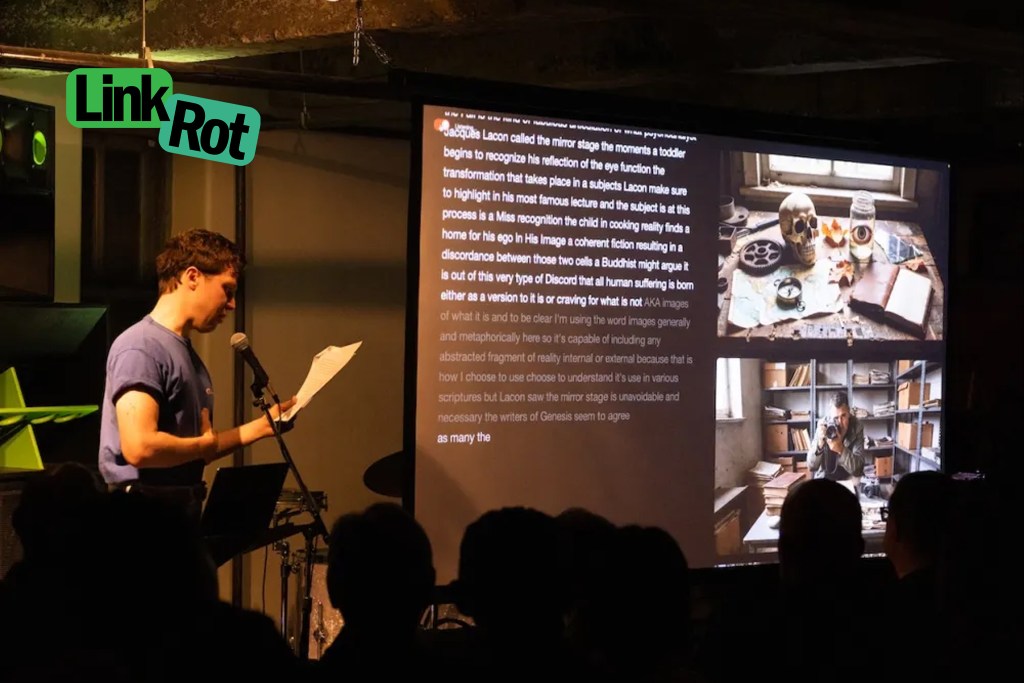
In Performance Series, Artists Tackle the Nature of Images, and Reality, in the Face of AI

At Giorno Poetry Systems (GPS) in New York, a three-day program titled “Exert: The Physics of Metaphysics” featured performances and readings by artists including Mark Leckey, Hari Kunzru, and Gideon Jacobs. The works explored how emerging technologies like AI, VR, and AR are reshaping perceptions of reality and simulation, with Kunzru reading from a novel-in-progress about a man navigating a world where simulation encroaches on everyday life, and Jacobs presenting a performance lecture blending theater, essay, and AI-generated video.

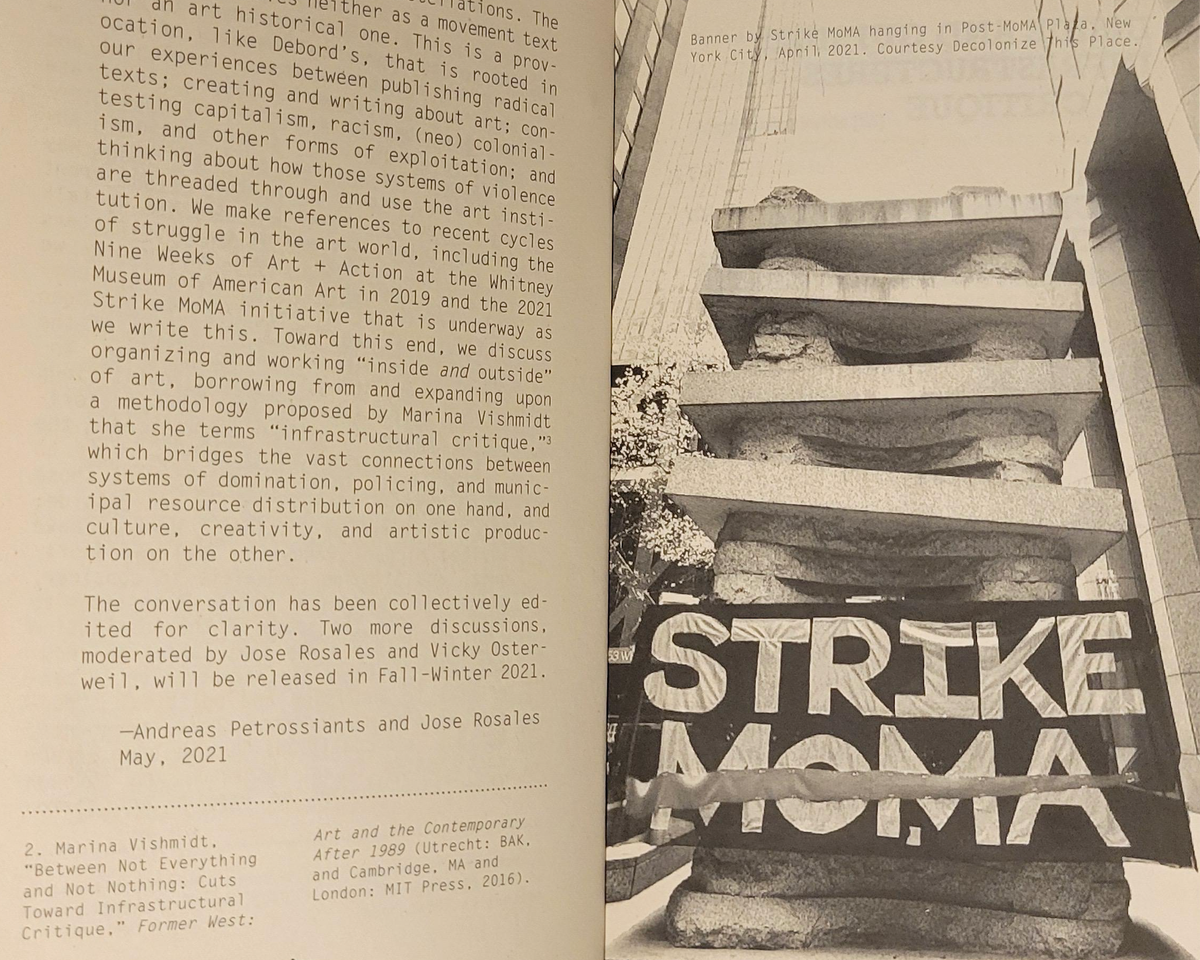
Thinking Infrastructurally: On Diversity of Aesthetics, Part 2

The article, part of a series on e-flux, presents a theoretical analysis of the 1965 Watts rebellion through the lens of Guy Debord's Situationist thought. It examines how the rioters' destruction and theft of commodities, like refrigerators they couldn't power, acted as a rejection of capitalist integration and exposed the false promise of consumer affluence.

Here's what's at Southwest Florida museums during July

Southwest Florida museums, from Sarasota to Naples, present a robust July lineup: two exhibitions open, one closes, and 24 continue. Highlights include Chris Friday's first solo museum show "Where We Never Grow Old" at Sarasota Art Museum, featuring large-scale chalk drawings and a site-specific installation exploring safe havens. Other notable shows include "Personal to Political: Celebrating the African American Artists of Paulson Fontaine Press," with works by Martin Puryear and Kerry James Marshall; Jillian Mayer's interactive sculpture series "Slumpies"; Lillian Blades' immersive mixed-media maze "Through the Veil"; and Molly Hatch's site-specific ceramic installation "Amalgam" (2023-24). The Ringling Museum also highlights a newly acquired painting by Juana Romani.

galerie eva presenhuber franz west

Galerie Eva Presenhuber in Zurich has opened "Franz West, Die Frühen Werke / Early Works," the gallery's twelfth exhibition dedicated to the late Austrian artist Franz West (1947–2012). The show surveys West's output from 1975 to 1990, highlighting his early sculptures, drawings, collages, and his signature interactive "Passstücke" (Adaptives)—pieces designed to be moved, worn, or played with by viewers. The exhibition runs through October 3, 2025.