
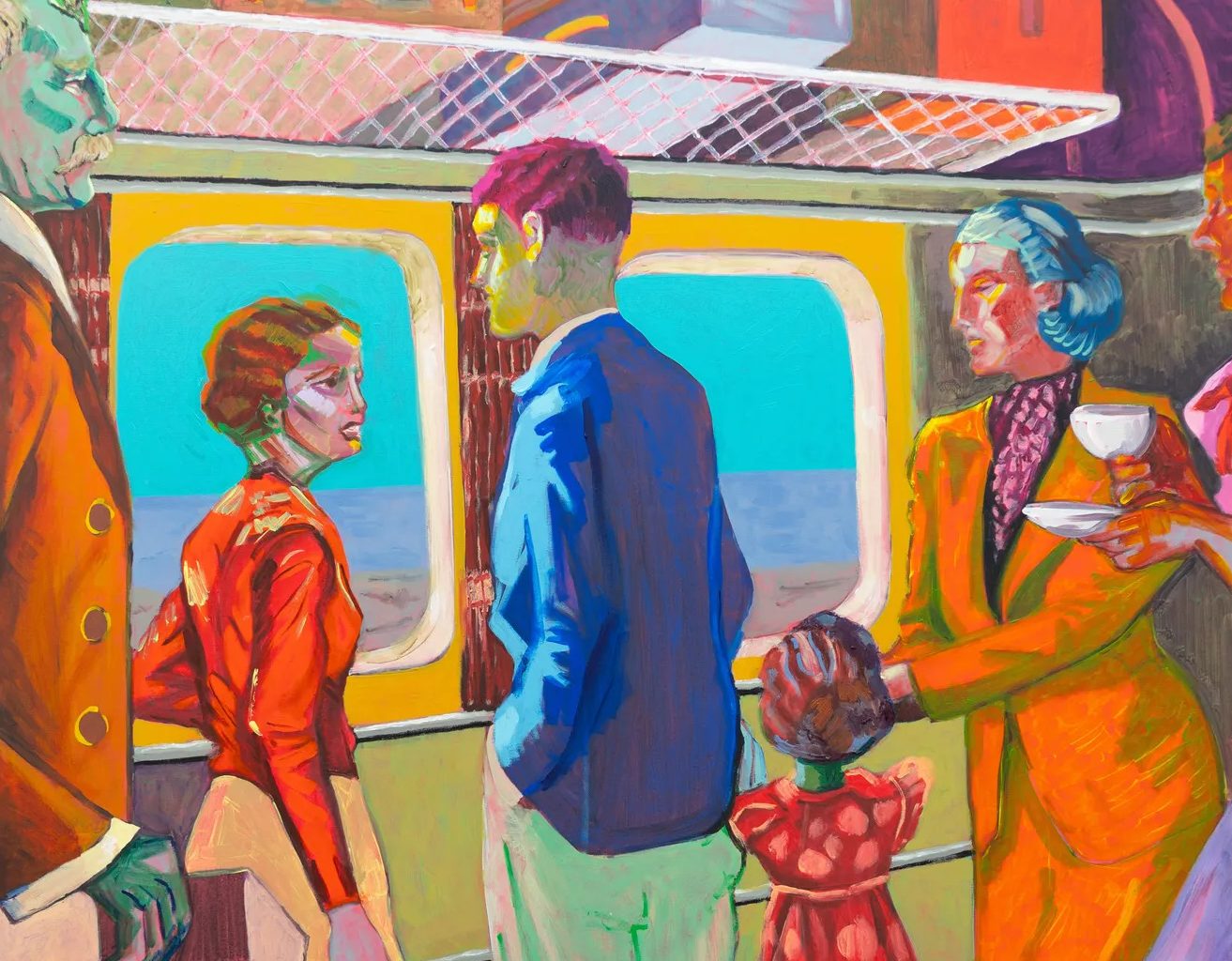
Archie Rand, now in his late 70s, recently held his first extensive solo show in years at Jarvis Art in New York, featuring his new body of work titled "Heads." The exhibition reclaims painting's primordial function, emphasizing the connection between brain and hands, imagination and reality. Rand, who emerged from the downtown New York scene in the late 1970s and early '80s, has witnessed the full postwar evolution of American art. His career includes a pivotal synagogue mural commission that led to backlash from the Orthodox community and a break with critic Clement Greenberg, pushing him toward representational forms. He found allies in figures like Philip Guston and John Ashbery, and after his wife's death ten years ago, began reflecting on mortality and childhood influences.
This article matters because it offers a firsthand account of art history from an artist who navigated key movements from Abstract Expressionism to the post-digital age. Rand's story illustrates the cyclical nature of the art world, the tension between abstraction and representation, and the enduring power of painting in an era of digitization. His resistance to trends and his journey from Greenberg's circle to independent figurative work highlight the importance of artistic integrity and the personal transformations that shape an artist's legacy.