filter_list Showing 1641 results for "Cher" close Clear
search
dashboard All 1641 museum exhibitions 678article news 241article local 204trending_up market 203article culture 121person people 67article policy 43candle obituary 29rate_review review 26gavel restitution 23article event 3article events 2article museums 1
date_range Range Today This Week This Month All
Subscribe

New art gallery and studio space opens in village near Banbury

Artists Simon Allison and Jane Hamilton are launching Far Far Gallery, a new exhibition and studio space in the village of Cropredy, near Banbury. Housed in a converted barn, the venue expands upon the duo's long-standing work at the nearby Lockbund Foundry and will host a variety of individual and group exhibitions across multiple media.

The City is Our Studio: Urban Sketchers Doha bring the outdoors in

The inaugural exhibition "The City is Our Studio" by the Urban Sketchers Doha community opened at Lusail's Art Factory in Qatar. The show features works created en plein air by the group's members, who practice on-location drawing and painting to capture the essence of Doha's landscapes and everyday life.

Artfully Aired: Balloon Art Exhibition Opens in Dallas in November

The Balloon Museum, founded in Rome in 2021, will open its exhibition "Let's Fly—Art Has No Limits" at Dallas' South Side Studios on November 22, running through April 26. The multisensory show spans over 65,000 square feet and features large-scale inflatable and air-based installations by 18 international artists, including Sasha Frolova, Lucas Zanotto, Camilla Falsini, and Ouchhh. Created by Italy-based Lux Entertainment, the exhibition explores themes of flight, freedom, and lightness through works like Michael Shaw's 44-meter "Lava Lamp" and Christopher Schardt's 26-foot butterfly sculpture with 39,000 LEDs.

SMC Emeritus Annual Student Art Exhibition 2026 – Part 1, Opening Celebration in Emeritus Gallery May 14

The Santa Monica College (SMC) Emeritus Art Gallery will present the SMC Emeritus Annual Student Art Exhibition 2026 – Part 1, running from May 14 to June 19. The exhibition features works by 47 student artists from SMC's noncredit Emeritus program for older adults, with a free opening reception on May 14 from 5 p.m. to 6:30 p.m. Due to high participation, the show is split into two parts, with Part 2 opening online on June 11.

Wicked Stepmother No Longer, a Female Pharoah Gets a Reputational Makeover

A new analysis of damaged statues from ancient Egypt is reshaping the historical narrative of Queen Hatshepsut. Researchers have re-examined 3,500-year-old statuary, finding evidence that the deliberate defacement of her images occurred decades after her death, challenging the long-held belief that her successor, Thutmose III, orchestrated an immediate campaign of destruction against her legacy out of personal animosity.

An Interactive Archive Celebrates the Wide Ranging Projects Inviting ‘Unruly Play’

Amsterdam-based studio Imagination of Things, co-founded by Vitor Freire and Monique Grimord, has launched "Unruly Play," an interactive digital archive featuring 169 artworks, designs, games, and participatory projects. The repository includes notable works such as Rael San Fratello's "Teeter-Totter Wall" and the Wind Phone project, alongside a 12-foot puppet that travels the world. The archive is searchable by theme or through a shuffle feature, aiming to showcase projects that invite surprise, camaraderie, and unexpected encounters with imagination and joy.

parties salon 21 east hampton alex bass

Salon 21 by Alex Bass hosted an intimate garden dinner at the Maidstone Hotel in East Hampton, celebrating its summer exhibition “La Dolce Vita” and previewing the gallery’s fall reopening in a new WSA space. The event brought together art world insiders, design leaders, and creative peers, including curator Sharon Coplan Hurowitz, Watermill Center Managing Director Elise Herget, and lifestyle expert Katie Sands Bochner, for an Italian coast-inspired evening of seafood, rosé, and conversation.

Martin Lister obituary

Martin Lister, a writer, teacher, and scholar of photography and new media, has died at age 78. He was a key figure in the study of how technology intersects with cultural ways of seeing, editing the influential book *The Photographic Image in Digital Culture* (1995) and co-authoring *New Media: A Critical Introduction* (2003). Lister served as head of the school of cultural studies at the University of the West of England (UWE) and taught at institutions including Cockpit Arts Workshop and Newport College of Art and Design.

Dutch Commission Recommends New Guardianship for ‘Orphaned’ Nazi-Looted Art

A Dutch government-appointed committee has proposed transferring guardianship of thousands of unclaimed Nazi-looted artworks from a state agency to a Jewish foundation, preferably housed at the Jewish Museum in Amsterdam. The plan includes funding for exhibitions and explanatory labels to publicly display the so-called "orphaned" art from the Netherlands Art Property Collection.

Archaeologists Discover 6,000-Year-Old ‘Megastructure’ in Romania

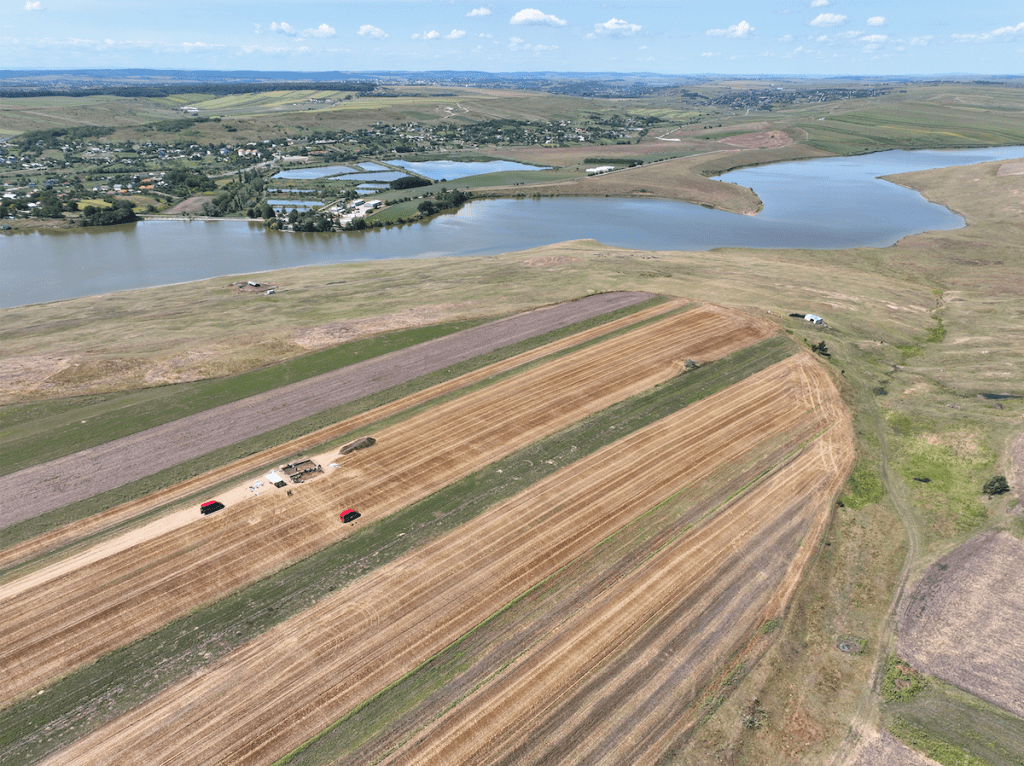
Archaeologists in northeastern Romania have unearthed a 6,000-year-old 'megastructure' at the Stăuceni-"Holm" site, attributed to the Cucuteni-Trypillia culture. Measuring approximately 350 square meters, the building is significantly larger than typical dwellings of the period and was strategically positioned near the settlement's entrance. The absence of domestic tools or ritual statuettes suggests the space served as a communal assembly hall or administrative center rather than a private residence.

Method Man turns his eyeball inside out: Eddie Otchere’s best photograph

Photographer Eddie Otchere recounts capturing his iconic 1994 black-and-white portrait of Wu-Tang Clan's Method Man in London. Otchere, then a 19-year-old fan, boldly asked to join the group's coach after spotting them, leading to a spontaneous shoot where Method Man performed his "new trick" of contorting his eye.

What Did Pompeii Smell Like? A New Study Analyzes Its Ancient Incense

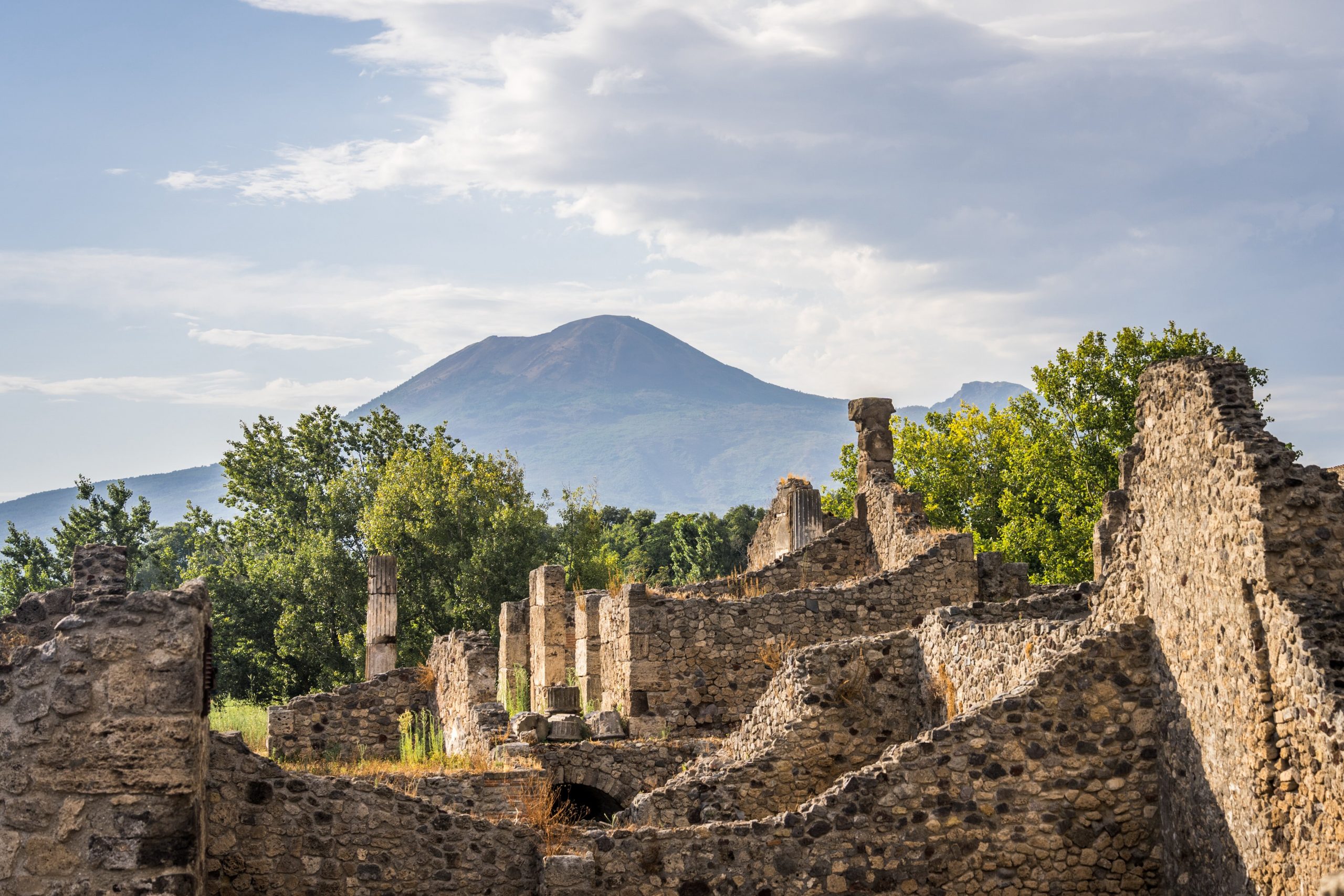
A team of international researchers has published the first scientific analysis of ritual incense residues from Pompeii. By examining ash from two ancient censers—one from an inn and another from a domestic shrine—they identified charred plants like oak and laurel, as well as evidence of imported frankincense from India.

Comment | Climate change is forcing tough choices—how much heritage can we save before it is too late?

Climate change is accelerating the degradation of archaeological sites worldwide, forcing archaeologists to make urgent, difficult choices about what to save. From thawing permafrost in the Canadian Arctic threatening Inuit heritage to landslides endangering ancient Buddhist temples in Nepal, researchers are now deploying innovative technologies like ground-penetrating radar, 3D scanning, and even cosmic-ray muon detectors to digitally document and monitor at-risk sites before they are lost.

newly excavated maya settlement climate change adaptation

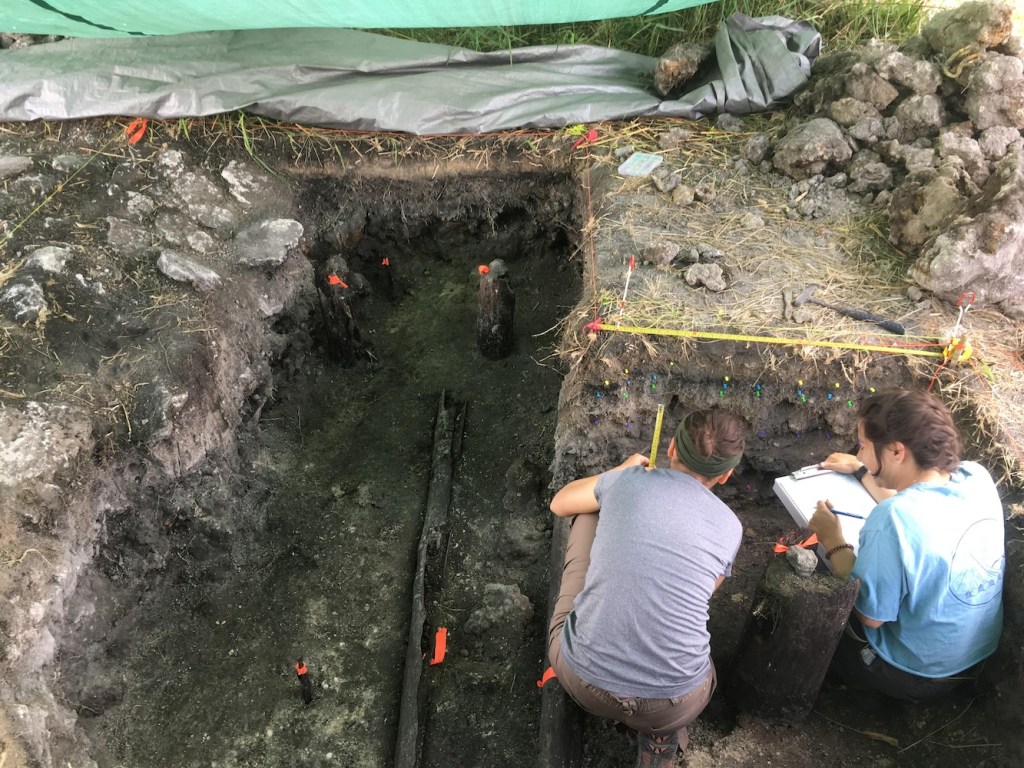
Archaeologists and geologists have uncovered a Postclassic Maya settlement at the Birds of Paradise field complex in the Rio Bravo floodplain of Belize. Utilizing LiDAR mapping and 20 years of field research, the team discovered exceptionally preserved wooden architecture, stone structures, and domestic artifacts dating from 800–1500 CE. These findings reveal that Maya communities successfully migrated to wetland environments after inland urban centers were abandoned due to prolonged droughts.

object museum oldest egyptian drilling tool found

A small copper-alloy object, excavated nearly a century ago from a predynastic cemetery at Badari in Upper Egypt, has been re-identified as the world's oldest known Egyptian bow drill. Dating to the late 4th millennium BCE, the tool pushes back the earliest evidence for this technology in Egypt by about 2,000 years, revealing that Egyptian craftspeople mastered efficient rotary drilling much earlier than previously thought.

humans not glaciers moved stonehenge rocks geological study

Researchers at Curtin University in Australia have published a study in Communications Earth and Environment providing geological evidence that humans, not glaciers, transported the massive stones used to build Stonehenge. The team tested sediments from streams near the monument and found no signs of glacial activity during the Pleistocene, ruling out the theory that ice sheets carried the megaliths. The stones, including sandstone boulders from the Marlborough Downs and bluestones from Wales, weigh up to 40 tons, but exactly how ancient peoples moved them remains unknown.

smithsonians national museum of asian art returns three looted sculptures to india

The Smithsonian's National Museum of Asian Art announced it will return three looted bronze sculptures to India: "Shiva Nataraja" (ca. 990), "Somaskanda" (12th century), and "Saint Sundarar with Paravai." Provenance research linked the works to art dealers known for trafficking looted antiquities. The museum partnered with the Photo Archives of the French Institute of Pondicherry in 2023, finding the bronzes had been photographed in Tamil Nadu temples between 1956 and 1959 and removed in violation of Indian laws. This follows the museum's December return of three Khmer-period sculptures to Cambodia, also determined to be looted.

worlds oldest known rock art in indonesia 67800 years old

Researchers have discovered a hand stencil in a cave on the Indonesian island of Sulawesi that dates to 67,800 years ago, making it the oldest known rock art in the world. The faded 14 × 10 cm patch of pigment, found on the southeastern peninsula of Sulawesi, was dated using Uranium-series analysis of mineral crusts that formed on top of the painting. The discovery was made by a team from Griffith University in Australia, Indonesian archaeological organizations, and the National Research and Innovation Agency, who have been documenting cave art sites in the region since 2019.

3d tech reveals new gladiator graffiti in pompeii

Researchers using Reflectance Transformation Imaging (RTI) and 3D photogrammetry have uncovered 79 previously invisible graffiti fragments on a 90-foot walled corridor in Pompeii's theater district. Among the discoveries are a dynamic sketch of two gladiators in combat and a love declaration beginning "Erato amat…" (Erato loves…). The work, detailed in Pompeii's e-journal, was conducted by teams from Sorbonne University and the University of Québec at Montréal, who developed a custom 3D-image platform to visualize and digitally annotate the ancient carvings.

pompeii multilevel buildings digital reconstructions

A new study published in the Pompeii Archaeological Park's online journal reveals that the ancient Roman city featured multilevel buildings far more impressive than previously understood. Using digital technology, the Pompeii Reset project—a collaboration between the Pompeii Archaeological Park and Humboldt University of Berlin—created 3D reconstructions of structures encased in ash during the 79 CE eruption of Mount Vesuvius. The case study focused on the House of Thiasus in Regio IX, where a 39-foot-tall tower with two levels, including a dining room with city views, was reconstructed. Researchers employed laser scanners, structured-light scanning, and photography to build digital models, then virtually added missing architectural elements like staircases and windows, testing them for structural plausibility.

easter island 3d map carved statues

Researchers from Binghamton University, at the request of an indigenous community group on Easter Island, have created a high-resolution 3D model of the Rono Raraku quarry, where 95 percent of the island's moai statues were carved. Using drone flights and over 11,000 overlapping photographs stitched together via photogrammetry, the model documents the quarry in unprecedented detail, including 133 quarried voids, 400-plus unfinished moai, and evidence of 30 distinct clan-based carving areas. The model is freely available online and was motivated by a 2022 wildfire that threatened the site.

christies paris suspends sale pascaline calculating machine

Christie’s Paris suspended the sale of a rare Pascaline calculating machine, one of only nine surviving examples built by 17th-century French mathematician Blaise Pascal, after a court-ordered export ban prevented it from leaving France. The device, expected to fetch between $2.3 million and $3.5 million, was part of an auction of the collection of late manuscript collector Léon Parcé. French scientists and researchers argued the calculator is a national treasure, prompting the ban despite an export certificate issued in May.

the rubin names 2025 art prize research and art projects grants

The Rubin Museum of Himalayan Art, which closed its New York physical space in 2024 to become a "global museum," has announced the winner of its 2025 Himalayan Art Prize: Khadhok – Tibetan Artists’ Collective, a Dharamshala-based group founded in 2023. The prize includes a $30,000 purse, the largest of its kind for Himalayan artists. Additionally, the museum named 15 recipients of its 2025 Research and Art Projects grants, distributing $200,000 total among projects ranging from $3,000 to $25,000, selected from 132 applications.

south dakota art professor reinstated charlie kirk comments

Tenured University of South Dakota art professor Michael Hook, who faced termination for social media comments about the killing of conservative activist Charlie Kirk, has been reinstated after dropping his lawsuit. Hook posted remarks on September 10 calling Kirk a "hate-spreading Nazi" after the activist was shot dead, then apologized and deleted the post. South Dakota political leaders including Governor Larry Rhoden called for his firing, and USD placed Hook on administrative leave on September 12. Hook sued the university and the South Dakota Board of Regents on September 23, arguing his comments were protected by the First Amendment. Students organized a petition with nearly 22,000 signatures supporting his reinstatement. On October 3, USD president Sheila Gestring withdrew the termination notice, citing Hook's apology and employment record. Hook then dismissed the lawsuit as moot.

the oldest blue pigment found in europe identified

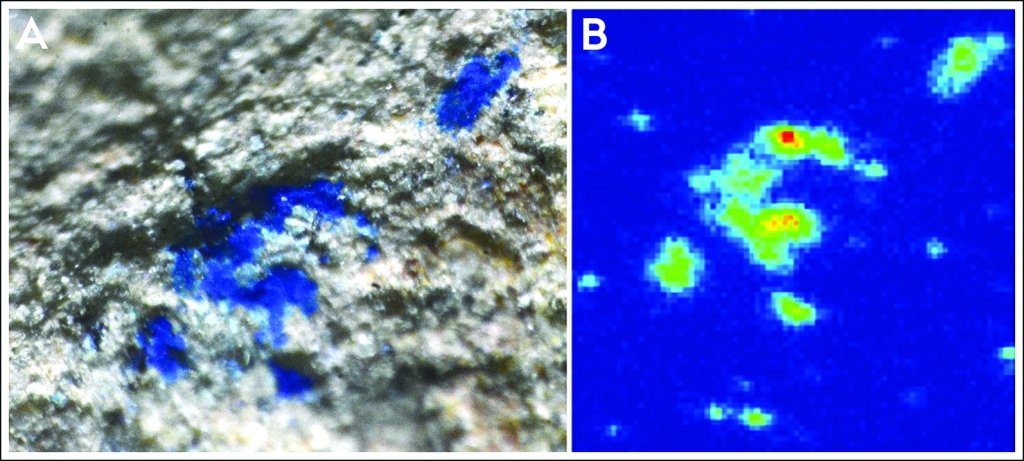
Researchers analyzing a stone from the Paleolithic site Mühlheim-Dietesheim in Germany have identified the earliest known use of blue mineral pigment in Europe. The study, published in the journal Antiquity, found traces of azurite on a roughly 13,000-year-old stone artifact, which is thought to have served as a palette for mixing pigments. This discovery challenges the long-held belief that Paleolithic art relied primarily on red and black pigments, as blue minerals like azurite had not been detected in Europe’s Paleolithic art until now.

rapa nui easter island moai statues sea levels flooding

A new study published in the Journal of Cultural Heritage warns that rising sea levels will impact Chile’s Rapa Nui National Park, a UNESCO World Heritage site, by 2080. Coastal flooding threatens at least 51 culturally significant artifacts, including the iconic Moai statues—nearly 1,000 volcanic tuff figures created by a native Polynesian tribe over 500 years ago, some weighing up to 80 tons. Researchers from the University of Hawai’i at Mānoa used advanced computer models to simulate wave patterns and map projected flooding, overlaying this data with the locations of cultural assets provided by local partners.

romanesque murals return sijena monastery court ruling

Spain's Supreme Court has ruled that 13th-century Romanesque murals removed from the Sijena Monastery during the Spanish Civil War must be returned to their original home in Aragon. The artworks have been housed at the National Art Museum of Catalonia (MNAC) since 1936, after a fire gutted the monastery's chapter house. The ruling dismisses previous agreements that Catalan authorities claimed legitimized their custody, finding that the Sijena religious order never ceded ownership. The decision caps over a decade of legal battles and jurisdictional disputes between Aragon and Catalonia.

france deepest shipwreck camarat 4

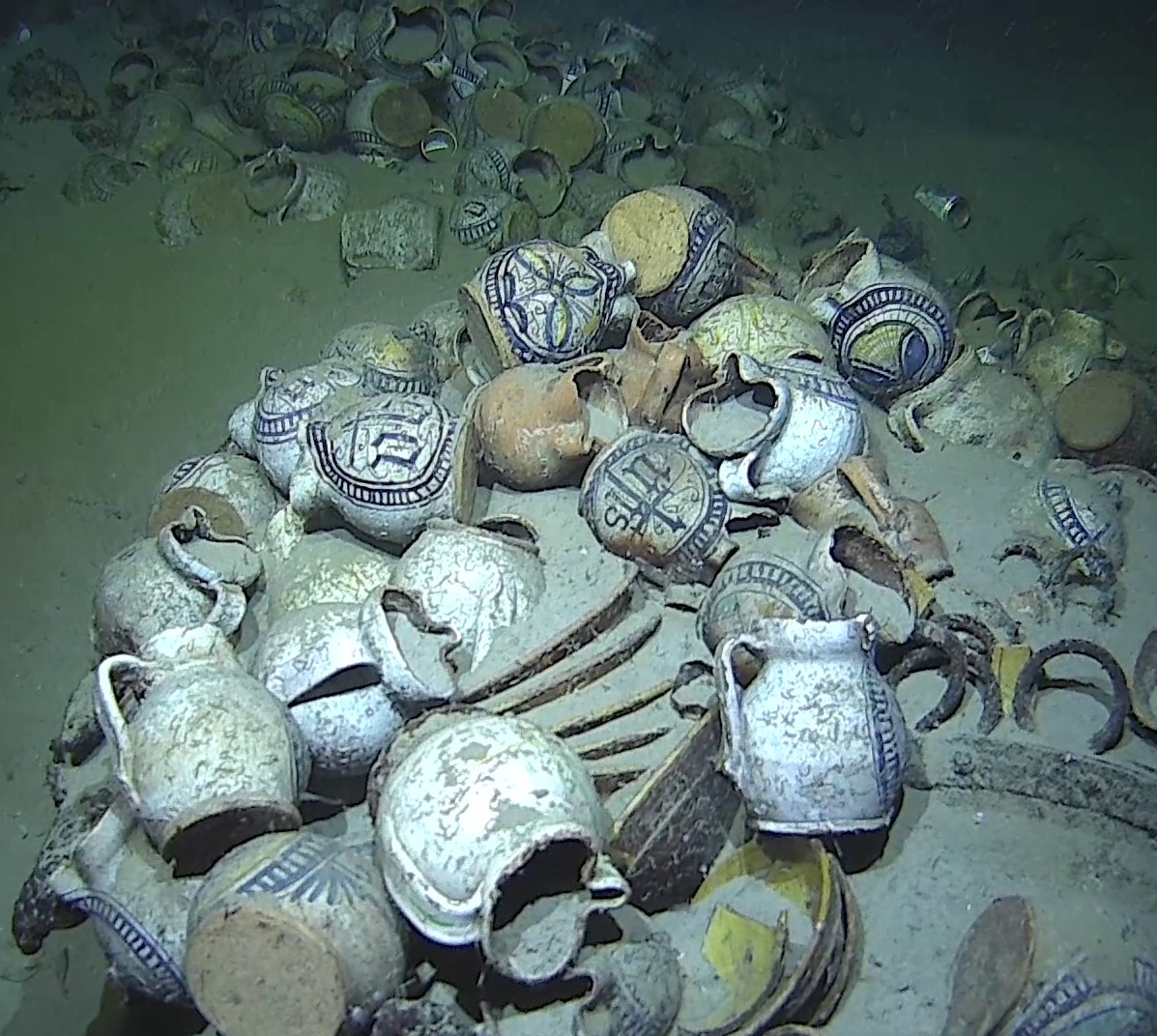
French archaeologists have discovered the wreck of a 16th-century merchant vessel, named Camarat 4, 1.6 miles below the Mediterranean Sea—the deepest shipwreck ever found in French waters. The French Navy first detected the site via sonar during a routine mission off the coast near Saint Tropez, then deployed an underwater drone that captured images of hundreds of ceramic pots. The Department of Underwater and Submarine Archaeological Research (DRASSM) confirmed the 98-foot-long ship sank nearly 500 years ago, carrying cargo including polychrome earthenware pitchers and plates traced to Liguria, Italy, along with cannons and iron bars.

san jose wreck found coins

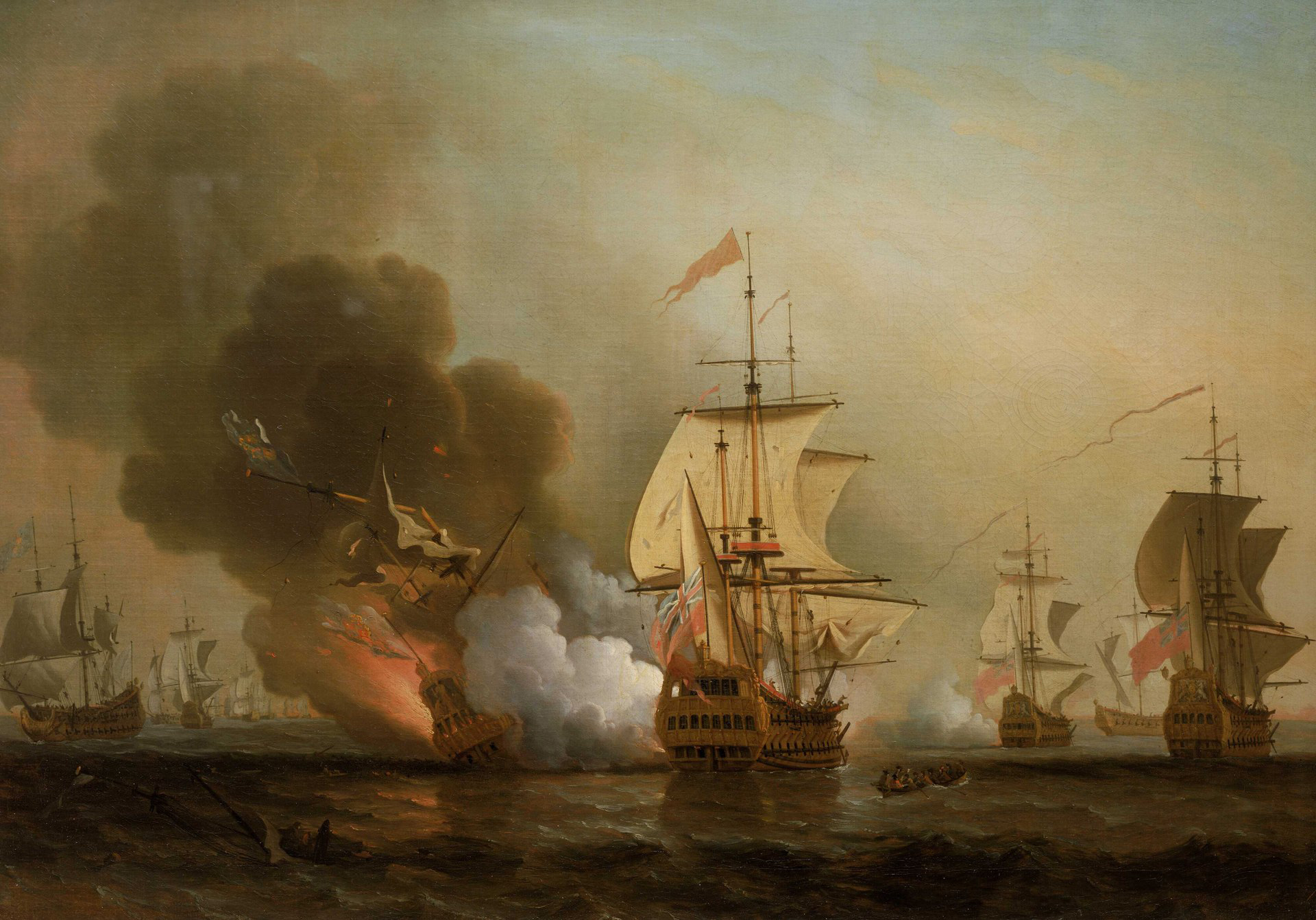
Researchers have confirmed the identity of the Spanish galleon San José, which sank off the coast of Colombia in 1708 carrying billions of dollars in gold, silver, and gems. Using high-resolution photographs and digital models from remotely operated vehicle surveys, they identified hand-struck coins (cobs) minted in Lima in 1707, along with Chinese porcelain and cannon inscriptions, as key evidence. The findings were published in the journal Antiquity on June 10.

egyptian blue pigment recreated

A team led by Washington State University has successfully recreated Egyptian Blue, the oldest manufactured pigment in history, which was first synthesized in ancient Egypt and used in funerary rituals and Roman art. The production process was lost during the Renaissance. Working with the Smithsonian’s Museum Conservation Institute and the Carnegie Museum of Natural History, the researchers developed 12 recipes using silicon dioxide, copper, calcium, and sodium carbonate, heating them at around 1,000 degrees Celsius for up to 11 hours to mimic ancient methods. They discovered that only half the expected amount of blue-producing compounds was needed to achieve the exact chemical match.