filter_list Showing 68 results for "Cher" close Clear
dashboard All 222 museum exhibitions 69article news 68article local 29trending_up market 18article culture 9person people 8article policy 7gavel restitution 6candle obituary 6rate_review review 2
date_range Range Today This Week This Month All
Subscribe

How Dalí’s Amber Varnish May Have Caused This Painting to Decay

A new scientific study has revealed the cause of deterioration in Salvador Dalí's 1946 painting 'The Temptation of Saint Anthony.' Researchers from the Royal Museums of Fine Arts of Belgium and an international team used advanced imaging techniques to determine that the degradation, which includes areas becoming transparent or textured, is linked to the chemical interaction between a zinc white paint layer and an amber varnish layer, both materials specifically advocated by Dalí in his own artistic manual.

Art and Springtime in Upstate NY

This regional update highlights a diverse array of developments, ranging from the seasonal art circuit in Upstate New York to significant human rights actions. Lebanese artist Ali Cherri, a former Venice Biennale Silver Lion winner, has filed a formal war crimes complaint against Israel following a strike in Beirut that killed his parents. Simultaneously, a new report reveals systemic staffing crises within POC-led arts organizations in the Northeast, where over a third of institutions operate without a single full-time employee.

Georgia O'Keeffe Museum Launches Digital Catalogue Raisonné

The Georgia O’Keeffe Museum has launched Access O’Keeffe, a comprehensive digital catalogue raisonné that makes over 2,000 of the artist’s works available to the public for free. Based on the definitive 1999 scholarship by Barbara Buhler Lynes, the platform includes paintings, sketches, and letters, featuring advanced search tools that allow users to filter by color, medium, and theme. The project was completed despite a significant funding scare when a federal grant was briefly rescinded during the Trump administration before being restored via legal action.

Large Roman Villa Uncovered in the U.K. During Wind Farm Survey

Archaeologists conducting surveys for an offshore wind farm project in Norfolk, England, have discovered a significant Roman villa dating back to the 1st through 3rd centuries C.E. The expansive estate, which measures over 100 feet in length, featured a bathhouse, a covered porch, and ancillary buildings for crop processing. Excavations also yielded high-status artifacts including an ornate bronze door handle, a lion-headed furniture foot, and imported pottery, alongside evidence of a Roman road and two lost medieval villages.

Diva Corp Is Disrupting The LA Art Scene

The Los Angeles-based collective Diva Corp is challenging traditional art world hierarchies through a series of provocative interventions and exhibitions. Their recent solo show at Pio Pico, titled 'The Meeting,' gained notoriety for requiring visitors to surrender their phones before viewing a single painting, 'Untitled (Young adults are having less sex than ever), 2026.' This practice, alongside performances designed to circulate through digital retelling and social rumor, highlights the group's focus on the 'afterlife' of an artwork and the social friction it generates.

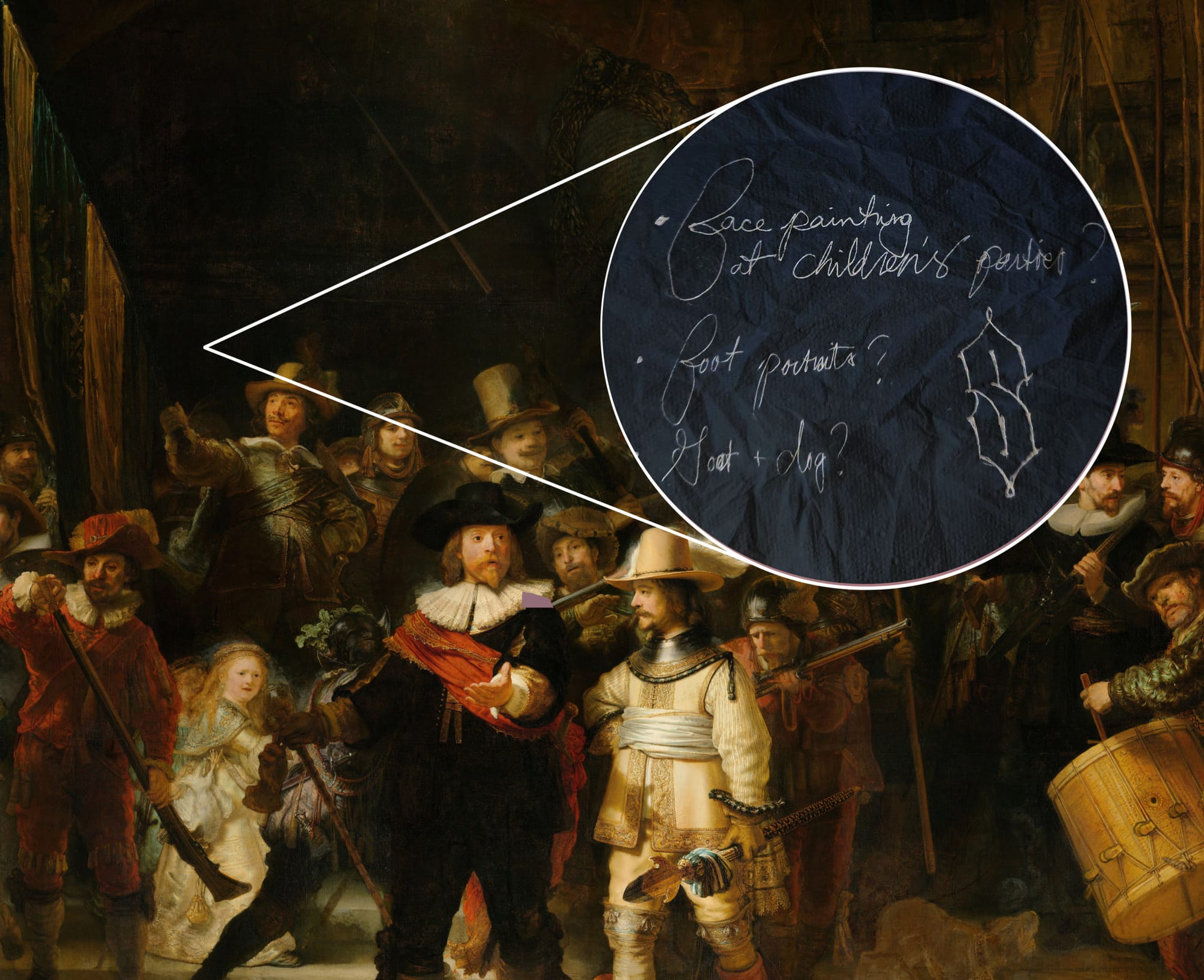
List of Failed Business Ideas Found Beneath Rembrandt’s “The Night Watch”

A recent conservation analysis of Rembrandt's "The Night Watch" at the Rijksmuseum has revealed a surprising discovery beneath the painting's surface. Using macro X-ray fluorescence, researchers uncovered a handwritten list of alternative business ideas considered by the young Rembrandt, including face-painting at children's parties, an umbrella repair shop, and making luxury combs from fishbones.

The INHA library will remain open in August

La bibliothèque de l’INHA restera ouverte en août

The National Institute for Art History (INHA) has announced that its library, located in the Labrouste Room in Paris, will remain open throughout the month of August. This decision breaks from the traditional summer closure common among major French academic and research institutions, ensuring uninterrupted access to one of the world's largest collections of art history resources.

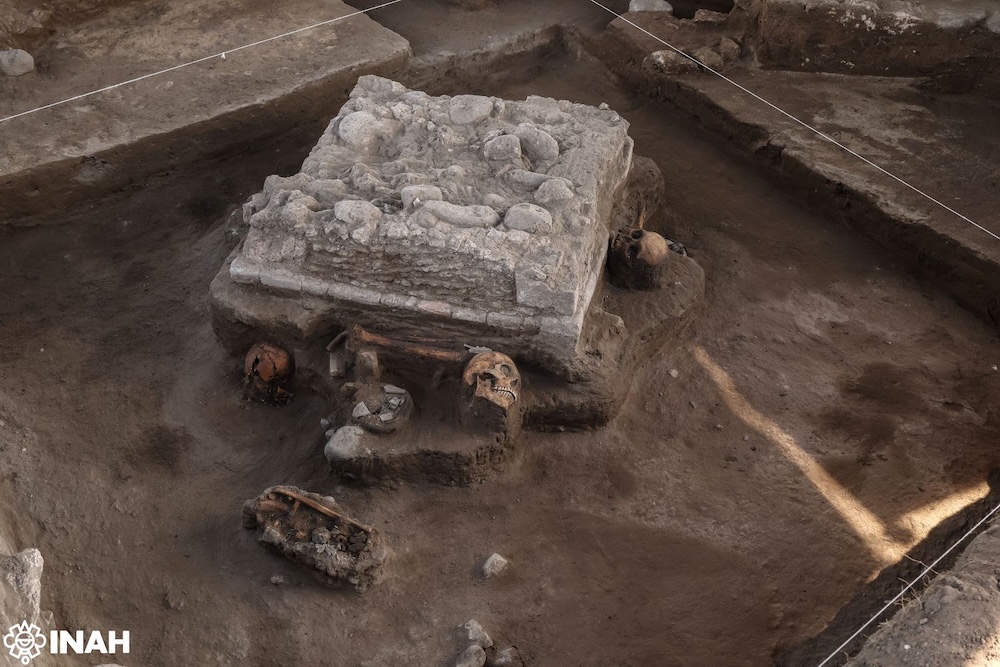
Prehistoric Stone Altar with Human Remains Discovered in Central Mexico

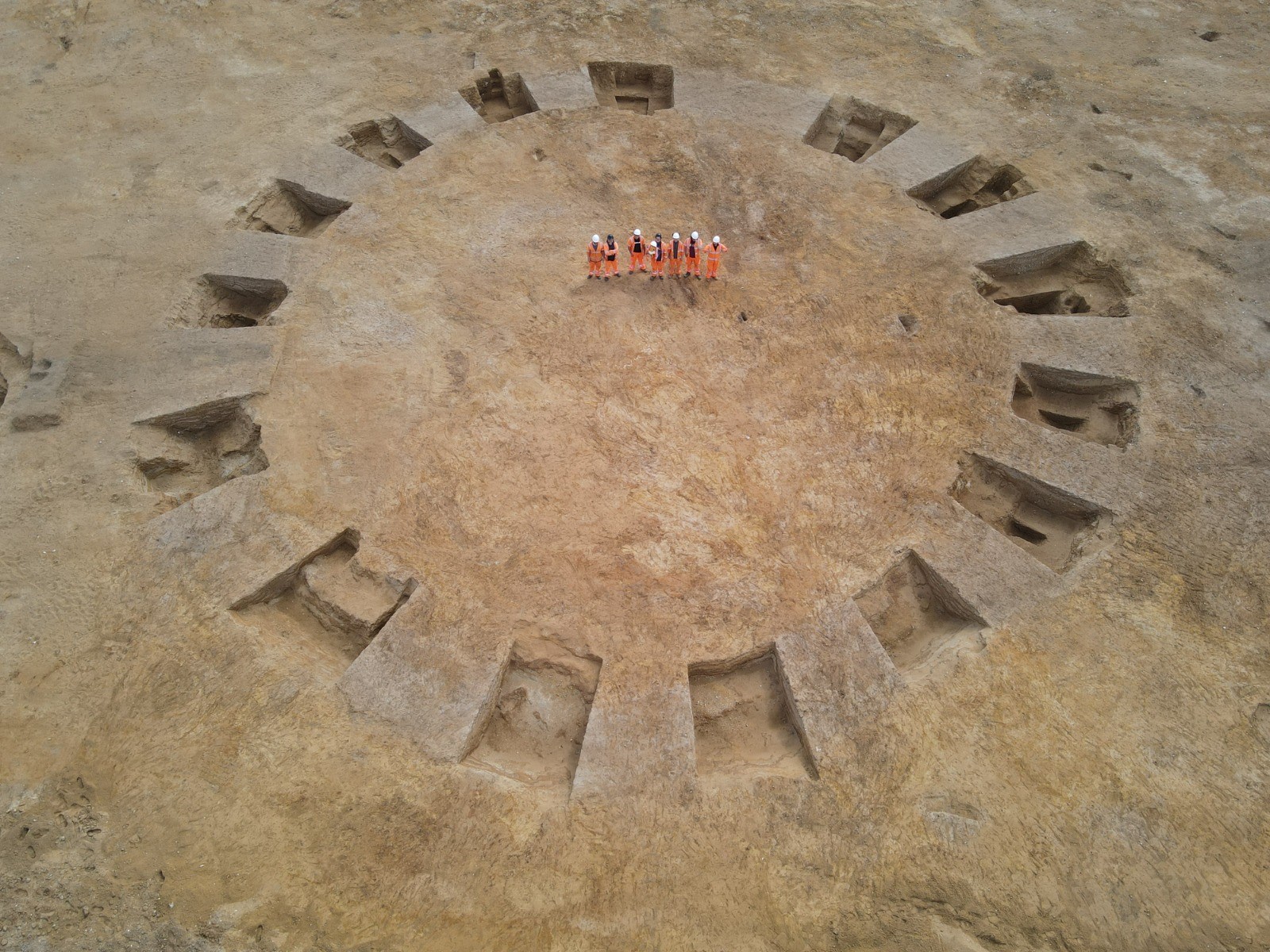
Archaeologists conducting salvage work for a new passenger train line between Querétaro and Mexico City have unearthed a 1,000-year-old Toltec stone altar. Located within the Tula Archaeological Monument Zone in Hidalgo, the three-level structure was found alongside four human skulls, long bones, a black ceramic bowl, and obsidian blades. Preliminary assessments by the National Institute of Anthropology and History (INAH) suggest the remains belong to individuals offered as ritual sacrifices.

Two Bouchers for the Prado

Deux Boucher pour le Prado

The Museo del Prado in Madrid has acquired two significant early pendant paintings by François Boucher, titled 'La Naissance et La Mort d'Adonis.' The works were purchased from a French private collection through the Madrid gallery Ana Chiclana, using funds from the bequest of the late department head Juan José Luna. The paintings have been restored and are currently on public display in the Goya's Majas room, awaiting the reopening of the museum's renovated 18th-century galleries.

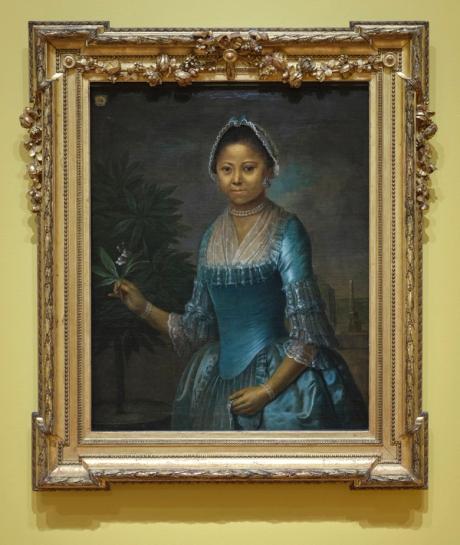
Researchers at Art Gallery of Ontario identify painter and subject of 18th-century portrait of Black woman

Researchers at the Art Gallery of Ontario have identified the artist and sitter of an 18th-century portrait of a young Black woman. The painting, purchased in 2020, is now titled 'Portrait of Eleonora Susette' (1775), revealing the subject as a woman born around 1756 in the Dutch colony of Berbice (now Guyana). The artist is Berlin-born Jeremias Schultz, who painted the portrait in Amsterdam after Eleonora Susette was brought there by her enslaver, the artist's cousin.

What can 160-million-year-old clay tell us about AI and ethics? Inside Es Devlin’s tech and pottery summit

Artist and stage designer Es Devlin convened a diverse group of AI researchers, tech experts, and academics at the Oxford Kilns for a unique summit blending pottery with ethical debate. Participants engaged in the tactile process of shaping 160-million-year-old Jurassic clay while discussing the moral implications of artificial intelligence, ranging from the Turing test to Isaac Asimov’s laws. This collaborative workshop serves as a precursor to Devlin’s upcoming installation, "360 Vessels," created in partnership with composer Nico Muhly.

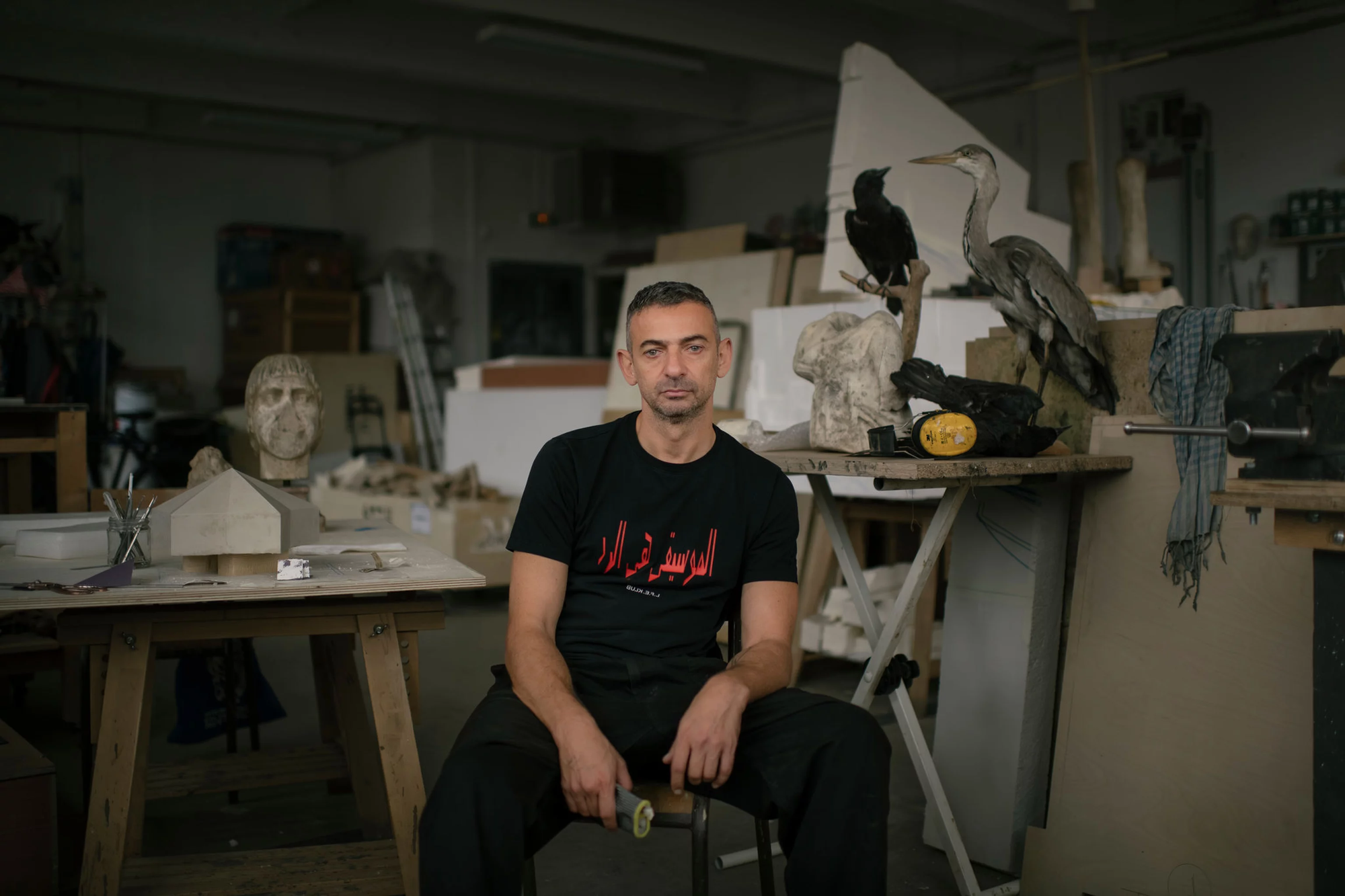
Ali Cherri Files War Crime Case Over Israeli Airstrike on Beirut

French-Lebanese artist Ali Cherri, in collaboration with the International Federation for Human Rights, has filed a civil complaint in a French court's specialized war crimes unit following a 2024 Israeli airstrike in Beirut. The attack, which occurred just hours before a ceasefire, destroyed Cherri’s family home and killed seven civilians, including his parents and their domestic helper. The complaint utilizes digital reconstructions from Forensic Architecture and reports from Amnesty International to argue that the targeting of a residential building without warning constitutes a war crime under international law.

Ali Cherri Files War Crime Case Over Israeli Airstrike on Beirut

French-Lebanese artist Ali Cherri, in collaboration with the International Federation for Human Rights, has filed a civil complaint in a French court regarding a 2024 Israeli airstrike in Beirut. The strike, which occurred in the Noueiri neighborhood just hours before a ceasefire, destroyed Cherri’s family home and killed seven civilians, including his parents and their domestic helper. The legal action, submitted to a specialized war crimes unit, alleges that the targeting of a civilian residence constitutes a war crime under both French and international law.

Researchers Link Two Unattributed Works To Michelangelo

Researchers have attributed two previously unattributed works to Michelangelo. The Royal Institute for Cultural Heritage of Belgium used radiocarbon dating, pigment analysis, and infrared reflectography to link a 16th-century oil-on-canvas Pietà to the master, finding monograms and a date consistent with his work. Separately, Italian researcher Valentina Salerno published a decade-long study using archival documents and stylistic analysis to attribute a marble bust of Christ in a Roman basilica to Michelangelo.

Art, Public Space, and Urban Regeneration: The New Issue of the Render Newsletter Arrives

Arte, spazio pubblico e rigenerazione urbana: arriva il nuovo numero della newsletter Render (iscrivetevi!)

Artribune has announced the release of the 55th edition of its bi-weekly newsletter, Render, which focuses on public art, urban regeneration, and contemporary architecture. This latest issue features a deep dive by researcher Fabio Ciaravella into the role of public monuments in shaping societal views on peace versus war, alongside an interview with Mohamed Khalifa Al Mubarak regarding the Zayed National Museum in Abu Dhabi. Additionally, the newsletter highlights Italian urban renewal projects, the trend of repurposing abandoned cinemas, and upcoming events like Milan Design Week.

Mystery 17th-Century Portrait Sparks Search for Identity of Black Sitter

Researchers at the National Portrait Gallery in London have launched a landmark investigation into a rare 17th-century double portrait featuring a Black boy and a white boy standing side-by-side. The painting, which has hung at the historic Penshurst Place in Kent for centuries, is undergoing extensive restoration and technical analysis to identify the sitters. Experts are particularly struck by the composition, which depicts the Black figure at the same scale and status as the white figure, a significant departure from the era's typical portrayal of Black individuals as marginal attendants.

Native Americans Played Dice Games Far Earlier Than Previously Known, Study Shows

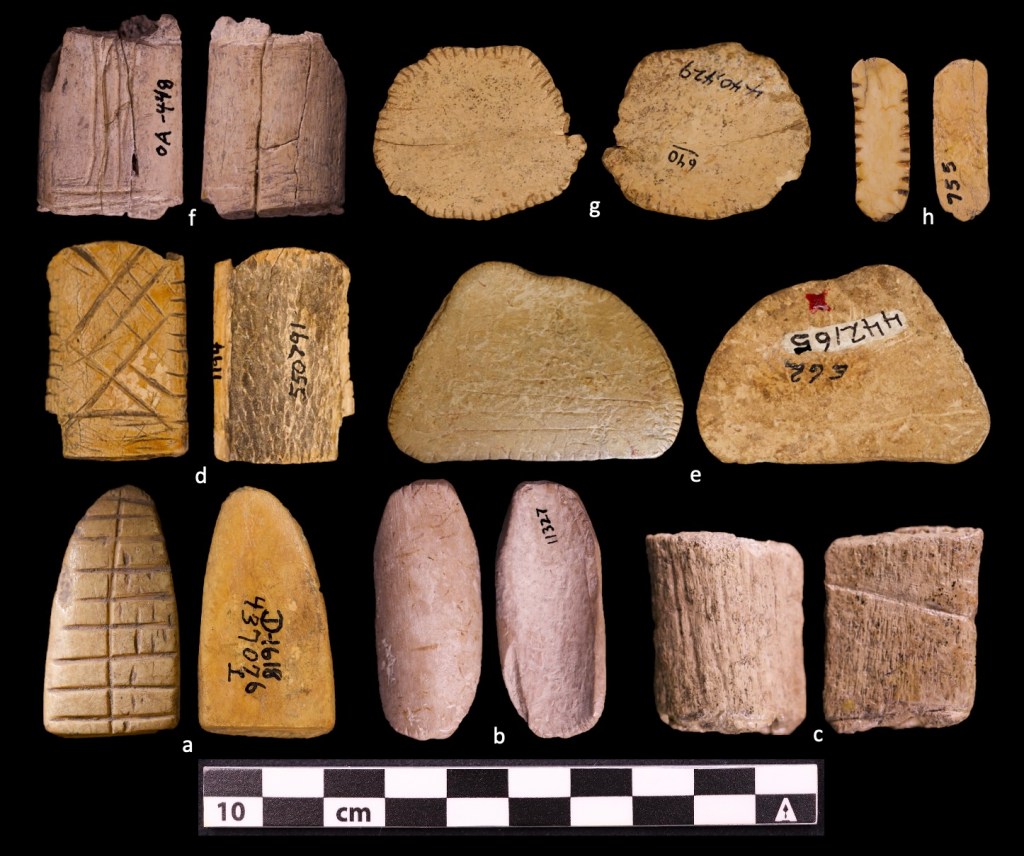
A groundbreaking study from Colorado State University reveals that Native Americans in the western Great Plains were using dice for gaming over 12,000 years ago. Researcher Robert J. Madden identified two-sided dice made of bone or wood from archaeological sites in Wyoming, Colorado, and New Mexico, pushing the known history of games of chance back significantly further than previously recorded.

Remnants of 3,400-Year-Old Loom in Spain Sheds Light on Bronze Age Textile Production

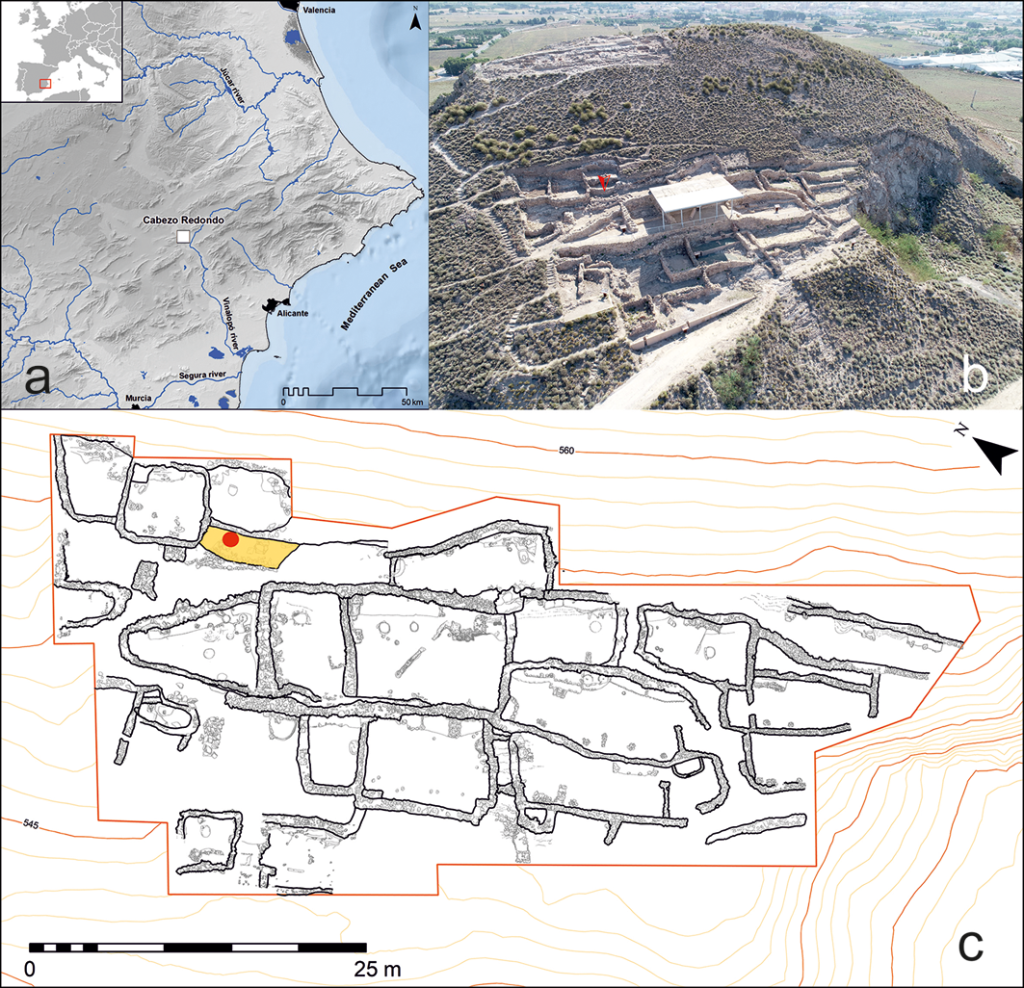
Archaeologists in Spain have published new research on a remarkably preserved 3,450-year-old wooden loom, discovered in 2008 at the Cabezo Redondo site. The loom survived because a fire destroyed the surrounding Bronze Age village and a roof collapsed on it, charring and protecting the wood from decay. This rare find includes over 200 lightweight loom weights, suggesting the community was engaged in intensive production of delicate wool textiles.

250-Year-Old Kiln Discovered on Thomas Jefferson’s Monticello Estate

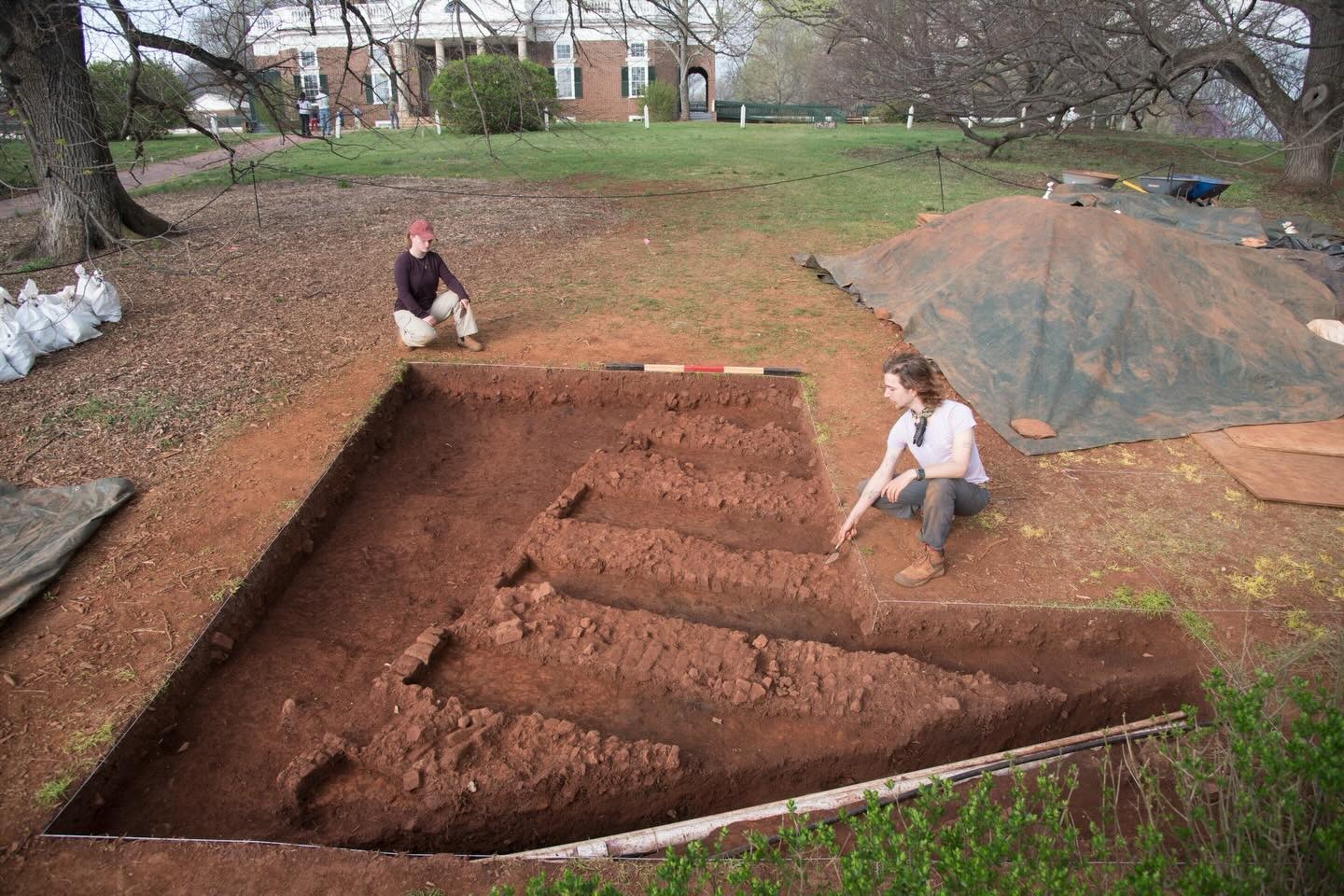
Archaeologists at Thomas Jefferson’s Monticello estate have unearthed a 250-year-old kiln used to fire bricks for the plantation’s original construction. Located on the East Lawn just feet from the main house, the site was identified through the discovery of specialized curved bricks, including cyma-shaped and ovolo-molded specimens. These architectural details confirm the kiln dates back to the "Monticello I" period (1768–1782), as these specific water table features were omitted during Jefferson’s later 18th-century renovations.

Researchers Confirm Location of Lost City of Alexandria on the Tigris

An international research team has confirmed the rediscovery of the lost city of Alexandria on the Tigris in Iraq. Founded by Alexander the Great, the city was a major trading hub until the 3rd century CE. Its location was identified through a combination of historical research, aerial photography, and recent non-invasive surveys using drones and magnetometry, which revealed the city's planned layout under difficult security conditions.

Lost Page From Archimedes Palimpsest Reappears In French Museum

A researcher has identified a long-lost page from the Archimedes Palimpsest, a 10th-century manuscript containing copies of the Greek mathematician's treatises. The page, held at the Musée des Beaux-Arts in Blois, France, was matched to a leaf documented in 1906 photographs and contains diagrams from "On the Sphere and the Cylinder" on one side and a later-added religious illustration on the other.

Archaeologists Uncover a 2,000-Year-Old Hillfort in Estonia

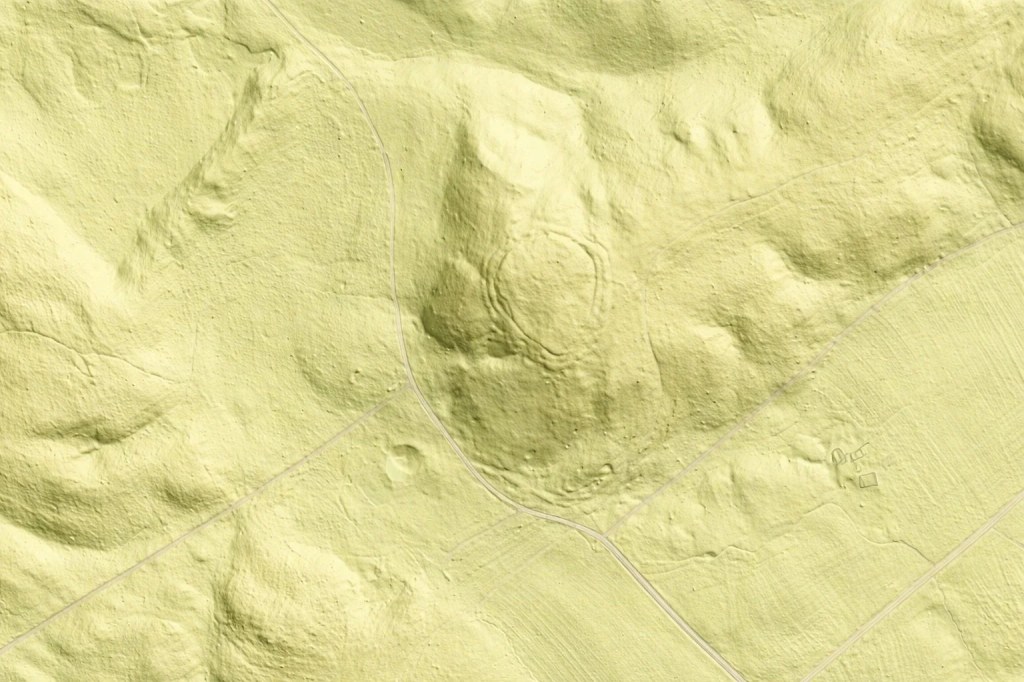
Archaeologists from the University of Tartu have discovered a 2,000-year-old Iron Age hillfort at Köstrimägi in Tartu County, Estonia. Using high-resolution terrain mapping, the team identified a 16,000-square-foot fortification featuring an unusual stepped rampart system that dates back to between 41 BCE and 9 CE. Despite its size, the site yielded few artifacts beyond pottery fragments and charcoal, suggesting a very brief period of occupation before it was destroyed by fire.

How Much Did It Cost to Paint a Pompeii Room Egyptian Blue?

How Much Did It Cost to Paint a Pompeii Room Egyptian Blue?

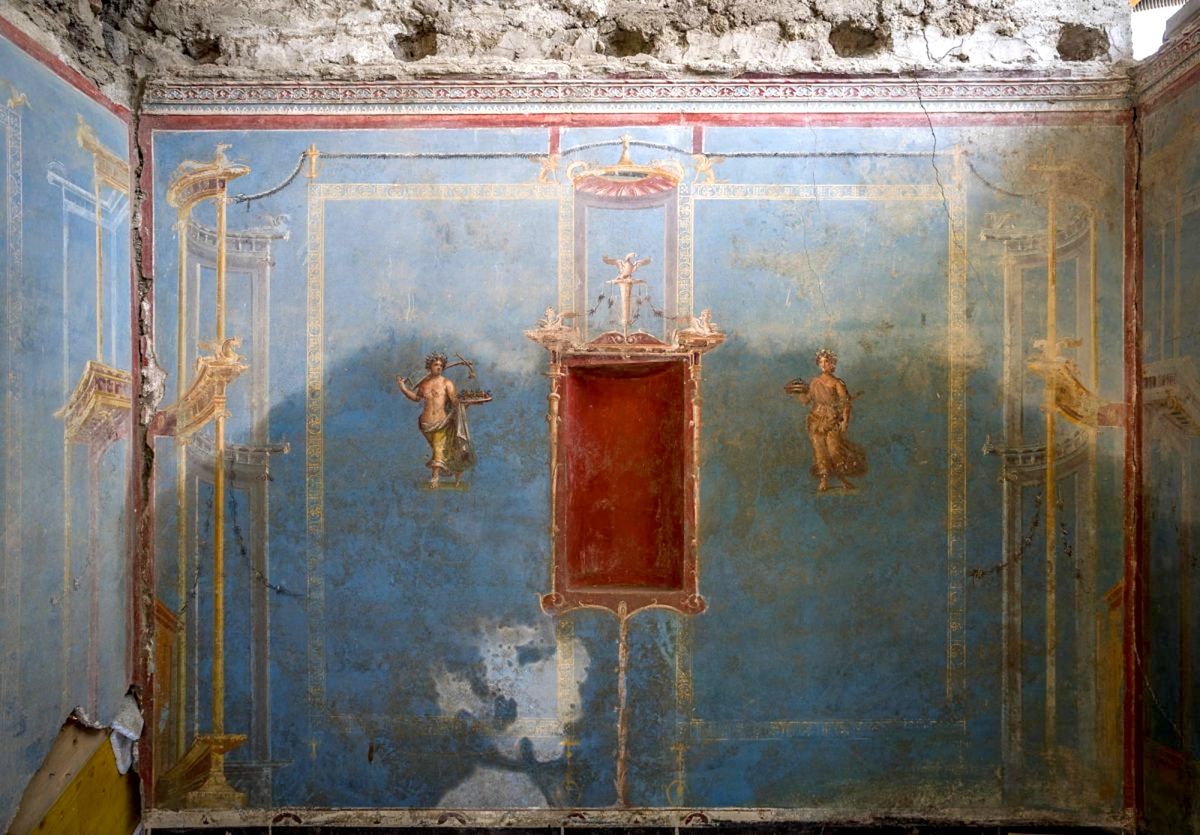
A new study has calculated the staggering cost of painting a room in Pompeii with Egyptian blue pigment. Researchers determined that covering the walls of a recently discovered "Blue Room," a sacred shrine, would have required between 2.7 and 4.9 kilograms of the prized synthetic pigment. Based on prices recorded by Pliny the Elder, this quantity of high-grade pigment would have cost between 50% and 90% of a Roman legionary's annual salary, highlighting it as an extreme luxury.

Sound Archives Open in Ravenna: The Best of National and International Performing Arts Now Available

A Ravenna aprono gli Archivi Sonori: a disposizione il meglio delle arti performative nazionali e internazionali

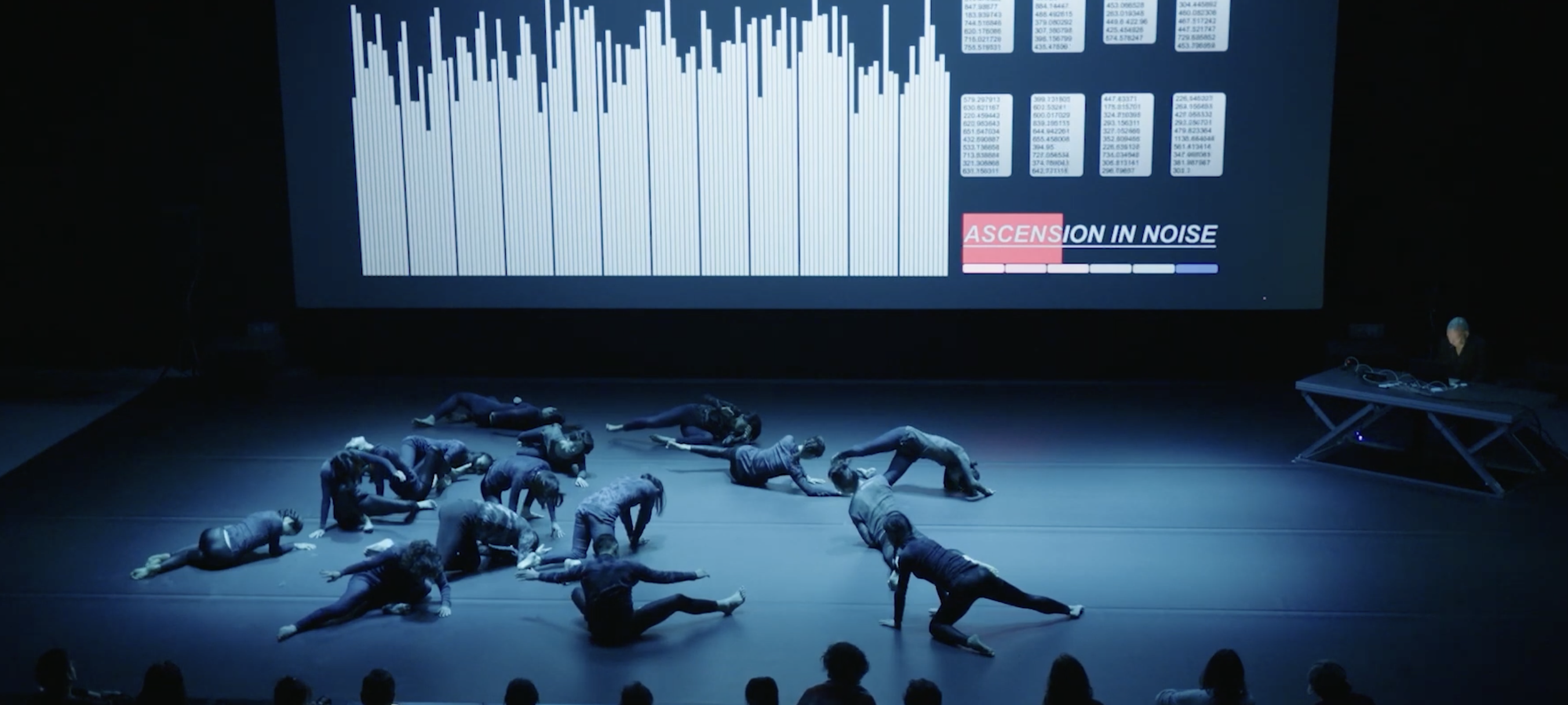
The city of Ravenna has officially inaugurated the Archivi Sonori (Sound Archives) at Palazzo Malagola, a new international center dedicated to vocal and sonic research. Founded by actress Ermanna Montanari and scholar Enrico Pitozzi, the archives offer public access to a vast collection of audio and video materials documenting the experimental work of 33 influential Italian and international performers, including Demetrio Stratos, Joan La Barbara, and Alvin Curran. The facility features specialized listening and viewing rooms, including an immersive sonic chamber and a cinema hall, all navigated via touchscreens featuring anatomical heart motifs designed by artist Stefano Ricci.

Researcher Announcement: 'Genre Palissy' Pottery in 19th-Century France

Annonce de chercheur : Les poteries « genre Palissy » au XIXe siècle en France

A doctoral candidate in art history, Mariette Boudgourd, has announced a public call for information to aid her research on 19th-century French ceramics in the 'genre Palissy' style. Her thesis aims to define the corpus of these works, analyzing their production techniques, market diffusion, and the construction of the myth surrounding the Renaissance potter Bernard Palissy.

Archaeologists Discover 6,000-Year-Old ‘Megastructure’ in Romania

Archaeologists in northeastern Romania have unearthed a 6,000-year-old 'megastructure' at the Stăuceni-"Holm" site, attributed to the Cucuteni-Trypillia culture. Measuring approximately 350 square meters, the building is significantly larger than typical dwellings of the period and was strategically positioned near the settlement's entrance. The absence of domestic tools or ritual statuettes suggests the space served as a communal assembly hall or administrative center rather than a private residence.

What Did Pompeii Smell Like? A New Study Analyzes Its Ancient Incense

A team of international researchers has published the first scientific analysis of ritual incense residues from Pompeii. By examining ash from two ancient censers—one from an inn and another from a domestic shrine—they identified charred plants like oak and laurel, as well as evidence of imported frankincense from India.

Massive Cache of 42,000 Pottery Shards Reveals Daily Life in Ancient Egypt

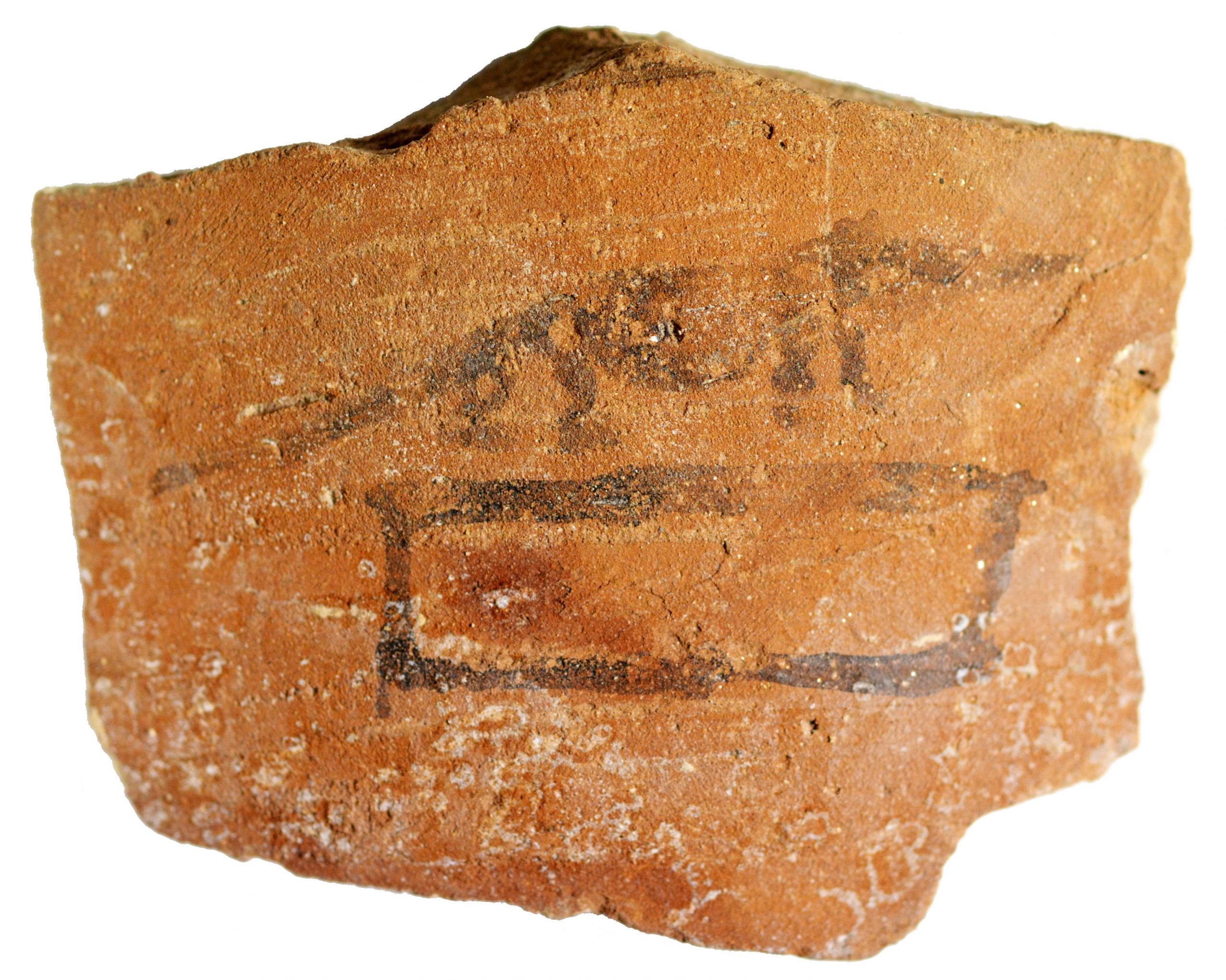
Archaeologists from the University of Tübingen and the Egyptian Ministry of Tourism and Antiquities have unearthed a massive collection of over 42,000 inscribed pottery shards, known as ostraca, at the ancient site of Athribis. The shards, dating from the 3rd century B.C.E. to the 11th century C.E., contain tax receipts, religious texts, school exercises, and personal notes written in Demotic, Greek, Hieratic, Coptic, and Arabic scripts, offering an unprecedented window into the daily lives of ordinary people.

‘This cactus looks as if it’s preaching’: Joseph Cyr’s best phone picture

Joseph Cyr, a language teacher and avid trail runner, captured a rare crested saguaro cactus while running in Saguaro National Park near Tucson, Arizona. The photograph highlights a unique mutation found in only about 75 of the park's estimated two million saguaros, featuring a fan-like growth that gives the plant a distinct, human-like silhouette.

Tokyo cherry blossom and Holy Week processions: pictures of the day – Thursday

The Guardian's picture editors curated a global selection of photographs for April 2, 2026. The images include scenes of cherry blossoms in Tokyo and Seoul, Holy Week processions in Costa Rica and Venezuela, a NASA rocket launch in Florida, political events in the US and the Middle East, and the aftermath of storms in Greece.