filter_list Showing 216 results for "Rise" close Clear
search
dashboard All 216 museum exhibitions 103article news 33article culture 29article local 22trending_up market 14rate_review review 6person people 5article policy 3candle obituary 1
date_range Range Today This Week This Month All
Subscribe

This Family Made Gin on Zoom During Covid. Here’s How It Became an Art World Staple.

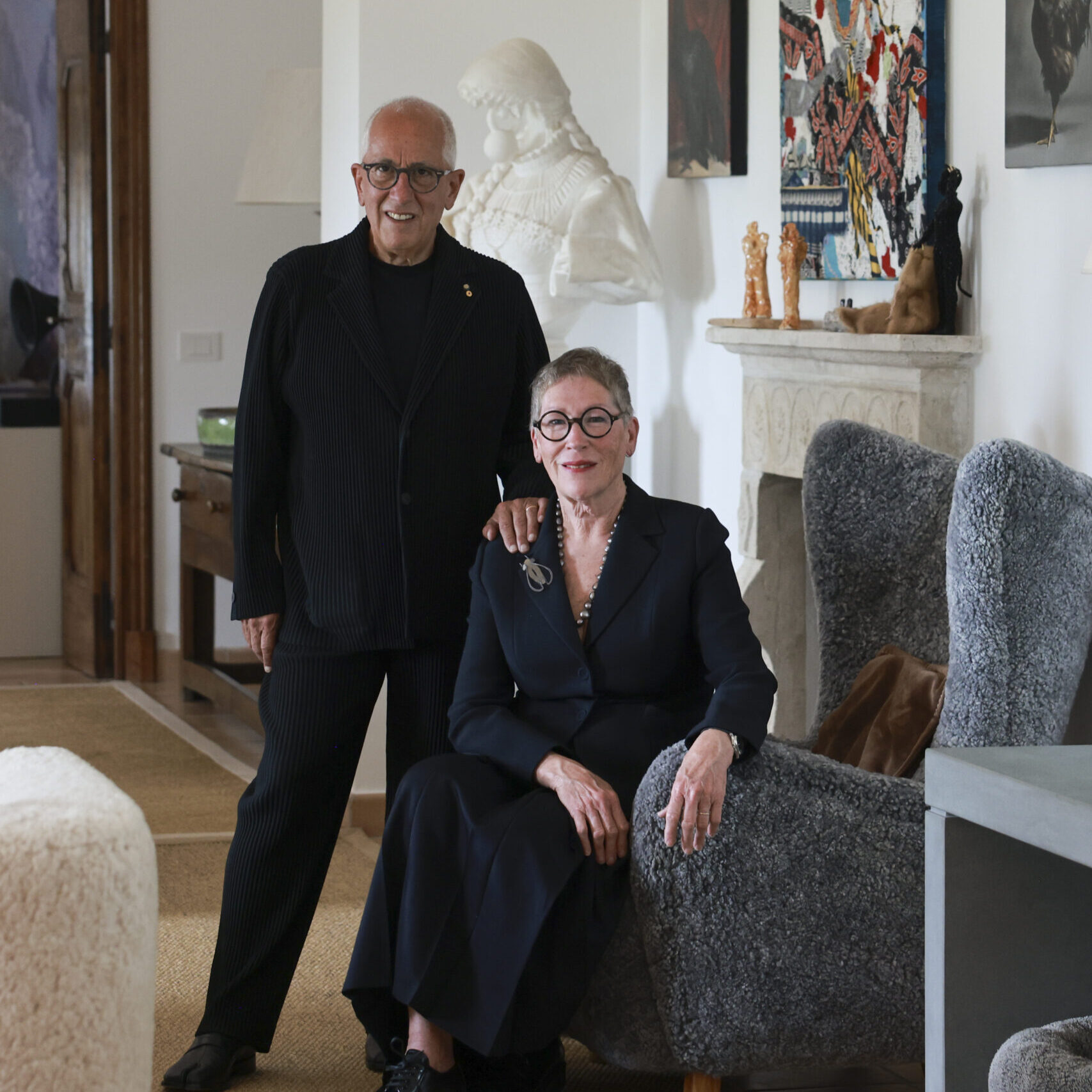
During the pandemic, the Mordant family—Simon, Catriona, Brielle, and Angus—began making gin from wild juniper on their Umbria property, splitting operations between Italy, London, and upstate New York. After enrolling in a master gin-making course and refining recipes via Zoom, they entered their creation into the World Gin Awards, earning a triple-gold medal with a score of 97 out of 100. Despite initially producing only 502 bottles not intended for sale, global demand prompted them to scale up commercially, leading to Quattro Gatti becoming the official gin of the Venice Biennale.
Tra carte, fotografie e concettualismo. Tutto il programma di mostre da vedere alla GAM di Torino nella seconda metà del 2026

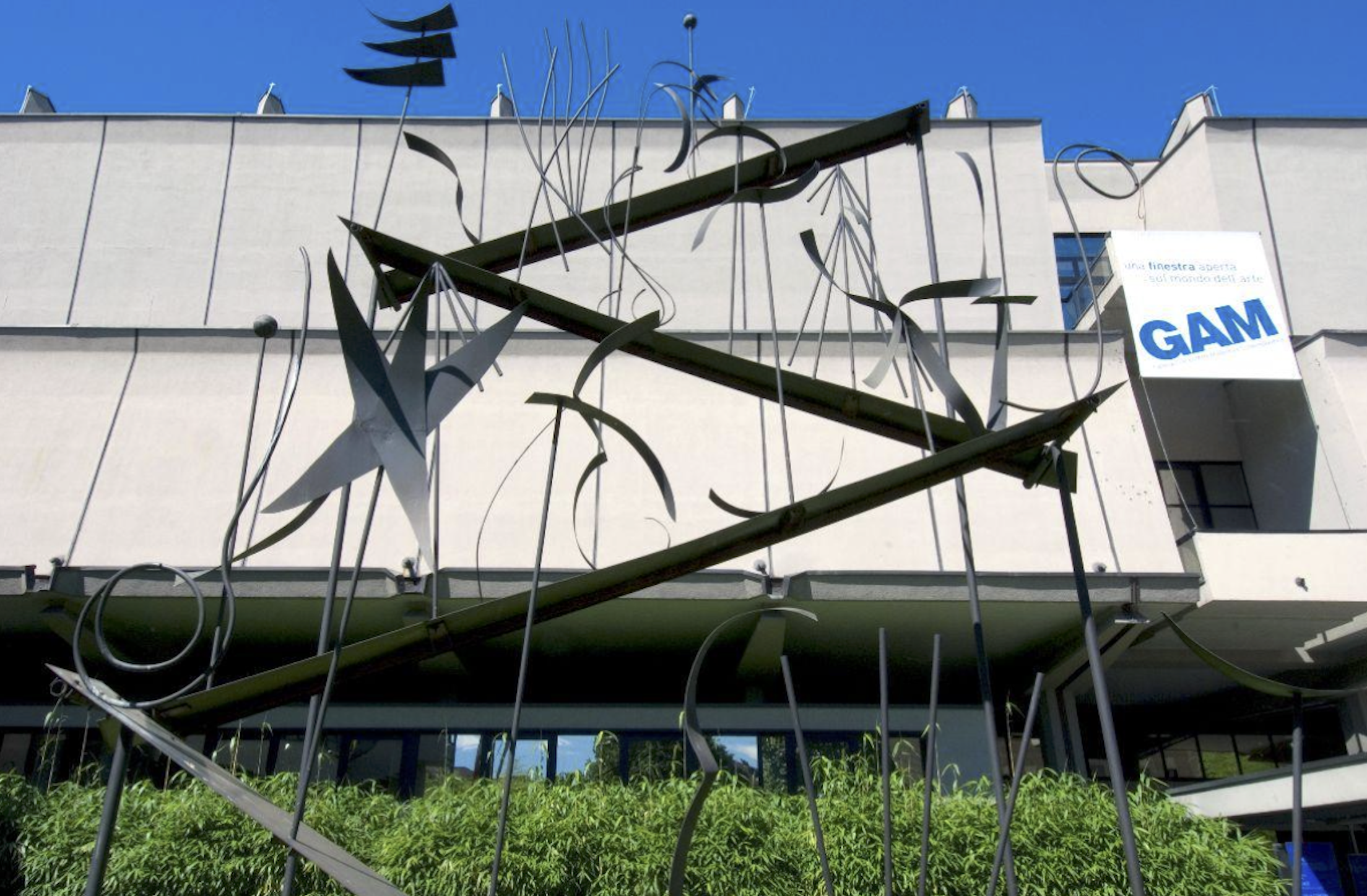
The Galleria d'Arte Moderna (GAM) in Turin has launched "Quarta Risonanza," an exhibition program running from May 21 through November 1, 2026. The program comprises four distinct projects: a major survey of works on paper from the museum's collections titled "Un altro Novecento," curated by Fabio Cafagna and Elena Volpato; an intervention by artist Pesce Khete as the program's "Intruso"; a photographic series by Lisetta Carmi exploring eroticism and authority at the Staglieno cemetery, presented in dialogue with sculptures; and a centenary exhibition for conceptual artist Vincenzo Agnetti, "Oggi è un secolo," curated by Chiara Bertola and Virginia Lupo, focusing on his Photo-graffi works from 1979–1981.

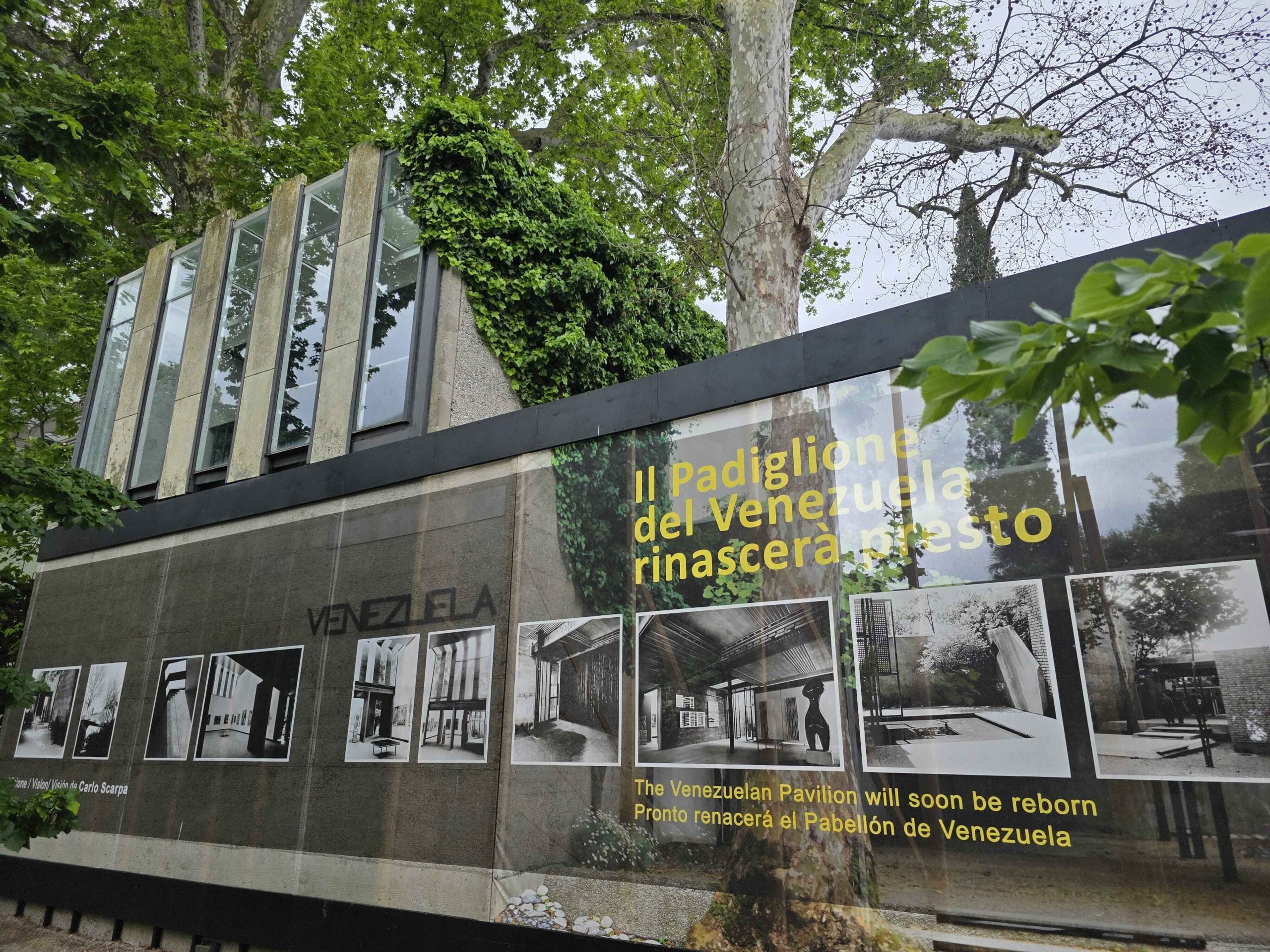
There is an absent pavilion at the 2026 Venice Art Biennale that no one has talked about: Venezuela

C’è un padiglione assente alla Biennale d’Arte di Venezia 2026 di cui nessuno ha parlato: il Venezuela

The Venezuelan pavilion at the 2026 Venice Art Biennale remains closed, an absence that has gone largely unnoticed amid other controversies surrounding the Russian, Israeli, South African, and Iranian pavilions. Designed by architect Carlo Scarpa and built between 1953 and 1956, the pavilion now displays a trilingual sign stating it will "rise again soon," reflecting the country's collapse after the kidnapping and imprisonment of President Nicolás Maduro by the United States and the installation of a fragile pro-American interim government.

Linda Lach, Diane Severin Nguyen at Gunia Nowik Gallery

Gunia Nowik Gallery in Warsaw presents a two-person exhibition featuring artists Linda Lach and Diane Severin Nguyen, running from April 10 to May 23, 2026. The show is organized in collaboration with Galerie Molitor and includes a bilingual guide in English and Polish. Documentation of the exhibition comprises 18 images, photographed by Katarzyna Legendź.

Habib Hajallie’s Meticulous Ballpoint Pen Drawings Examine the Depths of Emotion

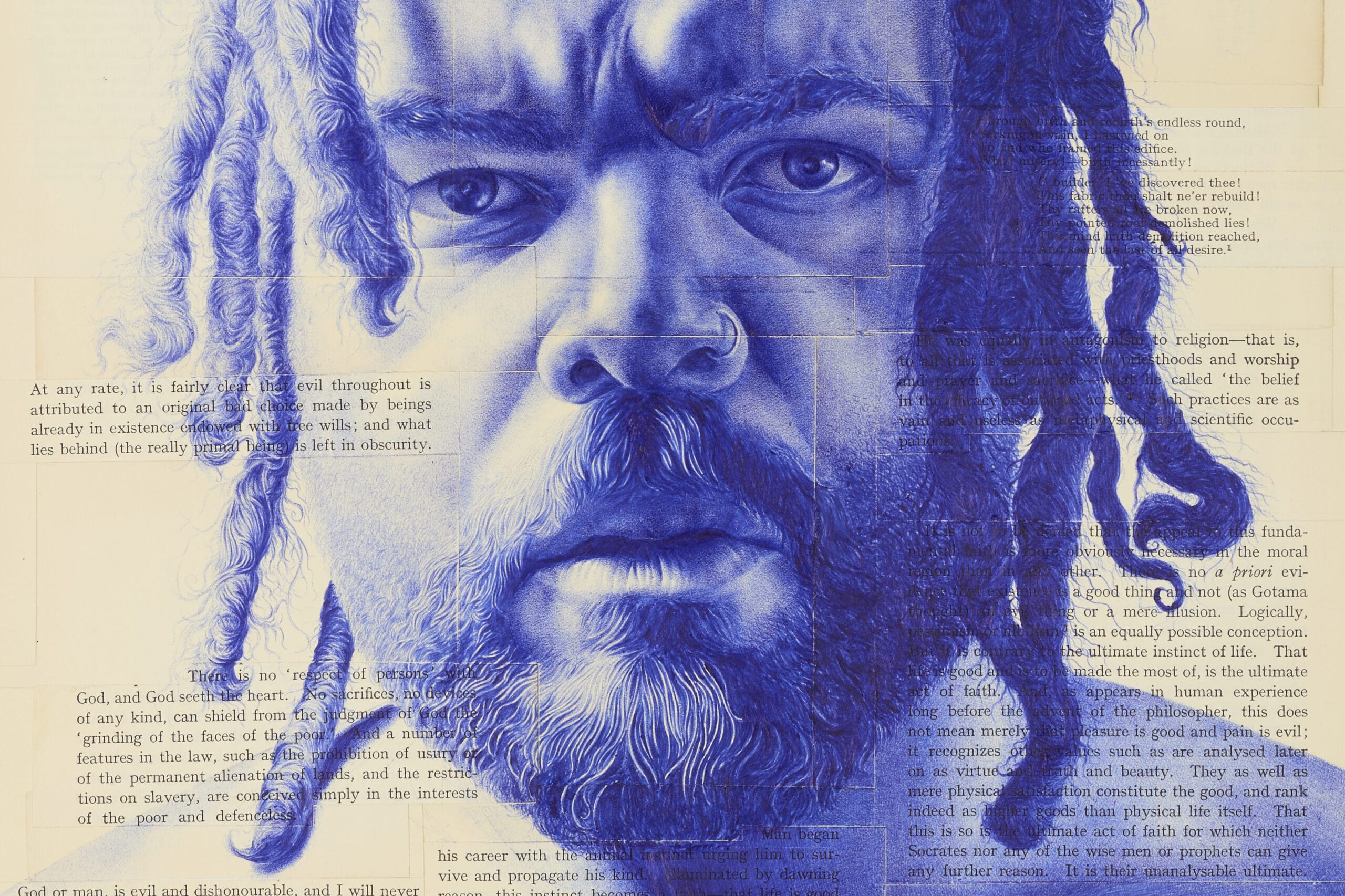
Habib Hajallie, a Kent-based artist of Sierra Leonean and Lebanese heritage, presents a new solo exhibition titled "Black & Blue" at Larkin Durey in London. The show features meticulous ballpoint pen drawings on found fragments of philosophical and historical texts, exploring themes of memory, connection, and loss. For this series, Hajallie switched from black to blue ink as he grapples with the stillbirth of his daughter and the loss of his sister four years ago. Works include self-portraits and depictions of Black cultural figures, conveying emotions such as despair, confusion, numbness, and care.

Inspiring Connections

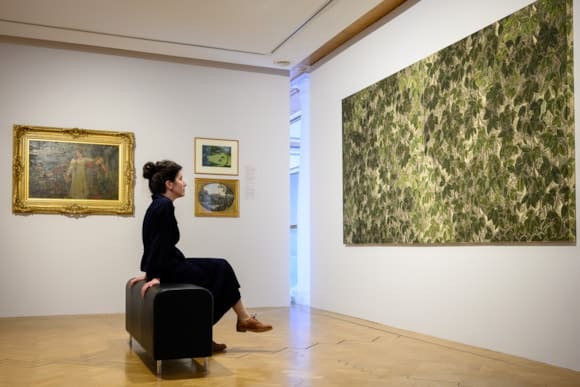
An exhibition titled "Jean F. Watson: An Artistic Legacy" at the City of Edinburgh showcases over 40 historical and contemporary Scottish artworks acquired through the Jean F. Watson Bequest Fund. Featured artists include Arthur Melville, JD Fergusson, Anne Redpath, Joan Eardley, Eduardo Paolozzi, Elizabeth Blackadder, Alison Watt, and Leena Nammari, among others. Highlights include Fergusson's "The Blue Hat, Closerie des Lilas," Blackadder's "Irises," and a pandemic-inspired installation by Virginia Hutchison. The display spans drawing, painting, printmaking, photography, and sculpture across 250 years.

Since 1968, Protests Have Revealed the Real Impact of the Venice Biennale

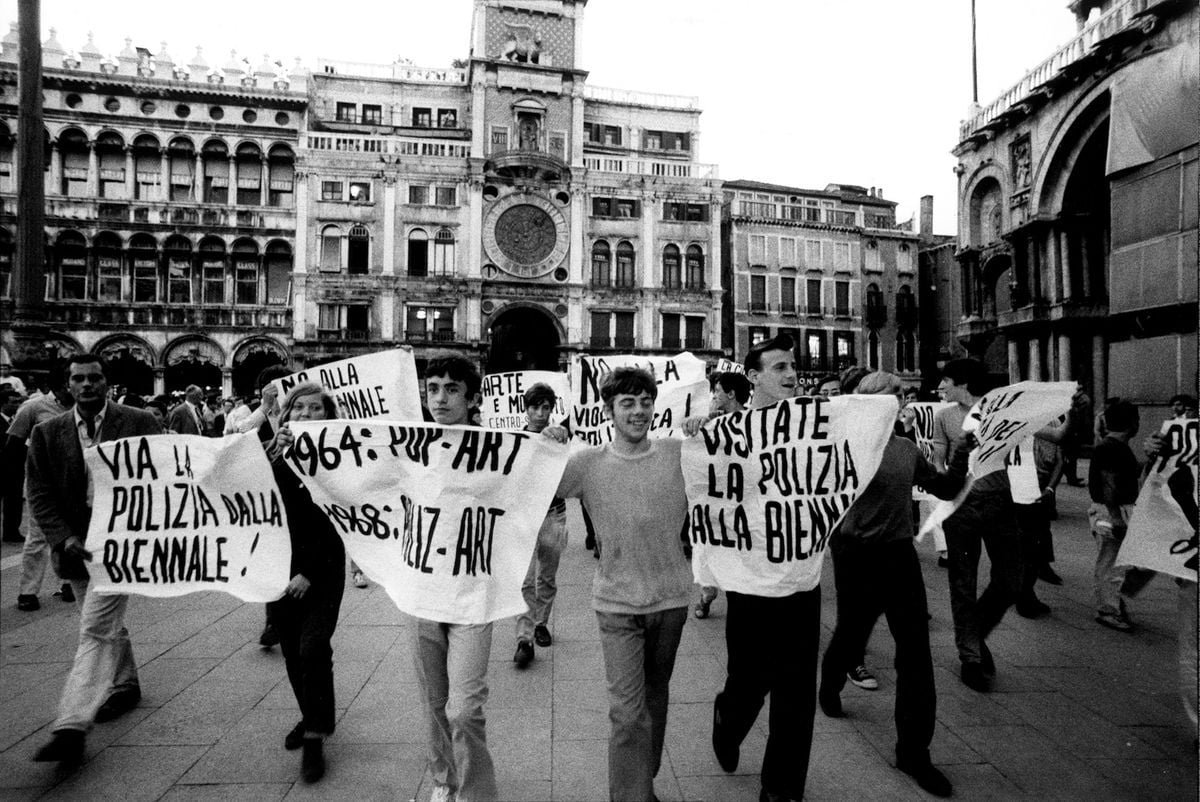
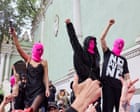
The article recounts the 1968 protests at the Venice Biennale, where artists, students, and activists clashed with police over the event's perceived ties to bourgeois power and capitalist commodification. It draws parallels to the 2024 Biennale, where groups like Art Not Genocide Alliance, Pussy Riot, and Femen demonstrated against the participation of Russia and Israel, while artists staged strikes and performances like the Solidarity Drone Chorus to highlight the Gaza conflict.

Two exhibitions; one shared dialogue: Weyburn Art Gallery

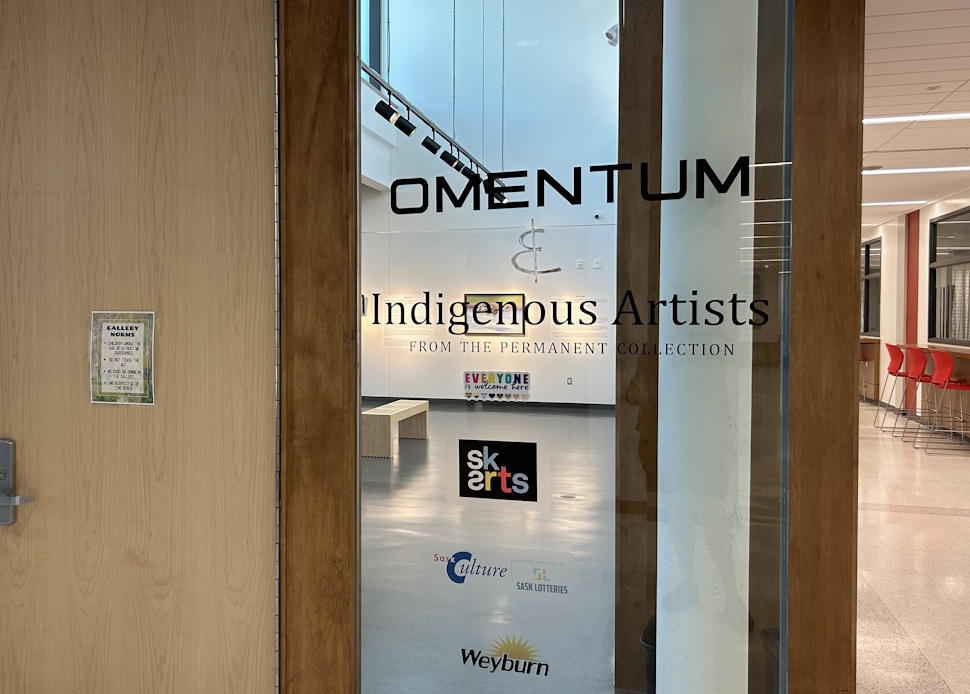
The Weyburn Art Gallery in Saskatchewan is presenting a dual exhibition running through the end of June, featuring two complementary shows. The first, 'Omentum: A look into the Indigenous Experience of the 21st Century- Exhibition Series, 2019' by Nehiyawak-Métis artist John Brady McDonald, comprises ten paintings that address themes such as Missing and Murdered Indigenous Women, cultural appropriation, residential school legacies, and the murder of Colten Boushie. Each painting was personally named by an influential Indigenous figure, including Isaac Murdoch, Rosanna Deerchild, and Dr. Evan Adams. The second exhibition draws from the City of Weyburn’s Permanent Collection, showcasing works by Indigenous artists Michael Lonechild, Ken Lonechild, and Mike Keepness, which explore identity, place, and memory.

Exhibition | Travis MacDonald, 'Had a Farm' at Contemporary Fine Arts | CFA, Berlin, Germany

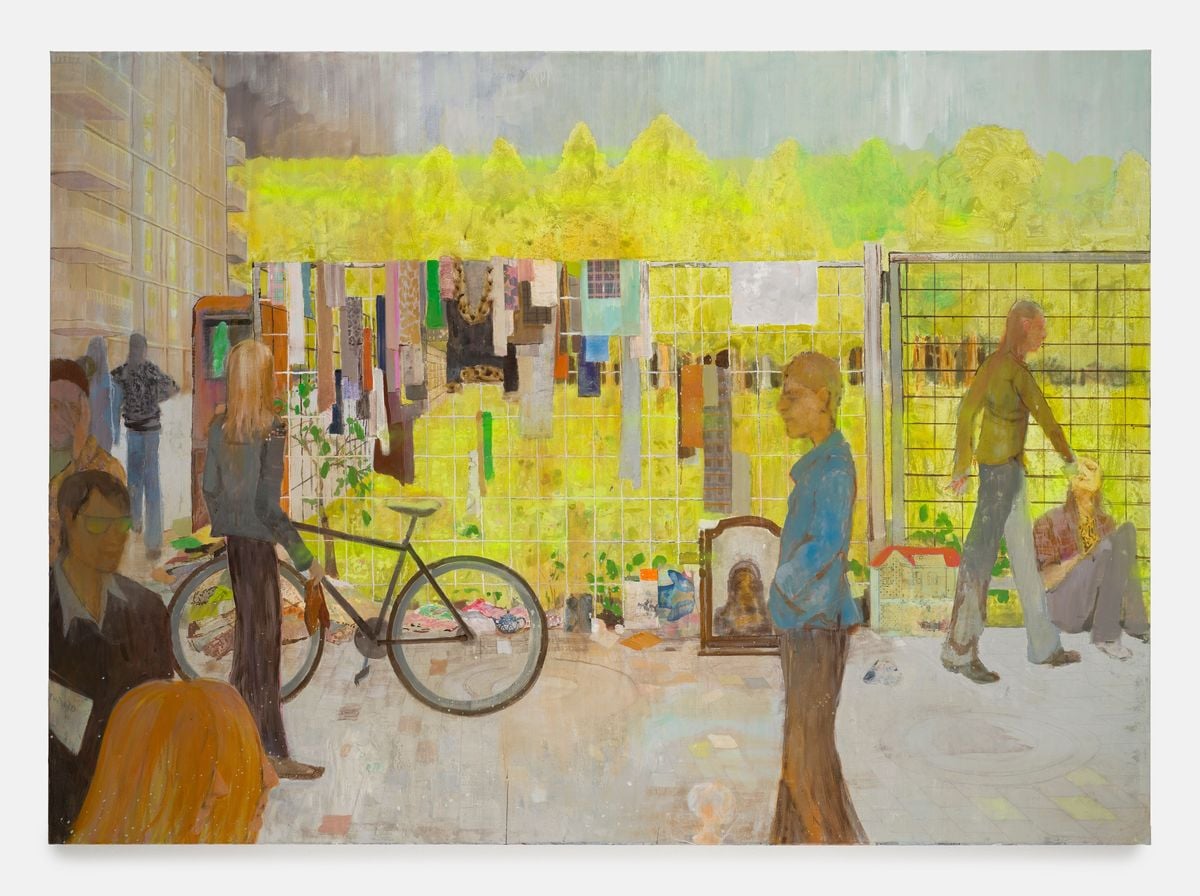
Contemporary Fine Arts in Berlin is presenting 'Had a Farm', a solo exhibition by New Zealand-born artist Travis MacDonald, opening during Gallery Weekend Berlin 2026. The show features new paintings that explore countercultural aesthetics through long-haired, androgynous figures set in a rural-subcultural landscape, drawing on photographic archives of 1970s experimental communes and referencing Pier Paolo Pasolini's essay on hair as a political sign.

Coolidge Corner art gallery relocates, brightening downtown Boston neighborhood

Praise Shadows Art Gallery, a contemporary art gallery focusing on untapped and unrecognized artists, has relocated from Coolidge Corner in Brookline to a larger 2,000-square-foot space on Kingston Street in downtown Boston. The gallery reopened in mid-March after moving in January, with founder and CEO Yng-Ru Chen citing the convenience and breathing room of the new location. The move was facilitated by the Mayor's Office of Arts and Culture and the Downtown Boston Alliance, which aims to fill vacant storefronts with arts businesses and revitalize the neighborhood.

CalArts President Booed During Commencement Speech

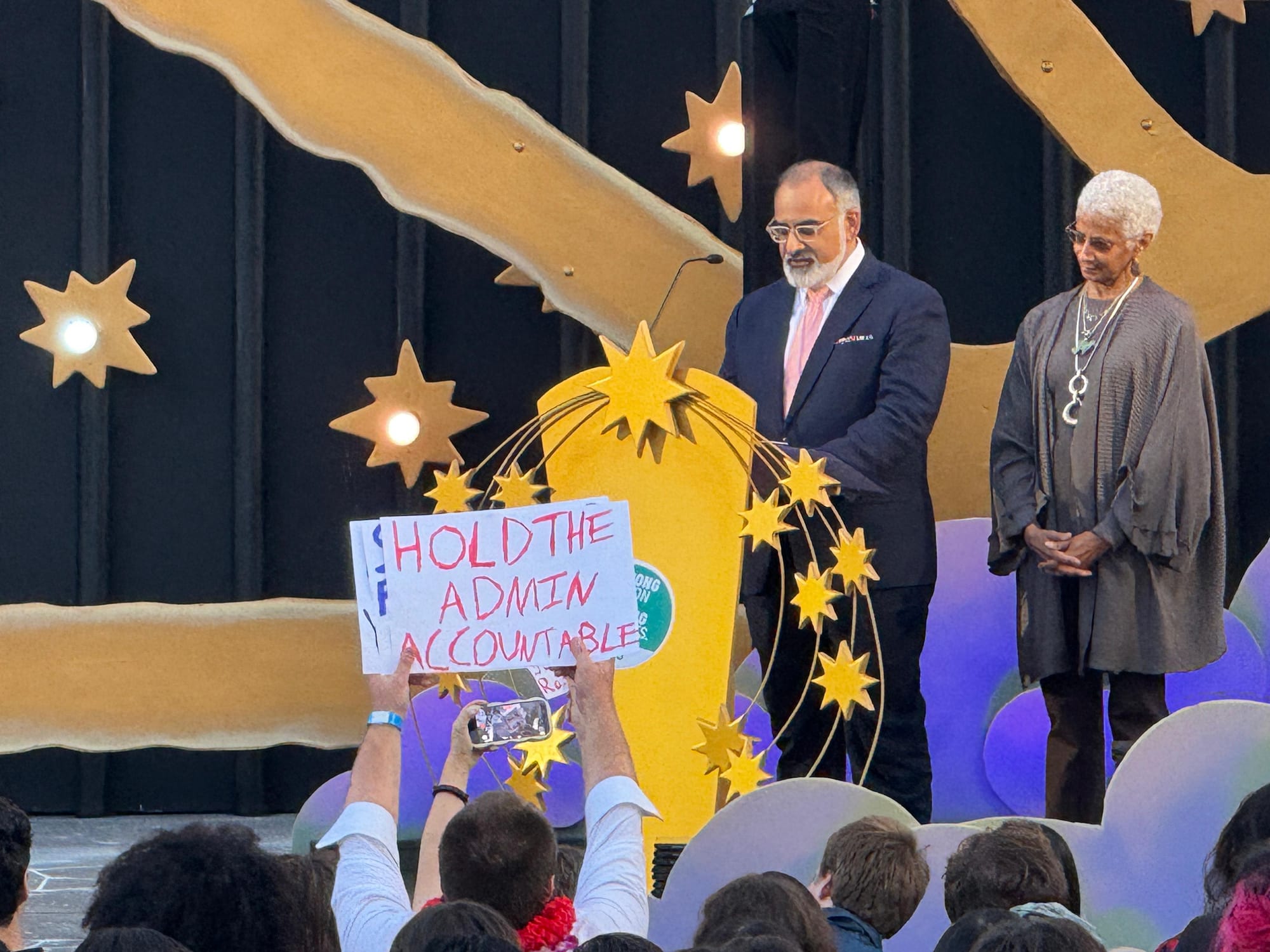
California Institute of the Arts (CalArts) President Ravi S. Rajan was loudly booed by students during the school's commencement ceremony on May 15, as they held signs reading “Hold the Admin Accountable” and “Save Our Faculty & Staff.” The protest stemmed from ongoing financial turmoil at the esteemed art school, including a multi-million-dollar budget deficit, significant staff and faculty layoffs, and a decline in enrollment from 1,500 to roughly 1,200. Despite Rajan's attempts to redirect focus to the graduates, the booing persisted, and board chair Charmaine Jefferson unsuccessfully appealed for calm. The incident follows a broader crisis at CalArts, where over 75% of staff sought to unionize in 2024, and faculty held a “Chop from the Top” rally in March against proposed $5 million in cuts.

Fade to black: inside the US’s abandoned movie theatres

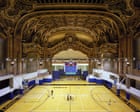
Photographers Yves Marchand and Romain Meffre have documented abandoned early 20th-century movie theatres across the United States, capturing the haunting beauty of their decline. These once-grand cinemas, converted from 1920s music halls and theatres, have been left as hybrid ruins due to the rise of television, streaming platforms, and individualized media consumption. The work is exhibited at Kyotographie 2026 in Japan until 17 May.

From Eurovision to the Venice Biennale, culture contests are being overshadowed by politics

The Venice Biennale and Eurovision Song Contest are being overshadowed by political controversies rather than artistic merit. At the Venice Biennale, the Russian pavilion opened for press previews for the first time since the Ukraine invasion, a decision that may cost the festival €2m in EU funds. The Israeli pavilion will open despite protests from 200 artists and curators, while the South African pavilion will remain empty after its government blocked an artist's tribute to a Palestinian poet. The Iranian pavilion is also shut, and the awarding jury has resigned en masse, meaning no Golden or Silver Lion awards will be given for the first time in 40 years. Similarly, Eurovision's 70th anniversary is dominated by five countries boycotting over Israel's participation, with little focus on the music.

A Theatre Group of Exiled Belarusian Artists Arrive in Venice, With an Exhibition That Shows What Repression Feels Like

The Belarus Free Theatre, an exiled underground theater group, will stage its first official collateral exhibition at the 61st Venice Biennale, titled “Official. Unofficial. Belarus.” The show, held in the historic La Chiesa di San Giovanni Evangelista di Venezia, features site-specific paintings, a sound installation, and large-scale sculptures that aim to immerse visitors in the experience of repression under authoritarian rule. This marks only the fifth time Belarus has been present at the Biennale, and the first time it appears not as a state but as a self-governing cultural body, challenging the official narratives of nations like Russia.

Step Aboard the Superyacht Circling This Year’s Cannes Film Festival

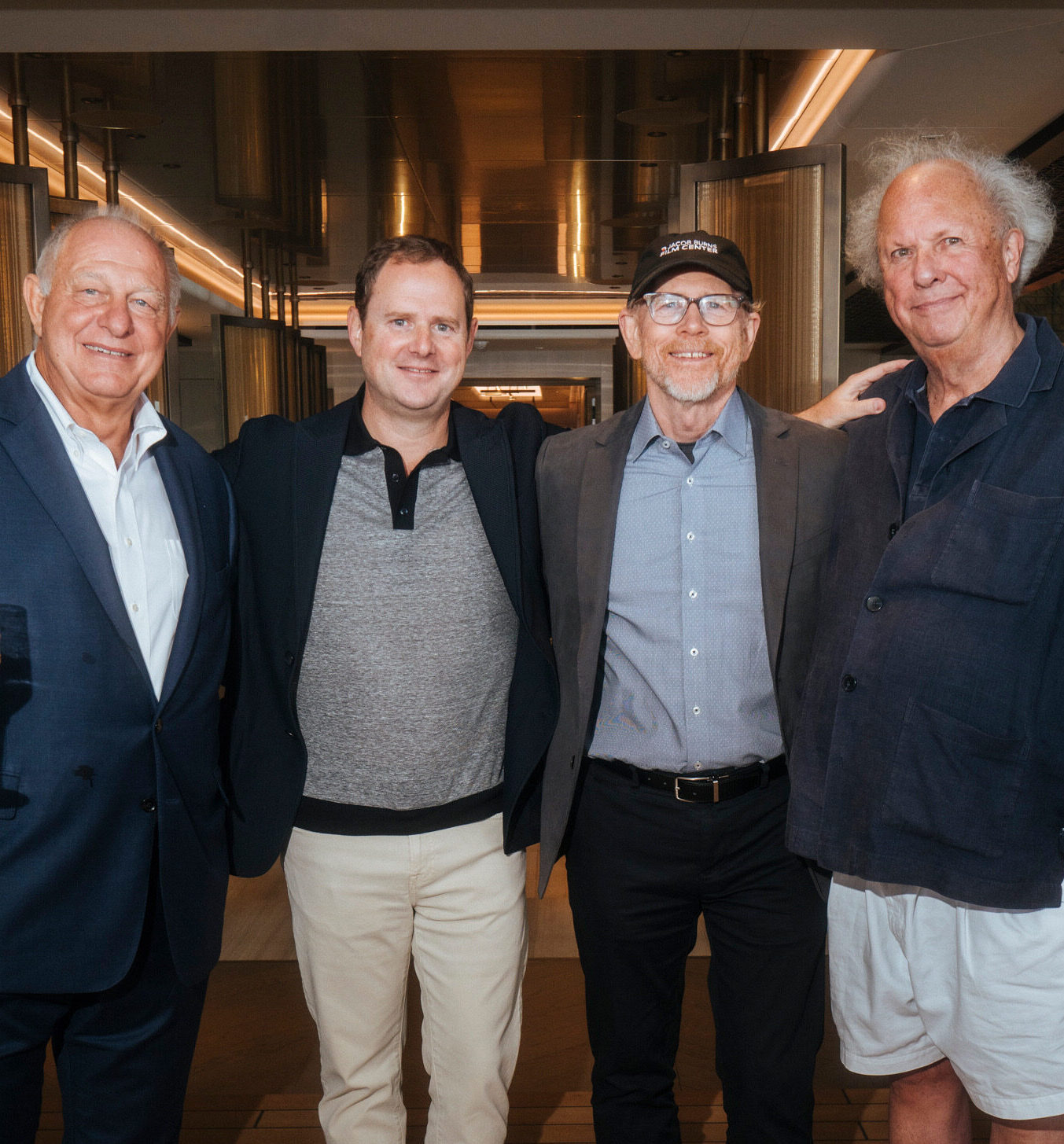
Over the weekend of the Cannes Film Festival, director Ron Howard premiered his documentary *Avedon*, which traces photographer Richard Avedon's rise from a working-class Jewish immigrant background to a defining chronicler of American culture. The film received a second life aboard the Renaissance superyacht with a party hosted by editor Graydon Carter, Ancient chairman and CEO Alexander Klabin, and Burgess chief executive John Beckett. Guests included actors Natasha Lyonne and Rosemarie Dewitt, photographer Jean Pigozzi, model Eddie Mitsou, Avedon's grandchildren Michael, Matthew, and Caroline Avedon, and producers Courtney Kivowitz, Sara Bernstein, Darcie Reisler, Dallas Rexer, Chris St. John, and Justin Wilkes. The after-hours cocktail allowed attendees to relive the film's most impactful scenes while mingling with the producers and the photographer's family.

This is fucking Disneyland

"Das ist fucking Disneyland"

The article surveys recent German cultural commentary, highlighting three main stories: art historian Bénédicte Savoy's warning in the FAZ about the physical decay of German universities, particularly the Technical University of Berlin, as a threat to democratic culture; Berlin artist Charlie Stein's essay on anxiety as a pervasive contemporary condition and art's role in making it visible; and critic Rachel Wetzler's harsh review of the Venice Biennale in Artforum, calling it an overwhelming 'theme park' version of the art world. Additionally, Nikolaus Bernau defends expert juries in the Tagesspiegel, using the Biennale's jury crisis as a case study.

The Great Shitshow

Die große Shitshow

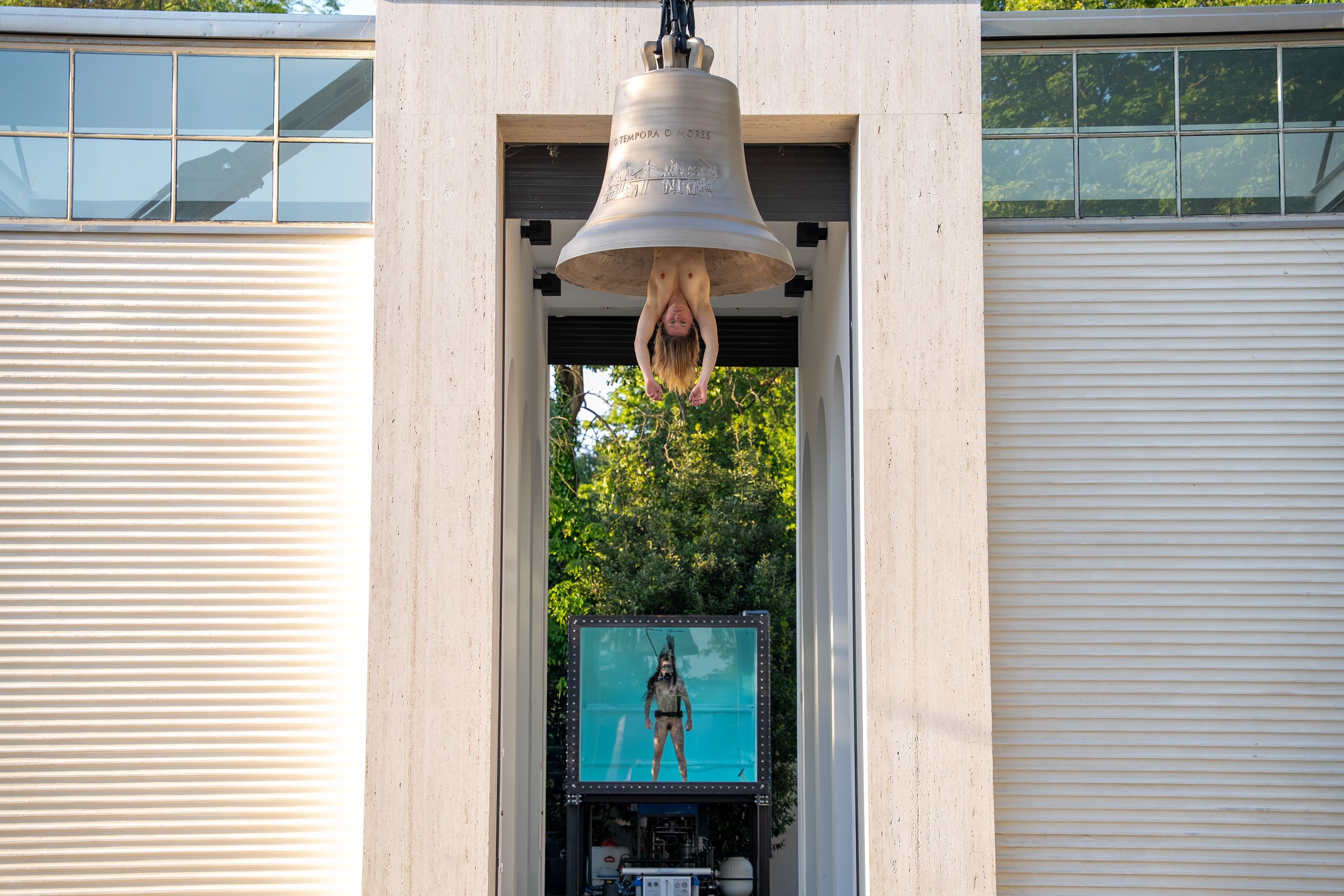
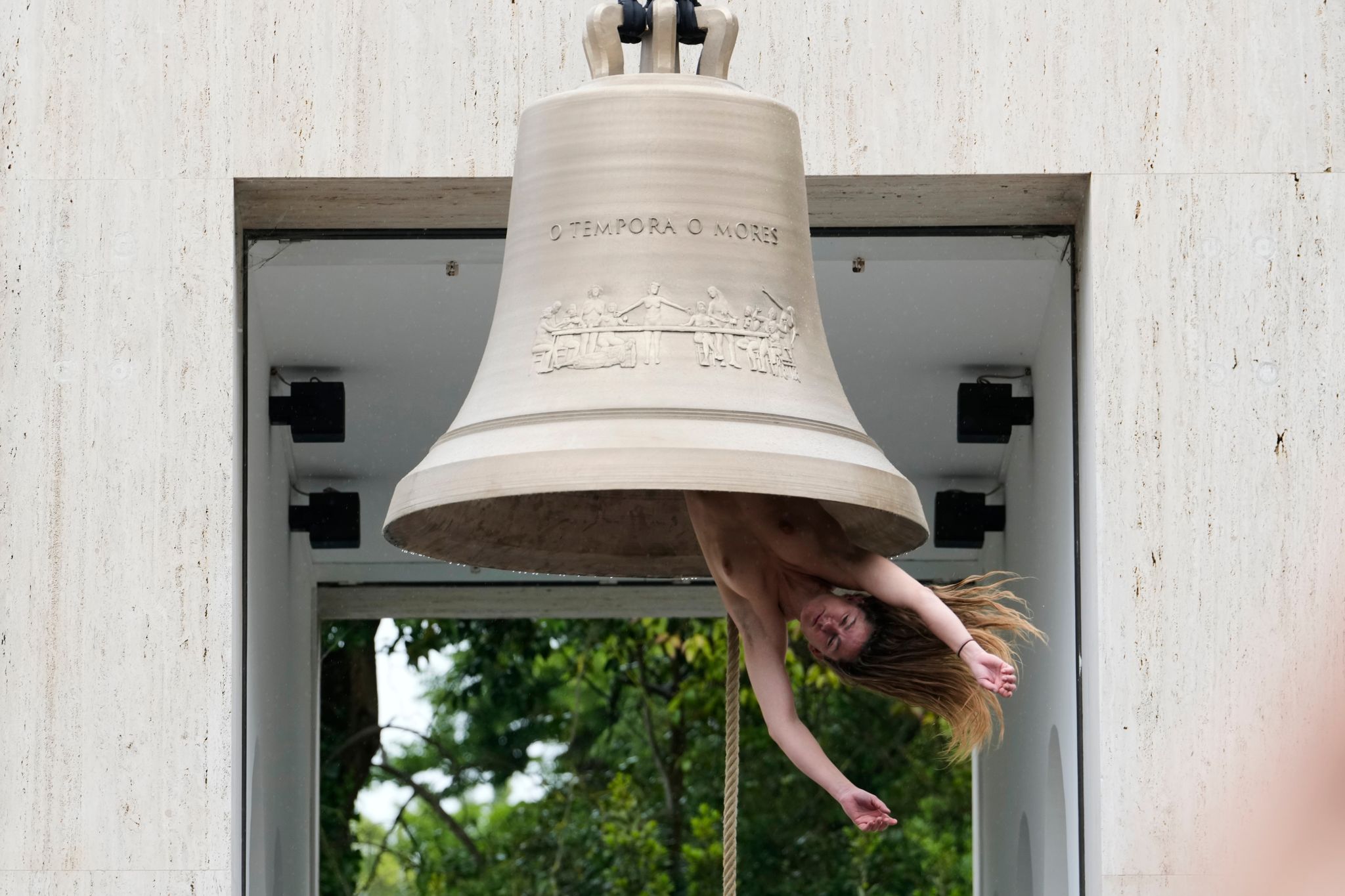
Florentina Holzinger has transformed the Austrian Pavilion at the Venice Biennale into a radical performance installation titled "Seaworld Venice." The piece features naked performers suspended from meat hooks, a performer ringing a bell while dangling upside down from a crane, a woman on a jetski circling inside a flooded pavilion, and a system where visitors are invited to urinate into portable toilets, with the waste processed and recirculated into the water. The work combines extreme physical stunts, nudity, and bodily fluids to create a visceral, immersive experience that has drawn long queues and stunned reactions from the art world.

It's a Rollercoaster of Emotions

"Es ist ein Wechselbad der Gefühle"

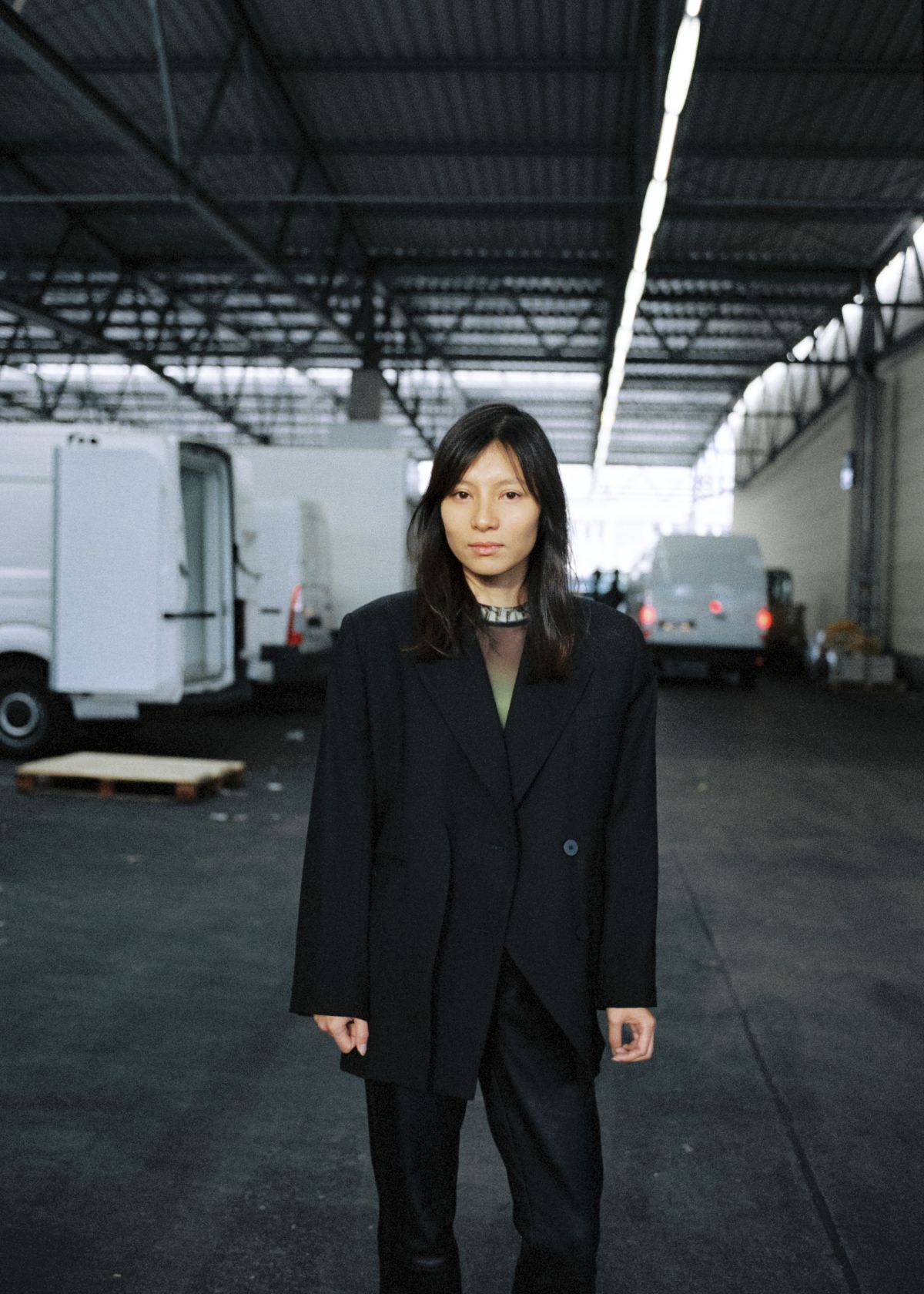
Sung Tieu has been selected to represent Germany at the Venice Biennale with a solo exhibition in the German Pavilion. In an interview with Monopol, she discusses how her personal biography—as a Vietnamese-German artist—informs her practice, which examines Vietnamese migration to East Germany, the rise of right-wing extremism, and the cold, bureaucratic language of state power. The exhibition will bring these themes to an international audience in Venice.

Creative Thought Is Essential: A Letter from Our Editor

Jackie Andres, online editor of Colossal, writes an open letter to readers reflecting on Virginia Woolf's assertion that "thinking is my fighting." Andres connects this to contemporary concerns about declining literacy rates, the rise of AI tools like ChatGPT, doomscrolling, and "brain rot" that undermine critical thinking. She positions Colossal as a free, accessible resource for art education, noting that the publication has remained entirely free for 15 years, and highlights how educators and students use the site for lesson plans and learning.

New art exhibit highlights women’s role in democracy in Springfield

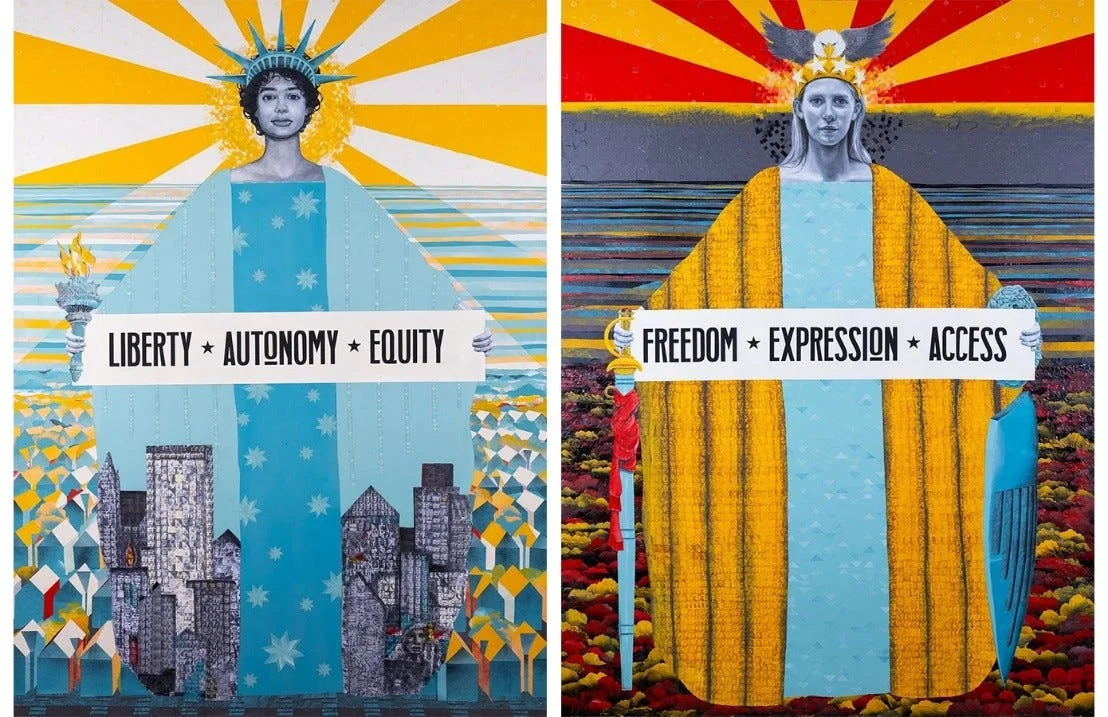
The Abraham Lincoln Presidential Library and Museum in Springfield will host a new art exhibition titled “Pillars of Democracy,” opening May 15. The show features mixed-media portraits by artist Niki Johnson that highlight women’s contributions to democracy, depicting allegorical figures like Liberty and Justice as voters. The exhibition includes an opening talk, a guided discussion, and a hands-on workshop during the Old Capitol Art Fair, with materials incorporating remnants from Shepard Fairey’s 2020 mural “Voting Rights are Human Rights.”

Venice Biennale opens without a jury amid strife over Russian and Israeli participation

The Venice Biennale, one of the world's most prestigious contemporary art exhibitions, opens its most contested edition in memory without a jury after the jury resigned in protest over the participation of Israel and Russia, both under investigation by the International Criminal Court for human rights abuses. Protests have erupted outside the Israeli and Russian pavilions, with demonstrators clashing with police, while feminist groups from Ukraine and Russia converged on the Russian Pavilion and Palestinians remembered artists killed in Gaza. The Biennale has replaced the jury with a public vote via email, with winners announced at the close on November 22.

Anaheim's new $4 billion, 100-acre entertainment district will double as an open-air art gallery with 70+ free public artworks

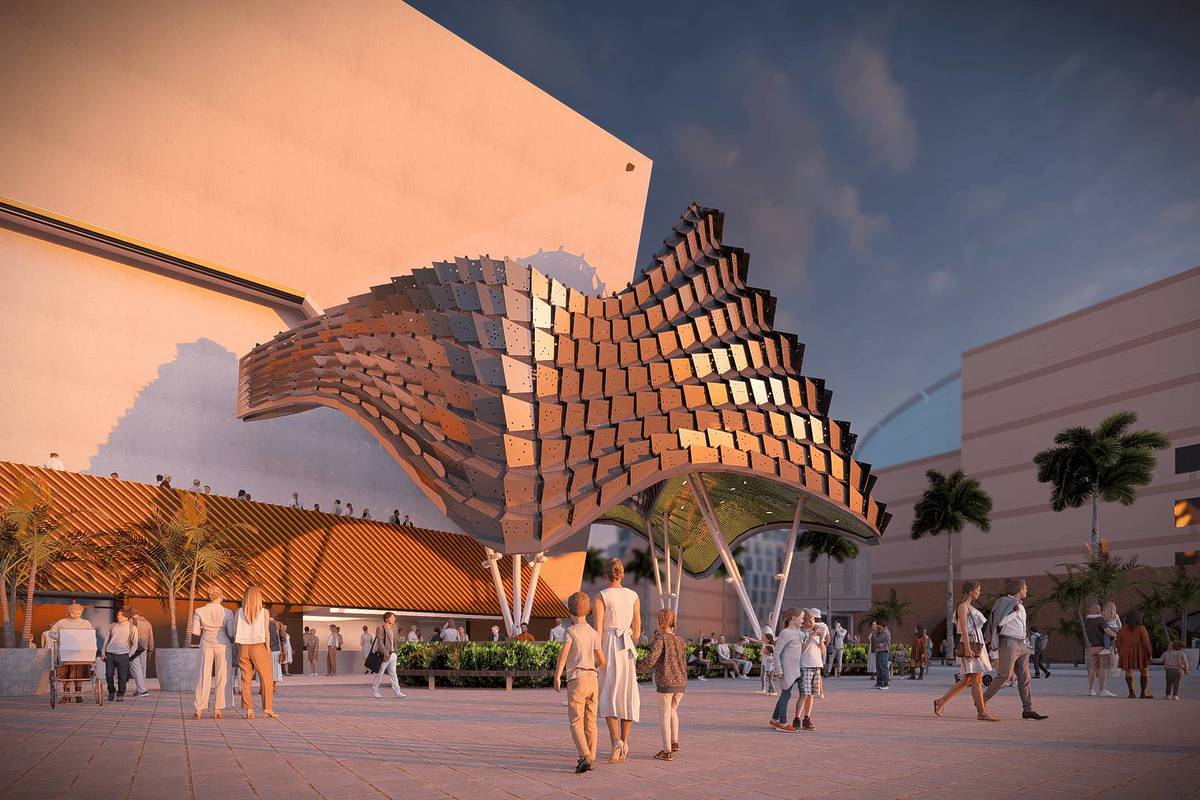
Anaheim's $4 billion OCVIBE entertainment district, a 100-acre development around the Honda Center, has partnered with art and design studio FUTUREFORMS to create a public art program featuring over 70 original artworks. The program includes permanent and rotating installations such as sculptural landmarks, murals, and interactive pieces, with early works already taking shape in the food hall and concert hall. Notable artworks include 'Stretto' by Nataly Gattegno and Jason Kelly Johnson, 'Rhythm, Flavor, Motion' by Brian Peterson, 'Gratitude' by Carla Roque, and 'Sunrise – Sunset' by Marina Zumi. The first phase will be accessible to the public in early 2027.

An art gallery on Route 66 in New Mexico is working to support local art and culture

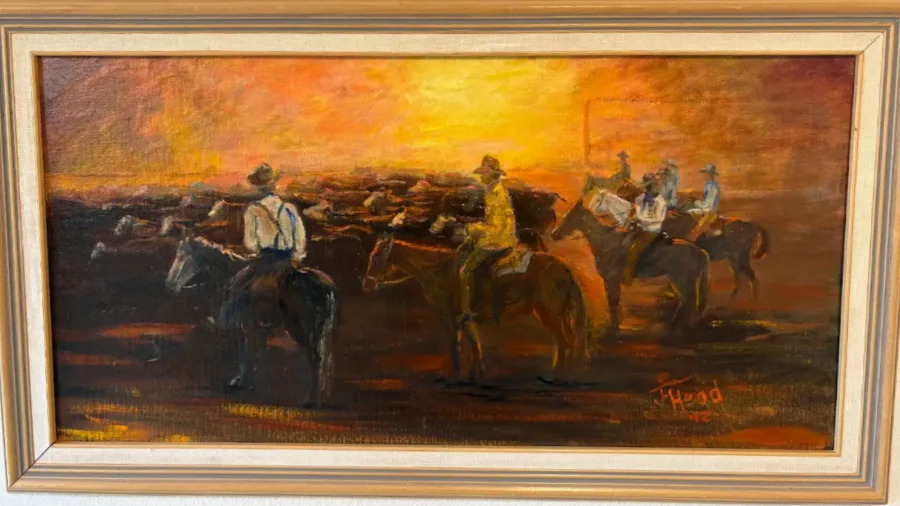
Double Six Gallery, operated by the Cibola Arts Council in Grants, New Mexico, is showcasing southwestern art on Route 66 ahead of the Mother Road's centennial celebration. Gallery director Debbie Doggett notes that visitors are often surprised to find such high-quality local artists in Grants. The gallery rotates artists every few months and currently features Gary Yazzie, John Boomer, Jonnie Head, and Joan Sheski.

Why is contemporary art afraid of the present?

Warum fürchtet sich die Gegenwartskunst vor der Gegenwart?

The article critiques the 2024 Whitney Biennial, which emphasizes themes of compassion, vulnerability, and community. It argues that the exhibition feels like a capitulation to reality, failing to confront the rise of contemporary fascism and the political urgency of the present moment.

Ibrahim Mahama, one of today's most influential artists

Ibrahim Mahama, a Ghanaian artist known for his large-scale installations using jute sacks and other materials, is profiled as one of today's most influential artists. The article highlights his rise from Tamale to international prominence, his work addressing themes of labor, migration, and globalization, and his recent projects including the Savannah Centre for Contemporary Art in Ghana.

Historic Northumberland figure inspires art exhibition

An art exhibition celebrating the life and legacy of Louisa, Marchioness of Waterford, will be held at Etal Village Hall in Northumberland on May 24. The free event features 30 finalist works—ranging from film and paintings to textiles and sculpture—submitted by artists from across northern England and the Scottish Borders. The winner will receive the Louisa Waterford Prize, and visitors can vote for the People's Prize. The exhibition is organized by The Tin Shed, a collective that supports artists and makers through online studios and pop-up events.

Why We Need Corporate Art Collections

The article traces the history and significance of corporate art collections, beginning with Deutsche Bank's acquisition of 57 early drawings by Joseph Beuys in the late 1970s, which led to the formal launch of its collection in 1980. Today, the Deutsche Bank Collection comprises over 57,000 objects displayed in 500 locations across 40 countries, and the bank sponsors events like the Frieze Art Fair. The piece also highlights the role of American banker David Rockefeller, who inaugurated Chase Manhattan Bank's Art at Work program in 1959, and notes that corporate collecting has deep roots in Renaissance banking, with institutions like Banca Monte dei Paschi di Siena commissioning art for their offices.

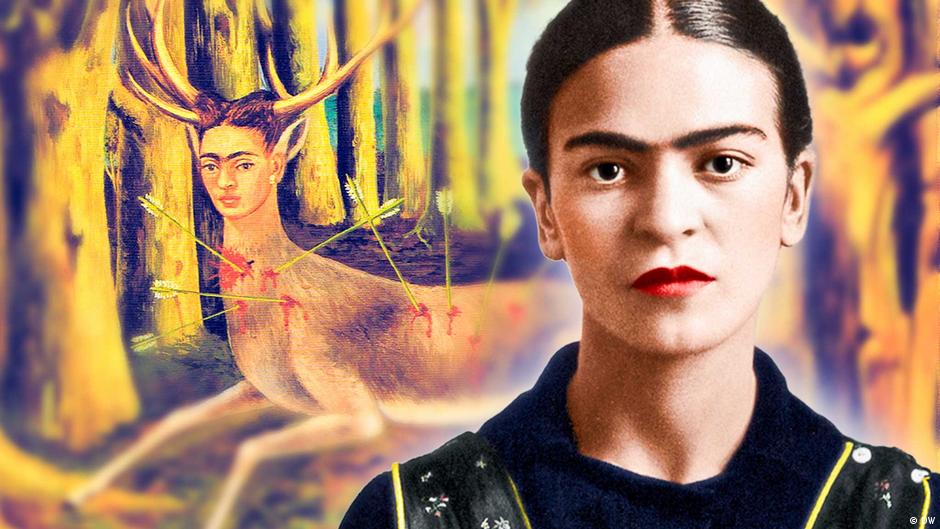
Art Born of Pain: Frida Kahlo

This article is a promotional piece for the DW English program 'Arts Unveiled,' highlighting several upcoming segments. It announces the start of the 61st Venice Biennale, the world's largest art exhibition, and poses questions about its standout features and art's role in times of crisis. Other segments explore the American Dream as a nightmare on the 250th anniversary of US independence, and feature Indigenous artist Britta Marakatt-Labba, who creates embroidered polar landscapes reflecting Sámi culture.

Arts Center donates works for library sale

The Davis Arts Center (DAC) has donated approximately 100 artworks from its permanent collection to the Friends of the Davis Public Library for a sale starting this weekend. The works, mostly from the 1960s-1980s, include pieces by notable Davis-area artists such as Richard Nelson, Robert Arneson, Margery Mann, and Roland Petersen, and are priced under $100. The donation follows DAC's 2019 transformation from an exhibition space to a studio-focused nonprofit offering classes and camps, which led to most of its collection being placed in storage. DAC executive director Sam King enlisted Davis High School art teacher Luke Turner—a former museum professional—to help curate and place select pieces with institutions like the Mills College Art Museum and the Manetti Shrem Museum, while the remaining works are now being offered to the community at bargain prices.

The investigation of intimacy at the center of an exhibition in a Paris gallery

L’indagine sull’intimità al centro di una mostra in una galleria di Parigi

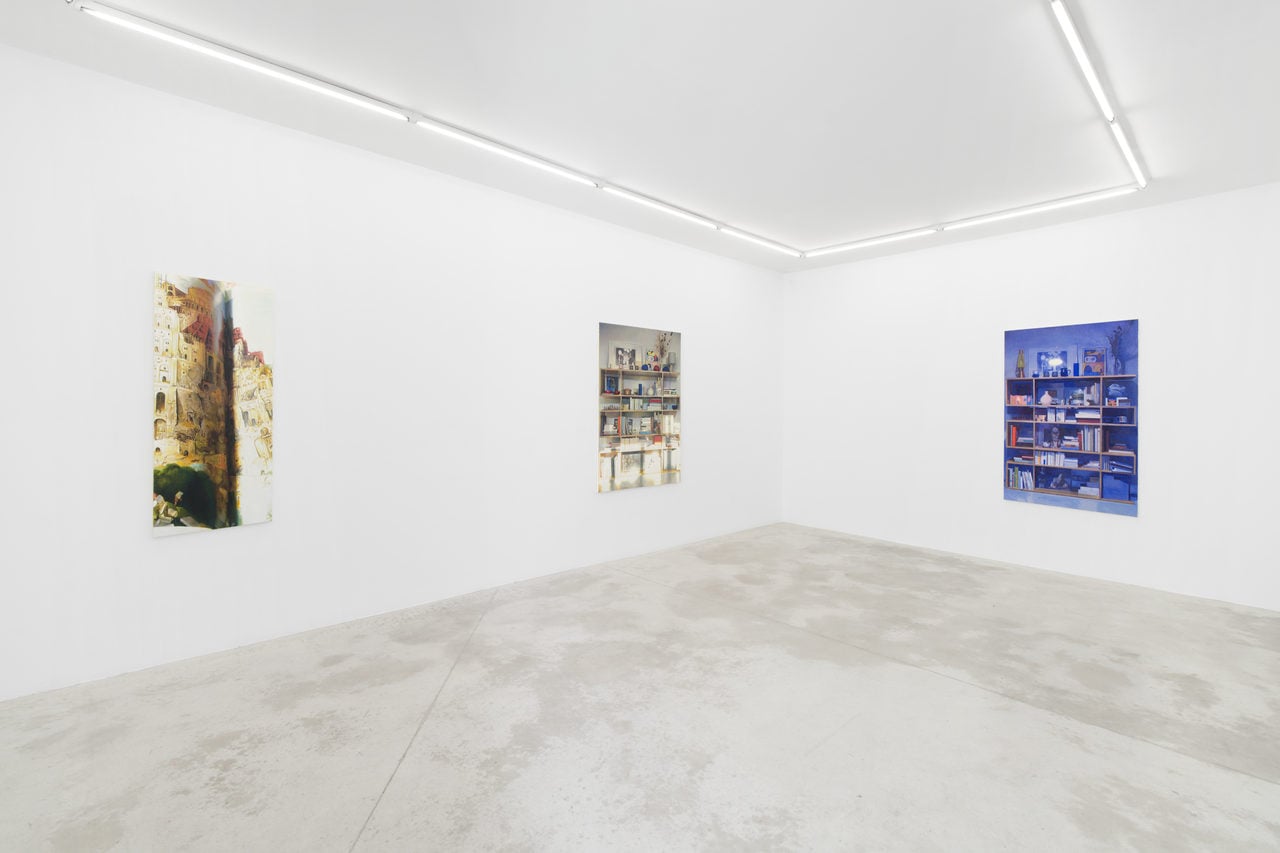
French artist Guillaume Valenti (b. 1987) presents his solo exhibition "Système domestique" at Parliament Gallery in Paris, exploring how personal identity can be conveyed through intimate domestic spaces rather than traditional portraiture. The show centers on repeated depictions of the artist's studio bookshelf, captured from the same viewpoint and proportions, which serves both as a subject and a structural grid. Valenti's paintings investigate the interplay of light, color, and abstraction, with works such as "Grise" (2026) and "Bibliothèque blanche" (2026) using overexposure and artificial coloration to deconstruct realistic representation. Other pieces like "The florist" (2026) depict views from the studio window, further examining the boundary between interior and exterior perception.