filter_list Showing 217 results for "Rise" close Clear
search
dashboard All 217 museum exhibitions 102article news 33article culture 30article local 22trending_up market 14rate_review review 6person people 5article policy 4candle obituary 1
date_range Range Today This Week This Month All
Subscribe

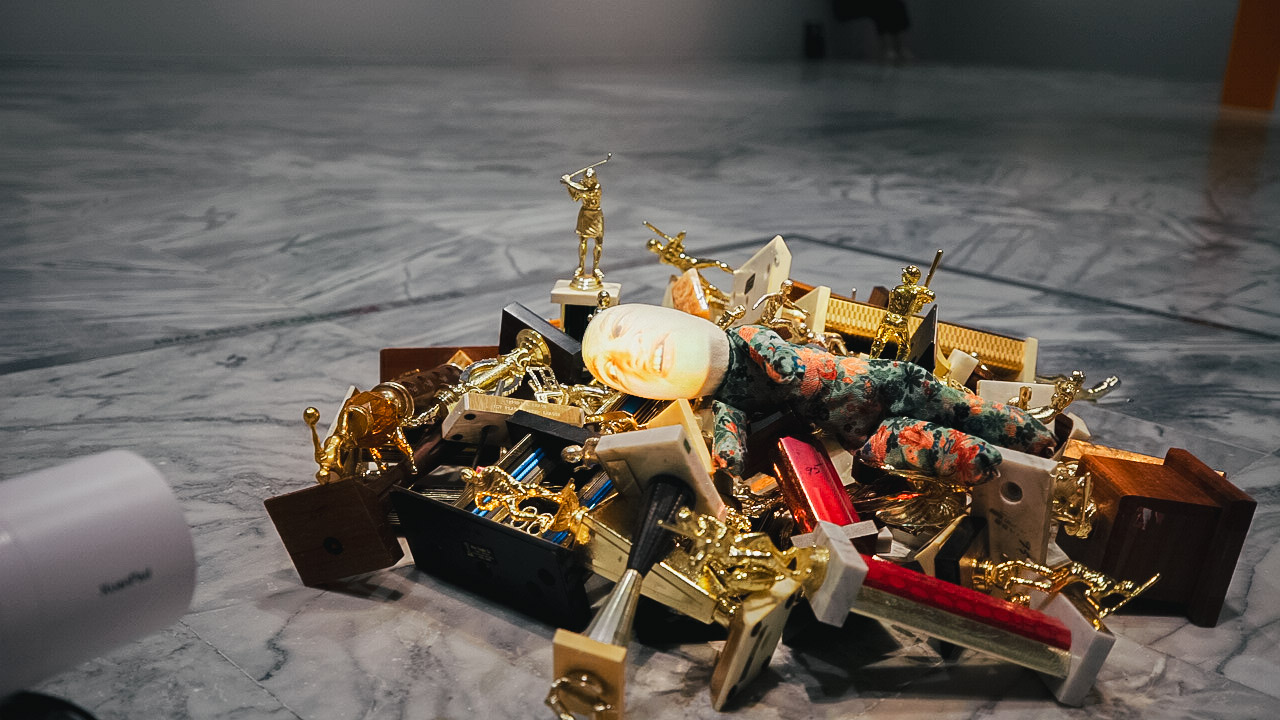
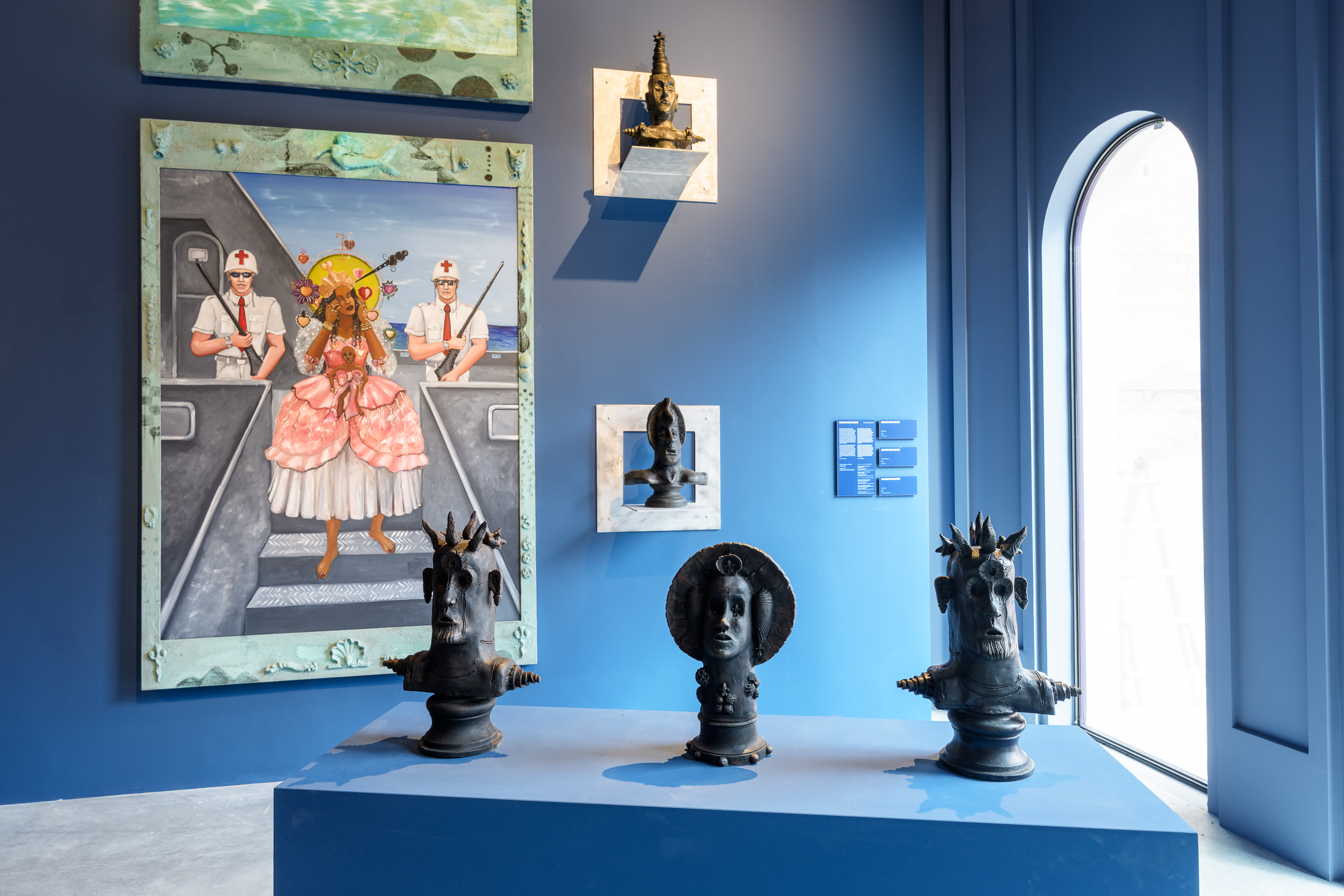
Venice Diary Day 2: “In Minor Keys” Is a Major Statement on Perseverance and Play

The article is a diary entry from the 2026 Venice Biennale, focusing on the exhibition "In Minor Keys" curated by the late Koyo Kouoh. The author describes an emotional experience, beginning with a poem by Refaat Alareer on the Arsenale wall, and highlights works by Guadalupe Maravilla, Alexa Kumiko Hatanaka, and others that address themes of perseverance, healing, and survival. Maravilla's sculptures reference a child kidnapped by ICE, while Hatanaka's linocuts explore bipolar disorder as an adaptive trait. The show also features artist-led collectives like Denniston Hill and fierce pussy, emphasizing institution-building and world-making.

The Biennale Isn’t a Court. Tell That to the Protesters.

Pietrangelo Buttafuoco, president of the Venice Biennale, defended the decision to allow Russia to reopen its pavilion for the first time since its 2022 invasion of Ukraine, stating that the Biennale is "not a court; it is a garden of peace." The move has sparked widespread backlash, including threats to pull €2.3 million in EU funding. Protests have erupted on the ground, with Pussy Riot and FEMEN staging a theatrical demonstration outside the Russian Pavilion, setting off smoke flares and chanting slogans. Separately, around 60 artists performed a "Solidarity Drone Chorus" to protest Israel's participation, and the Art Not Genocide Alliance has called for a 24-hour strike and rallies across Venice. The Russian Pavilion will be open only during press preview days due to EU sanctions, with video projections visible from outside for the rest of the Biennale's run.

Dark clouds, protests and resignations dampen start of 61st Venice Biennale

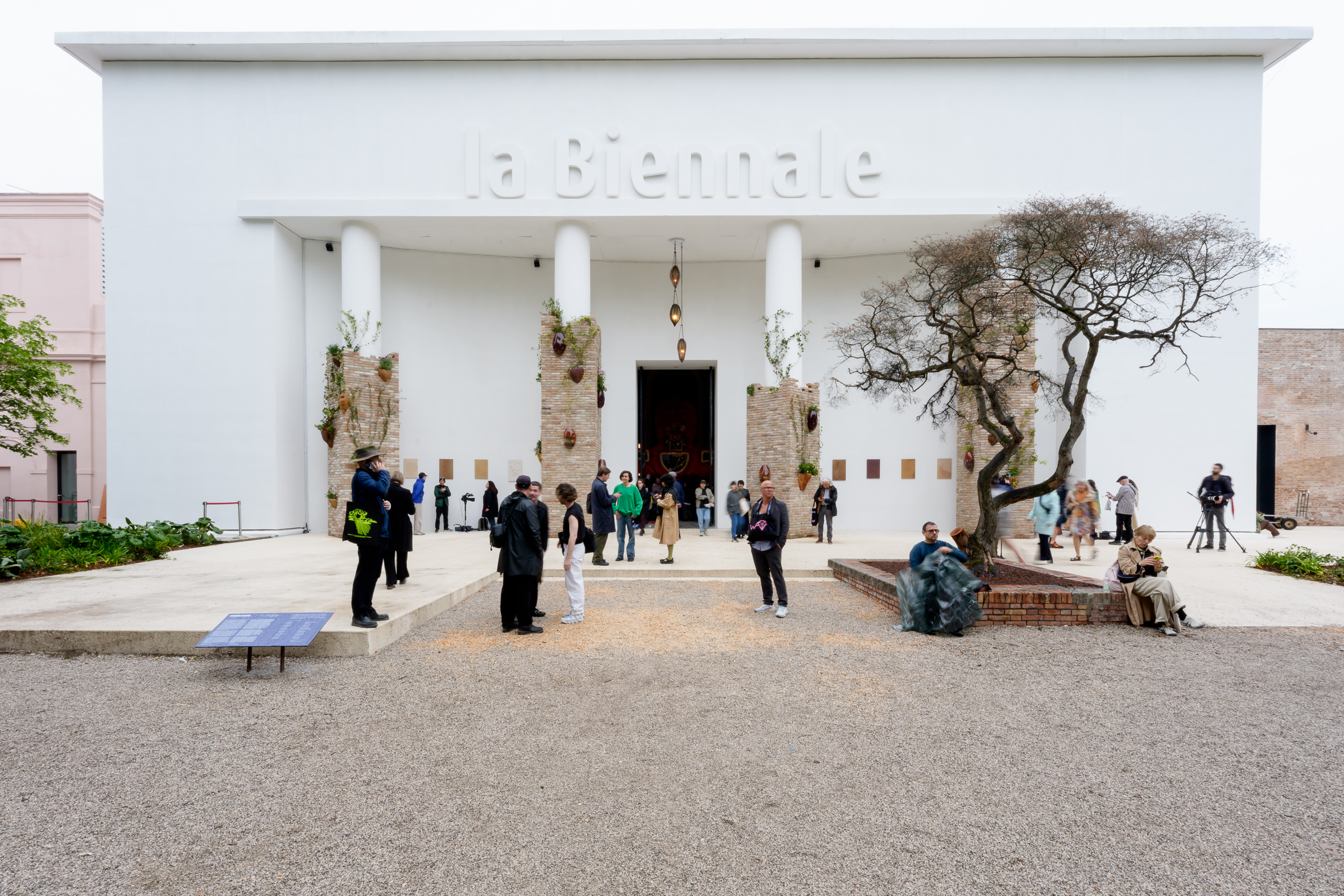
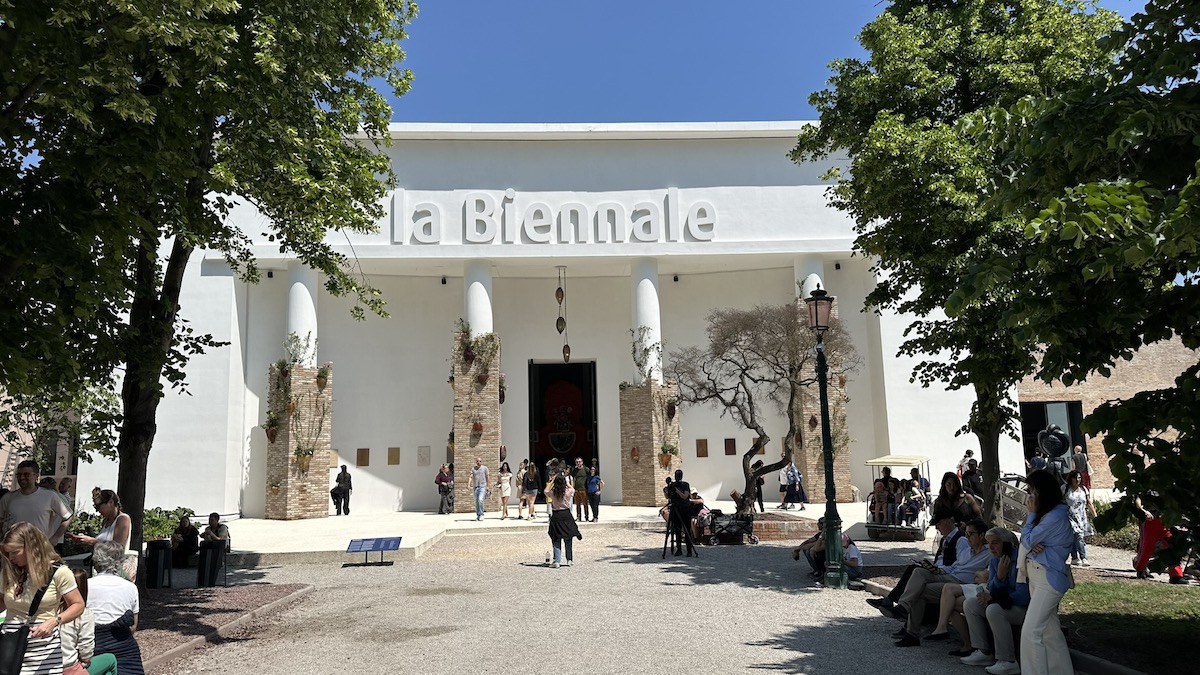
The 61st Venice Biennale opened under grey skies and rain, with political tensions overshadowing the art world's premier event. The Russian pavilion, absent for two editions due to the Ukraine war, reappeared with a party atmosphere, though the Italian ministry of culture confirmed it would not be open to the public. The Ukrainian culture minister called Russia's symbolic presence powerful. The Iranian pavilion withdrew without explanation, and a protest by 60 artists from the In Minor Keys show marched through the Giardini humming in solidarity against Israel's participation. Over 200 artists, including Lubaina Himid and Alfredo Jaar, signed an open letter demanding the Israeli pavilion's cancellation. The event also proceeded without its curator, Koyo Kouoh, who died in May 2025; her curatorial team delivered the exhibition following her plans.

Venice Diary Day 1: At the Giardini, Artists Refuse to Make Fascism Cozy

Henrike Naumann's posthumous installation at the German Pavilion, which retains its 1938 Nazi-era fascist architecture, refuses to make the space 'cozy' by adorning windows with violently ripped domestic fabrics. The 2026 Venice Biennale is the first under president Pietrangelo Buttafuoco, associated with neo-fascist politics, and is overshadowed by controversy over his 'neutrality' policy allowing all countries to participate despite human rights concerns. The exhibition jury initially announced it would not consider pavilions from countries whose leaders are charged with crimes against humanity, then abruptly quit, leaving the situation unresolved. The US Pavilion features unimpressive blobs by Alma Allen, while the Russian Pavilion offers cut flowers and free vodka, and Andreas Angelidakis responds to fascist aesthetics at the Greek Pavilion.

Comment | The slopification of political art

The article critiques the rise of AI-generated political imagery, such as Donald Trump depicted as Jesus and viral Lego videos of the Iranian Revolutionary Guard Corps, arguing that these shallow, generic visuals fail to provide meaningful or lasting cultural commentary on current conflicts. The author contrasts this with the inventive, humorous resistance seen during the 2013 Gezi Park protests in Istanbul, which later influenced a generation of Turkish artists.

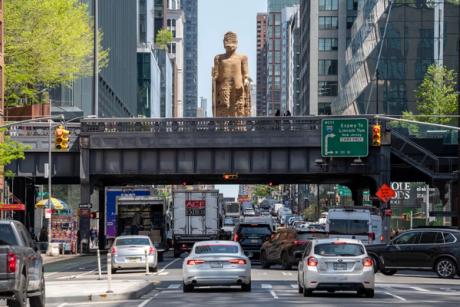
Towering homage to Bamiyan Buddhas rises over Manhattan’s High Line

A new public sculpture by Vietnamese American artist Tuan Andrew Nguyen has been installed on the High Line Plinth at Hudson Yards in Manhattan. Titled "The Light That Shines Through the Universe" (2026), the 27-foot-tall sandstone monument pays homage to the Buddhas of Bamiyan, the 6th-century colossi destroyed by the Taliban in 2001. The work features carved sandstone forms with two monumental steel hands cast from melted-down artillery shells sourced from Afghanistan, making gestures of fearlessness and compassion. It will remain on view through autumn 2027 and is accompanied by monthly lectures and meditation sessions.

The Art Trade Is Taking Calculated Risks With A.I.

The article examines how the art trade is cautiously experimenting with artificial intelligence, noting that while AI tools are being developed to attract newer collectors, the industry remains heavily reliant on trust and personal relationships that technology cannot replicate. It also reports on Fair Warning's new 'No Warning' sealed-bidding auction format, reflecting a rise in private auctions, and highlights a Sotheby's New York sale of the Jean and Terry de Gunzburg collection that set a U.S. record for design auctions at $96 million, led by a set of 15 mirrors by Claude Lalanne for Yves Saint Laurent that sold for $33.5 million.

Matthew Wong’s Grieving Mother Protects His Artistic Legacy

Matthew Wong, a troubled painter whose star was on the rise, died at age 35. His mother, Monita Wong, is now actively working to protect and promote his artistic legacy, ensuring that his work continues to be seen by the public.

Primitivism to Reinvent Art

Le primitivisme pour réinventer l’art

Philippe Dagen has published the third and final volume of his series on primitivism, covering the period from World War II to the late 1970s. The book traces how Western artists, from Barnett Newman and Jackson Pollock to members of the CoBrA movement and figures like Jean Dubuffet, Lucio Fontana, and Yayoi Kusama, engaged with so-called "primitive" art from Africa, Oceania, and the Americas, often as a means of rejecting or redefining modern civilization. Dagen also examines the intellectual debates surrounding primitivism, including the critiques of colonized peoples who refused the label "primitive," and the shifting attitudes of thinkers like Claude Lévi-Strauss, Michel Leiris, and Aimé Césaire.

Father Daughter Counterfeiting Duo Face Twenty Years in Prison

A father-daughter duo from New Jersey, Erwin Bankowski (50) and Karolina Bankowska (26), pleaded guilty to creating and selling over 200 counterfeit artworks falsely attributed to artists including Andy Warhol, Pablo Picasso, Fritz Scholder, and Banksy. They admitted to wire fraud conspiracy and misrepresentation of Native American-produced goods, defrauding buyers out of at least $2 million. The pair fabricated provenances and collection histories, forged gallery stamps, and attempted to auction the works for up to $160,000 each. They each face up to 20 years in prison.

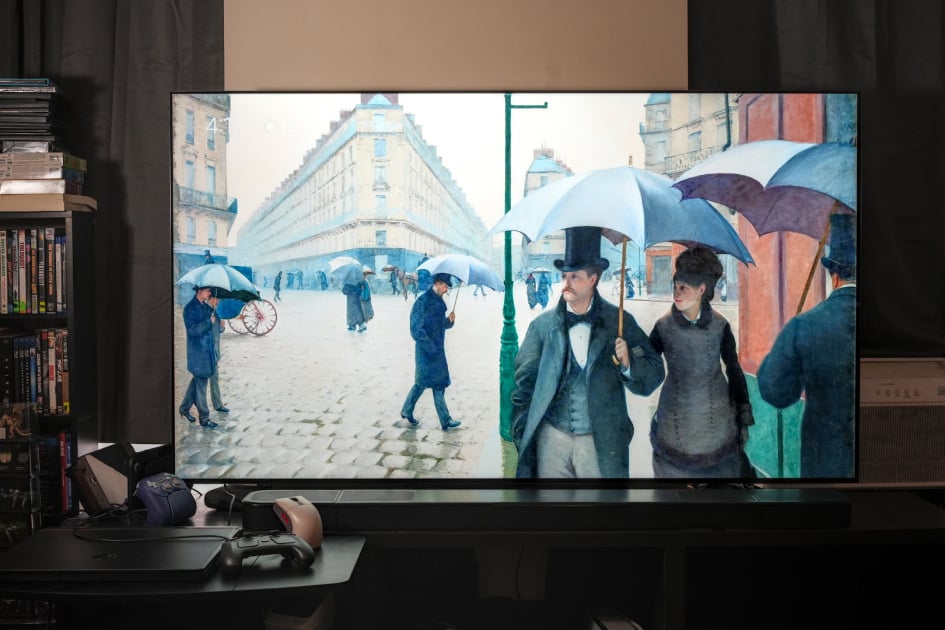
I Turned My TV Into a Rotating Art Gallery Using Free Museum Downloads

The article provides a guide on how to turn a TV into a rotating art gallery by downloading high-resolution, public-domain images from museum digital collections. It explains the need to filter for Open Access works to avoid copyright issues and recommends several museums with extensive free collections, including the Art Institute of Chicago and the Getty Museum.

Blank Spaces. Sung Tieu by Sarah Johanna Theurer

Sung Tieu's installations, characterized by austere, bureaucratic surfaces, explore the hidden architectures of power embedded in everyday systems. The article examines her series of works that deconstruct administrative forms used in asylum procedures, reducing them to blank spaces and quantified grids to expose how institutional power operates through seemingly neutral documents. Her exhibition "In Cold Print" at Nottingham Contemporary physically manifests these themes by using steel fences to control viewer movement, drawing direct parallels between minimalist sculpture and the dehumanizing design of border controls.

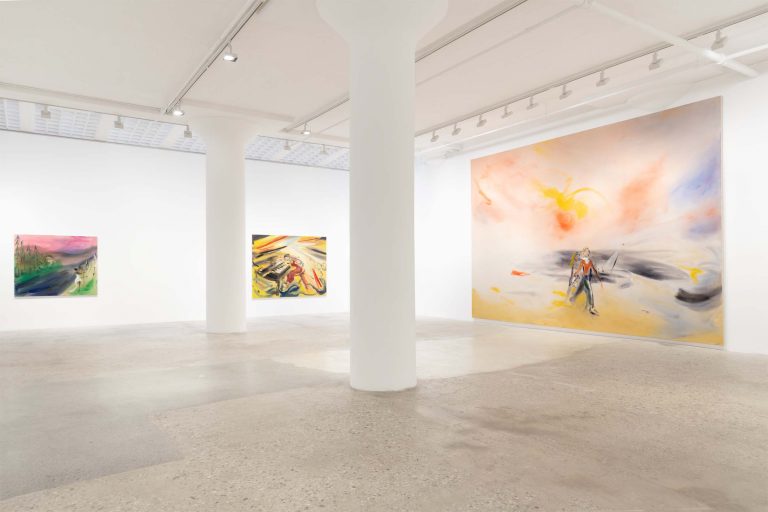
Sophie Von Hellerman “After a Dream” at Greene Naftali, New York

Greene Naftali presents Sophie von Hellermann's eighth solo exhibition, "After a Dream," featuring pairs of figures drawn from literature, art history, the artist's personal acquaintances, and imaginative constructs. The show explores creative relationships through the charged dynamic of the couple, presenting narrative chimeras that examine different forms of alignment and connection.

‘Entertainment is often violence shrouded in a fun disguise’: Marianna Simnett on being tickled for hours and having Botox injected into her throat

Marianna Simnett, a Croatian British multi-disciplinary artist, discusses her new exhibition 'Circus' at the Secession in Vienna, which features a light, sound, and sculpture installation in a pitch-black basement. The show includes works like 'Catherine Wheel' (2026), a blue spinning reflective skirt accompanied by the sound of the artist being tickled for four hours, and 'Fountain' (2026), a neon of a woman urinating referencing Balkan folklore. Simnett explores themes of violence, desire, pain, and power, often using her own body as a site of transformation, as in her earlier work 'The Needle and the Larynx' (2016) where she had Botox injected into her throat.

Greta Thunberg, Hugh Bonneville sign letter defending Southbank Centre chair Misan Harriman

A petition signed by Greta Thunberg, Hugh Bonneville, and other prominent figures defends Misan Harriman, the photographer and chair of London's Southbank Centre, against what the letter calls a "dishonest smear campaign." The controversy stems from two incidents: Harriman shared a social media post about a stabbing attack in Golders Green, noting that a Muslim victim received less press coverage than two Jewish victims, and later posted a video reflecting on the rise of the right-wing Reform party, citing a conversation about the Holocaust. Right-wing outlets like The Daily Telegraph accused him of equating Reform's electoral success to the Holocaust, leading to widespread backlash. Harriman denies making such equivalences, and nearly 70,000 people have filed complaints with the press regulator IPSO—the largest campaign in its history.

Biennale Arte 2026: which national pavilions strike us and why

The 61st International Art Exhibition of La Biennale di Venezia, titled "In Minor Keys" and curated by Koyo Kouoh (who passed away in May 2025), opened amid intense controversy over its artist list and geopolitical tensions. Protests erupted against the participation of Israel and Russia, with a petition signed by 22 countries to exclude Russia, threats from the European Commission to suspend funding, and the resignation of the international jury. Around 18 national pavilions staged strikes and partial closures to denounce the normalization of Israel's presence and precarious labor in the art world. The Austria Pavilion's performance by Florentina Holzinger, featuring a girl hanging upside down inside a tilting bell, became a viral symbol refocusing attention on art itself.

Panel Discussion: Regeneration — Long Island’s History of Ecological Care at Parrish Art Museum

The Parrish Art Museum is hosting a panel discussion on May 24, 2026, featuring artist Sara Siestreem and members of the Shinnecock Kelp Farmers, moderated by Associate Curator Scout Hutchinson. The conversation celebrates their collaborative work in the exhibition "Regeneration: Long Island’s History of Ecological Art and Care," which runs through June 14, 2026. The Shinnecock Kelp Farmers, an intergenerational collective of Indigenous women, restore ancestral seaweed harvesting traditions to address water pollution, while Siestreem’s artistic practice incorporates abstract mark making, basket weaving, and Xerox transfers to highlight Indigenous land rights and ecological restoration.

"One of the most dramatic Biennales": 11 unmissable art shows to see at Venice

Theo Christelis reports from the opening week of the 2024 Venice Biennale, describing it as one of the most dramatic editions in recent memory. Key events include the death of main curator Koyo Kouoh and German Pavilion artist Henrike Naumann, the resignation of the prize jury over the participation of Israel and Russia, a protest by Pussy Riot, and a boycott by half the participating artists. Amid the turmoil, Christelis highlights unmissable shows including the Indian Pavilion (returning after seven years), Jenny Saville at Ca' Pesaro, Michael Armitage at Palazzo Grassi, and presentations at the British, Japanese, and Saudi Arabian Pavilions.

Stirling Art Collection awarded National Significance status

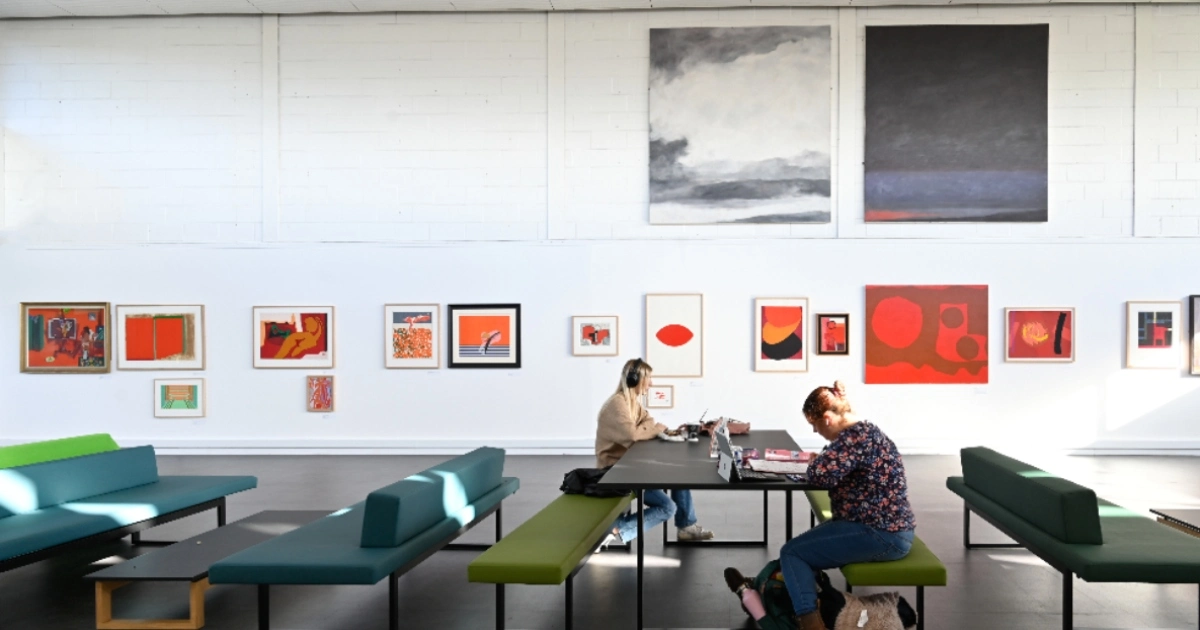
The University of Stirling's Art Collection has been designated a Collection of National Significance by Museums Galleries Scotland, joining four other collections receiving the honor on International Museums Day. The collection comprises over 800 prints, paintings, and sculptures, many displayed across the campus, particularly in the A-listed Pathfoot Building. Founded on a policy set by Principal Dr Tom Cottrell in 1967 to allocate 1% of building costs for art, the collection has grown through purchases and donations, including 14 works by Scottish Colourist J.D. Fergusson gifted by Margaret Morris. The collection team runs exhibitions, workshops, and an Artist in Residence programme to integrate art into university life.

Taipei Fine Arts Museum unveils 'Surrealism: The World in Dialogue'

Taipei Fine Arts Museum (TFAM), in collaboration with the Institute for Cultural Exchange in Tübingen, Germany, has launched its major spring exhibition "Surrealism: The World in Dialogue." Featuring over 120 works by nearly 60 international artists, the exhibition marks a century since André Breton's 1924 "Surrealist Manifesto." It juxtaposes historical avant-garde works with contemporary practices, organized into sections such as "Collective Dreams," "Body of Desire," and "Absurd Play." Highlights include Yves Tanguy's dreamscapes, Lauren Moffatt's augmented reality installation, Max Ernst's scraping-method works, Patricia Piccinini's hybrid sculptures, and works by Man Ray, Meret Oppenheim, Sarah Lucas, Luis Buñuel, and Salvador Dalí.

Edward Hopper Exhibition in Seoul Breaks Attendance Record

An exhibition of Edward Hopper's work at the Seoul Museum of Art has broken attendance records, drawing 330,000 visitors—the highest for any exhibition that year. The show marks the first solo exhibition of the American painter in South Korea, where Hopper was virtually unknown until the 1990s. The article traces Hopper's growing recognition in the country, from his first appearance in Korean media in 2002 to the 2011 co-hosted exhibition 'This Is American Art' at the National Museum of Modern and Contemporary Art, which introduced his work 'Railroad Sunset' (1929) to local audiences.

Koyo Kouoh’s Venice Biennale Looks to Ancient Wisdom to Mend a Fractured Present

Koyo Kouoh's Venice Biennale, titled after ancient wisdom, opens with a focus on healing and historical reimagination. The exhibition features works by artists such as Alexa Kumiko Hatanaka, Khaled Sabsabi, Daniel Lind-Ramos, Guadalupe Maravilla, Kennedy Yanko, and Ayrson Heráclito, alongside a strong emphasis on artist-led schools and institutions like Denniston Hill, blaxTARLINES KUMASI, and RAW Material Company. During the opening, the Koyo Kouoh Foundation was announced, set to launch in Basel to support Pan-African cultural infrastructure. The show includes Refaat Alareer's poem "If I Must Die" and addresses political realities, blending spiritual, ecological, and technological themes to explore collective care and restoration.

Ten Political Statements By Artists At The 2026 Venice Biennale

The 61st Venice Biennale opened with unprecedented political tension, set against the backdrop of the international jury's mass resignation, the death of curator Koyo Kouoh, Russia's closed pavilion, threats from the European Commission to withdraw funding, and Italy's culture minister boycotting the opening. The article highlights ten works and moments where art and power intersected most explicitly, including Alfredo Jaar's 'Red Room' installation in the Chilean pavilion confronting humanitarian crisis, and Ukraine's collateral event 'Still Joy' at Palazzo Contarini Polignac, which frames joy as an act of resistance amid war.

Our chief art critic’s nine best UK museums — you may be surprised

Laura Freeman, chief art critic for The Times, shares her personal list of nine favorite UK museums and galleries, ranging from London institutions like Sir John Soane’s Museum and the V&A to smaller venues such as Pallant House in Chichester and Kettle’s Yard in Cambridge. She emphasizes character and collection over flashy renovations, noting that her picks are based on decades of visits, family outings, and emotional resonance.

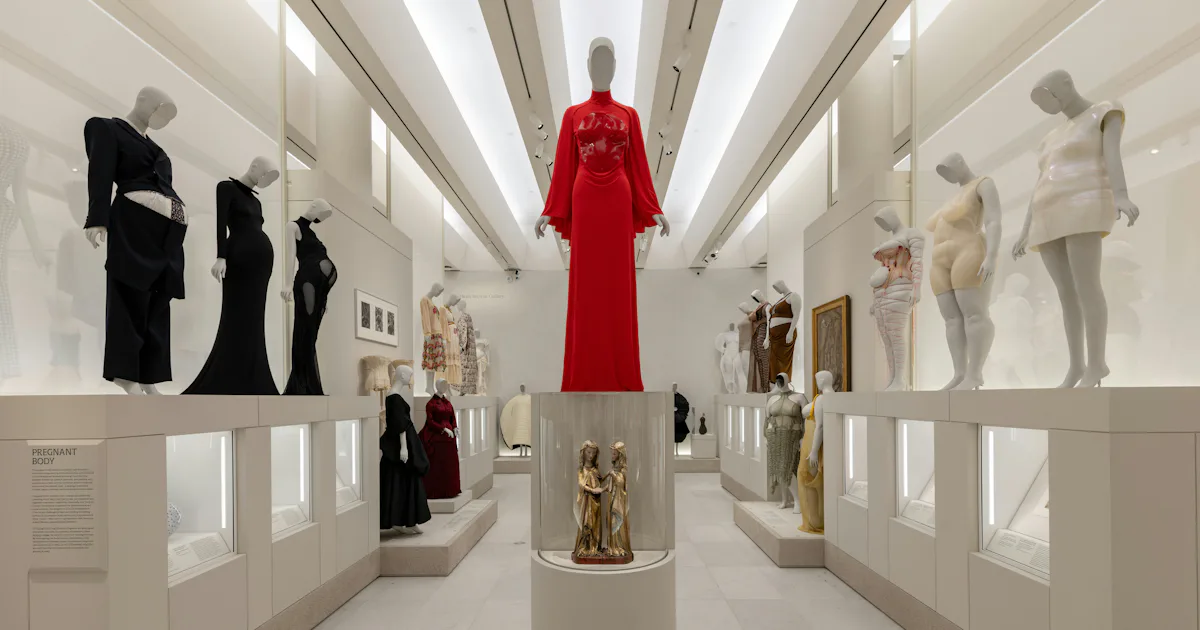
Inside The Met's New 'Costume Art' Exhibition

The Metropolitan Museum of Art's Costume Institute has announced a new exhibition titled 'Costume Art,' opening to the public on May 10 and running through January 10, 2027. The show inaugurates the Met's nearly 12,000-square-foot expansion adjacent to the Great Hall, providing a permanent home for the Costume Institute's annual spring exhibitions. Featuring nearly 400 objects—half garments and half traditional art like sculpture and painting—the exhibition explores how clothing alters and enhances the human body, dividing 'the body' into 13 types such as 'The Classical Body' and 'The Corpulent Body.' The show includes works from designers like Coco Chanel, Jean Paul Gaultier, Thom Browne, and Alexander McQueen, paired with historical artifacts and contemporary art. The exhibition follows this year's Met Gala, co-chaired by Beyoncé, Nicole Kidman, Venus Williams, and Anna Wintour, which raised a record $42 million for the Costume Institute.

Met Museum show at new Costume Institute puts fashion in same spotlight as Egyptian artefacts

The Metropolitan Museum of Art's Costume Institute has opened its spring exhibition 'Costume Art' in a new 12,000-square-foot space called the Condé M Nast Galleries, located off the museum's Great Hall. The show pairs 200 garments and accessories with 200 artworks from the Met's collection, organized into 13 thematic body types such as Naked and Nude, Abstracted Body, Corpulent Body, Disabled Body, and Mortal Body. Lead curator Andrew Bolton aims to challenge traditional hierarchies by placing fashion on equal footing with fine art. The exhibition's launch is overshadowed by controversy over sponsorship by Jeff Bezos and Lauren Sánchez Bezos for the Met Gala.

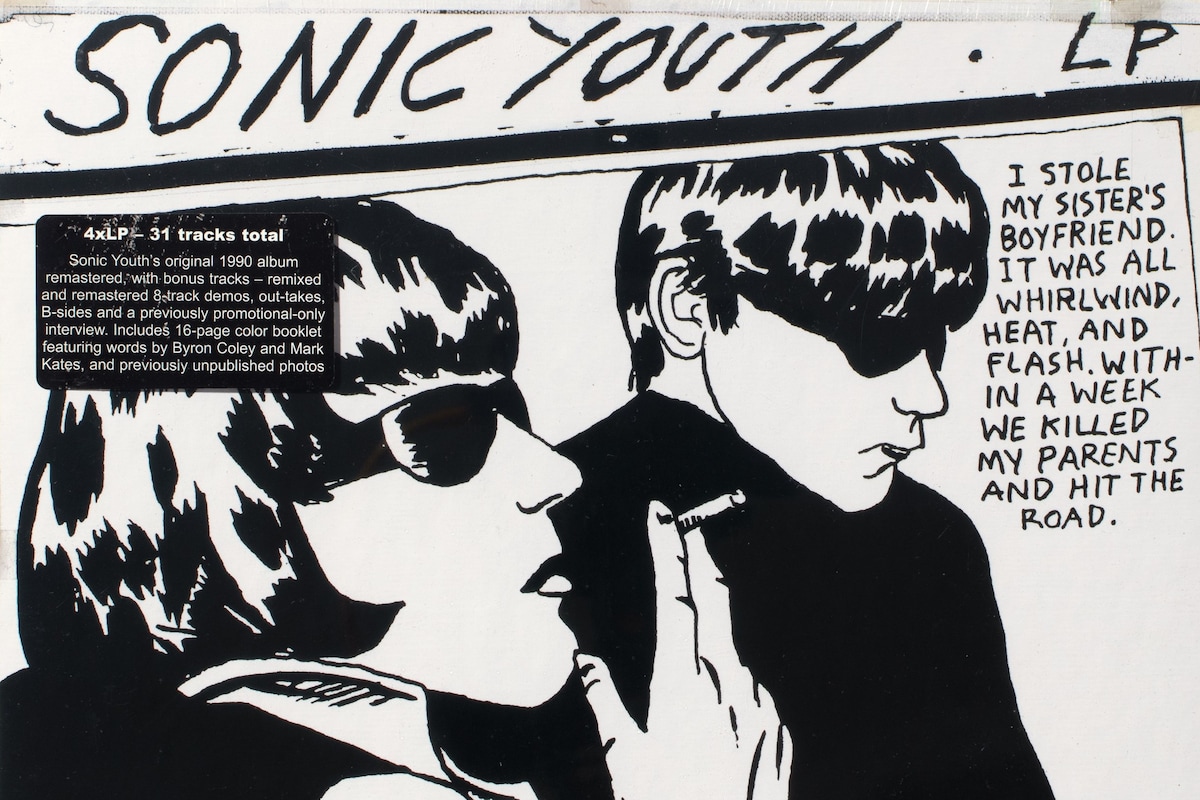
Raymond Pettibon, the Artist Behind Some of the Most Iconic Album Covers

A new exhibition titled "Nervous Breakdown" at the Wilhelm-Hack-Museum in Ludwigshafen, Germany, presents the most comprehensive collection of Raymond Pettibon's album cover art to date. The show draws from over 200 works in the collection of Stefan Thull, spanning Pettibon's record, CD, and cassette covers from 1979 to the present, including iconic designs for Sonic Youth's "Goo" and Black Flag's logo. The exhibition is accompanied by a catalogue published by the museum and David Zwirner Books.

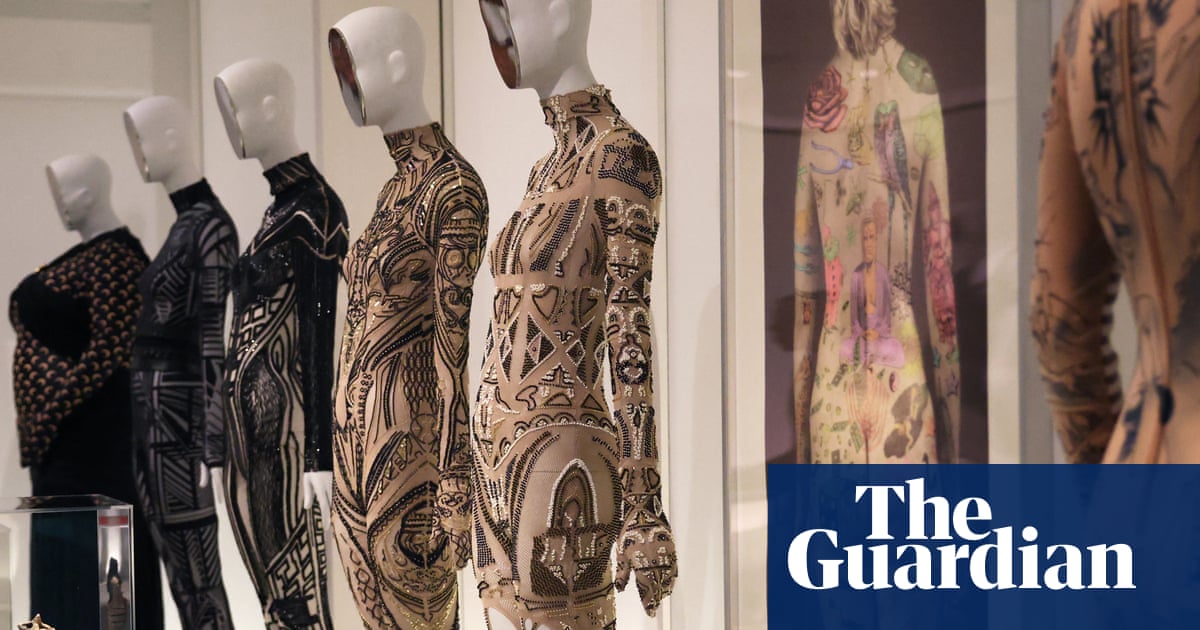
Beyond Body-Con: In the the Met’s Spectacular New Exhibition, “Costume Art,” the Human Form Connects Fashion and Art

The Metropolitan Museum of Art has opened a new fashion exhibition titled "Costume Art" in its newly established Condé M. Nast Galleries. Curated by Andrew Bolton, the show features faceless mannequin heads by sculptor Samar Hejazi that reflect visitors' own images, encouraging self-reflection and empathy. The exhibition is structured around a typology of bodies, using mannequins of diverse body types modeled after named individuals to challenge traditional beauty standards. It explores the connection between fashion and the human form, positioning the dressed body as a unifying thread across the museum's collections.

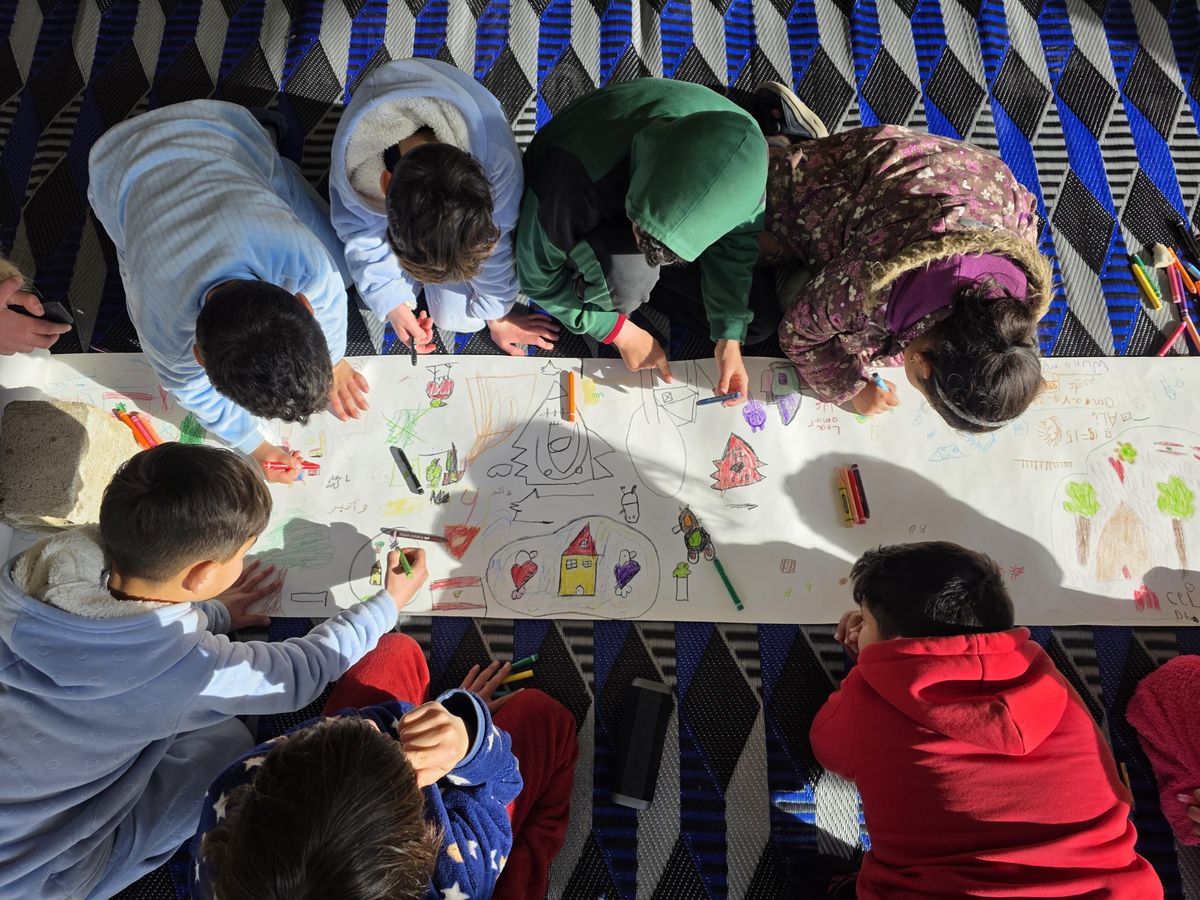
Lebanon’s Art Scene Is Living in ‘War Mode’

On April 8, 2025, a wave of Israeli airstrikes across Lebanon killed 357 people and injured over 1,200, a day now known as 'Black Wednesday.' Amid the violence, Lebanese artist Abed Al Kadiri, who grew up during Lebanon's civil war and Israeli occupation, has been working with displaced children in shelters, using art to help them process trauma. He collects their drawings and plans to combine them with sketches by other artists reflecting their own war experiences, creating concertina-style books to be exhibited and sold to raise funds for over 1.1 million displaced people.

The Female Artists To See at This Year's Venice Biennale

The 61st Venice Biennale returns amid controversy, including calls to exclude Israel, scrutiny over Russia's participation, and the reinstatement of Australian artist Khaled Sabsabi. Despite the political tensions, the exhibition will feature a strong lineup of female artists, from established names like Marina Abramović and Jenny Saville to emerging voices such as Maja Malou Lyse, who becomes the youngest artist to represent Denmark. The 2026 edition also introduces dedicated spaces for Black and Indigenous artists for the first time, with works exploring themes from male fertility to patriarchal violence and resilience.