filter_list Showing 6864 results for "CORE" close Clear
search
dashboard All 6864 museum exhibitions 3219trending_up market 885article news 795article local 763article culture 495person people 236article policy 154gavel restitution 118candle obituary 96rate_review review 94article event 7article events 1article museum 1
date_range Range Today This Week This Month All
Subscribe

Künstler Harald Metzkes ist tot

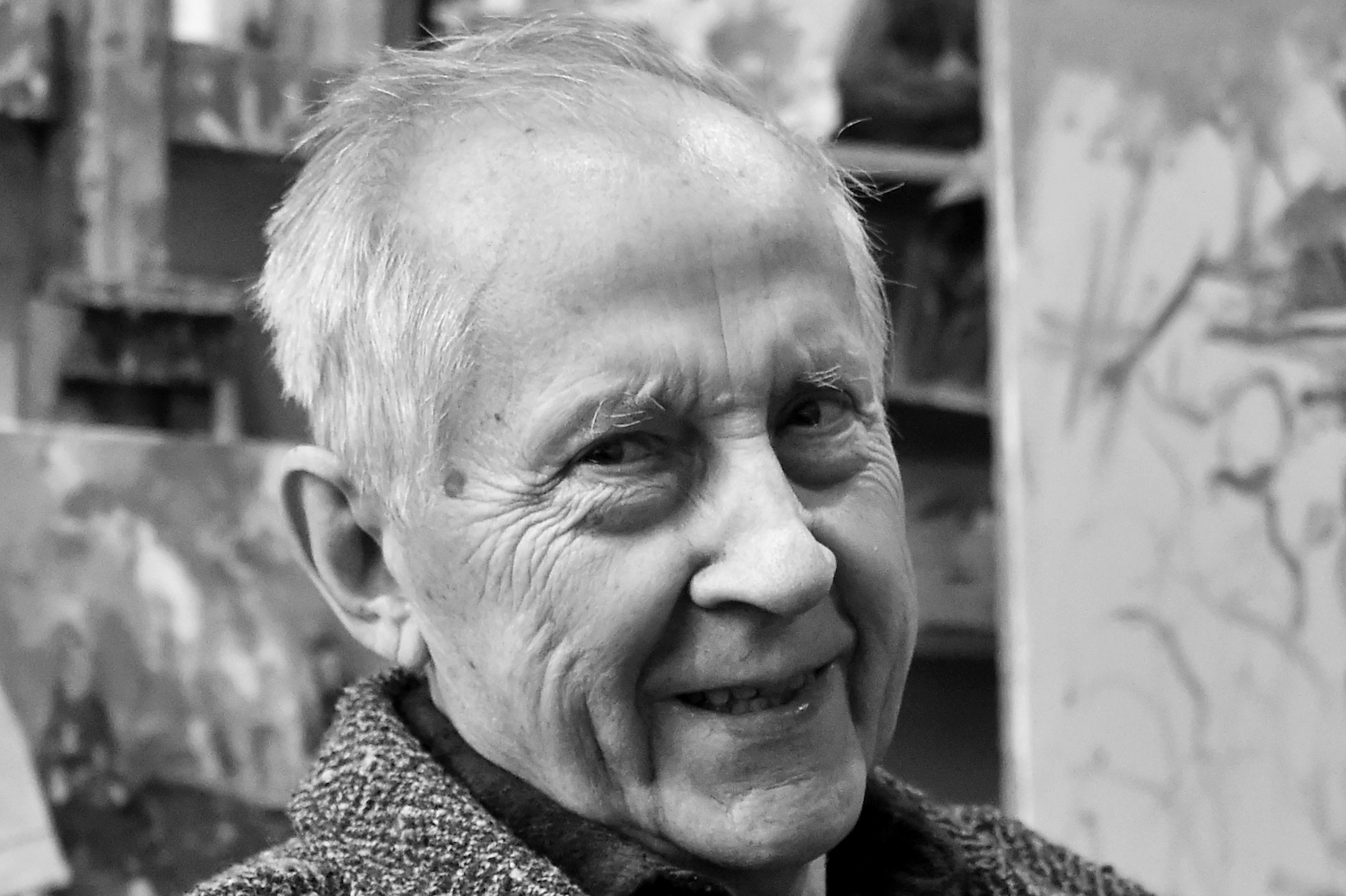
German painter Harald Metzkes has died at the age of 97 in Wegendorf, Brandenburg, surrounded by his family. His son, sculptor Robert Metzkes, confirmed the news to the German Press Agency. Metzkes, who grew up in East Germany, was a leading figure of the Berlin School of painting and resisted the official doctrine of socialist realism, instead creating a personal "world theatre" of harlequins, circus scenes, and theatrical figures inspired by Rembrandt, Velázquez, and Paul Cézanne. His best-known work includes "Der Abtransport der sechsarmigen Göttin." After training as a stonemason and studying at the Dresden Academy of Fine Arts, he worked as a freelance artist in Berlin, supporting himself with book illustrations. His work gained international attention when one of his paintings was sent to the Venice Biennale in 1984, and after the fall of the Berlin Wall he built connections with Western collectors.
On High Heels into the Museum

Auf High Heels ins Museum

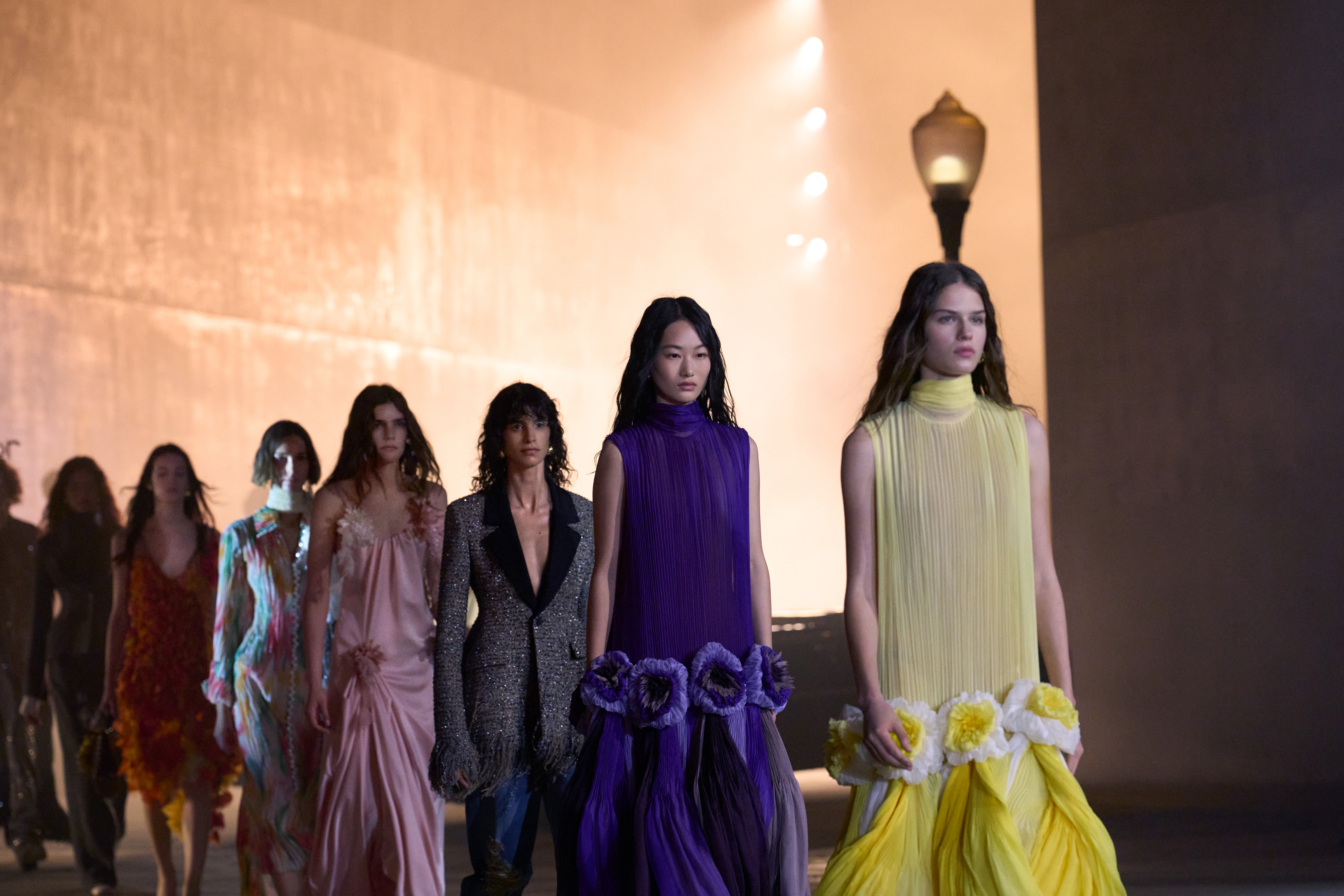
The Los Angeles County Museum of Art (LACMA) closed its newly opened David Geffen Galleries just days after their official debut to host a Dior fashion show. The show, designed by Dior creative director Jonathan Anderson, featured a Cruise collection inspired by Hollywood glamour, with models walking through the museum's outdoor spaces amid vintage cars and historical lamps. The event highlighted the ongoing tension between the museum's architectural ambitions—Peter Zumthor's amoeba-like concrete structure has drawn both criticism and praise—and its use as a venue for luxury brand marketing.

Some cry censorship, others cry antisemitism

"Die einen schreien Zensur, die anderen Antisemitismus"

A constitutional law scholar, Christoph Möllers, warns in an interview with Die Zeit about the dangerous escalation of cultural policy conflicts, sparked by Documenta 15, where accusations of censorship and antisemitism collide. In Poland, Adam Budak was removed as director of MOCAK in Krakow after just a few months, facing 79 allegations including mobbing and problematic leadership. Meanwhile, the New York spring auctions have launched, and Jason Farago's review of the Venice Biennale in the New York Times criticizes the shift from aesthetic innovation toward identity-driven art. Robin Pogrebin also reports on the merger of the Met and the Neue Galerie, described as a rare convergence of two museum models.

Was in den Museen läuft

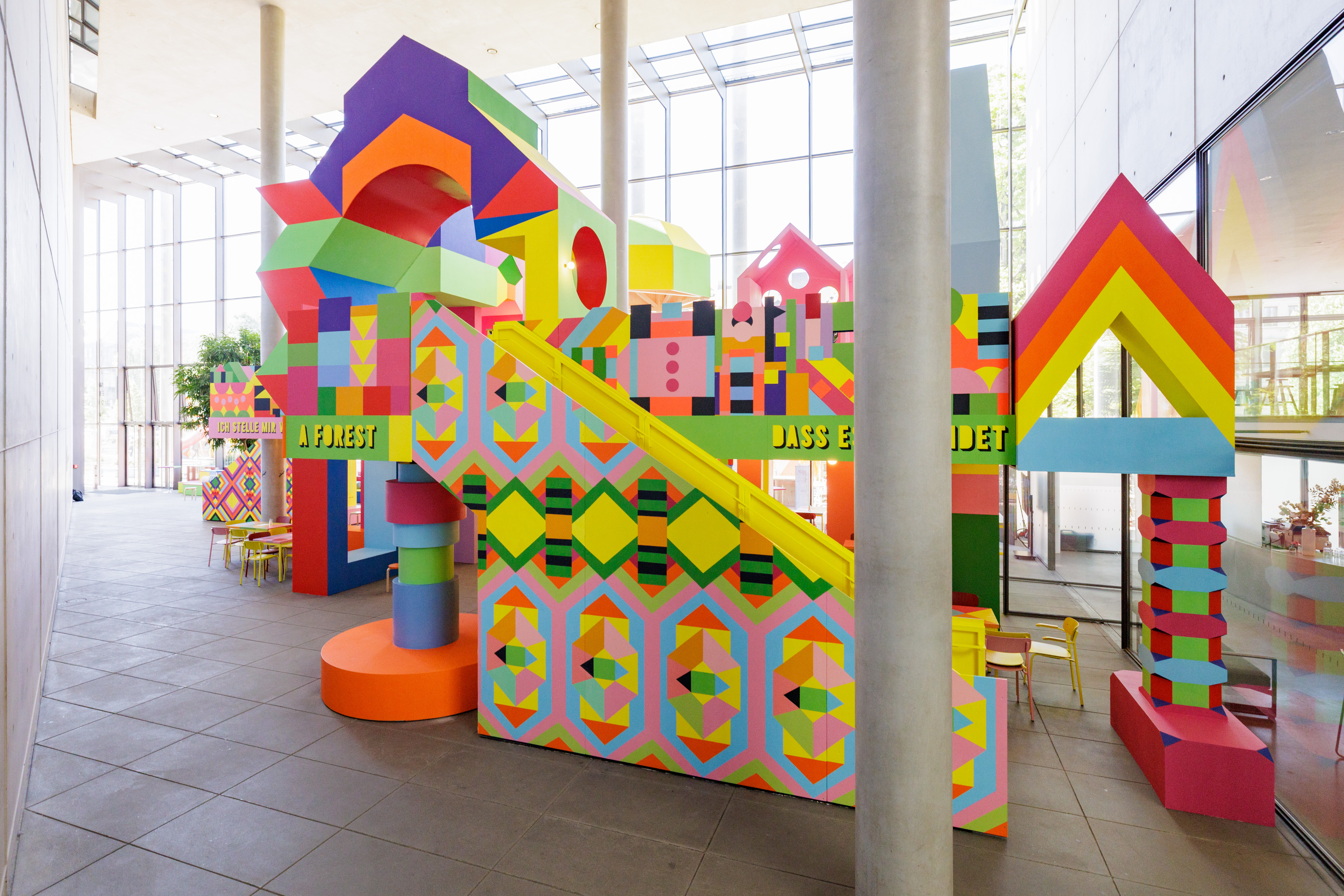
Munich's art festival "Various Others" kicks off this week with major city museums participating. The Pinakothek der Moderne presents "Reflexion," a group show of 100 works across fine art, architecture, graphic design, and design by artists including Isa Genzken, Ludwig Mies van der Rohe, Piet Zwart, and Ettore Sottsass. The Alexander-Tutsek-Stiftung celebrates its 25th anniversary with a glass-focused exhibition featuring Monica Bonvicini, Tony Cragg, and Laure Prouvost. The Villa Stuck reopens after renovation with four shows: Philipp Messner's sculptures, Ilit Azoulay's macro-film installation, a returning Franz von Stuck painting, and Delschad Numan Khorschid and Jan-Hendrik Pelz's migration-themed "Zehn Leben." The Lenbachhaus presents "Ein Ferngespräch. Szenen aus der Weimarer Republik" with works by Jeanne Mammen, Gabriele Münter, and Christian Schad. Museum Brandhorst's "Carrying" addresses the history of the Maxvorstadt art district, once site of a military barracks built by Ottoman prisoners. The Eres Stiftung continues "Seeing the Unseen" on quantum physics. The Flux meeting space, designed by Morag Myerscough, moves indoors at the Pinakothek der Moderne.

Gropius Bau öffnet abends länger

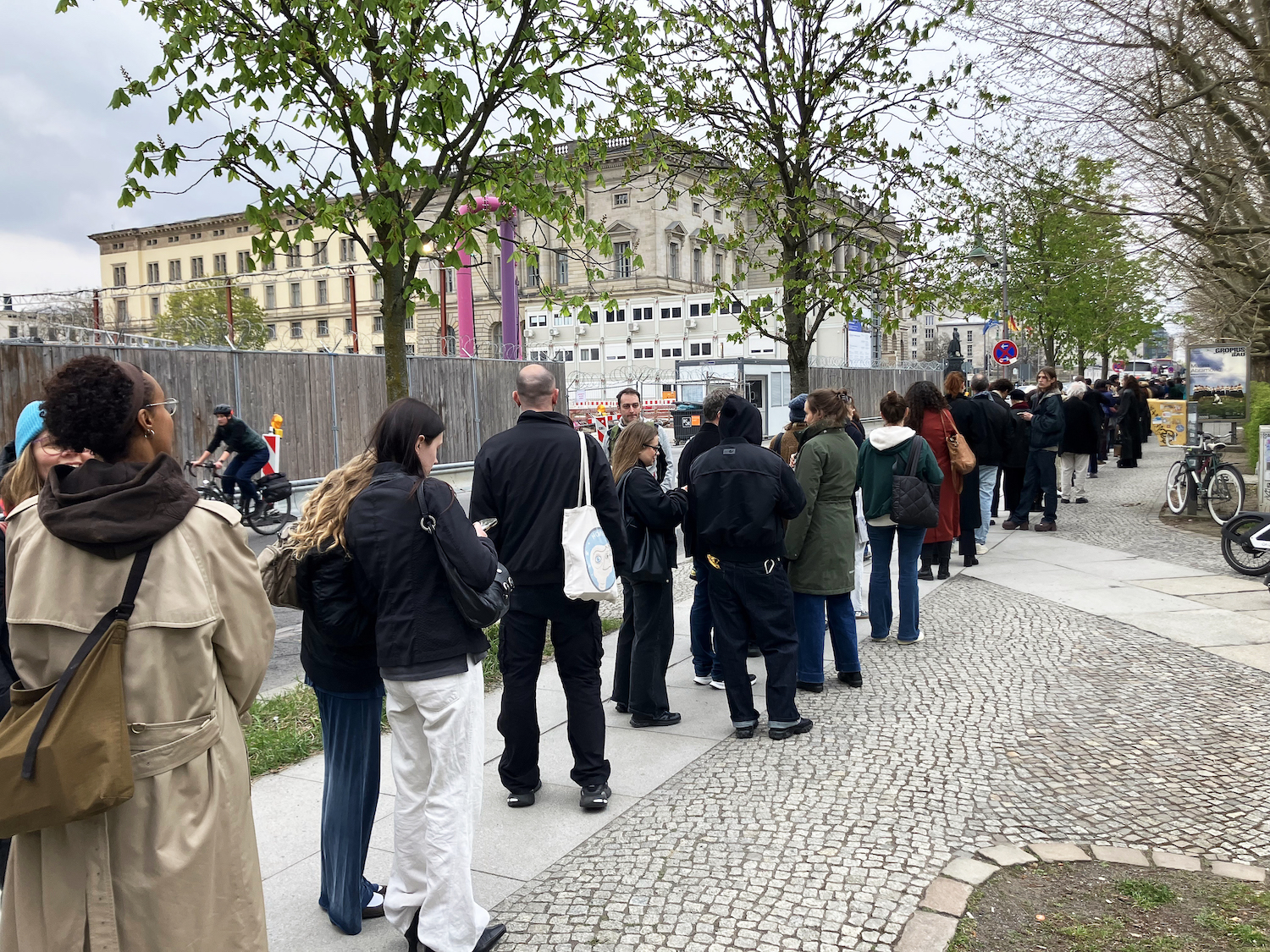
The Gropius Bau in Berlin has extended its evening opening hours by one hour, now open until 8 PM (closed Tuesdays), due to high demand for its exhibition of performance artist Marina Abramović. The show, titled "Balkan Erotic Epic," opened two weeks ago and drew long queues from the start. It features both new and older works, including performances where Abramović carved a star into her abdomen or lay in a burning installation until losing consciousness. The exhibition explores eroticism, politics, Balkan folklore, sexual energy, death, the political dimension of the body, and the Yugoslav wars.

Monopol gives away 5 × 2 tickets for Peter Hujar and Liz Deschenes at the Gropius Bau

Monopol verlost 5 × 2 Tickets für Peter Hujar und Liz Deschenes im Gropius Bau

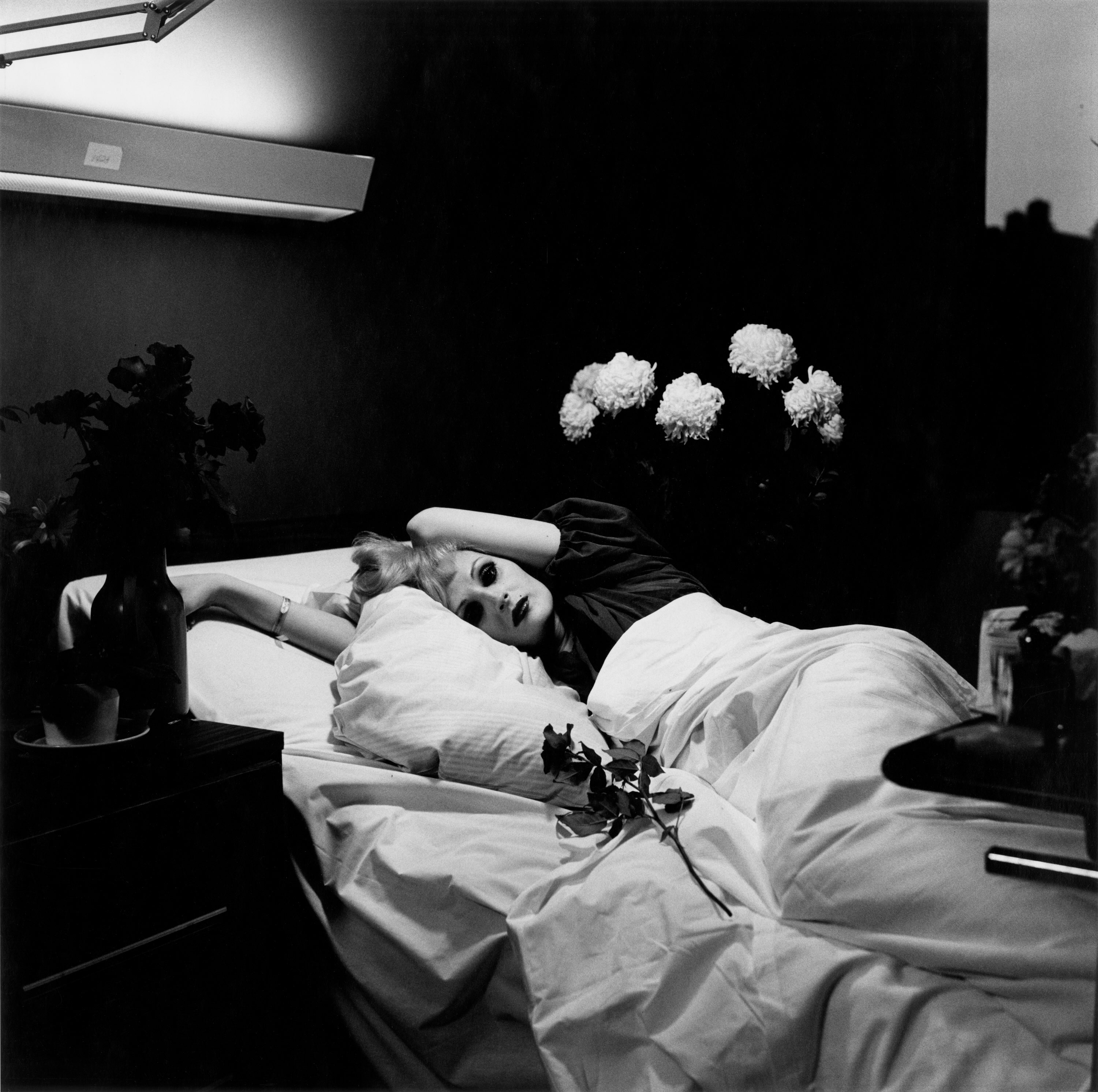
Monopol magazine is giving away 5 × 2 tickets to the exhibition "Peter Hujar / Liz Deschenes: Persistence of Vision" at the Gropius Bau in Berlin. The show pairs Hujar's iconic black-and-white photographs of New York's downtown scene—featuring figures like Susan Sontag, Divine, and David Wojnarowicz—with Liz Deschenes' abstract, material-focused works on glass and photosensitive paper. To enter, readers must email their name with the subject line "Hujar" by May 30.

"Etwas zaghaft, etwas ängstlich, etwas sicher"

The article surveys recent art-world commentary, focusing on a critical review of the Turner Prize shortlist in The Guardian, where Eddy Frankel calls the selection "timid, anxious, safe" and laments a self-perpetuating, elitist system. It also covers a Hyperallergic essay by Lisa Siraganian questioning whether artworks can possess personhood, sparked by Pierre Huyghe's Venice exhibition. Additionally, it reports on controversy at the Venice Biennale, where the jury preemptively excluded countries whose leaders are sought by the International Criminal Court—namely Russia and Israel—drawing sharp criticism from Die Welt's Marcus Woeller. A podcast interview with US sculptor Alma Allen, selected for the US Pavilion, rounds out the coverage.

"Du bist nun in die ewigen Jagdgründe der Kunst entschwunden"

This week's art news roundup covers several stories: Jonathan Meese publishes an obituary for his mother Brigitte Meese in Der Spiegel, describing her as a central figure in his life and work. Pussy Riot seeks to take over the Russian Pavilion at the Venice Biennale. The European Media Art Festival (EMAF) in Osnabrück faces controversy over antisemitism allegations linked to Palestinian-American filmmaker Basma al-Sharif, leading the city and state government to distance themselves from the festival. In the NZZ, Christian Wildhagen reports on conflicts over official political portraits, citing examples like Swiss councilor Martin Neukom rejecting paintings and Donald Trump criticizing his portrait. Art historian Horst Bredekamp pays tribute to Italian philosopher Federico Vercellone (1955–2026) in the FAZ, highlighting his theory of the 'self-activity of form.'

Salon des Refusés 2.0

Salon des Refusés 2.0

A group exhibition titled "we refuse_d" has opened at the Museum van Hedendaagse Kunst (M HKA) in Antwerp, bringing together 15 artists, many of whom faced cancellations or disinvitations from exhibitions following the October 7, 2023 attacks. The show, referencing the historic 1863 Salon des Refusés, aims to reclaim reputation and amplify marginalized voices, specifically focusing on Palestinian history and artists affected by the cultural fallout.

The Underrated Architect of the Avant-Garde

Der unterschätzte Architekt der Avantgarde

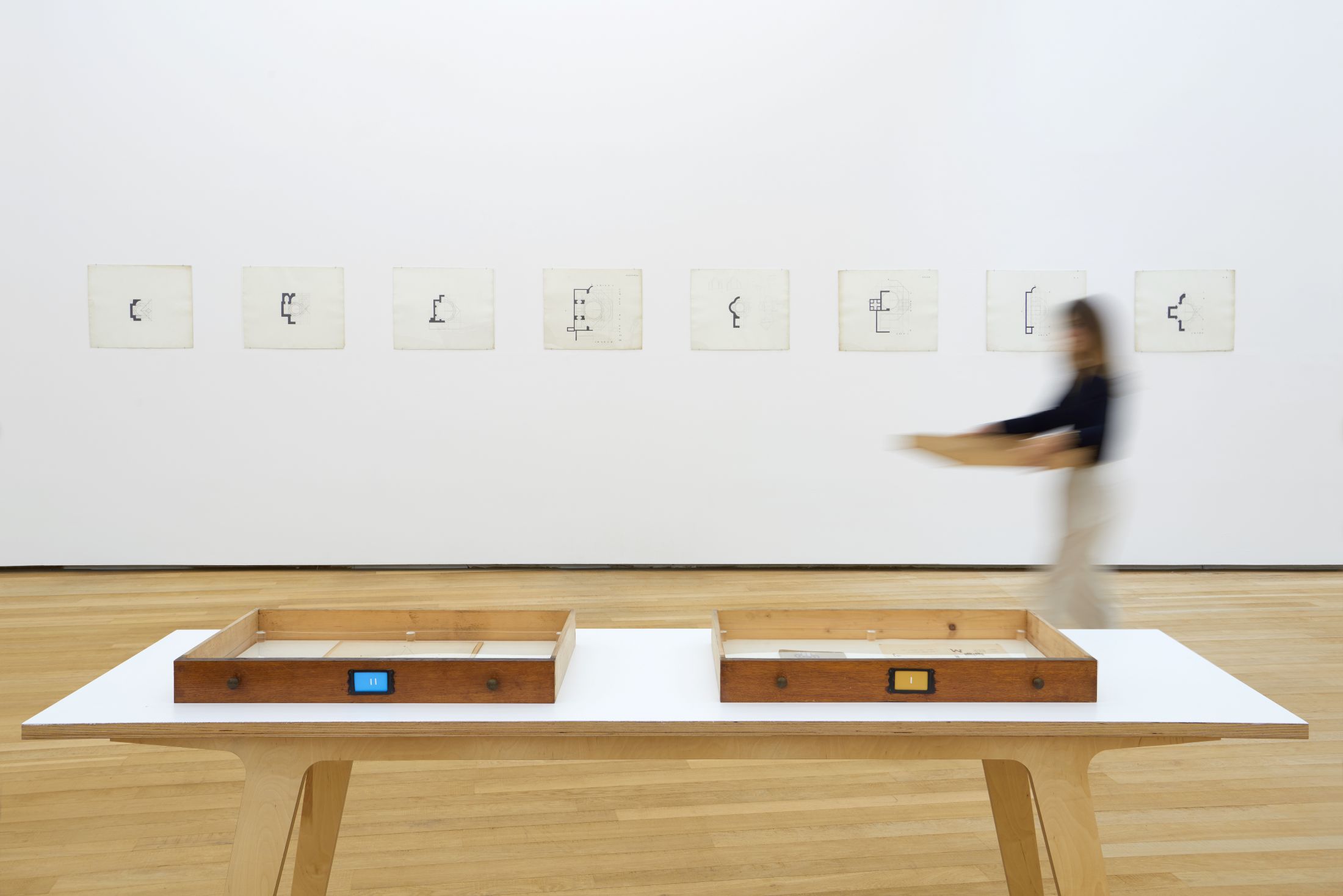
The Fondazione Antonio Dalle Nogare in Bolzano is hosting a comprehensive retrospective dedicated to Ilja Sdanewitsch, known as Iliazd, a Georgian-Russian-French avant-garde polymath. The exhibition, titled "Toutité Iliazd. Die Erforschung der Form," showcases his diverse output as a writer, designer, and publisher who viewed the book as a primary art object. The display includes architectural reliefs, textile designs for Coco Chanel, and his significant collaborations with icons like Picasso and Duchamp.

Because the Ego Suddenly Dissolves

"Weil das Ego sich plötzlich auflöst"

The art world is facing significant structural and political shifts, highlighted by the merger of Artnet and Artsy which has resulted in mass layoffs, particularly within the Artnet News editorial team and its Berlin operations. Simultaneously, tensions are rising in German cultural policy as gallery owner Rupert Pfab raises concerns over government interference in the Stiftung Kunstfonds jury selection, reflecting a broader climate of unease that includes recent controversies at the Berlinale.

How Alexander Calder Set Sculpture in Motion

Wie Alexander Calder die Skulptur in Bewegung setzte

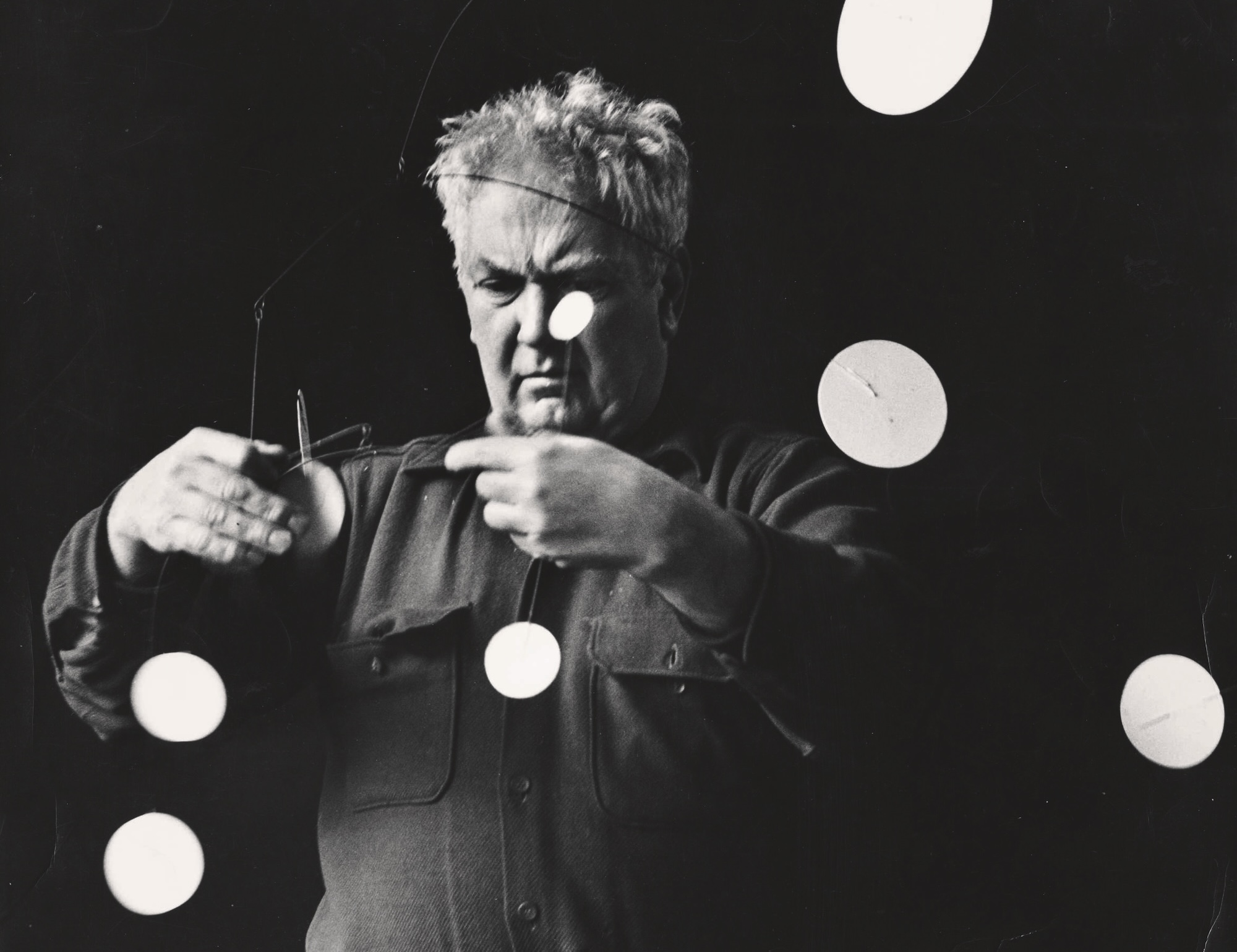
The Fondation Louis Vuitton in Paris has launched a major retrospective titled "Rêver en Équilibre," dedicated to the American sculptor Alexander Calder. Featuring over 300 works, the exhibition traces Calder’s journey from his 1926 arrival in Paris to his invention of the "mobile," a term coined by Marcel Duchamp. The show includes iconic large-scale hanging sculptures like "Rouge triomphant," wire figures from his famous "Cirque Calder," and rarely seen private loans, alongside paintings and jewelry that highlight his engineering background and poetic approach to abstraction.

Imitations of a Mediocre Teenager on Tranquilizers

"Nachahmungen eines mittelmäßigen Teenagers auf Tranquilizern"

The Victoria & Albert Museum has reportedly censored exhibition catalogs following pressure from Chinese printing firms, removing images and maps related to sensitive topics like Tibet and Tiananmen Square. This editorial roundup also highlights artist Molly Crabapple’s sharp critique of generative AI as a massive intellectual property theft and a profile of Rirkrit Tiravanija’s communal home in Thailand, which functions as a social sculpture.

Contemporary US Art is Sick with Problems

"Die zeitgenössische US-Kunst ist von Problemen krank"

Artist Josh Kline has sparked a heated debate with a scathing critique of the American art scene, particularly targeting New York City as an unsustainable hub driven by market logic and inequality. Kline argues that contemporary art is "sick with problems" and urges young artists to abandon the city, calling for a shift from institutional critique to a broader industry-wide analysis of class and power. Meanwhile, the German art world sees significant movement with the upcoming auction of Georg Kolbe’s "Tänzerinnen-Brunnen" following a Nazi-looted art settlement, and the Berlin State Museums announcing a phased reopening of the Pergamon Altar starting in 2027.

Christine Ruiz-Picasso Dies at 97

Christine Ruiz-Picasso mit 97 gestorben

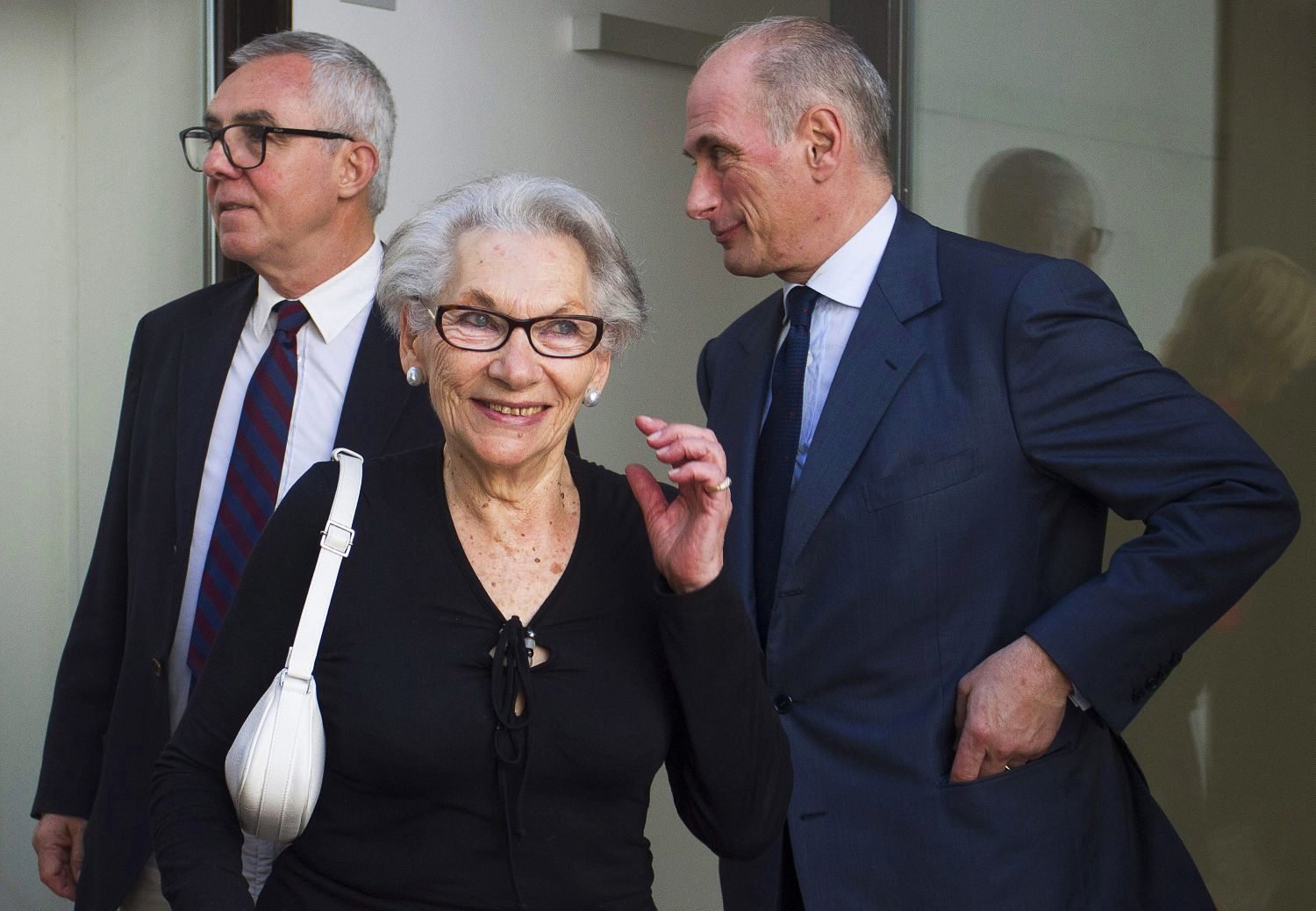
Christine Ruiz-Picasso, the daughter-in-law of Pablo Picasso and a pivotal figure in the establishment of the Museo Picasso Málaga, has passed away at the age of 97 in her home in Provence. As the widow of Picasso’s eldest son, Paul, she was instrumental in fulfilling the artist's wish to have a dedicated museum in his birthplace. Alongside her son Bernard, she donated over 230 works to form the core of the institution's permanent collection.

One of the Greatest Photographic Documents of the 20th Century

"Eines der größten fotografischen Dokumente des 20. Jahrhunderts"

A New York court has concluded an eleven-year legal battle by awarding Amedeo Modigliani’s 'Seated Man with a Cane' to the heirs of Jewish art dealer Oscar Stettiner. The ruling rejected the claims of the powerful Nahmad family, with the judge determining that Stettiner never voluntarily relinquished the work during the Nazi era. Additionally, a significant photographic archive belonging to darkroom technician Roland Haupt has surfaced, containing previously unseen World War II images by Lee Miller and Cecil Beaton.

In London, Tracey Emin is Concerned with Death and Resurrection

In London geht es Tracey Emin um Tod und Auferstehung

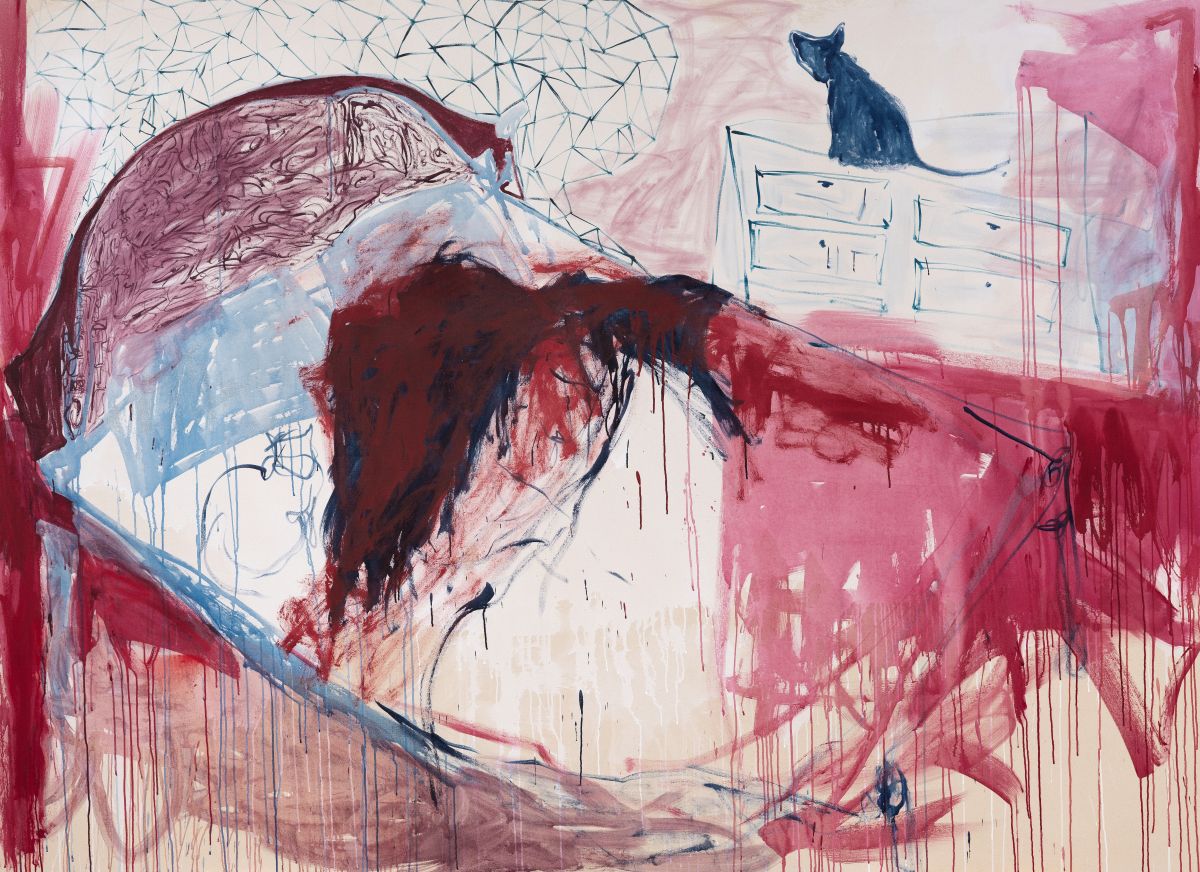
Tracey Emin has opened a major exhibition at the Tate Modern in London. The show, which follows her battle with an aggressive bladder cancer diagnosed in 2020, presents a new chapter in her work, focusing on themes of trauma, triumph, and the body.

The Wild Ways Artists Have Made Their Livings, from the Renaissance to Today

The Wild Ways Artists Have Made Their Livings, from the Renaissance to Today

Mason Currey's new book, 'Making Art and Making a Living,' compiles stories of how artists from the Renaissance to today have funded their creative lives. It details diverse methods beyond family wealth, including odd jobs, dual careers, and institutional roles, highlighting figures like Louise Nevelson, Philip Glass, and Frank O'Hara.

Frida Kahlo and Diego Rivera at MoMA in New York in a Passionate Theatrical Dialogue

Frida Kahlo et Diego Rivera au MoMA de New York dans un dialogue théâtral plein d’ardeur

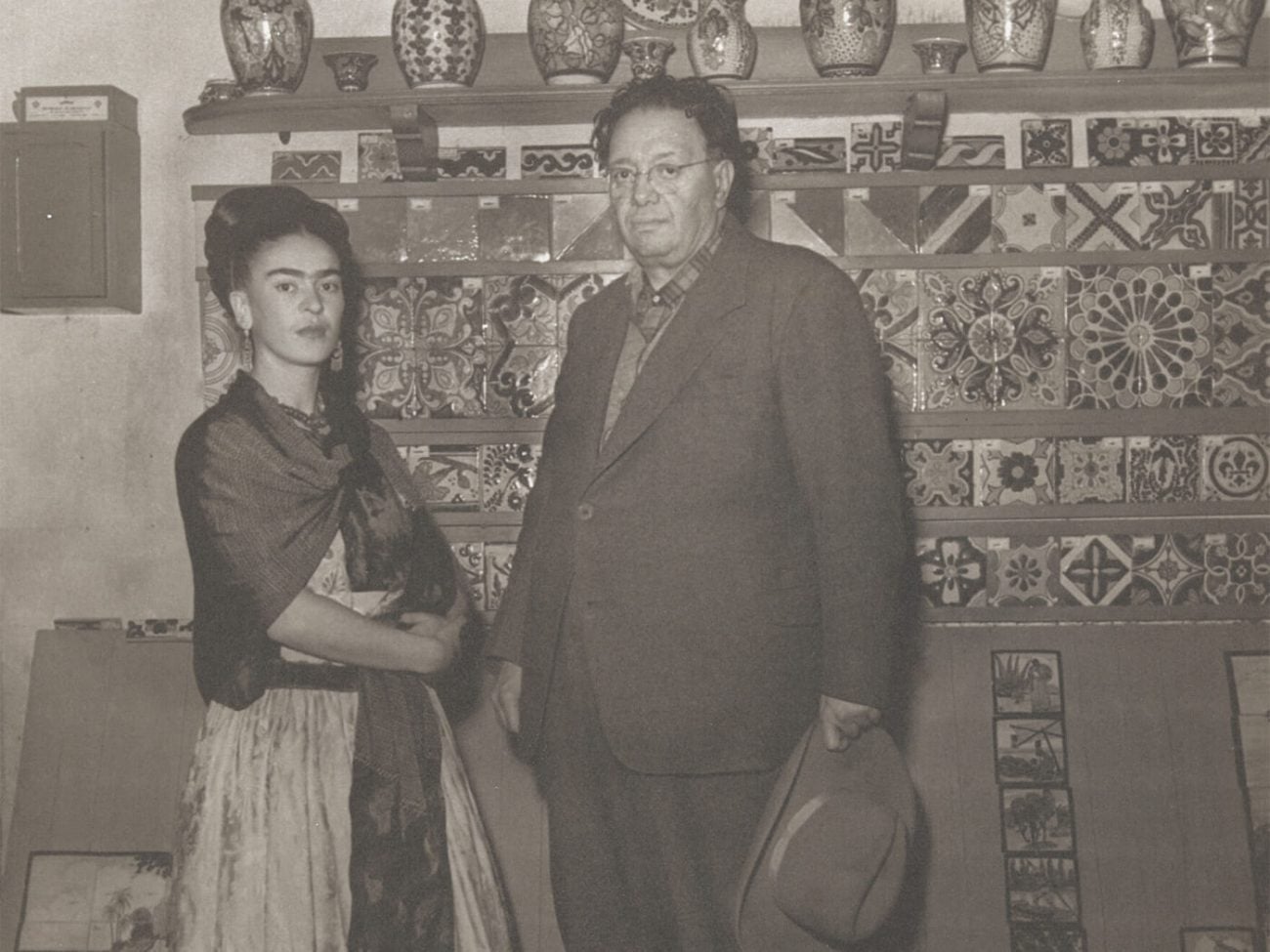
The Museum of Modern Art (MoMA) in New York has opened a theatrical exhibition titled "Frida and Diego: The Last Dream," curated by Beverly Adams, the museum's curator of Latin American art. The show features around twenty paintings and drawings by Frida Kahlo and Diego Rivera from MoMA's collection, alongside photographic portraits. The exhibition's dramatic staging, designed by British set designer Jon Bausor—who also worked on the Metropolitan Opera's concurrent production of "El Último Sueño de Frida y Diego"—creates a tense dialogue between the artists' contrasting styles: Rivera's political murals and Kahlo's intimate, colorful self-portraits. Highlights include Kahlo's "Self-Portrait with Cropped Hair" (1940) and Rivera's "Zapata, Agricultural Leader" (1931).

In Basel, a Dive into the Great Bath of Colors of Helen Frankenthaler

À Bâle, plongée dans le grand bain de couleurs d’Helen Frankenthaler

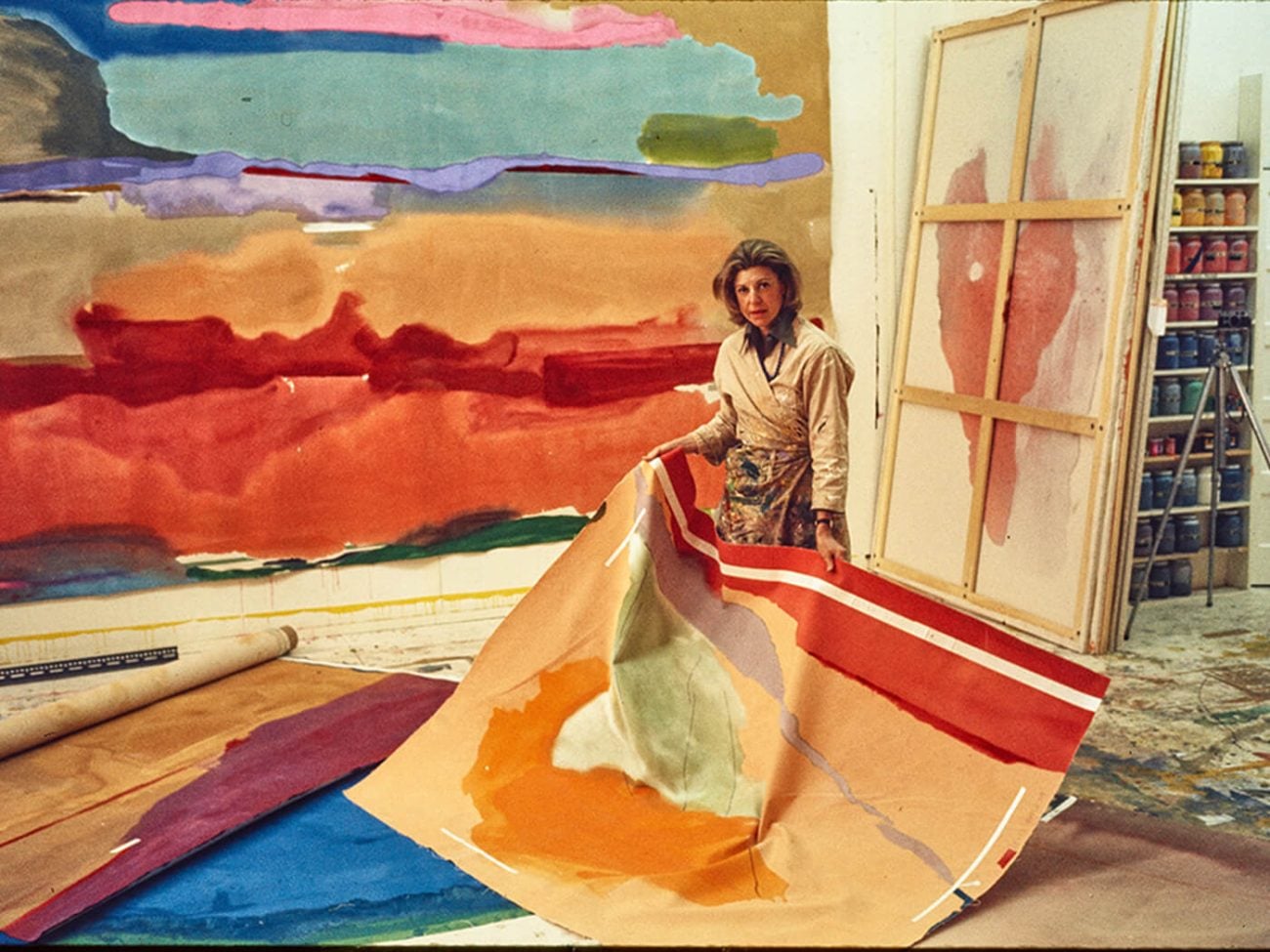
The Kunstmuseum Basel has opened a major retrospective of American painter Helen Frankenthaler (1928–2011), a key figure in Color Field painting who is less known in Europe than her contemporaries Jackson Pollock and Mark Rothko. The exhibition was sparked by a 2024 donation of Frankenthaler's 1963 painting "Riverhead" from the Helen Frankenthaler Foundation, and features around fifty works showcasing her signature soak-stain technique, in which she applied thinned paint to unprimed canvas using sponges, brooms, and scrapers. The show traces her career chronologically, highlighting influences from Old Masters and her physical approach to painting on the floor.

In 1955, Calder brings his famous 'Cirque' to life in front of Jean Painlevé's camera

En 1955, Calder active son célèbre « Cirque » face à la caméra de Jean Painlevé

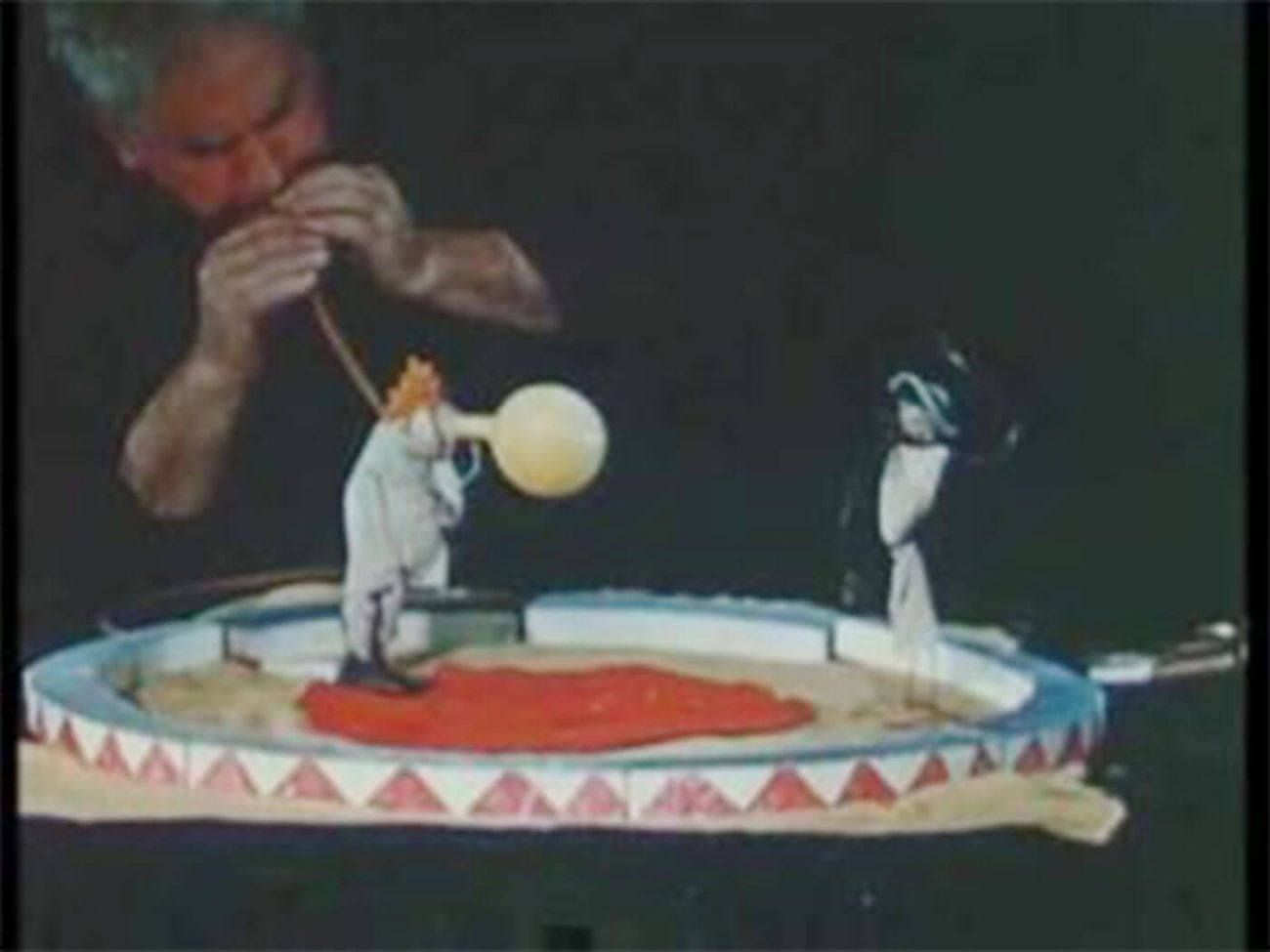
A 1955 film by Jean Painlevé captures Alexander Calder performing his famous "Cirque" (Circus), a handmade miniature circus he created between 1926 and 1931 in Paris. The film shows Calder manipulating fragile wire-and-wood figures—weightlifters, trapeze artists, clowns, and dancers—while a gramophone plays. The work, now preserved at the Whitney Museum of New York, is on loan for a major Calder retrospective at the Fondation Louis Vuitton in Paris (April 15–August 16, 2026). Painlevé's film is also the subject of a concurrent exhibition at the Musée de Pont-Aven (February 7–May 31, 2026).

New Art Center and Hidden Gems: A Weekend Full of Surprises in Bruges

Nouveau centre d’art et pépites cachées : un week-end plein de surprises à Bruges

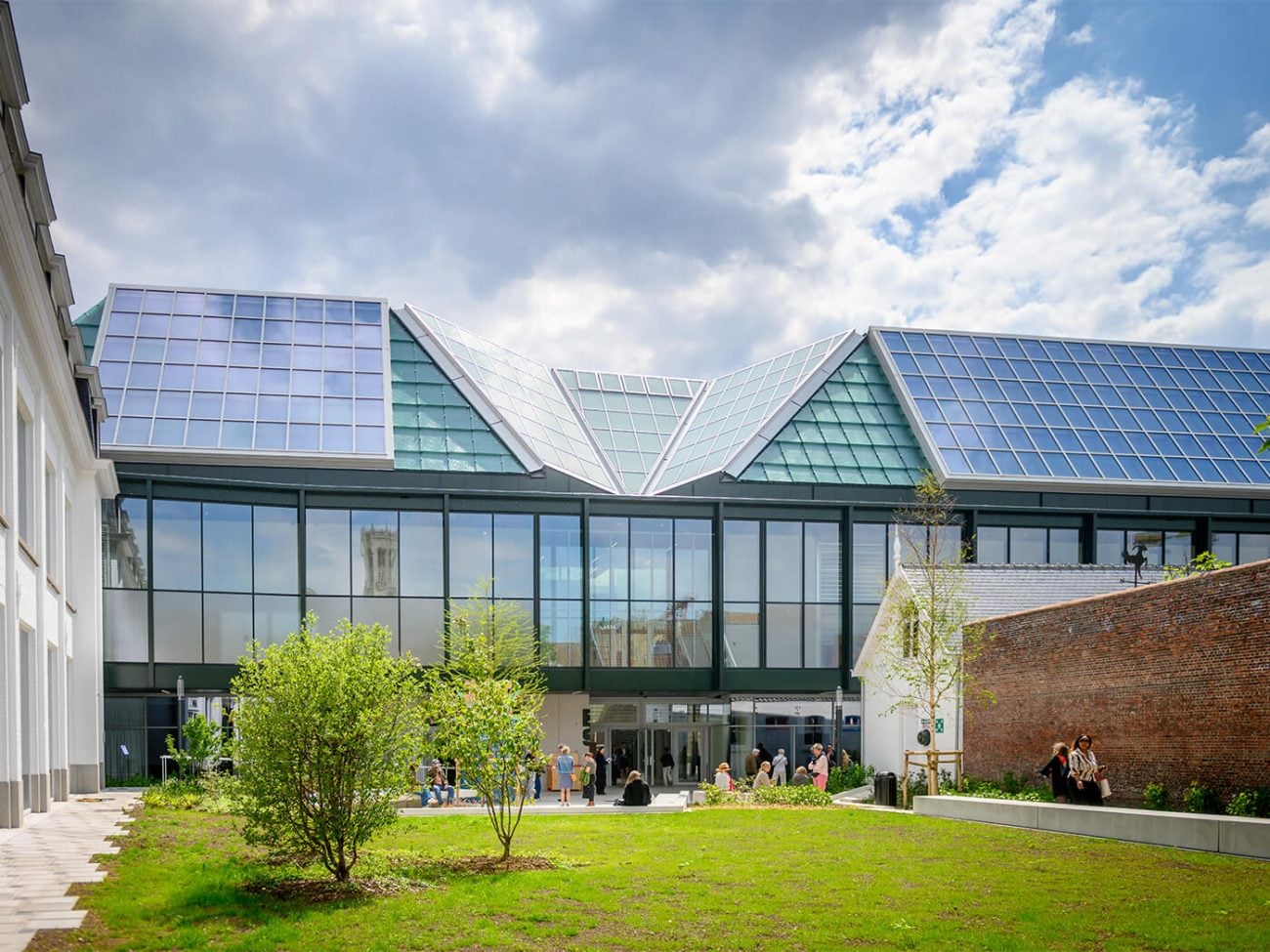
Bruges, the Flemish city known for its medieval charm and UNESCO World Heritage status, has inaugurated a new art center called BRUSK in spring 2026. Located in the museum district, the building designed by Robbrecht en Daem and Olivier Salens features a monumental 350-square-meter fresco by French artist Laure Prouvost titled "The Whispering Walls Rêve," which references the city's past and present. The center also includes a conservation and research facility, with free access to the ground floor. The article proposes a weekend itinerary starting at the Grand-Place (Markt) and highlights Bruges as a hub for contemporary creation alongside its historic treasures.

At the Louvre Museum, ORLAN will give a free art history lecture this Friday

Au musée du Louvre, ORLAN donnera ce vendredi un cours d’histoire de l’art (gratuit)

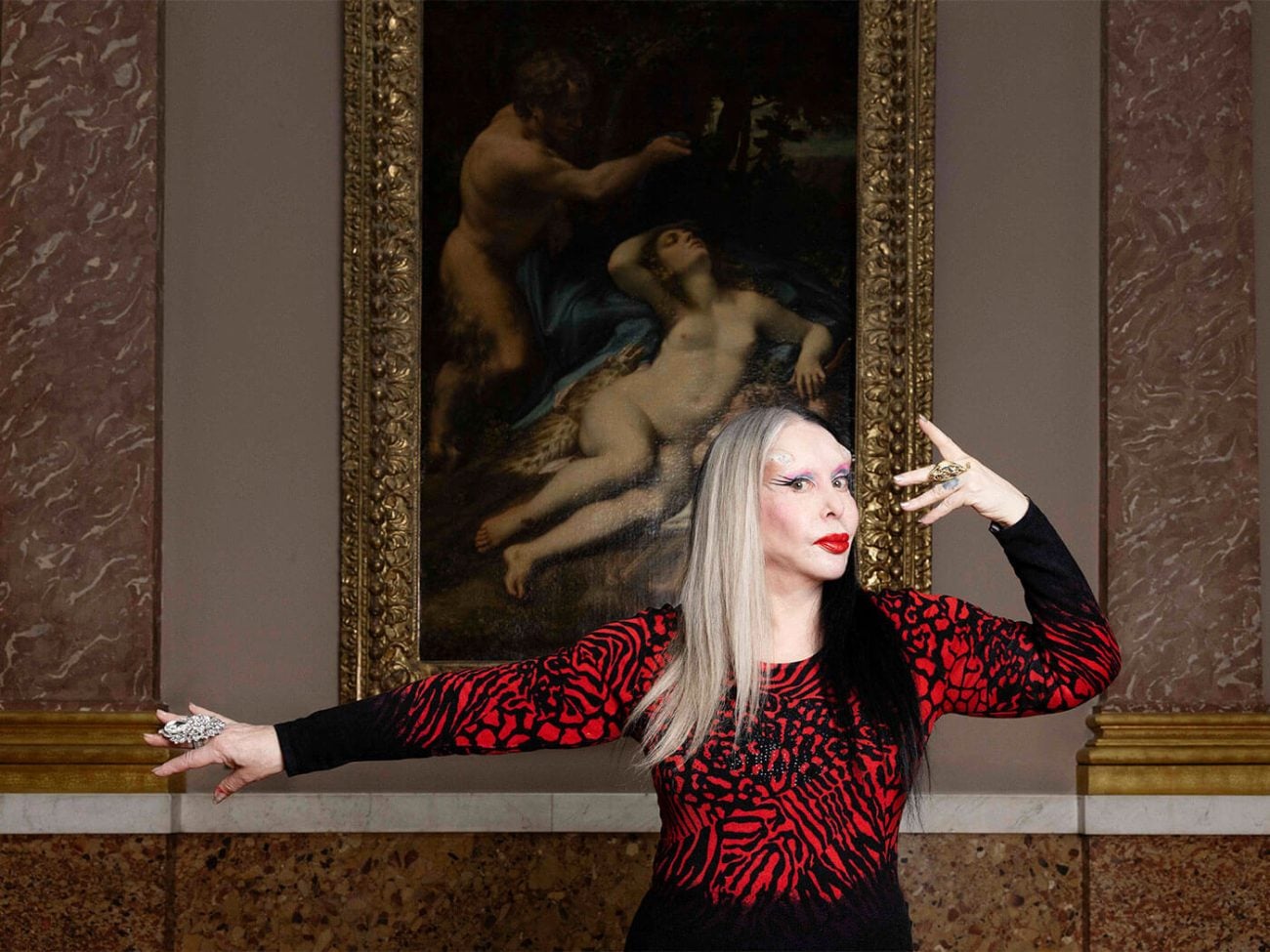
French artist ORLAN will deliver a free art history lecture at the Musée du Louvre on Friday, May 22, 2026, as part of the fourth edition of the museum's "Leçons d'artiste" lecture series. Titled "Le musée et l'histoire de l'art cellules souches de nos nouvelles images," the talk will examine how museums like the Louvre shape art history—with its omissions, censures, and rewritings—and how new technologies, including artificial intelligence, feed on existing imagery. Two additional lectures will follow on June 12 (on body representation) and September 25 (on artists' responsibility in times of war and oppression).

6 musées incontournables à visiter à Venise

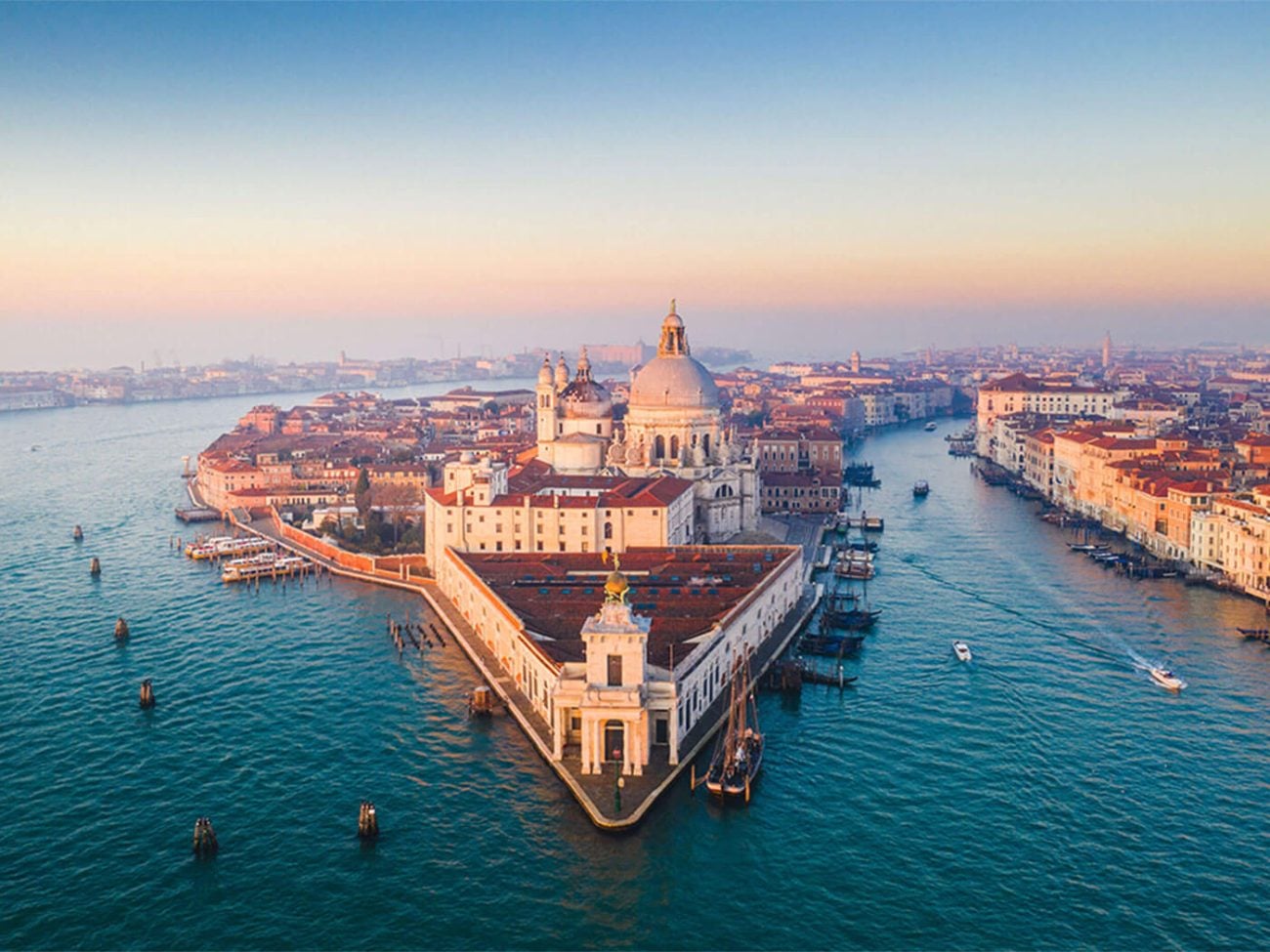
Beaux Arts Magazine highlights six must-visit museums in Venice, including the Palazzo Ducale, Gallerie dell'Accademia, Peggy Guggenheim Collection, and the Pinault Collection venues Palazzo Grassi and Punta della Dogana. The article notes that during the Biennale, the city is filled with free pavilions, but the main museums have high entry fees, offset by passes like the Venice Museum Pass (€59) and Venice City Pass (€119). It also mentions a current Marina Abramović exhibition at the Gallerie dell'Accademia, marking her as the first living female artist honored there.

Sofiane Pamart: 'With my piano, I sculpt sound matter'

Sofiane Pamart : « Avec mon piano, je sculpte la matière sonore »

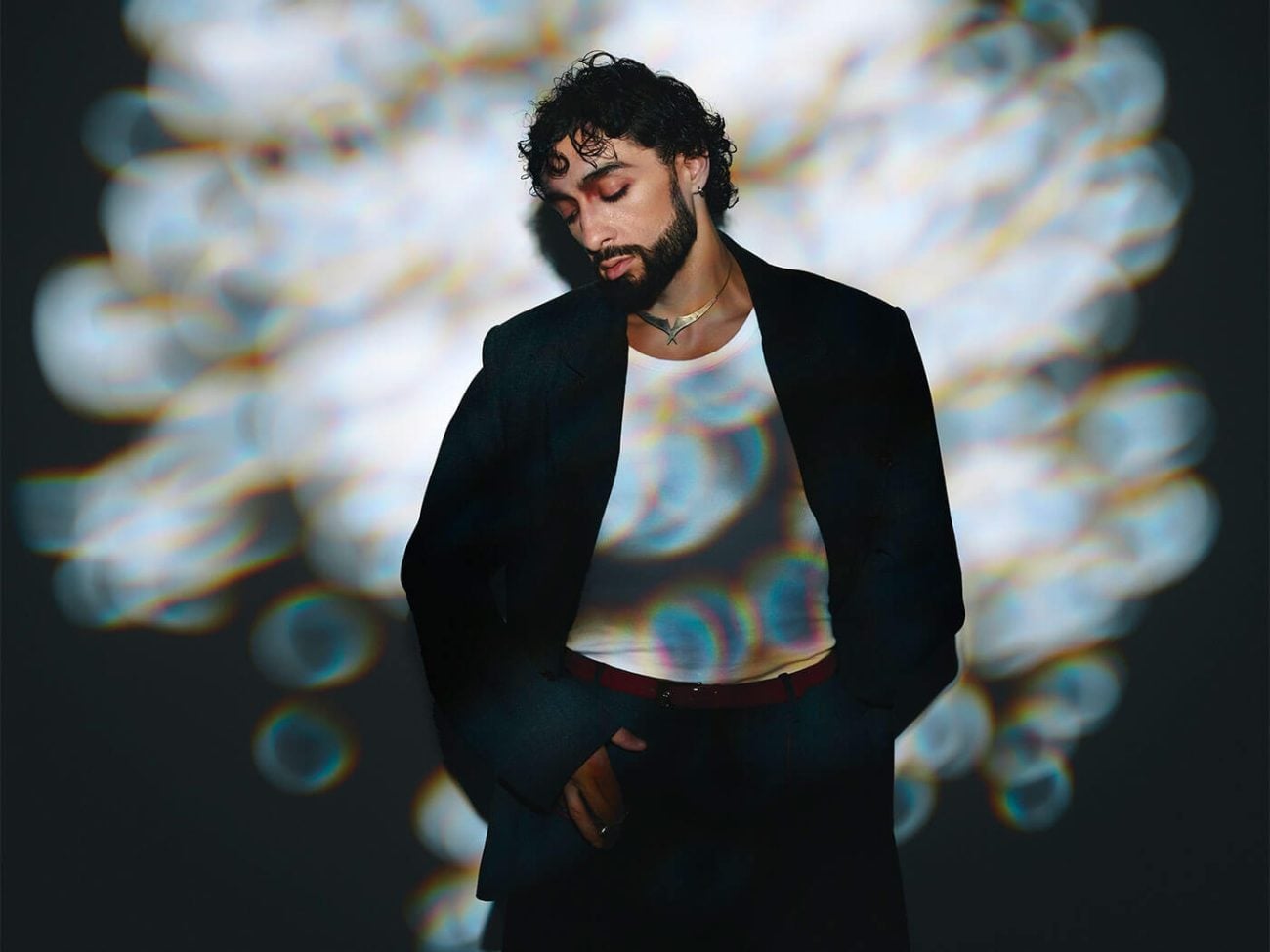
French pianist Sofiane Pamart discusses his creative process in an interview with Beaux Arts Magazine, explaining how his music is inspired by contemplative cinema, particularly the films of Takeshi Kitano and Wong Kar-wai. He describes his approach to composition as sculpting sound, drawing parallels to impressionist painting and the works of sculptors Auguste Rodin and Camille Claudel. Pamart also expresses a preference for art that interacts with nature, citing the open-air museum of sculptor Anachar Basbous in Lebanon as an example.

« La Boule » de Villeroy & Boch : l’art explosif et pop du pique-nique

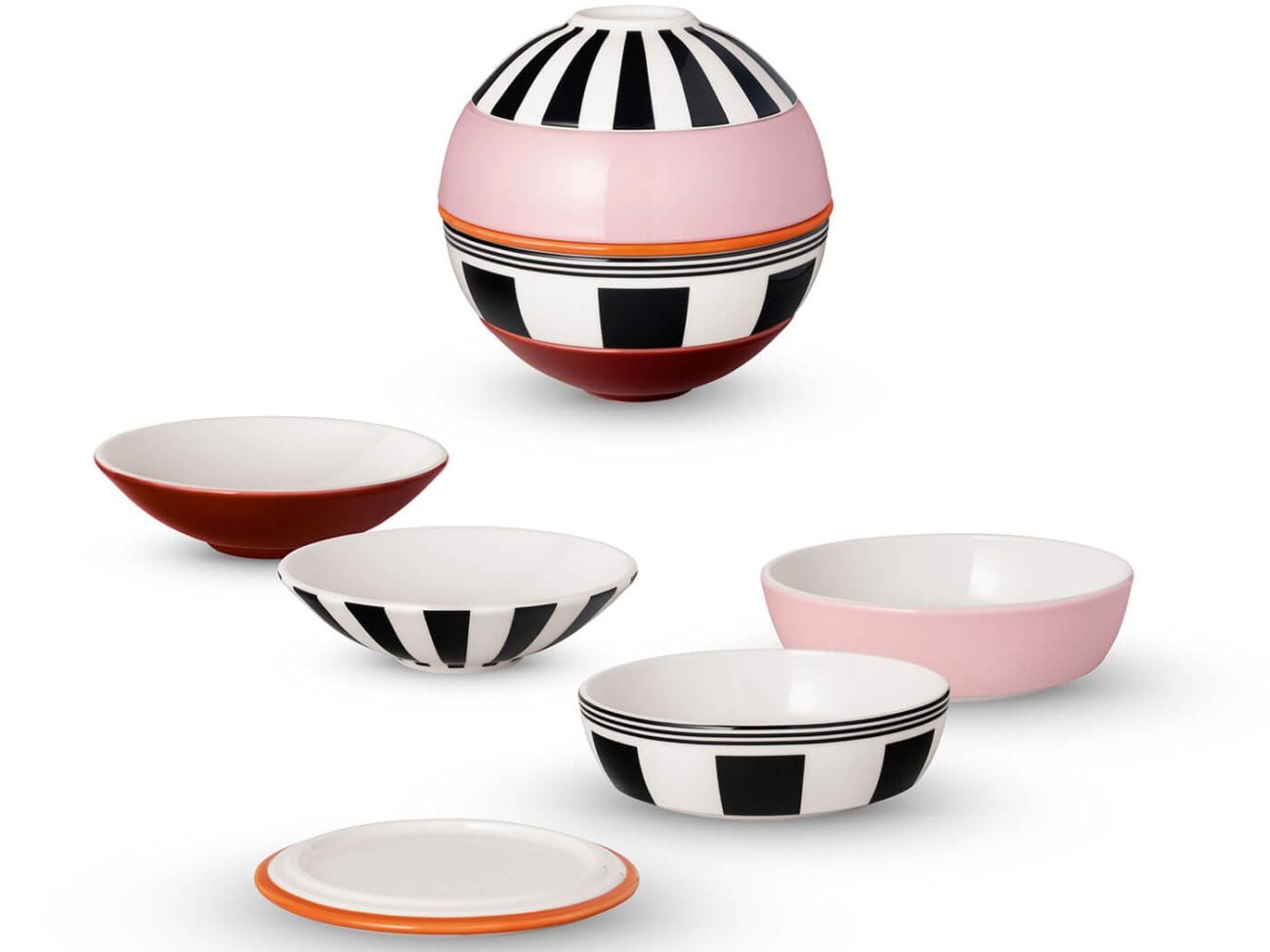
Villeroy & Boch, the historic German porcelain manufacturer founded in 1748, launched "La Boule" ("Die Kugel") in 1971—a stackable 19-piece porcelain dinner service for four that compacts into a colorful decorative sphere. Designed by Helen von Boch, the eighth-generation family director, the set was part of a pop-design wave and came in original color variants that have since become collectors' items. The article also highlights related designs like the "La Bomba" picnic cutlery set (1968) and melamine set (1972), both held by MoMA, and notes Villeroy & Boch's collaborations with artists such as Keith Haring, Paloma Picasso, and Luigi Colani.

Au musée Marmottan Monet, la peinture de Giovanni Segantini hisse la modernité au sommet des Alpes

The Musée Marmottan Monet in Paris is hosting the first retrospective in France of Giovanni Segantini (1858–1899), a major but little-known figure of Symbolism. The exhibition traces his career through the lens of his geographical ascent into the Alps, from his early success with "Ave Maria à la traversée" (1886–1888) to his final triptych "La Vie, La Nature, La Mort," which he was working on when he died at age 41. Segantini's divisionist technique, which Vassily Kandinsky considered a precursor to abstraction, is highlighted as a means of expressing a dematerialized vision of the world.

« À qui appartiennent ces œuvres ? » : le destin des biens culturels spoliés par les nazis au cœur d’un nouvel espace au musée d’Orsay

On May 5, the Musée d'Orsay in Paris inaugurated a new dedicated space in the Pavillon Amont for artworks looted during World War II that remain unclaimed by their owners or heirs. The room, titled "À qui appartiennent ces œuvres ?" ("Who owns these works?"), features thirteen pieces including sculptures by Auguste Rodin and paintings by Auguste Renoir, Edgar Degas, and Eugène Boudin. These represent a fraction of the museum's 225 MNR (Musées nationaux récupération) holdings, part of a national legacy of approximately 2,000 looted works still held in French museums.

The invisible worlds of Hilma af Klint, pioneer of abstraction, finally revealed at the Grand Palais

Les mondes invisibles d’Hilma af Klint, pionnière de l’abstraction, enfin révélés au Grand Palais

The article reveals the long-overlooked story of Hilma af Klint (1862–1944), the Swedish artist who created abstract paintings years before Kandinsky, Mondrian, and Malevich, yet kept her work secret until 20 years after her death. Her monumental output—1,600 abstract paintings and 124 notebooks—was first publicly shown in 1986 at the Los Angeles exhibition 'The Spiritual in Art, Abstract Painting, 1890–1985'. A 2019 retrospective at the Guggenheim Museum in New York drew 600,000 visitors, a museum record. Now, the Grand Palais in Paris presents the first-ever French exhibition of her work, focusing on her 'Paintings for the Temple' cycle (1906–1915), a series of 193 works that synthesize her spiritual quest.

From the beaches of Valencia to the gardens of Andalusia, the virtuoso Joaquín Sorolla celebrated by a luminous exhibition in Toulouse

Des plages de Valence aux jardins andalous, le virtuose Joaquín Sorolla célébré par une exposition lumineuse à Toulouse

The article announces a luminous exhibition in Toulouse celebrating the Spanish painter Joaquín Sorolla (1863–1923), known for his radiant beach scenes and masterful use of light. Co-curated by Ana Debenedetti of the Bemberg collection and Enrique Varela Agüí, director of the Museo Sorolla in Madrid, the show features iconic works such as *Contre-jour, Maria à Biarritz* (1906) and *Sur le sable, plage de Zarautz* (1910), alongside a reconstruction of Sorolla’s studio. The exhibition highlights his unique style blending realism, impressionism, and luminism, with energetic brushwork, bold compositions, and photographic framing.