filter_list Showing 2988 results for "Man" close Clear
search
dashboard All 2988 museum exhibitions 1634article local 320article news 300trending_up market 220article culture 192rate_review review 91article policy 68candle obituary 64person people 61gavel restitution 37article architecture 1
date_range Range Today This Week This Month All
Subscribe

Historic Monument Honors New York's First Arabic-Speaking Community

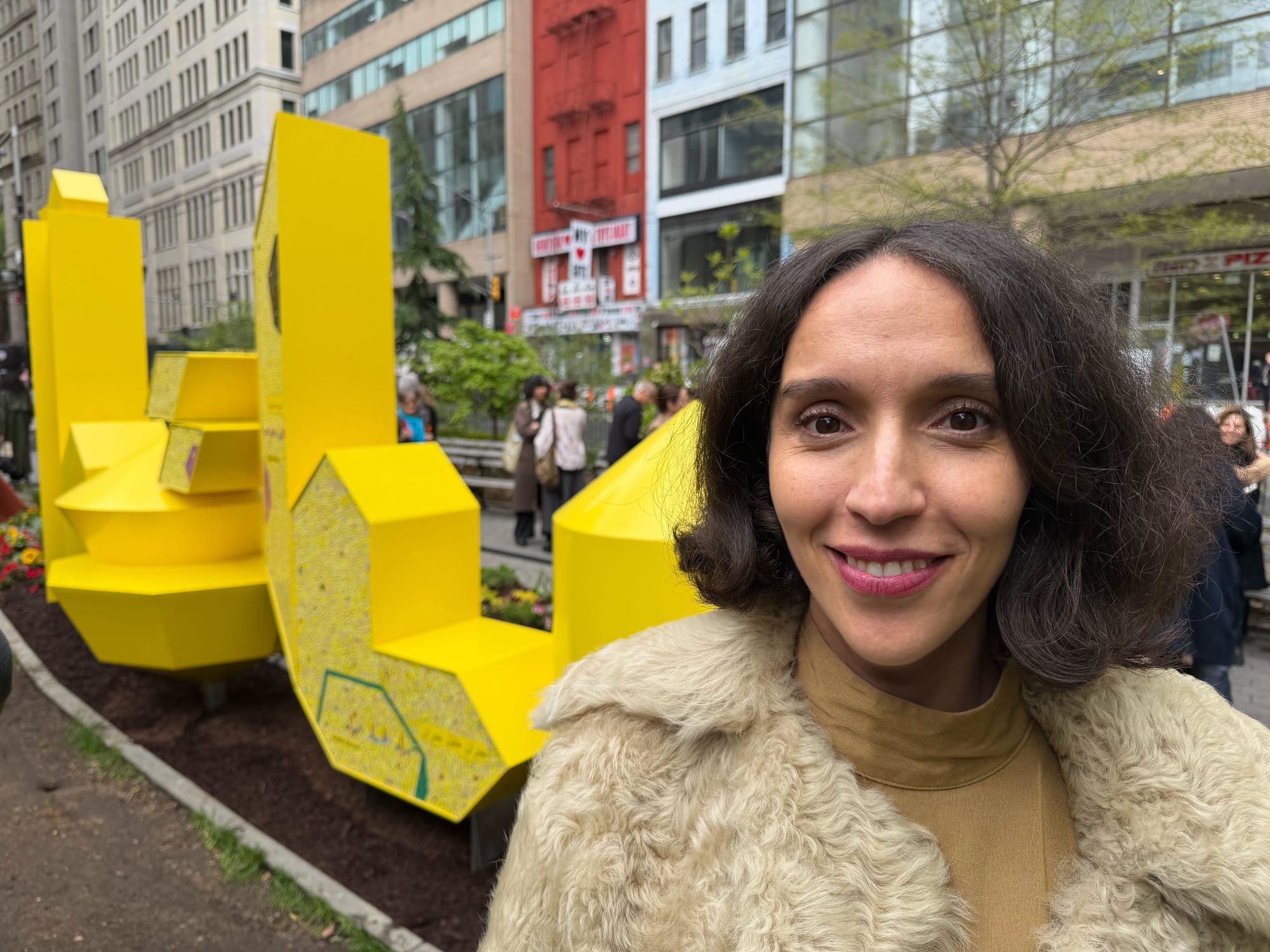
New York City unveiled its first commemorative public artwork under Mayor Zohran Mamdani's administration on April 30, honoring the historic "Little Syria" neighborhood in Manhattan's Financial District. The monument, titled "Al Qalam (The Pen): Poets in the Park," is a mosaic installation and sculpture by French-Moroccan artist Sara Ouhaddou, created over the past decade. It celebrates nine members of the enclave's literary community, including Lebanese-American poet Khalil Gibran, who co-founded the writers' association Pen Bond in 1920. The $1.6 million artwork sits in Elizabeth H. Berger Plaza, within the blocks where immigrants from Greater Syria settled in the late 19th century before being displaced by tunnel construction in the 1940s.

U.S. Returns Hundreds of Looted Antiquities to Italy

U.S. officials formally returned 337 looted antiquities, archival materials, and artworks to Italy during a ceremony at Rome’s La Marmora barracks. The objects, spanning from the Villanovan era (900–700 B.C.E.) through the Hellenistic period (323–31 B.C.E.), include Etruscan, Greek, Italic, and Egyptian artifacts. The repatriation was coordinated by Italy’s Carabinieri Command for the Protection of Cultural Heritage, the U.S. Federal Bureau of Investigation, the Department of Homeland Security, and the office of Manhattan District Attorney Alvin Bragg Jr. Key items include a marble head of Alexander the Great, a bronze sculpture from Herculaneum, and Egyptian basalt sculptures. Some 221 objects were recovered via the Manhattan DA, while the remaining 116 were secured with help from Christie’s.

Italian Culture Minister Launches Inspection of Venice Biennale’s Russian Pavilion

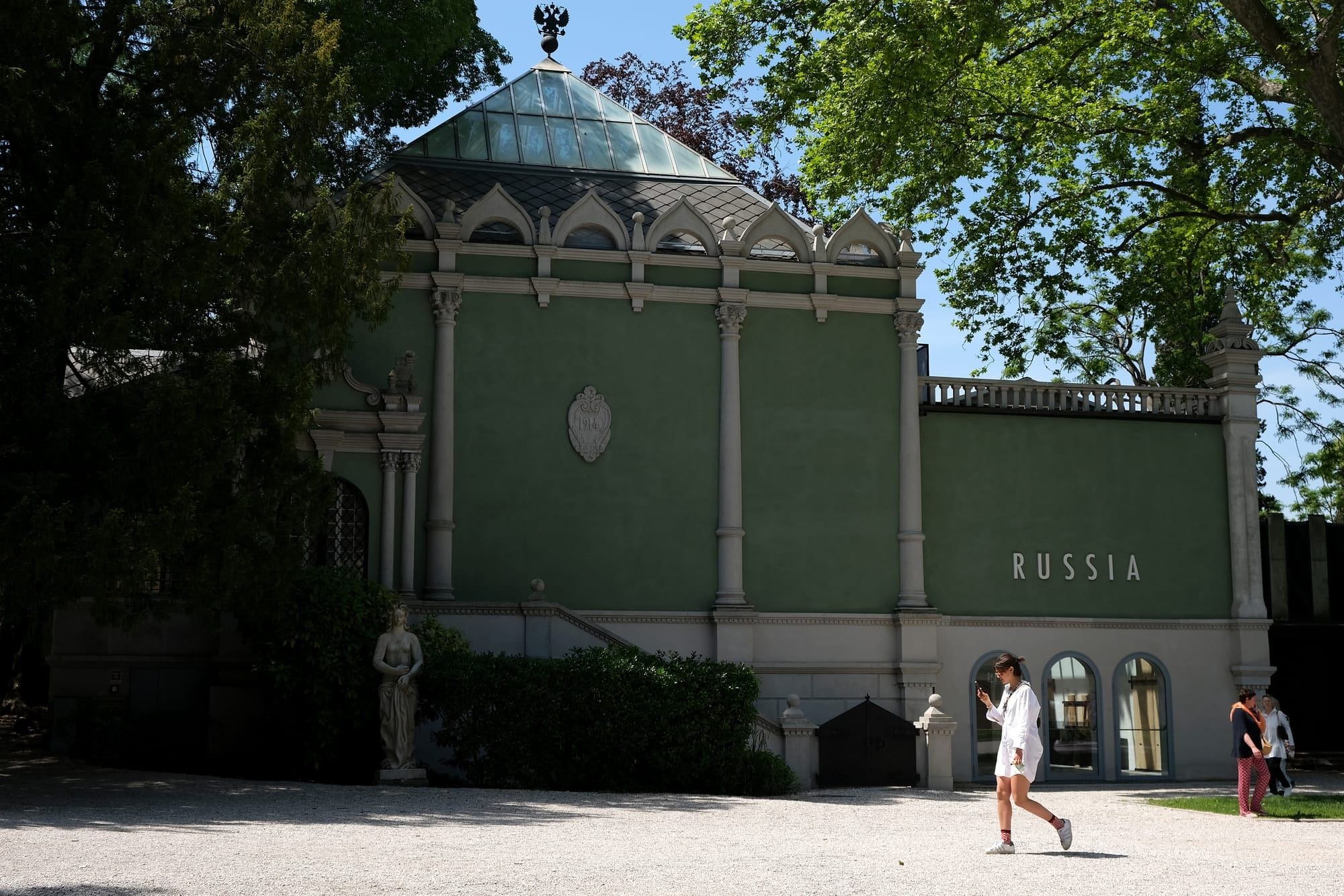
Italian Culture Minister Alessandro Giuli has launched an official inspection of the Russian Pavilion at the 61st Venice Biennale, just days before the exhibition opens. An inspector has been sent to Venice to review all documentation related to Russia's participation, focusing on potential irregularities such as visa issues for Russian artists and delegation members. The investigation follows the Biennale's international jury decision to exclude Russia and Israel from awards due to accusations of crimes against humanity. The Russian Pavilion will be open only during the pre-opening vernissage, after which it will close, with digital documentation displayed in its windows.

Row Over Russia’s Return to the Venice Biennale Deepens

Newly leaked emails reveal that the Venice Biennale has been secretly coordinating with Russia since last summer to facilitate its return to the 2025 edition, despite ongoing international sanctions. The correspondence, published by Italian outlets Open and La Repubblica, shows Biennale president Pietrangelo Buttafuoco, director Andrea Del Mercato, and Russian commissioner Anastasia Karneeva working together on visa issues, pavilion logistics, and a legal strategy to bypass E.U. sanctions prohibiting collaboration with state-backed Russian entities. Russia's pavilion will be open during preview days with performers activating the space, while footage will play for the public from a closed pavilion thereafter.

‘A constant quiet terror’: Getting lost in Irish folklore – in pictures

Maria Lax's photobook *Stray Sod* draws on Irish folklore and archival accounts from the Irish National Archives to explore the phenomenon of the 'stray sod'—enchanted patches of earth said to disorient and lead travelers astray, especially at night. Her images reimagine rural Irish landscapes as sites of sudden confusion, where familiar landmarks vanish and fog or mist descends, evoking a sense of 'constant quiet terror'.

Russia's Venice Pavilion to Close to the Public in Compliance With Sanctions

Russia will return to the 61st Venice Biennale with its national pavilion, but the exhibition will only be physically open to the press and select guests during the vernissage dates of May 5–8. From May 9 onward, the pavilion will remain closed to the public, with multimedia documentation of performances displayed on screens at the windows. The arrangement follows leaked emails among Biennale Foundation President Pietrangelo Buttafuoco, General Director Andrea Del Mercato, and Russian Pavilion Commissioner Anastasia Karneeva, revealing efforts to comply with EU sanctions while still allowing Russia's participation after two consecutive absences since its invasion of Ukraine.

Co-Working Meets Art at Brooklyn’s Newest Experimental Space

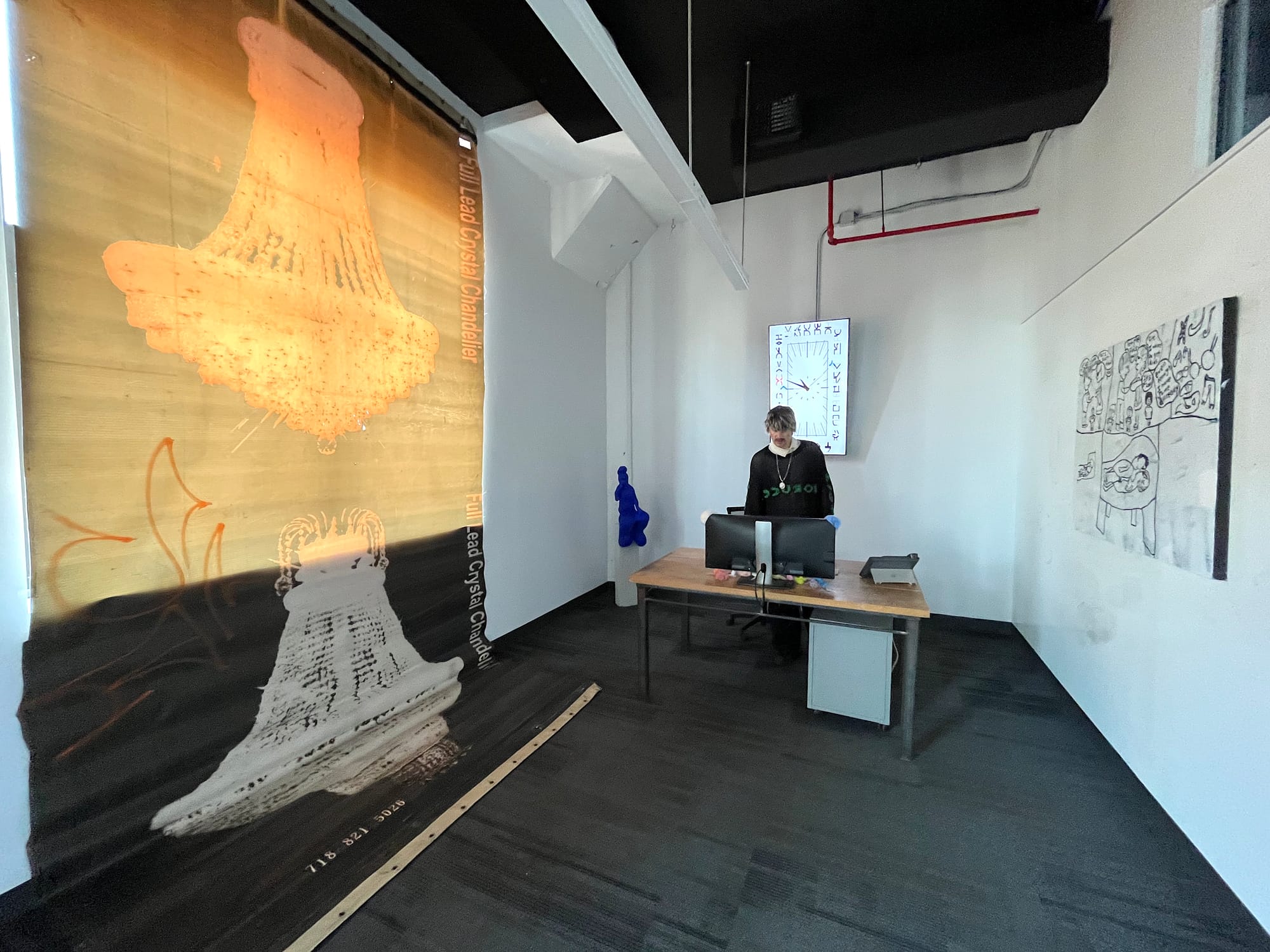
Brooklyn’s newest experimental art space, The Gallery (stylized as “The Gallry”), has opened on the fourth floor of a former automobile service station in Prospect Heights, now converted into creative offices. Curated by artist Florian Meisenberg, the exhibition features site-specific works by over 40 artists installed throughout a former guitar-string manufacturer’s office, including cubicle walls, utility closets, and HVAC systems. The space also functions as a co-working hub, with free daily spots for subscribers. The show runs through May 24 and includes events like screenings, poetry readings, and satirical corporate-themed programming.

Shelley’s hair to Schindler’s list: the most fascinating objects in the State Library of NSW – in pictures

The State Library of NSW is celebrating its 200th anniversary with a new exhibition featuring 200 objects from its collection of 6 million items. Lead curator Elise Edmonds and her team selected highlights including a lock of Mary Shelley's hair, the smallest book in the library's collection (measuring 6mm by 6mm), bread wrappers from the 1960s, a colonial sketchbook from 1817, a Dharawal Indigenous language wordlist, Australia's oldest surviving political cartoon from 1808, and a contemporary artwork by Wiradjuri artist Karla Dickens. The objects span literature, colonial history, Indigenous culture, sport, and everyday life.

These Four Filmmakers Have Never Fully Gotten Their Due. The Kitchen Wants To Change That.

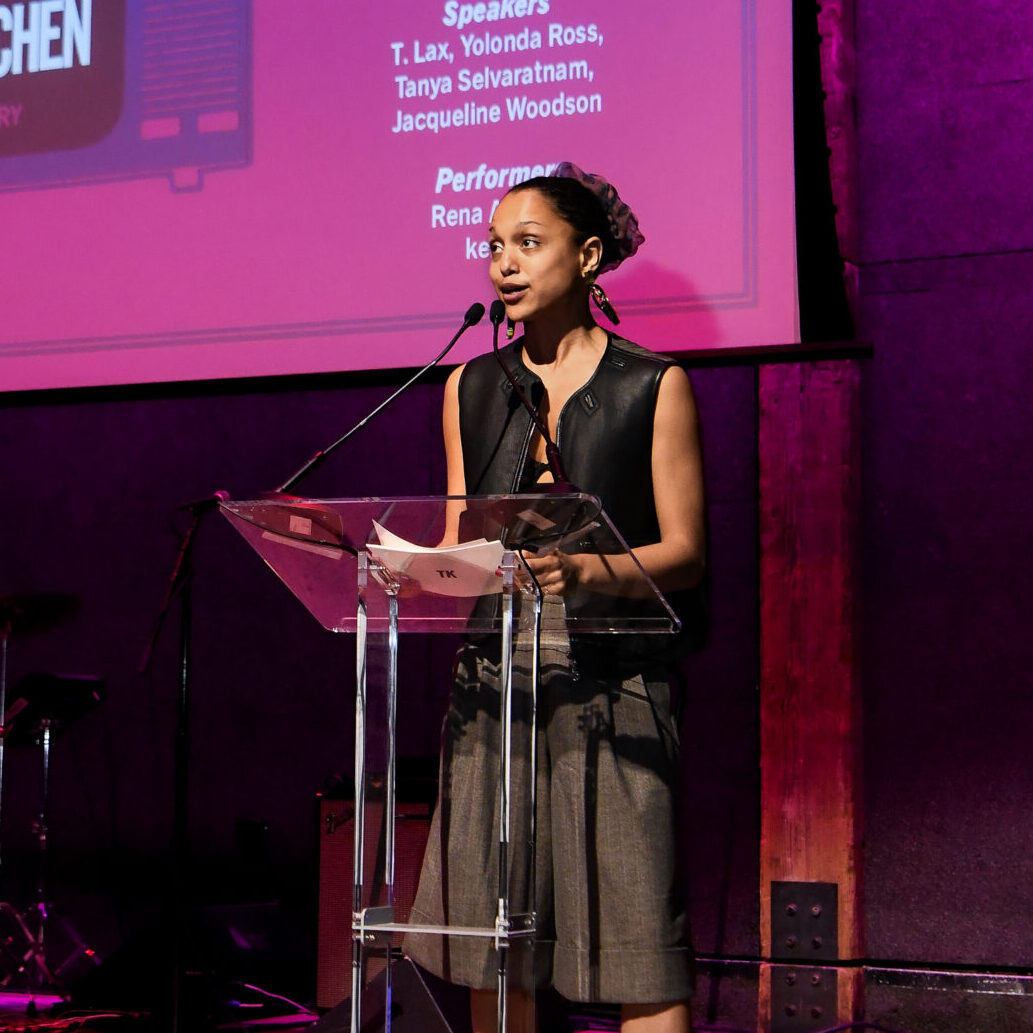
The Kitchen, a New York nonprofit arts organization, held its annual spring gala at City Winery to honor four female filmmakers: Cheryl Dunye, Garrett Bradley, Shari Frilot, and Catherine Gund. The event was co-chaired by prominent figures including Ava DuVernay, Julie Mehretu, and Komal Shah, and featured performances, remarks, and a crowd of artists, curators, and collectors. The gala celebrated the filmmakers' contributions to cinema, with special recognition of their work in expanding representation and narrative boundaries.

Step Aboard the Superyacht Circling This Year’s Cannes Film Festival

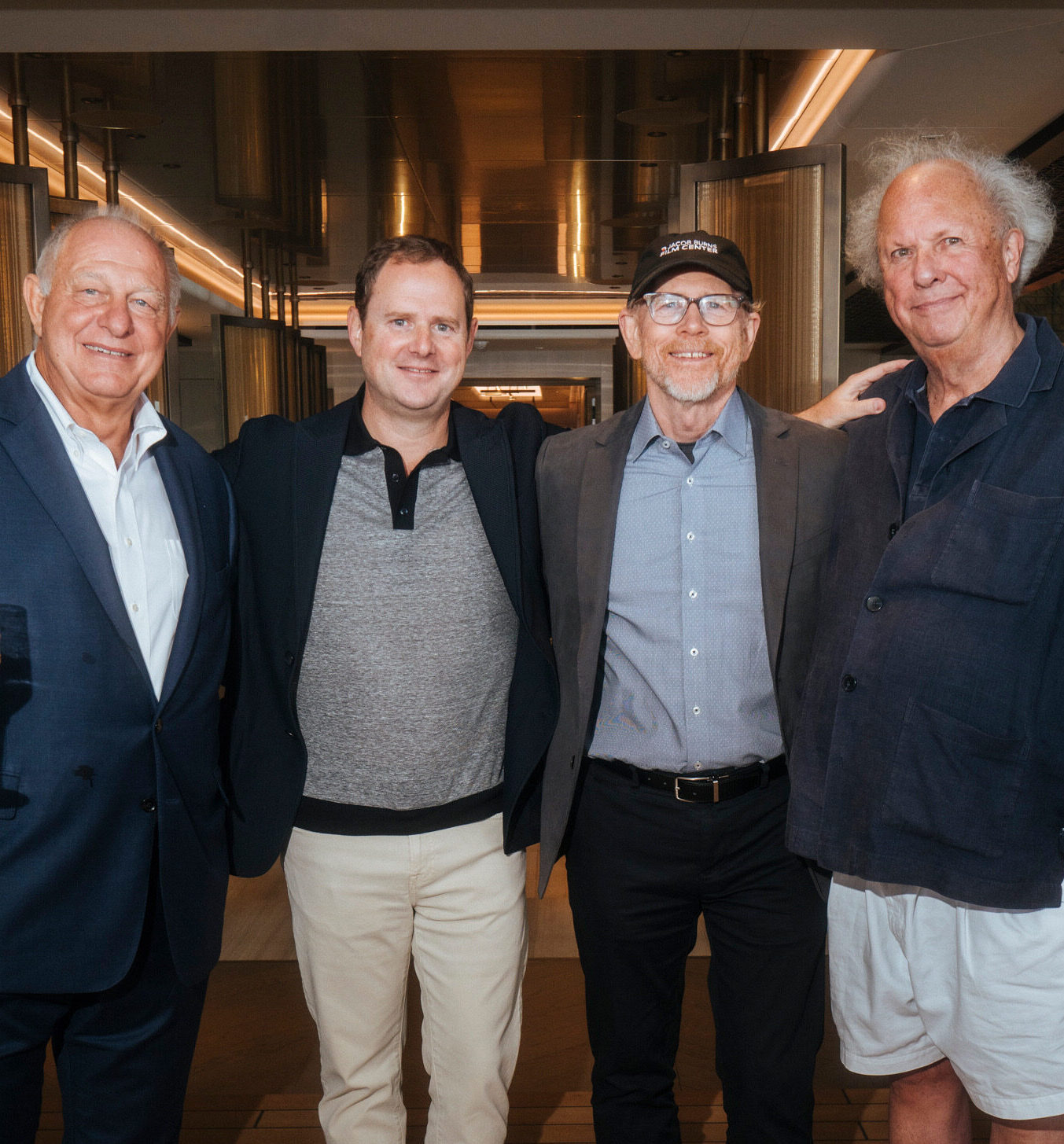
Over the weekend of the Cannes Film Festival, director Ron Howard premiered his documentary *Avedon*, which traces photographer Richard Avedon's rise from a working-class Jewish immigrant background to a defining chronicler of American culture. The film received a second life aboard the Renaissance superyacht with a party hosted by editor Graydon Carter, Ancient chairman and CEO Alexander Klabin, and Burgess chief executive John Beckett. Guests included actors Natasha Lyonne and Rosemarie Dewitt, photographer Jean Pigozzi, model Eddie Mitsou, Avedon's grandchildren Michael, Matthew, and Caroline Avedon, and producers Courtney Kivowitz, Sara Bernstein, Darcie Reisler, Dallas Rexer, Chris St. John, and Justin Wilkes. The after-hours cocktail allowed attendees to relive the film's most impactful scenes while mingling with the producers and the photographer's family.

What Does the Future Hold for Female Collectors? We Got a Sneak Peek.

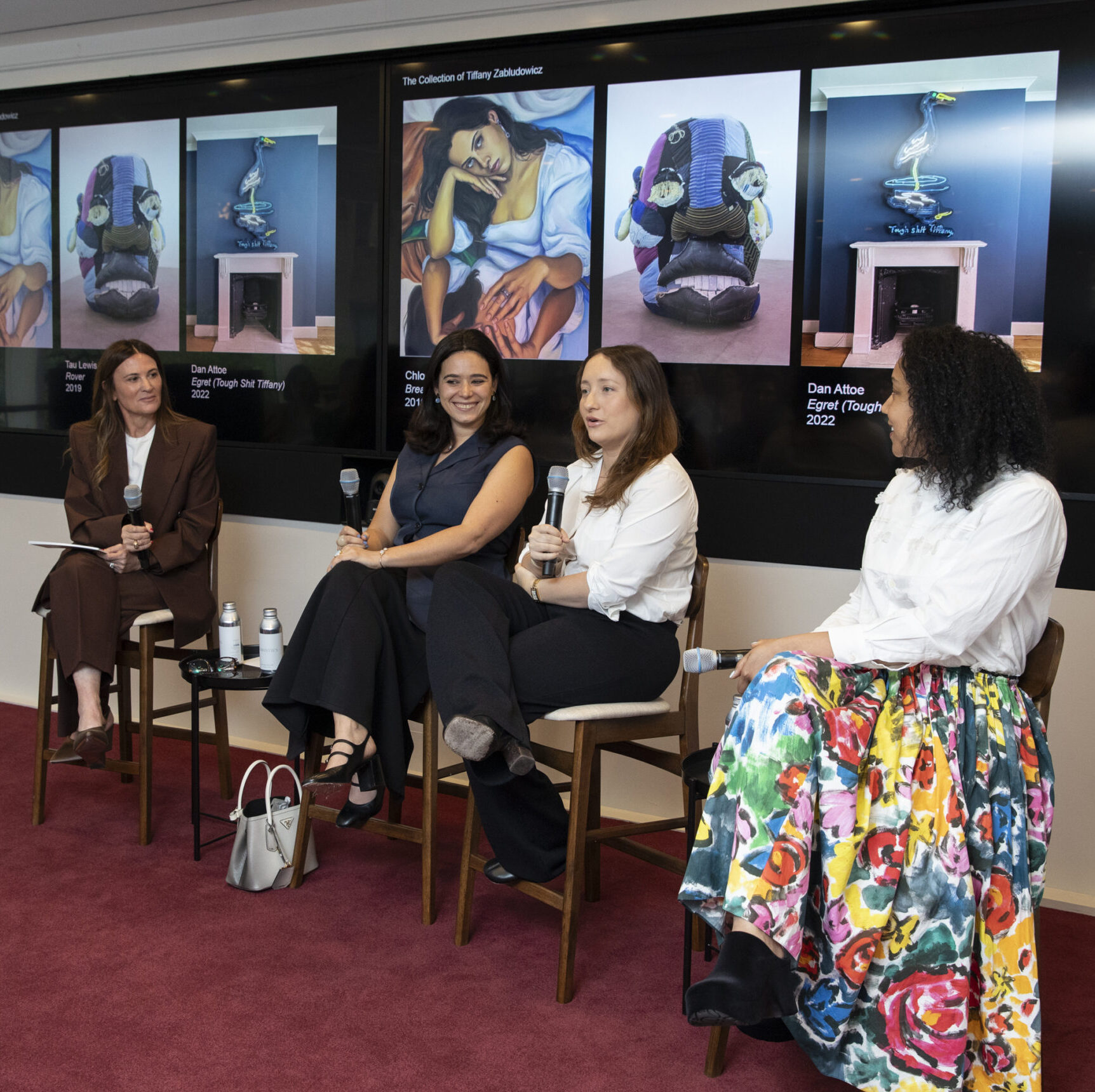
CULTURED Editor-in-Chief Sarah Harrelson hosted a panel discussion at Christie’s Rockefeller Center with collectors Tiffany Zabludowicz, Sophia Cohen, and Victoria Rogers, exploring the evolving role of women in the art market. The event coincided with Christie’s Marquee Week sales, which included a record-breaking $1.1 billion night, and featured works from the collections of legendary female patrons such as Agnes Gund, Marian Goodman, Lorinda de Roulet, and Marilyn Arison. Guests viewed masterpieces on display and received remarks from Christie’s Senior Vice President Isabella Lauria, who is leading the 21st Century Sale on May 20.

The LA Art World’s New Obsession Is a Theater Where Artists Run the Show

Calla Henkel and Max Pitegoff, former artistic directors of Berlin's Grüner Salon, launched New Theater Hollywood in 2024 as a nonprofit venue on Santa Monica Boulevard. The 49-seat theater specializes in genre-defying, multidisciplinary collaborations, staging works like Sophie Becker's ventriloquist act *Ronnie's Big Idea* and Diamond Stingily's *The Driver*. Every performance sells out, attracting a cult following of literary, art world, and pop culture figures who often linger to discuss shows.

Can a Venice Biennale Pavilion Be Rock ‘n’ Roll? At the Belgium Pavilion, Miet Warlop Makes the Case.

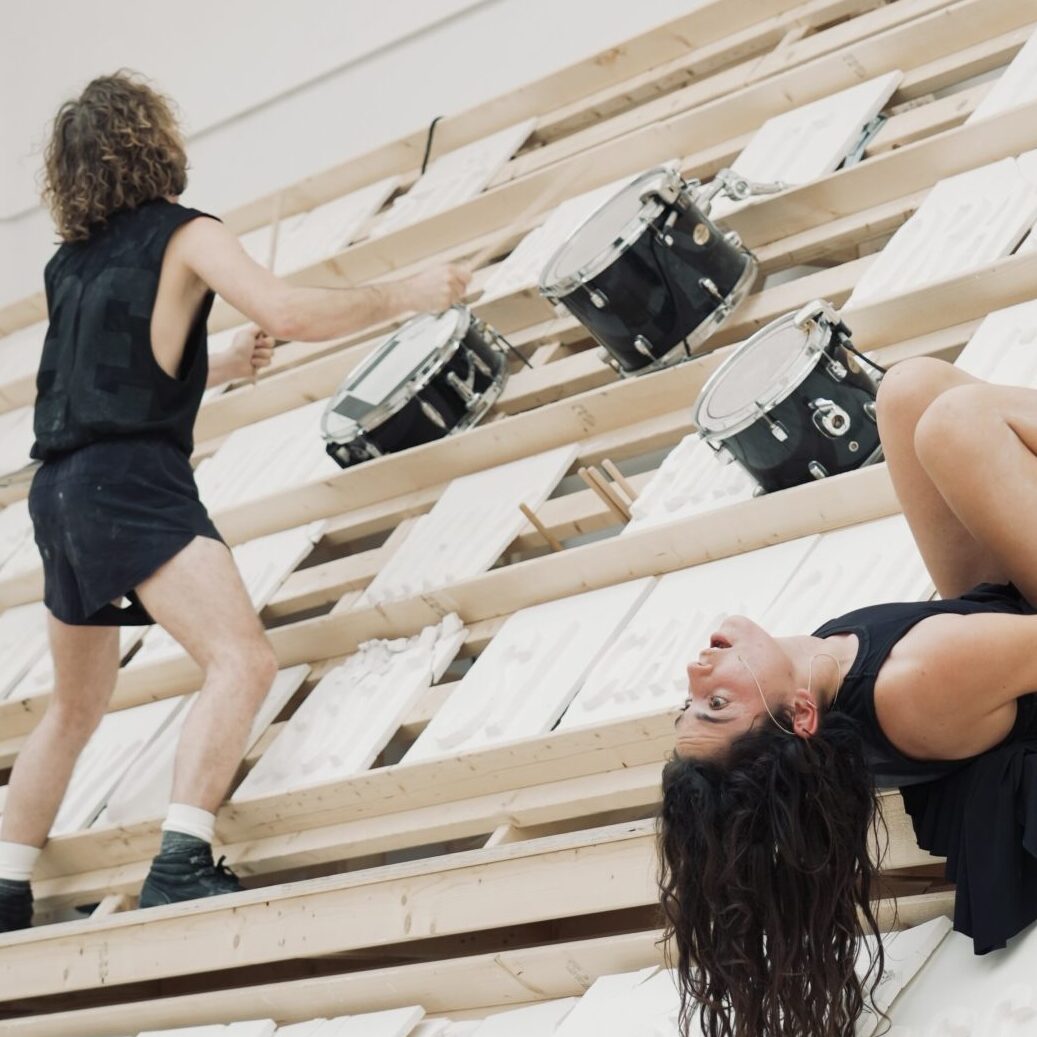
Miet Warlop, a Belgian artist known for her avant-garde theater work, is representing Belgium at the 2026 Venice Biennale with a performance-installation titled "IT NEVER SSST." The project transforms the Belgian Pavilion into a chaotic, sensory-filled space where performers climb wooden structures, bang drums, and break plaster boards inscribed with multilingual text, reflecting the noise and misunderstandings of contemporary life. Curated by Caroline Dumalin, the pavilion blurs the line between theater and visual art, with live performances occurring only part of the time while sculptors continuously remake plaster reliefs throughout the Biennale's run.

fashion bottega veneta peter fraser venice

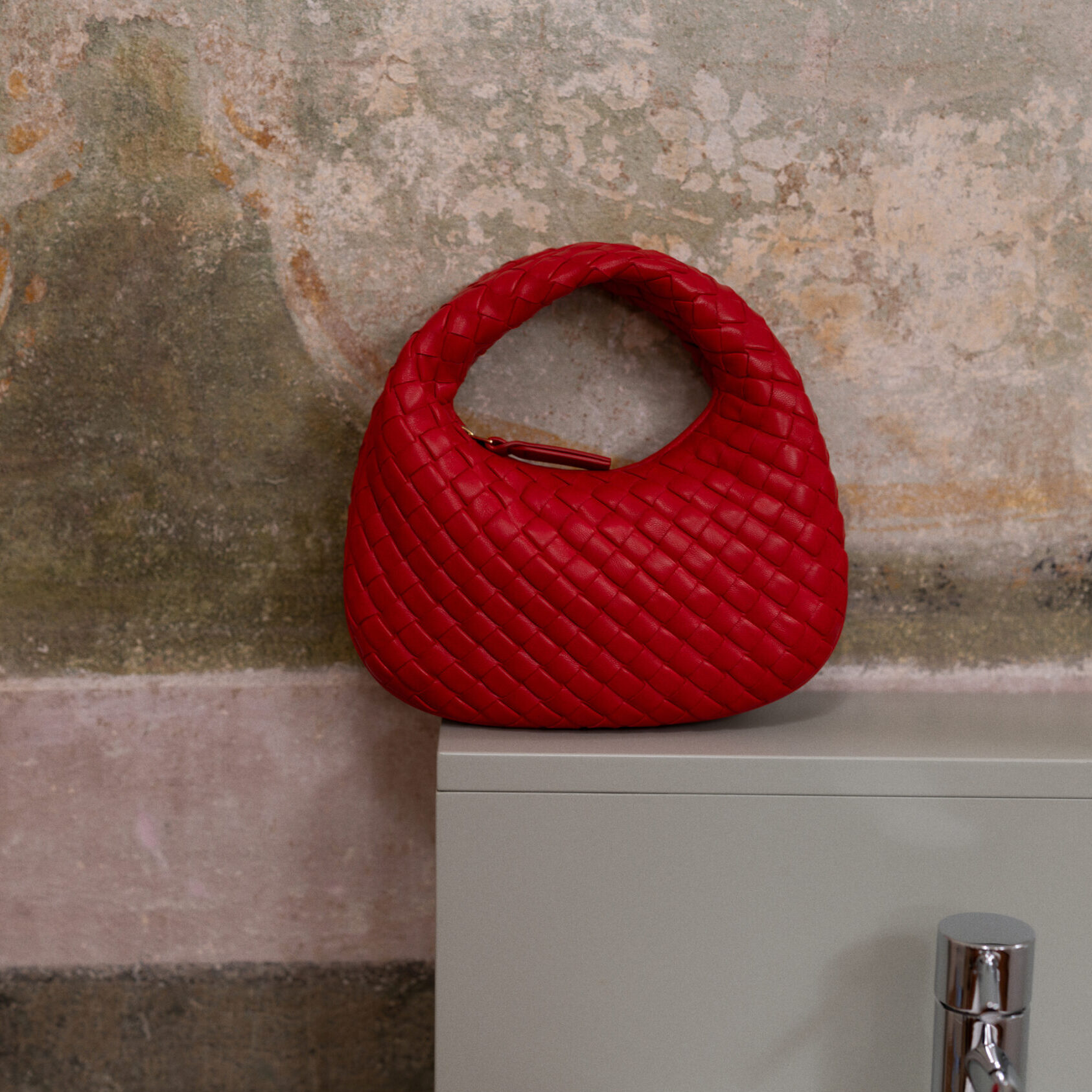
Photographer Peter Fraser has collaborated with Bottega Veneta on a new series of 27 photographs exploring Venice, capturing both its iconic landmarks—canals, marble floors, Byzantine façades—and its overlooked details like construction cranes, discarded plaster casts, and beached boats. The images are juxtaposed with Bottega Veneta's intrecciato bags from Louise Trotter's first collection, nodding to the fashion house's long history in the Veneto region. In an interview, Fraser discusses his approach to photographing a city burdened by its own legacy, emphasizing the need to distance himself from preconceptions and to shoot based on feeling rather than appearance.

FROM SÃO PAULO TO NEW YORK: THE MUSEUM OF ERRANCY OF ÉDOUARD GLISSANT

DE SÃO PAULO A NUEVA YORK: EL MUSEO DE LA ERRANCIA DE ÉDOUARD GLISSANT

The exhibition "La tierra, el fuego, el agua y los vientos: Por un Museo de la Errancia con Édouard Glissant" has traveled from the Instituto Tomie Ohtake in São Paulo to the Center for Art, Research and Alliances (CARA) in New York, marking its first U.S. presentation. Curated by Manuela Moscoso with Marian Chudnovsky, and building on prior work by Ana Roman and Paulo Miyada, the show engages with the philosophy of Martinican poet and philosopher Édouard Glissant, particularly his concepts of errantry, Relation, opacity, and the Tout-Monde. It centers on Glissant's unrealized idea of a museum as a fluid, porous space that resists colonial frameworks and fixed origins, featuring works by artists such as Melvin Edwards, Gerardo Chávez, and Eduardo Zamora.

This is fucking Disneyland

"Das ist fucking Disneyland"

The article surveys recent German cultural commentary, highlighting three main stories: art historian Bénédicte Savoy's warning in the FAZ about the physical decay of German universities, particularly the Technical University of Berlin, as a threat to democratic culture; Berlin artist Charlie Stein's essay on anxiety as a pervasive contemporary condition and art's role in making it visible; and critic Rachel Wetzler's harsh review of the Venice Biennale in Artforum, calling it an overwhelming 'theme park' version of the art world. Additionally, Nikolaus Bernau defends expert juries in the Tagesspiegel, using the Biennale's jury crisis as a case study.

The Last Quarter of My Life Should Be Like the Beginning

"Das letzte Quartal meines Lebens soll wie der Anfang sein"

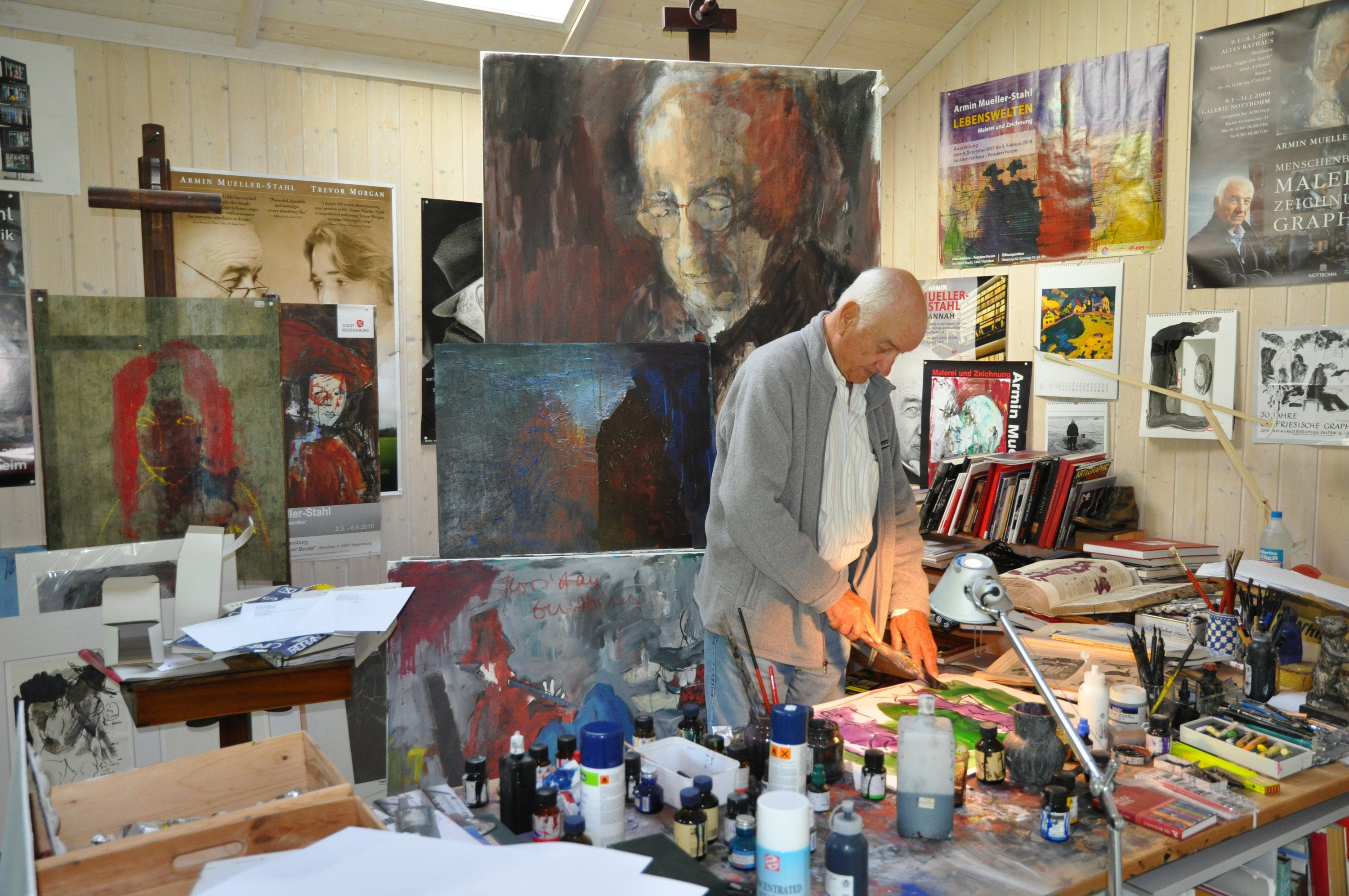
Armin Mueller-Stahl, the 95-year-old German actor and painter, opens his solo exhibition "Nacht und Tag auf der Erde" (Night and Day on Earth) at Museum Schloss Moyland. The show features a graphic cycle inspired by Jim Jarmusch's film "Night on Earth," in which Mueller-Stahl played a New York taxi driver. In an interview, he reflects on his dual careers in film and painting, his life between Hollywood, East Germany, and the present, and themes of loss and memory.

The Many Sheddings of Valie Export

Die vielen Häutungen der Valie Export

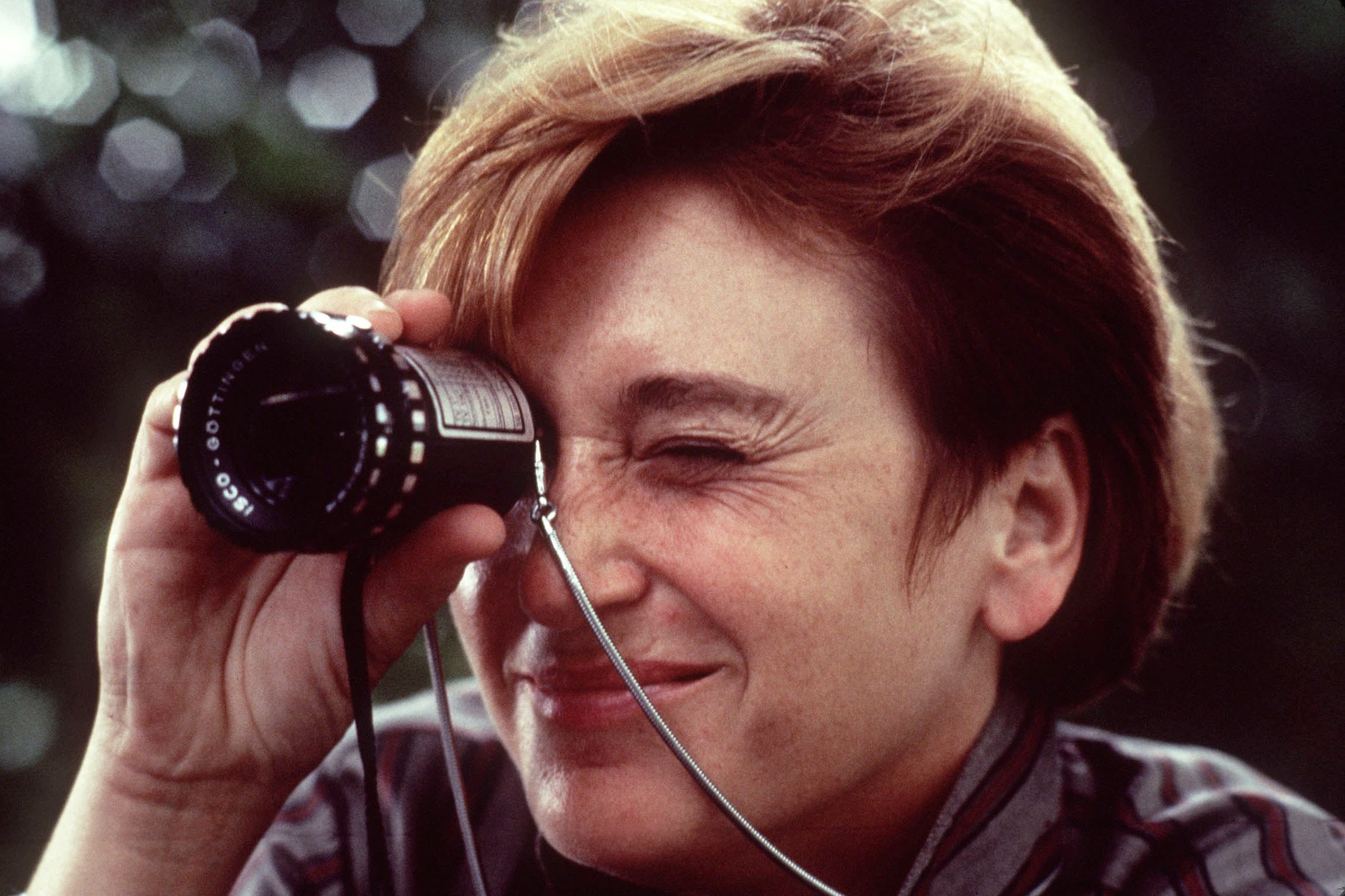
Valie Export, the Austrian media and performance artist known for using her body as a site of social critique, has died at age 85 in Vienna. Her final works include a black-and-white photo series of her forearm resting on a stone snake sculpture at the University of Vienna, exploring themes of skin, transformation, and mimesis. From the 1970s onward, she created iconic "Body Configurations" in which she placed her body on streets and against buildings along Vienna's Ringstrasse, tracing architectural forms to expose institutional power and patriarchal authority.

Monuments in Motion

Denkmäler in Bewegung

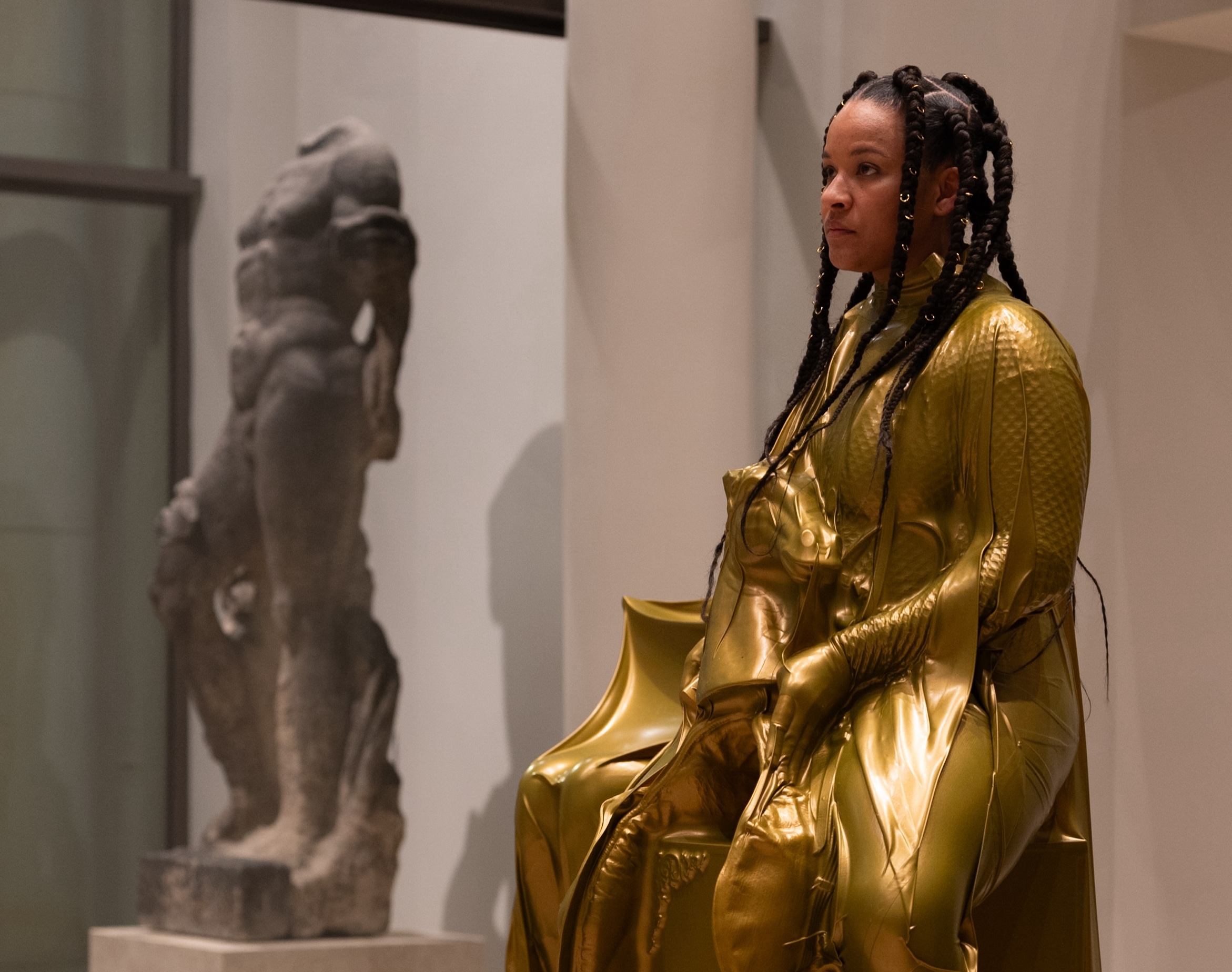
Berlin-based artist Sarah Ama Duah, who transitioned from fashion to sculpture, creates works that explore Afro-German memory culture. Her practice includes beeswax portraits, found objects like Delft porcelain and baroque vases, and performances at venues such as the Humboldt Forum. In 2025, she received the Wolfram Beck Prize for Sculpture. Duah's early fashion work, including silicone garments shown at the Fashionclash Festival in Maastricht, evolved into sculptural investigations of clothing, body, and space, leading her to study performance and sculpture at the Berlin University of the Arts under Jimmy Robert.

Tate St Ives to host first UK museum exhibition of groundbreaking artist

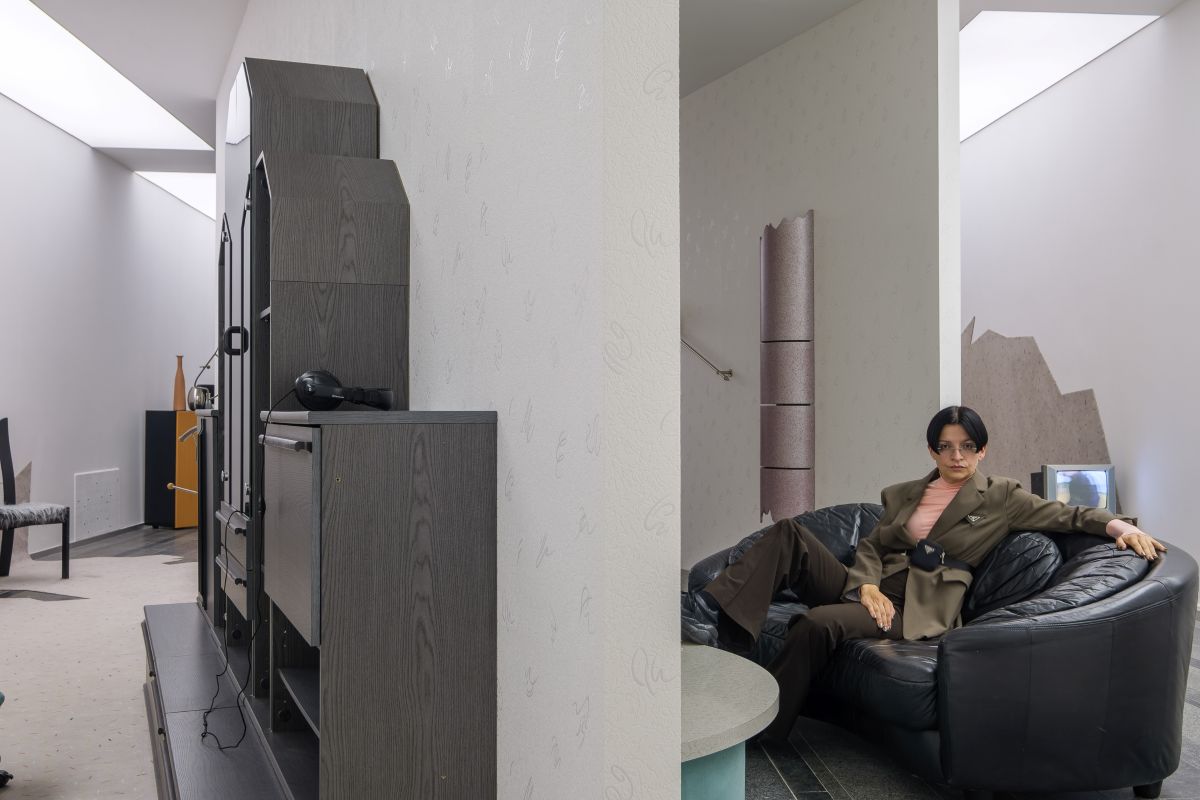
Tate St Ives will present the first UK museum exhibition of Aleksandra Kasuba, a Lithuanian American artist (1923–2019), from May 2 to October 4, 2026. The show spans seven decades of her career, featuring early paintings, mosaics, sculptures, and public artworks, including the spatial environment *Spectrum: An Afterthought* and a recreation of her *Live-In Environment*. Works are drawn from the Lithuanian National Museum of Art's collection, where Kasuba donated her pieces.

The 10 Best Venice Films

Die 10 besten Venedig-Filme

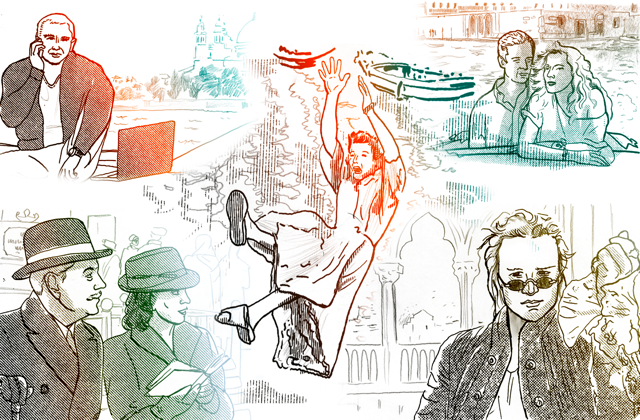
Monopol magazine has published a ranking of the ten best films set in Venice, timed to coincide with the opening of the Venice Art Biennale. The list includes titles such as Steven Spielberg's "Indiana Jones and the Last Crusade" (1989), Joseph L. Mankiewicz's "The Honey Pot" (1967), and Kenneth Branagh's "A Haunting in Venice" (2023), highlighting how the lagoon city serves as a central character in action films, comedies, and love dramas.

The Great Shitshow

Die große Shitshow

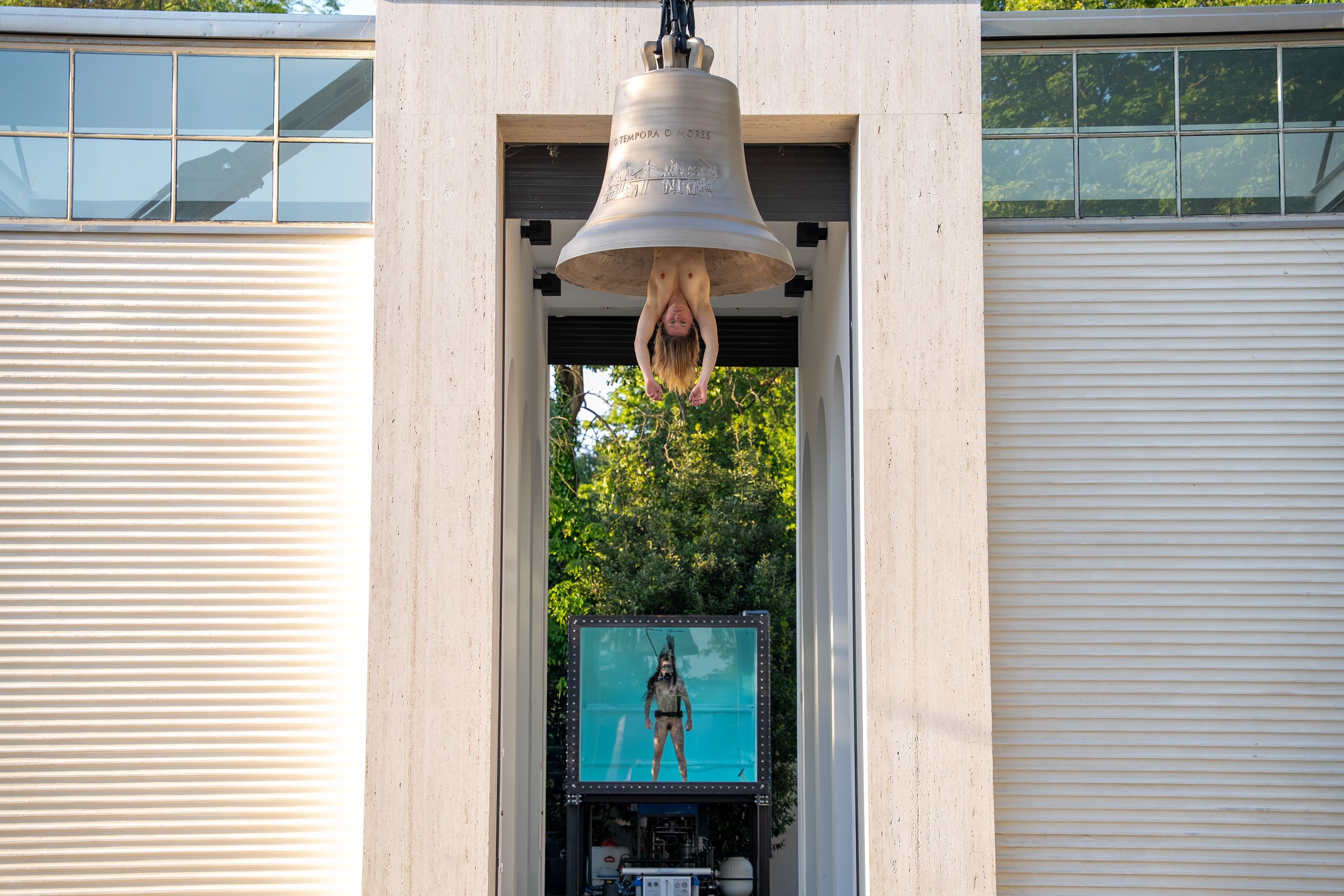
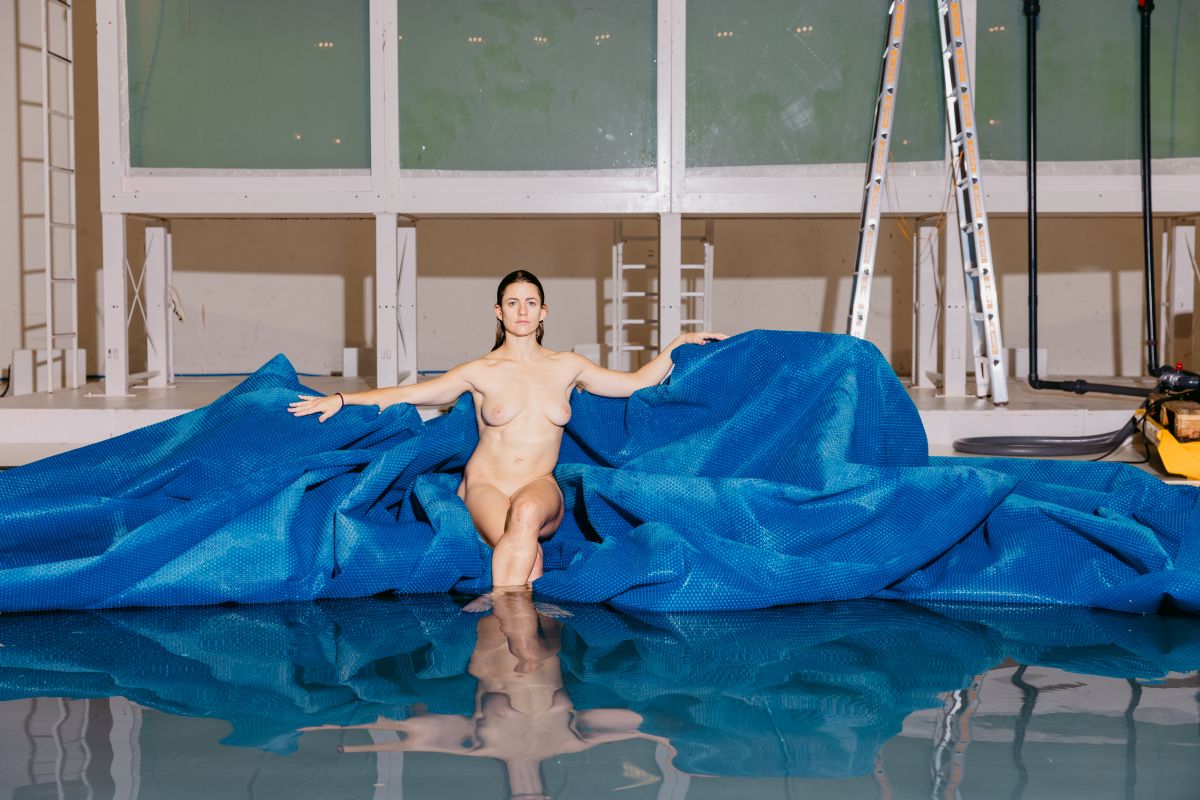
Florentina Holzinger has transformed the Austrian Pavilion at the Venice Biennale into a radical performance installation titled "Seaworld Venice." The piece features naked performers suspended from meat hooks, a performer ringing a bell while dangling upside down from a crane, a woman on a jetski circling inside a flooded pavilion, and a system where visitors are invited to urinate into portable toilets, with the waste processed and recirculated into the water. The work combines extreme physical stunts, nudity, and bodily fluids to create a visceral, immersive experience that has drawn long queues and stunned reactions from the art world.

Shit has the power to destabilize systems of order

"Scheiße hat die Kraft, Ordnungssysteme zu destabilisieren"

Aline Bouvy, the artist representing Luxembourg at the Venice Biennale, has created a film essay titled "La Merde" that centers on excrement as its main character. Originally conceived as a performance, the work explores themes of bodily circulation, transformation, and the grotesque, using feces to challenge societal taboos and systems of order. Bouvy discusses the film's development with curator Stilbé Schroeder, noting that the Biennale provided the resources and time to realize the project, which will later travel to the Kunstverein in Salzburg.

The Backlash Is Here

"Der Backlash ist da"

Kathleen Reinhardt, the curator of the German Pavilion at the Venice Biennale, has announced her concept featuring artists Sung Tieu and Henrike Naumann under the title "Ruin." The exhibition will use East Germany as a prism to explore themes of power, history, and the present. Reinhardt was invited to submit a concrete concept and specific artists for this edition of the pavilion.

History Made Material

Material gewordene Geschichte

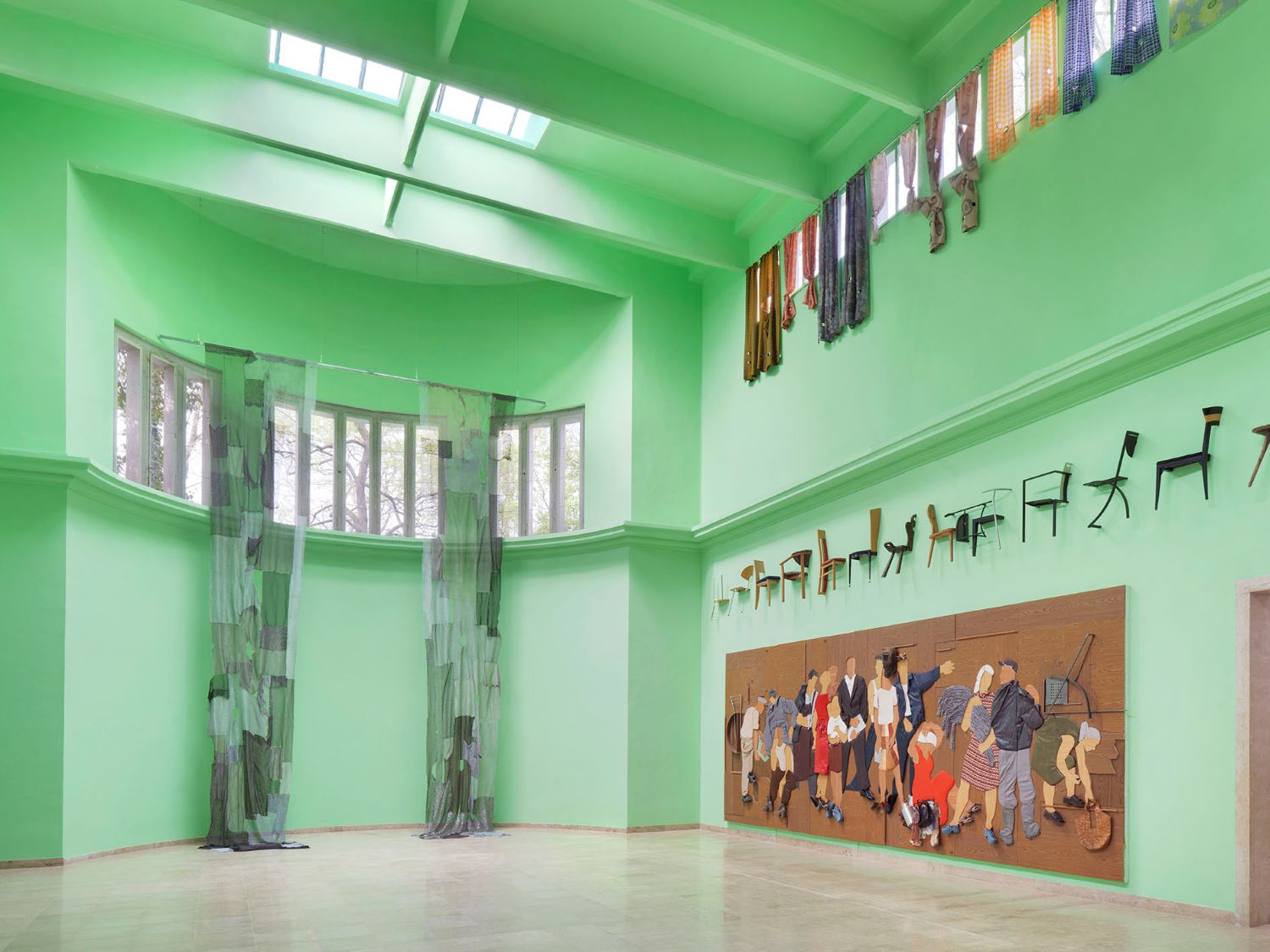
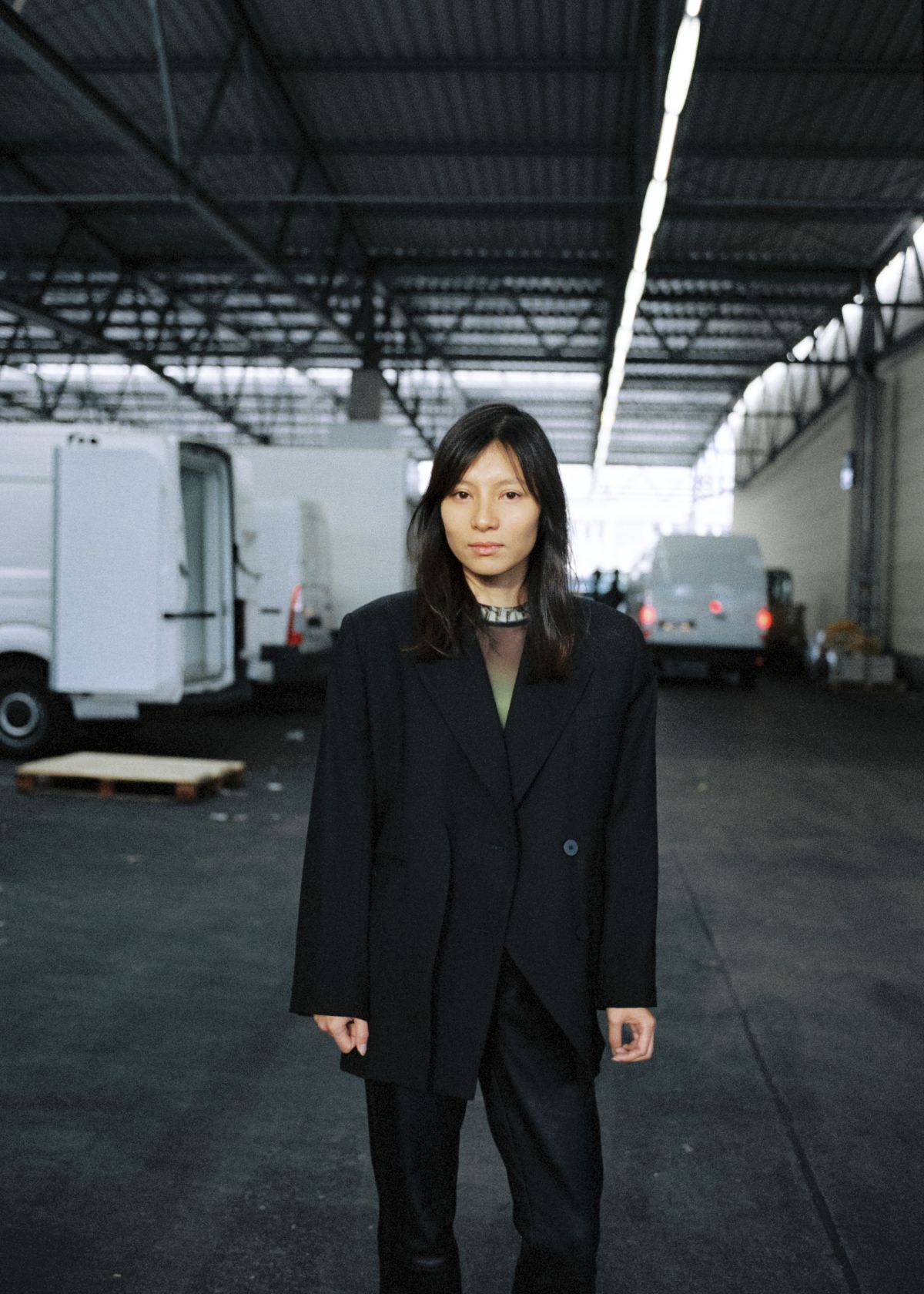
The German Pavilion at the 61st Venice Biennale has been transformed by artist Sung Tieu, who clad its Nazi-era facade with millions of small marble tiles to replicate the look of a prefabricated East German apartment block—specifically the Gehrenseestraße housing complex in Berlin where she spent part of her childhood. Inside, the exhibition features glass casts of her mother's limbs, aluminum beams evoking cramped living quarters, and works by the late Henrike Naumann, all curated by Kathleen Reinhardt to explore bureaucracy, migration, and systemic violence.

I Try to Allow Chaos

"Ich versuche, Chaos zuzulassen"

Florentina Holzinger presents her exhibition "Seaworld Venice" at the Austrian Pavilion of the Venice Biennale, a spectacular underwater-themed installation that combines a theme park, sacred building, and sewage treatment plant. The work explores transformation from dirt to cleanliness, featuring water, dolphins in the lagoon, and boundary-pushing performance elements.

It's a Rollercoaster of Emotions

"Es ist ein Wechselbad der Gefühle"

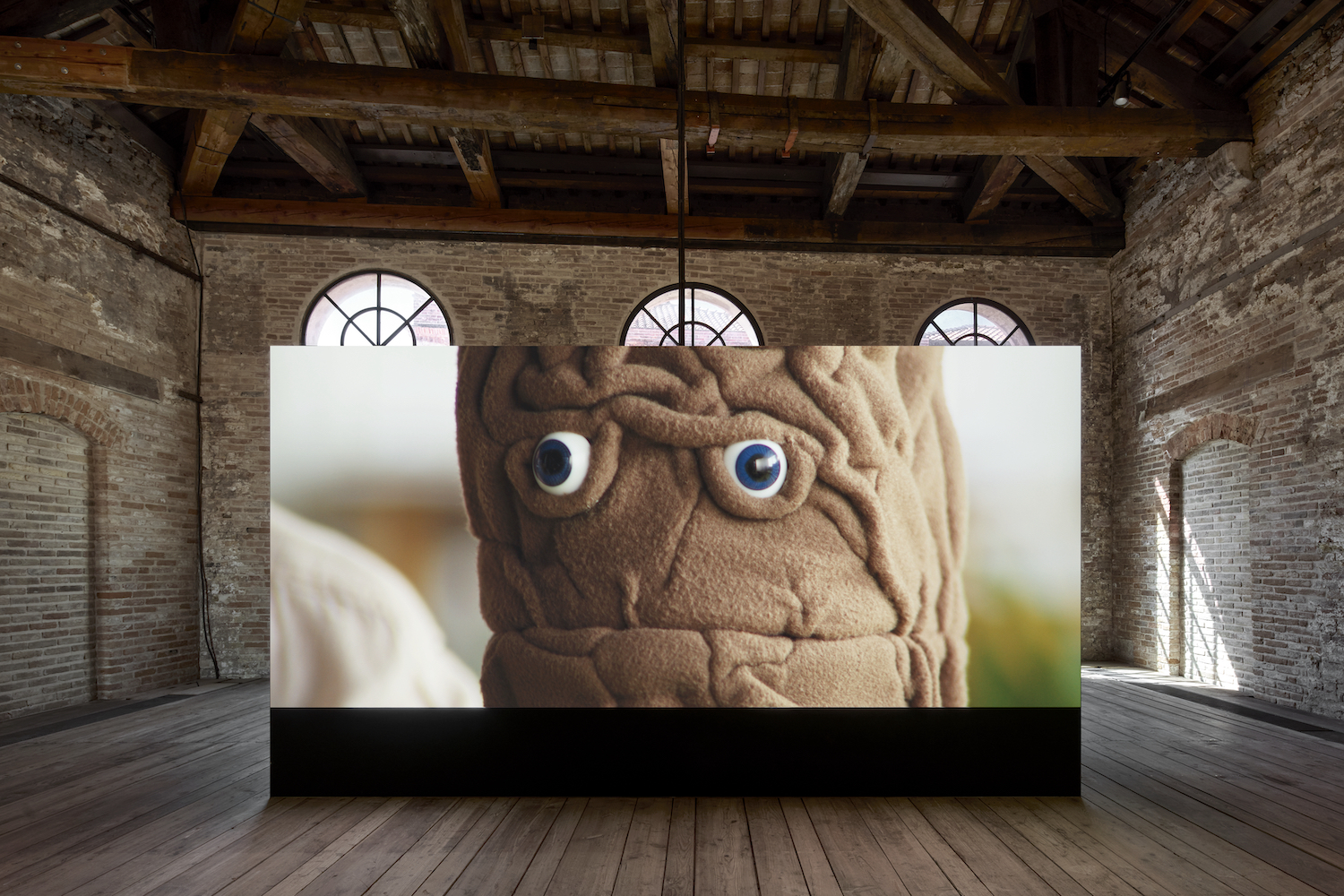
Sung Tieu has been selected to represent Germany at the Venice Biennale with a solo exhibition in the German Pavilion. In an interview with Monopol, she discusses how her personal biography—as a Vietnamese-German artist—informs her practice, which examines Vietnamese migration to East Germany, the rise of right-wing extremism, and the cold, bureaucratic language of state power. The exhibition will bring these themes to an international audience in Venice.

Henrike Naumanns langer Weg in den deutschen Pavillon

Henrike Naumann, a German artist who recently passed away, is being honored with a posthumous exhibition at the German Pavilion during the Venice Biennale. Her work, which explores recent German history, state art, and the absence of East German art in the pavilion, finds its ultimate context in this historically charged Nazi-era building.

A Struggle Between Artist and Machine

Ein Ringen zwischen Künstler und Maschine

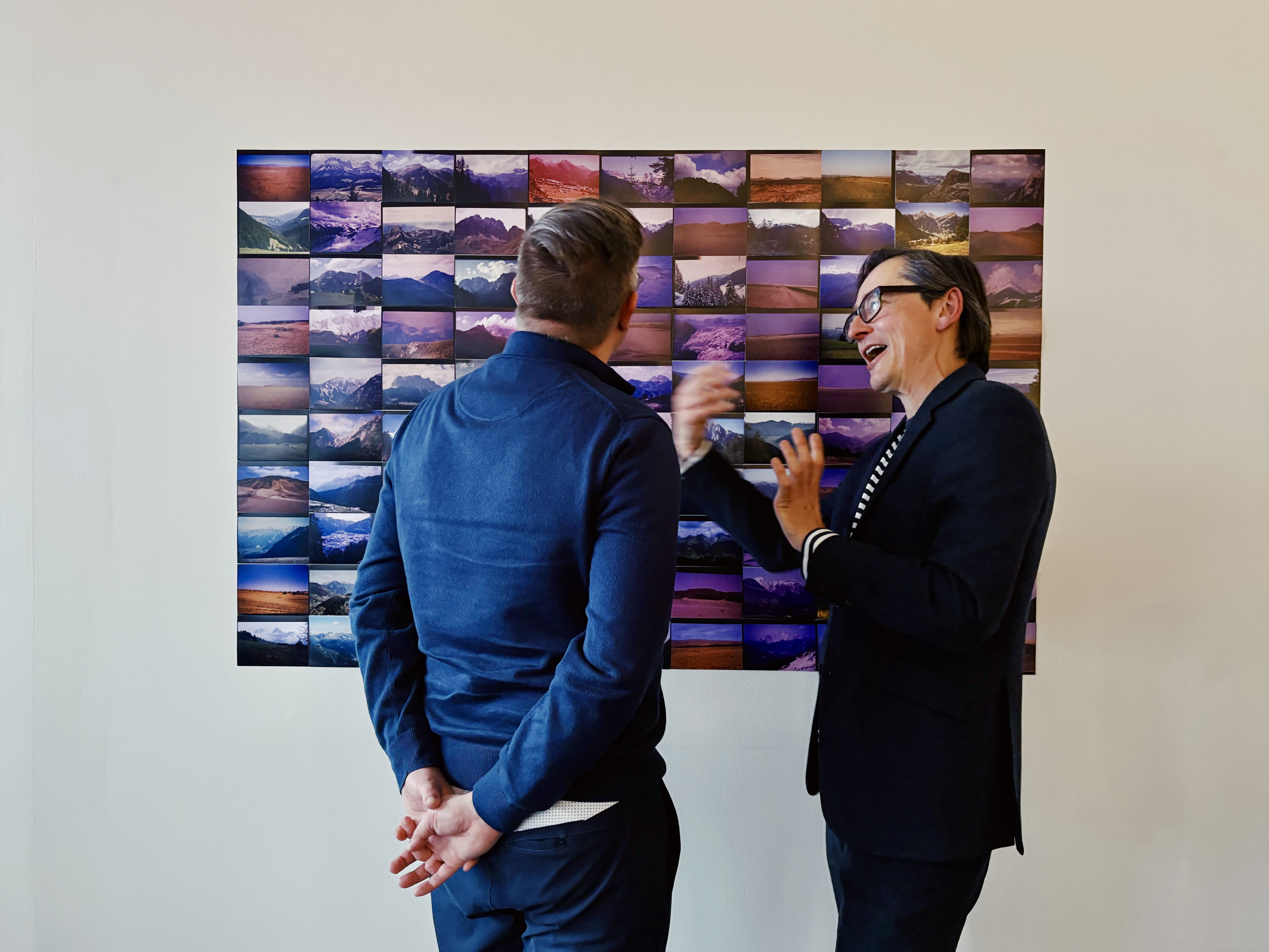
Mario Klingemann, a pioneer of AI art, presents "Conflict of Interest," a pop-up exhibition at Sleek Art Space in Berlin during Gallery Weekend. Curated by Anika Meier and produced in collaboration with Art on Tezos, the show features works that challenge the flood of AI-generated imagery. Klingemann displays mundane landscape photographs from private slides, a series called "Weapons of Mass Distraction" where he disrupts an AI algorithm's image generation, and a haunting 2020 video in which AI-generated faces morph to music. The exhibition makes visible the struggle between human control and machine logic.

Nasan Tur Collects Contributions for 'Archive of Feelings' for Manifesta 16

Nasan Tur sammelt Beiträge für "Archiv der Gefühle" zur Manifesta 16

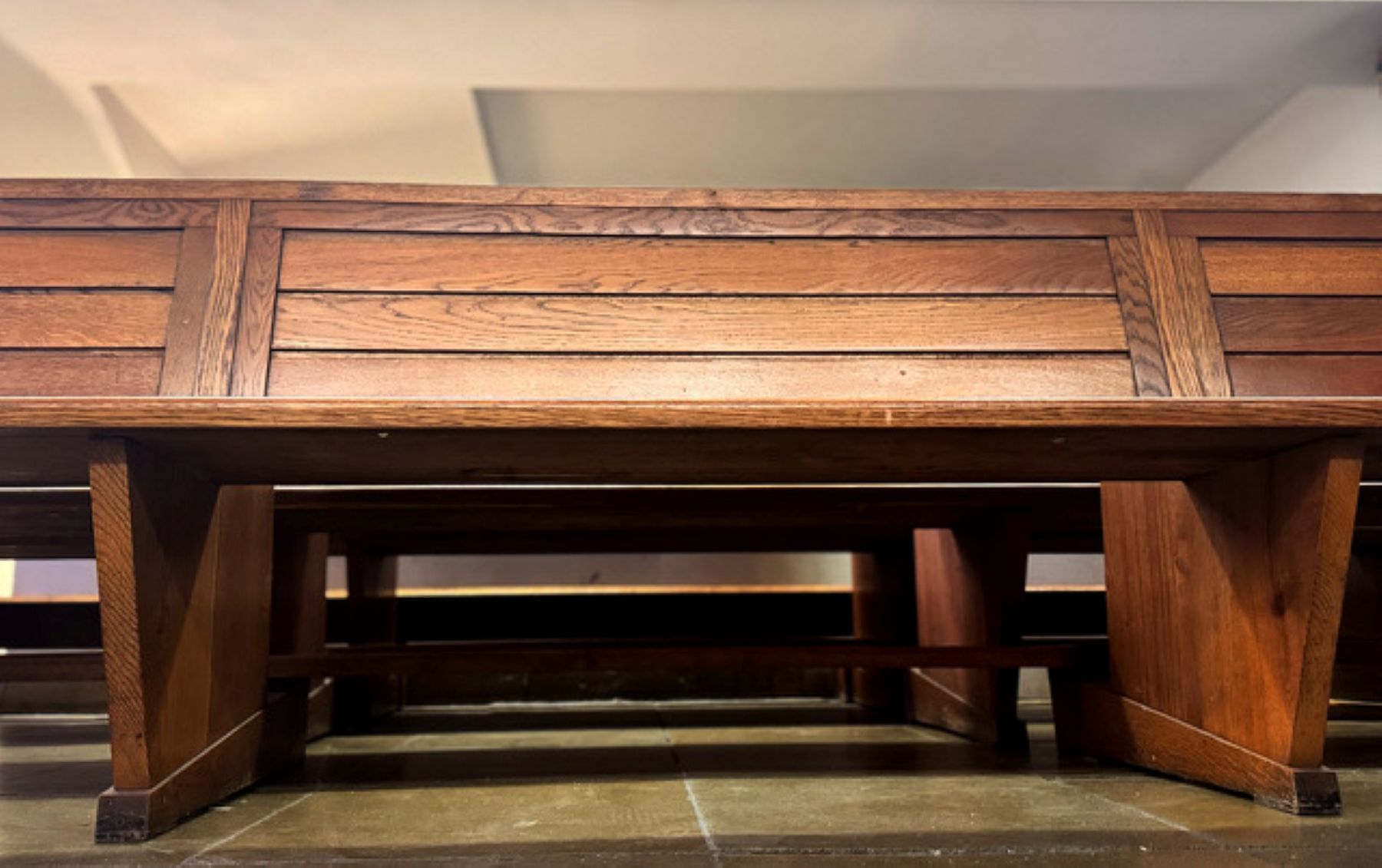
Berlin-based artist Nasan Tur is calling on people from the Ruhr region and beyond to submit contributions to his "Archive of Feelings" via an online portal. The project is part of his commissioned work for the 16th edition of the nomadic biennial Manifesta, which opens on June 21 across several cities in the Ruhr area. Tur's installation, titled "Elevation," will be housed in St. Gertrud Church in Essen, where excerpts from anonymous submissions—expressing hopes, fears, wounds, ideas, wishes, and everyday observations—will be carved into old church pews.