filter_list Showing 298 results for "Contrast" close Clear
search
dashboard All 298 museum exhibitions 121article culture 46trending_up market 41rate_review review 38article news 20article local 18person people 8article policy 4candle obituary 1gavel restitution 1
date_range Range Today This Week This Month All
Subscribe

Dries Verhoeven on Representing the Netherlands at the 61st Venice Biennale

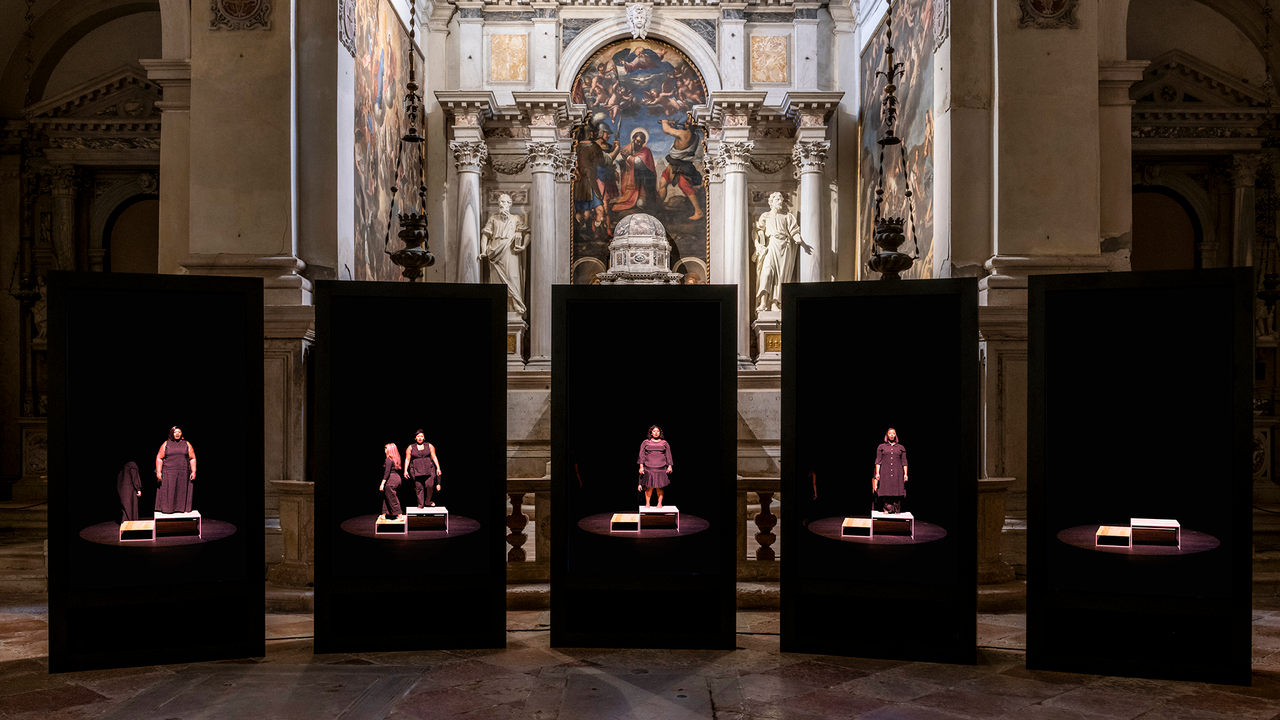
Dries Verhoeven will represent the Netherlands at the 61st Venice Biennale (2026) with a new work titled *The Fortress*, installed in the Dutch Rietveld Pavilion in the Giardini. The 25-minute performance piece transforms the sunlit pavilion into a darkened bunker, featuring a raw vocal composition using only false vocal cords. Verhoeven describes the work as a meditation on transition and self-preservation, reflecting a Western society caught between its enlightened self-image and a dark vision of the future. The piece responds to geopolitical unrest outside the Biennale grounds and is designed to be melancholic and confrontational, contrasting with the main exhibition's theme, *In Minor Keys*.
Off-Site Exhibitions Review: The Politics of Listening

Andrew Durbin reviews the national pavilions at an unnamed biennial, contrasting a vacuous US presentation with incisive and moving installations from Britain and Germany. The review critiques the lack of meaningful engagement in the US pavilion while praising the depth and emotional resonance of the British and German contributions.

Alison Roman’s Top Picks from the Frieze Viewing Room

Andrew Durbin reviews the national pavilions at the Venice Biennale, contrasting a vacuous US presentation with incisive and moving installations from Britain and Germany. The review highlights the thematic and emotional depth of the British and German pavilions while critiquing the lack of meaning in the US entry.

Seba Calfuqueo and the Colonized Body

Andrew Durbin reviews national pavilions at the 2026 Venice Biennale, critiquing the US presentation as vacuous while praising incisive and moving installations from Britain and Germany. The review highlights Seba Calfuqueo's work in the context of colonized bodies, though the article's main focus is on the comparative quality of the pavilions.

Jerald Cooper’s Top Picks from Frieze New York 2026

Andrew Durbin reviews the national pavilions at the 2026 Venice Biennale, contrasting a vacuous US presentation with incisive and moving installations from Britain and Germany. The article critiques the lack of meaning in the American pavilion while praising the depth and emotional resonance of the British and German contributions.

‘In Minor Keys’ Review: Its Best Moments Live in the Institutions Koyo Kouoh Built

Andrew Durbin reviews the national pavilions at the 2026 Venice Biennale, contrasting a vacuous US presentation with incisive and moving installations from Britain and Germany. The review highlights how the best moments of the exhibition live in the institutions built by curator Koyo Kouoh, who organized the Biennale's main exhibition.

How to Have the Perfect Day at Frieze New York 2026

Andrew Durbin reviews the national pavilions at Frieze New York 2026, contrasting a vacuous US presentation with incisive and moving installations from Britain and Germany. The review highlights the disparity in conceptual depth and emotional resonance among the three pavilions, with the US offering little meaning while the British and German contributions engage seriously with contemporary issues.

Frieze’s Christine Messineo Takes a Tour of Chelsea

Andrew Durbin reviews national pavilions at the Venice Biennale, contrasting a vacuous US presentation with incisive and moving installations from Britain and Germany. The review highlights the disparity in thematic depth and emotional resonance among the three pavilions.

What’s Showing in Chelsea During Frieze Week New York

This article is a critic's guide reviewing national pavilions during Frieze Week New York. Andrew Durbin contrasts a vacuous US presentation with incisive and moving installations from Britain and Germany, questioning the meaning and depth of the American contribution.

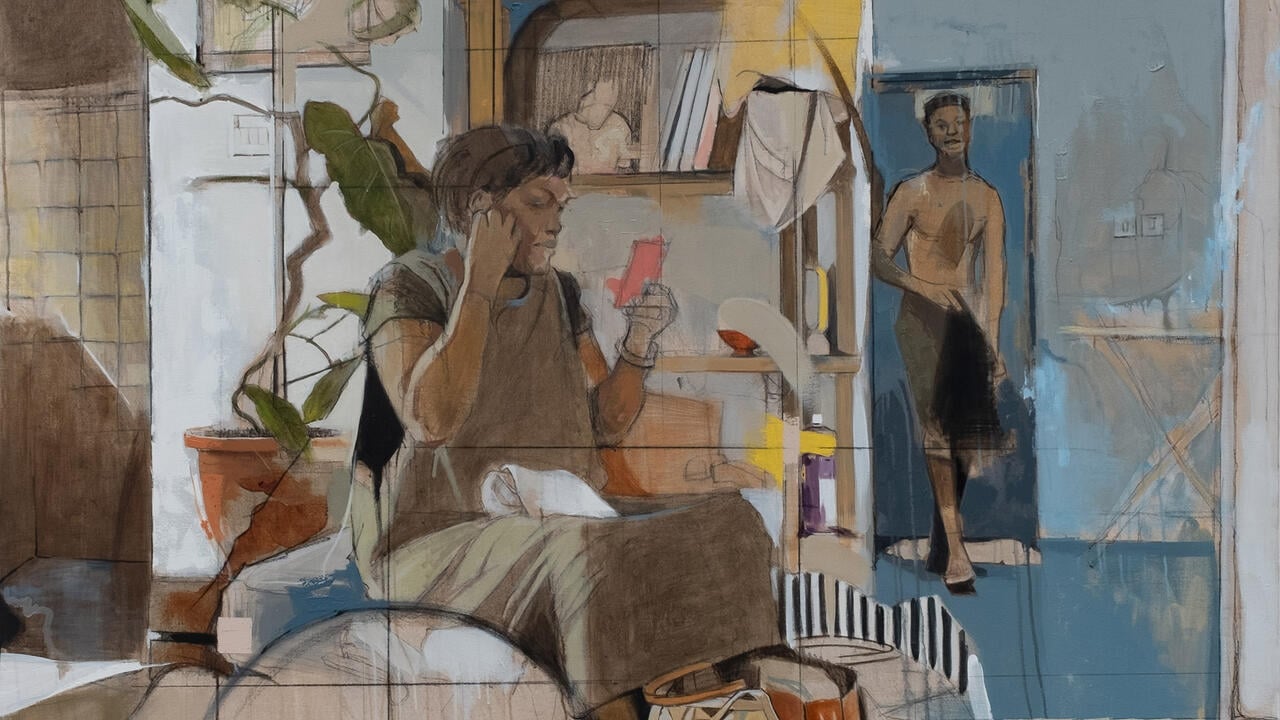
Ayotunde Ojo Maps Interiority Under the Public Gaze

The article, a critic's guide review by Andrew Durbin, contrasts the US national pavilion presentation at an unspecified biennial with those of Britain and Germany. The US presentation is described as vacuous and lacking in meaning, while the British and German installations are praised for being incisive and moving. The review critically examines the thematic and conceptual approaches of each national pavilion, highlighting a disparity in artistic depth and engagement.

Venice Biennale Diary: An Editor on the Ground

Andrew Durbin reviews national pavilions at the Venice Biennale, contrasting a vacuous US presentation with incisive and moving installations from Britain and Germany. The article is part of Frieze's Critic's Guides series, published on May 6, 2026.

‘Afterimages’: What Does It Mean to See Through Overload?

Andrew Durbin reviews the national pavilions at the Venice Biennale, contrasting a vacuous US presentation with incisive and moving installations from Britain and Germany. The article critiques the lack of meaningful engagement in the US pavilion while praising the depth and emotional resonance of the British and German contributions.

Arsenale Review: Where Voices Resist Erasure

At the 2026 Venice Biennale's Arsenale, critic Andrew Durbin reviews national pavilions, finding the US presentation vacuous and lacking meaning, while praising the British and German pavilions for their incisive and moving installations that resist erasure. The review highlights a stark contrast in curatorial ambition and political engagement among the participating nations.

National Pavilions Review: Porta-Potties, Porn and a Defiant Rave

Frieze critic Andrew Durbin reviews national pavilions at an unnamed biennial, contrasting a vacuous US presentation with incisive and moving installations from Britain and Germany. The US pavilion is criticized for lacking meaning, while the British and German pavilions feature incisive and moving works, including a defiant rave and provocative content like porta-potties and porn.

National Pavilions Review: Who’s Afraid of Meaning?

Andrew Durbin reviews national pavilions at a major biennial, contrasting a vacuous US presentation with incisive and moving installations from Britain and Germany. The review critiques the lack of meaningful content in the US pavilion while praising the depth and emotional resonance of the British and German contributions.

Woolwich gallery presents solo exhibition by Argentinian artist

The Sarah Bouchard Gallery in Woolwich is hosting "La Chimera del Oro," a solo exhibition of new ink works and historical graphite drawings by 91-year-old Argentinian artist Josefina Auslender. The exhibition explores the metaphorical "chimera" of wealth and success, contrasting the allure of material gain with the rigorous, honest pursuit of artistic integrity. The new series introduces vibrant gold, yellow, and orange tones into Auslender’s traditionally dark, monochromatic palette.

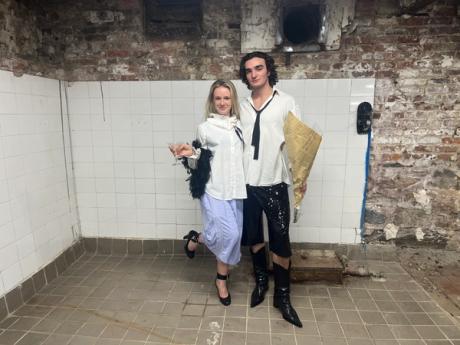
Finding art in the uncanny aesthetics of MAGA

Spielzeug gallery, founded in 2025 in Bushwick by Evan Karas and Eleanor Hicks, opened a pop-up show titled MAR-A-LAGO FACE on May 13 at a former restaurant on Allen Street in New York. The exhibition critiques the plastic-surgery aesthetics associated with Republican figures like Matt Gaetz, Laura Loomer, Kimberly Guilfoyle, and Kristi Noem, featuring works by queer, trans, and Latin American artists. The opening blurred the line between exhibition and party, with a DJ, themed drinks, and a bouncer checking bags.

are museums spending enough marketing new report 1234762683

A new report from Remuseum, an initiative of the Crystal Bridges Museum of American Art funded by collector David Booth and the Ford Foundation, reveals that American museums are struggling with post-pandemic visitation declines and rising costs, yet they invest less than three percent of their operating budgets on marketing—comparable to mining and construction industries. The report contrasts historical resistance to marketing, exemplified by former Met president William Luers, with the Getty's Harold Williams, who embraced it. Case studies from the Art Gallery of Ontario and the Peabody Essex Museum show how museums can use audience personas to boost attendance, but current spending remains far below the 13.9 to 18.7 percent of revenues that consultant Colleen Dilenschneider says is needed to reach full market potential.

A truckload of F1 KitKats, a painting of fish: what is it that makes heists so delicious? | Imogen West-Knights

The article explores the curious public fascination with high-profile heists, using two recent examples as a springboard: the theft of 12 tons of Formula 1-themed KitKats from a truck in Italy and the robbery of paintings by Renoir, Cézanne, and Matisse from a museum in northern Italy. The author notes that such stories reliably go viral, not due to outrage but because people find them thrilling and even amusing, especially when the victims are large corporations or when the crime feels audacious and tangible.

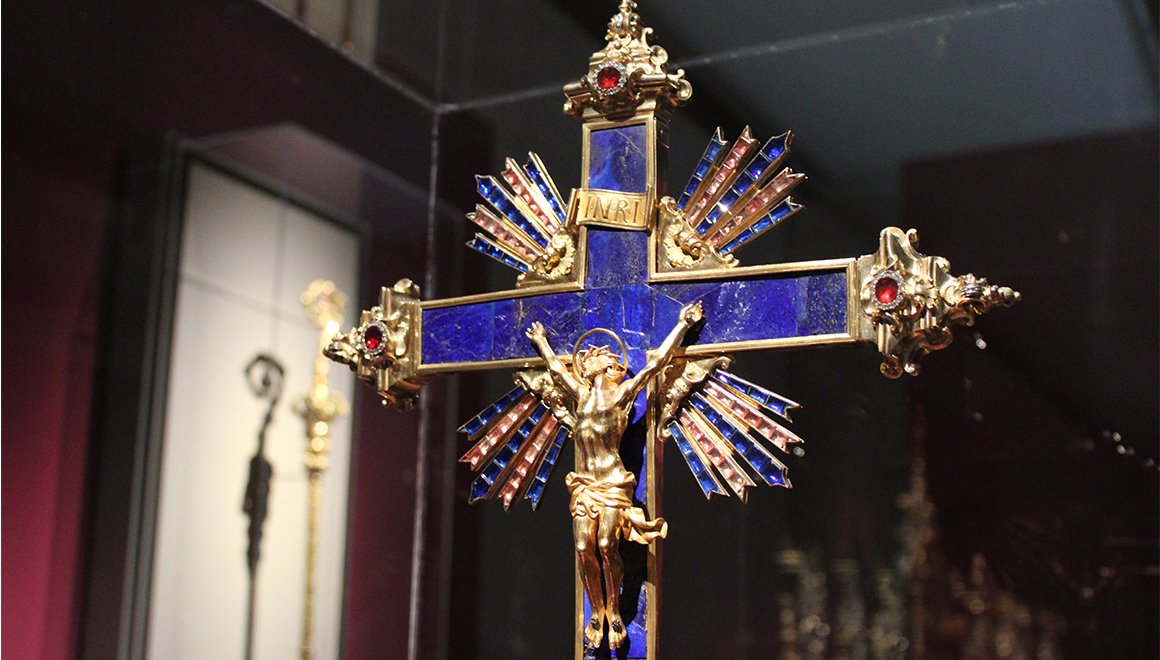
Sacramental Value: “The Holy Sepulcher” at the Kimbell Art Museum, Fort Worth

The Kimbell Art Museum in Fort Worth is hosting "The Holy Sepulcher: Treasures from the Terra Sancta Museum, Jerusalem," a rare exhibition of sacred objects from the Church of the Holy Sepulcher. Curated by Xavier F. Salomon, the show features ornate metalwork, textiles, and vestments dating from the 16th to 18th centuries, drawn from the Terra Sancta Museum's collection and traveling to only two U.S. venues. The exhibition includes pieces such as a gilt silver reliquary from 1628-29 and a gold crucifix from 1756, displayed in low lighting to evoke a candlelit church atmosphere.

Dvaita (द्वैत) or Dualities Exhibition Explores Philosophical Contrasts at The Lexicon Art

The Lexicon Art in New Delhi is set to host "Dvaita (द्वैत): Dualities," a group exhibition curated by architect and artist Ankon Mitra opening on April 18, 2026. Featuring the work of 11 contemporary artists, the show explores the philosophical concept of dualism through contrasting elements such as light and shadow, geometric and amorphous forms, and gold and silver. The exhibition design moves away from the traditional white cube format, instead utilizing the gallery space to create a physical "dance of dualities" that reflects India’s layered cultural realities.

Booming stock market is fueling a mega-billion return to classic art and a backlash to junk

A booming stock market and increased disposable income among the ultra-wealthy have fueled a $2.2 billion fall auction season in New York, led by Gustav Klimt's "Portrait of Elisabeth Lederer," which sold for $236.4 million at Sotheby's. Other major sales include Frida Kahlo's "El sueño (la cama)" setting a record for a female artist at $55 million, and Mark Rothko's "No. 31 Yellow Stripe" fetching $62 million at Christie's. The surge is attributed to a convergence of high-quality estates coming to market—including those of Leonard Lauder, Robert and Patricia Ross Weis, and Jay and Cindy Pritzker—and renewed confidence among wealthy buyers after a stagnant period for art prices.

using flight simulators peggy ahwesh crafts an elegy to a disused palestinian airport and the freedom it represented 1234766630

Peggy Ahwesh's solo exhibition "The Wayfinders," recently on view at New York's Microscope Gallery, marks a new direction for the experimental filmmaker. For the first time, she incorporates footage from an early-2000s flight simulator alongside original video and animation to create a large-scale installation. The work serves as an elegy for the abandoned Qalandia/Atarot airport, situated between Qalandia and Jerusalem, which operated as a civilian airport from 1948 to 1967 before Israel annexed the site. Through poetic voiceover and imagery of travel and navigation, Ahwesh reflects on Palestine's thwarted right to the sky, the history of wayfinding by the stars, and the porous borders of the past contrasted with today's restrictions.

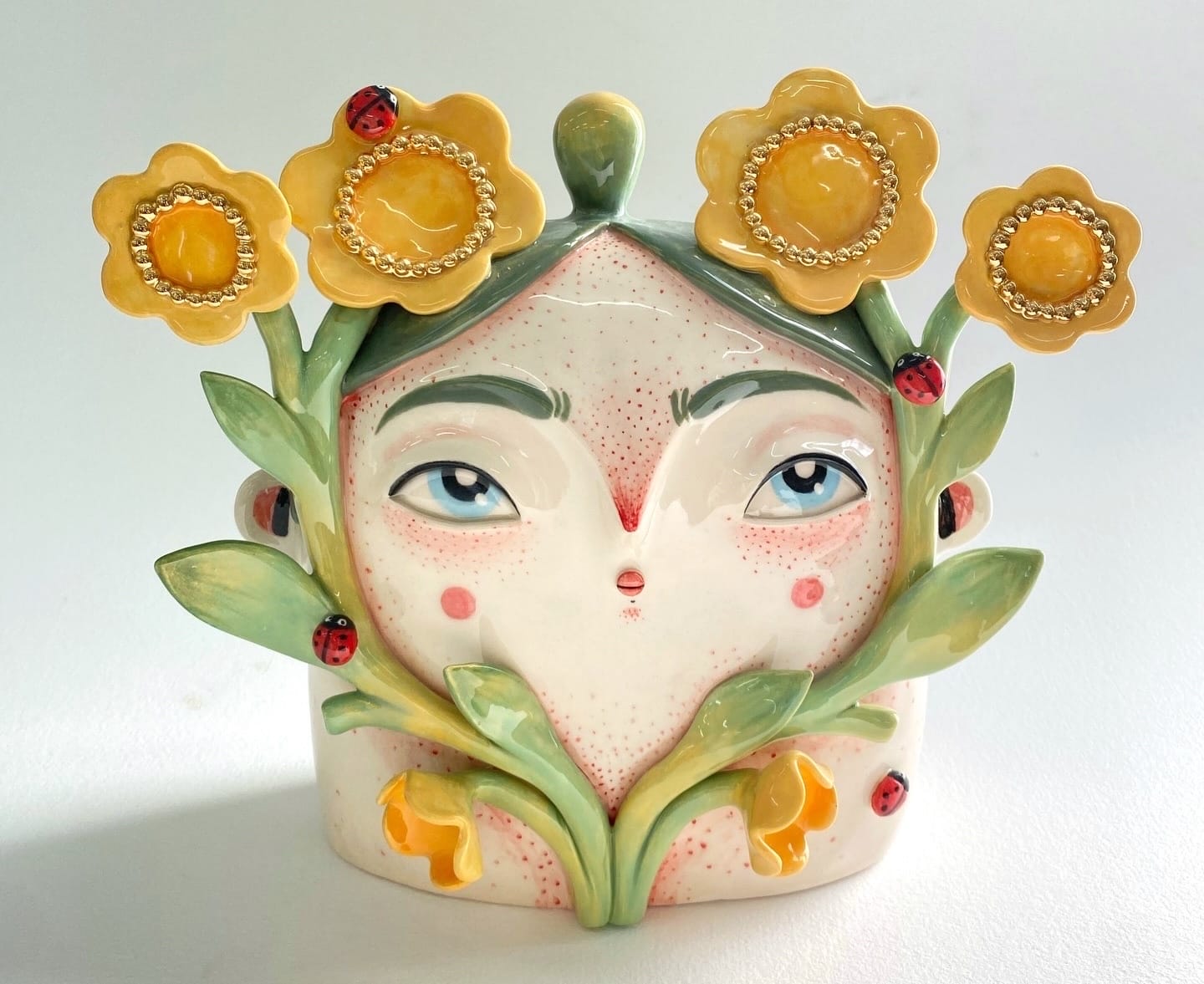
Abi Castillo’s Ceramic Beings Contrast Delicacy With the Natural World

Galician artist Abi Castillo has unveiled a new series of ceramic self-portraits that explore the intersection of femininity, mysticism, and the natural world. Her latest sculptures feature signature wide-eyed figures adorned with organic elements like coral, insects, and flora, which act as a form of delicate armor for the emotive personas. This new body of work was produced in Castillo’s recently acquired larger studio space, which has allowed for expanded creative freedom and scale.

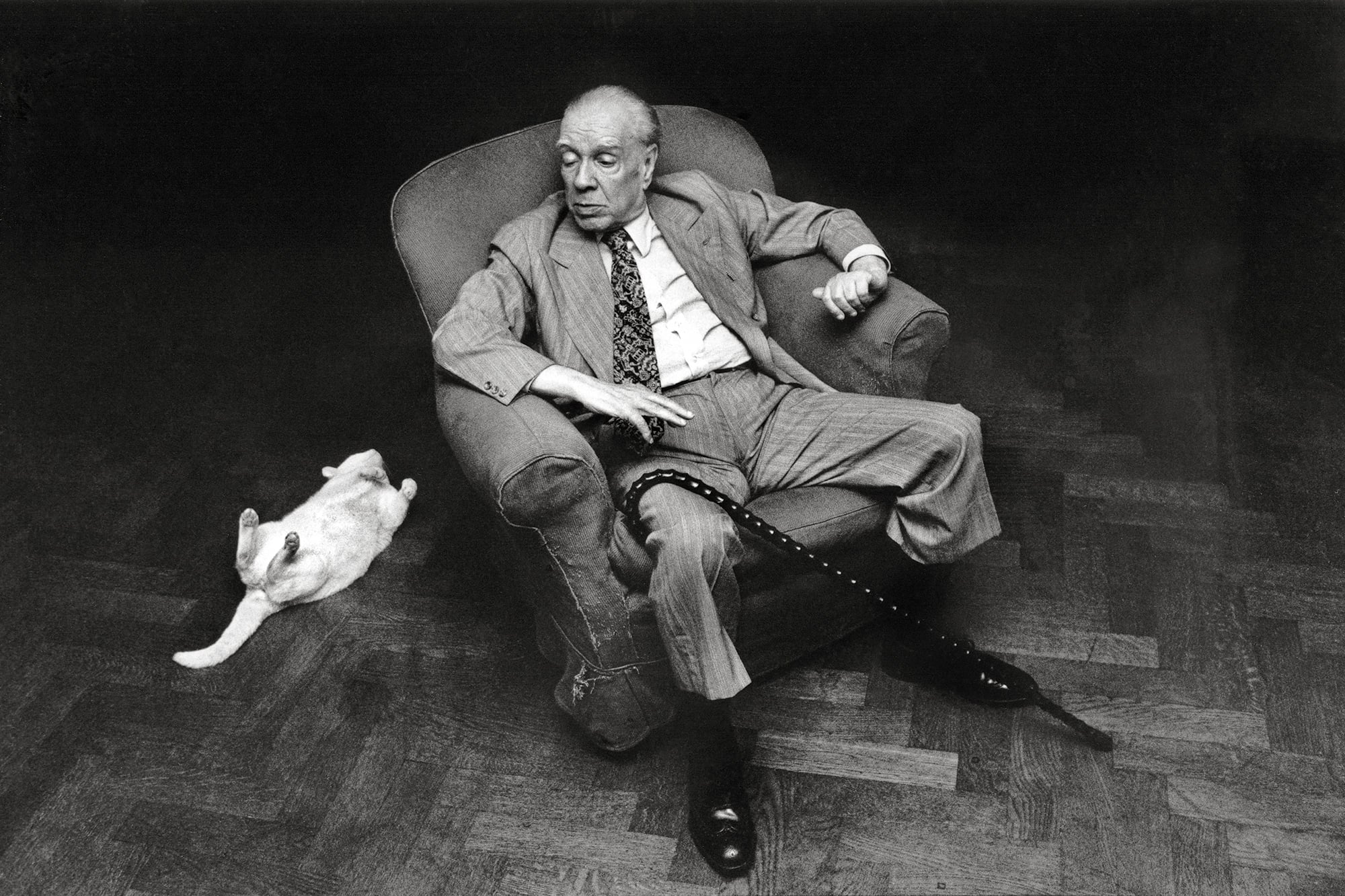
Rediscovering Jorge Luis Borges as an Architectural Critic. 40 Years After His Death

Riscoprire Jorge Luis Borges come critico d’architettura. A 40 anni dalla morte

The article commemorates the 40th anniversary of Jorge Luis Borges's death, reflecting on his legacy as a writer and his lesser-known role as an architectural critic. It highlights a 2025 book by Estela Canto, a close friend, which reveals Borges's personal fragility and contradictions, such as his love for popular cinema over classical music. The piece also explores Borges's fictional architectural criticism, particularly his 1967 work *Cronache di Bustos Domecq* co-written with Adolfo Bioy Casares, where he satirized functional architecture through invented pioneers like Adam Quincey and Alessandro Piranesi.

Being a Street Photographer. Interview with Simone Morelli, the Artist of Slowness

Essere street photographer. Intervista a Simone Morelli, l’artista della lentezza

Simone Morelli, a street photographer born in Rome in 1987, discusses his slow, analog approach to photography in an interview with Artribune. He began after receiving a Praktica film camera as a gift in Sweden in 2012, and was captivated by the process of shooting and printing on film. Morelli describes his method as instinctive yet deliberate, often working on long-term projects that build a coherent visual narrative rather than seeking single 'beautiful' images. He cites Josef Koudelka as a key influence and emphasizes the importance of patience and reflection in an era dominated by fast, digital imagery.

International artists speak of life as resistance, inspired by George Grosz: The exhibition in Rome

Artisti internazionali parlano della vita come resistenza, ispirandosi a George Grosz. La mostra a Roma

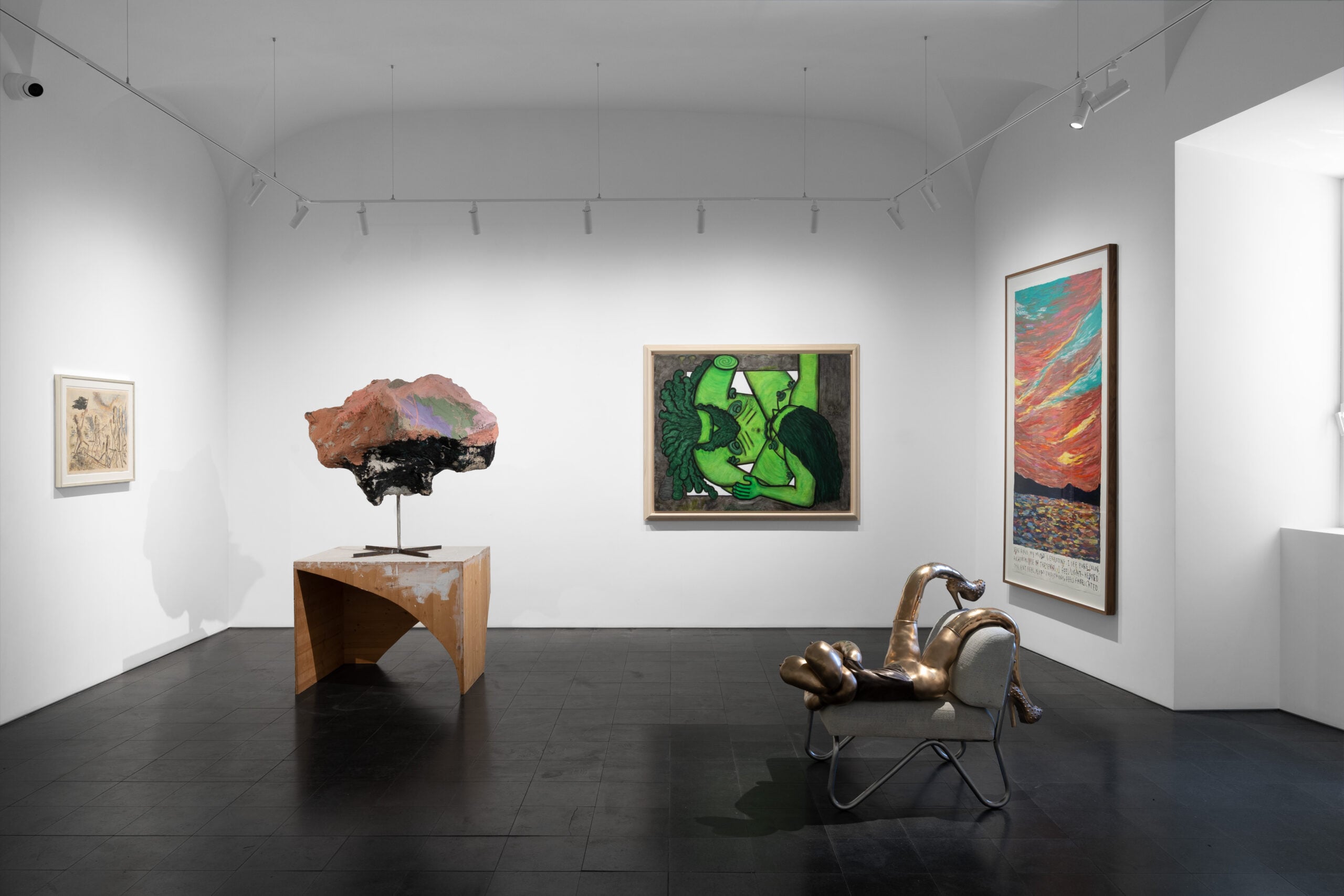
Tim Van Laere Gallery in Rome is hosting "Lust for Life," a group exhibition that explores the human impulse for creative resistance against societal fragility and global conflict. The show is anchored by the historical works of German artist George Grosz, whose drawings from 1912 to 1947 depict the alienation, loss of identity, and physical decay caused by world wars and totalitarian power.

Monuments & Weapons: How Public Space Prepares Us for War Without Us Even Realizing It

Monumenti&armi. Così lo spazio pubblico ci prepara alla guerra senza che neppure ce ne rendiamo conto

Public squares and urban spaces are densely populated with war-related monuments that condition society to accept conflict as a historical inevitability. A study by Philadelphia’s Monument Lab reveals that nearly 60% of U.S. monuments focus on war themes, outnumbering themes of peace thirteen-fold, while Italy maintains over 12,000 memorials dedicated solely to World War I. These structures often prioritize military hierarchy and territorial conquest over themes of care, gender equality, or social diversity.

Henry Art Gallery fall opening celebration hums with color and conversation

The Henry Art Gallery hosted its fall opening celebration on October 3, transforming the museum into a lively social event with a DJ set by KEXP's Diana Ratsamee and an open bar. The evening featured four exhibitions: "Spirit House," exploring life and death through works by 34 Asian diasporic artists; Charlene Liu's single painting "Scallion"; Rodney McMillian's "Neighbors," a multimedia reflection on social and civic violence; and Kameelah Janan Rasheed's "we leak, we exceed," an immersive text-based installation. The event drew crowds who engaged with the art and each other, creating a vibrant atmosphere that contrasted with the museum's usual quietude.

Creativity, contrast, conversation: Mumbai’s Tao Art Gallery promotes dialogue through exibitions

Mumbai’s Tao Art Gallery is fostering artistic dialogue through a series of exhibitions that emphasize creativity, contrast, and conversation. The gallery’s programming highlights diverse visual narratives and encourages engagement between artists and audiences.