filter_list Showing 43 results for "Contrast" close Clear
search
dashboard All 317 museum exhibitions 128article culture 48trending_up market 44rate_review review 43article news 22article local 18person people 8article policy 4candle obituary 1gavel restitution 1
date_range Range Today This Week This Month All
Subscribe

robert longo pace gallery review

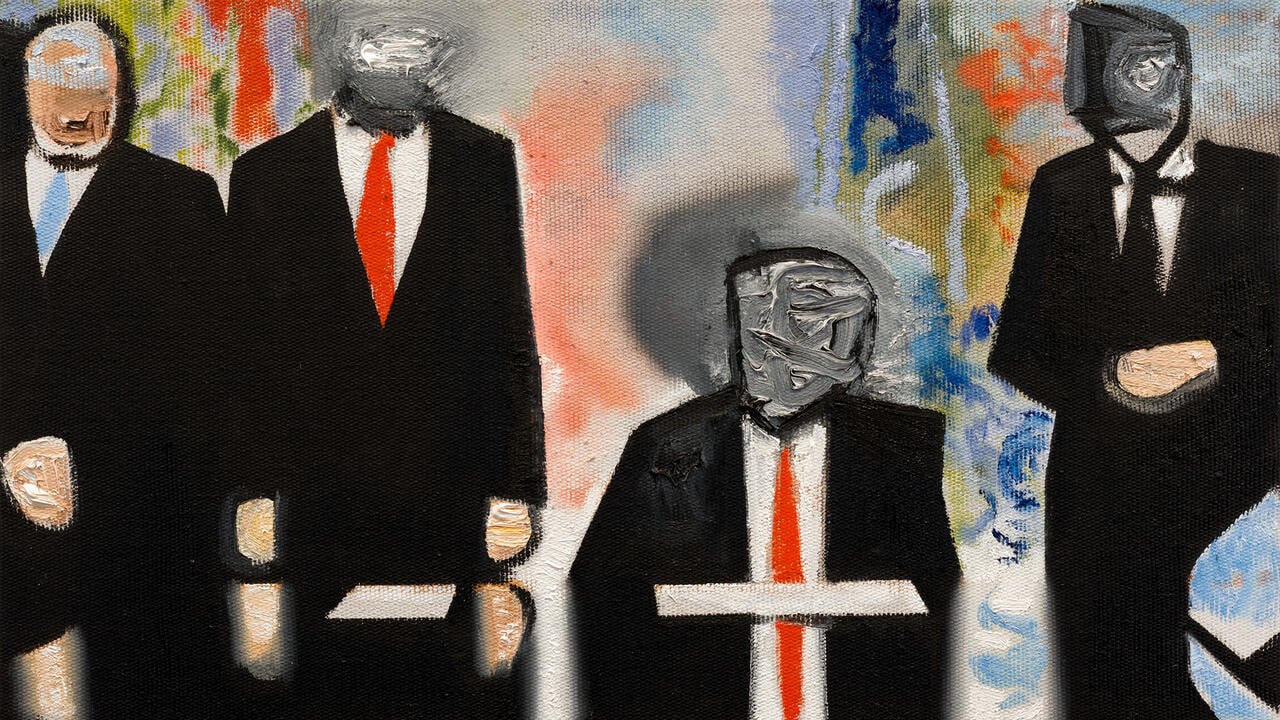
Artist Robert Longo presents a new exhibition at Pace Gallery, featuring his signature large-scale, hyperrealistic drawings that address themes of brutality, conflict, and protest. The show is a revised version of a 2023 exhibition at the Milwaukee Art Museum, with works based on media images of events such as the war in Ukraine, Black Lives Matter protests, and migrant crises. The article critically examines several pieces, including "Untitled (Ferguson Police, August 13, 2014)" and "Untitled (Refugees at Mediterranean Sea, Sub-Saharan Migrants, July 25, 2017)," arguing that Longo's manipulations of source photographs result in melodramatic and dishonest representations.
Notes from New York: The World in a Convex Mirror

The article reviews the sixth edition of MoMA PS1's quinquennial survey 'Greater New York 2026,' which coincides with the institution's 50th anniversary. It highlights works by artists such as Covey Gong, Win McCarthy, Mekko Harjo, and Sophie Friedman-Pappas, noting how the exhibition's themeless structure and use of reflective surfaces create a hall of distorted reflections. The show includes 53 emerging and midcareer artists, mostly millennials, and is accompanied by a block party and gala rather than a dedicated commemorative exhibition like FORTY (2016).

Big Crisis, Small Gestures

Große Krise, kleine Gesten

The article reviews the second edition of the Klima Biennale Wien, which opened in early April in Vienna. It notes that while the biennale aims to address the urgent triple crisis of climate change, biodiversity loss, and pollution, its execution falls short. The exhibition features symbolic works such as a beached whale, a broken boat, and a compostable SUV sculpture, but these motifs feel repetitive and lack the necessary impact. The author contrasts these with historical precedents like Menashe Kadishman's 1978 Venice Biennale installation and Joseph Beuys' "7000 Eichen" (1982), arguing that the themes of nature and sustainability are not new, only the urgency has intensified.

Comment | We are living in an age of bad painting—the medium must be challenged to stay interesting

The article argues that contemporary painting has entered a period of stagnation, characterized by bloated, vapid, and market-driven works. The author cites observations from Frieze London and the exhibition "Painting After Painting" at SMAK in Ghent, noting that much recent painting lacks intellectual rigor and emotional depth. A conversation with artist Christopher Wool is referenced, where he contrasts the current lack of critical dialogue with the productive crises of the late 1970s, when painters like Philip Guston faced backlash for challenging conventions.

art ai digital guide brian droitcour

Brian Droitcour curates a guide to navigating the current media landscape through the work of tech-savvy artists and writers, focusing on exhibitions in Brooklyn and Queens. The guide highlights Porpentine's show "Xrafstar World" at Haul Gallery in Gowanus, which features poster-prints of drawings depicting characters from their stories and games, made with different digital brushes. Droitcour contrasts this DIY, performance-driven work with major institutions' engagement with AI, such as Sasha Stiles' "A Living Poem" at MoMA, which he criticizes for echoing technology's promises of polish rather than probing its complications.

Comment | Perhaps artists do have only ‘ten good years’—but they can happen at any time in their career

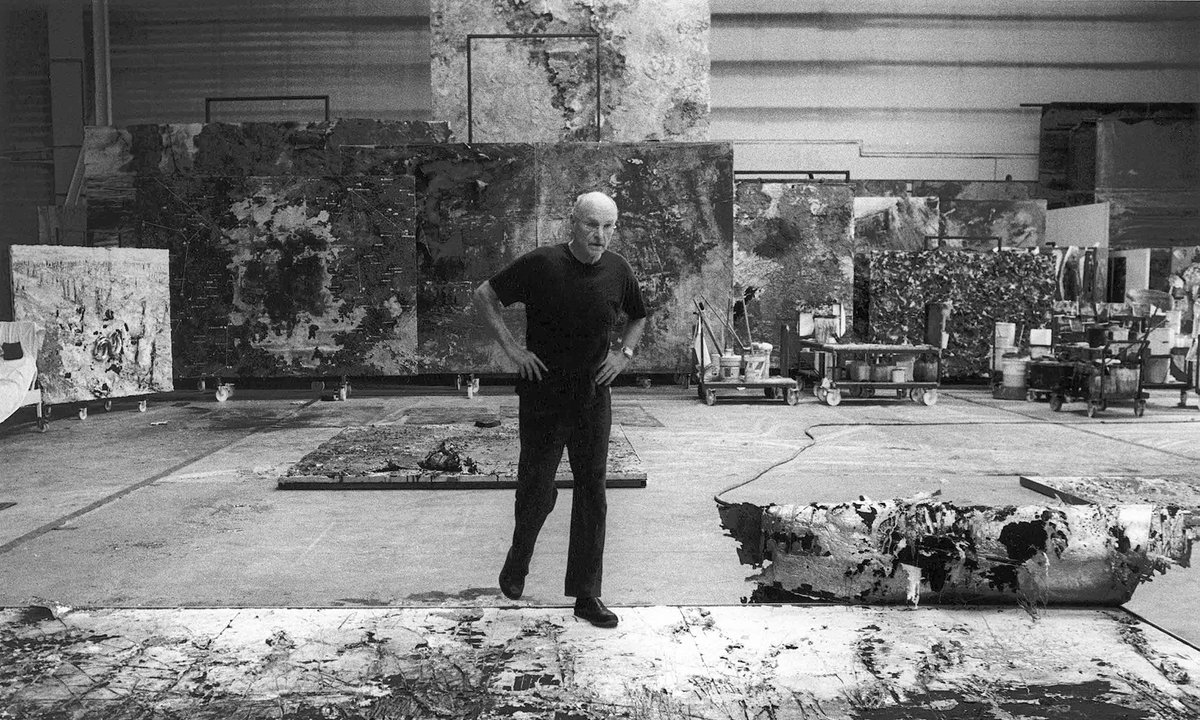
The article reflects on the idea that artists may have only 'ten good years' of peak creativity, prompted by a visit to the exhibition "Anselm Kiefer: Early Works" at the Ashmolean Museum in Oxford. The author contrasts the young Kiefer's deft, emotionally intimate works from 1969–1982 with his later, more grandiose output, arguing that Kiefer's early period surpasses anything he has achieved since. The piece also revisits critic Douglas Cooper's harsh dismissal of late Picasso and former Tate director Alan Bowness's theory of artistic prime.

Review: The Good, The Bad and The Venice Biennale

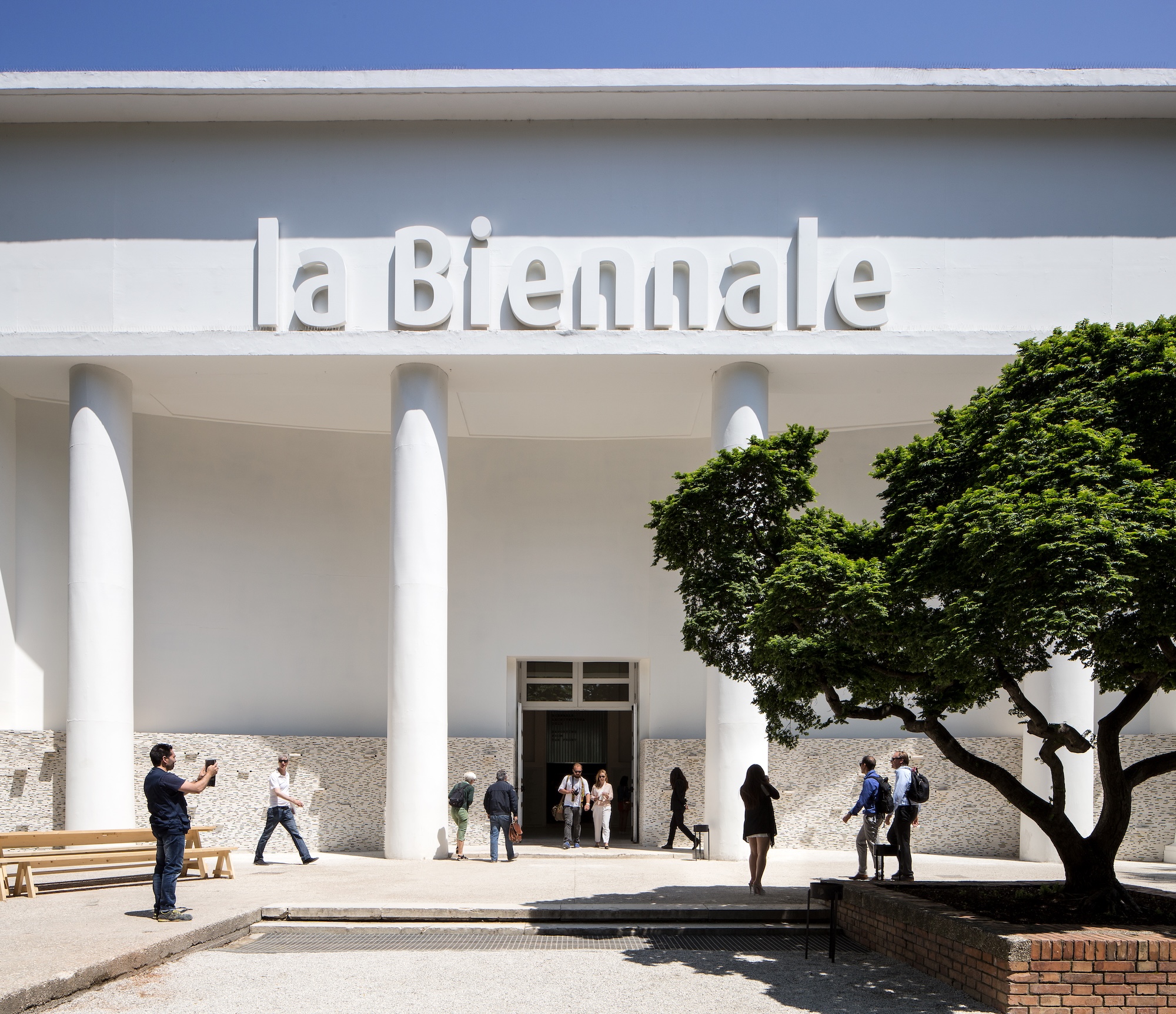
The article reviews the 2024 Venice Biennale, focusing on controversies over Russia's and Israel's participation. Protests erupted during opening week, leading the EU to cut funding and the International Jury to resign. As a result, awards like the Golden Lion and Silver Lion will be decided by public vote, with many pavilions and artists withdrawing in protest. The main exhibition, curated under the theme 'Minor Keys,' features standout works by Alfredo Jaar and Carrie Schneider, alongside national pavilions like Austria's provocative entry by Florentina Holzinger.

When the story has already been told -- ‘Gordon Parks: The South in Color’ at Jackson Fine Art

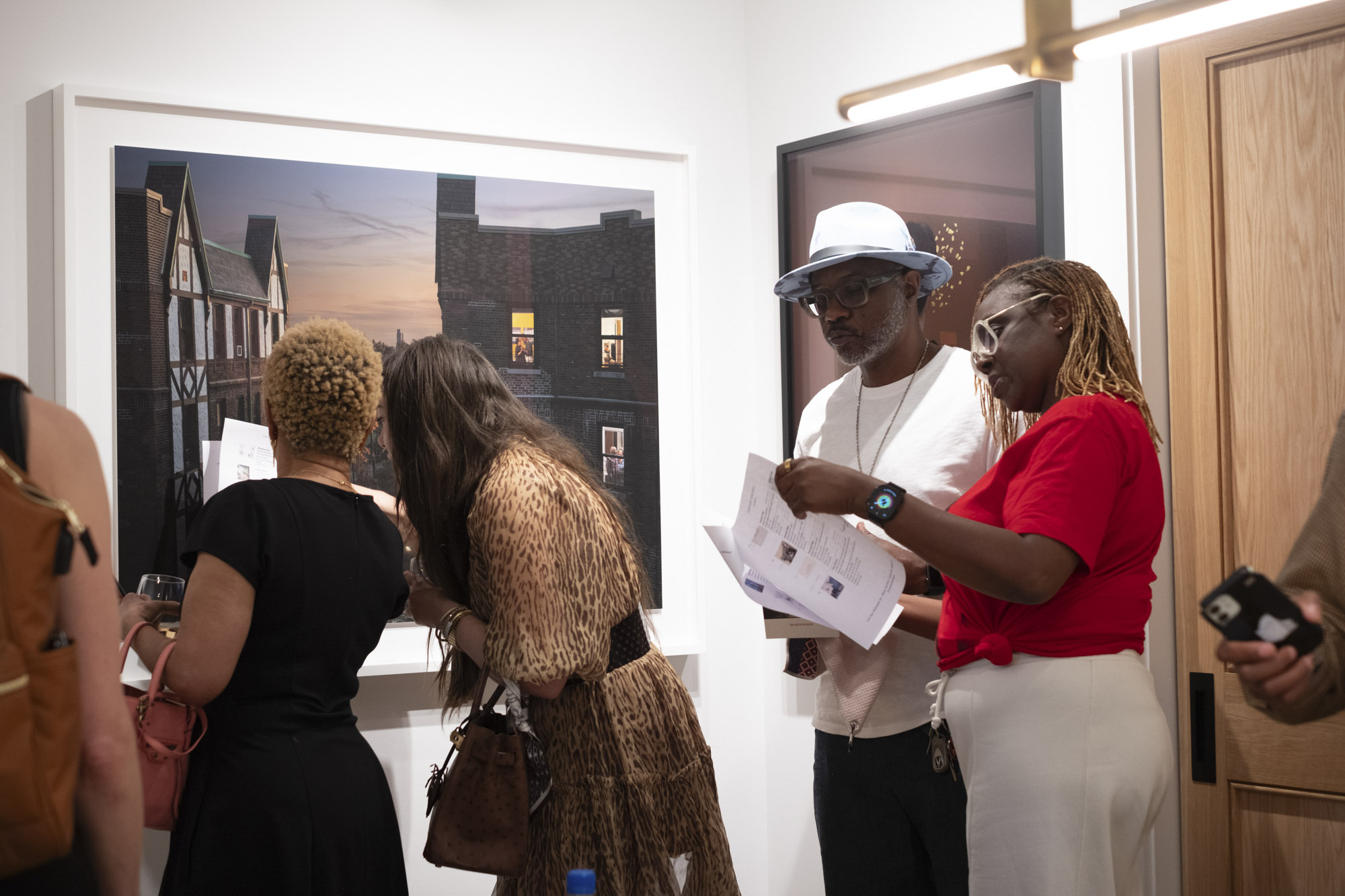
Gordon Parks: The South in Color, curated by Dawoud Bey, is on view at Jackson Fine Art in Atlanta through June 13. The exhibition celebrates the 20th anniversary of The Gordon Parks Foundation and the 70th anniversary of Parks’ 1956 Life magazine feature on segregation in the South. The show presents a broader selection of Parks’ photographs than the original magazine spread, including iconic works like In-Home Barbershop, Shady Grove, Alabama, 1956. The article, written by a photographer and writer for ArtsATL, reflects on the experience of seeing Parks’ work in person and contrasts the gallery presentation with the editorial framing of the Life feature.

An Unlikely Friendship Between Artist and Forger

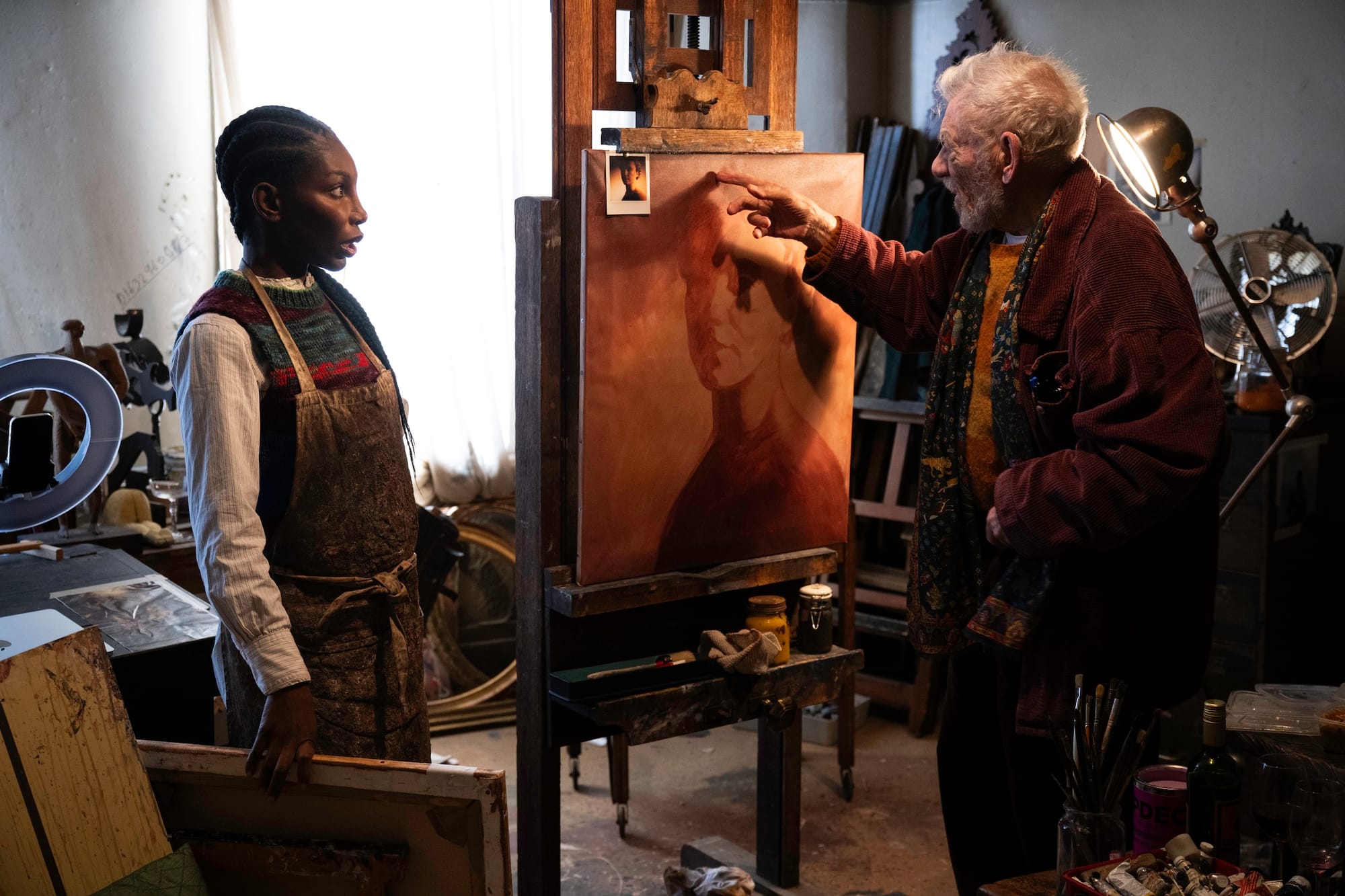
The article reviews Steven Soderbergh's 2026 film "The Christophers," which follows an unlikely friendship between two painters in London: Julian Sklar (Ian McKellen), an older artist facing cancellation, and Lori Butler (Michaela Coel), a young painter who restores and forges artworks. The film explores themes of attention, artistic legacy, and the purpose of art, contrasting with darker narratives like "Tár" by offering a comedic yet profound take on these issues.

The Carnegie International Looks Back at Itself

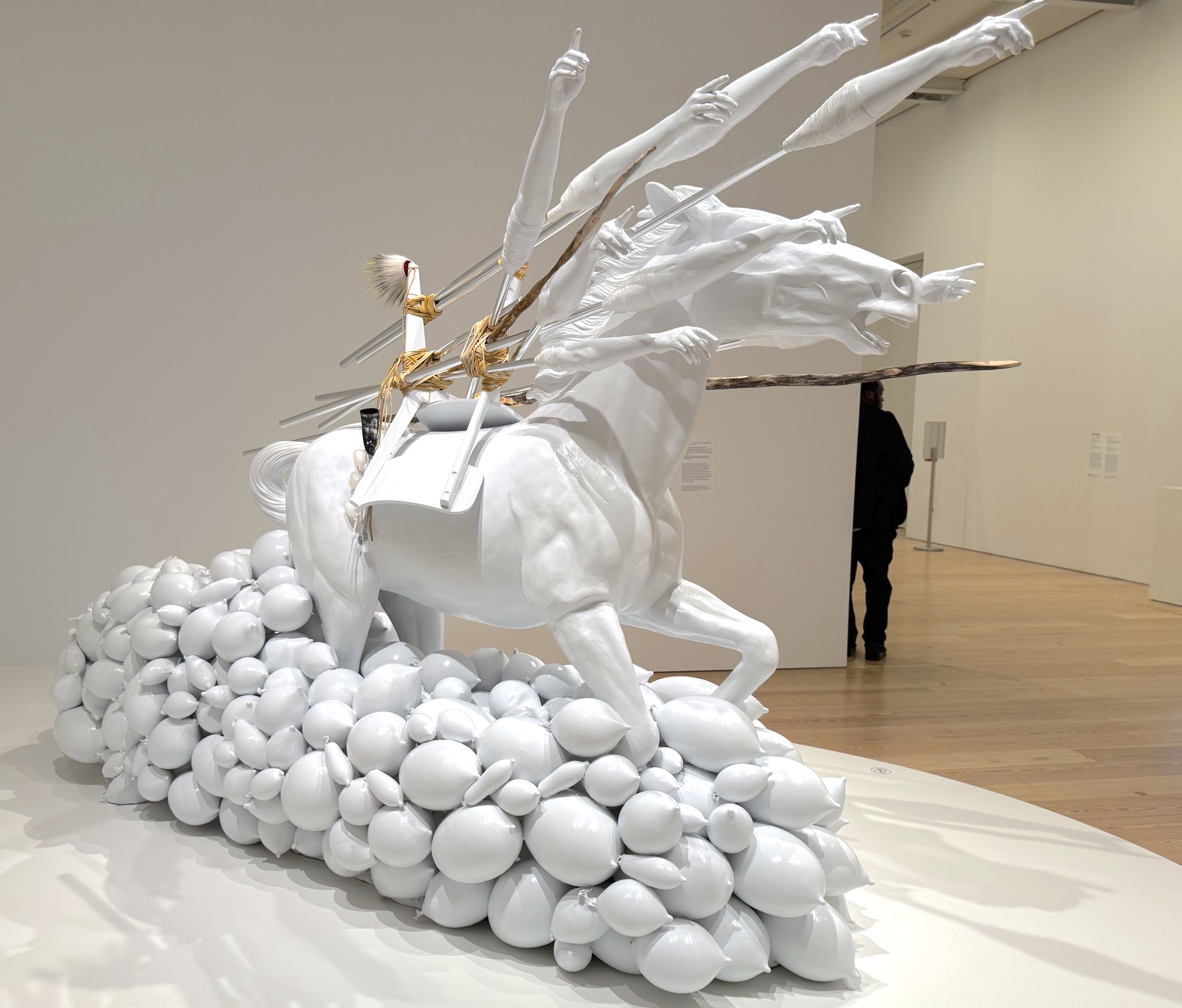
The 58th Carnegie International at the Carnegie Museum of Art in Pittsburgh looks back at its own 130-year history, featuring a gallery dedicated to past iterations. The exhibition includes Chris Ofili's "The Adoration of Captain Shit and the Legend of the Black Stars" (1998), which was originally shown in the 53rd International in 1999, the same year Ofili's more notorious "The Holy Virgin Mary" sparked controversy at the Brooklyn Museum. The article reviews how the current iteration captures the excitement of earlier exhibitions while providing commentary on authoritarianism and militarism.

I’ve Got the Post-Duchamp Blues

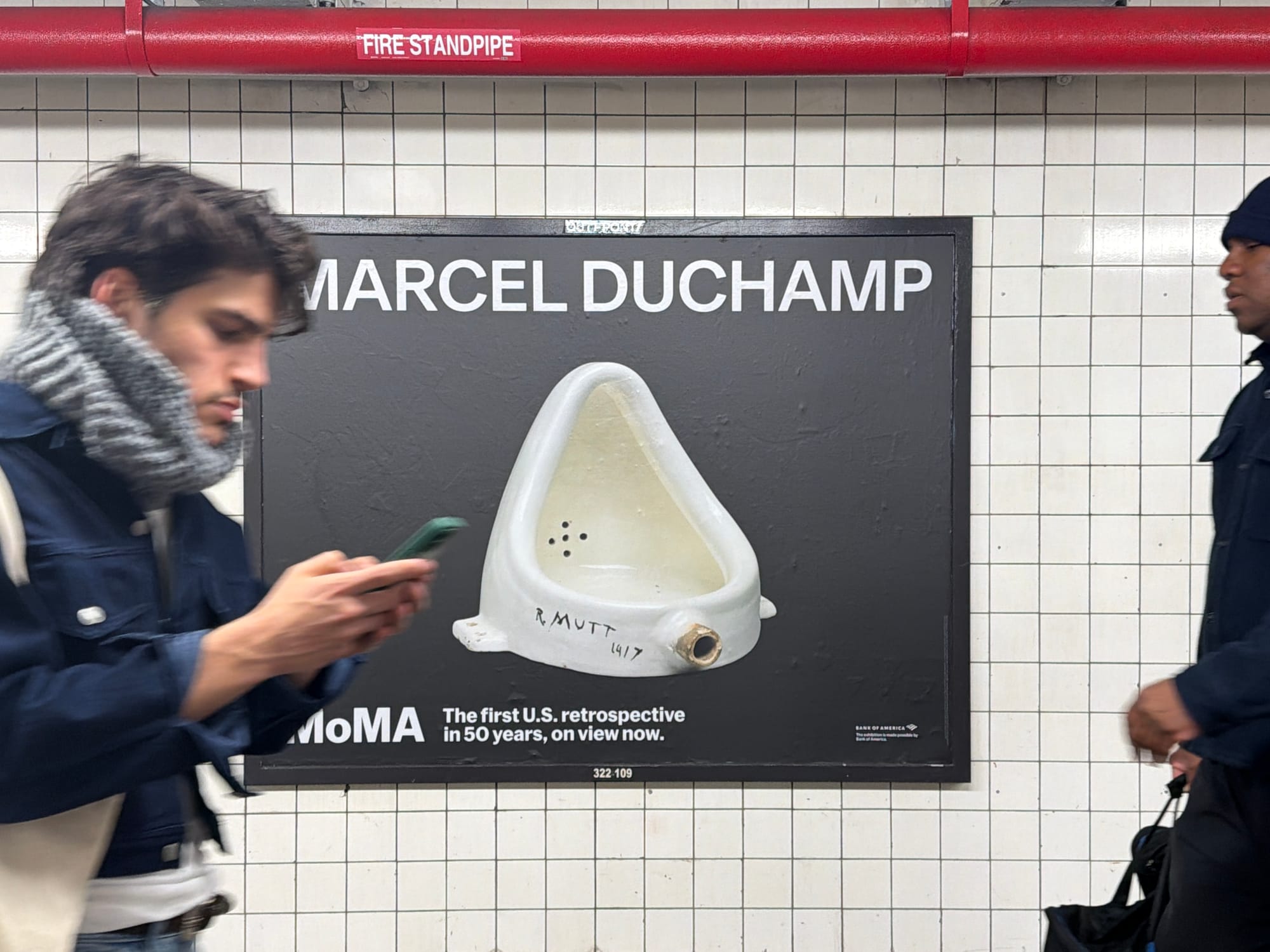
The article is a review of the Marcel Duchamp retrospective at the Museum of Modern Art (MoMA) in New York, the first such show since 1973. Featuring around 300 works from Duchamp's six-decade career, the exhibition includes his iconic readymades like "Fountain" (1917) and early paintings such as "Nude Descending a Staircase, No. 2" (1912). Co-curated by MoMA's Ann Temkin and Michelle Kuo along with Matthew Affron of the Philadelphia Museum of Art, the show runs through August 22, 2026, before traveling to Philadelphia.

The Tensions Seething Beneath the Surface of the 2026 Whitney Biennial

The 2026 Whitney Biennial has quickly generated a consensus among critics, prompting a deeper analysis of its underlying themes. The exhibition features a notable tension between works exploring artificial intelligence, such as Zach Blas's maximalist installation and Cooper Jacoby's emotionally resonant sculptures, and a contrasting trend of delicate, nostalgic art focused on domesticity and ecology, exemplified by artists like Kelly Akashi and Jasmin Sian.

Wilhelm Sasnal and the Intimacy of History

The article reviews national pavilions at a major international art exhibition, focusing on the US, British, and German presentations. Andrew Durbin critiques the US pavilion as vacuous and lacking meaning, while praising the British and German installations as incisive and moving. The review highlights a contrast between superficial spectacle and deeply engaging, historically resonant works.
Comment | Monet might have seen Venice, but his paintings suggest he didn’t feel it

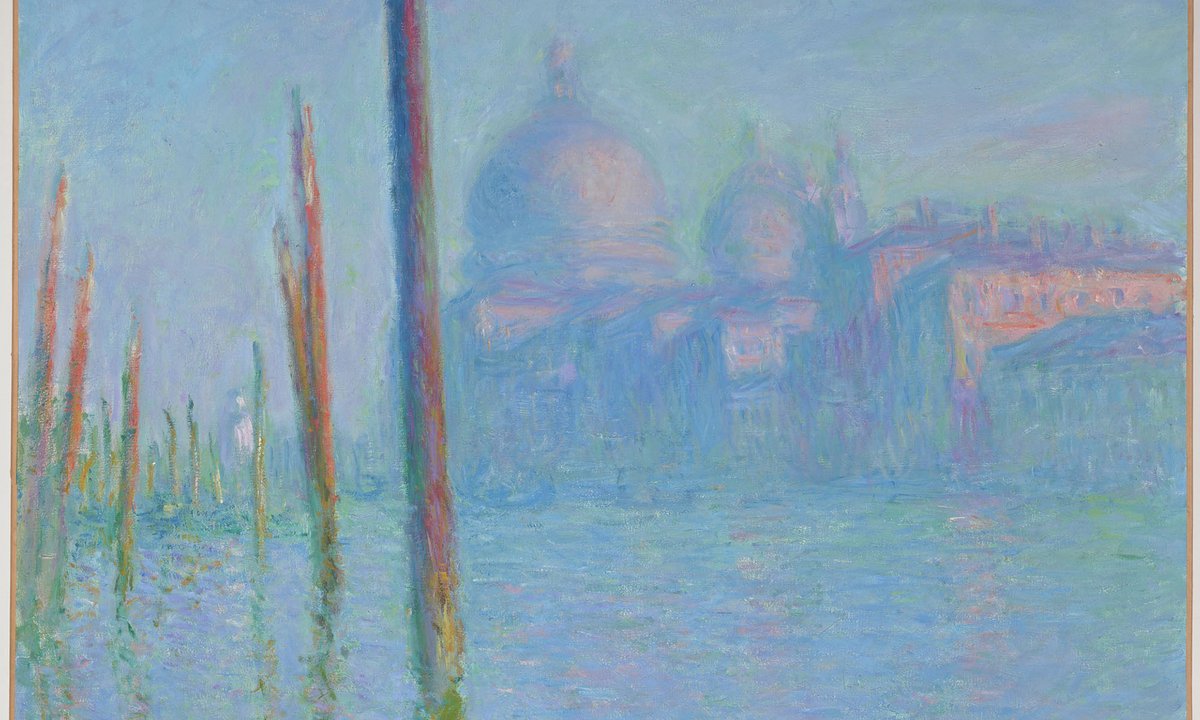
The article compares J.M.W. Turner's and Claude Monet's depictions of Venice, arguing that Turner's watercolors capture the city's innate melancholy and atmosphere, while Monet's paintings feel unfulfilling and lack emotional depth. The author reflects on Turner's sublime Venice watercolours, particularly 'San Giorgio Maggiore, Venice, at Sunset' (1840), and contrasts them with Monet's works, which are the subject of a major upcoming show at the Brooklyn Museum. The piece also touches on Francesco Guardi's visceral views versus Canaletto's more pleasing but superficial ones, and Howard Hodgkin's later, elegiac response to the city.

Losing Frida Kahlo in "The Making of an Icon"

The article critiques the Museum of Fine Arts, Houston's (MFAH) exhibition "Frida: The Making of an Icon," arguing that it perpetuates a fetishized, commercialized view of Frida Kahlo by focusing on her biography—her marriage to Diego Rivera, her affairs, her accident—rather than her artistic skill. The author contrasts this with a visit to the Museo de Arte Moderno (MAM) in Mexico City, where the exhibition "Relatos modernos. Obras emblemáticas de la Colección Gelman Santander" presents Kahlo's work alongside other Mexican masters in a quiet, understated manner that allows viewers to appreciate her technical abilities without overwhelming narrative.

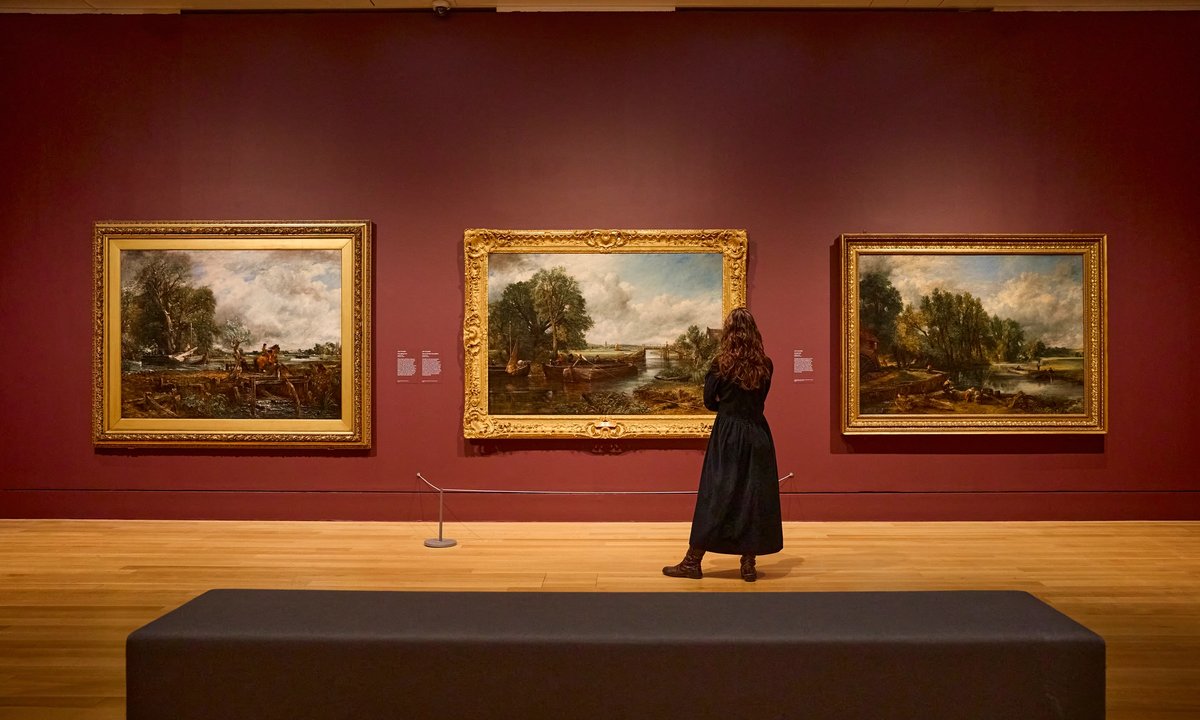
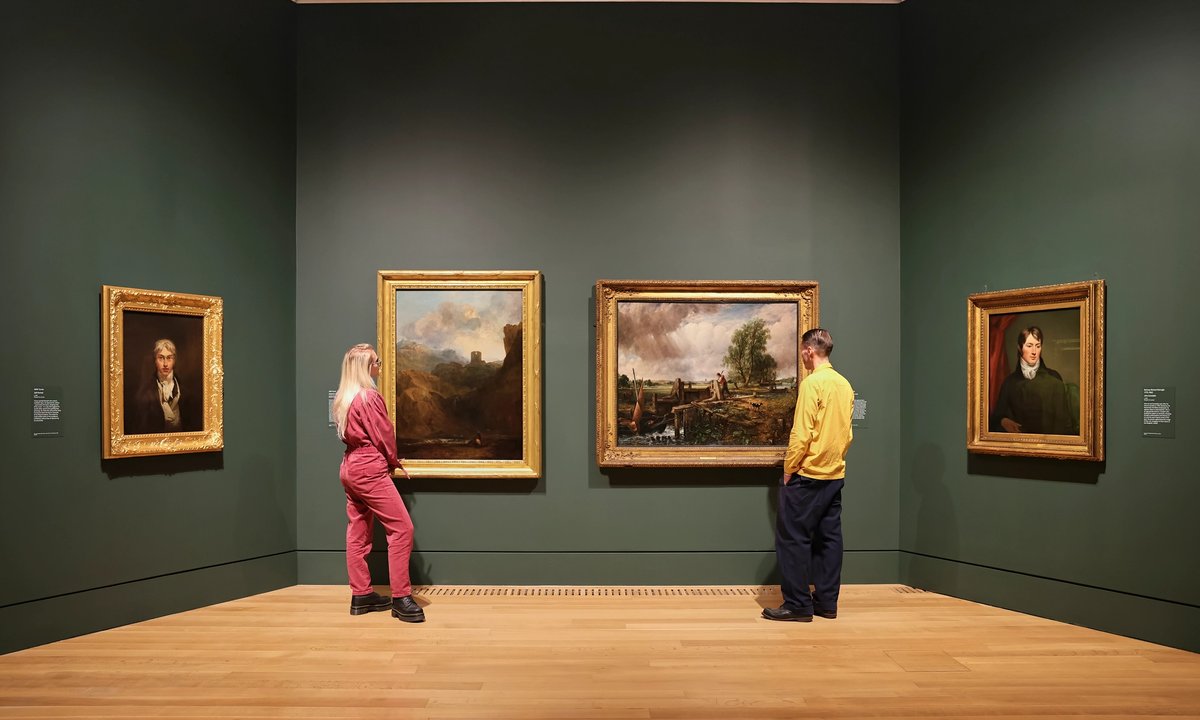
Comment | Tate Britain’s Turner and Constable show got me thinking about Marxist art history

The author recounts traveling from Scotland to London to see Tate Britain's exhibition "Turner and Constable: Rivals and Originals," despite costly and slow train travel. The article also covers the Old Master sales at Sotheby's, Christie's, and Bonhams, noting mixed results: a Flemish triptych sold for £5.7m, a Hans Eworth portrait set a record at £3.2m, and a Gerrit Dou fetched £3.8m, while a Panini capriccio lost value since 2005.

Why this rarely seen Van Gogh self-portrait deserves more attention

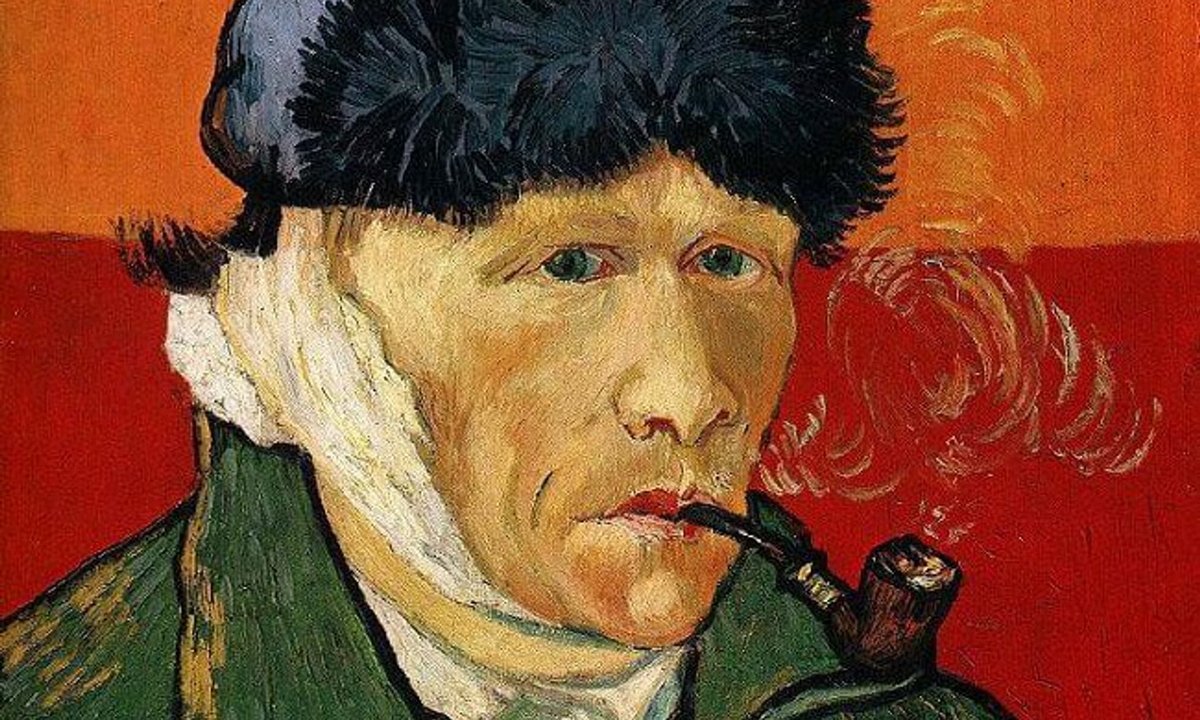
A blog post examines Van Gogh's lesser-known self-portrait, *Self-portrait with bandaged Ear and Pipe* (January 1889), held in a private collection and rarely exhibited—last lent outside Switzerland in 1990. The painting shows the artist clean-shaven, smoking a pipe, with a striking orange-red background, painted just weeks after he mutilated his ear following a row with Paul Gauguin. The post contrasts it with the more famous version in London's Courtauld Gallery, analyzing compositional details and the artist's psychological state.

Highs and Lows at Princeton’s New Art Museum

Brian T. Allen reviews the newly opened Princeton University Art Museum, praising its architectural design while questioning the curatorial direction. He contrasts the new building's impressive appearance with his concerns about the museum's exhibition choices, recalling past successful shows like the Berlin Painter exhibition and a Clarence White photography show that he found more intellectually rigorous.

Comment | Turner gets all the kudos, but it was Constable who was the truly radical painter

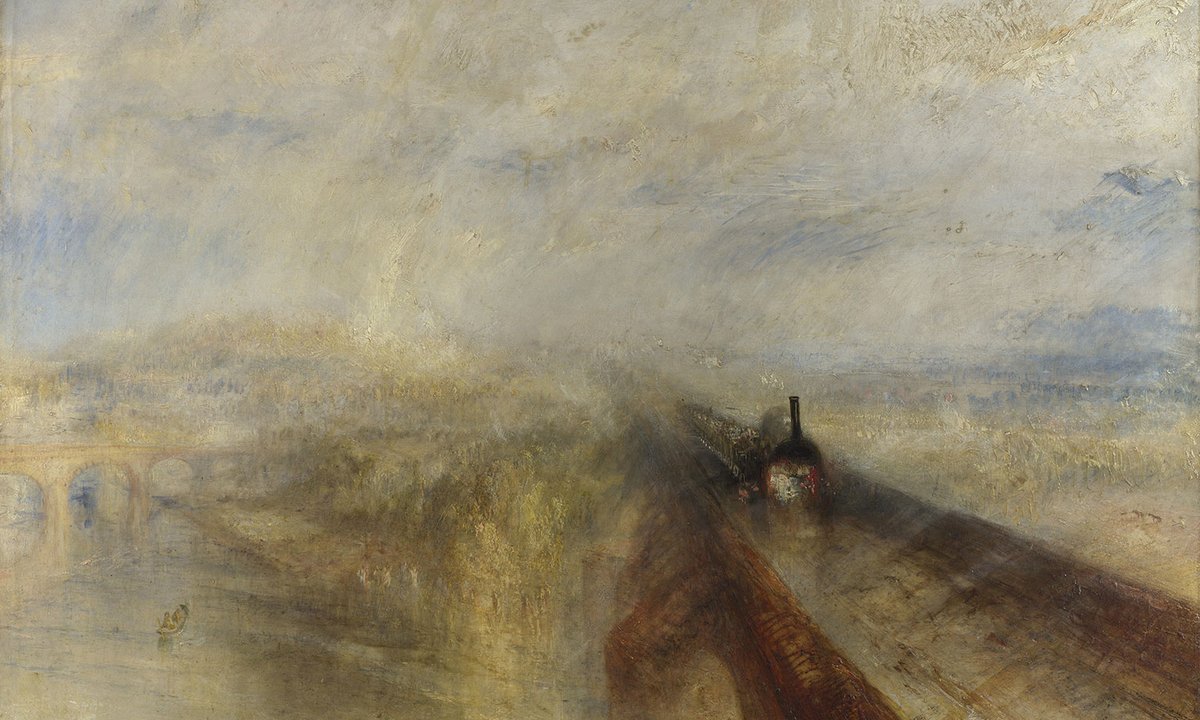
A commentary argues that John Constable, not J.M.W. Turner, was the truly radical painter, despite Turner receiving far greater public recognition through a museum, a prize, and a place on the £20 note. The article highlights a new exhibition, "Turner and Constable," opening at Tate Britain (until 12 April 2026), which recreates their 1831 Royal Academy display and contrasts Constable's English pastoral scenes with Turner's dramatic, un-British visions. It contends that Constable's full-size oil sketches, such as those at the Victoria and Albert Museum, had a deeper and more lasting effect on modern painting than Turner's work.

Turner vs Constable: is it time for art historians to choose?

Art historian and author James Hall, writing in The Art Newspaper, reviews Nicola Moorby's new book "Turner and Constable: Art, Life, Landscape" and uses it as a springboard to argue that art historians should not shy away from making value judgments about artists. He compares the legacies of J.M.W. Turner and John Constable, noting that Turner currently dominates popular and institutional esteem—appearing on banknotes, celebrated by Tate Britain as the greatest British artist, and fitting modern conceptions of the artist as a rebellious, eccentric genius. Hall contrasts this with Constable's more conservative image and declining presence in commercial culture.

The Anti-Pop Art of Domenico Gnoli

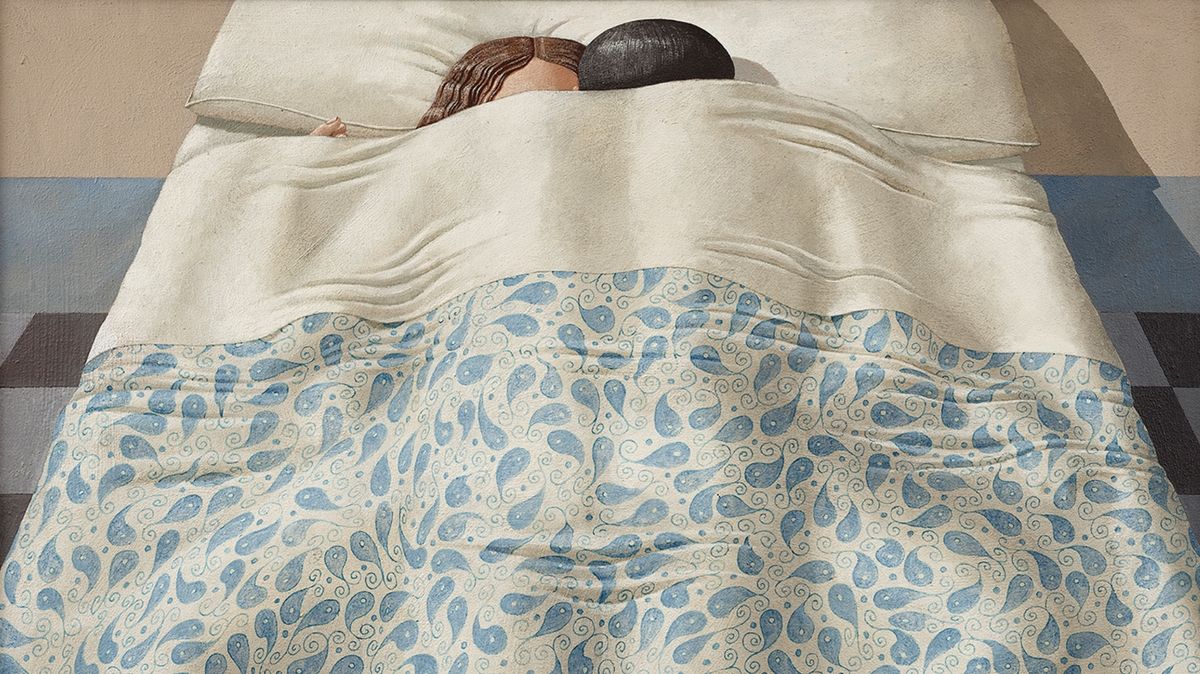
The article reviews "The Adventure of Domenico Gnoli," a retrospective at Lévy Gorvy Dayan in New York, focusing on the Italian artist's 1967 painting *L'inverno (Couple au lit)* and other works featuring intimate, fabric-rich domestic scenes. Gnoli (1933–1970), born into an art-world family, is often associated with Pop Art, but the author argues his work depicts a private, almost childlike world of memory and longing, contrasting with Pop's mass-produced commodities.

Alison Roman’s Top Picks from the Frieze Viewing Room

Andrew Durbin reviews the national pavilions at the Venice Biennale, contrasting a vacuous US presentation with incisive and moving installations from Britain and Germany. The review highlights the thematic and emotional depth of the British and German pavilions while critiquing the lack of meaning in the US entry.

Ariel West Probes Our Desire for Oil

Andrew Durbin reviews the national pavilions at the 2026 Venice Biennale, contrasting a vacuous US presentation with incisive and moving installations from Britain and Germany. The review critiques the US pavilion for lacking meaningful content, while praising the British and German contributions for their depth and emotional resonance.

Ayotunde Ojo Maps Interiority Under the Public Gaze

The article, a critic's guide review by Andrew Durbin, contrasts the US national pavilion presentation at an unspecified biennial with those of Britain and Germany. The US presentation is described as vacuous and lacking in meaning, while the British and German installations are praised for being incisive and moving. The review critically examines the thematic and conceptual approaches of each national pavilion, highlighting a disparity in artistic depth and engagement.

Venice Biennale Diary: An Editor on the Ground

Andrew Durbin reviews national pavilions at the Venice Biennale, contrasting a vacuous US presentation with incisive and moving installations from Britain and Germany. The article is part of Frieze's Critic's Guides series, published on May 6, 2026.

The Books That Influence Sohrab Hura

Andrew Durbin reviews the national pavilions at an unnamed biennial, contrasting a vacuous US presentation with incisive and moving installations from Britain and Germany. The review critiques the lack of meaning in the US pavilion while praising the depth and emotional resonance of the British and German contributions.

‘Afterimages’: What Does It Mean to See Through Overload?

Andrew Durbin reviews the national pavilions at the Venice Biennale, contrasting a vacuous US presentation with incisive and moving installations from Britain and Germany. The article critiques the lack of meaningful engagement in the US pavilion while praising the depth and emotional resonance of the British and German contributions.

How to Have the Perfect Day at Frieze New York 2026

Andrew Durbin reviews the national pavilions at Frieze New York 2026, contrasting a vacuous US presentation with incisive and moving installations from Britain and Germany. The review highlights the disparity in conceptual depth and emotional resonance among the three pavilions, with the US offering little meaning while the British and German contributions engage seriously with contemporary issues.

‘In Minor Keys’ Review: Its Best Moments Live in the Institutions Koyo Kouoh Built

Andrew Durbin reviews the national pavilions at the 2026 Venice Biennale, contrasting a vacuous US presentation with incisive and moving installations from Britain and Germany. The review highlights how the best moments of the exhibition live in the institutions built by curator Koyo Kouoh, who organized the Biennale's main exhibition.

What’s Showing in Chelsea During Frieze Week New York

This article is a critic's guide reviewing national pavilions during Frieze Week New York. Andrew Durbin contrasts a vacuous US presentation with incisive and moving installations from Britain and Germany, questioning the meaning and depth of the American contribution.