filter_list Showing 4165 results for "AP" close Clear
search
dashboard All 4165 museum exhibitions 2285article local 564article news 356article culture 280trending_up market 233person people 131rate_review review 108article policy 94candle obituary 75gavel restitution 30article event 7article events 1article gallery 1
date_range Range Today This Week This Month All
Subscribe

From Eurovision to the Venice Biennale, culture contests are being overshadowed by politics

The Venice Biennale and Eurovision Song Contest are being overshadowed by political controversies rather than artistic merit. At the Venice Biennale, the Russian pavilion opened for press previews for the first time since the Ukraine invasion, a decision that may cost the festival €2m in EU funds. The Israeli pavilion will open despite protests from 200 artists and curators, while the South African pavilion will remain empty after its government blocked an artist's tribute to a Palestinian poet. The Iranian pavilion is also shut, and the awarding jury has resigned en masse, meaning no Golden or Silver Lion awards will be given for the first time in 40 years. Similarly, Eurovision's 70th anniversary is dominated by five countries boycotting over Israel's participation, with little focus on the music.
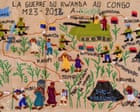
Stitches in time: the artist chronicling the DRC’s blood-soaked history in tapestry

Lucie Kamusekera, an 82-year-old artist in Goma, Democratic Republic of the Congo, creates embroidered tapestries on tobacco sacks that chronicle the country's violent history. Born in 1944 and taught sewing by Italian nuns, she began documenting contemporary conflicts after witnessing a military truck filled with corpses. Her more than 70 works depict events from the colonial Belgian Congo era to the 1961 assassination of Patrice Lumumba and the second Congo war, as well as personal tragedies including her husband's murder by rebels. Despite ongoing danger from rebel offensives, she continues to stitch from her home studio, training her children and great-granddaughter to carry on her work.

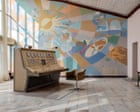
Reaching for the stars: enduring symbols of Soviet science – in pictures

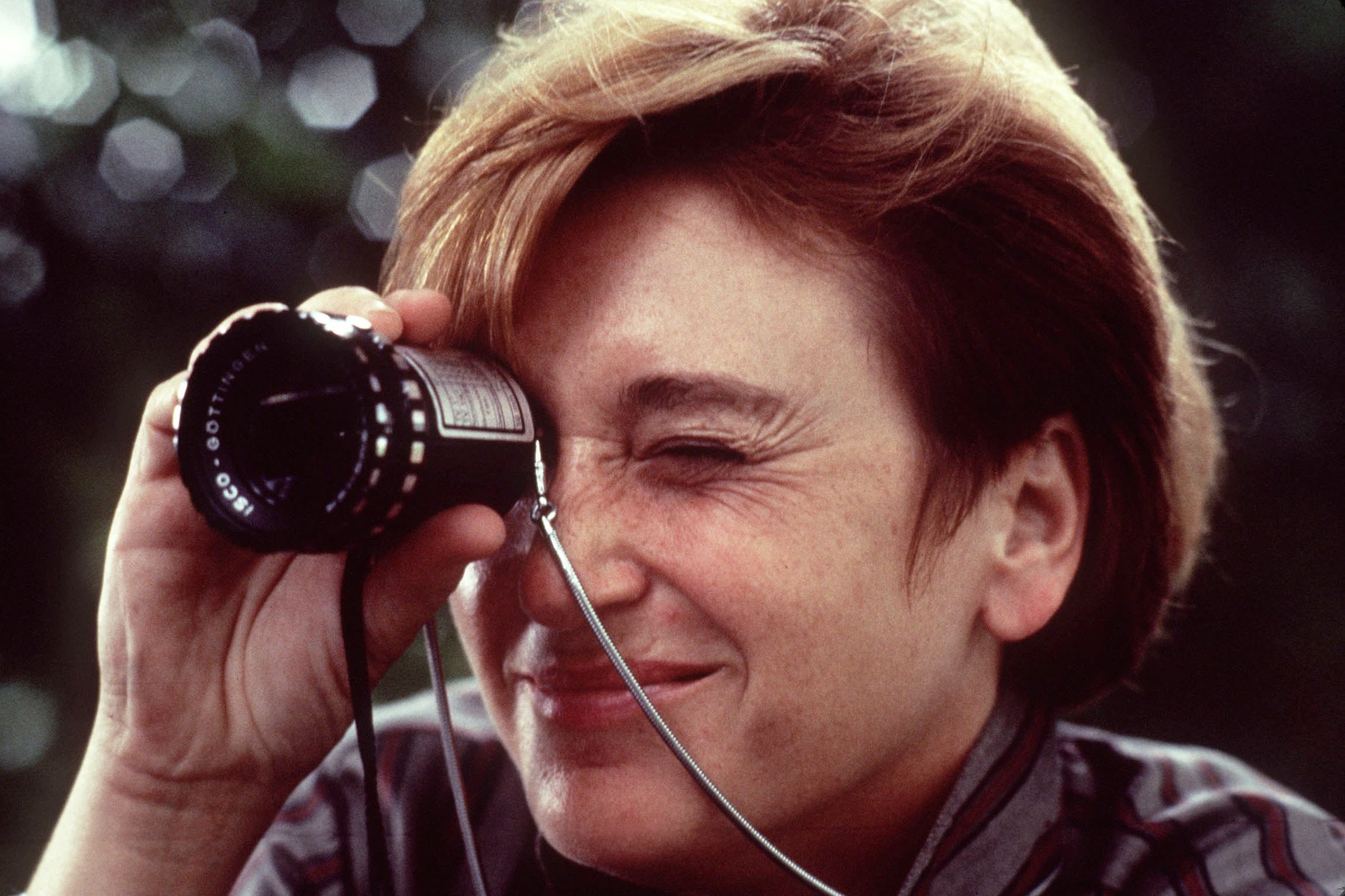
Photographer Eric Lusito documents Soviet-era scientific institutes across former USSR states in his book "Soviet Scientific Institutes," published by FUEL. The photo essay captures decaying facilities and enduring equipment at locations including the Institute of Radio Astronomy in Kharkiv, Ukraine; the Byurakan astrophysical observatory in Armenia; the Andronikashvili Institute of Physics in Tbilisi, Georgia; and the Fesenkov Astrophysical Institute in Kazakhstan, among others.

Ada: My Mother the Architect review – illuminating profile of brilliant builder balances work and family

Architect-turned-filmmaker Yael Melamede directs a documentary portrait of her mother, Israeli architect Ada Karmi-Melamede, who co-designed the Supreme Court of Israel building in Jerusalem in the early 1990s with her brother Ram Karmi and later created Ben Gurion Airport. The film explores Karmi-Melamede's architectural philosophy of "architecture of the ground and of the sky," her departure from her brother's brutalism, and a painful family split when she left her husband and children in New York after being denied tenure at Columbia University.

Births, deaths and a first kiss: life near the frontline in Ukraine – in pictures

British-Iranian artist Aria Shahrokhshahi's long-term photographic project "Wet Ground" captures daily life in Ukraine during Russia's full-scale invasion, focusing on moments of youth, subculture, and fragile continuity rather than traditional war imagery. The series, developed through repeated stays and volunteering since 2019, includes scenes from teenage discos, hospital wards, a birth during a missile attack, and a first kiss near the frontline, all shot in stark black and white.

‘A constant quiet terror’: Getting lost in Irish folklore – in pictures

Maria Lax's photobook *Stray Sod* draws on Irish folklore and archival accounts from the Irish National Archives to explore the phenomenon of the 'stray sod'—enchanted patches of earth said to disorient and lead travelers astray, especially at night. Her images reimagine rural Irish landscapes as sites of sudden confusion, where familiar landmarks vanish and fog or mist descends, evoking a sense of 'constant quiet terror'.

Shelley’s hair to Schindler’s list: the most fascinating objects in the State Library of NSW – in pictures

The State Library of NSW is celebrating its 200th anniversary with a new exhibition featuring 200 objects from its collection of 6 million items. Lead curator Elise Edmonds and her team selected highlights including a lock of Mary Shelley's hair, the smallest book in the library's collection (measuring 6mm by 6mm), bread wrappers from the 1960s, a colonial sketchbook from 1817, a Dharawal Indigenous language wordlist, Australia's oldest surviving political cartoon from 1808, and a contemporary artwork by Wiradjuri artist Karla Dickens. The objects span literature, colonial history, Indigenous culture, sport, and everyday life.

‘It’s a huge, futuristic space with massive skylights’: Ali Zolghadri’s best phone picture

Ali Zolghadri, a Tehran-born fine art photographer, captured a composite image of the central atrium of the Iran Mall in Tehran—the world's largest shopping mall—which was shortlisted in the creative category of the 2026 Sony World Photography Awards. The photograph, taken four months before the US and Israel launched their war on Iran, depicts the mall's futuristic architecture with sweeping curved lines, metallic surfaces, and massive skylights, and includes a lone passerby to emphasize scale. Zolghadri emphasizes that his process involves manual editing in Photoshop without AI, blending three frames and removing unnecessary elements to construct meaning.

‘I’m not trying to make him handsome’: Polly Samson on photographing husband David Gilmour – in pictures

Polly Samson, acclaimed author and wife of Pink Floyd guitarist David Gilmour, presents her first solo photography exhibition at Leica Gallery London, featuring intimate images taken over two decades of Gilmour on tour and in the studio. The show, titled 'Polly Samson – Between This Breath and Then,' runs until 7 May 2026 and coincides with the release of her book 'David Gilmour: Luck and Strange – Studio/Live,' published by Thames & Hudson. Samson's photographs capture candid moments of Gilmour, their family, and the creative process behind albums including 'Luck and Strange.'

WAYAMOU: LENGUAS DE LO COMÚN. LAURA ANDERSON BARBATA Y SHEROANAWE HAKIHIIWE

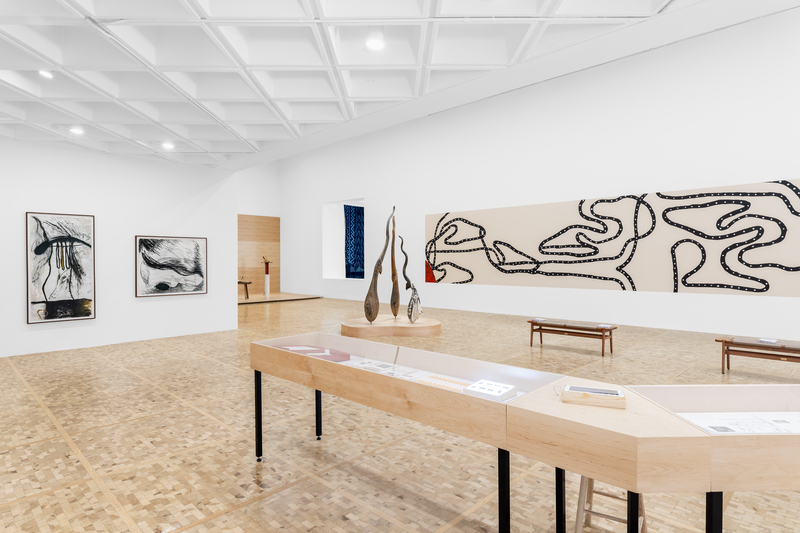
The exhibition "Wayamou: Lenguas de lo común" at the Museo Tamayo in Mexico City presents the collaborative work of artists Laura Anderson Barbata and Sheroanawe Hakihiiwe, whose artistic and political relationship spans over three decades. The show traces their shared history, beginning in the early 1990s when Barbata traveled to the Venezuelan Amazon and taught handmade papermaking using local plant fibers, introducing Hakihiiwe to a sustained visual exploration of Yanomami cosmology, oral tradition, and legacy. In 1992, they co-founded Yanomami Owë Mamotima ("Yanomami art of papermaking"), a project enabling the community to tell its own stories through its own visual and linguistic codes, exemplified by the handmade book "Shapono (Casa)" (1996).

FROM SÃO PAULO TO NEW YORK: THE MUSEUM OF ERRANCY OF ÉDOUARD GLISSANT

DE SÃO PAULO A NUEVA YORK: EL MUSEO DE LA ERRANCIA DE ÉDOUARD GLISSANT

The exhibition "La tierra, el fuego, el agua y los vientos: Por un Museo de la Errancia con Édouard Glissant" has traveled from the Instituto Tomie Ohtake in São Paulo to the Center for Art, Research and Alliances (CARA) in New York, marking its first U.S. presentation. Curated by Manuela Moscoso with Marian Chudnovsky, and building on prior work by Ana Roman and Paulo Miyada, the show engages with the philosophy of Martinican poet and philosopher Édouard Glissant, particularly his concepts of errantry, Relation, opacity, and the Tout-Monde. It centers on Glissant's unrealized idea of a museum as a fluid, porous space that resists colonial frameworks and fixed origins, featuring works by artists such as Melvin Edwards, Gerardo Chávez, and Eduardo Zamora.

Collecting in Madrid: 50 Ways to Build the Contemporary

COLECCIONAR EN MADRID: 50 FORMAS DE CONSTRUIR LO CONTEMPORÁNEO

The exhibition 'Madrid Colecciona. 50 colecciones de arte contemporáneo' opened at CentroCentro, showcasing a hundred works from fifty private collections in Madrid. It shifts focus from the artwork and artist to the often-opaque figure of the collector, allowing each collector to present two pieces: one of personal significance and one recent acquisition, accompanied by their own explanatory texts.

What Does the Future Hold for Female Collectors? We Got a Sneak Peek.

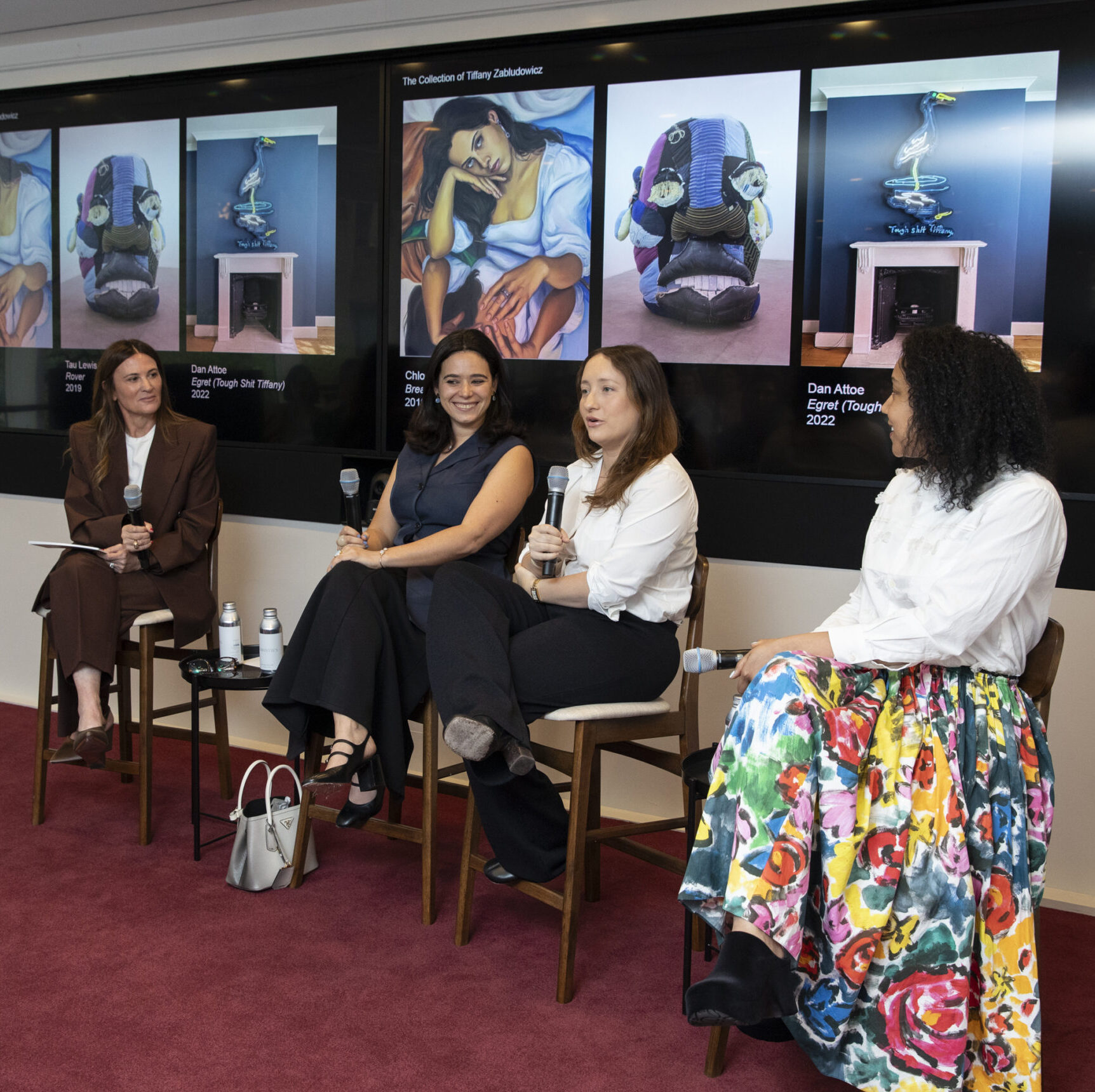
CULTURED Editor-in-Chief Sarah Harrelson hosted a panel discussion at Christie’s Rockefeller Center with collectors Tiffany Zabludowicz, Sophia Cohen, and Victoria Rogers, exploring the evolving role of women in the art market. The event coincided with Christie’s Marquee Week sales, which included a record-breaking $1.1 billion night, and featured works from the collections of legendary female patrons such as Agnes Gund, Marian Goodman, Lorinda de Roulet, and Marilyn Arison. Guests viewed masterpieces on display and received remarks from Christie’s Senior Vice President Isabella Lauria, who is leading the 21st Century Sale on May 20.

How a Remote California Artists’ Retreat Inspired Vhernier’s Latest Ring Collection

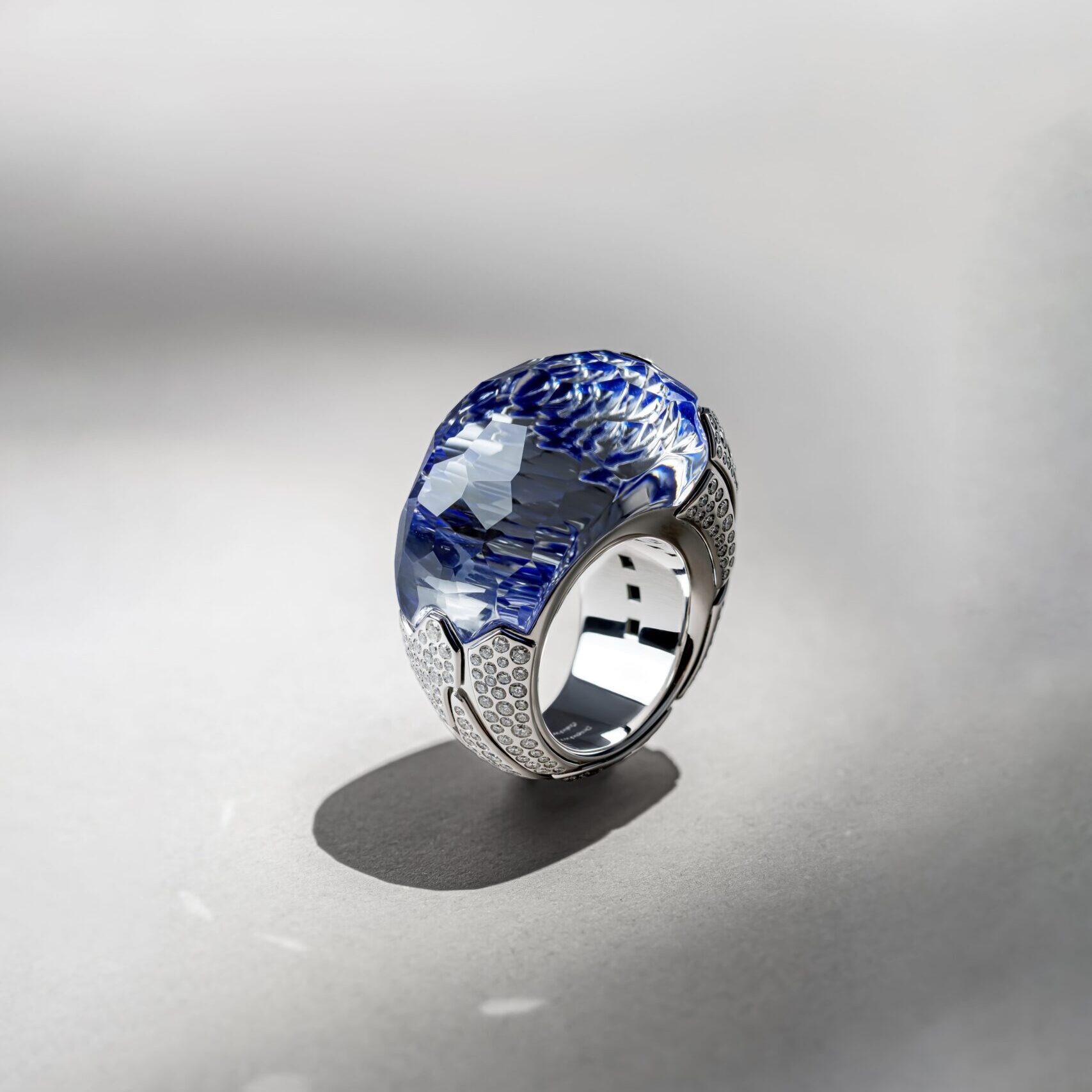
Italian jewelry maison Vhernier has collaborated with artist Pae White to create a 10-design limited-edition ring collection inspired by White's childhood memories of Sea Ranch, a remote artists' retreat in Sonoma County, California. The collection translates the architecture of crustaceans and abalone into precious materials, using sapphires, diamonds, and rock crystal set in white or rose gold, with only two versions of each design produced.

fashion bottega veneta peter fraser venice

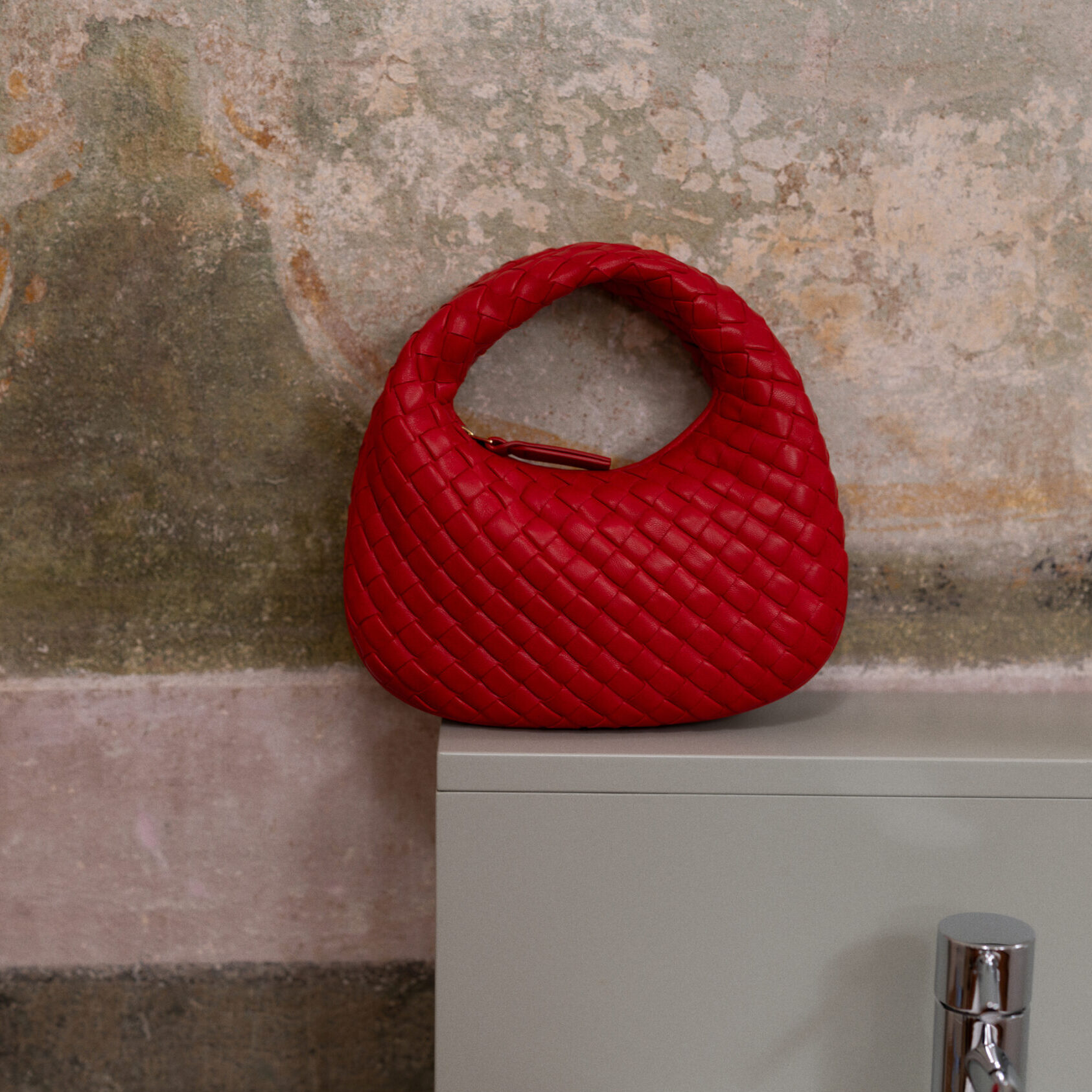
Photographer Peter Fraser has collaborated with Bottega Veneta on a new series of 27 photographs exploring Venice, capturing both its iconic landmarks—canals, marble floors, Byzantine façades—and its overlooked details like construction cranes, discarded plaster casts, and beached boats. The images are juxtaposed with Bottega Veneta's intrecciato bags from Louise Trotter's first collection, nodding to the fashion house's long history in the Veneto region. In an interview, Fraser discusses his approach to photographing a city burdened by its own legacy, emphasizing the need to distance himself from preconceptions and to shoot based on feeling rather than appearance.

art advisors advice new collectors

CULTURED has compiled advice from top art advisors for novice collectors, drawn from their 2026 Power Art Advisors List. The advisors caution against treating art as a financial investment, urge collectors to follow their own taste rather than trends, and emphasize the importance of looking at art extensively before purchasing. They also warn against impulsive buying, overvaluing social media, and chasing discounts that lead to poor acquisitions.

Barrie artist bringing Louvre-inspired realism to Aurora gallery

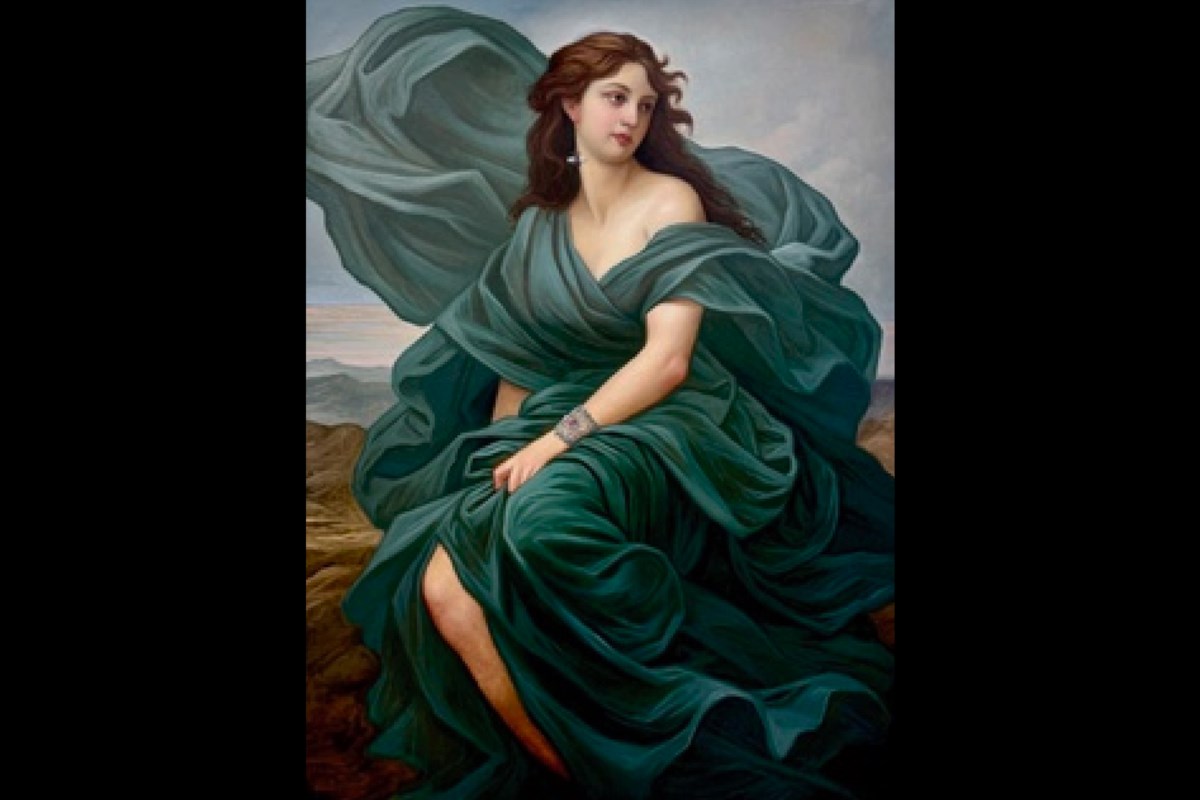
Micak Gallery in Aurora is presenting "Gilded Gold," a solo exhibition by Barrie-based artist JR Newton, featuring new oil paintings on view from May 16 through June 13, 2026. The show includes a live painting event on May 16 and an artist talk and reception on June 4. Newton's highly technical realist works, inspired by a recent trip to the Louvre, reimagine Renaissance portraiture, femininity, and historical grandeur through a contemporary lens, incorporating drapery and jewelry as central motifs.

Art, museum exhibits in Kenosha, Racine counties this week

This article highlights a series of art exhibitions and events taking place in Kenosha and Racine counties this week. The Anderson Arts Center in Kenosha is hosting a watercolor exhibition in collaboration with the Watercolor USA Honor Society through May 24. Additionally, the Kenosha Art Association is offering a Tatakizome (hammering plants) Flower Printing class with instructor Jill Montgomery. In Racine, an exhibition titled "Flying Kites in a Windless World" featuring works by Vanessa Filley continues.

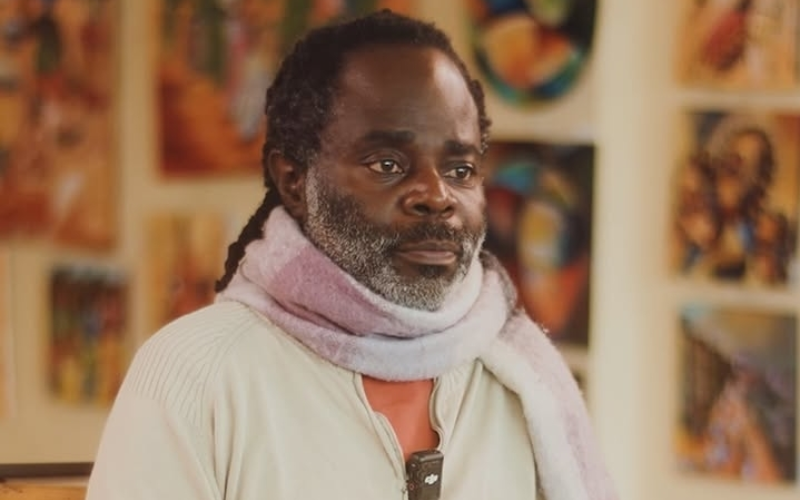
Patrick Mukabi: Inside the life and legacy of artist who nurtured a movement

Legendary Kenyan painter Patrick Mukabi, known as Panye, has died at age 56 after an illness. Born in Nairobi in 1969, he studied graphic design at the Technical University of Kenya before dedicating himself to fine art. His bold, colorful works were displayed at venues like Jomo Kenyatta International Airport, Java House outlets, and in over 20 countries. He developed the Cover Girls series celebrating curvy women and worked at major art spaces including the Nairobi National Museum, Kuona Artists Collective, GoDown Arts Centre, and the Railway Museum. At Dust Depo Studio, he mentored many young artists, teaching them both technique and the business of art. His protégé Jimmy Kitheka recalls Mukabi's warmth and discipline, and how the studio became a creative hub. Even during his illness, the art community rallied to support him through benefit exhibitions like the Patrick Mukabi Medical Fund Benefit Art Exhibition in April 2026 and a solo show at Banana Hill Art Gallery.

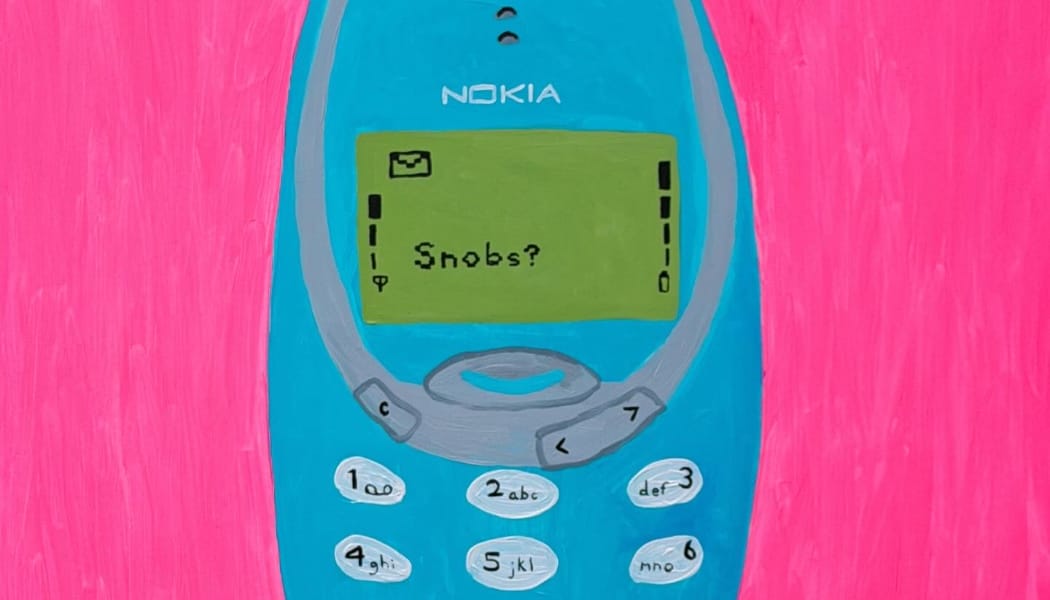
‘Neon graveyard’: Joe Lycett’s first major solo exhibition set for Birmingham

Comedian and artist Joe Lycett will present his first major solo exhibition, 'EVERY THING MUST GO', at Birmingham Museum & Art Gallery in July 2026. The show features paintings on themes of things 'no longer with us', including deceased celebrities, discontinued chocolate bars, extinct animals, and destroyed buildings, displayed in a salon-style arrangement. Lycett describes the exhibition as a 'neon graveyard' meant to overwhelm, delight, and confuse visitors. The works were created over the past twelve months and were inspired by objects from Birmingham's collection.

This is fucking Disneyland

"Das ist fucking Disneyland"

The article surveys recent German cultural commentary, highlighting three main stories: art historian Bénédicte Savoy's warning in the FAZ about the physical decay of German universities, particularly the Technical University of Berlin, as a threat to democratic culture; Berlin artist Charlie Stein's essay on anxiety as a pervasive contemporary condition and art's role in making it visible; and critic Rachel Wetzler's harsh review of the Venice Biennale in Artforum, calling it an overwhelming 'theme park' version of the art world. Additionally, Nikolaus Bernau defends expert juries in the Tagesspiegel, using the Biennale's jury crisis as a case study.

The Last Quarter of My Life Should Be Like the Beginning

"Das letzte Quartal meines Lebens soll wie der Anfang sein"

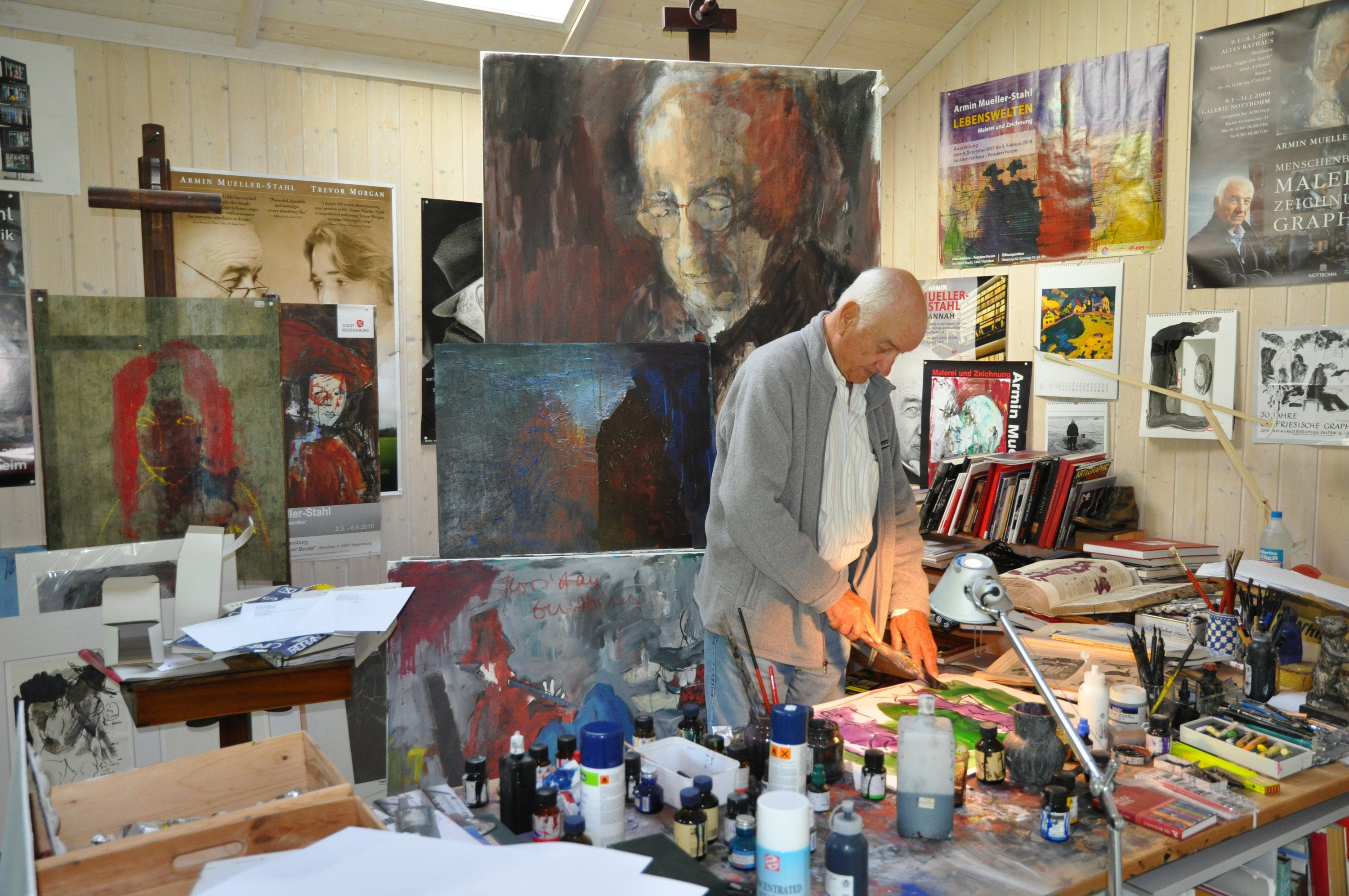
Armin Mueller-Stahl, the 95-year-old German actor and painter, opens his solo exhibition "Nacht und Tag auf der Erde" (Night and Day on Earth) at Museum Schloss Moyland. The show features a graphic cycle inspired by Jim Jarmusch's film "Night on Earth," in which Mueller-Stahl played a New York taxi driver. In an interview, he reflects on his dual careers in film and painting, his life between Hollywood, East Germany, and the present, and themes of loss and memory.

The Many Sheddings of Valie Export

Die vielen Häutungen der Valie Export

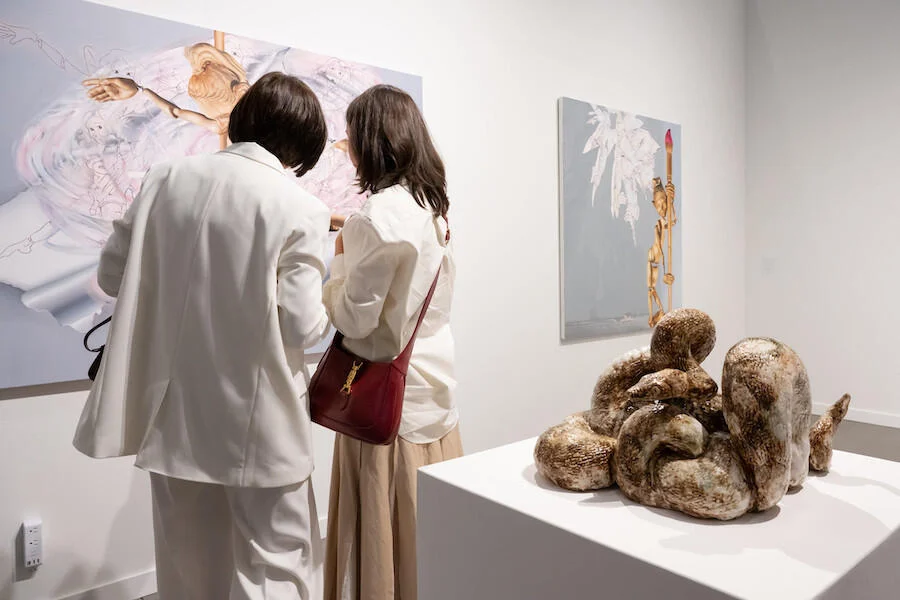
Valie Export, the Austrian media and performance artist known for using her body as a site of social critique, has died at age 85 in Vienna. Her final works include a black-and-white photo series of her forearm resting on a stone snake sculpture at the University of Vienna, exploring themes of skin, transformation, and mimesis. From the 1970s onward, she created iconic "Body Configurations" in which she placed her body on streets and against buildings along Vienna's Ringstrasse, tracing architectural forms to expose institutional power and patriarchal authority.

Nicht mal Engel sind frei von der Gewalt

Janiva Ellis presents a multifaceted exhibition at Kunsthalle Basel, exploring the history of violence in modernity through paintings that blend history painting, cartoon, and abstraction. Her works, including "Glint" and "Une nuit agitée," feature angels, hybrid creatures, and dystopian landscapes, questioning the origins and functions of violence in art history and society.

And who are you?

Und wer seid ihr?

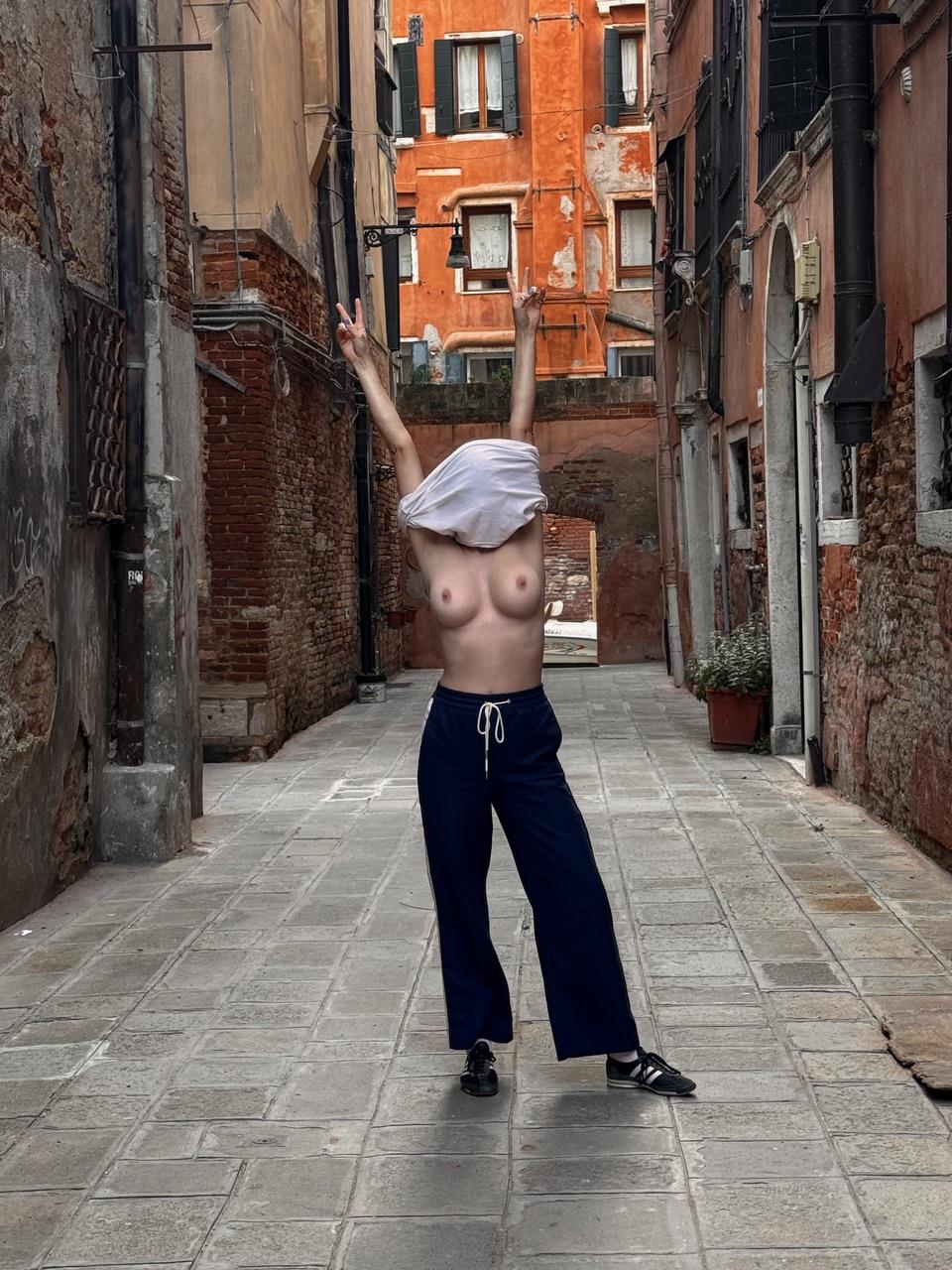
The article is a brief interview conducted at the Venice Biennale, where a visitor named Franzi explains her presence at the event and discusses her favorite pavilion. She cites the Austrian Pavilion by Florentina Holzinger as her absolute favorite after five days of art, and clarifies that her bare chest is not a political protest against Putin but a homage to Holzinger's work. She also mentions missing the Vatican Pavilion due to long queues.

Monuments in Motion

Denkmäler in Bewegung

Berlin-based artist Sarah Ama Duah, who transitioned from fashion to sculpture, creates works that explore Afro-German memory culture. Her practice includes beeswax portraits, found objects like Delft porcelain and baroque vases, and performances at venues such as the Humboldt Forum. In 2025, she received the Wolfram Beck Prize for Sculpture. Duah's early fashion work, including silicone garments shown at the Fashionclash Festival in Maastricht, evolved into sculptural investigations of clothing, body, and space, leading her to study performance and sculpture at the Berlin University of the Arts under Jimmy Robert.

The Great Shitshow

Die große Shitshow

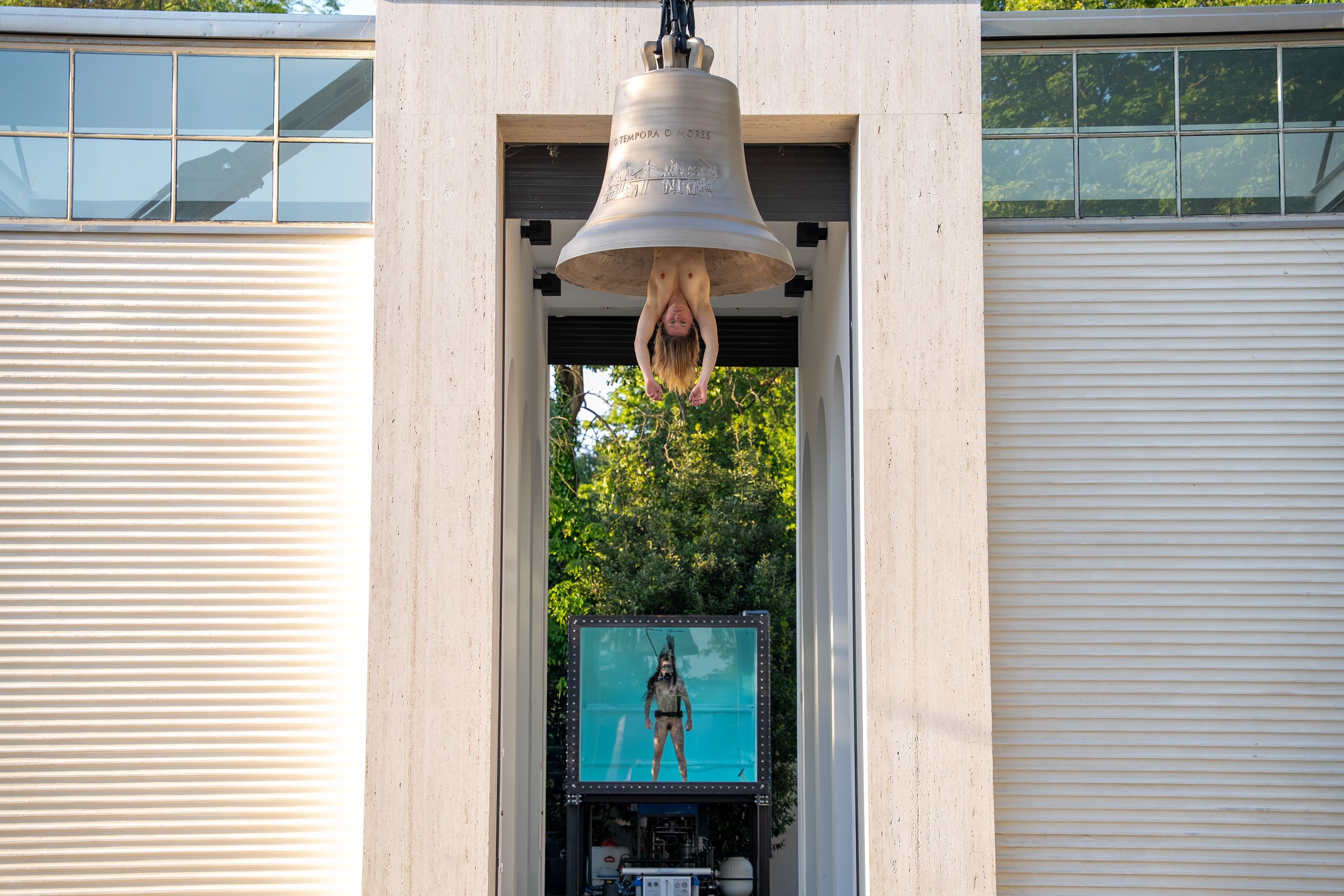
Florentina Holzinger has transformed the Austrian Pavilion at the Venice Biennale into a radical performance installation titled "Seaworld Venice." The piece features naked performers suspended from meat hooks, a performer ringing a bell while dangling upside down from a crane, a woman on a jetski circling inside a flooded pavilion, and a system where visitors are invited to urinate into portable toilets, with the waste processed and recirculated into the water. The work combines extreme physical stunts, nudity, and bodily fluids to create a visceral, immersive experience that has drawn long queues and stunned reactions from the art world.

Shit has the power to destabilize systems of order

"Scheiße hat die Kraft, Ordnungssysteme zu destabilisieren"

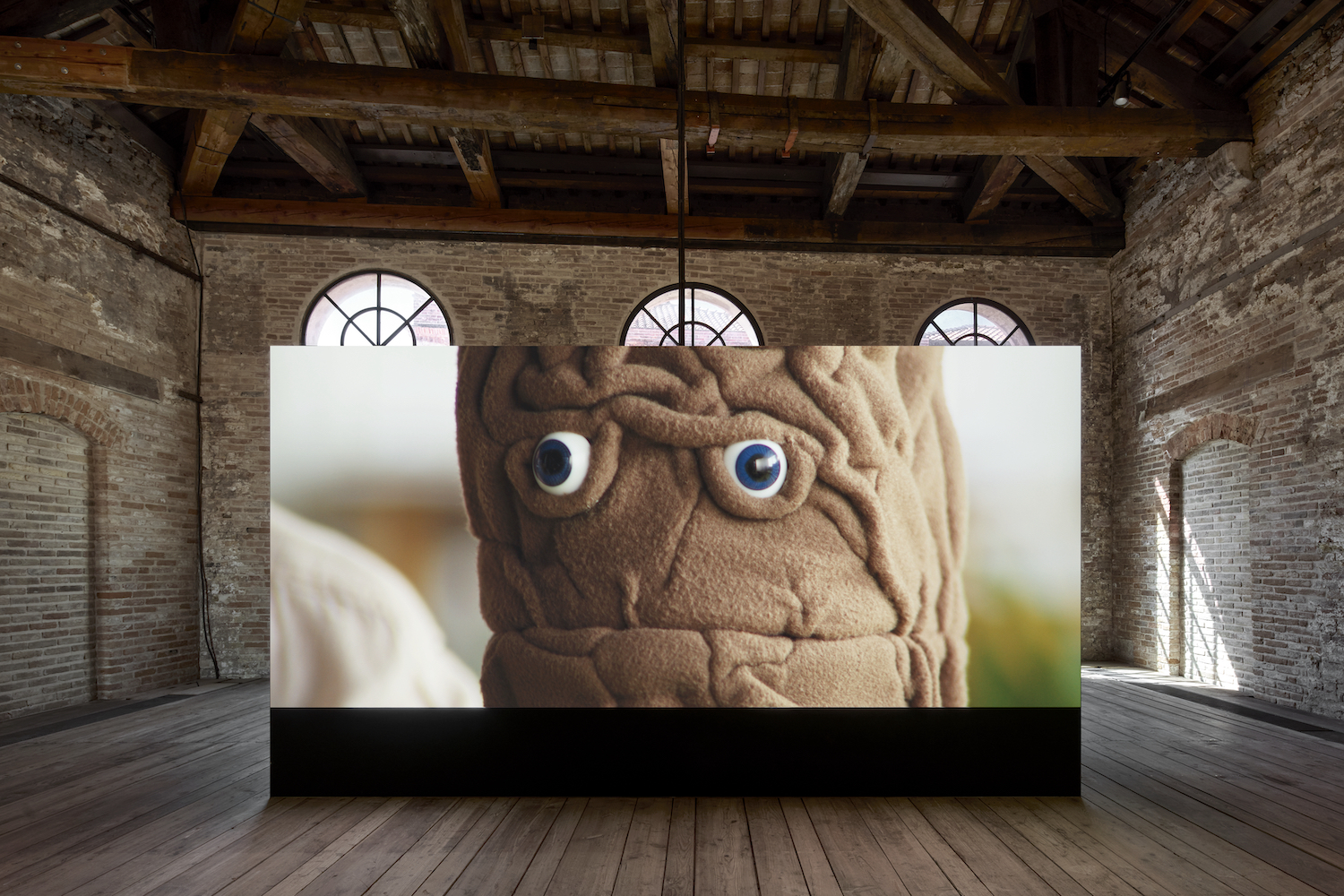
Aline Bouvy, the artist representing Luxembourg at the Venice Biennale, has created a film essay titled "La Merde" that centers on excrement as its main character. Originally conceived as a performance, the work explores themes of bodily circulation, transformation, and the grotesque, using feces to challenge societal taboos and systems of order. Bouvy discusses the film's development with curator Stilbé Schroeder, noting that the Biennale provided the resources and time to realize the project, which will later travel to the Kunstverein in Salzburg.

The Backlash Is Here

"Der Backlash ist da"

Kathleen Reinhardt, the curator of the German Pavilion at the Venice Biennale, has announced her concept featuring artists Sung Tieu and Henrike Naumann under the title "Ruin." The exhibition will use East Germany as a prism to explore themes of power, history, and the present. Reinhardt was invited to submit a concrete concept and specific artists for this edition of the pavilion.

History Made Material

Material gewordene Geschichte

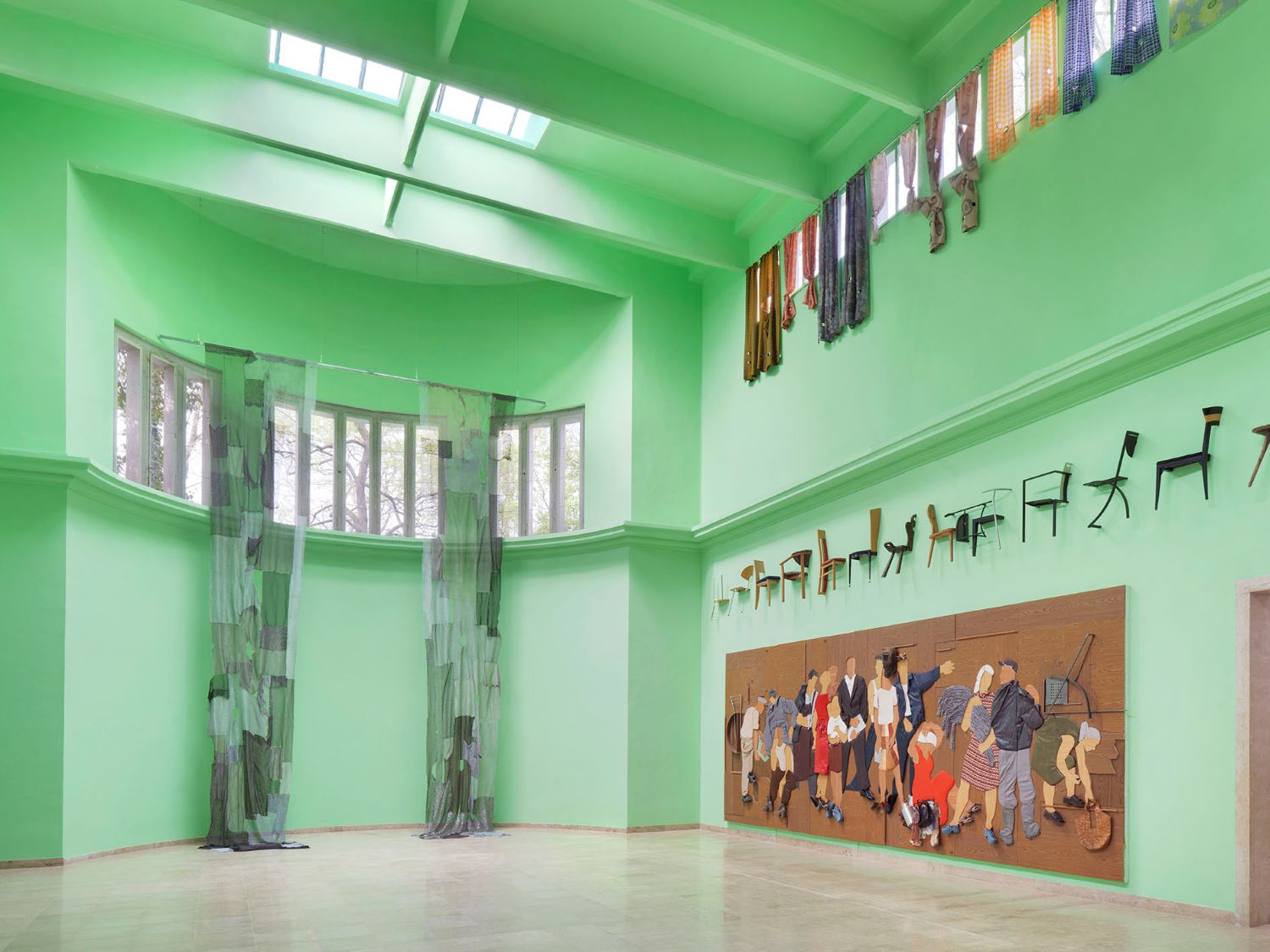
The German Pavilion at the 61st Venice Biennale has been transformed by artist Sung Tieu, who clad its Nazi-era facade with millions of small marble tiles to replicate the look of a prefabricated East German apartment block—specifically the Gehrenseestraße housing complex in Berlin where she spent part of her childhood. Inside, the exhibition features glass casts of her mother's limbs, aluminum beams evoking cramped living quarters, and works by the late Henrike Naumann, all curated by Kathleen Reinhardt to explore bureaucracy, migration, and systemic violence.