filter_list Showing 391 results for "Europe" close Clear
search
dashboard All 391 museum exhibitions 213article news 69trending_up market 22article culture 20article local 15article policy 14person people 14candle obituary 12rate_review review 7gavel restitution 5
date_range Range Today This Week This Month All
Subscribe

Hermitage Museum Director and Putin Ally Mikhail Piotrovsky Sanctioned by European Union

The European Union has sanctioned Mikhail Piotrovsky, the longtime director of the State Hermitage Museum in St. Petersburg, for his close association with Vladimir Putin and his active support of Russia's war against Ukraine. Announced on April 23, the sanctions are part of a broader package targeting over a hundred individuals and entities, including other cultural figures like Sergei Obryvalin, Igor Solonin, and Andrey Polyakov, for their roles in the seizure of Ukrainian cultural property and the spread of Russian propaganda in occupied regions.
A Singaporean Gallery Lands In The Heart Of Paris

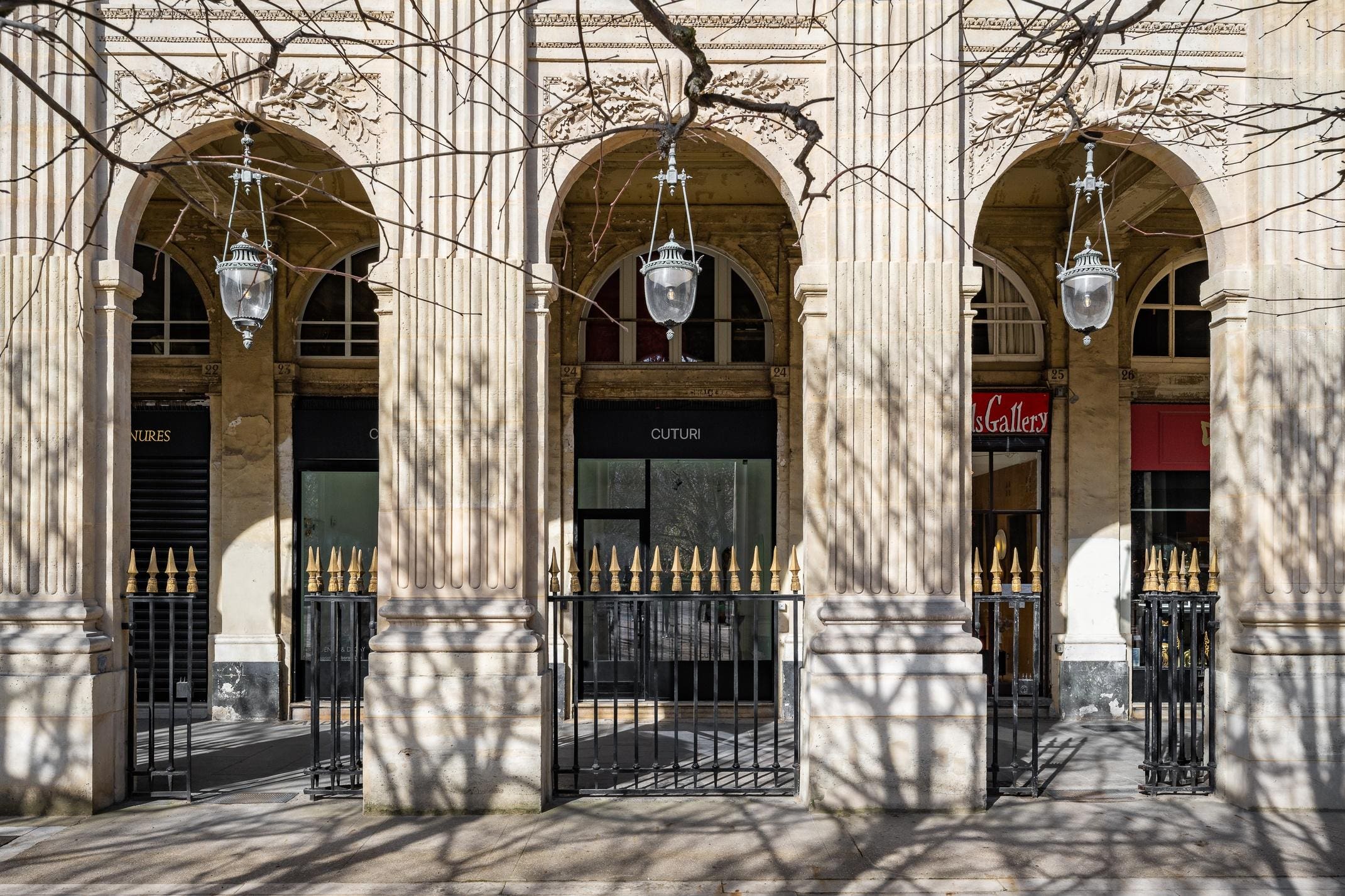
Cuturi Gallery, founded by Spanish gallerist Kevin Troyano Cuturi, has opened its first European space in Paris's Domaine National du Palais-Royal, following its original establishment in Singapore in 2019. The gallery occupies the former boutique of legendary couture dealer Didier Ludot and launched in March with a group show. Its forthcoming exhibition, "Arbres de la Forêt, Vous Connaissez Notre Âme" (May 28 to September 26, 2026), is a solo presentation for French artist-designer Hubert Le Gall, curated by Bruno Gaudichon. The project extends to Villa Noël in Provence, which will serve as a second exhibition space for large-scale outdoor sculptures.

The Picasso of India: Amrita Sher-Gil exhibit opens in Drents Museum

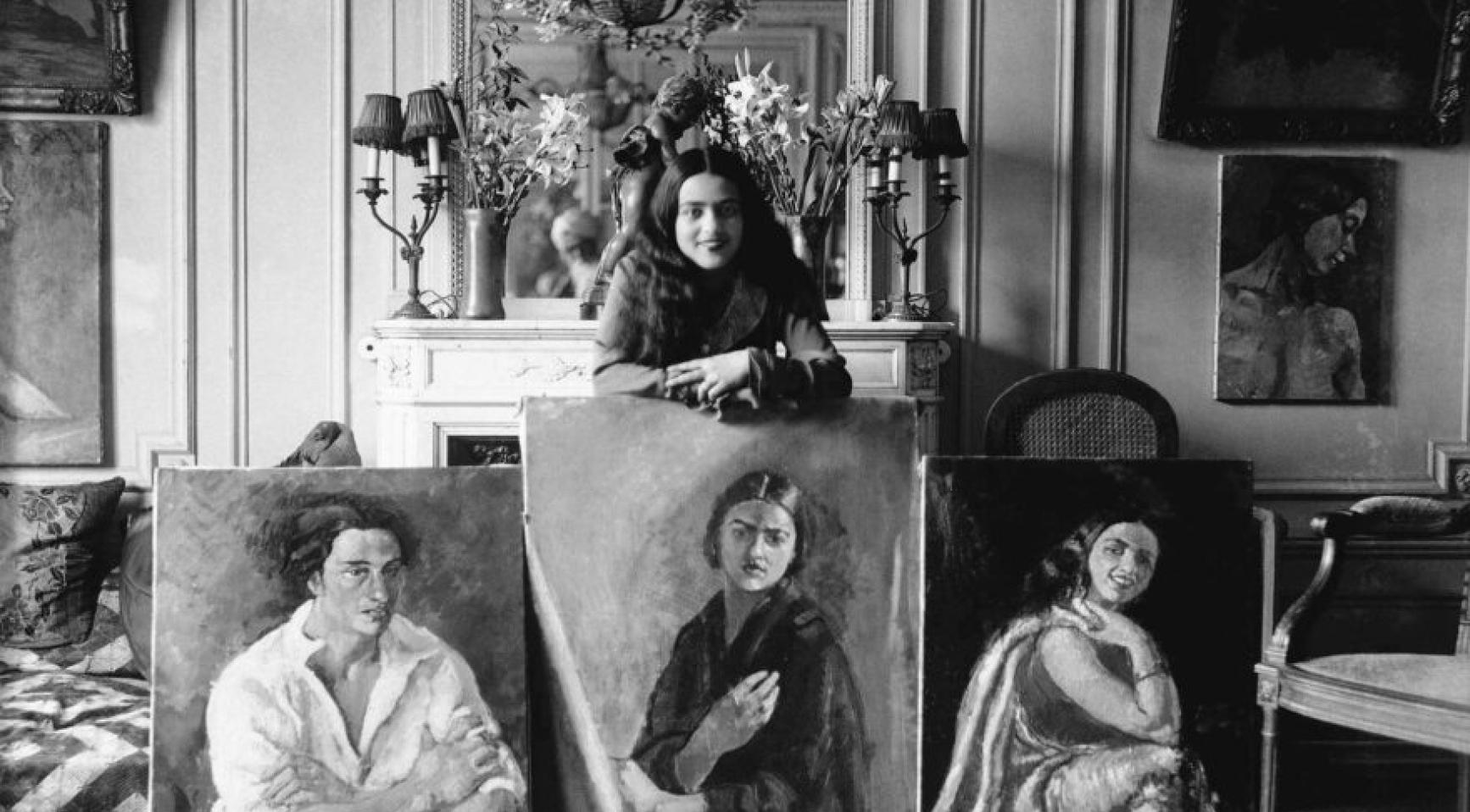
The Drents Museum in Assen, Netherlands, has opened a major exhibition of works by Amrita Sher-Gil (1913-1941), the Hungarian-Indian painter often called the Picasso of India. Titled “Europe is Picasso’s, India is Mine,” the show features nearly 50 paintings and drawings on loan from the National Gallery of Modern Art in New Delhi, marking the first-ever Sher-Gil exhibition in the Netherlands and the first in Europe in nearly two decades. Originally scheduled for March, the opening was delayed due to geopolitical tensions linked to the war in Iran, which postponed the transport of the artworks. The museum worked for six years to secure the loan, and 23 Dutch museums stepped in to create an alternative exhibition during the delay.

Sacramental Value: “The Holy Sepulcher” at the Kimbell Art Museum, Fort Worth

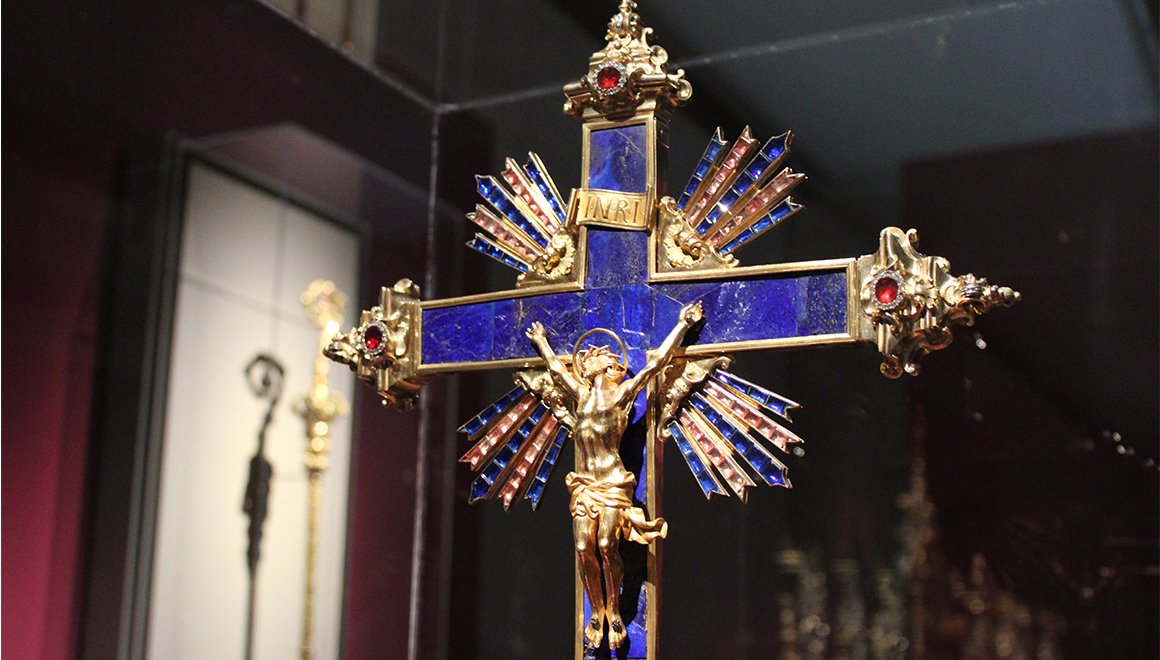
The Kimbell Art Museum in Fort Worth is hosting "The Holy Sepulcher: Treasures from the Terra Sancta Museum, Jerusalem," a rare exhibition of sacred objects from the Church of the Holy Sepulcher. Curated by Xavier F. Salomon, the show features ornate metalwork, textiles, and vestments dating from the 16th to 18th centuries, drawn from the Terra Sancta Museum's collection and traveling to only two U.S. venues. The exhibition includes pieces such as a gilt silver reliquary from 1628-29 and a gold crucifix from 1756, displayed in low lighting to evoke a candlelit church atmosphere.

The Met's New 'Costume Art' Exhibition Is All About Real Bodies

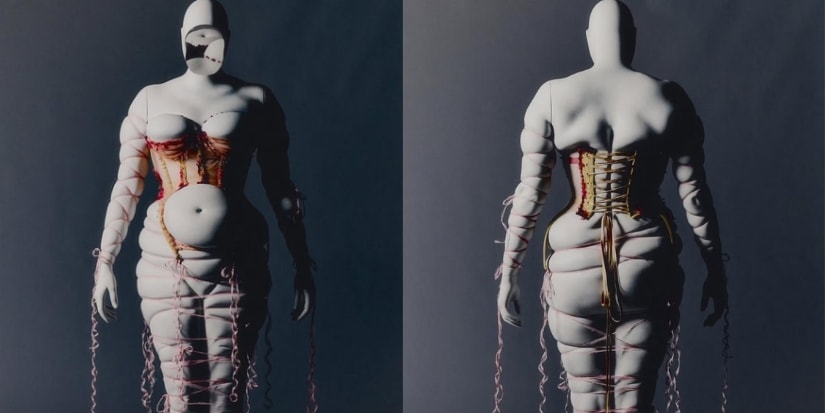
The Metropolitan Museum of Art has opened a new exhibition titled "Costume Art," curated by Andrew Bolton, which aims to collapse the historical hierarchy between fine art and fashion by focusing on the act of dressing and real bodies. The show features nine new mannequin forms representing pregnant, trans, disabled, and larger bodies, largely absent from traditional fashion displays. Models including musician Yseult, Jade O’Belle, Charlie Reynolds, and designer Michaela Stark were 3D-scanned and translated into physical figures by sculptor Frank Benson, with mirrored faces added by Samar Hejazi to reflect viewers. The exhibition also highlights voices and designers outside the European sphere, and the mannequins will become part of the museum's permanent collection.

How LACMA Is Centering Curation Around Cross-Cultural Exchange

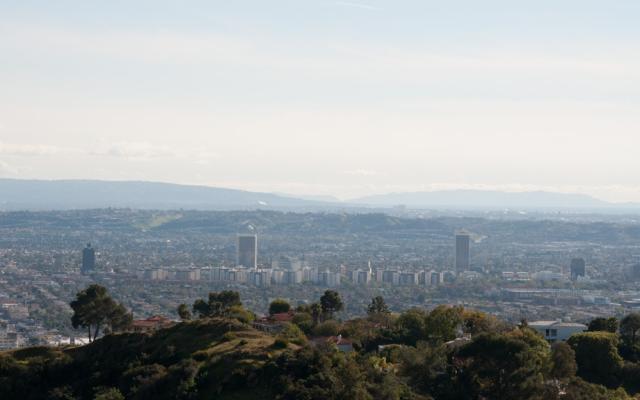
The Los Angeles County Museum of Art (LACMA) opened its new David Geffen Galleries on April 19, featuring a groundbreaking installation organized around four bodies of water—the Pacific, Atlantic, and Indian Oceans, and the Mediterranean Sea—rather than by country of origin or chronological sequence. Designed by architect Peter Zumthor, the 900-foot-long single-level space holds 2,500 to 3,000 objects, with 45 curators collaborating to arrange works from vastly different cultures and centuries together, allowing visitors to meander without prescribed pathways.

Venus Lespugue

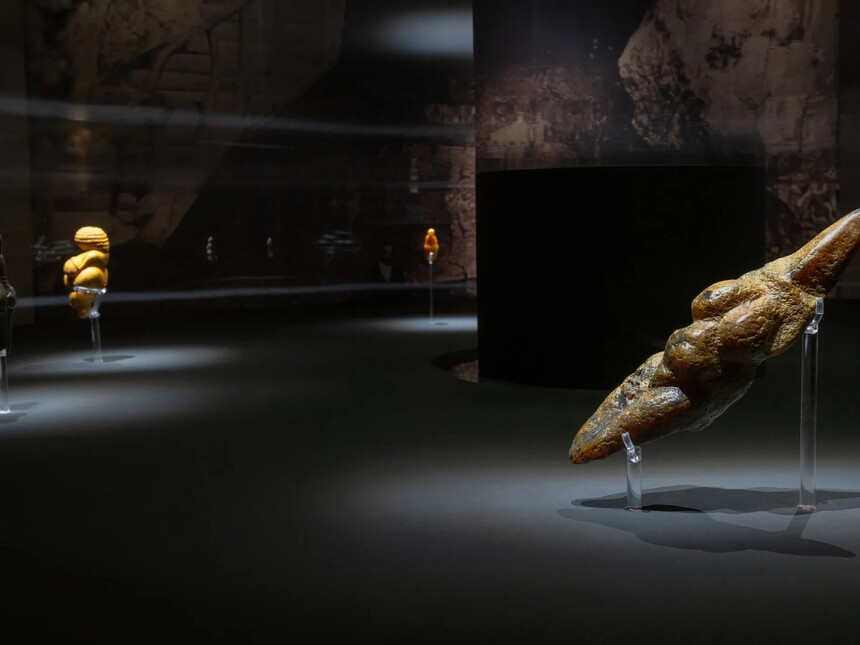
The Museum of Cycladic Art in Athens presents "Jeff Koons: Venus Lespugue," an exhibition pairing Jeff Koons' monumental stainless steel sculpture *Balloon Venus Lespugue (Orange)* (2013–2019) with ten certified copies of Paleolithic Venus figurines from major European museums. The Koons work, on public display for the first time, is loaned from the Homem Sonnabend Collection and directly references the 28,000-year-old Venus of Lespugue carved from mammoth tusk ivory.

An exhibition in Milan brings visionary contemporary landscapes into dialogue with a great Turner watercolor. Review and interview

Una mostra a Milano fa dialogare visionari paesaggi contemporanei con un acquerello del grande Turner. Recensione e intervista

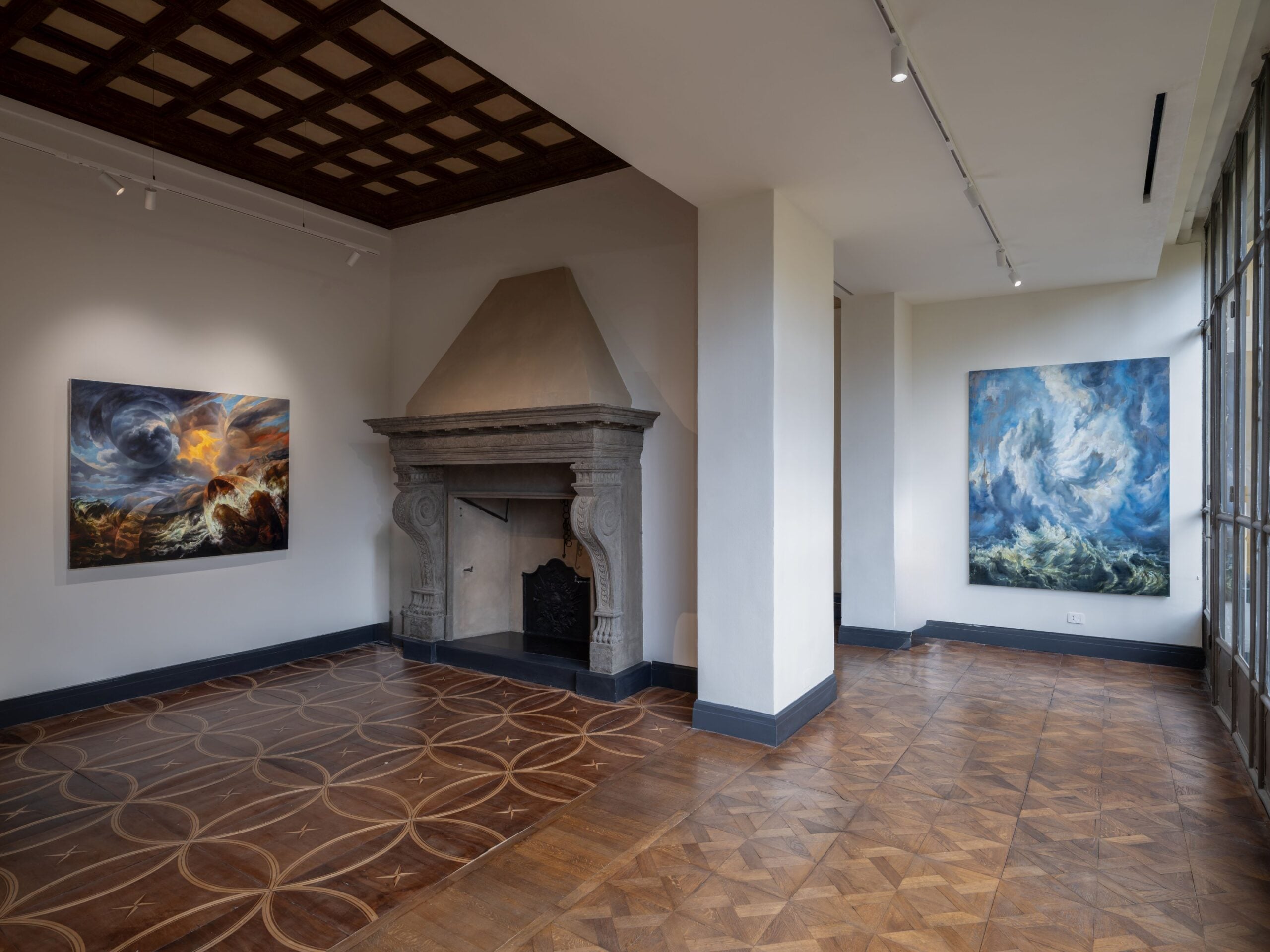
The exhibition "Continuum" at Robilant+Voena in Milan marks the first solo show in the city for American artist Maria Kreyn. It presents a selection of her contemporary landscapes—charged with pathos, abstract geometries, and references to art history—alongside a rare watercolor by J.M.W. Turner, *The Splügen Pass* (1842–43). Kreyn’s seascapes, influenced by her background in mathematics and philosophy, feature turbulent waves, ovoid and parabolic forms, and a sense of latent tension, creating a visual dialogue with Turner’s Romantic vision of nature.

The Craziest Venice Biennale Ever: One Week Before Opening, the Jury Resigns (The Public Will Decide the Lions!)

La Biennale di Venezia più pazza di sempre: a una settimana dall’apertura si dimette la giuria (I Leoni li deciderà il pubblico!)

The entire international jury of the 61st Venice Biennale has resigned en masse just one week before the opening. The jury, chaired by Solange Oliveira Farkas and including Zoe Butt, Elvira Dyangani Ose, Marta Kuzma, and Giovanna Zapperi, had publicly announced they would not consider countries whose leaders are accused of crimes against humanity by the International Criminal Court—effectively excluding Russia and Israel from the Golden Lion competition. This decision came amid ongoing tensions between Italian Culture Minister Alessandro Giuli and Biennale President Pietrangelo Buttafuoco over Russia's participation, as well as controversy surrounding Israel's presence. After a meeting with Buttafuoco, the jury resigned, leaving the Biennale without a key body to award its top prizes.

Cultural workers at Venice Biennale to strike over Israel’s participation

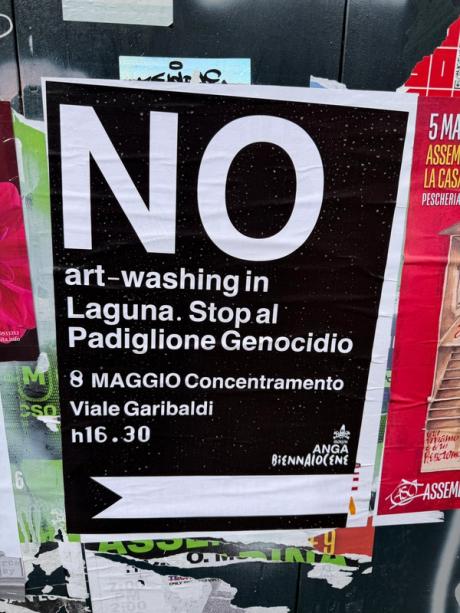
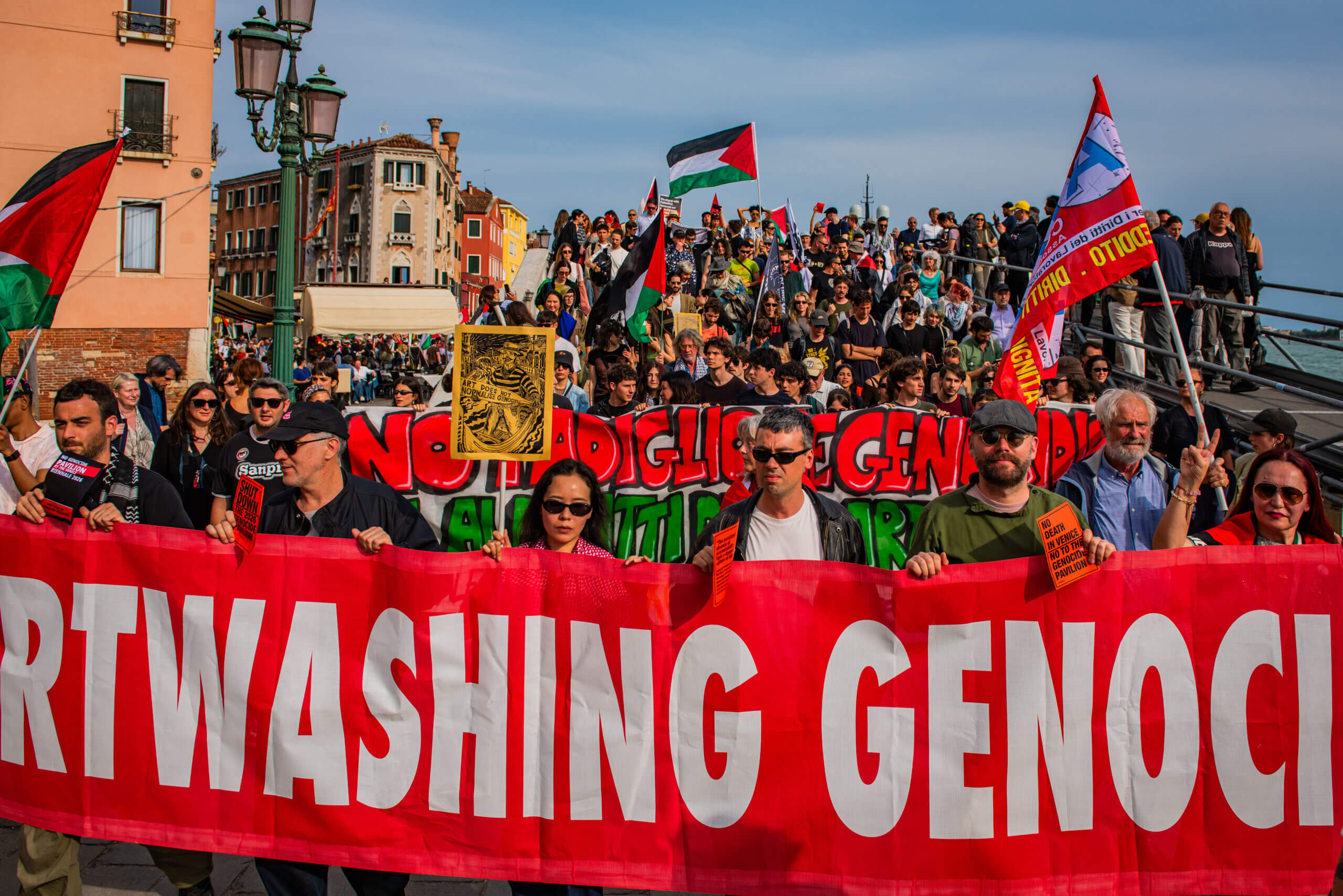
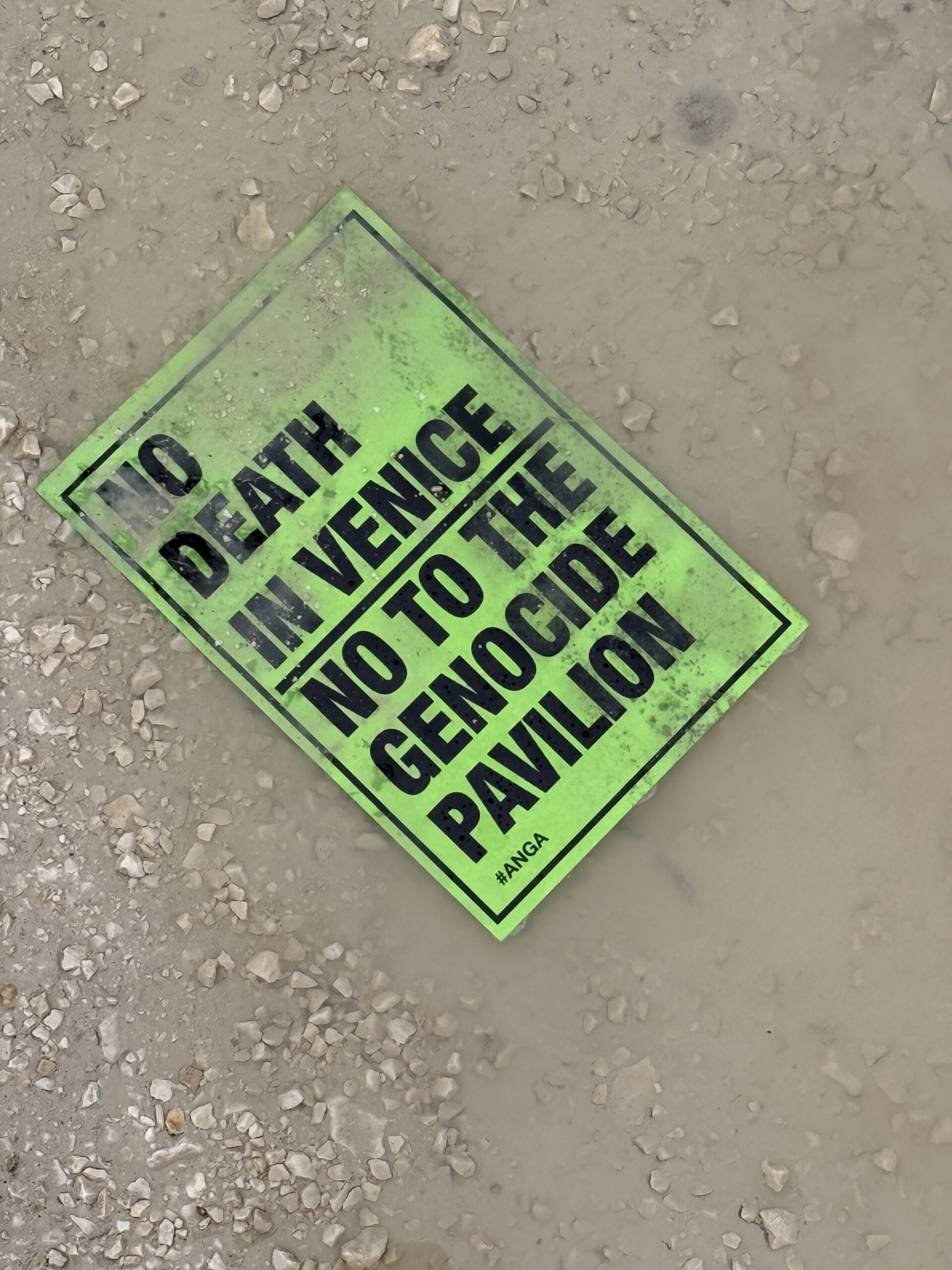
Cultural workers and participants at the Venice Biennale plan to strike on 8 May during the opening week of the 61st edition, protesting Israel’s participation in the event. The strike, organized by the Art Not Genocide Alliance (ANGA) and supported by Italian trade unions, includes a rally near the Arsenale site. ANGA previously sent a letter signed by over 230 artists and curators demanding the cancellation of the Israeli pavilion, citing opposition to "genocide normalisation in culture" and precarious labor conditions. Israel is represented this year by sculptor Belu-Simion Fainaru, who opposes cultural boycotts.

Venice Biennale jury quits amid row over participation of Russia

The entire jury of the Venice Biennale resigned just days before the 61st international art exhibition's opening on May 9, following a dispute over the decision to allow Russia to participate. The five-member panel, led by Solange Farkas and including Zoe Butt, Elvira Dyangani Ose, Marta Kuzma, and Giovanna Zapperi, had previously stated it would not award prizes to artists from countries whose leaders face charges of crimes against humanity, a move seen as targeting Russia and Israel. The Biennale responded by postponing the award ceremony to November 22 and announcing it would give two awards, including one that could go to any national participation, citing its founding principles of openness and rejection of censorship.

SPLENDID PLAYGROUND at Galerie Meyer Kainer

Galerie Meyer Kainer in Vienna is presenting "SPLENDID PLAYGROUND," a group exhibition featuring works by Ei Arakawa-Nash, Nikolas Gambaroff, and Nora Schultz. The show runs from March 20 to May 16, 2026, and includes 29 images documenting the exhibition, as published by Contemporary Art Daily.

La grande artista Carla Accardi e l’arte italiana sono da record nell’asta da Dorotheum a Vienna

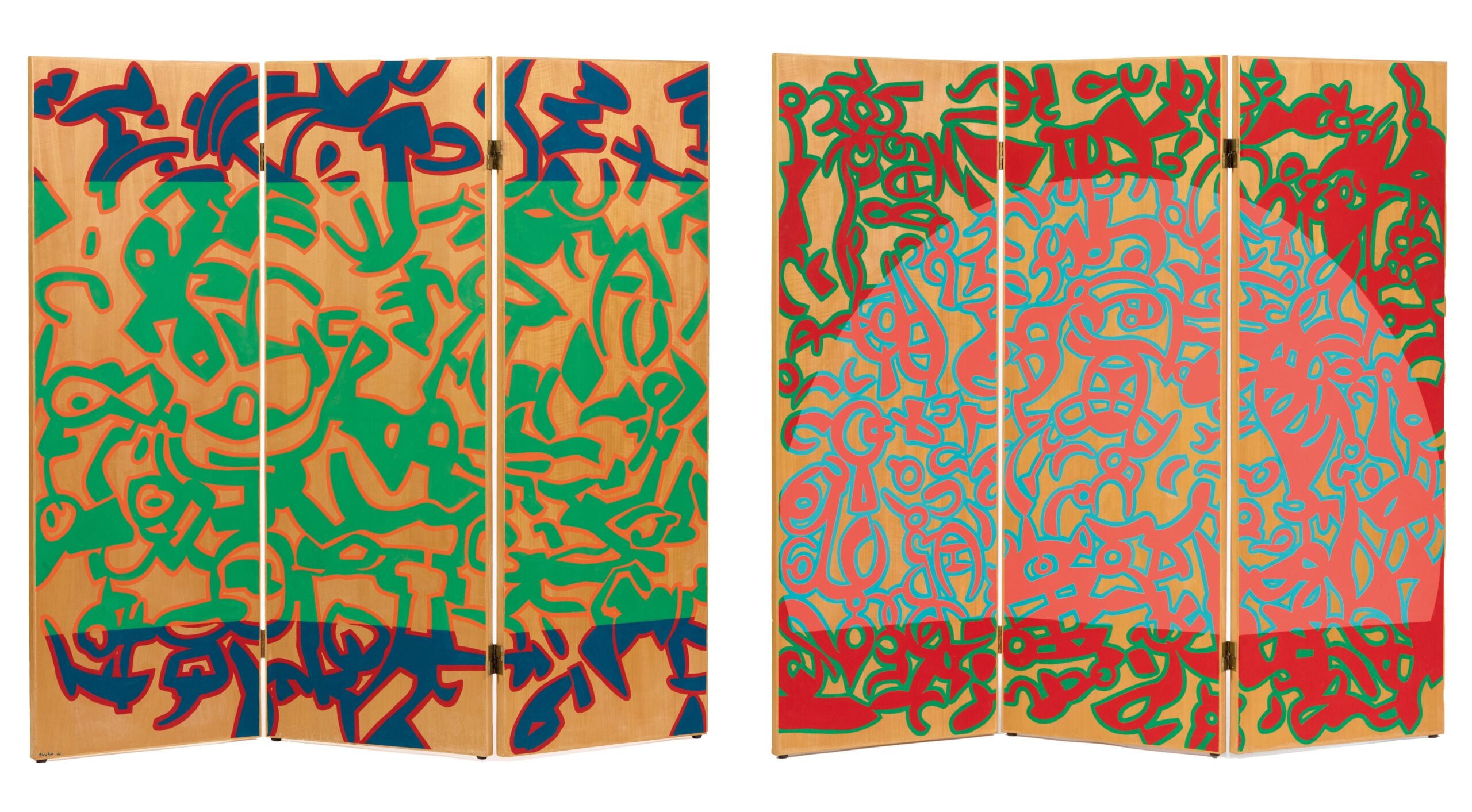
Dorotheum opened its Contemporary Week in Vienna on May 19, 2026, with modern and contemporary art sales that achieved strong results, particularly for Italian artists. Carla Accardi set a new auction record when her 1986 triptych *Fonda Notte Pieno Giorno* sold for €520,000, while works by Piero Dorazio, Emilio Vedova, Marino Marini, and Gino Severini also far exceeded their estimates. Top lots included Claude Monet’s *Waterloo Bridge* (€611,000) and Mikuláš Medek’s *Too Deep a Sleep V* (€546,000).

The ironic and intellectual painting of Renato Varese. The exhibition in Conegliano

La pittura ironica e intellettuale di Renato Varese. La mostra a Conegliano

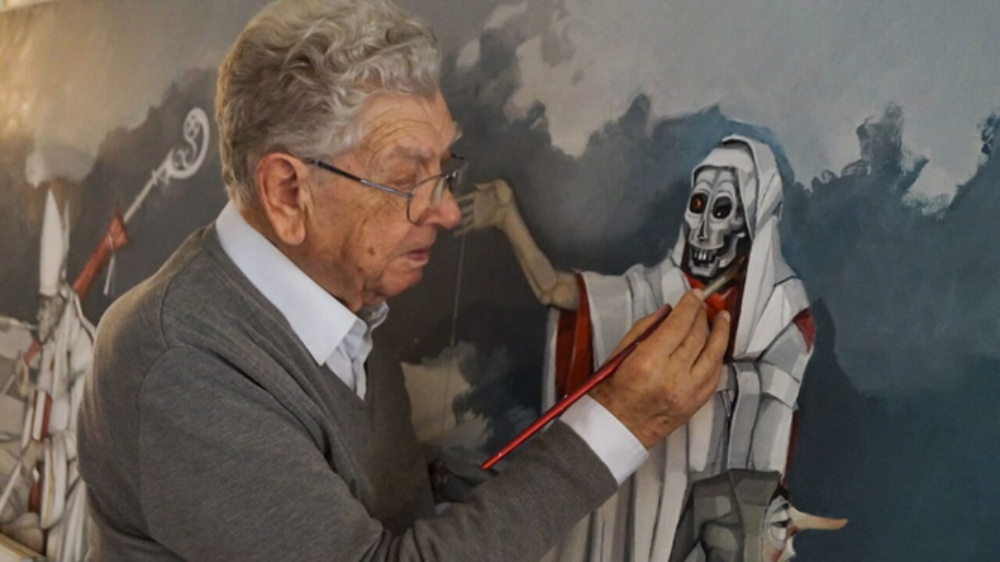
Palazzo Sarcinelli in Conegliano is hosting a retrospective exhibition dedicated to Renato Varese (1926–2024), a versatile Italian painter, graphic artist, engraver, sculptor, and ceramist. Curated by Lorena Gava, the show marks the centenary of Varese's birth and features around fifty works spanning painting and graphic art, highlighting his ironic, intellectual, and visionary style often described as "Gothic." Concurrently, the artist's heirs have donated thirteen works to the city's civic collections, including the large canvas "Beati gli ultimi" (1997), now housed in a dedicated room named Sala L.R. Varese.

Fellow Painters and Also Friends. Zandomeneghi and Degas Are on Show in Rovigo

Colleghi pittori e anche amici. Zandomeneghi e Degas sono in mostra a Rovigo

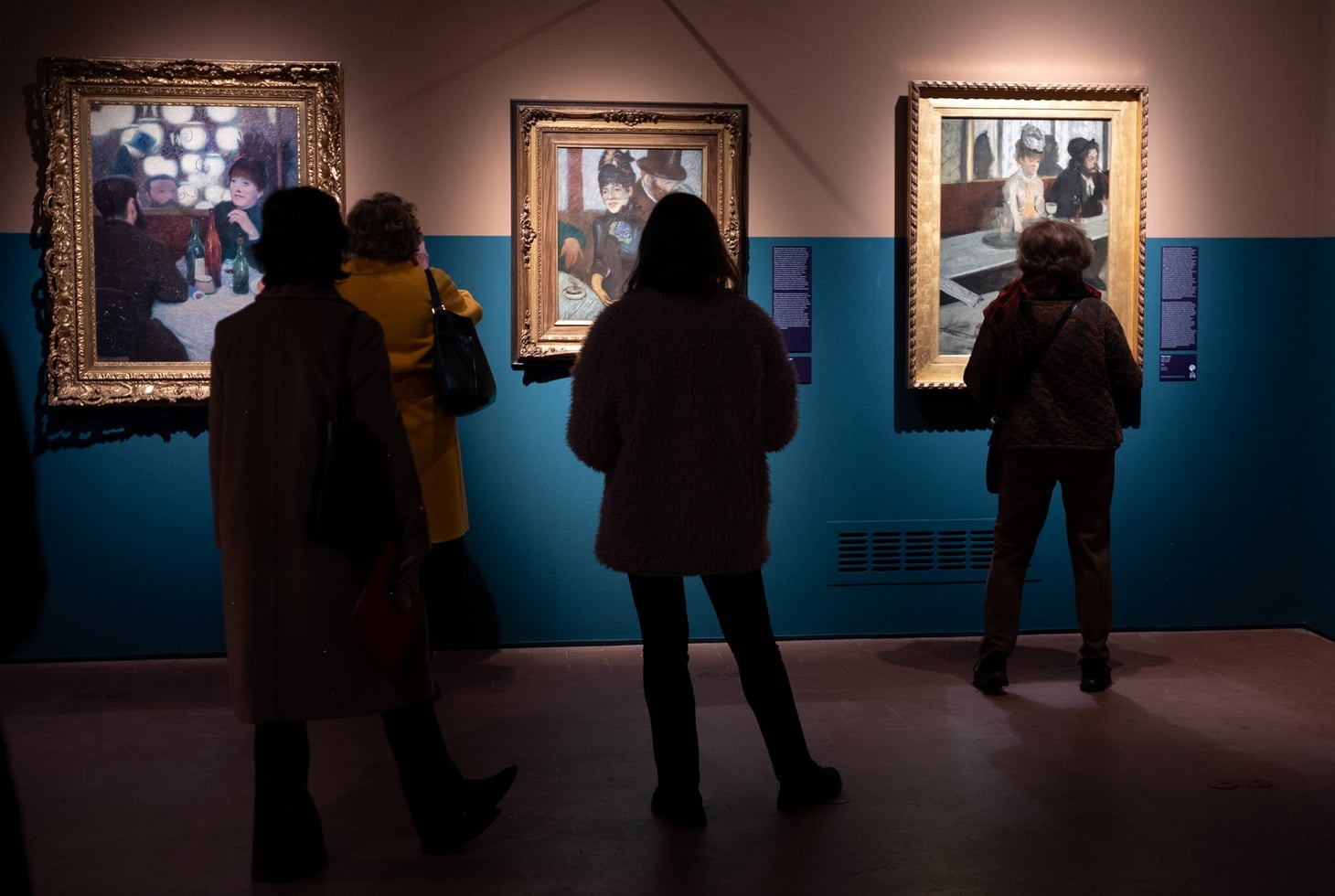
Palazzo Roverella in Rovigo is hosting the exhibition "Zandomeneghi e Degas. Impressionismo tra Firenze e Parigi," curated by Francesca Dini. The show brings together works by Italian 19th-century painter Federico Zandomeneghi and French Impressionist Edgar Degas, featuring about fifteen paintings and sculptures by Degas alongside works by Zandomeneghi. It explores their friendship, mutual artistic influence, and shared commitment to realism, tracing their connections from Florence's Caffè Michelangiolo to Paris, where their paths fully converged. Themes such as dance and the nude are highlighted, with works like Degas's "Classe de ballet" (1888) and Zandomeneghi's "Visita in camerino" and "Donna che si asciuga" on view.

Italian culture minister will not attend opening of Venice Biennale

Italian culture minister Alessandro Giuli has announced he will not attend the opening of the Venice Biennale next week, protesting Russia's involvement in the exhibition. Russia, which has a permanent pavilion in the Giardini, has been absent from the Biennale since 2022 but is returning this year, sparking widespread criticism. The European Union recently cut its €2 million grant to the Biennale following Russia's return, and Golden and Silver Lion jurors have stated they will not consider pavilions from countries whose leaders are charged with crimes against humanity by the International Criminal Court, effectively excluding Russia.

At the Venice Biennale, protests, self-mutilation and rage against Israel and Russia. Is anyone left to talk about the art?

At the 61st Venice Biennale, protests and controversies have overshadowed the art itself. The Art Not Genocide Alliance (ANGA) demonstrated against the inclusion of Israel and Russia, while the Israeli Pavilion became a flashpoint. Artist Belu-Simion Fainaru, presenting his installation "Rose of Nothingness" in a temporary space, complained that he was forced to defend his art's right to exist amid questions about politics rather than his work. The Biennale also saw barricades, strikes, the resignation of the Golden Lion jury, Iran's last-minute withdrawal, and anger directed at the American pavilion over Trump administration policies. The central exhibition, "In Minor Keys," curated by the late Koyo Kouoh, was eclipsed by these events.

Venice Biennale Opens Amid Strikes, Protests and Institutional Rupture.

The 61st Venice Biennale opened in May 2026 amid strikes, protests, and political unrest, rather than celebration. Coordinated by Italian labor groups and transnational coalitions, demonstrators targeted the Biennale's decision to allow participation by Israel and Russia during the ongoing wars in Gaza and Ukraine. The Art Not Genocide Alliance (ANGA) led protests against Israel's participation, while Pussy Riot and FEMEN activists staged a protest outside the Russian pavilion. The Israeli pavilion's relocation from the Giardini to the Arsenale added symbolic weight, with critics viewing it as institutional endorsement. The late curator Koyo Kouoh's vision for the exhibition, titled "In Minor Keys," emphasized tenderness and complexity, contrasting with the volatile atmosphere.

19th-century European weapons found in cenote in Mexico

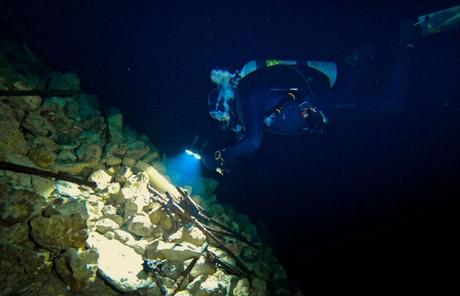
Archaeologists from Mexico's National Institute of Anthropology and History (INAH) have discovered 153 Spanish and British muskets and rifles, along with an iron cannon, in the Síis Já cenote beneath the 16th-century former convent San Bernardino de Siena in Valladolid, Mexico. The weapons were likely discarded by the Yucatecan government during the early years of the Caste War of Yucatán (1847-1901) to prevent them from falling into Maya rebels' hands. The site also yielded Maya ceramic pieces and 18th-century Chinese porcelain, and INAH reported debris and pollution affecting the cenote.

Israel’s Artist Reportedly Pressured Venice Biennale Before Jury’s Resignation

Artist Belu-Simion Fainaru, Israel’s representative at the Venice Biennale, reportedly pressured the exhibition’s organizers before the five-person jury abruptly resigned last week. The jury, tasked with selecting Golden Lion winners, had stated it would not consider nations charged with crimes against humanity by the International Criminal Court—applying to Israel and Russia. According to Italian news agency Adnkronos, Fainaru alleged “racial discrimination” and “antisemitism,” threatened to take his claims to the European Court of Human Rights, and the Biennale warned jury members they could be held personally liable for damages. Hyperallergic confirmed the threats of legal action, and a Biennale spokesperson acknowledged the reports were true.

U.S. Returns Hundreds of Looted Antiquities to Italy

U.S. officials formally returned 337 looted antiquities, archival materials, and artworks to Italy during a ceremony at Rome’s La Marmora barracks. The objects, spanning from the Villanovan era (900–700 B.C.E.) through the Hellenistic period (323–31 B.C.E.), include Etruscan, Greek, Italic, and Egyptian artifacts. The repatriation was coordinated by Italy’s Carabinieri Command for the Protection of Cultural Heritage, the U.S. Federal Bureau of Investigation, the Department of Homeland Security, and the office of Manhattan District Attorney Alvin Bragg Jr. Key items include a marble head of Alexander the Great, a bronze sculpture from Herculaneum, and Egyptian basalt sculptures. Some 221 objects were recovered via the Manhattan DA, while the remaining 116 were secured with help from Christie’s.

Italian Culture Minister Launches Inspection of Venice Biennale’s Russian Pavilion

Italian Culture Minister Alessandro Giuli has launched an official inspection of the Russian Pavilion at the 61st Venice Biennale, just days before the exhibition opens. An inspector has been sent to Venice to review all documentation related to Russia's participation, focusing on potential irregularities such as visa issues for Russian artists and delegation members. The investigation follows the Biennale's international jury decision to exclude Russia and Israel from awards due to accusations of crimes against humanity. The Russian Pavilion will be open only during the pre-opening vernissage, after which it will close, with digital documentation displayed in its windows.

Row Over Russia’s Return to the Venice Biennale Deepens

Newly leaked emails reveal that the Venice Biennale has been secretly coordinating with Russia since last summer to facilitate its return to the 2025 edition, despite ongoing international sanctions. The correspondence, published by Italian outlets Open and La Repubblica, shows Biennale president Pietrangelo Buttafuoco, director Andrea Del Mercato, and Russian commissioner Anastasia Karneeva working together on visa issues, pavilion logistics, and a legal strategy to bypass E.U. sanctions prohibiting collaboration with state-backed Russian entities. Russia's pavilion will be open during preview days with performers activating the space, while footage will play for the public from a closed pavilion thereafter.

Russia's Venice Pavilion to Close to the Public in Compliance With Sanctions

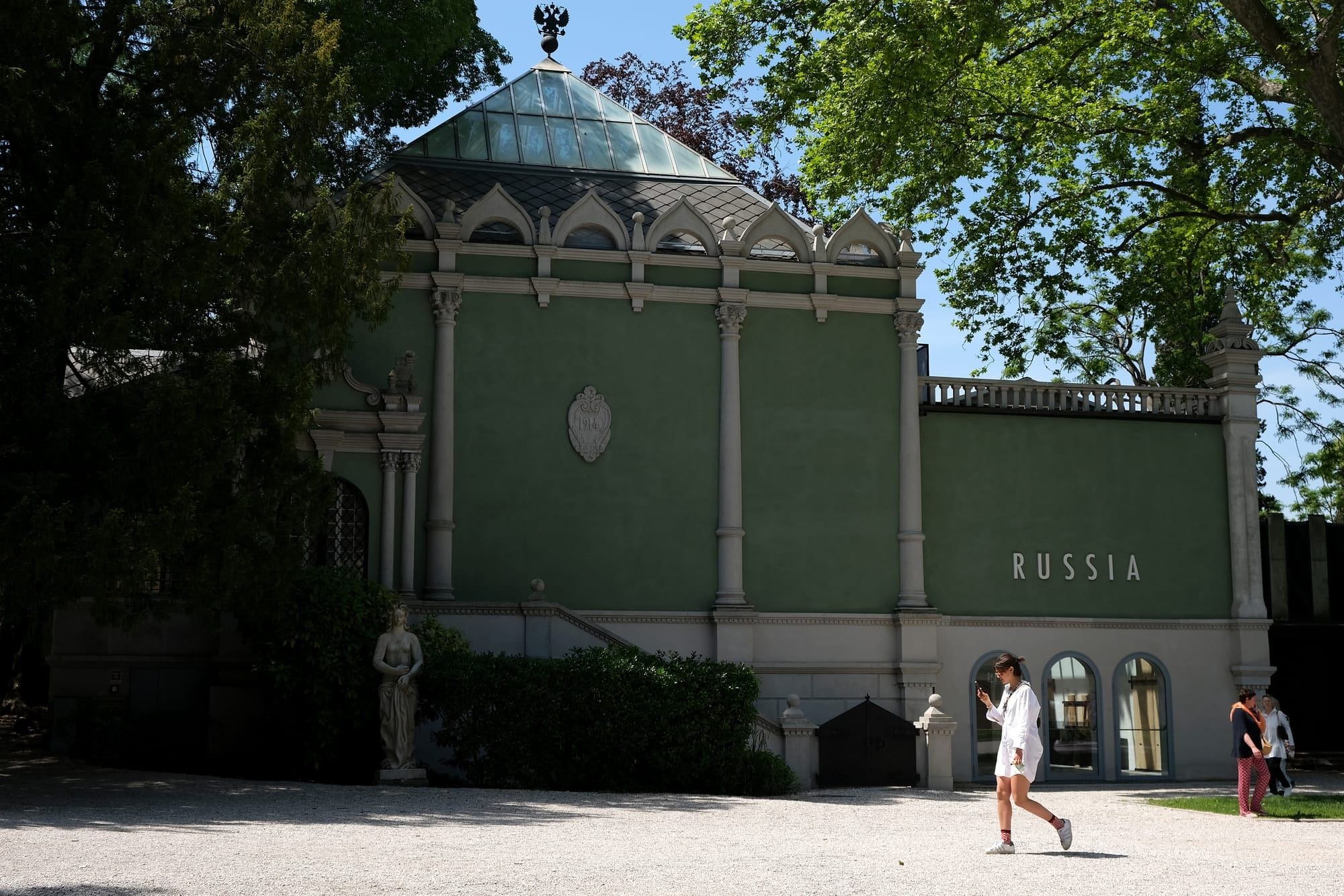
Russia will return to the 61st Venice Biennale with its national pavilion, but the exhibition will only be physically open to the press and select guests during the vernissage dates of May 5–8. From May 9 onward, the pavilion will remain closed to the public, with multimedia documentation of performances displayed on screens at the windows. The arrangement follows leaked emails among Biennale Foundation President Pietrangelo Buttafuoco, General Director Andrea Del Mercato, and Russian Pavilion Commissioner Anastasia Karneeva, revealing efforts to comply with EU sanctions while still allowing Russia's participation after two consecutive absences since its invasion of Ukraine.

Monuments in Motion

Denkmäler in Bewegung

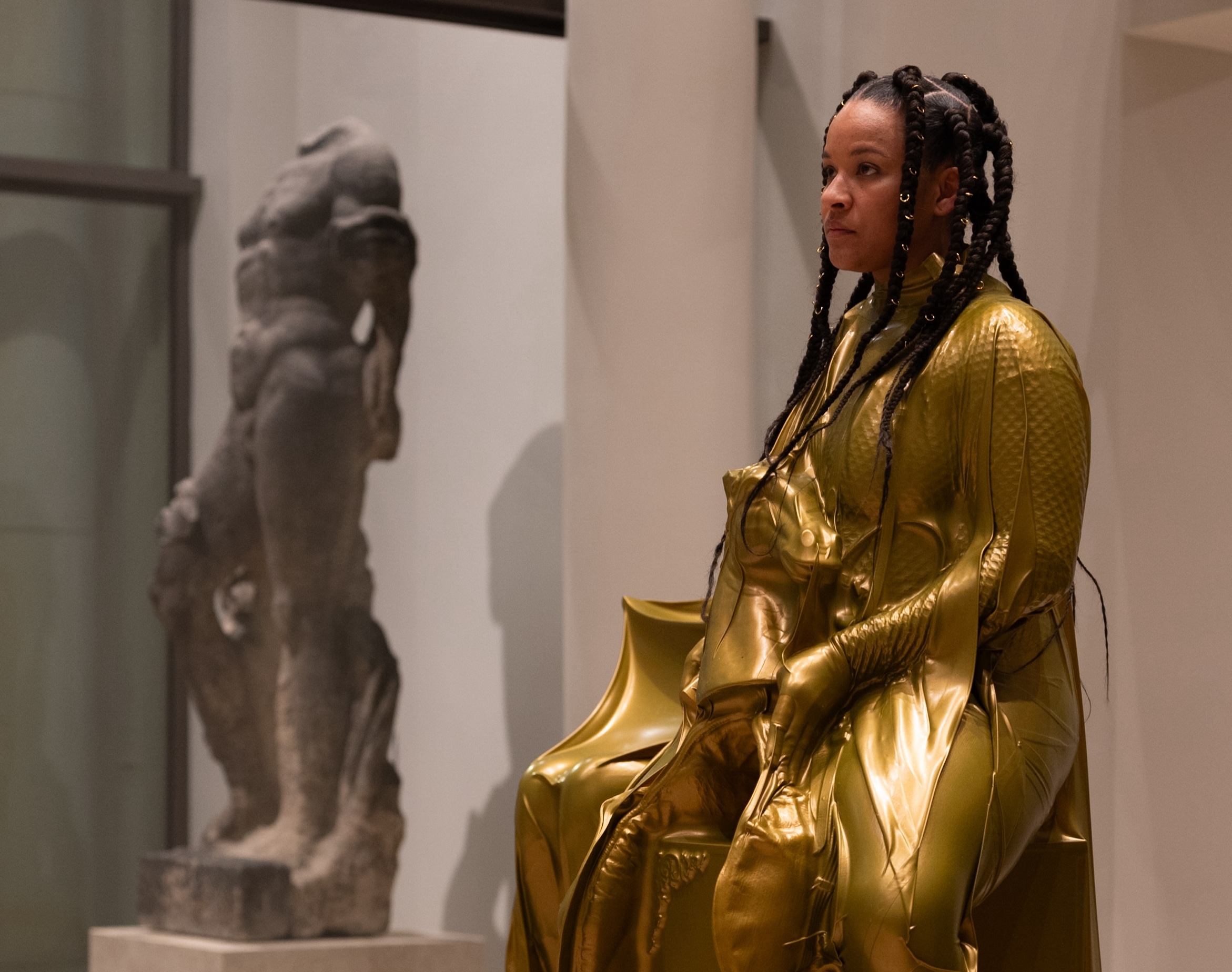
Berlin-based artist Sarah Ama Duah, who transitioned from fashion to sculpture, creates works that explore Afro-German memory culture. Her practice includes beeswax portraits, found objects like Delft porcelain and baroque vases, and performances at venues such as the Humboldt Forum. In 2025, she received the Wolfram Beck Prize for Sculpture. Duah's early fashion work, including silicone garments shown at the Fashionclash Festival in Maastricht, evolved into sculptural investigations of clothing, body, and space, leading her to study performance and sculpture at the Berlin University of the Arts under Jimmy Robert.

Changes at Manifesta as Hedwig Fijen steps down

Hedwig Fijen, founding director of Manifesta, the European Nomadic Biennial, will step down on October 5. Emilia van Lynden and Catherine Nichols will succeed her as general director and artistic director respectively, as announced by the supervisory board of the International Foundation Manifesta. Fijen, who was commissioned by the Netherlands Office for Fine Arts in 1991 to develop a pan-European platform, has led Manifesta through editions in Palermo, Pristina, Barcelona, and the upcoming 2026 edition in the Ruhr region. Van Lynden has served as deputy director since 2019, while Nichols, a Berlin-based curator, contributed as creative mediator for the 2022 edition and artistic board member for 2026. The new leadership will begin with Manifesta 17 in Coimbra, Portugal, in 2028.

Venice Biennale denies it helped ‘circumnavigate’ sanctions against Russia with pavilion

The Venice Biennale is facing allegations that it helped Russia circumvent EU sanctions by allowing the Russian pavilion to operate during preview days, when only arts professionals and press are present. Investigative website Open published emails between Biennale officials and Russian pavilion organizers, including requests for visa assistance for artists and staff. The commissioner, Anastasia Karneeva, is the daughter of a Rostec deputy CEO and runs a consultancy with the daughter of Russia's foreign minister. The Biennale denies any wrongdoing, stating it acted in compliance with international law. Russia has been absent from the Biennale since 2022 but retains a permanent pavilion in the Giardini.

Israel’s Artist Said to Have Threatened Legal Action Before Venice Biennale Jury Resignation

Belu-Simion Fainaru, the artist representing Israel at the 2024 Venice Biennale, allegedly threatened legal action against Biennale officials, accusing them of “racial discrimination” and “antisemitism” after the international prize jury announced it would exclude countries whose leaders are charged with crimes against humanity—effectively barring Israel and Russia from awards. The jury, handpicked by late artistic director Koyo Kouoh, resigned en masse on April 30, citing their earlier statement of intent. Fainaru had previously opposed calls to exclude Israel over its military actions in Gaza, arguing for dialogue over boycotts.

Hedwig Fijen to Depart as Founding Director of Manifesta

Hedwig Fijen, the founding director of Manifesta, the nomadic European biennial launched in 1996, has announced she will depart on October 5. Fijen began working on the platform in 1991 under a commission from the Netherlands Office for Fine Arts, and oversaw editions in cities including Rotterdam, Palermo, Pristina, and Barcelona. The supervisory board has appointed Emilia van Lynden as general director and Catherine Nichols as artistic director to lead future editions, starting with Manifesta 16 in Germany’s Ruhr Valley this year and Manifesta 17 in Coimbra, Portugal, in 2028.

Russia’s Venice Pavilion Will Be Closed to Public for Duration of Biennale

Russia's pavilion at the 2026 Venice Biennale will be closed to the public for the duration of the exhibition, from May 9 to November 22, following escalating controversy over the country's participation. The group show, titled “The tree is rooted in the sky,” will only be open to press and industry insiders during the preview days (May 5–8). The move comes after the International Criminal Court accused Russia of crimes against humanity, leading the Biennale to bar Russia and Israel from competing for awards. Italian culture minister Alessandro Giuli has also boycotted the preview and opening ceremony in protest.