
filter_list Showing 3 results for ""Ruin"" close Clear
dashboard All 3 museum exhibitions 3
date_range Range Today This Week This Month All
Subscribe

First Details of the German Pavilion

Erste Details zum deutschen Pavillon

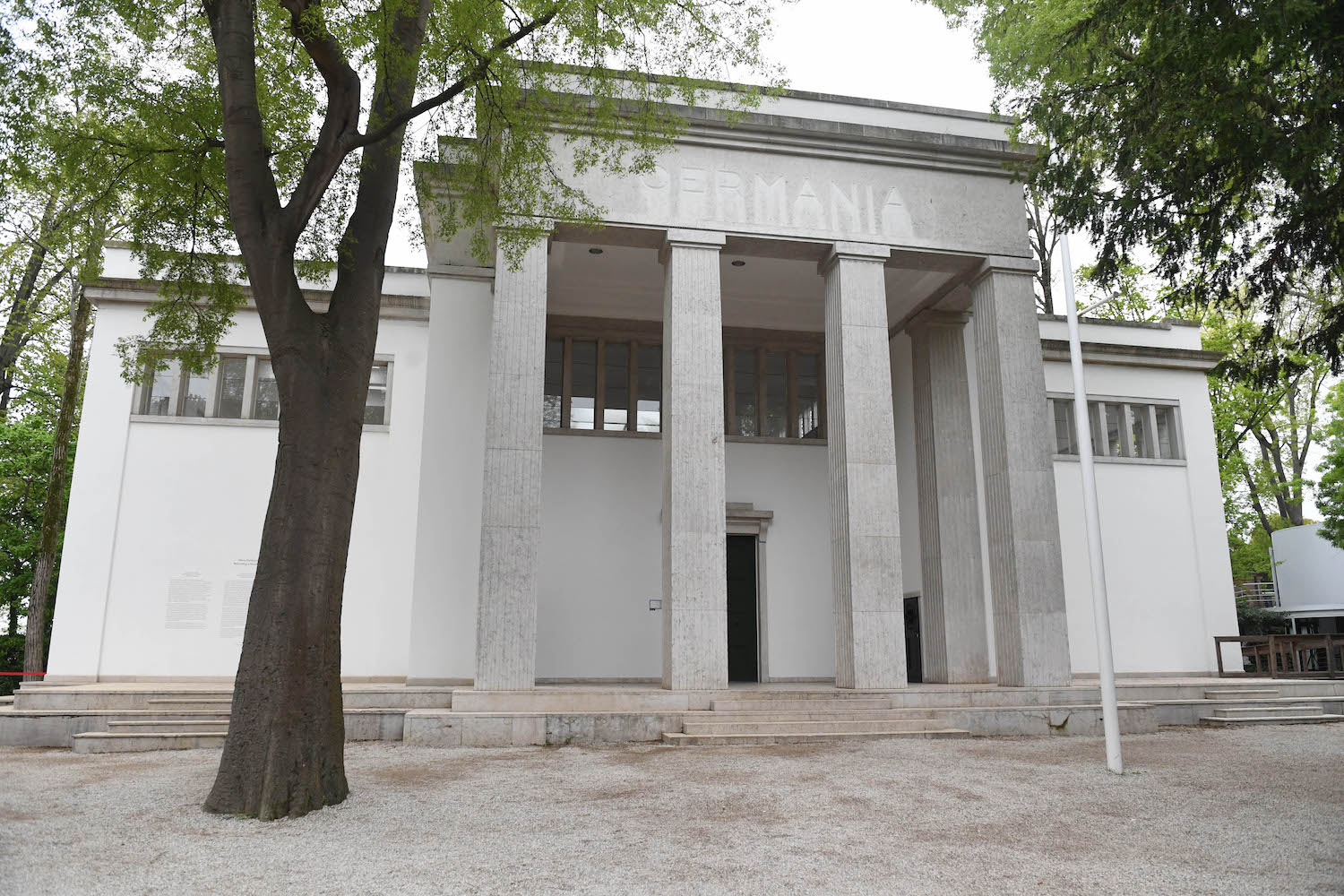
The German Pavilion at the upcoming Venice Biennale will present an exhibition titled "Ruin," featuring works by the late Henrike Naumann and artist Sung Tieu. Curated by Kathleen Reinhardt, the exhibition explores historical ruptures and the lingering effects of political and social voids following German reunification. Tragically, Naumann passed away shortly after completing her contributions, and her studio team is now working to realize her final artistic vision for the prestigious international stage.

Drained, Drowning, and Decay: The Best National Pavilions at the Venice Biennale

The 2026 Venice Biennale is defined by themes of ruin and decay, with standout national pavilions exploring bodily, infrastructural, and archaeological collapse. The Slovenian Pavilion features the Nonument Group repurposing materials from past Biennales into a ruin of a mosque for Bosnian Muslim soldiers from World War I. Syria presents its first national pavilion since the Civil War, with Sara Shamma invoking Palmyra, destroyed by ISIS. Germany's pavilion, titled "Ruin," features works by Henrike Naumann (who died in February) and Sung Tieu, questioning the pavilion's fascist architecture and nationalist residue. The Austrian Pavilion, curated by Florentina Holzinger, offers a visceral performance titled "Sea World." The Biennale is also marked by the abrupt resignation of its five-member jury, who refused to consider nations charged with crimes against humanity, leading to awards being chosen by public vote. Additionally, the main exhibition "In Minor Keys" was affected by the death of its curator, Koyo Kouoh.

A Different Germany

Ein anderes Deutschland

The German Pavilion at the Venice Biennale, historically burdened by its Nazi-era origins, presents a new exhibition titled "Ruin." For the first time, the pavilion explicitly adopts an East German perspective, confronting its fraught past from a fresh angle. The show features massive pillars and a prominent "Germania" inscription above the entrance, directly engaging with the building's controversial history.