
filter_list Showing 3 results for "Anna Whistler" close Clear
search
dashboard All 3 museum exhibitions 2article culture 1
date_range Range Today This Week This Month All
Subscribe

A tale of two Annas: Van Gogh’s favourite Whistler painting stars in Tate Britain show

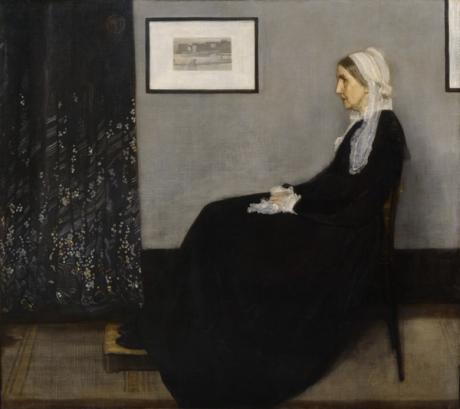
Tate Britain will open a major exhibition titled *James McNeill Whistler* on 21 May, running through 27 September, before traveling to the Van Gogh Museum in Amsterdam (16 October–10 January 2027) under the subtitle *Dandy and Disrupter*. The show’s centerpiece is Whistler’s iconic *Arrangement in Grey and Black no. 1* (commonly known as *Portrait of the Painter's Mother*), on loan from the Musée d’Orsay in Paris and displayed in its original frame designed by the artist. The article explores Vincent van Gogh’s admiration for the painting—he wrote to his sister Wil in 1889 that it reminded him of their own mother—and traces the work’s connections to the Goupil gallery (later Boussod & Valadon), where both Vincent and his brother Theo worked.
‘America’s Mona Lisa’: how chance, genius and cheap paint made the masterpiece Whistler’s Mother

James Abbott McNeill Whistler's iconic painting of his mother, Anna, known as 'Whistler’s Mother' or 'Arrangement in Grey and Black No 1', is returning to London for the first time in nearly two generations as part of a Tate Britain exhibition. The article recounts how the portrait was painted in 1871 in Whistler's Chelsea studio during a low point in his career, using cheap paint and a used canvas after a young sitter canceled. The author, who restored the painting for the Musée d'Orsay, details the work's accidental genesis, Whistler's radical minimalist aesthetic, and the initial critical confusion it caused.

suprising history behind whistlers mother 2723534

The article explores the enduring appeal of James McNeill Whistler's 1871 painting commonly known as "Whistler’s Mother," officially titled "Arrangement in Grey and Black, No.1." It recounts how the painting was acquired by the French state in 1891 and became the first American painting in the Louvre, now housed at the Musée d'Orsay. The piece also reveals little-known facts: the sitter's full name was Anna Matilda McNeill Whistler, who wore mourning clothes for 31 years after being widowed and moved in with her son in London, displacing his mistress. The article includes her recipe for a dessert called Floating Island and notes that Whistler incorporated his earlier etching "Black Lion Wharf" into the portrait.