filter_list Showing 5 results for "Austria Pavilion" close Clear
dashboard All 5 museum exhibitions 3article news 1rate_review review 1
date_range Range Today This Week This Month All
Subscribe

What does a woman swimming in urine tell us about the state of the world? Lots! – Venice Biennale review

The 2026 Venice Biennale, curated by the late Koyo Kouoh under the theme "In Minor Keys," has been plagued by months of turmoil including countries withdrawing, artists being fired, exhibitions cancelled, funding pulled, and protests during the preview. A five-person curatorial team took over after Kouoh's death, resulting in what the critic describes as a disjointed, committee-driven exhibition that prioritizes quiet contemplation and healing over direct political engagement. The central shows in the Giardini and Arsenale feature a vast, poorly explained array of art from the global south, with installations of ceramics, textiles, slide projectors, and serene natural scenes that the critic finds anachronistic and dull.
Our pick of the best pavilions at the 61st Venice Biennale

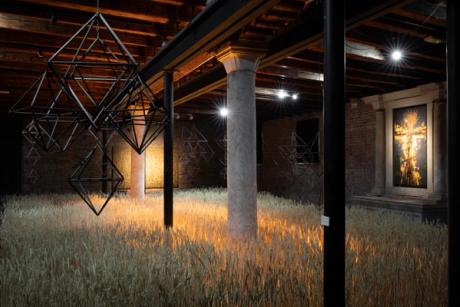
The article highlights standout national pavilions at the 61st Venice Biennale. The Belarus Pavilion features a powerful installation by the Belarus Free Theatre, including a wheat field built by former political prisoners, straw spiders made from prison bars, and a confession booth that runs facial recognition. The Brazil Pavilion presents a joint exhibition by Rosana Paulino and Adriana Varejão, focusing on colonial wounds and trauma through works like Paulino's 'Aracnes' and Varejão's 'Still Life amid Ruin'. The Bosnian Pavilion by Mladen Bundalo invites tactile engagement with themes of diaspora and migration, while the Austrian Pavilion by Florentina Holzinger draws attention with nude performers in water-filled pools.

Best in Show: 6 Standouts at the 2026 Venice Biennale

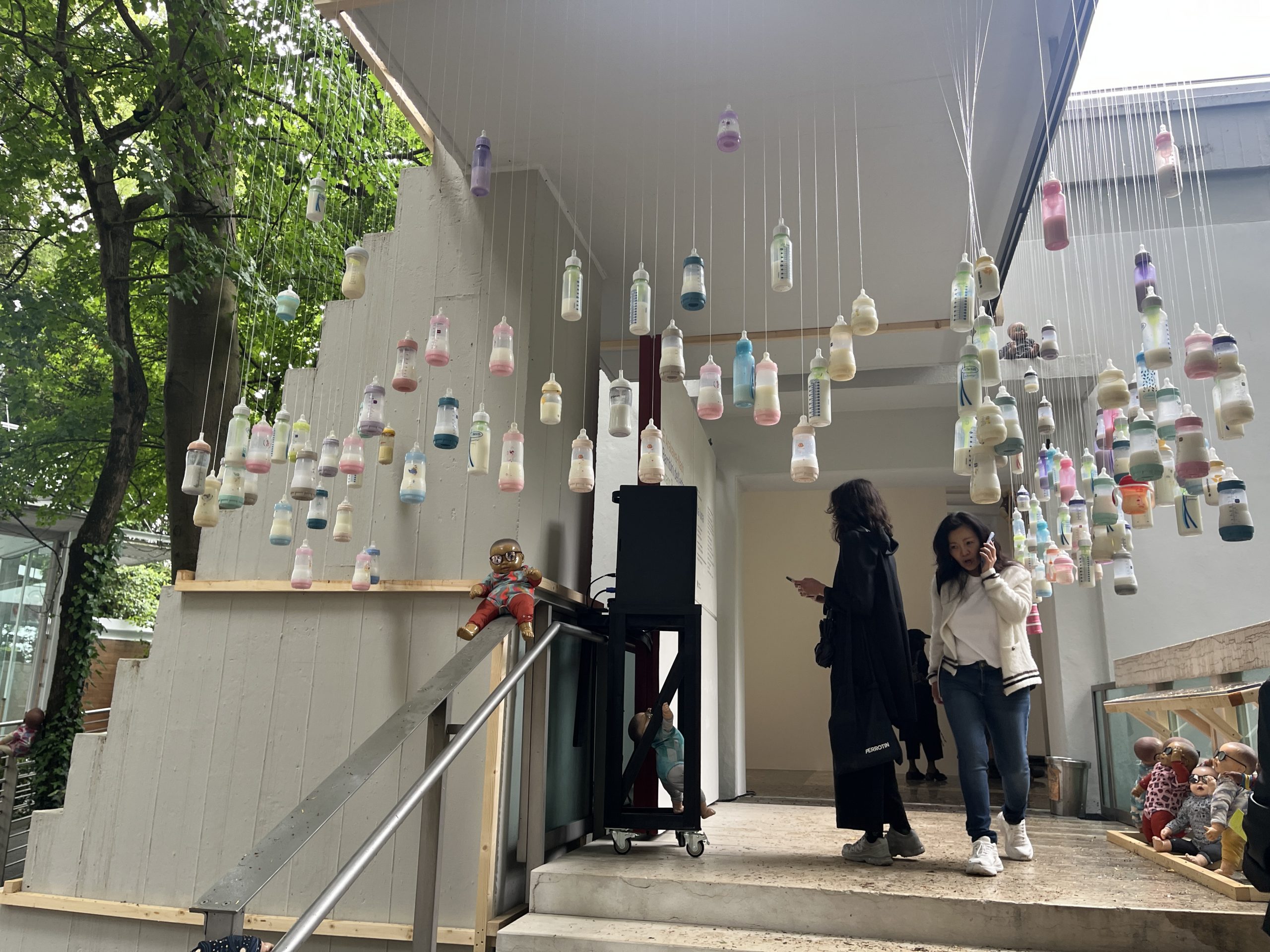
Artnet News writers highlight six standout exhibitions at the 2026 Venice Biennale, which opens to the public on May 9. Among the picks are Ei Arakawa-Nash's interactive installation "Grass Babies, Moon Babies" at the Japan Pavilion, featuring baby dolls and diaper-changing stations; Florentina Holzinger's provocative performance "Seaworld Venice" at the Austria Pavilion, involving nude performers, jet skis, and recycled wastewater; and Dayanita Singh's photographic exhibition "Archivio" at the State Archives of Venice, presenting intimate black-and-white images arranged as freestanding columns.

Venice Biennale strike sees more than 15 pavilions temporarily or partially close

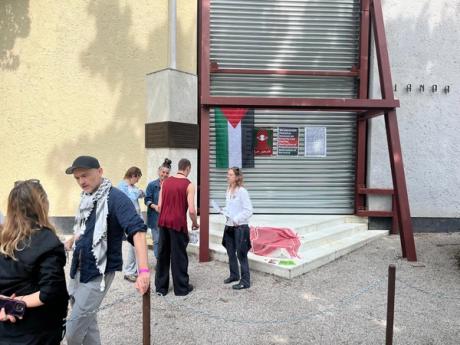
On 8 May, more than 15 national pavilions at the Venice Biennale temporarily or partially closed in a coordinated strike organized by the Art Not Genocide Alliance (ANGA). The protest opposes Israel’s participation in the event, which organizers say normalizes what they call genocide and exploits precarious labor. Participating countries include Austria, Lebanon, Slovenia, Egypt, Poland, and the Netherlands, whose artist Dries Verhoeven stood outside his shuttered pavilion with a Palestinian flag. Some pavilions, like Japan’s, remained open but suspended interactive elements. The strike follows earlier controversies, including the resignation of the prize jury and an open letter demanding the Israeli pavilion’s cancellation.

Hong Kong wows the crowds to sleep at the 2026 Venice Biennale

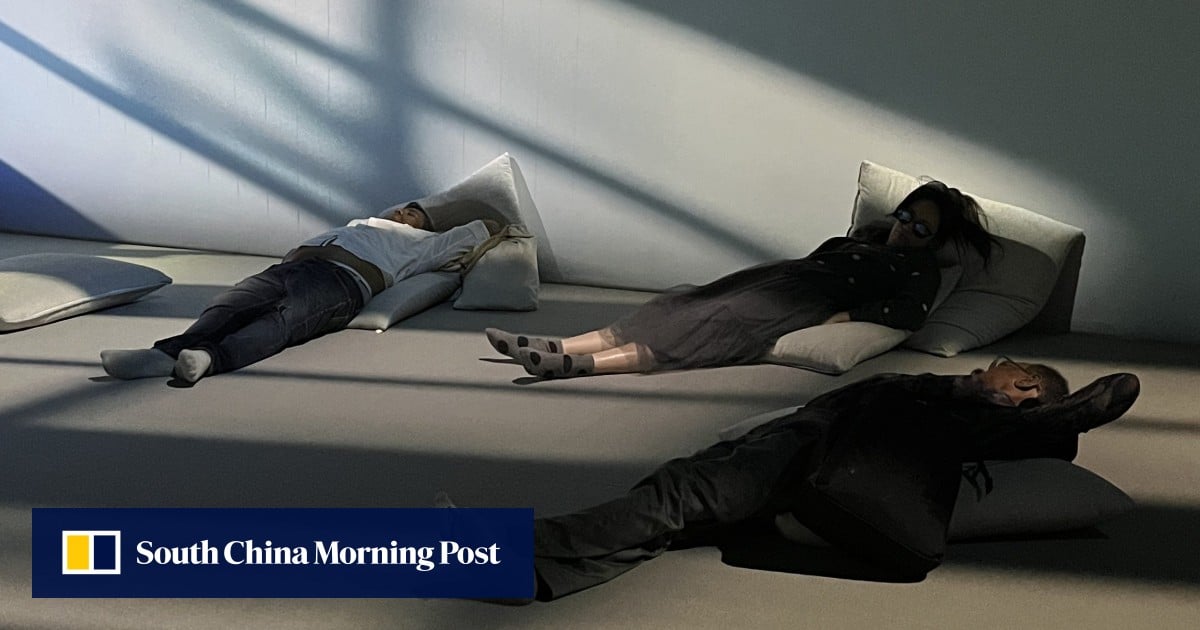
The 2026 Venice Biennale, titled "In Minor Keys" by its late artistic director Koyo Kouoh, has been marked by loud protests and urgent environmental alarms, notably at Florentina Holzinger's Austria pavilion. Amid this chaos, the Hong Kong collateral exhibition "Fermata" at Campo della Tana offers a quiet counterpoint, featuring Kingsley Ng Siu-king's installation *Laundry Nocturne (2026)*, a rest lounge with padded floors and cushions that has caused visitors to doze off. The exhibition follows Kouoh's curatorial vision of creating space for silenced voices and convivial collectivity.