filter_list Showing 13 results for "Biennale 2026" close Clear
dashboard All 13 museum exhibitions 7article news 3article culture 1person people 1rate_review review 1
date_range Range Today This Week This Month All
Subscribe

At the Venice Biennale, the Thrill of Victory, the Agony of Defeat

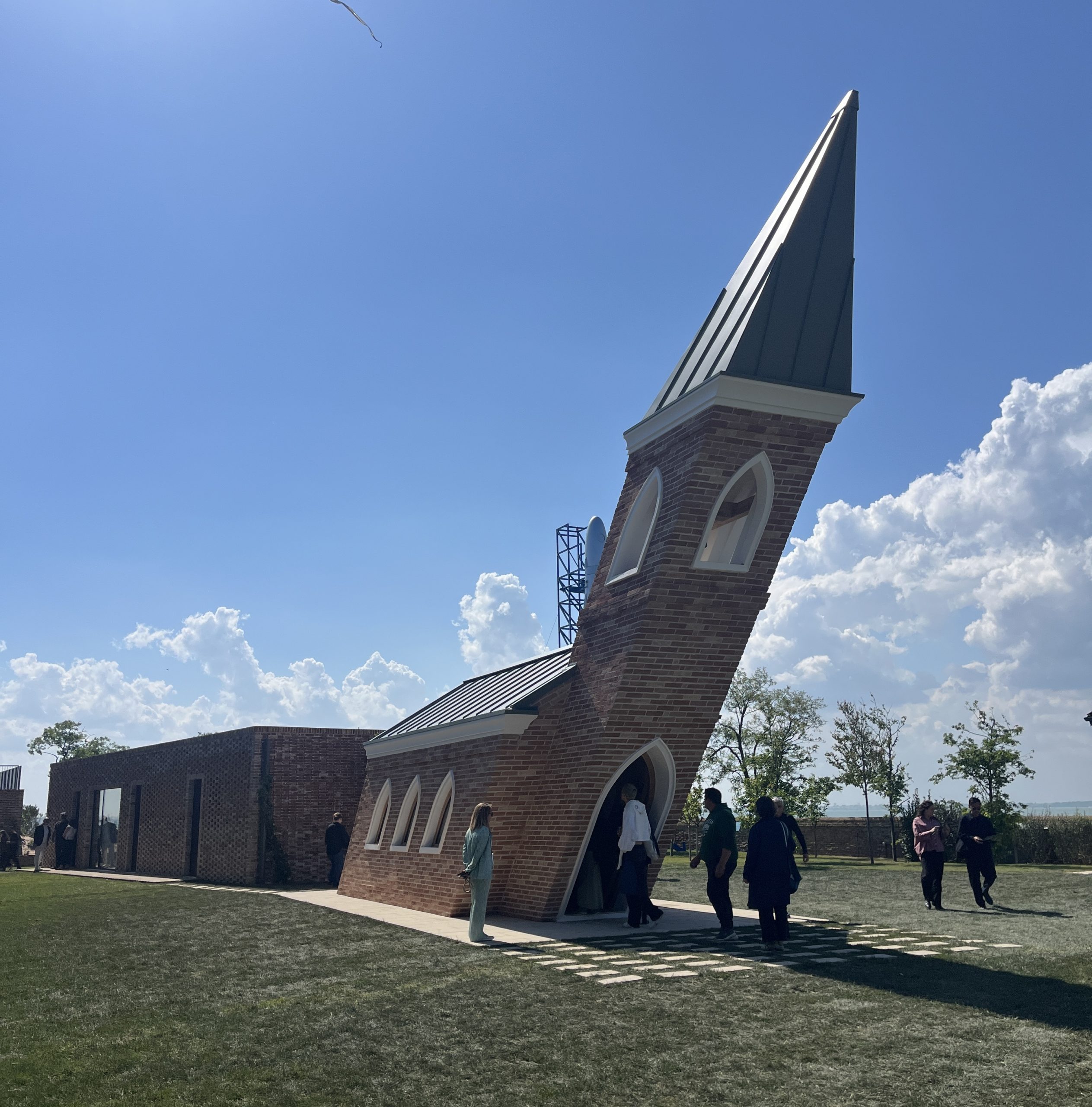
The article reports on the opening of the 61st Venice Biennale, highlighting the central exhibition "In Minor Keys" conceived by the late Koyo Kouoh, along with national pavilions and collateral events. It notes standout contributions from artists such as Alvaro Barrington, Kaloki Nyamai, Florentina Holzinger, Ei Arakawa-Nash, Li Yi-Fan, and Dries Verhoeven, while describing the American pavilion as lackluster and the overall commercial offerings as uneven. The text also covers performances and exhibitions featuring nudity and body horror, including Tino Sehgal's "The Kiss" and Maja Malou Lyse's video with the collective DIS.
Venice Biennale 2026 Highlights: Off-Site Exhibitions

ArtReview editors highlight off-site pavilions and exhibitions at the 61st Venice Biennale, running from 9 May through 22 November 2026. Featured works include Li Yi-Fan's film *Screen Melancholy* at Palazzo delle Prigioni, which uses motion capture and a free-trial videogame engine to explore digital alienation and the 'enshittosphere,' and Roberto Diago's installation *Free Men* at the Pavilion of Cuban Republic, comprising rusted iron heads, fragmented wooden figures, and text works critiquing political oppression in Cuba.

La Biennale de Venise s’ouvre dans un climat houleux

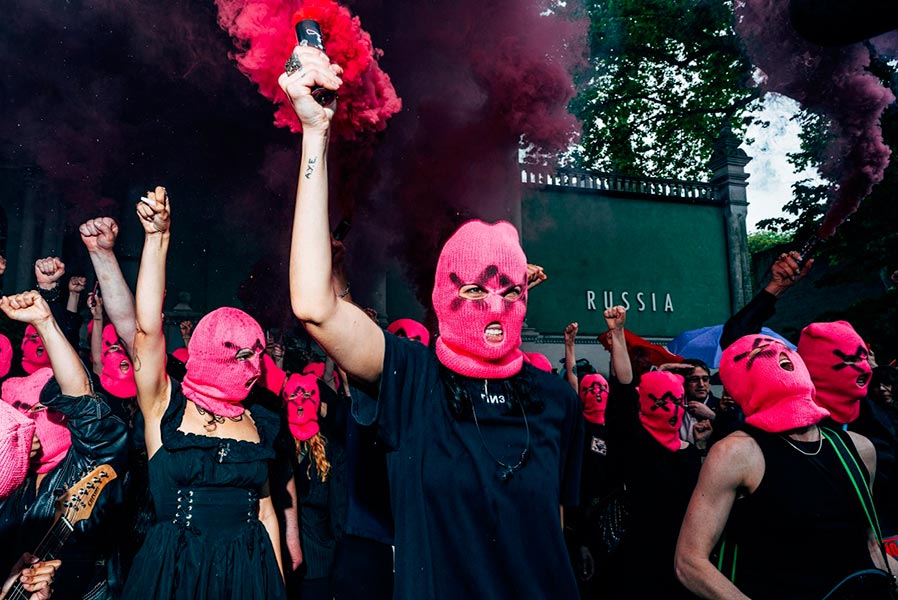
The 61st Venice Biennale opened amid intense controversy after its president, Pietrangelo Buttafuoco, announced the return of the Russian pavilion, which had been absent since the start of the Ukraine war. The European Commission suspended its €2 million subsidy for the 2028 edition, and the entire Biennale jury resigned on April 30. Buttafuoco later declared the Russian pavilion would remain closed, but protests erupted during the pre-opening days (May 6–8), drawing 28,000 professionals. Pussy Riot members, Femen activists, and the Free Nations League staged demonstrations, while the Israeli pavilion remained open despite a letter signed by nearly 200 artists calling for its exclusion.

The Cosmos in a Drop: Interview with Wallace Chan

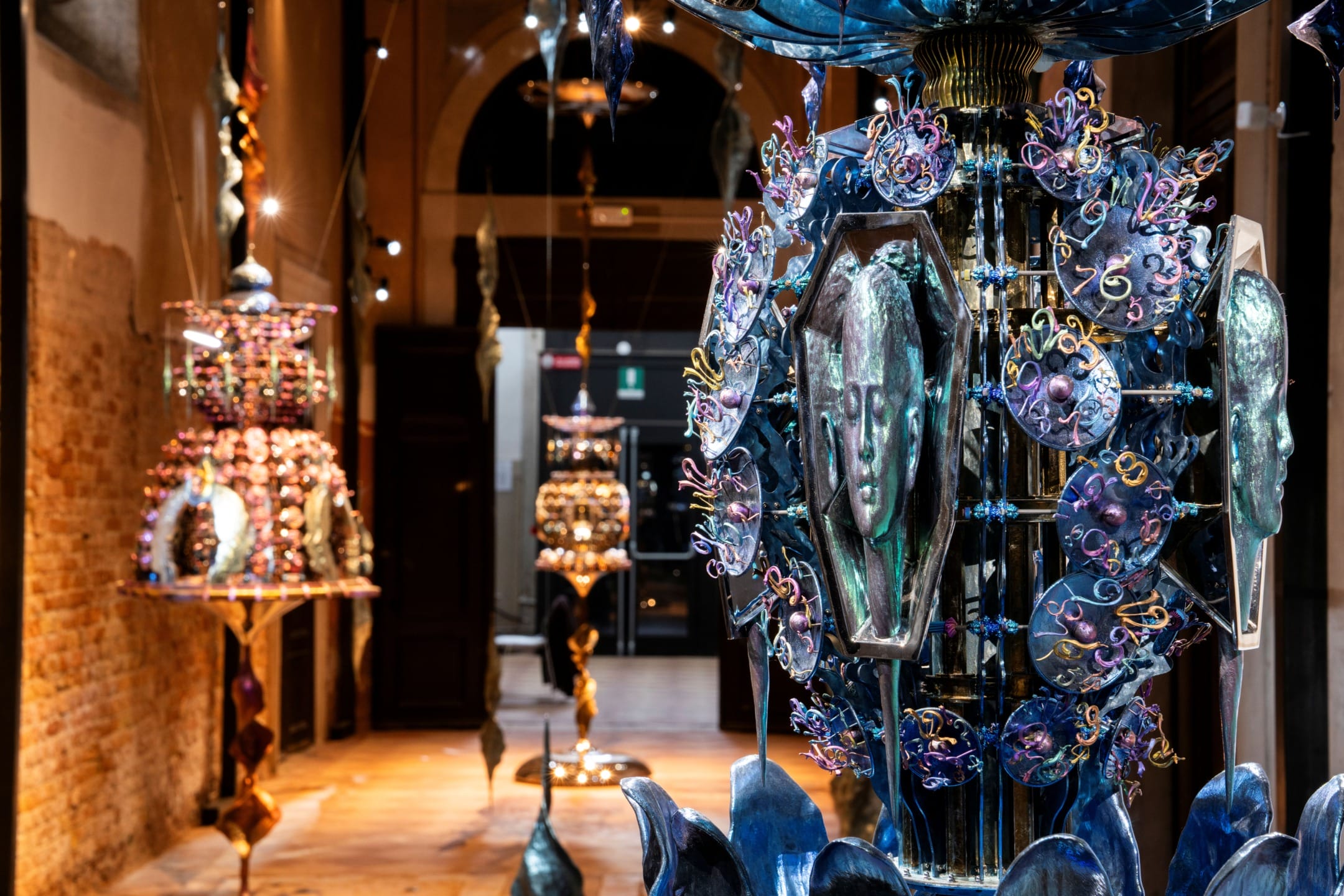
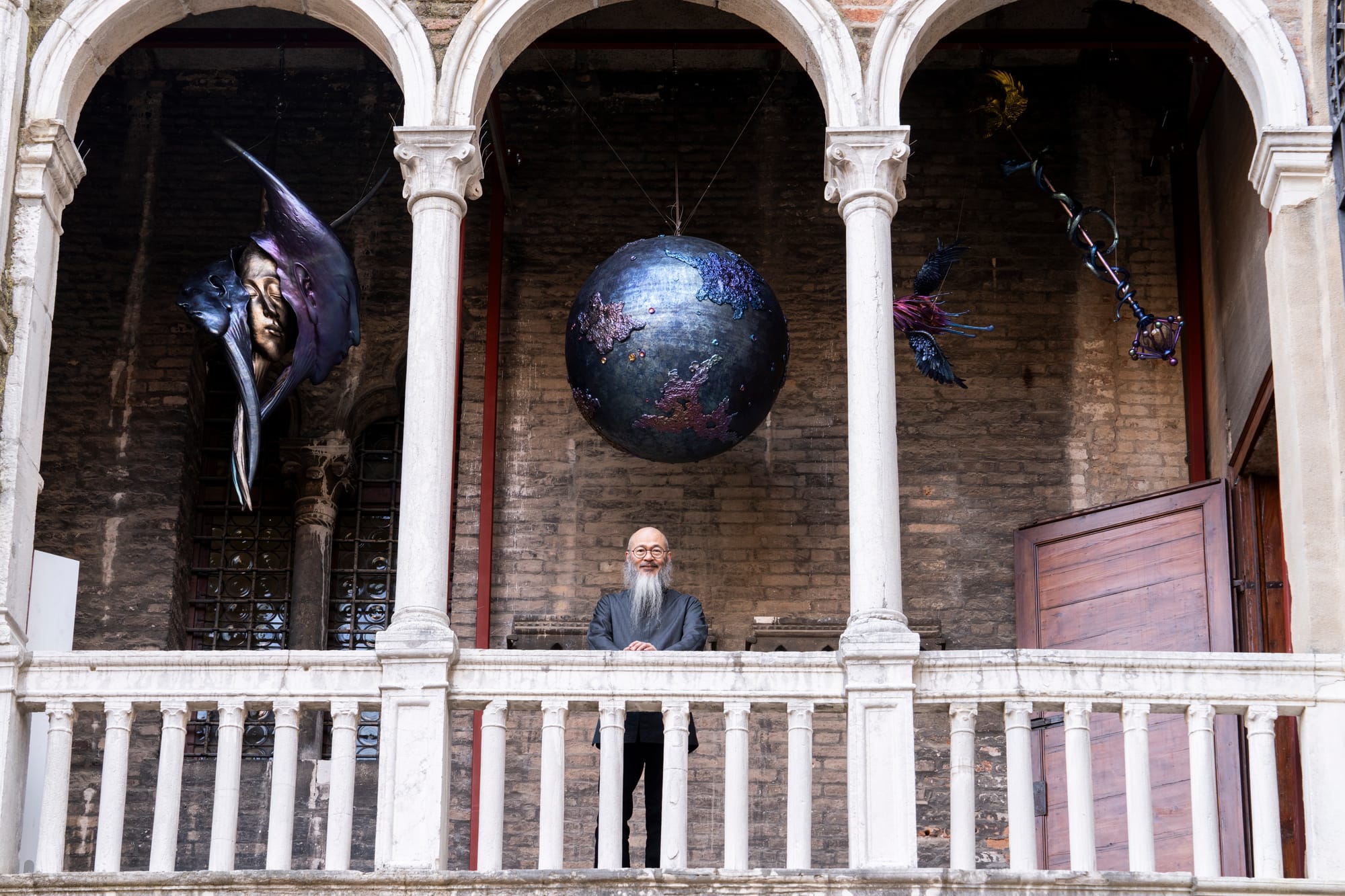
Wallace Chan, the Chinese artist known for his work across microscopic gemstone carving and monumental titanium sculpture, is presenting two concurrent exhibitions in Venice during the 61st Venice Biennale: “Vessels of Other Worlds” at the Pietà Chapel and “Mythos” at Scala Contarini del Bovolo. In an interview with ArtAsiaPacific, Chan discusses his artistic journey from traditional Chinese Buddhist carving to Western iconography, the spiritual resonance of the Pietà Chapel (where Vivaldi composed), and how his works explore themes of transformation, birth, growth, and rebirth through the lens of Buddhist philosophy and Catholic ritual.

In Venice, Wallace Chan’s Titanium Sculptures Offer Introspection and Reckoning

Wallace Chan, a Chinese sculptor and gem master, has opened a new exhibition titled “Vessels of Other Worlds” at the Chapel of Santa Maria della Pietà in Venice during the 61st Venice Biennale. The show features large-scale titanium sculptures that explore themes of life cycles, mortality, and introspection, with the artist drawing inspiration from the sounds of the city, including Vivaldi’s music from a neighboring church. Chan, who has presented works at two previous biennials in Venice, also marks his 70th birthday this year with a concurrent show at Shanghai’s Long Museum in July.

At this year's Venice Biennale, a clash of politics and art exposes the need for a rethink

The 2026 Venice Biennale is plagued by controversy and structural issues. Curator Koyo Kouoh died of cancer in 2025, leaving her team to execute the main exhibition "In Minor Keys" without her. The Biennale's jury resigned after refusing to judge entries from countries charged with war crimes, and media coverage during preview week focused on protests against the Israeli and Russian pavilions rather than the art. The sprawling exhibition features 96 national pavilions and 110 artists, with works ranging from Daniel Lind-Ramos's found-material figures to María Magdalena Campos-Pons's tribute to Toni Morrison and Kouoh.

Kazakhstan's creative industry accelerates. A new foundation supporting the art scene emerges

L’industria creativa del Kazakhstan accelera. Spunta una nuova fondazione che sostiene la scena artistica

A new private foundation called TOVA Foundation, based in Geneva, has been established to promote contemporary art from Central Asia, specifically focusing on Kazakhstan's art scene. The foundation debuted at the Venice Biennale with an exhibition titled "Trading Treasures" featuring Kazakh artists Saule Suleimenova and Sayan Baigaliyev at Casa dei Tre Oci. The initiative is backed by Togzhan Wertheimer, a Kazakh-born entrepreneur and philanthropist connected to the fashion industry through her husband David Wertheimer, and includes a board with figures like Tatiana de Pahlen and art consultant Jean-Olivier Despres. The foundation's curator is Vladislav Sludskiy, who previously worked at Ethan Cohen Gallery and co-founded the ARTBAT FEST and Eurasian Cultural Alliance.

There is an absent pavilion at the 2026 Venice Art Biennale that no one has talked about: Venezuela

C’è un padiglione assente alla Biennale d’Arte di Venezia 2026 di cui nessuno ha parlato: il Venezuela

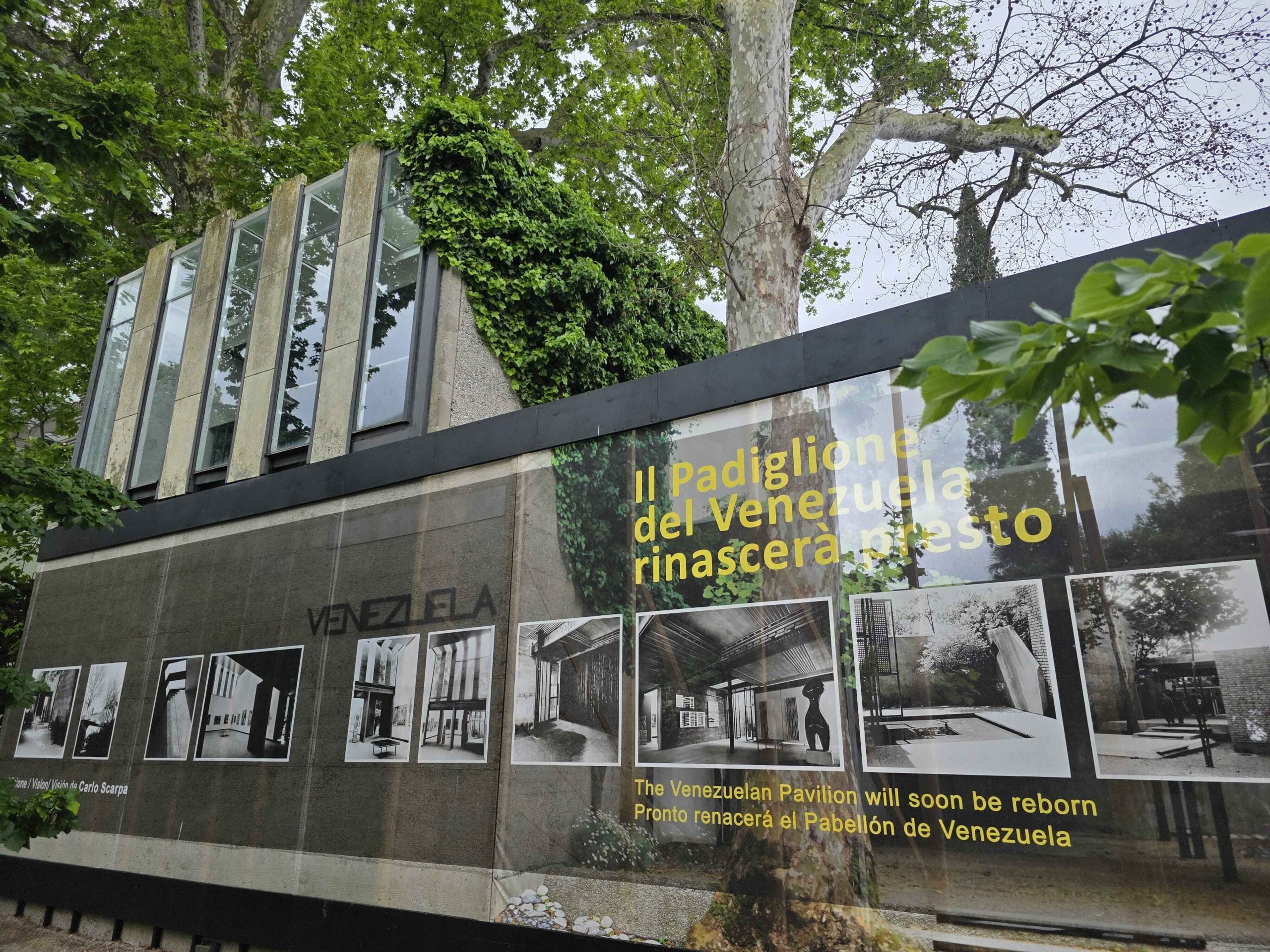
The Venezuelan pavilion at the 2026 Venice Art Biennale remains closed, an absence that has gone largely unnoticed amid other controversies surrounding the Russian, Israeli, South African, and Iranian pavilions. Designed by architect Carlo Scarpa and built between 1953 and 1956, the pavilion now displays a trilingual sign stating it will "rise again soon," reflecting the country's collapse after the kidnapping and imprisonment of President Nicolás Maduro by the United States and the installation of a fragile pro-American interim government.

Body as Device. Guide and Reflection on the Performances of the Venice Biennale

Corpo come dispositivo. Guida e riflessione sulle performance della Biennale di Venezia

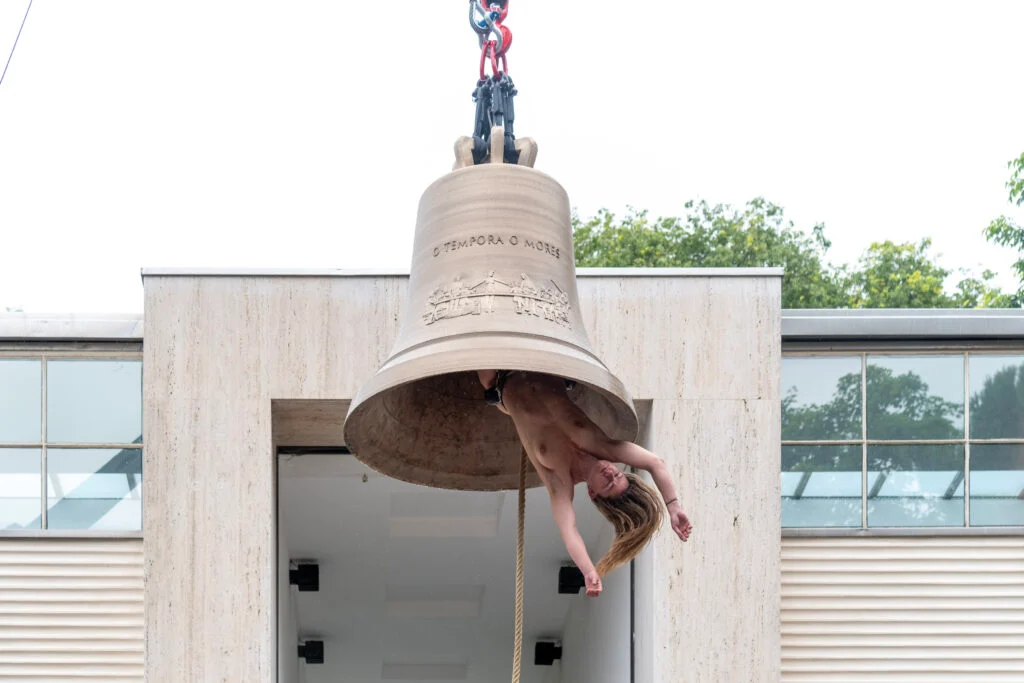
The article analyzes the role of performance art at the 2026 Venice Biennale, arguing that performance is no longer a rediscovered genre but a structurally institutionalized primary form of experience production. It examines how the body reemerges not as an alternative to image-based works but as an internal interruption of the artwork system, preventing closure and reintroducing instability. Key pavilions are discussed: Austria's Florentina Holzinger with "Sancta" draws on 1970s radical performance and feminist body art, creating an immersive environment of continuous movement; Belgium's Miet Warlop with "IT NEVER SSST" engages post-dramatic theater and postmodern dance repetition; Japan's Ei Arakawa-Nash with "Grass Babies, Moon Babies" activates Gutai avant-garde legacies through viewer interaction with soft dolls.

All you need to know about world’s highest art biennale 2026 that is set to be hosted in Ladakh

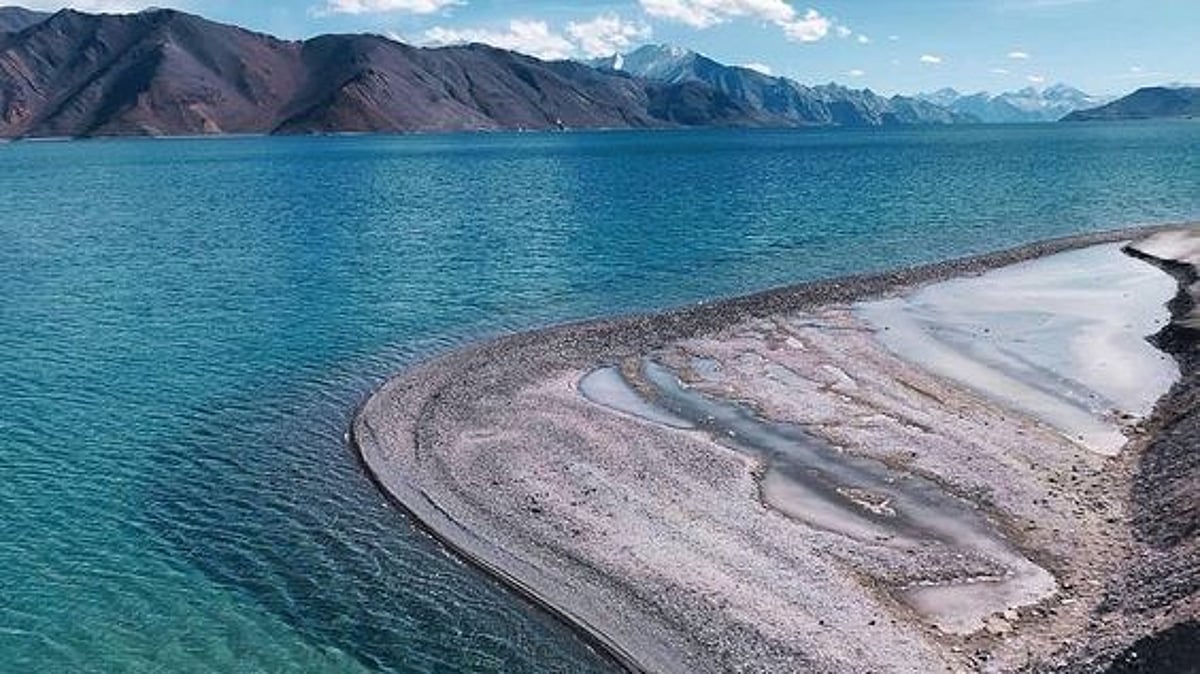
The sā Ladakh Biennale, billed as the world's highest art biennale, returns to Ladakh from August 1-10, 2026, after a previous edition. Held at 3,600 meters above sea level, the event transforms the corridor between Leh and Kargil into an open-air exhibition titled 'Signals from Another Star', curated by Vishal K Dar and Tsering Motup across eight locations including Basgo, Lamayuru, and Kargil. It features 24 artists, including international figures like Jitish Kallat, Anna Jermolaewa, Peter Kogler, and Agnieszka Kurant, alongside local artists such as Tundup Dorjay, Chemat Dorjey, and Stanzin Samphel. Works are created using natural materials like stone, clay, and wool, and are designed to eventually disintegrate, reflecting the fragile ecosystem.

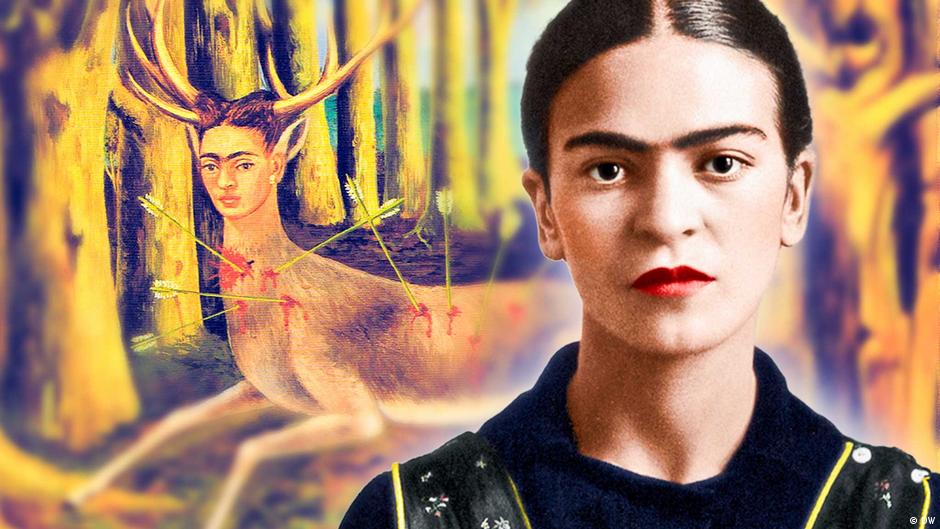
Art Born of Pain: Frida Kahlo

This article is a promotional piece for the DW English program 'Arts Unveiled,' highlighting several upcoming segments. It announces the start of the 61st Venice Biennale, the world's largest art exhibition, and poses questions about its standout features and art's role in times of crisis. Other segments explore the American Dream as a nightmare on the 250th anniversary of US independence, and feature Indigenous artist Britta Marakatt-Labba, who creates embroidered polar landscapes reflecting Sámi culture.

Agitate, Educate, Organize. A Conversation with the Indonesian Collective That Is in Venice with Two Projects

Agitare, educare, organizzare. Una conversazione con il collettivo indonesiano che è a Venezia con due progetti

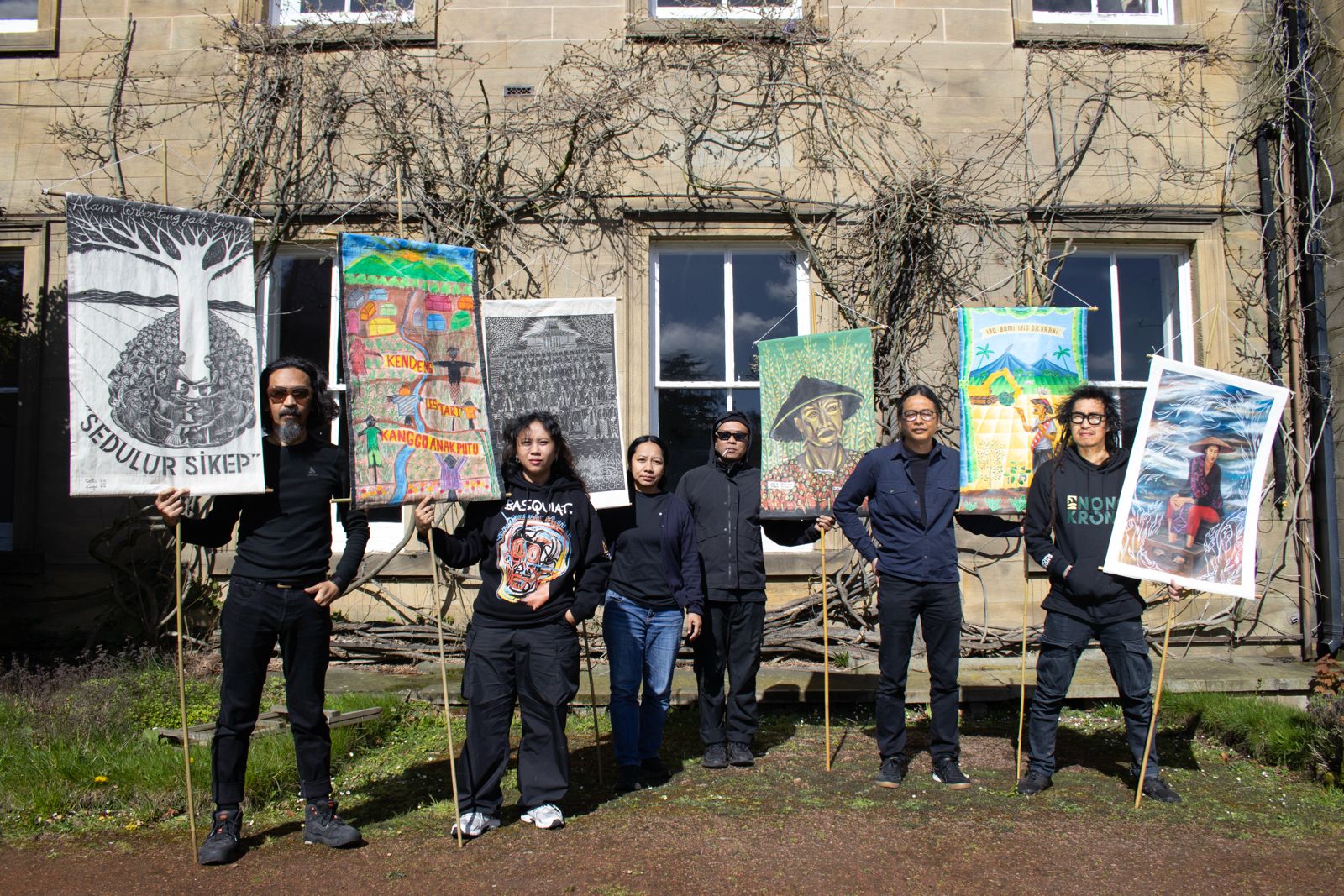
Sale Docks, an activist art space born from a 2007 occupation in Venice, has invited the Indonesian collective Taring Padi to collaborate on two projects. The first is the exhibition "Taring Padi: People's Liberation," which reactivates banners as tools for propaganda, mobilization, and resistance. The second is a public intervention in Venice, where the collective and local community will repaint the walls of the historic social center Laboratorio Occupato Morion. The article includes an interview with Taring Padi, which was founded in 1998 in Yogyakarta by students and activists, and discusses their use of wayang shadow-puppet imagery and collaborative processes to agitate, educate, and organize communities.

in venice, ukrainian artists reclaim joy with tender force

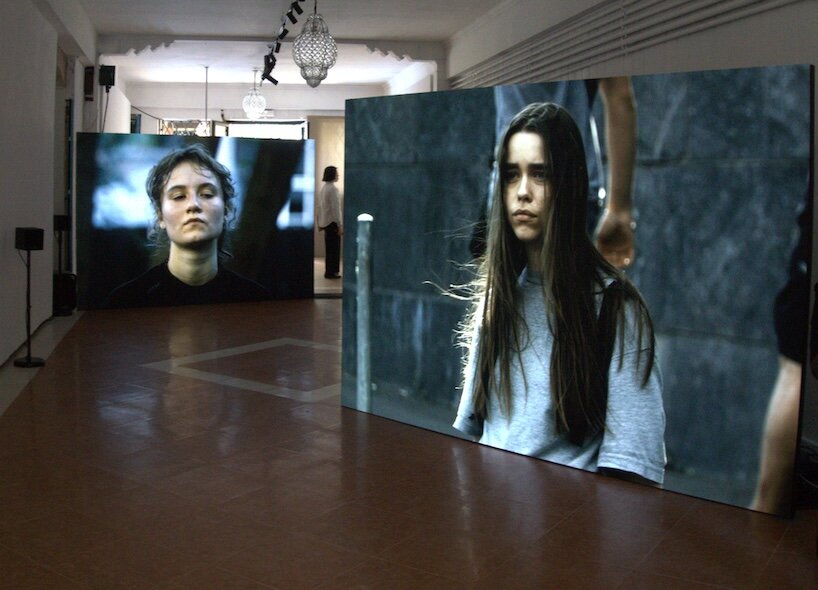
The article reports on 'Still Joy — From Ukraine Into the World,' a collateral exhibition at the 61st Venice Biennale presented by the Victor Pinchuk Foundation and PinchukArtCentre. The show features works by Ukrainian artists including Malashchuk & Khimei, Simone Post, and Zhanna Kadyrova, exploring themes of joy, survival, and resilience amid war. Highlights include a two-channel video juxtaposing a Kyiv rave before and after Russia's full-scale invasion, letters from Ukrainian soldiers printed on foam panels, and installations that transform everyday objects into meditations on sweetness and endurance.