
filter_list Showing 3 results for "Boris Groys" close Clear
search
dashboard All 3 article culture 2museum exhibitions 1
date_range Range Today This Week This Month All
Subscribe

The 21st Century’s Biggest Art Trend is Not a Style. But Once You See It, You’ll Notice It Everywhere.

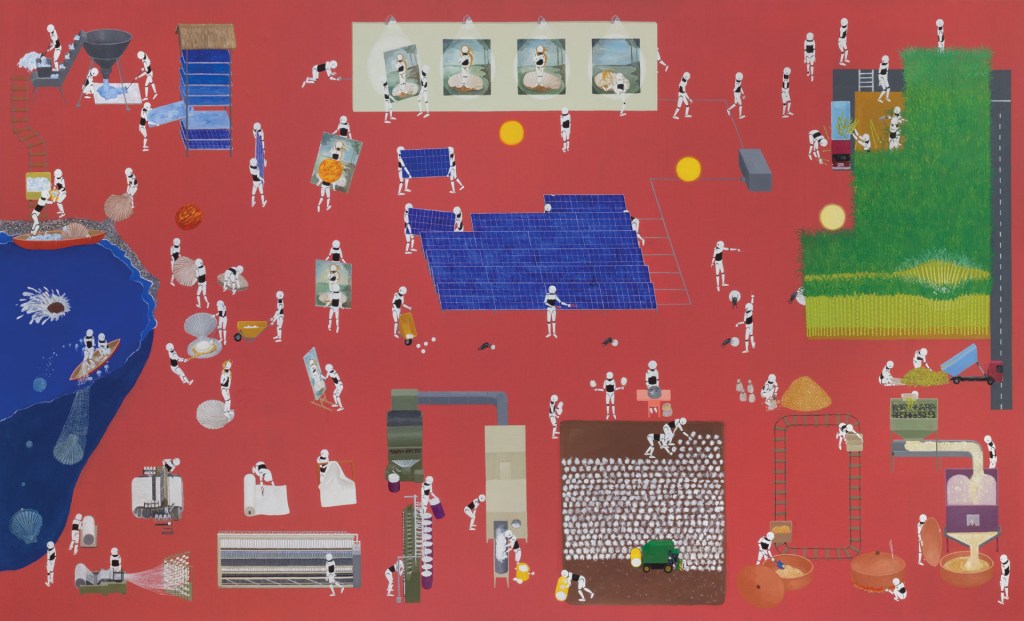
The article traces the evolution of "systems art," a term coined by critic Jack Burnham in 1968 to describe art that uses rules, seriality, and repetition to mirror and reveal the growing protocols of the Cold War era. It highlights early practitioners like Kenneth Noland, Robert Morris, Dan Flavin, and notably Hans Haacke and Adrian Piper, who shifted from atmospheric systems (e.g., Haacke's *Condensation Cube*) to social systems (e.g., Haacke's *Shapolsky et al. Manhattan Real Estate Holdings*). The piece argues that systems thinking has become unavoidable in contemporary life—from algorithms to systemic racism—and that art remains a crucial tool for making these invisible systems legible.

biennale de arte paiz el arbol del mundo

The 24th edition of the Biennale de Arte Paiz, titled "El Arból del Mundo" ("The Tree of Life"), has opened in Guatemala City and Antigua Guatemala. Under Italian curator Eugenio Viola, the biennial has expanded from 30 to 46 artists and doubled its venues from 5 to 10, including the Museo Nacional de Arte de Guatemala (MUNAG) and La Nueva Fabrica. The dates have shifted to December to attract visitors from Miami Art Week and Zona Maco in Mexico City. The show features textile works, research-based art, and ecological themes, with highlights including a street installation by Erick Boror.

A New Look at Rabelais and His World

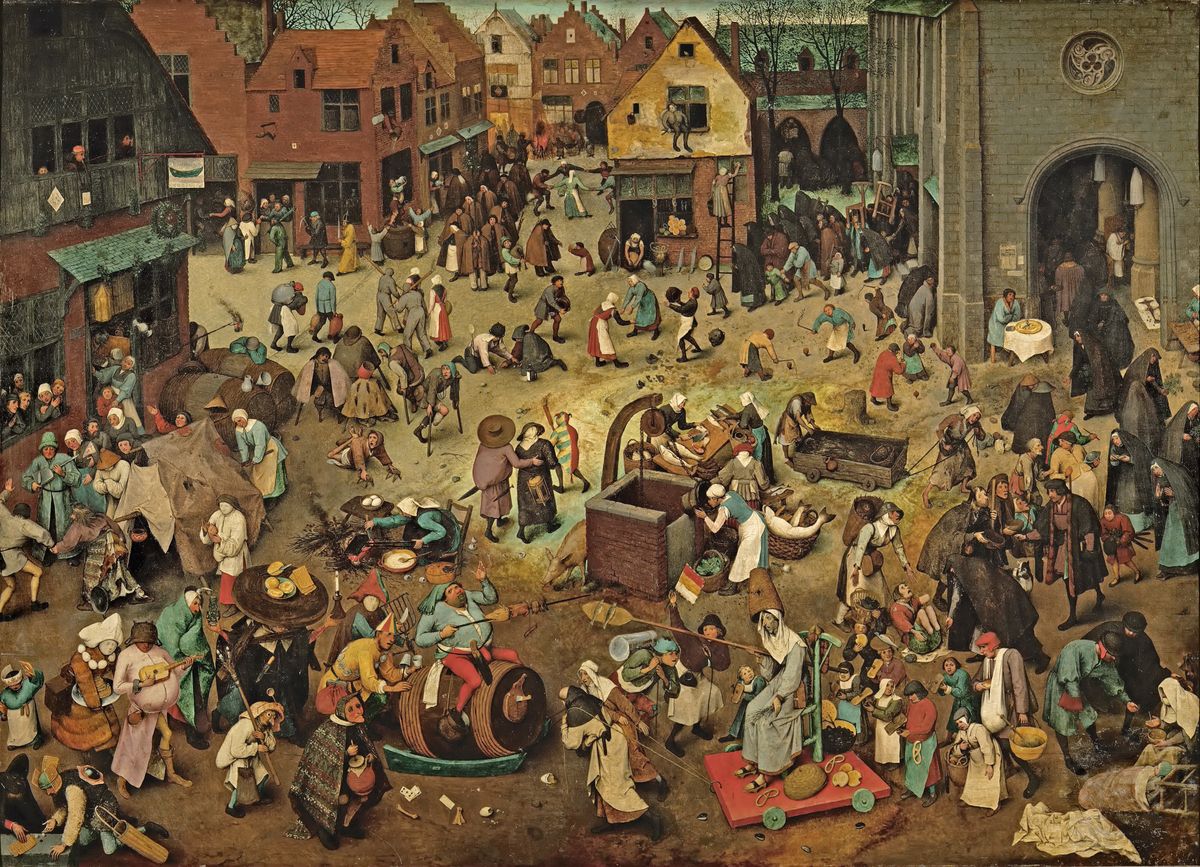
The article examines the philosophical and literary significance of laughter in François Rabelais's work, particularly *Gargantua and Pantagruel*, contrasting his celebratory view with the predominantly negative assessments of laughter in Western philosophy from Plato to Hobbes. It highlights how Rabelais channels a durable tradition of folk humor as a form of affirmative relief from oppression and official solemnity.