

filter_list Showing 3 results for "Carol Jacobi" close Clear
search
dashboard All 3 museum exhibitions 2article news 1
date_range Range Today This Week This Month All
Subscribe

New York auctions, James McNeill Whistler at Tate Britain, Edvard Munch—podcast

This episode of The Art Newspaper's podcast 'The Week in Art' covers three major stories: the spring auction results in New York, which saw record prices for works by Jackson Pollock, Constantin Brancusi, and Mark Rothko; the opening of the largest James McNeill Whistler exhibition in Europe in over 30 years at Tate Britain in London, which will later travel to the Van Gogh Museum and The Mesdag Collection in the Netherlands; and a feature on Edvard Munch's 1922 frieze from the Freia Chocolate Factory, currently on loan to the Munch museum in Oslo for the exhibition 'Edvard Munch and the Chocolate Factory.'
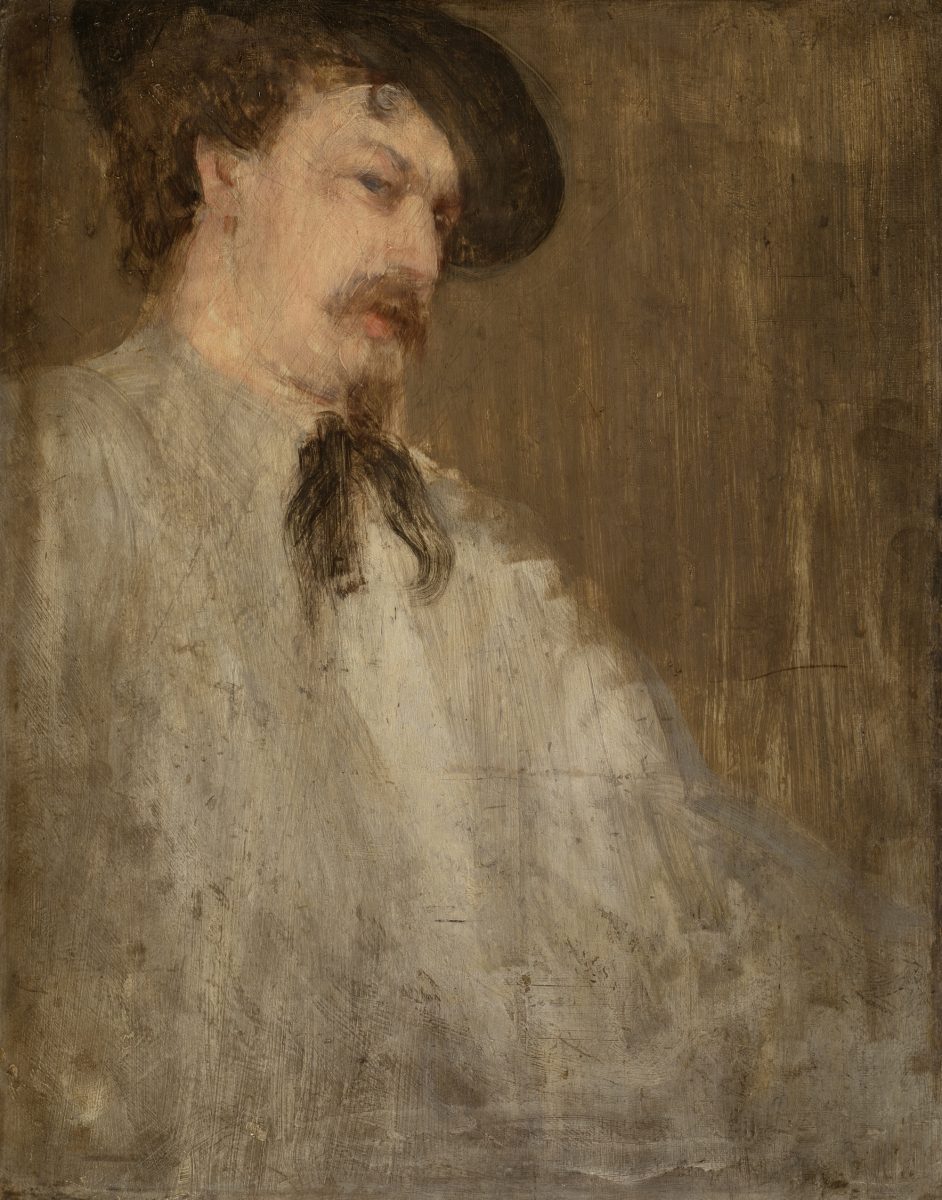
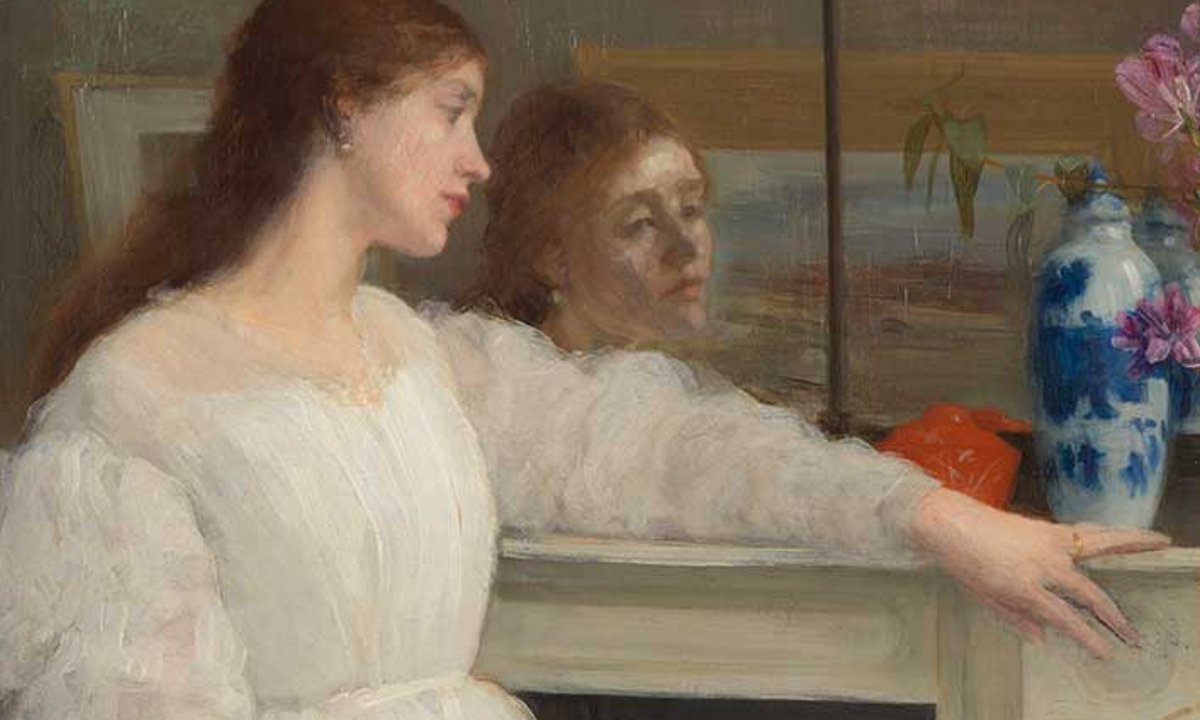
Tate Britain opens Europe’s largest James McNeill Whistler retrospective in 30 years

Tate Britain has opened the largest European retrospective of James McNeill Whistler in over 30 years, featuring 150 works across painting, drawing, printmaking, and design. The exhibition traces Whistler's career from his student days at the Imperial Academy of Arts in St Petersburg and West Point to his bohemian years in Paris and London, highlighting his pioneering nocturnes, the iconic *Arrangement in Black and Grey: Portrait of the Painter’s Mother* (known as *Whistler’s Mother*), and rarely seen sketchbooks. It reunites a familial triptych of portraits and assembles the largest-ever collection of his nocturnes, exploring his radical approach to composition and color.

James McNeill Whistler was more than just a combative ‘coxcomb’

Carol Jacobi, curator of a new exhibition at Tate Britain in London, aims to reframe the legacy of James McNeill Whistler (1834-1903), an artist often reduced in public memory to his 1877 libel lawsuit against critic John Ruskin. The show, the UK's first full Whistler survey since 1994, highlights his prolific output, evolving style, and belief that art should seek "a more fundamental beauty" beyond mere impression. It brings together many of his celebrated nocturnes and, for the first time, his sketchbooks, though the infamous Nocturne in Black and Gold: The Falling Rocket (1875) could not be loaned.