

filter_list Showing 3 results for "Carpaccio" close Clear
dashboard All 3 museum exhibitions 2article culture 1
date_range Range Today This Week This Month All
Subscribe

At MAXXI L'Aquila, exhibition dedicated to Ai Weiwei recounts catastrophes and memory

From April 29 to September 6, 2026, MAXXI L'Aquila presents "AI WEIWEI: Aftershock," an exhibition curated by Tim Marlow featuring approximately seventy works by Chinese artist, architect, and activist Ai Weiwei. The show spans his entire career, focusing on themes of earthquakes, wars, political repression, and memory. The centerpiece is the installation "Straight" (2009–2012), made from 150 tons of steel rods recovered from schools that collapsed in the 2008 Sichuan earthquake, displayed across three rooms. The exhibition is held at Palazzo Ardinghelli, a Baroque building that houses MAXXI L'Aquila and was itself restored after the 2009 L'Aquila earthquake, creating a dialogue between the works and the building's history of recovery.
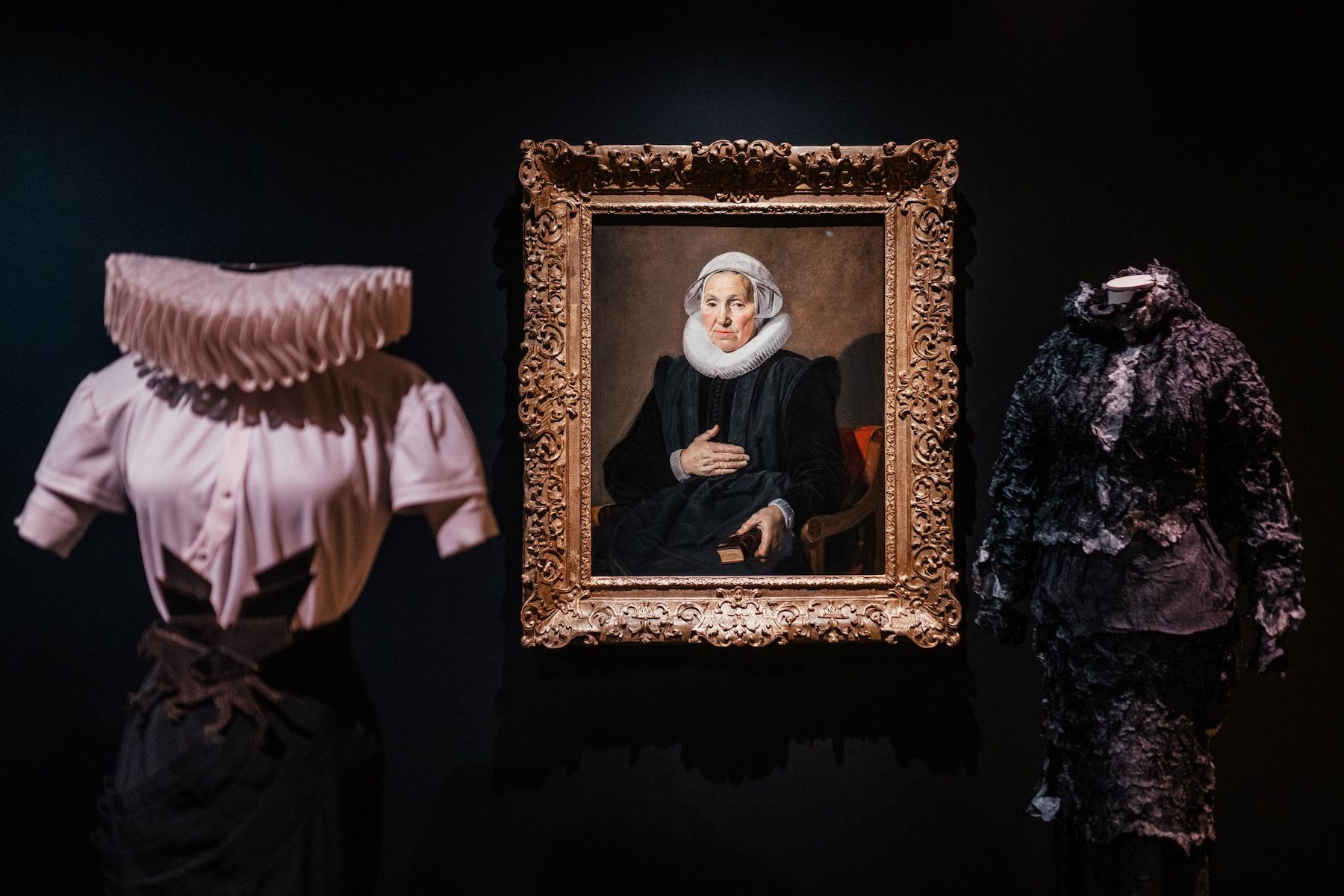

Treasures from the worlds of fashion and art collide at an extraordinary new exhibition in Lisbon

A new exhibition titled 'Art & Fashion' has opened at Lisbon's Calouste Gulbenkian Museum, curated by Eloy Martínez de la Pera Celada. It juxtaposes masterpieces from the museum's permanent collection—spanning ancient Egyptian artifacts to Rembrandt and Impressionist works—with historic and contemporary fashion pieces, including garments from Charles Frederick Worth, Yohji Yamamoto, Dries Van Noten, Alexander McQueen, and Sarah Burton's debut at Givenchy. The show is organized by regional provenance and temporarily replaces the museum's usual display while its Brutalist building undergoes renovation.

How the adoption of canvas in Venice changed the way artists painted

Art historian Cleo Nisse has published a new book, *Venetian Canvas and the Transformation of Painting*, examining how 16th-century Venetian painters such as Titian, Veronese, and Tintoretto pioneered the use of canvas as a painting support. Nisse reveals that canvas was not a uniform material—artists experimented with different weaves, including tabby and herringbone patterns, and even repurposed sailcloth and tablecloth-quality fabrics to achieve specific visual effects. The book argues that canvas was already familiar in the late Middle Ages for banners and alternatives to tapestry, and that Vittore Carpaccio was the first master of the medium, varying canvas types for expressive purposes in his *Legend of St Ursula* series.