filter_list Showing 7 results for "Chen & Lampert" close Clear
dashboard All 7 article culture 7
date_range Range Today This Week This Month All
Subscribe

hard choices can you hack contemporary art curator 1234770076

Art-world consultants Chen & Lampert present a satirical quiz for contemporary art curators who came of age in the mid-2000s and now face the challenges of middle age—mortgages, school-age children, and dwindling energy for the nightlife that once fueled their careers. The quiz poses ten multiple-choice questions testing whether a curator can stay relevant without partying every night, touching on topics like referencing artists in talks, responding to young artists, and keeping up with art news and trends.

icons issue fall 2025 1234749848

The article introduces the annual 'Icons' issue of Art in America, profiling artists whose decades-long practices reflect deep commitment to their mediums. Featured artists include Paul Pfeiffer, who became hyper-aware of image grammar through early video work; Consuelo Jimenez Underwood, who found her voice in textiles; David Diao, who references Barnett Newman; and the late Joel Shapiro, who explored transformation through wood sculpture. The issue also includes an interview with Tehching Hsieh on freethinking and art, plus departments on curatorial challenges, a Bukhara Biennial curator Q&A, and an appreciation of Dara Birnbaum.

art in america new talent issue 2025 1234741754

Art in America's 2025 "New Talent" issue features 20 emerging artists chosen by the magazine's editors, including Nico Williams, Bint Mbareh, Justin Allen, Agnes Questionmark, and Brooklin A. Soumahoro. The issue also includes a postmortem on figurative painting by Barry Schwabsky, an essay on spiritual art by Eleanor Heartney, a symposium on art's purpose with seven artists, and a tribute to the late Jaune Quick-to-See Smith by Emmi Whitehorse. Other sections cover Suzanne Valadon, Hito Steyerl's book, and a debate between art fairs and biennials.

art in america winter collaborations issue 1234763356

The winter collaborations issue of Art in America explores the often unglamorous, slow-paced nature of creative work, challenging the social-media-driven perception of art-making as fast and dramatic. The issue features pieces on Ira Sachs's film *Peter Hujar's Day*, which depicts the artist's mundane daily routine, and an interview with Chicago-based artists Nick Cave and Bob Faust, who discuss their collaborative practice and the perceived lack of drama in their process. Other highlights include features on Talia Chetrit's fashion-art boundary work, Mernet Larsen's multi-perspective paintings, and the role of licensing agreements with artists' estates.

hard choices marina abramovic longevity method 1234739297

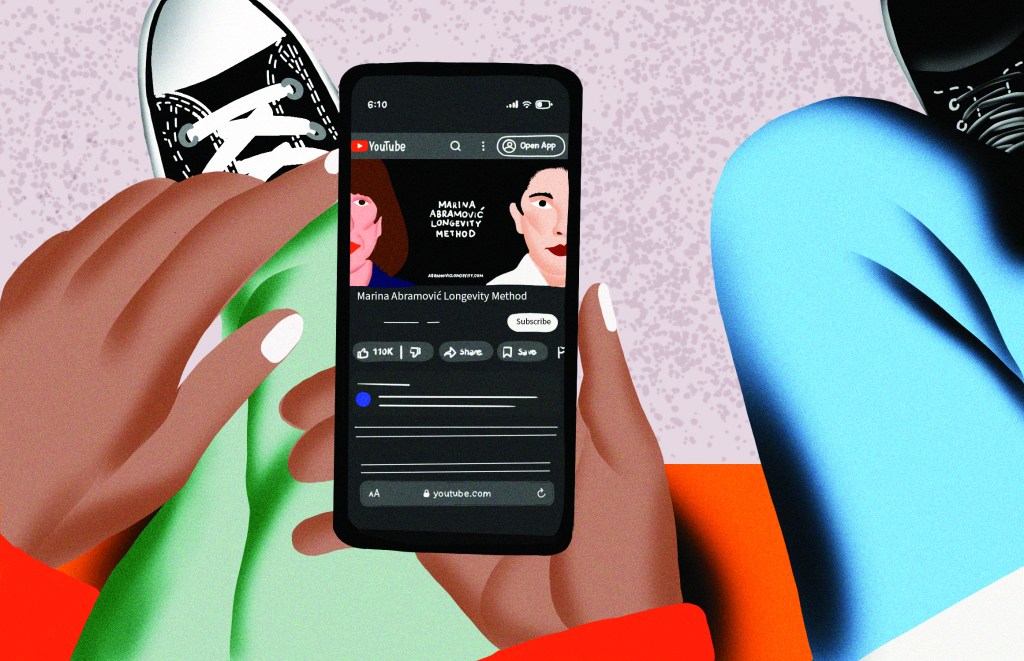
Art-world consultants Chen & Lampert have published a satirical quiz in Art in America that lampoons Marina Abramović's wellness line, the Longevity Method. The quiz presents ten multiple-choice questions mocking the artist's foray into selling tinctures and elixirs, such as Energy Drops and Immune Drops, which she claims contain ancient secrets for living well. The questions parody Abramović's performance art history and the commercialization of her brand, with options referencing her past works and the high cost of her products.

Hard Truths: Can an Artist Exact Revenge on a Dealer Treating Her Like a Pariah?

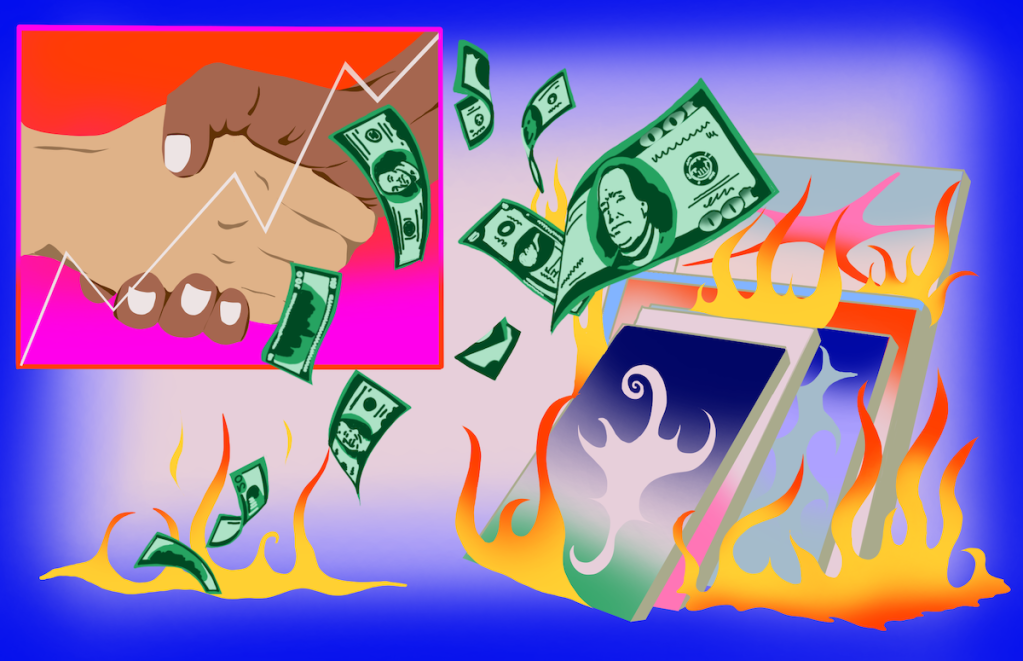
An artist seeks advice after severing a 25-year relationship with a gallery that enforced a restrictive two-year non-compete clause. Following the split, the artist discovered $50,000 in damaged inventory and alleged that the dealer lied to insurance companies while commissioning other artists to produce knockoffs of their work. A second inquiry involves a high-ranking art world figure distressed over being dropped from a prominent "Power 100" list, questioning whether to confront the publication.

hard truths curator invisibility 1234760488

The article, presented as an advice column by consultants Chen & Lampert in ARTnews, addresses two anonymous letters from art-world professionals. The first letter is from a curator at a major museum who feels underpaid, invisible, and constrained by an ethics policy that prevents freelance work, while colleagues at smaller institutions enjoy more freedom. The second letter is from a veteran graphic designer and illustrator, active since the 1960s, who laments losing commercial clients to younger, cheaper talent using AI and smartphones. The consultants respond with sharp, critical advice: they tell the curator to consider collective action with colleagues to push for institutional reform, and advise the designer to leverage their legacy and experience rather than accept obsolescence.