filter_list Showing 18 results for "Damaged" close Clear
dashboard All 18 article news 9article culture 3article policy 2museum exhibitions 2gavel restitution 1trending_up market 1
date_range Range Today This Week This Month All
Subscribe

The week around the world in 20 pictures

This photo essay from The Guardian presents 20 images capturing global events from the past week, including a protest by Femen and Pussy Riot activists against Russia's participation at the Venice Biennale art show, Israeli strikes in Gaza, the hantavirus outbreak, and Emma Chamberlain at the Met Gala. Other images document the war in Ukraine, with scenes of Russian military rehearsals in Moscow, damaged monuments, and drone strike aftermath, as well as a political protest in Nashville where Democratic state representative Justin J Pearson was removed from the house gallery during a redistricting protest.
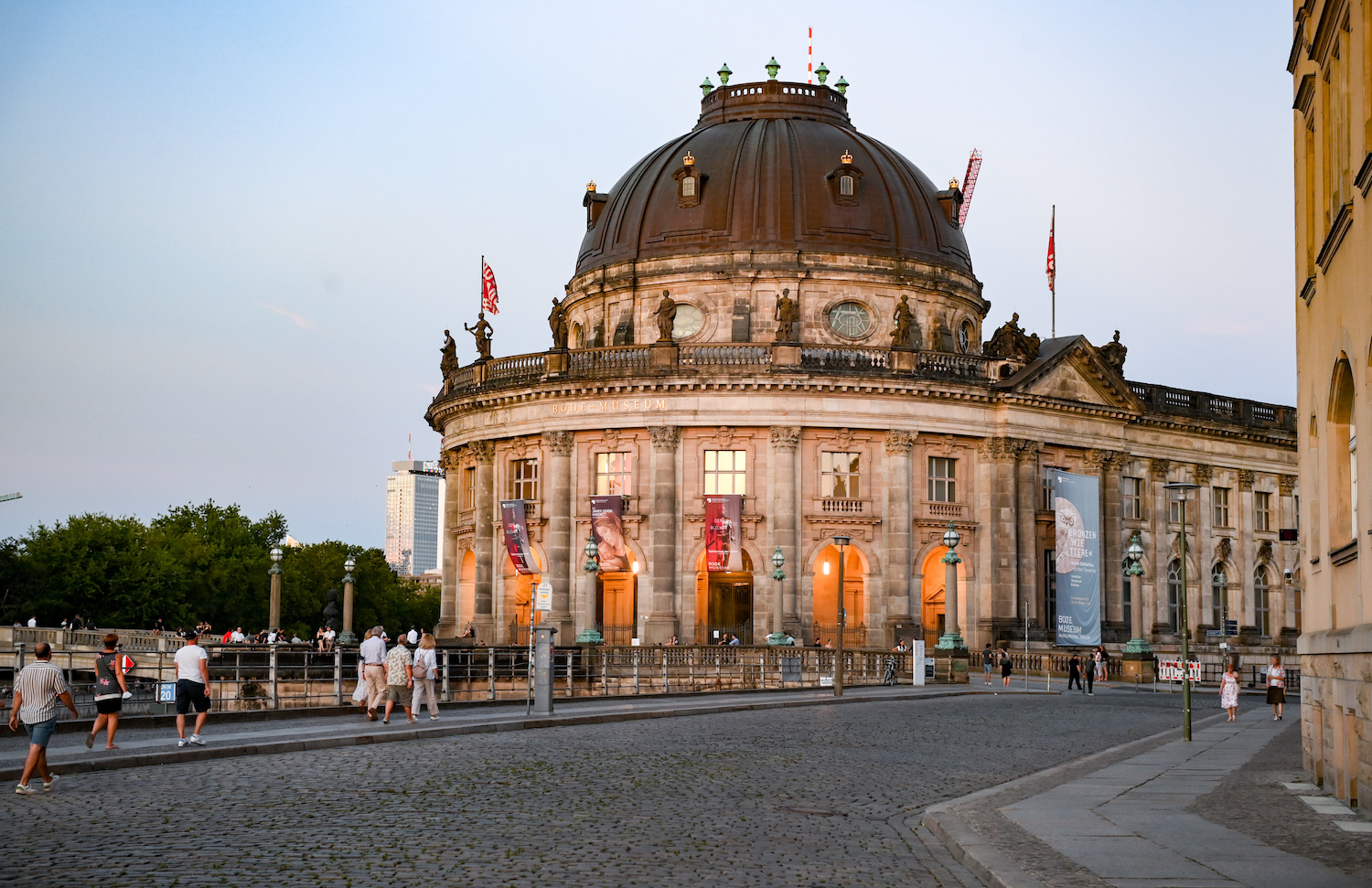
Activist Super-Glues Herself to Display Cabinet at Berlin’s Bode Museum

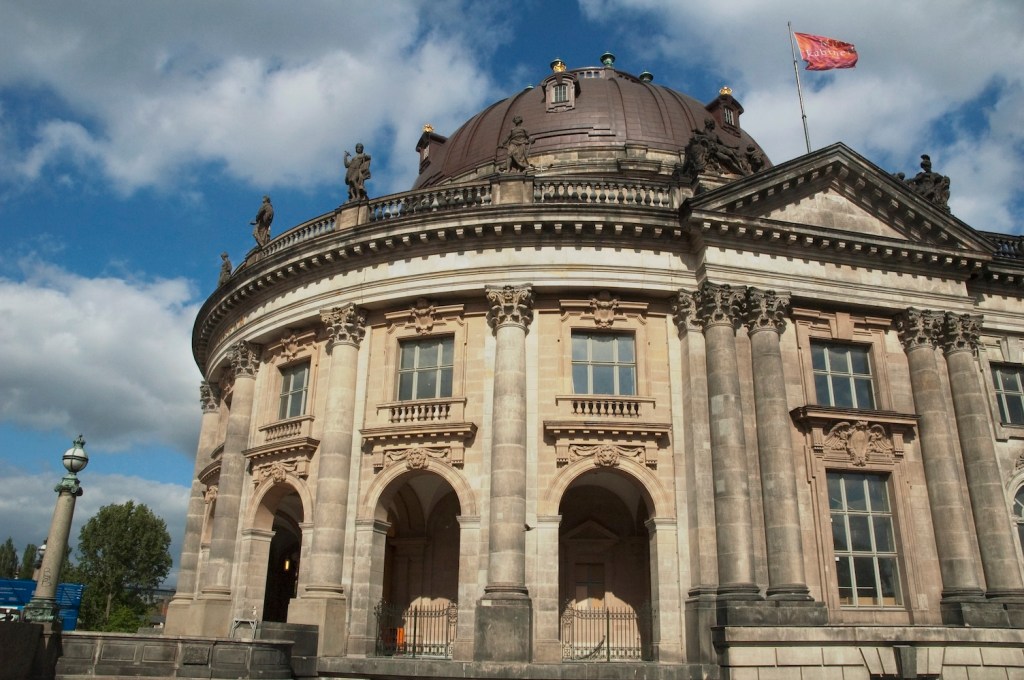
An activist from the group New Generation staged a protest at Berlin’s Bode Museum by super-gluing herself to a display cabinet containing coins. Dressed as Germany’s Economic Affairs Minister, Katherina Reiche, the protester aimed to criticize the minister's perceived lack of independence from corporate interests. Police successfully removed the activist, and the Prussian Cultural Heritage Foundation confirmed that no museum exhibits were damaged during the incident.

More than 200 cultural figures sign statement criticising international response to destruction of Iran’s heritage

More than 200 international scholars and cultural heritage professionals have signed a joint statement condemning the United States and Israel for inflicting "irreversible damage" on Iran’s cultural heritage. The group, which includes academics from leading global institutions, alleges that recent military strikes have damaged over 130 UNESCO-registered monuments and museums, including the Senate Palace in Tehran and sites in Isfahan. They argue these actions violate the 1954 Hague Convention and criticize international bodies like UNESCO for failing to issue a sufficiently forceful response.

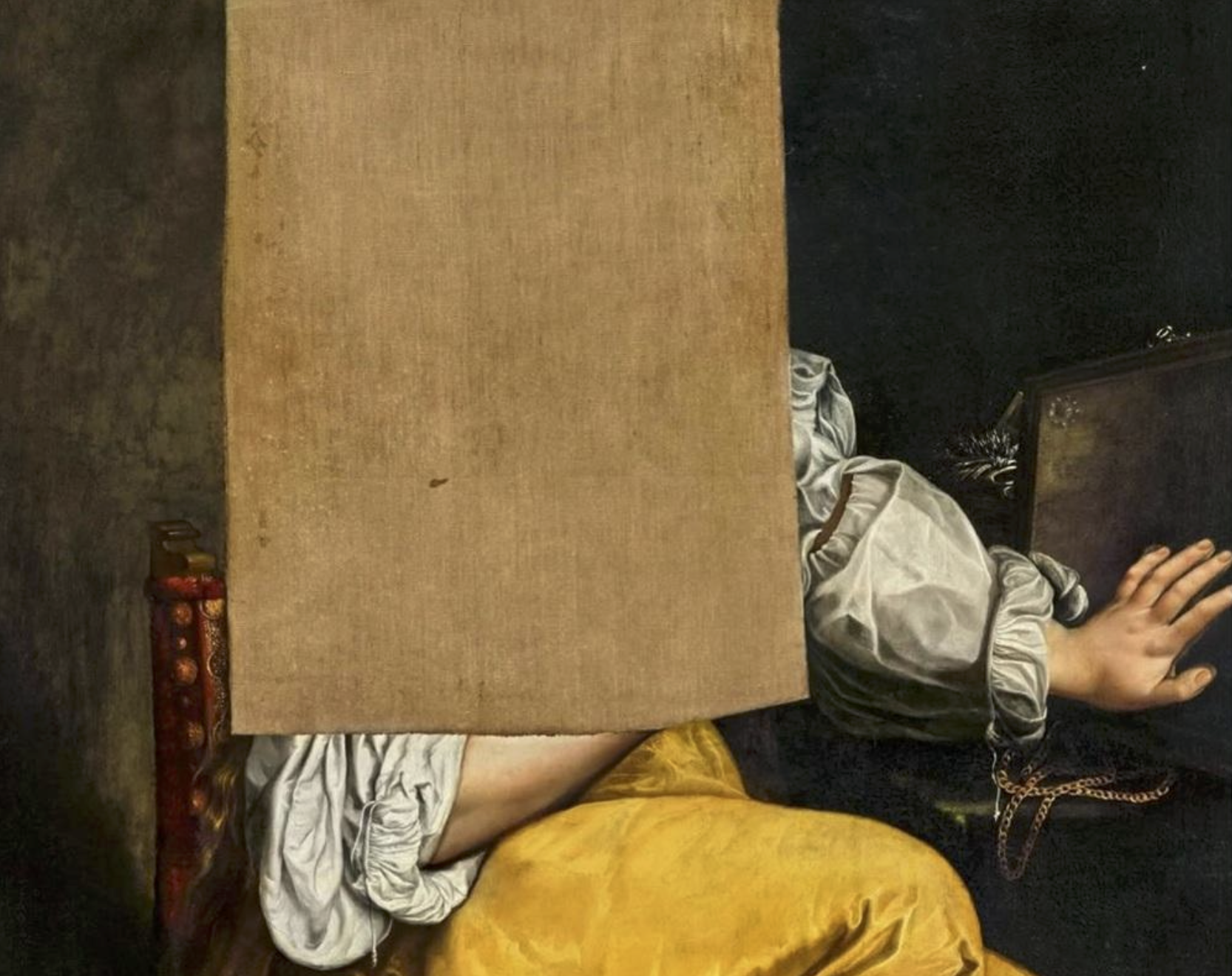
A Faceless Mary Magdalene by Artemisia Gentileschi Goes to Auction

Va in asta una Maria Maddalena di Artemisia Gentileschi senza volto

The Viennese auction house Dorotheum has announced the sale of a rare, fragmented painting of Mary Magdalene by the Baroque master Artemisia Gentileschi. Dating from the artist's influential Florentine period (1615–1618), this autograph version of a work held in Palazzo Pitti is notably missing its central element: the head and shoulders of the saint have been physically cut from the canvas. Despite this dramatic mutilation, which experts speculate may have occurred in post-war Berlin, the work is estimated to fetch between €100,000 and €150,000 at the Old Masters auction on April 28, 2026.

Activist glues herself to museum display case

Aktivistin klebt sich an Museumsvitrine

A protester from the activist group Neue Generation glued herself to a display case in the Coin Cabinet of the Bode-Museum on Berlin's Museum Island. Dressed as Federal Minister for Economic Affairs Katherina Reiche, the activist targeted the museum to protest the minister's perceived lack of independence from corporate interests. Police were called to the scene to remove the woman, and the Prussian Cultural Heritage Foundation confirmed that while the glass case was targeted, no historical artifacts were damaged.

Six months after the Louvre heist, a 'Complément d'enquête' takes stock, with never-before-seen images broadcast tonight on France 2

Six mois après le casse du Louvre, un « Complément d’enquête » fait le point, avec des images inédites diffusées ce soir sur France 2

On October 19, 2025, eight historic and priceless jewels were stolen from the Galerie d'Apollon at the Louvre Museum in Paris in just over three minutes, using a hoist and an angle grinder. Six months later, the French investigative program "Complément d'enquête" airs a 50-minute documentary titled "Musée du Louvre : dans les coulisses du casse du siècle" on France 2, featuring exclusive surveillance footage, interviews with guards, police, experts, and ministers, and new details about the four suspects arrested within weeks.

Museo de Arte Moderno de Bogotá's director departs amid accusations she harassed staff

The Museo de Arte Moderno de Bogotá (Mambo) is in a leadership crisis after its director, Martha Ortiz, resigned amid accusations of harassment and creating a toxic work environment. Her departure follows the dismissal of artistic director Eugenio Viola in February, which sparked an open letter signed by over 140 cultural figures demanding transparency. The museum's board chair, Ángela Royo, and financial manager Francy Hernández are temporarily overseeing operations while searches for both director and artistic director are underway.

Long Live the King?

Sam Jacob's essay in ArtReview uses the upcoming Baz Luhrmann film 'EPIC: Elvis Presley in Concert' (2026) as a springboard to explore the cultural and technical implications of digital restoration. The film, a spinoff from Luhrmann's 2022 Elvis biopic, draws on 59 hours of previously unseen footage from Elvis Presley's 1970 and 1972 Las Vegas performances, recovered from Warner's Kansas salt-mine archive. Using Peter Jackson's Park Road Post technology—including Machine Assisted Learning (MAL) for demixing audio and video—the damaged, fragmented material has been digitally scanned, reconstructed, and enhanced to 4k resolution with 12-channel sound, presented in IMAX cinemas.

Healing From the Burns: How The Getty Recovered From the LA Fires

On January 7, 2025, a wildfire driven by extreme winds reached the Getty Villa in Los Angeles. Thanks to years of preparation, staff efforts, and firefighter support, the museum buildings and art collection survived undamaged, though the landscape suffered severe damage. The Villa closed for about six months, during which staff removed 1,400 burned trees, cleaned soot and ash, restored water service, and installed a new exhibition. It reopened in late June 2025, welcoming visitors back to the galleries and gardens.

US Border Wall Construction Damages 1,000-Year-Old Indigenous Land Art in Arizona

Construction crews building a barrier between the United States and Mexico have damaged a 200-foot-long etching of a fish embedded in the land in Arizona, known as the Las Playas Intaglio, which is thought to be 1,000 years old. According to a report in the Washington Post, workers destroyed a 60-to-70-foot portion of the ancient Indigenous land art as part of President Donald Trump’s $46.5 billion border-wall project. Satellite imagery confirmed the destruction, showing bulldozer marks running through about a third of the fish formation. U.S. Customs and Border Protection acknowledged the incident, stating that a contractor inadvertently disturbed the cultural site on April 23, 2026, and that the remaining portion has been secured.

Hard Truths: Can an Artist Exact Revenge on a Dealer Treating Her Like a Pariah?

An artist seeks advice after severing a 25-year relationship with a gallery that enforced a restrictive two-year non-compete clause. Following the split, the artist discovered $50,000 in damaged inventory and alleged that the dealer lied to insurance companies while commissioning other artists to produce knockoffs of their work. A second inquiry involves a high-ranking art world figure distressed over being dropped from a prominent "Power 100" list, questioning whether to confront the publication.

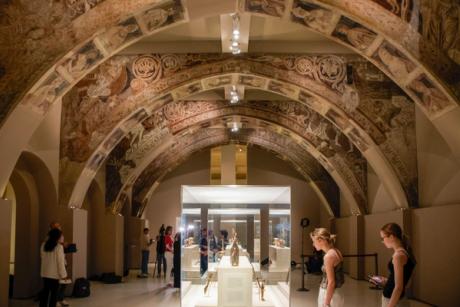
Barcelona museum refuses to return Sijena murals to monastery

The Museu Nacional d’Art de Catalunya (MNAC) in Barcelona is refusing to comply with a Spanish Supreme Court order to return the 12th-century Sijena murals to their original monastery in Aragón. Tensions escalated after the museum hosted a listening party for pop star Rosalía in the same hall where the Romanesque masterpieces are housed, leading to accusations from the municipality of Villanueva de Sijena that the museum is endangering the fragile works. MNAC director Pepe Serra has dismissed these concerns as scientifically unfounded, sparking threats of a defamation lawsuit from local officials.

Reaching for the stars: enduring symbols of Soviet science – in pictures

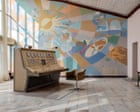
Photographer Eric Lusito documents Soviet-era scientific institutes across former USSR states in his book "Soviet Scientific Institutes," published by FUEL. The photo essay captures decaying facilities and enduring equipment at locations including the Institute of Radio Astronomy in Kharkiv, Ukraine; the Byurakan astrophysical observatory in Armenia; the Andronikashvili Institute of Physics in Tbilisi, Georgia; and the Fesenkov Astrophysical Institute in Kazakhstan, among others.

Hall Art Foundation Opens Season With Three Major Exhibitions

The Hall Art Foundation is reopening its Vermont campus for the 2026 season with three major exhibitions running through November 29. The centerpiece, "A Farewell to the Western World," is a group show of roughly 70 works exploring global power shifts and political instability, featuring artists such as Ai Weiwei, Aleksandra Mir, and Philip Guston. Also on view are Christian Marclay's video installation "Made To Be Destroyed," which compiles film scenes of artworks being damaged or destroyed, and Piotr Uklański's photographic installation "The Nazis," examining how film and popular culture have shaped representations of the Third Reich. The campus, set on a former dairy farm in Reading, includes converted gallery buildings and outdoor sculptures by Olafur Eliasson, Antony Gormley, Richard Long, and Marc Quinn.

Cultural Losses Across West Asia

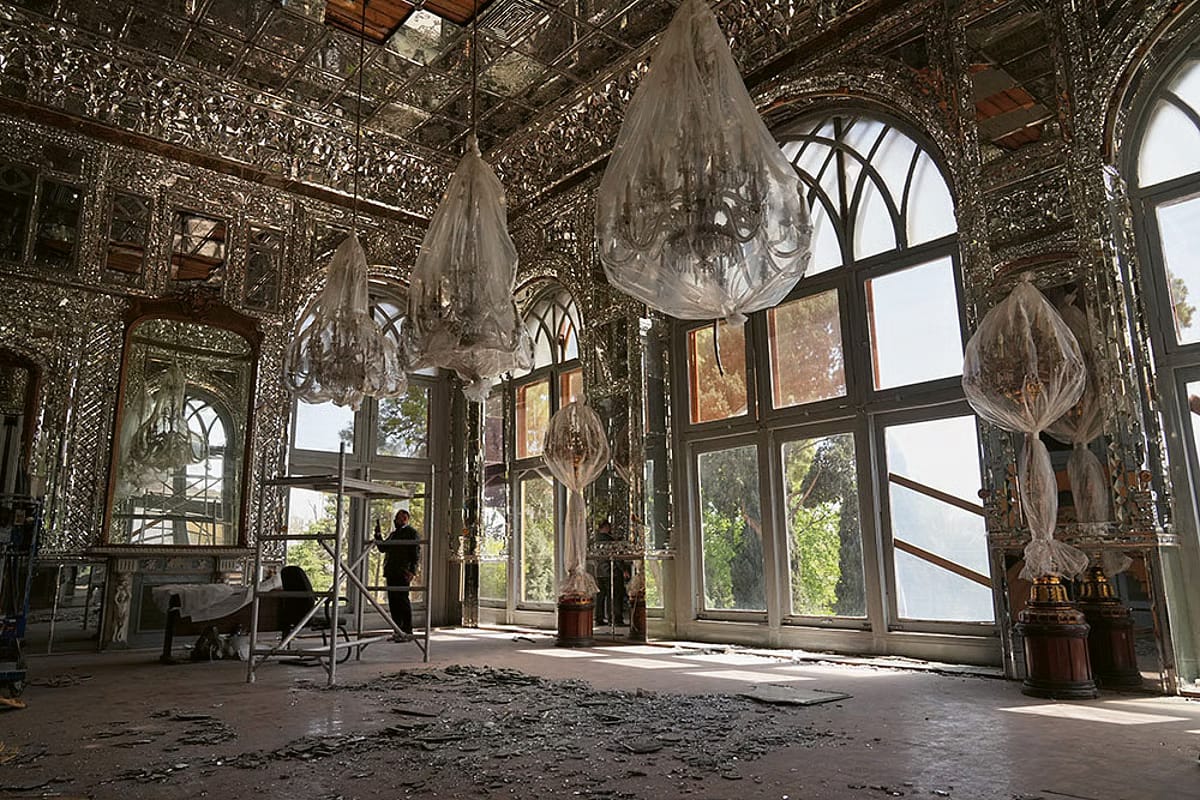
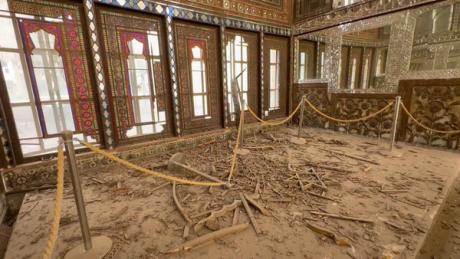
Since February 28, 2026, US-Israeli strikes on Iran have escalated into a major military confrontation across the Middle East, causing heavy casualties and infrastructure damage. Multiple UNESCO World Heritage sites have been hit, including Tehran's Golestan Palace (damaged on March 2), Isfahan's Chehel Sotoun palace and Naqsh-e Jahan Square (attacked March 9), and Tel Aviv's White City Bauhaus architecture, which suffered severe damage from Iranian counterattacks.

Saudi pavilion at Venice Biennale turns fractured heritage into monumental art installation

Saudi Arabia has unveiled a large-scale installation by artist Dana Awartani at the 61st Venice Biennale, held at the Arsenale. Titled "May your tears never dry, you who weep over stones," the work covers the entire floor of the Saudi national pavilion and incorporates over 29,000 sunbaked clay bricks and mosaic patterns inspired by Islamic geometric art. The installation references 23 heritage sites across the Arab world that have been damaged or destroyed by conflict, and was produced over nearly 30,000 artisan hours with 32 craftspeople at a studio outside Riyadh. Curated by Antonia Carver with assistant curator Hafsa Alkhudairi, the piece emphasizes traditional craftsmanship and collective skill-sharing.

Bulldozer Plows Across Thousand-Year-Old Indigenous Land Art During Border Wall Construction

Construction workers building the Trump administration's border wall between the US and Mexico accidentally damaged a two-hundred-foot-long Indigenous land art figure known as the Las Playas Intaglio, a colossal fish etched into the earth near Ajo, Arizona, that is thought to be over a thousand years old. Satellite imagery showed bulldozer tracks cutting a sixty-to-seventy-foot-wide path across the intaglio, and a Customs and Border Protection spokesperson confirmed the disturbance, stating the remaining portion had been secured and would be protected in place.

The Savvy Balancing Act of the 'Bern 2026' Regional Sites

Le savant dosage des sites régionaux « Bern 2026 »

The French Heritage Foundation (Fondation du patrimoine) has announced the 2026 list of 18 emblematic regional sites selected for the 'Loto du patrimoine' (Heritage Lottery) funding initiative. The sites, chosen from 650 endangered candidates, include religious buildings like the Chapelle Notre-Dame du Kreisker in Saint-Pol-de-Léon and the Antana-Bé Mosque in Mayotte, forts and castles such as the Royal Castle of Senlis and Fort Boyard, as well as industrial, rural, and residential ensembles like the Beaufonds sugar factory in La Réunion. The selection balances architectural significance, state of decay, project maturity, and potential for revitalization.