
filter_list Showing 2 results for "E.J. van Wisselingh" close Clear
search
dashboard All 2 trending_up market 1article news 1
date_range Range Today This Week This Month All
Subscribe

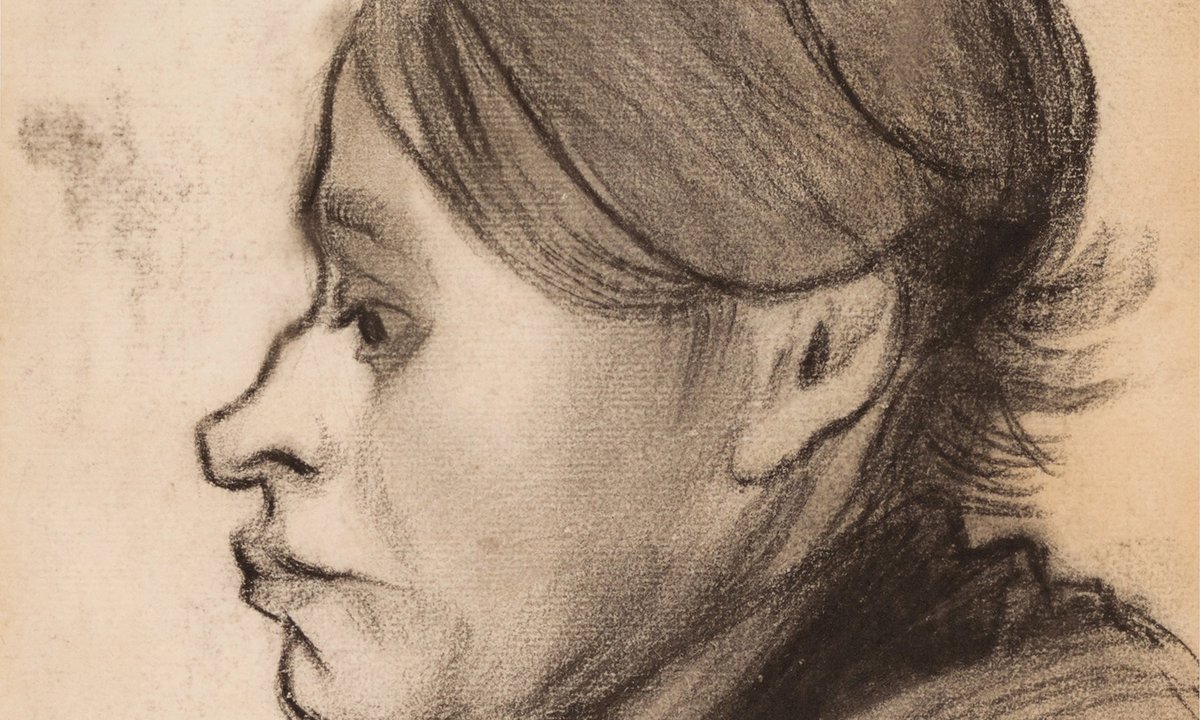
Revealed: how Van Gogh's nephew exchanged two of the artist's drawings for butter and bacon

In early 1945, during the Dutch 'Hunger Winter' at the end of World War II, Vincent van Gogh's nephew, Vincent Willem van Gogh, exchanged two of the artist's drawings for 35 packets of butter and some bacon. The swap was arranged with the help of artist Charley Toorop and involved the cheese business Visser Kaas in Heiloo. One of the drawings, *Head of a Peasant Woman, left profile* (December 1884–May 1885), is now being offered at Sotheby's on 25 June with an estimate of £400,000–£600,000, suggesting the pair would be worth around £1 million today. The nephew's family was suffering from starvation and tragedy, including the execution of his eldest son by German forces.
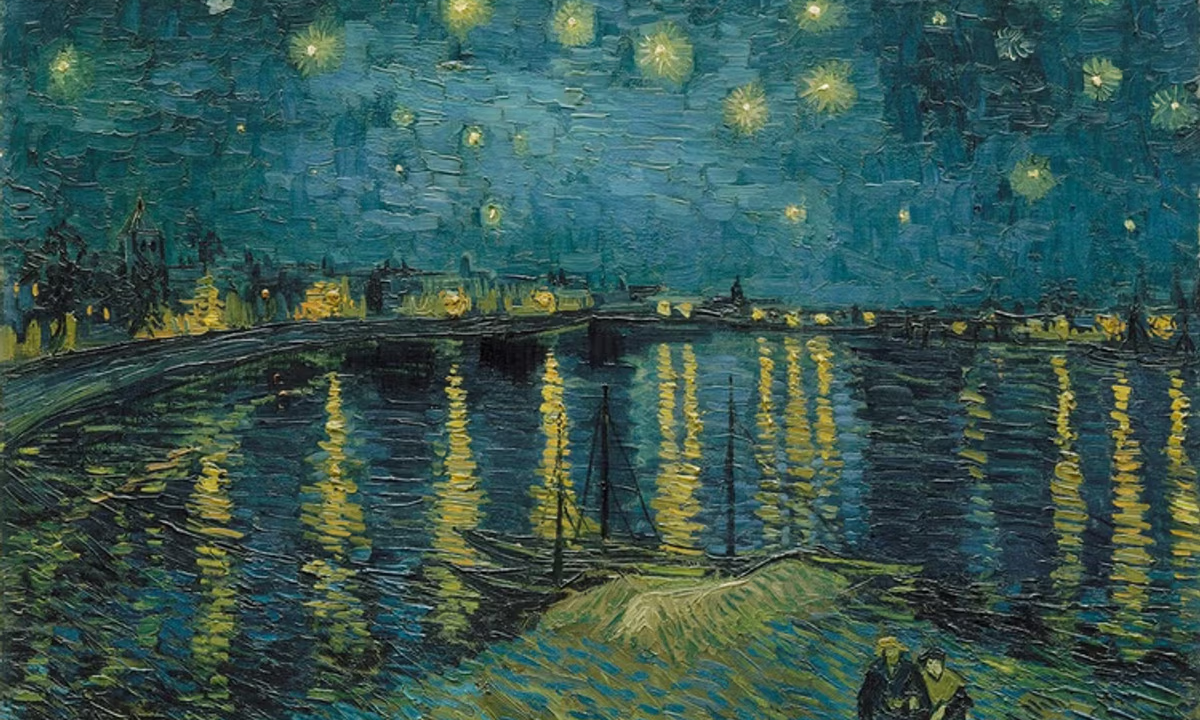
Pioneering US collector Albert Barnes turned down both of Van Gogh’s 'Starry Nights'

Albert Barnes, the pioneering US collector who built the Barnes Foundation in Philadelphia, twice declined the opportunity to acquire Vincent van Gogh's iconic 'Starry Night' paintings. Unpublished correspondence in the Barnes Foundation archives reveals that in 1923, agent Frank Washburn Freund offered Barnes *Starry Night over the Rhône* (1888), but Barnes did not pursue it; the painting later went to the Musée d'Orsay. In 1936, the Van Wisselingh gallery offered Barnes *Starry Night* (1889), but he again passed; it was eventually acquired by the Museum of Modern Art in New York. Despite these missed chances, Barnes was the first American to buy a Van Gogh, ultimately owning seven works by the artist, including *The Postman* and *Still Life*.