filter_list Showing 6 results for "Edouard Gouin" close Clear
dashboard All 6 trending_up market 5article policy 1
date_range Range Today This Week This Month All
Subscribe

tefaf new york art fair trump tariffs impact 1234740253

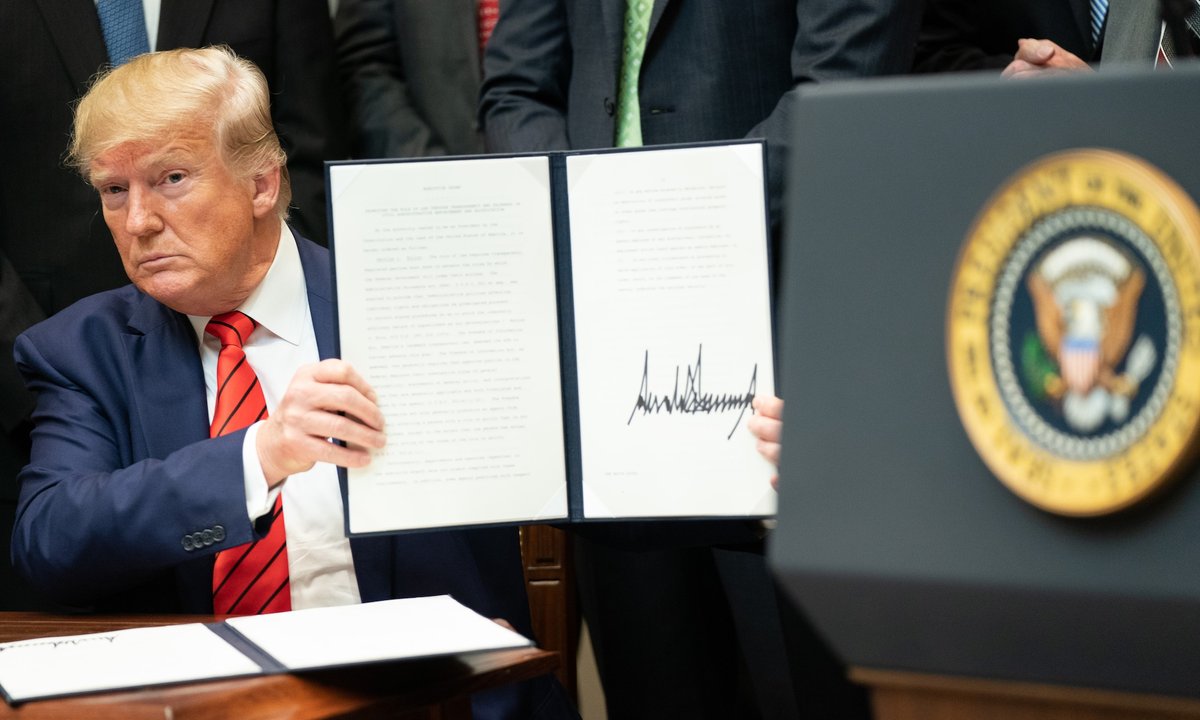
New tariffs imposed under the Trump administration are causing significant disruptions for art professionals shipping works to major New York art fairs, particularly TEFAF New York. Shipping companies report a 'torturous road' as galleries navigate complex import taxes—including 7.5% on Chinese artworks, 25% on steel and aluminum sculptures, and 10% on jewelry, furniture, and design pieces—while many original artworks, antiques over 100 years old, and collector's pieces remain exempt. Galleries are modifying operations by renting booth furniture, showing items already stored in the US, and avoiding shipments from China, with some classifying antiquities broadly as 'sculpture' to simplify customs clearance.

art shipping in turmoil as tariffs trigger delays 2636325

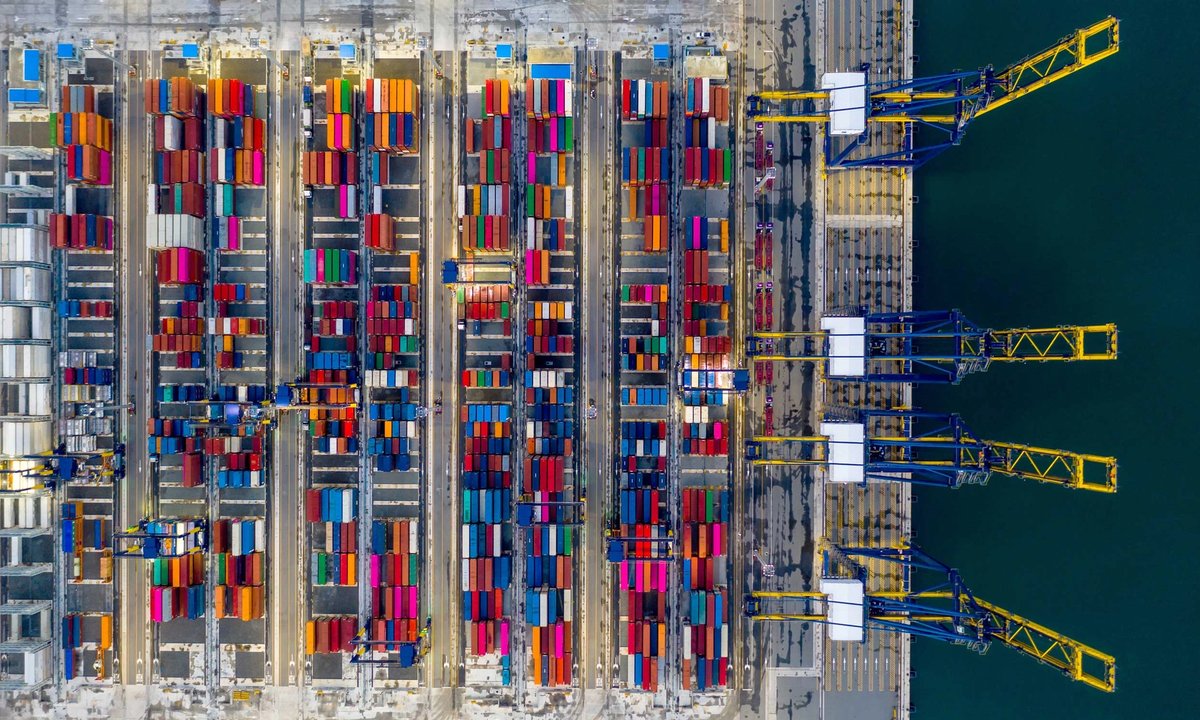
President Trump's tariff policies are causing significant disruption in the art shipping industry, despite artworks themselves remaining largely exempt from import taxes under U.S. law. While Section 1702(b) of the IEEPA protects artworks, books, and films from presidential trade restrictions, antiques and design objects are subject to a 10 percent universal tariff, creating confusion for customs officers. Meanwhile, changes to de minimis rules—lowering the threshold for formal customs processing from $2,500 to $800—have forced DHL to temporarily suspend certain shipments and caused multi-day delays. Smaller art dealers relying on global logistics firms are particularly affected, as bespoke fine-art shippers like Crozier, UOVO, and Cadogan Tate are often too expensive for lower-value works under $10,000.

eu import regulations 2653480

The European Union's Regulation 2019/880, aimed at combating illicit trafficking and terrorism, will take effect on June 28, imposing stricter import controls on antiquities and artworks over 200 years old and valued above €18,000 ($19,500). The regulation requires importers to provide evidence that an object was lawfully exported from its country of origin, even for items exported decades ago when such documentation was not required. This reverses the presumption of innocence, placing the burden of proof on importers. Dealers and experts express concern that the rules are not based on market realities, as importers must be registered within the E.U., forcing non-E.U. dealers to rely on third-party agents or shippers. The regulation also poses challenges for ancient objects, where borders and export controls may be historically ambiguous.

Amid uncertainty over Trump’s tariffs, many collectors pause purchases while others ‘hold their noses and pay’

US President Donald Trump's proposed tariff regime for around 60 countries has created uncertainty in the art and antiques markets. Dealers and collectors are grappling with questions about whether art, antiques, and decorative objects are exempt, and how import duties might affect pricing and attendance at US art fairs. Margo Thoma of Tai Modern in Santa Fe reports that a 24% tariff on Japanese goods would likely have prevented two out of four recent sales. Steven J. Chait of Ralph M. Chait Galleries notes that while top-tier collectors may accept higher prices for extraordinary objects, the middle market may balk. Art adviser Todd Levin warns that newer, younger collectors could be most affected, and dealer Eric Zetterquist has canceled his spring buying trip to Asia due to economic uncertainty.

Anxious collectors are increasingly turning to freeport havens, experts say

Rising tariffs, geopolitical instability, and extreme weather events are driving art collectors to move valuable items into secure, tax-friendly freeports, particularly in Switzerland. Experts Alexandre Ducamp of Natural le Coultre and Fritz Dietl of Delaware Freeport report a significant increase in clients over the past three years, citing the war in Ukraine, multiple ongoing conflicts, and President Trump's April 2025 'Liberation Day' tariffs as key factors. Collectors are using freeports in Geneva, Zurich, Basel, and Chiasso, as well as foreign trade zones in Delaware, to delay or avoid import duties on items like design furniture, antiques, and Chinese-origin artworks, with some purchases being cancelled due to new tariffs.

Comment | 'AI will transform the art market—just not how you expect'

The article argues that AI's most transformative impact on the art market will not come from generating new artworks or NFTs, but from streamlining back-office operations like logistics, insurance, provenance checks, and shipping. It notes that only 3.4% of the $1.7 trillion in privately held art is traded annually, and that antiquated processes deter younger buyers. By automating these friction-heavy tasks, AI could unlock billions in liquidity, potentially raising the turnover rate to 4.4% and injecting over $17 billion into the ecosystem.